







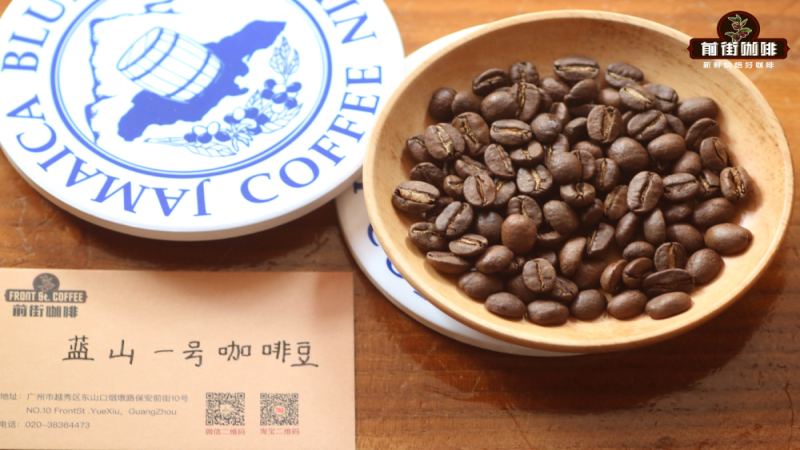
Jamaican Blue Mountain coffee is globally recognized as a representative of specialty coffee, but products labeled "Blue Mountain flavor" or "Blue Mountain blend" keep emerging on the market, while genuine Blue Mountain coffee beans must originate from the Blue Mountains of Jamaica. In this article, Front Street Coffee sorts out the complete origin information of Blue Mountain coffee, including the three major producing regions of St. Andrew, Portland, and St. Thomas, the three grade classifications of Blue Mountain, High Mountain, and Jamaica, the Typica variety and washed processing tradition, as well as the iconic barrel export method. It also introduces the Clifton Farm Blue Mountain No. 1 selected by Front Street, along with pour-over brewing parameters and flavor description.
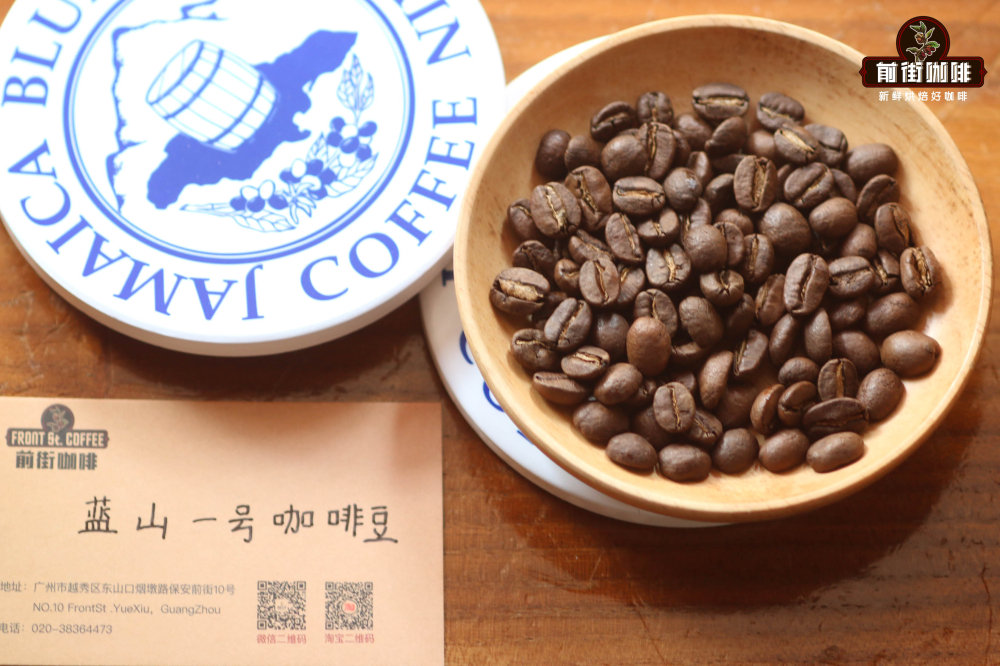
The Blue Mountain coffee beans produced in Jamaica are renowned throughout the global specialty coffee circle, and their fame is so high that counterfeits keep appearing on the market. These counterfeits usually fly the banner of "Blue Mountain flavor" or "Blue Mountain blend." In fact, only coffee beans produced in the Blue Mountains of Jamaica can be called true Blue Mountain coffee beans. Below, Front Street will sort out the origin situation of Blue Mountain coffee for everyone.
Jamaica is an island country in the Caribbean Sea, and the highest mountain range within its territory is the Blue Mountains, while the entire area of Jamaica suitable for growing coffee is concentrated around this mountain range. To this day, Jamaican Blue Mountain coffee has formed three major producing regions, namely: the St. Andrew region, the Portland region (Portland), and the St. Thomas region (St.Thomas).
In eight years, Jamaica exported a cumulative total of more than 375 tons of pure coffee. Coffee production reached its peak in 1932, with that year's harvest reaching more than 15,000 tons. In 1950, the Jamaican government established the Jamaica Coffee Industry Board (the Jamaica Coffee Industry Board), which sets coffee quality standards and supervises their implementation to guarantee the quality of Jamaican coffee. The board issues specially made official seals for exported green beans and roasted beans, and this institution is also the world's highest-level national coffee management authority. At present, there are six marks that can represent the origin of Blue Mountain coffee, including Mavis Bank Central Factory (M.B.C.E), Blue Mountain Coffee Cooperative Factory (M.H.C.C.T.), Portland Blue Mountain Coffee Cooperative Factory (P.X.X.S.H.), Coffee Industry Association (Wallenford), Coffee Industry Association (St. John's Peak), and Blue Dawn (J.A.S). In 1969, with Japanese loans to improve production quality, the market was able to stabilize. Having developed to this day, Blue Mountain coffee has been feverishly pursued by many enthusiasts.
In 1981, Jamaica opened up about 1,500 hectares of land for coffee cultivation, and afterward added investment to open another 6,000 hectares of coffee plantations. In fact, today's Blue Mountain area has only 6,000 hectares of planted area, so it is impossible for all coffee marked "Blue Mountain" to come from there. The remaining 12,000 hectares of land are used to grow two other types of coffee: Jamaica High Mountain Supreme Coffee and Jamaica Prime Washed Coffee.
[Geographical Advantages]
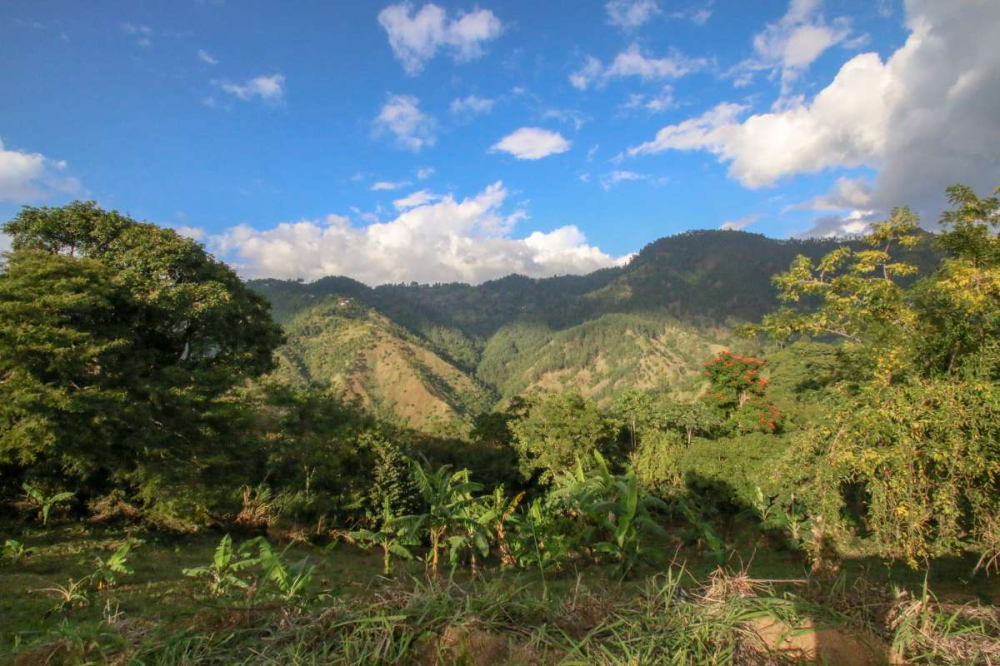
Blue Mountain coffee is hailed as one of the most superior coffees in the world, and Jamaica's climate, geological structure, and topography together create an ideal growing environment. The ridge running through Jamaica extends all the way to the eastern part of the island, and the Blue Mountains rise more than 2,100 meters above sea level. The climate here is cool, misty, and frequently rainy, bringing abundant and balanced moisture to this fertile land. Locally, a mixed planting method is used to cultivate coffee trees, allowing coffee to grow alongside banana trees and avocado trees on the terraces. Some small estates also grow it.
However, even the largest estate owners in the region can only be considered small-scale growers by international standards, and many of these estate owners are small landholders whose families have farmed for two centuries. The Jamaican coffee industry faces a series of challenges, such as hurricane damage, rising labor costs, and the difficulty of mechanizing terrace operations. Many small estates and farms find it hard to achieve rationalized cultivation. Because Japan has long invested in the Jamaican coffee industry, most Blue Mountain coffee is currently in Japanese hands, and Japan has also obtained priority purchasing rights for Blue Mountain coffee.
In 1992, Jamaica sold 688 tons of Blue Mountain coffee to Japan, 75 tons to the United States, and 59 tons to the United Kingdom. Today, 90% of Blue Mountain coffee is purchased by Japan. Since other regions of the world can only obtain the remaining 10%, Blue Mountain coffee is always in short supply regardless of price.
Grade Classification of Blue Mountain Coffee Beans
Coffee from Jamaica's Blue Mountain region is divided into three grades: Blue Mountain Coffee, Jamaica High Mountain Supreme Coffee Beans, and Jamaica Prime Coffee Beans. Among them, Blue Mountain coffee and High Mountain coffee are each further divided into two grades. From highest to lowest quality, they are: Blue Mountain No. 1, Blue Mountain No. 2, High Mountain No. 1, High Mountain No. 2, and Jamaica coffee.
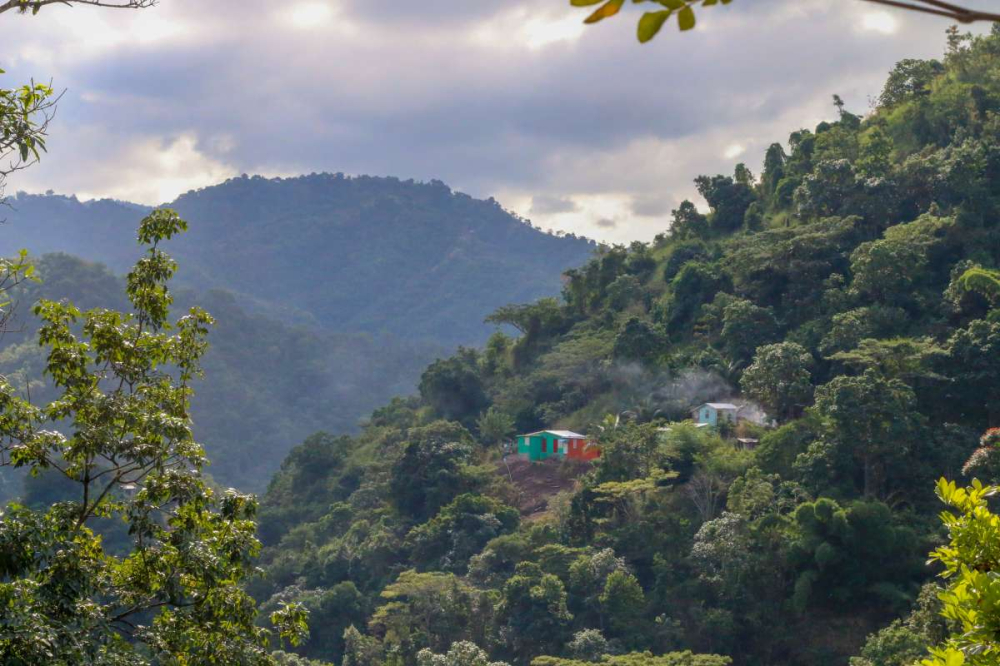
Clifton Farm
What Front Street purchases is Blue Mountain No. 1 coffee beans produced by Clifton Farm. The reason Front Street chose this farm's Blue Mountain coffee beans is that it is an ancient coffee origin in Jamaica that is still operating normally today. Around 1750, Clifton Farm had already begun growing and producing coffee. The average altitude of the cultivation and processing area here is 4,300 feet (about 1,310.64 meters). Sufficient altitude, gentle afternoon clouds and mist lingering around the mountain forests for shade, ample sunlight, and mineral-rich soil provide good growing conditions for the coffee trees and also extend the ripening time of the coffee cherries.
The variety of Blue Mountain coffee beans is the Typica variety, which possesses excellent genes. Because the island's environment is closed off, the Typica variety still retains the characteristics it had more than 300 years ago, while Typica on the mainland has long undergone generations of hybridization and mutation. Therefore, the single variety of Blue Mountain coffee beans also allows it to maintain a very clean taste and flavor.
Traditional Blue Mountain coffee beans must be washed. In fact, aside from Jamaica's attempts in the past two years to produce a small batch of natural-process coffee and the Geisha variety, washed Typica has always been regarded as authentic Blue Mountain coffee.
The skin, pulp, and mucilage are removed through washing and fermentation. Farms using the washed method must build washing tanks and be able to introduce a continuous supply of fresh water. During processing, the skin and pulp are first removed, then the beans are allowed to ferment for 12 to 18 hours, after which the fermented beans are placed in the tank and pushed back and forth, using the friction between the beans and the force of flowing water to wash the coffee beans until they are smooth and clean. The advantage of this method is that it ensures the stability of Blue Mountain coffee's flavor and its high-quality attributes.
Blue Mountain coffee beans also have another characteristic: among all coffees, only Blue Mountain uses barrels, while other coffees are exported in burlap sacks. It is said that this practice originated in the mid-eighteenth century, during the British colonial period, when flour shipped from Britain to Jamaica had its empty barrels recycled and used to transport coffee and rum. The barrels used today are made from wood from temperate forests in the United States. The advantage of wooden barrels is that they can absorb and release internal and external moisture, with not too much variation, which can mitigate sudden temperature changes during transportation. In addition, barrel sealing can isolate the coffee aroma and maintain the best coffee quality, but the additional cost is also relatively high.
Of course, if you want to verify whether they are truly Blue Mountain coffee beans, besides the original wooden barrels, the Blue Mountain certification certificate issued by the Jamaican side is also an important basis for judgment.
On the current market, the Jamaica Coffee Board can issue certificates for all exported Blue Mountain coffee.
There are three types of certificates:
(1) Quality certification certificate issued by the Jamaica Coffee Board
(2) Authorized sales certificate issued by the Blue Mountain coffee producer.
(Blue Mountain coffee is distributed by 4 processing producers licensed by the Jamaican government, and exported by 16 licensed exporters.)
(3) Certificate of origin for Jamaican Blue Mountain coffee
Quality certification certificates will indicate the time and quantity. The Jamaica Coffee Board randomly selects one package from the submitted Blue Mountain coffee for inspection, and if it meets the conditions for Blue Mountain coffee, the certificate is issued. The certificate Front Street applied for is the authorized sales certificate issued by the Blue Mountain coffee producer.
In roasting, Front Street uses dark roasting. In fact, in the realm of dark roasting, the flavor and mouthfeel of Blue Mountain coffee are unique. Front Street recommends brewing by pour-over.
Front Street recommends using freshly roasted coffee beans for brewing, as this allows you to experience the coffee's rich flavors to the greatest extent. The coffee beans shipped by Front Street Coffee (FrontStreet Coffee) are all within 5 days of roasting, because Front Street deeply understands that the freshness of coffee beans has a great impact on flavor. The purpose of Front Street's roasting is "freshly roasted good coffee," so that every customer who places an order receives the freshest coffee when it arrives. The resting period for coffee is about 4-7 days, so when the customer receives it, it is exactly at its best flavor.
Brewing Parameters
Dose: 15g
Grind size: medium-coarse grind, 75% passing through a No. 20 sieve
Ratio: 1:15
Water temperature: 87°C
Dripper: Kono dripper
Brewing method: Front Street uses a three-stage pour. In the first stage, pour 30ml and bloom for 30 seconds; in the second stage, pour 100ml; in the third stage, pour 95ml. The extraction time is about 2 minutes.
Blue Mountain coffee flavor characteristics: the taste is very clean, complex, very mild, with chocolate sweetness and very strong body. The flavor is rich and mellow, and the coffee's sweet, acidic, and bitter notes are perfectly balanced, with no bitterness at all, only a moderate and perfect acidity, and a lingering fruity aftertaste.
For professional coffee knowledge exchange and more coffee bean information, please follow Coffee Workshop (WeChat public account cafe_style) For more specialty coffee beans, please add the private WeChat of Front Street Coffee (FrontStreet Coffee), WeChat ID: qjcoffeex
The above content is compiled by CoffeeHunters, a coffee news website.


