







Search Results for: Coffee Beverage Classification

Analysis of Coffee Tree Potted Cultivation and Growing Region Conditions: From Plant Classification to Artificial Planting Practices
Coffee, this everyday beverage, originates from the fruit of the coffee tree. This article begins with its botanical classification and systematically examines the origins, growth habits, and suitable cultivation regions of the coffee tree. The coffee tree belongs to the genus Coffea in the family Rubiaceae and is an evergreen shrub, naturally distributed across the "Coffee Belt" between the Tropic of Cancer and the Tropic of Capricorn. Beyond commercial cultivation, the coffee tree can also be grown as an ornamental potted plant, displaying its unique charm in artificial environments. The article will explain in detail the coffee tree's growth cycle, pruning management, and planting applications in coffee shops, accompanied by multiple images to aid explanation, helping coffee enthusiasts gain a more comprehensive understanding of this plant's natural and cultivated growing requirements. [more…]

Starbucks Mainstream Coffee Beverage Classification and Features Explained: A Complete Guide from Espresso to Cold Brew
As a globally renowned coffee chain brand, Starbucks builds its beverage system on the foundation of espresso. By pairing it with different ingredients such as water, milk, and syrup, it has developed many classic products including Americano, Latte, Cappuccino, Flat White, Mocha, and Caramel Macchiato, and offers three cup sizes: Tall, Grande, and Venti. In addition to traditional espresso drinks, the cold brew coffee series has also quickly gained popularity in recent years, winning over many enthusiasts with its smooth texture achieved through long, low-temperature extraction. In this article, Front Street Coffee will systematically sort out the recipe characteristics and flavor differences of Starbucks' main coffee categories, and also share the preparation parameters for iced Americano, helping coffee lovers more clearly understand the logic behind the menu and find the cup that suits their taste. [more…]

Auto giant expands into coffee territory again: BYD registers "Wudi Xiaoyin" series of food and beverage trademarks
BYD, a leading domestic new energy vehicle company, recently submitted registration applications to the China National Intellectual Property Administration for two trademarks, "Wudi Xiaoyin" and "Laibei Di Xiaoyin," with the international classification pointing to the food and beverage and accommodation sector. The applications are currently awaiting substantive examination. This move is seen by the industry as a new step by BYD on the path of diversified operations. In fact, as early as 2023, BYD had already established themed restaurants and cafes in Singapore, integrating automobile displays with dining experiences. From overseas experimentation to domestic trademark reserves, this automaker seems intent on embedding coffee culture into its showroom service scenarios. This article will sort out the specific information of BYD's trademark applications, review its past attempts in the food and beverage and coffee sector, and analyze the strategic intent behind this cross-industry move. [more…]
A Complete Analysis of the Three Major Coffee Varieties: Distinguishing Large-Bean, Medium-Bean, and Small-Bean Coffee and the Classification of Yunnan Small-Bean Coffee
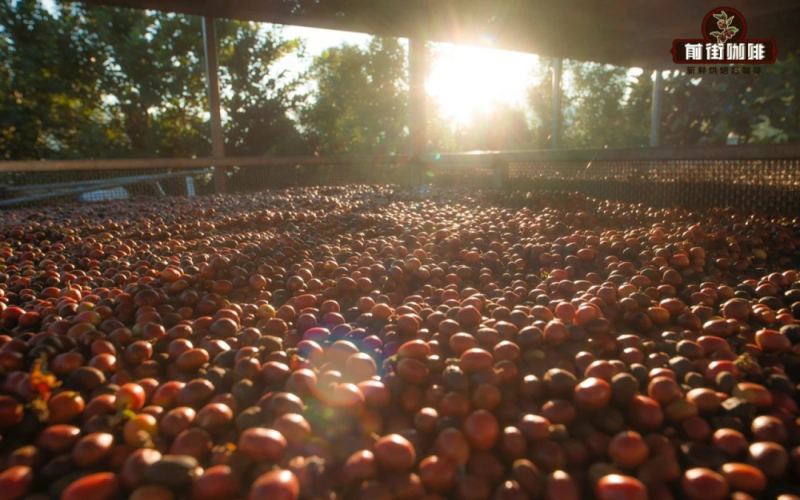
The coffee world is vast and complex. Under botanical classification alone, there are more than a hundred species, yet the cultivated varieties actually used for drinking mainly fall into three major categories: Arabica (small-bean), Robusta (medium-bean), and Liberica (large-bean). Each possesses unique botanical characteristics, growing conditions, and flavor profiles, and their yields and commercial value differ greatly. Yunnan, as China's representative coffee-producing region, grows coffee that belongs to which category? Why is it called "Yunnan small-bean coffee"? This article will systematically outline the key distinctions among the three major coffee varieties, provide an in-depth answer to the varietal classification of Yunnan small-bean coffee, and also present Front Street Coffee's Yunnan Typica and espresso blend recommendations. [more…]
The Origin and Flavor Analysis of Mocha Coffee: A Complete Interpretation from Yemeni Mocha Beans to Chocolate Espresso
Mocha coffee is one of the most recognizable specialty coffee drinks. Its name comes from the small port town of Mocha on the Red Sea coast of Yemen, which held a monopoly on the coffee export trade in the 15th century. Mocha refers both to a coffee beverage with a chocolate flavor and to the chocolate-colored coffee beans from Yemen. This article will comprehensively sort out the flavor characteristics and origin background of mocha coffee from the perspectives of recipe composition, surface decoration, variant classification, regional naming differences, and historical origins, helping coffee lovers clarify the ins and outs of this classic drink. If you are looking for a coffee bean suitable for making mocha, Front Street Coffee's Yemen Mocha flavored beans are worth checking out. [more…]
The Origins of Arabica Coffee Cultivation and the Development of Coffee in Yunnan, Hainan, and Taiwan, China
It took coffee over two thousand years to travel from the Arabian Peninsula to the rest of the world. This article traces the spread of coffee cultivation, from the Arabs' first plantings in 525 BC, to its introduction to Eurasia in the 15th century and its spread across the tropics by the 18th century. It also focuses on the introduction and rise of coffee in China—Taiwan led the way in 1884, Hainan saw it brought back by overseas Chinese in the early 20th century, and Yunnan's Arabica coffee, thanks to the terroir advantage of large day-night temperature differences, has developed a unique style that is rich without being bitter, aromatic without being harsh, and carries fruity notes, praised by international coffee traders as being of superior quality. The article also introduces the botanical classification and growing conditions of the coffee tree. [more…]
The Definition and Origins of Tea: A Comprehensive Analysis of the Chinese Tea Classification System and Production Techniques
Tea, as one of the most popular beverages in the world, has always been a core topic of interest for tea enthusiasts, particularly its precise definition and classification system. This article will start from the essence of tea leaves, systematically outline the classification criteria for Chinese tea, trace the historical journey of tea from China to the world, and provide a detailed analysis of the complete production process from tea cultivation to leaf picking. Additionally, it will explain the differences between true tea and herbal teas, as well as the impact of key steps such as high-altitude cultivation and hand-picking on tea quality. Whether you are a coffee enthusiast just starting out or a seasoned drinker with extensive knowledge of tea culture, you will gain clear and professional insights from this. [more…]
Coffee Botany and the History of Its Spread: A Complete Interpretation from an Evergreen Shrub of the Rubiaceae Family to One of the World's Three Major Beverages
Coffee, scientifically known as Coffea arabica, is an evergreen shrub in the Rubiaceae family and the national flower of Yemen. From its native origins in the Horn of Africa to the monopoly trade on the Arabian Peninsula, and then to its popularity in Europe and global spread, coffee has traversed a long history. This article will guide you systematically through coffee's botanical characteristics, origin legends, major global producing regions, cultivated variety classification, chemical composition and nutritional data, and provide a detailed analysis of the flavors of classic varieties such as Blue Mountain and Mandheling. Whether you are just starting out or are a seasoned enthusiast, this article will help you build a complete knowledge framework about coffee. Front Street Coffee will also recommend classic beans worth trying. [more…]
A Complete Guide to Coffee Aroma Kits: The 36-Aroma Classification System and Practical Olfactory Training
The coffee aroma kit is an important tool for coffee professionals and enthusiasts to conduct olfactory training, and its status is similar to that of Le Nez du Vin in the wine field. Currently, mainstream products include the 36-note Le Nez du Cafe produced by Edition Jean Lenoir in France, and the 100-note Coffee Flavor Map launched by Scentone in South Korea. The SCAA certification course uses the 36-note version, which divides aromas into four major groups, covering enzymatic, caramel, dry distillation, and defective groups. It not only helps memorize specific flavors but also reveals the patterns of flavor evolution during the coffee roasting process. This article will list the 36 aromas one by one, explain in detail the logic of the four major categories, and share specific methods for daily olfactory training, including how to use Front Street Coffee's freshly ground coffee powder for dry aroma and wet aroma comparison exercises, so as to effectively improve flavor discrimination ability. [more…]

Multiple Solid Beverage Packages Imitate Sauce-Flavor Latte; Legal Experts Analyze Infringement Risks and Trademark Status
After Luckin Coffee's co-branded sauce-flavored latte with Moutai went viral, a number of solid beverage products with highly similar packaging styles quickly emerged on the market. These products not only have similar names, but also almost copy the red background with blue-and-white diagonal bar composition of the original packaging. Some lawyers pointed out that using a similar trademark on the same or similar goods without the permission of the trademark registrant, where it is likely to cause confusion, constitutes infringement of the exclusive right to use a registered trademark. However, some manufacturers claim that the sauce-flavored latte category cannot be registered and that the color scheme is not protected by copyright, which has triggered discussion about the boundary between imitation and infringement. [more…]

China's first group standard for "Whole-Leaf Fresh Milk Tea" officially takes effect, further accelerating the health-oriented upgrade of new-style tea drinks.
In recent years, consumers' growing attention to beverage health has driven tea drink brands to continuously iterate toward natural ingredients and clean formulas. Against this backdrop, the group standard "Original Leaf Fresh Milk Tea," proposed by the Guangxi Tea Circulation Association and drafted under the leadership of Chagee (Shanghai) Brand Management Co., Ltd., was approved for release and implementation, becoming China's first group standard for original leaf fresh milk tea in the new-style tea beverage sector. The standard clearly defines the terminology and definitions of original leaf fresh milk tea, and sets specific requirements for raw material selection, production processes, storage conditions, and prohibited additives, marking another important step forward in the standardization of the freshly made tea beverage industry. [more…]
A Complete Guide to Arabica Coffee: From Botanical Classification to Variety Characteristics and Origin Distribution
What exactly does a coffee tree look like? What is the essential difference between Arabica and Robusta? Starting from botanical classification, this article systematically sorts out the complete classification system of the genus Coffea and explains in detail the origins, growing conditions, flavor characteristics, and main subspecies of the two major commercial varieties, Arabica and Robusta. You will learn about the anatomical structure of the coffee cherry, the spread paths of classic subspecies such as Typica and Bourbon, and the genetic connections between Yunnan small-bean coffee and Blue Mountain and Kona. Whether you are a beginner enthusiast or a seasoned professional, this basic knowledge about coffee varieties is worth reading. Front Street Coffee will also recommend variety information worth paying attention to in this article. [more…]

Nayuki's Trademark Grab of Duck Shit Aroma Sparks Controversy: Can the Trend of Internet-Famous Tea Brands Rushing to Use Niche Tea Bases Last?
This October, "Duck Shit Aroma" milk tea sparked a craze on social media, bringing Chaoshan's Phoenix Dancong tea into the public eye. After Nayuki's Tea seized the trend by launching a Duck Shit Aroma beverage, it then applied to register the trademark "Nayuki Duck Shit Aroma," triggering heated discussion online. Supporters see this as a differentiated brand strategy, while opponents question whether a famous regional tea should be monopolized by a company. In fact, tea beverage brands such as Uncle Qiu had long made Duck Shit Aroma a standard tea base—so is tying a niche ingredient to a commercial brand reasonable? This article walks you through the whole incident and explores the boundary between innovation in the tea beverage industry and trademark protection. [more…]
From coffee origin legends to the full growing and processing journey: a detailed guide to variety classification, brewing recipes, and health benefits
Coffee, derived from the Greek word "Kaweh," means "strength and passion." This article systematically traces the journey of coffee from the shepherd's legend to its global spread, explains in detail the characteristics and origins of the three major species—Arabica, Robusta, and Liberica—surveys classic single-origin coffees such as Blue Mountain, Colombia, and Mocha along with more than thirty flavored coffee recipes, introduces the varietal composition of Yunnan coffee, and provides an in-depth explanation of the entire process of coffee cultivation, primary processing, and roasting techniques, as well as the many health benefits and drinking contraindications of coffee. Whether you are a beginner just starting out or a seasoned enthusiast, you can gain practical knowledge and tasting inspiration from it. [more…]
From Cultivation to Processing: A Comprehensive Guide to Specialty Coffee Basics and Coffee Tree Varieties
Coffee has become an indispensable beverage in many people's daily lives, but behind a good cup of coffee lies a complete chain from coffee tree cultivation, regional distribution, and varietal differences to harvesting and processing. This article will systematically introduce the basic knowledge of the coffee tree, including its botanical classification, suitable growing conditions, its white flowers and red fruit, as well as the characteristics and origins of the three major varieties: Arabica, Robusta, and Liberica. At the same time, it will also explain in detail the harvesting methods for coffee beans and processing methods such as the dry method and wet method, helping you gain a more comprehensive understanding of the ins and outs of specialty coffee. If you want to personally experience the flavor differences brought by different origins and processing methods, you may want to check out Front Street Coffee's related product recommendations. [more…]
A Detailed Guide to Affogato Making Methods and Recipe Ratios: The Classic Creative Coffee of Espresso and Ice Cream
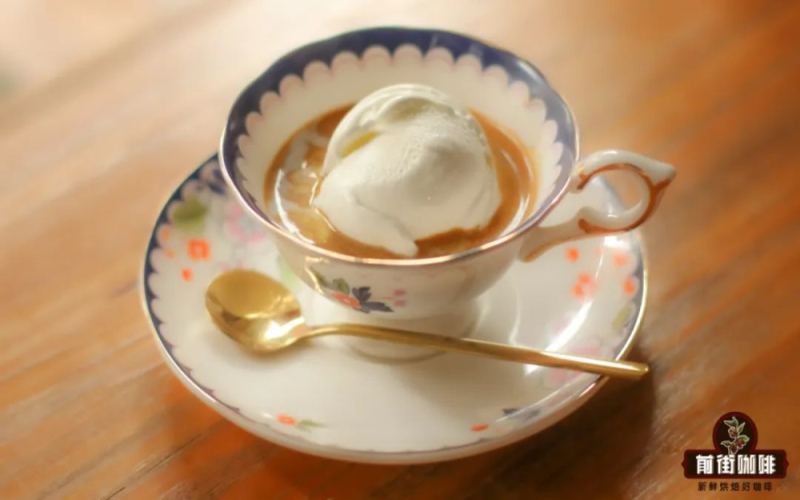
Affogato is a classic Italian coffee creation whose name means "drowned" in Italian, vividly describing the process of hot espresso being poured over ice cream. Its classification somewhere between a drink and a dessert has long been debated, but the way to eat it has long been agreed upon—scoop up the ice cream together with the coffee and bring it to your mouth, letting sweetness and bitterness collide on the tip of your tongue in a stunning layering of flavors. This article will guide you through the origins of affogato, the logic of flavor pairings, the classic 1:1 ratio, and the many variations that have grown around it, while also sharing Front Street Coffee's convenient approach in practice. [more…]
Jamaica Blue Mountain Coffee Flavor and Grade Analysis: NO.1 Grade Characteristics and Price Reference
Blue Mountain coffee originates from the Blue Mountains in eastern Jamaica, named after the blue glow reflected off the Caribbean Sea. This region boasts fertile volcanic soil and a climate that is foggy and rainy year-round, with average annual rainfall of about 1,980 mm and temperatures around 27 degrees, nurturing world-renowned specialty coffee. Blue Mountain coffee is graded into Jamaica Blue Mountain and Jamaica High Mountain, offering a rich, mellow taste with a balance of sweetness, acidity, and bitterness—barely any bitterness, leaving only a moderate, elegant acidity. This article provides a detailed introduction to the flavor characteristics of Blue Mountain coffee, the NO.1 grade classification, and market prices, along with recommendations for related products from the Front Street brand, offering a complete reference for coffee enthusiasts. [more…]

What exactly is mocha coffee? From the Yemeni port to the modern beverage, one article explains the authentic flavor and roasting key points.
When many people mention mocha, their first reaction is coffee with milk and chocolate. But in fact, the most authentic mocha coffee is far more than that. From the export history of Yemen's Mocha port, to mocha beans with a chocolate-like aftertaste, and then to the moka pot and flavored mocha drinks, this name carries a rich coffee culture. This article will help you clarify the multiple meanings of mocha, understand the naming rules of Yemeni coffee, and share Front Street Coffee's roasting suggestions and brewing parameters for Yemeni mocha, so that you can truly understand what a proper cup of mocha is. [more…]

Colombia's specialty coffee origin advantages and grade classification, plus Front Street Huila everyday bean brewing guide
Colombian coffee, with its mild and rich aroma and consistent high quality, has long ranked among the top global coffee exporters, and it is also a frequent presence on Front Street Coffee's bean list for both pour-over and espresso blends. This article starts from the geographical conditions of the Andes Mountains to analyze why Colombian coffee has been able to build such an outstanding reputation, and also sorts out the role of FNC in the industry and the distribution of specialty-producing regions. The article also introduces in detail green bean screen size grading and the Excelso export standard to help readers understand Colombia's coffee grading system. Finally, taking Front Street Coffee's Huila daily drinking beans as an example, it provides a specific brewing recipe for the KONO dripper and its flavor performance, for coffee enthusiasts to reference and practice. [more…]
An Analysis of the Grading Differences Between Kenya Black Tea Grade 1 and Grade 2 and Their Quality Characteristics
Kenya is not only a tourist destination, but also an important black tea producing region globally. Since the introduction of tea cultivation in 1903, Kenya has developed into the world's third-largest tea producer and exporter. Local tea gardens are mainly distributed in the highlands of the East African Rift Valley, with the industry structure composed of large estates and smallholder cooperatives, among which KTDA manages over 60% of the output. Kenyan black tea is primarily processed using the CTC method, producing a strong and bright liquor that is highly favored in the international market. This article will provide a detailed analysis of the grading system for Kenyan black tea, including the specific differences between main grades such as BP1, PF1, D1, PD, F1, and secondary grades, helping coffee and tea enthusiasts gain a comprehensive understanding of the quality characteristics and classification logic of Kenyan black tea. [more…]