







Search Results for: Coffee Bean Grinding
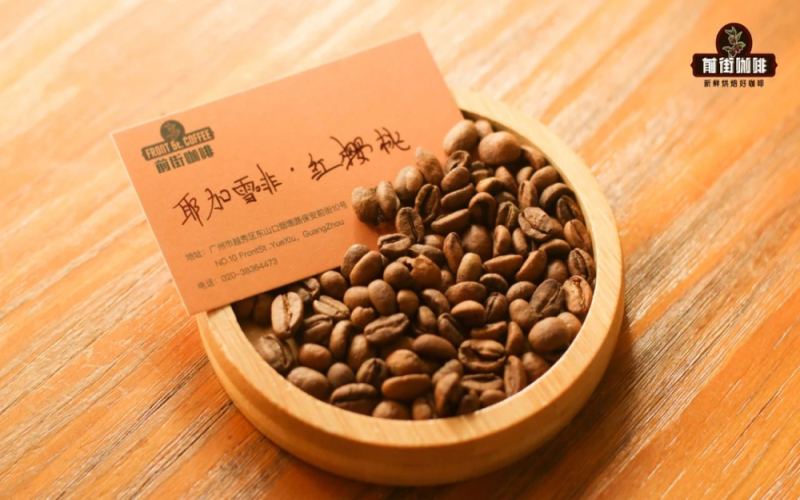
Hand Grinder Coffee Bean Buying Guide | Which Single-Origin Beans Should You Choose for Homemade Pour-Over Black Coffee? Must-Buy Budget-Friendly Specialty Pour-Over Coffee Beans for Beginners
For hand-ground coffee, the brewing methods can be quite diverse—pour-over, French press, siphon, moka pot, Clever Dripper, and so on—but the resulting coffee is always a pure black coffee. If you can't handle the bitterness of coffee, you can add sugar and milk to make its taste softer. Therefore, the flavor of hand-ground coffee mainly [more…]
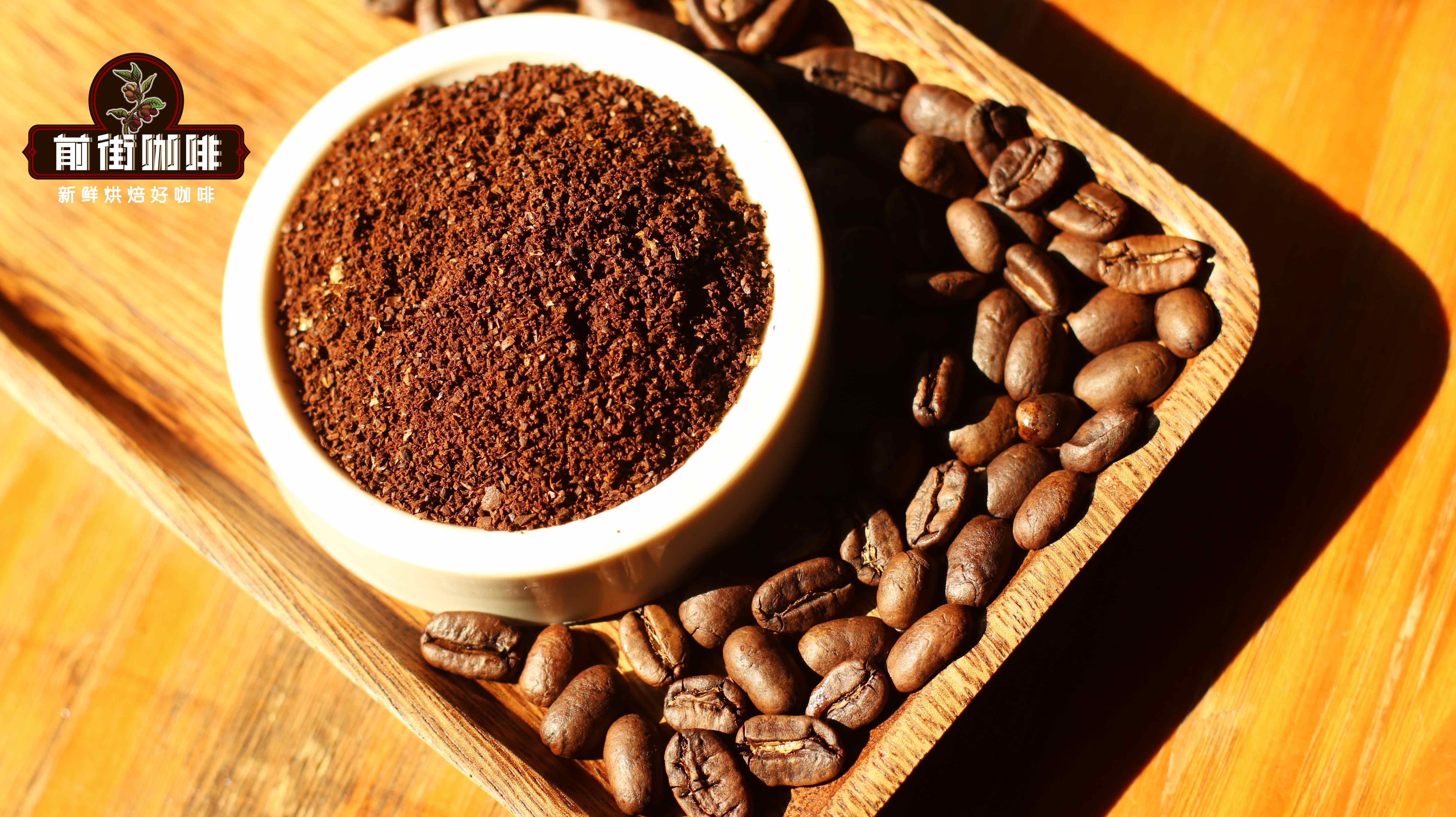
Key Points for Using a Coffee Grinder | Do You Need to Clean the Grinder Before Grinding Coffee Beans? What Should You Watch Out for When Using a Coffee Bean Grinder?
Many friends who originally used hand grinders have purchased an electric coffee grinder to grind coffee beans, with the aim of freeing their hands and no longer needing to go through the tedious grinding process. However, electric grinders are different from hand grinders, and there are many details to pay attention to when using them. If you are not careful, it is easy to shorten the life of the grinder and affect the grinding quality. [more…]

Coffee Bean Grinding | Which Coffee Grind Is Finest on a Grinder Scale from 1 to 10? How Do You Adjust the Grind Size for Pour-Over Coffee? Reference Guide to Coffee Grind Size Standards
Which grind size from 1 to 10 is the finest for coffee beans? In most cases, the smaller the number, the finer the grounds. The grind size of coffee beans plays an important role in extracting a cup of coffee. For example, if the coffee grounds are too fine and used for pour-over coffee, it will result in over-extraction, while if they are too coarse, it will result in under-extraction. Secondly, factors such as the beans from each producing region [more…]
Coffee Bean Resting | Why does coffee need to "breathe" after grinding? Do properly rested coffee beans really need to be "awakened" before brewing?
To achieve good flavor, we should choose freshly roasted coffee beans—this is a consensus we reached long ago. Based on experience, when coffee beans are in the "too fresh" stage (0–2 days after roasting), we "rest" them, meaning leaving them untouched until they have degassed slightly before brewing and extracting, so that the coffee's flavor will [more…]
How to Read Yirgacheffe Coffee Bean Information: Balancing Budget and Drinking Frequency
From bean to cup, a coffee must go through grinding and extraction. When considering information about Yirgacheffe coffee beans, everyday bean buying requires thinking about how fast you'll drink them, how much to buy at once, and whether your home mainly makes black coffee or milk coffee. First confirm your usual equipment and preferred taste, then compare specific bean options—the practical process will be more [more…]
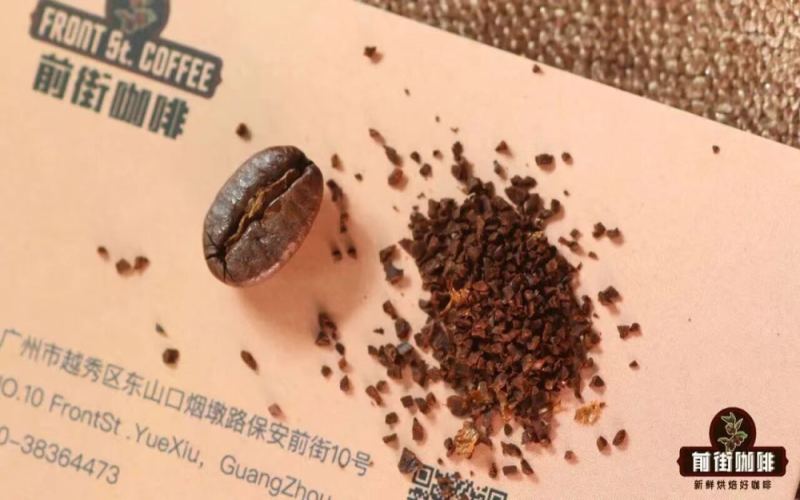
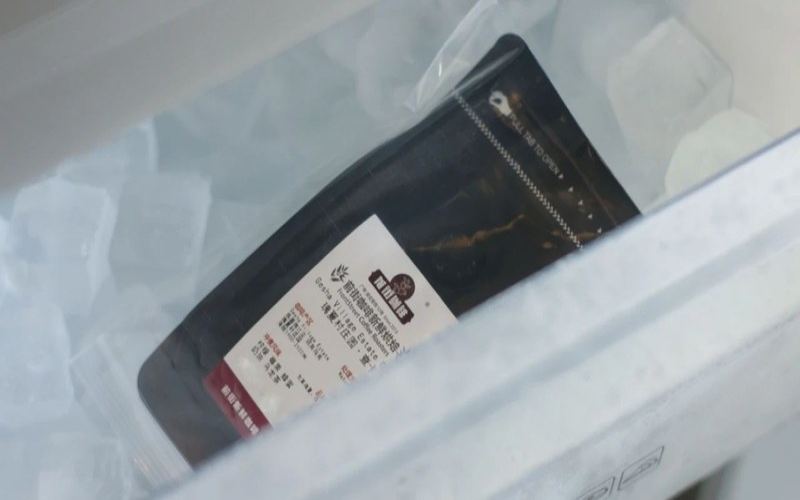
Coffee Bean Peak Flavor Window | Can Washed Yirgacheffe Pour-Over Coffee Grounds Be Stored in the Refrigerator? Is There a Big Flavor Difference Between Roasted Coffee Beans and Freshly Ground Coffee?
Freshly ground coffee brews up more aromatic—this is already a well-worn topic, and we also know well how important freshness is to coffee flavor. But sometimes, to avoid hassle, many friends have the merchant grind the coffee beans into powder before shipping when buying beans, because then when it comes time to brew, there's no need to worry about what grind setting to use, nor [more…]

Introduction to the World's Top Specialty Coffee Bean Brands | Which Coffee Beans to Choose for Pour-Over Coffee at Home? Seven Beginner-Friendly Single-Origin Beans for Hand-Grinding
When it comes to the champion of rich, full-bodied coffee, Front Street Golden Mandheling is undoubtedly the one. Front Street Golden Mandheling undergoes four rounds of manual sorting to remove defective beans, and only the premium coffee beans that remain are sent to the processing plant. As a result, the unpleasant off-flavors and earthy notes are washed away, making it cleaner to drink, while still preserving the distinctive Indonesian [more…]

The Complete Moka Pot Guide: From Bean Selection to Grinding to Extraction, Easily Make Espresso with Crema
The moka pot, with its compact convenience and easy learning curve, has become the first piece of equipment for many coffee novices entering the world of home-brewed espresso. But if you want to use it to make an espresso with rich crema and balanced flavor, every step—from bean selection and grinding to heating rhythm—requires careful attention. This article, combining text and images, systematically explains the complete operation process of the moka pot, including suitable coffee bean types, criteria for judging grind size, details of adding water and tamping coffee grounds, and key points of heat control during extraction. It also includes common drinking methods such as Americano, latte, and Vietnamese coffee, helping enthusiasts avoid detours and consistently reproduce their ideal flavor. [more…]

Recommend dark roast beans: balancing budget and drinking frequency
From bean to cup, a coffee must still go through grinding and extraction. With dark-roasted beans, your day-to-day buying decisions need to take into account how quickly you'll drink them, how much to buy at a time, and whether your home setup mainly makes black coffee or milk coffee. First confirm your usual equipment and the taste you enjoy, then compare specific beans—your practical choices will have clearer direction. Dark-roasted beans' [more…]
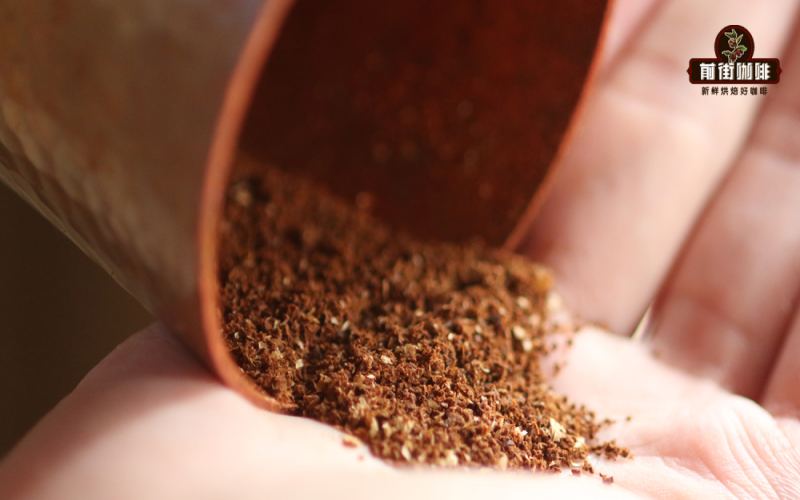
Types of Coffee Grinders | What Are the Pros and Cons of Manual vs. Electric Coffee Grinders? How Do Coffee Beginners Choose a Coffee Bean Grinder? Coffee Grinder Brand Recommendations
From the moment coffee grounds finish being ground and come into contact with the air, they quietly begin to oxidize, and the flavor and aroma change along with it. Therefore, the ideal situation is to grind the coffee beans right before brewing, to ensure you can taste the best flavor. The grinder can be said to be a seemingly low-key yet extremely important part of the coffee brewing process. [more…]
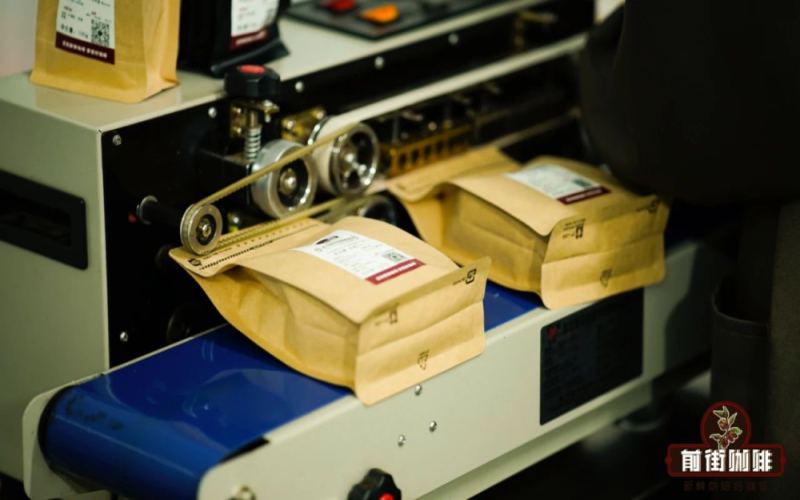
Coffee Grounds Storage | What Factors Affect the Freshness of Roasted Coffee Beans? How Long Is the Shelf Life of Freshly Ground Coffee? Do Coffee Beans Still Need to Be Rested After Grinding?
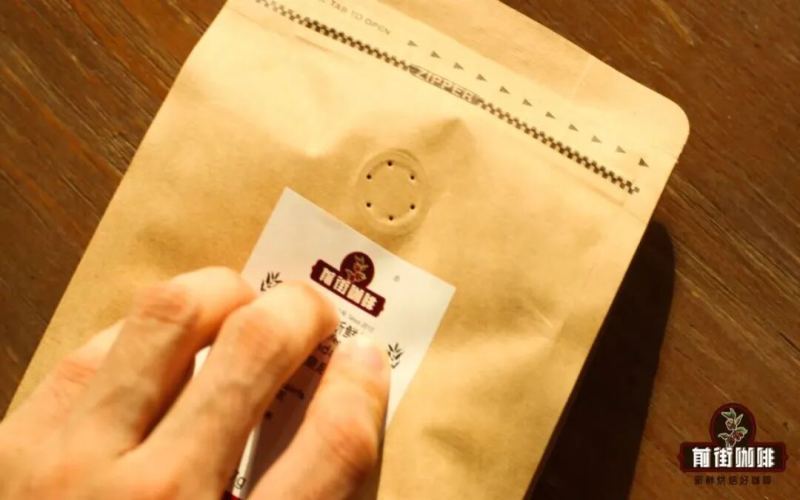
Recently, a friend asked Front Street Coffee: "Why should the air valve be sealed after coffee beans are ground into powder? Wouldn't that prevent the carbon dioxide inside the package from escaping?" The meaning of the exhaust valve on coffee packaging. Front Street Coffee immediately seals and packages the coffee beans after roasting and cooling, which can minimize the loss of coffee bean flavor. [more…]
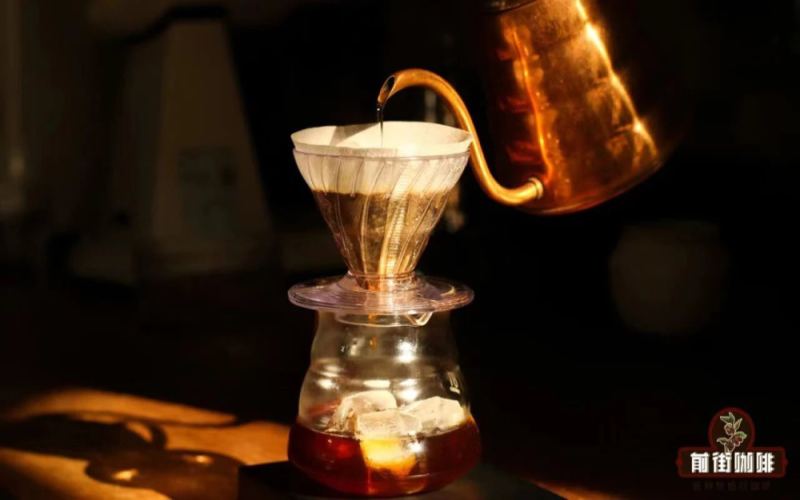
Coffee Bean Grinding | How Does Grind Size Affect the Flavor and Mouthfeel of Pour-Over Coffee? How to Judge Coffee Grind Size Without a Sieve?
The coarseness of the grind in coffee directly affects the contact area between the coffee and water as well as the extraction time, and it will directly impact the taste of the coffee. But at the same time, the coffee grind size is also the most headache-inducing aspect for many people! In this article, Front Street will explain how to determine what the grind size should be for different coffee beans. First, [more…]
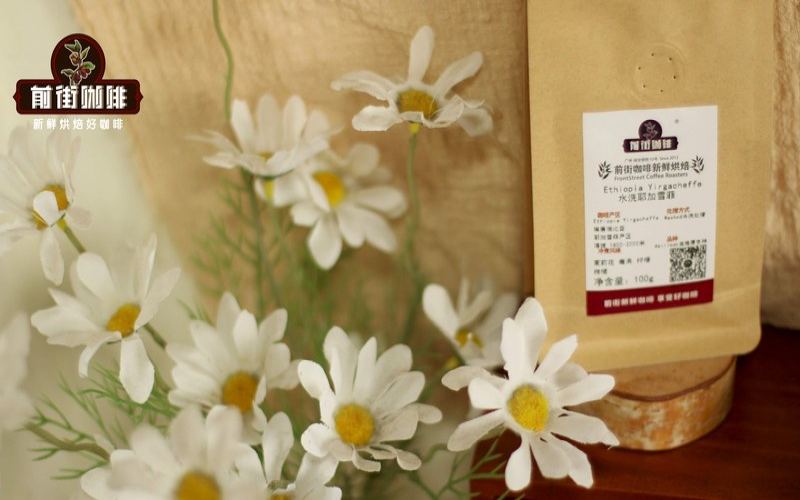
The roast level of hand-ground coffee beans determines the flavor
When hand-grinding coffee beans, the roast level is a very useful screening clue. As the beans go from light to dark, the aroma, acidity, body, and aftertaste in the cup all gradually shift their focus. If you like bright fruity notes, pay attention to light roasts; if you want soft sweetness and a balanced taste, medium roasts are easier to accept; if you prefer something rich and full-bodied, you can [more…]

A Practical Guide to Using a Manual Coffee Grinder: A Full Breakdown of Burr Structure, Grind Setting Adjustment, and Daily Maintenance
Manual coffee grinders are a go-to piece of gear for many pour-over enthusiasts, serving both everyday home use and, when paired with a French press, AeroPress, or moka pot, forming a portable outdoor kit. Grinders from different brands and models vary noticeably in price and the quality of the ground coffee they produce. From the perspective of Front Street, this article systematically breaks down the core components of a manual grinder—the burr, the adjustment dial, the handle, the bean hopper, and the grounds bin—and explains how to adjust the grind setting according to your brewing method, how to turn the handle correctly, and the key points of cleaning and regular maintenance, helping you use your manual grinder more smoothly and making every cup's extraction more consistent. [more…]

Advantages of espresso blend beans | What should coffee beginners pay attention to when making Espresso? What are the steps for espresso extraction?
For more specialty coffee knowledge, please follow our WeChat official account: Front Street Coffee (FrontStreet Coffee). To extract a delicious espresso, you need suitable coffee beans, the right dose, ratio, time, grind size, water temperature, and pressure. Although it is currently very popular to use [more…]
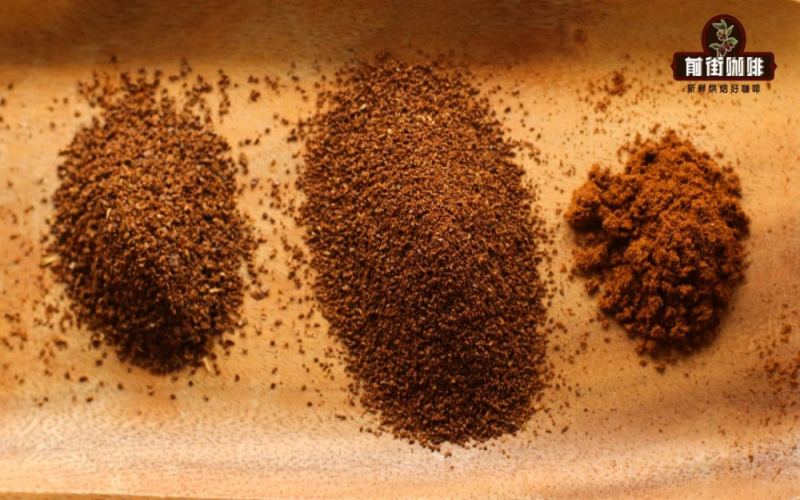
Coffee Grounds Coarseness Reference | Pour-Over Coffee Grind Size 1 to 10: Which Is the Finest? How to Adjust Coffee Bean Grind Parameters for Espresso and Moka Pot
A delicious cup of coffee is hard-won, because from seed to cup is a very long wait. Even at the final step of extraction, you must ensure that the coffee you use meets brewing standards, because extraction is easy—but have you ever thought about it? Coffee grounds are what extract the flavor compounds, [more…]
Complete Chemex Pour-Over Operation Steps and Coffee Bean Pairing Suggestions: A Practical Guide from Folding the Filter to Completing the Extraction
The Chemex coffee maker, with its distinctive design and clear, clean flavor expression, has become a commonly used piece of equipment among many coffee enthusiasts and in teaching settings. This article focuses on the practical operation of the Chemex, breaking down the entire pour-over process step by step, from equipment selection, coffee bean preparation, grinding, and filter folding, to blooming, staged pouring, and the completion of the final extraction. The article also explains the role of each stage and the key points to observe, helping readers master the skill while understanding the coffee culture behind this high-end vessel. For those who wish to get started or are currently choosing coffee beans, the article retains relevant product recommendations from the Front Street brand, which can serve as a reference for daily practice and tasting. [more…]
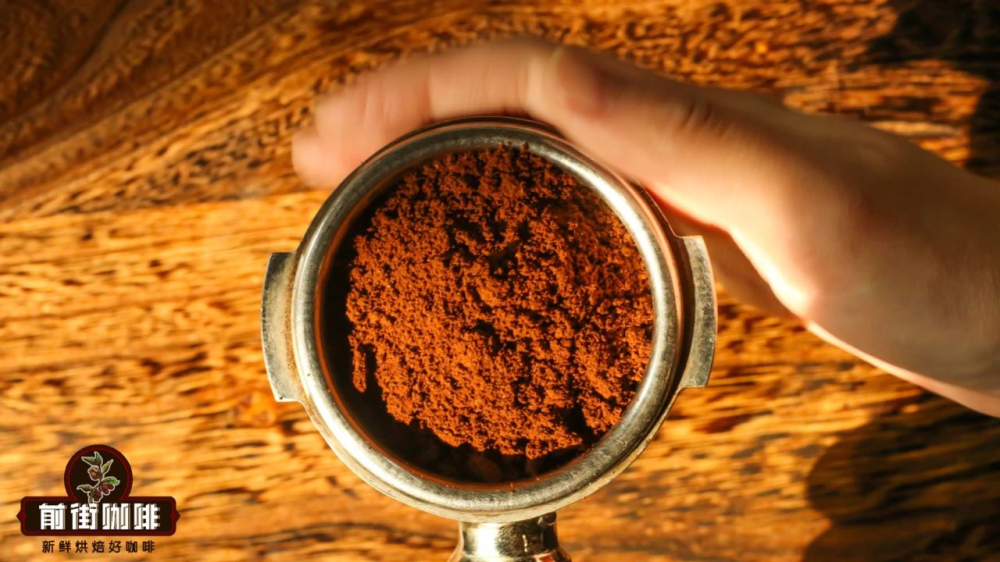
Espresso Coffee Beans | How to Choose Coffee Beans for Making Espresso? What Are the Espresso Bean Price, Extraction Time, Coffee Grounds Dose, and Ratio Parameters?
Each espresso extraction has different restrictions on the amount of coffee used depending on the size of the portafilter basket. Front Street Coffee, when making a single shot of espresso (1 shot), uses 10-11g of coffee grounds to extract 20-25g of espresso liquid. [more…]

Single-Origin Coffee Bean Flavor Window | Why Must Pour-Over Coffee Be Ground and Brewed Fresh? How Does Coffee Bean Flavor Change Past Its Peak?
Many people assume that freshly ground coffee means fresh coffee, but that's not actually the case. In fact, to truly enjoy the aroma of coffee, it's not just about grinding fresh—there are also specific requirements regarding the roasting time of the coffee beans. Front Street Coffee, whether in-store or through its online Taobao shop, offers only freshly roasted coffee beans, unless a customer specifically requests grinding. [more…]
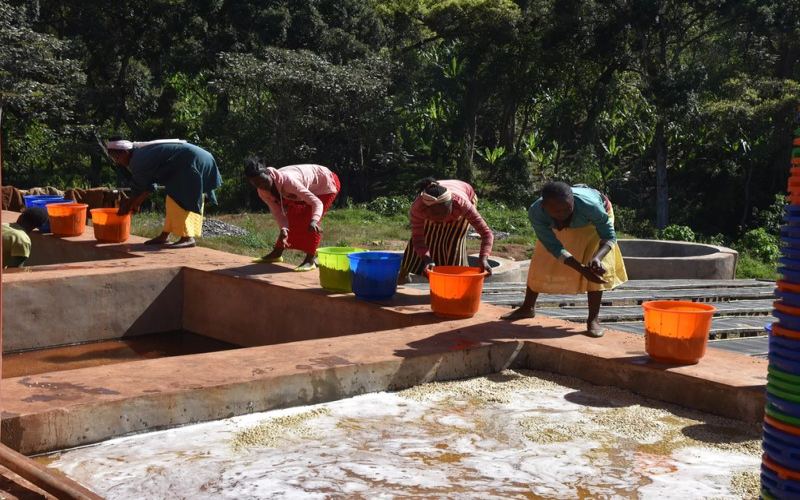
The Flavor Window of Hand-Ground Coffee: The Rhythm from Degassing Rest to Opening and Sealing
Freshly roasted coffee beans trap a large amount of carbon dioxide inside. When these gases are released rapidly upon grinding and contact with hot water, they form violently expanding bubbles. If you grind and brew immediately after roasting, the intense degassing process will prevent hot water from fully contacting the coffee grounds, preventing flavor molecules from dissolving smoothly. The princi [more…]