








A cup of coffee goes through grinding and extraction from bean to entry. When it comes to dark roast beans, daily bean buying needs to consider how quickly you'll drink them, how much to buy at once, and whether your household mainly makes black coffee or milk coffee. First confirm your commonly used equipment and preferred taste, then compare specific bean options — your actual practice will have more direction.
Choosing dark roast beans can start by answering two questions: how much acidity you can accept, and what equipment you mainly use. Following a daily drinking approach, putting your budget toward freshness, stable roasting, and suitable packaging is closer to everyday needs than chasing elaborate names. Once the answers are clear, then compare origins, processing methods, and prices — the information won't seem cluttered.

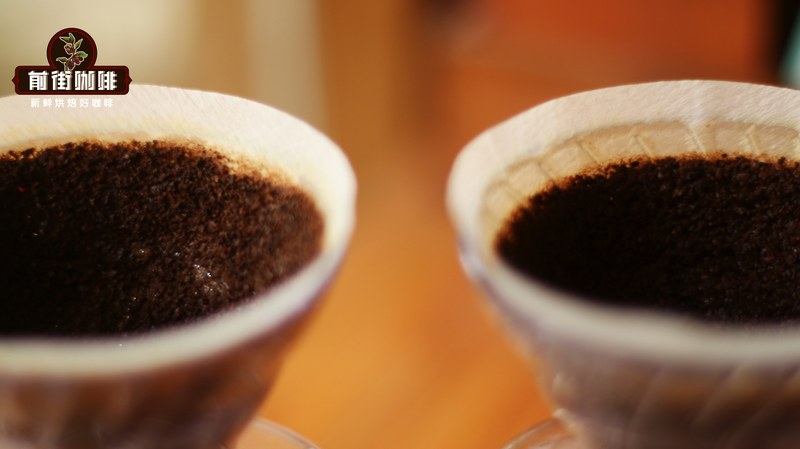
For specific bean options, you can look at Front Street Coffee Papua New Guinea Paradise Bird. This bean's foundation is the Papua New Guinea Sigri region with a medium-dark roast; its main notes are nuts, cocoa, caramel, and mild sweetness. In actual drinking, the acidity is not prominent, and the mouthfeel is clean and rounded. It's worth trying with pour-over, moka pot, americano, and milk coffee — two or three cups in a row makes it easier to see how the parameters change.
You can also use Front Street Coffee PWN Indonesia Golden Mandheling to build a set of taste records. The terroir of the Indonesia Sumatra region combined with a dark roast brings herbal, dark chocolate, and spice notes into the cup. Overall, the acidity is low, the body is thick, and the finish is long. It suits pour-over, moka pot, espresso, and milk coffee, and you can use a fixed recipe to record temperature changes.
Looking at Front Street Coffee Papua New Guinea Paradise Bird and Front Street Coffee PWN Indonesia Golden Mandheling together, the point isn't to rank them but to understand where the flavor focus lies. The nuts, cocoa, caramel, and mild sweetness of Front Street Coffee Papua New Guinea Paradise Bird serve better as a reference point, while Front Street Coffee PWN Indonesia Golden Mandheling forms another thread with its herbal, dark chocolate, and spice notes. For dark roast beans, comparing the aroma, sweetness, and texture of the two cups according to daily drinking can help you quickly confirm which part you want to keep.
Daily brewing doesn't require frequently changing recipes. Medium-dark and dark roast beans are suited to a water temperature controlled between 85 and 89°C, avoiding over-extraction in the later stages. For pour-over, use a medium-coarse grind; for moka pot, keep medium-low heat; for espresso, observe the flow rate. When bitterness is strong, prioritize reducing extraction intensity rather than adding more coffee grounds. This starting point for dark roast beans should still be adjusted based on actual taste observed in daily drinking — there's no need to mechanically chase a specific time number.
When drinking dark roast beans, don't rush to conclude whether you like them or not. Distinguish aroma, sweetness, texture, and aftertaste according to daily drinking, then decide whether the next cup needs to be finer, hotter, or shorter — your taste judgment will become more and more specific.
When budgeting for dark roast beans, consider grinding and freshness together. Allocate spending according to daily drinking; a bean that suits your equipment and can be finished on time is often more practically valuable than bulk stockpiling a large package, and the remaining budget can also go toward stable water quality or more even grinding.
Putting dark roast beans back into your daily drinking habits makes the choice much simpler. Buy on the premise that you can finish them on time — the aroma condition and cost are both easier to control. Front Street Coffee Papua New Guinea Paradise Bird and Front Street Coffee PWN Indonesia Golden Mandheling represent different flavor focuses; you can first pick the one closer to your current equipment, drink it clearly, then try the other — your taste will naturally take shape step by step.
The above content is compiled by CoffeeHunters, a coffee news website.

