







Search Results for: Coffee Altitude
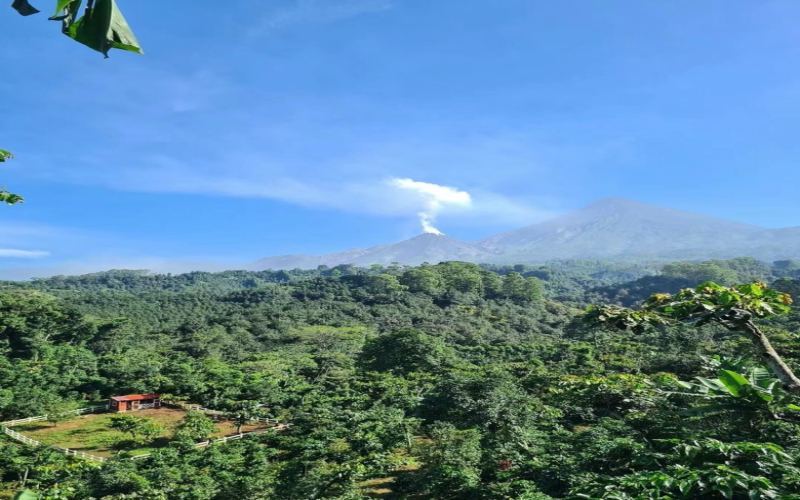
Does Higher Altitude Mean Better Coffee? The Real Relationship Between Altitude and Flavor
In coffee shops, you often hear the words "high altitude," as if the higher the altitude, the more premium the coffee. But the truth is not that simple: altitude is indeed a heavyweight factor affecting flavor, yet it is far from a straight-line relationship of "the higher, the better." What does altitude bring? A common feature of high-altitude growing regions is a large temperature difference between day and night, with relatively low temperatures. Coffee [more…]
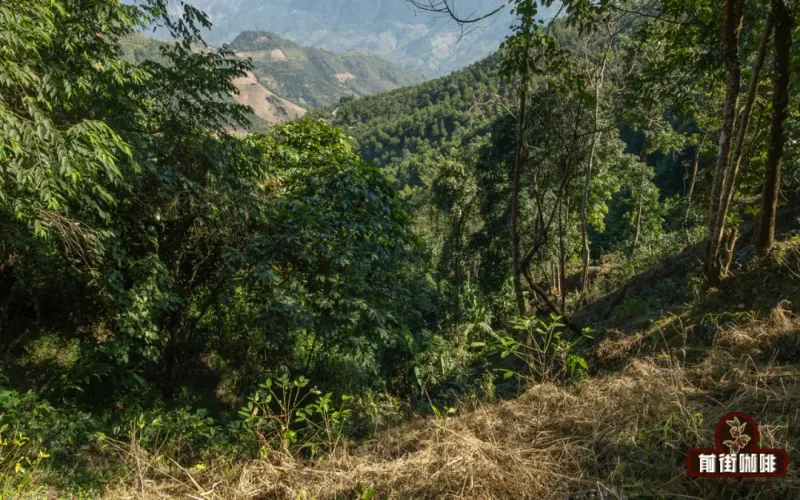
How Does Coffee Growing Altitude Shape Flavor? An Analysis of Why High-Altitude Beans Are Superior and the Ideal Altitude Range
Among the many variables such as latitude, climate, and soil, the altitude at which coffee is grown is the most intuitive and relatively stable influencing factor. Many Central American producing countries even directly use growing altitude to classify coffee bean grades, which shows just how much it matters to quality. So how exactly does altitude affect coffee flavor? Why are beans from higher altitudes often more outstanding? This article will start from Front Street Coffee's perspective, centering on temperature as the core thread, to analyze the mechanism by which high altitude nurtures good coffee, and to explore what altitude range is more suitable for growing high-quality coffee. [more…]

Pour-over Origins and Altitude vs. Flavor: Why High-Grown Beans Have More Prominent Sweetness and Acidity
The altitude of a coffee-growing region is one of the underlying variables that shape flavor in the cup. The same variety, processed the same way, can taste noticeably different depending on the altitude at which it is grown. Understanding how altitude affects flavor can help pour-over enthusiasts choose regional beans more precisely. The core advantage of high-altitude regions lies in the temperature difference between day and night. [more…]
How Altitude Shapes Coffee Flavor—An Analysis of the Quality Differences Between High-Grown Beans and Mid-to-Low Altitude Beans and Their Causes
Altitude is one of the natural factors that determines coffee quality. Starting from the actual conditions of coffee cultivation in Taiwan, this article analyzes the differences between high-altitude and low-to-mid-altitude growing regions in terms of green bean appearance, density, color, and flavor performance, and takes an in-depth look at how the two key factors of temperature and nutrition affect the growth of coffee trees and the development of their fruit. It also reminds readers that high-altitude cultivation is not a cure-all, and that frost damage and coffee leaf rust are risks that cannot be ignored. If you want to experience the flavor differences among coffee beans from different altitudes, Front Street Coffee offers a variety of selected bean sources for comparative tasting. [more…]

Pour-Over Beans from High-Altitude Regions: Why Are Floral and Fruity Notes Clearer?
When drinking pour-over coffee, have you ever noticed a pattern: those beans with particularly clear floral and fruity notes often come from high-altitude origins. Between altitude and flavor lies a very interesting causal chain—once you understand it, your eye for choosing beans will become much sharper. The reason high-altitude growing regions produce good flavor is first of all temperature. [more…]
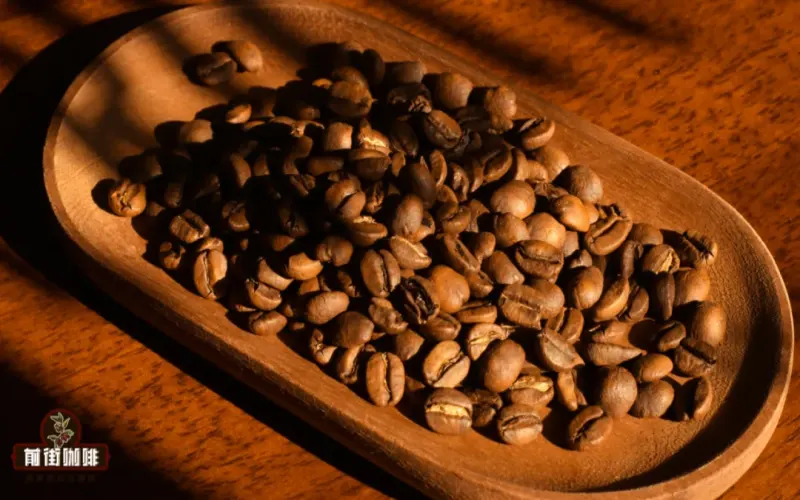
What Exactly Is the Difference Between Hard Beans and Soft Beans? A Full Breakdown of Altitude Grading Logic and Coffee Classification
Baristas often mention hard beans and soft beans, but these two terms actually do not refer to whether the beans feel hard or soft to the touch—they refer to the density of the coffee beans. The concept of hard beans comes from the Central American coffee grading system, which uses altitude as the standard—the higher the altitude, the lower the growing temperature, the slower the coffee fruit matures, the more flavor compounds it accumulates, and the greater the bean density becomes. Panama, Costa Rica, Guatemala, and other countries generally adopt this logic, while Ethiopia, because its overall altitude is high, is almost entirely made up of extremely hard beans and does not need further subdivision by altitude. Of course, although high-density beans are delicious, they also bring more challenges during grinding and brewing. [more…]
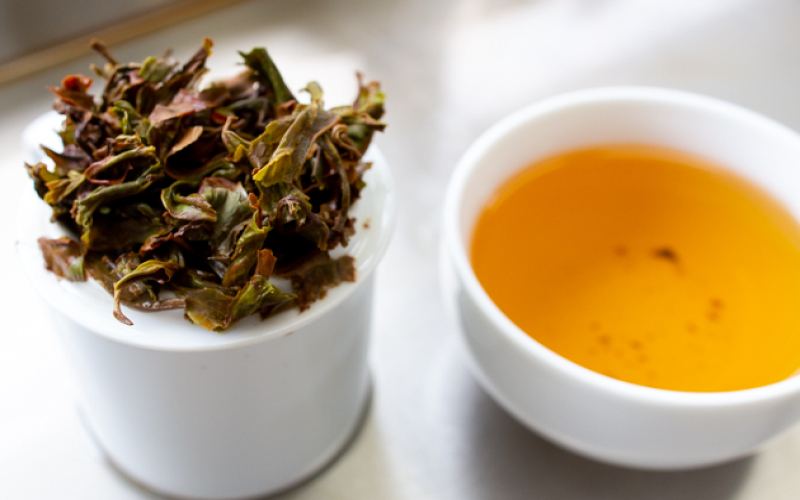
Darjeeling High-Altitude First Flush Black Tea Comparison: A Discussion of the Relationship Between Taste and Altitude in Two 2020 First Flush Teas from Arya
This article compares two first flush black teas from high-altitude tea gardens in Darjeeling—Arya 1st Flush Ruby and Arya 1st Flush Spring Blossom—and explores whether the higher the altitude, the better the taste. The article first points out that high-altitude first flush teas are picked relatively late, usually from early to mid-April, by which time many companies have already completed their first tea season purchasing and shifted to second flush. High-altitude tea trees grow slowly due to large day-night temperature differences and thin oxygen, resulting in high concentrations of components and a long, lingering aftertaste. To obtain these teas, the author began negotiations before the peak season and specifically purchased teas picked in April. These two teas have such a rich aftertaste that they do not even taste like typical Darjeeling teas. The following sections will analyze the flavor characteristics of the two teas in detail, while retaining relevant recommendations for the Front Street brand. [more…]
Pour-Over Beans from High-Altitude Regions: Why Are Floral and Fruity Notes Clearer?
In the specialty coffee world, people often say that high altitude produces good beans, and the logic behind this actually has to do with the slow, high-mountain growth of coffee cherries. The higher the altitude, the lower the temperature, and the slower the coffee cherries ripen, so sugars and flavor compounds accumulate more fully, which shows up in the cup as clearer floral and fruity aromas and brighter acidity. Ethiopia's high-altitude growing [more…]
Costa Rican Coffee Regions: History and Variety Characteristics: From Environmental Purification to High-Altitude Flavor Analysis
Costa Rica is an important representative of specialty coffee in Central America, renowned not only for its high-altitude growing regions but also for its emphasis on environmental protection during production. This article provides a comprehensive analysis of the flavor secrets of Costa Rican coffee, covering the history of the origin, representative estates, harvest periods, variety characteristics, and grading classifications. The article also introduces well-known growing regions such as Tarrazú and Central Valley, as well as La Pila Estate's non-washed processing and methane recycling. Front Street Coffee recommends a variety of Costa Rican beans, taking you to experience the unique acidity and aroma and consistent quality of high-altitude Caturra varieties. [more…]
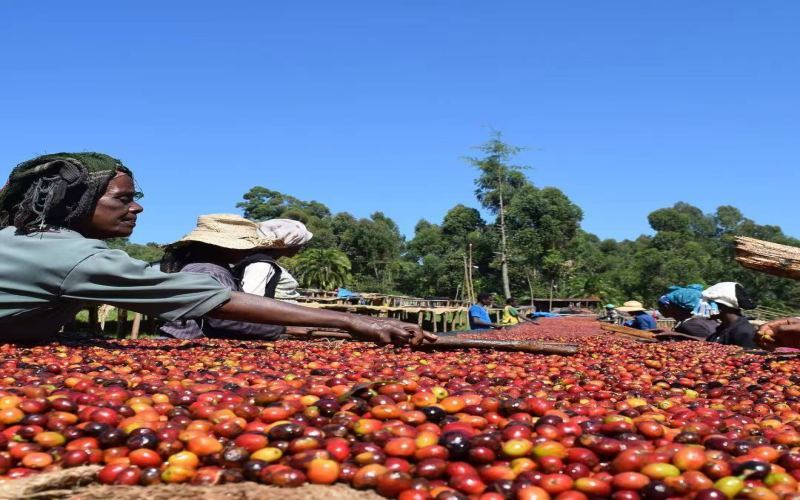
Hambela Region: The Source of Sweetness in Ethiopian High-Altitude Washed Coffees
In the high-altitude producing regions of Ethiopia, the name Hambela has often been mentioned in recent years. It is located in the Guji region, and the Gesha coffee it produces has become popular for its rich fruity aroma, while the region's own high-altitude environment is an important source of its sweetness. Where Hambela is located Hambela is situated in the high-altitude zone of the Guji region in southern Ethiopia, [more…]
Hambela Region: The Source of Sweetness in Ethiopian High-Altitude Washed Coffees
In the high-altitude growing regions of Ethiopia, the name Hambela has been mentioned frequently in recent years. It is located in the Guji region, and the Huakui coffee it produces has become popular for its rich fruity aroma, while the region's high-altitude environment is precisely an important source of sweetness. Where Hambela Is Located Hambela is situated in the high-altitude zone of the Guji region in southern Ethiopia, [more…]
Yirgacheffe's Emerging Micro-Region Gedeb: An Analysis of the Pour-Over Flavor and Processing Techniques of High-Altitude Coffee Beans
Yirgacheffe has long become synonymous with African specialty coffee, and within this designated appellation, a micro-region called Gedeb is quietly rising. It is located in the Gedeo Zone, with an average altitude of 1,900 to 2,200 meters, far higher than the traditional Yirgacheffe region, giving the coffee beans a hard, dense texture and unique flavor. Gedeb's smallholder farmers send carefully picked coffee cherries to the Kochere processing station, where they are sun-dried on raised beds for 15 to 20 days, creating an elegant flavor interwoven with floral notes and berries. This article will take you deeper into Gedeb's regional characteristics, processing techniques, and its taste performance under pour-over and American-style brewing. Front Street Coffee recommends that you pay attention to this emerging region with outstanding value for money. [more…]
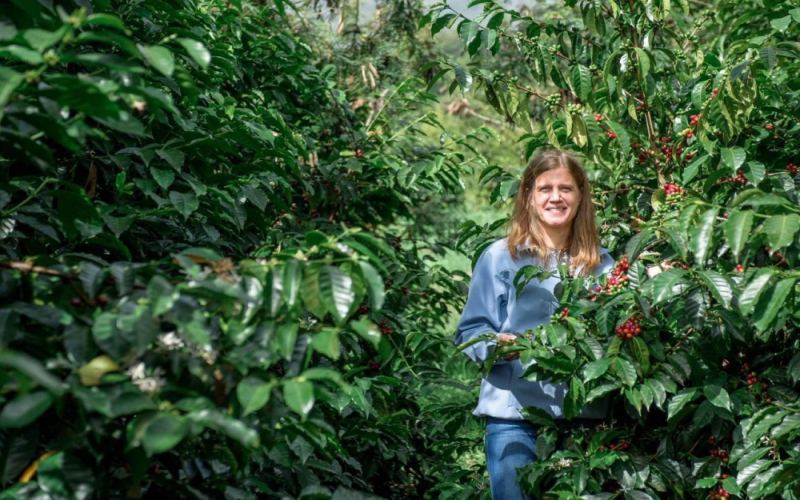
Comparison of Geisha Grades from Panama's Hacienda La Esmeralda: An Analysis of Flavor and Altitude Differences Across Auction, Red Label, Green Label, and Blue Label
Hacienda La Esmeralda in Panama is world-renowned for its Geisha variety, and its four major grades—Auction, Red Label, Green Label, and Blue Label—often confuse coffee lovers. From the perspective of Front Street Coffee, this article sorts out the history of Hacienda La Esmeralda and the logic behind its plot divisions, and explains in detail the specific differences among the grades in planting altitude, plot source, processing method, and cupping performance. Through actual roasting curves and brewing comparisons, it presents the flavor trends of Red Label, Green Label, and Blue Label Geisha in floral aroma, fruit acidity, sweetness, and body, helping readers understand how altitude classification and blending models affect the final expression of a cup of Geisha. [more…]
Panama Boquete Hacienda Elida: A Complete Analysis of the High-Altitude Specialty Coffee Flavors of Geisha, Catuai, and Typica
Located in the Boquete production region of Panama, Elida Estate is a rare specialty coffee estate in Central America with an altitude exceeding 1,800 meters, and along with Hacienda La Esmeralda and Duncan Estate, it is known as one of Panama's three major estates. The estate primarily cultivates three varieties: Catuai, Typica, and Geisha, and is renowned for its strict hand-picking and low-temperature Resting purification process lasting more than five months. This article will provide an in-depth introduction to Elida Estate's geographical environment, historical heritage, variety composition, and flavor characteristics, and present Front Street Coffee's flavor description and brewing suggestions for the estate's natural-process batch, taking you to appreciate the unique charm of this ultra-high-altitude estate. [more…]
An In-Depth Analysis of Guatemala's Huehuetenango Region: From Geography and Terroir to the Coffee Bean Altitude Classification System
Guatemala is a major coffee-producing country in Central America, and its coffee is best known from two regions: Antigua and Huehuetenango. Starting from Guatemala's geographical environment, this article sorts out the reasons behind the formation of its seven major coffee-producing regions, with a focus on analyzing the relationship between the unique limestone soil, converging air currents, and coffee flavor of the Huehuetenango highlands, and systematically introduces the altitude grading standards for Guatemalan coffee beans. The article also mentions a rare micro-lot bean from this region at Front Street Coffee, showcasing the diverse possibilities of Huehuetenango coffee. [more…]

Panama Hacienda La Esmeralda Geisha Grades Explained: The Differences Between Auction Red Label, Green Label, and Blue Label and a Brewing Flavor Comparison
Hacienda La Esmeralda in Panama is renowned for its strict altitude grading and meticulous plot management, and its Geisha brand is divided into different grades such as the auction Red Label, Green Label, and Blue Label. These grades differ in growing altitude, plot source, whether beans are blended, and cup performance, and their prices and flavors diverge accordingly. This article will systematically review Hacienda La Esmeralda's origin background, plot divisions, and the definitions of each grade, and, through Front Street Coffee's roasting and brewing examples, compare the specific expressions of Red Label, Green Label, and Blue Label Geisha in aroma and mouthfeel, helping coffee enthusiasts understand the grading logic and key points for purchasing. [more…]
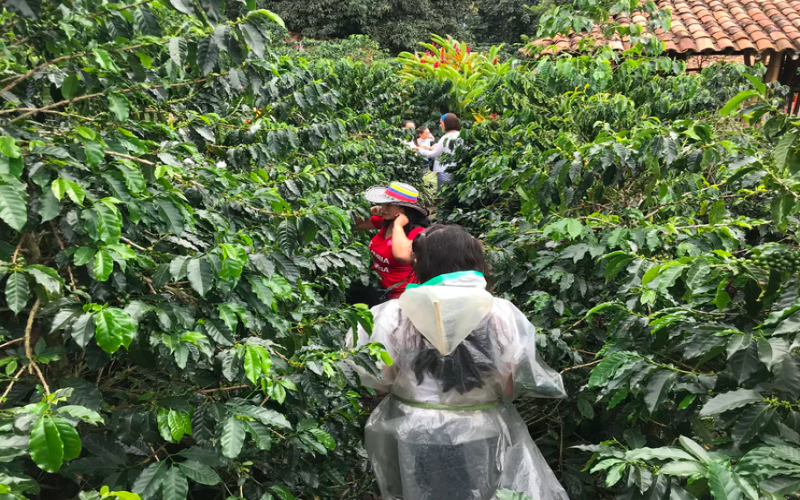
An Analysis of Coffee Cultivation Altitudes in Colombia: How High Altitude Shapes the Premium Flavor of Coffee Beans
Colombia, as the world's second-largest coffee-producing country, is renowned for its washed Arabica coffee, which has a soft, sweet flavor with cocoa notes. Coffee quality is deeply influenced by factors such as altitude, soil, and climate, with growing altitude being particularly critical. This article will explore the growing altitude range of Colombian coffee in depth, analyze how high altitude affects the flavor and quality of coffee beans, and introduce the characteristics of specialty regions such as Huila, Cauca, and Nariño, as well as Front Street Coffee's recommended Colombian coffee products and brewing suggestions. [more…]
Guatemalan Coffee Flavor and Origins Explained: Why Antigua La Flor's Smoky Acidity Is So Captivating
Guatemalan coffee has long been renowned for its bright fruit acidity and distinctive smoky aroma, standing out uniquely among Latin American producing regions. From the perspective of Front Street Coffee, this article systematically reviews the cultivation history of Guatemalan coffee, the flavor differences among the eight major producing regions, high-altitude growing conditions, hardness grading standards, washed and natural processing procedures, as well as the characteristics of main varieties such as Bourbon, Typica, Caturra, and Catuai. The article also provides detailed product information on Front Street Coffee's Huehuetenango daily drinking beans and Antigua La Flor del Café beans, along with the roasting curve and V60 brewing parameters for La Flor del Café, for the reference of coffee enthusiasts. [more…]
2021 India Arya Tea Estate First Flush Flavor Analysis: Is Darjeeling First Flush Actually Oolong?
Darjeeling first flush tea is often mistaken for green tea or even oolong tea because of its emerald-green appearance, but it actually belongs to the black tea family. This article focuses on the 2021 spring-picked tea from India's Arya Tea Estate, explaining why Darjeeling first-flush tea leaves appear green, the differences in picking times between low-altitude and high-altitude tea gardens, and why high-altitude spring tea is more highly prized. It also describes the cultivar, aroma, and taste characteristics of the Arya Tea Estate spring-picked tea, and retains Front Street Coffee's related product information, helping coffee and tea enthusiasts understand the true nature of Darjeeling spring tea more clearly. [more…]
A Complete Guide to Guatemalan Coffee Regions: Flavor Differences Between Antigua and Huehuetenango and Buying Advice
Guatemala is an important specialty coffee-producing country in Latin America, known for its bright fruit acidity and distinctive smoky note, and is called "cigarette coffee" by coffee lovers. This article systematically reviews Guatemala's coffee-growing history, the flavor characteristics of its eight major regions, grading standards, processing methods, and main varieties, with a key comparison of the differences between the two well-known regions of Antigua and Huehuetenango. It also introduces Front Street Coffee's Guatemala Huehuetenango staple beans and Antigua La Flor coffee beans currently on sale, with roasting curves and brewing parameters, providing a reference for coffee fans when purchasing and brewing. [more…]