







Search Results for: Clean
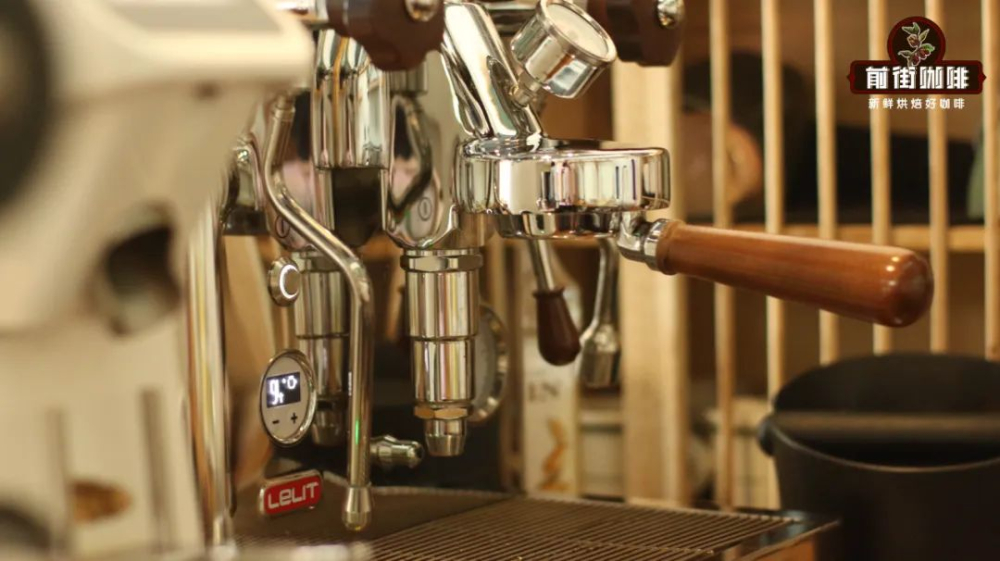
Coffee Machine Maintenance | How Should Coffee Beginners Clean and Maintain a Home Semi-Automatic Espresso Machine? How to Replace the Gasket on an Espresso Machine?
For professional coffee knowledge exchange and more coffee bean information, please follow Coffee Studio (WeChat official account: cafe_style). For more specialty coffee beans, please add our private WeChat: Front Street Coffee (FrontStreet Coffee), WeChat ID: qjcoffeex. With the rise of specialty coffee culture [more…]

A Complete Guide to Latte Art Patterns and Milk Selection: A Practical Guide from Pouring Technique to a Clean Surface
Many coffee enthusiasts, when practicing latte art, tend to focus only on whether the white pattern looks good, while overlooking whether the surface of the liquid is clean. In fact, an excellent latte art piece requires not only a neat pattern, but also a well-integrated state between the brown crema and the milk in the background. If the integration is insufficient, the surface will show an uneven "dirty" look, and it may even affect the taste. This article will systematically explain how to make the surface of latte art clean and tidy from three dimensions: the quality of the milk foam and crema, the integration technique, and the pouring height, and will also answer what kind of milk should be chosen for latte art. Drawing on practical experience, Front Street Coffee provides you with actionable improvement solutions to help you make beautiful and delicious lattes at home. [more…]
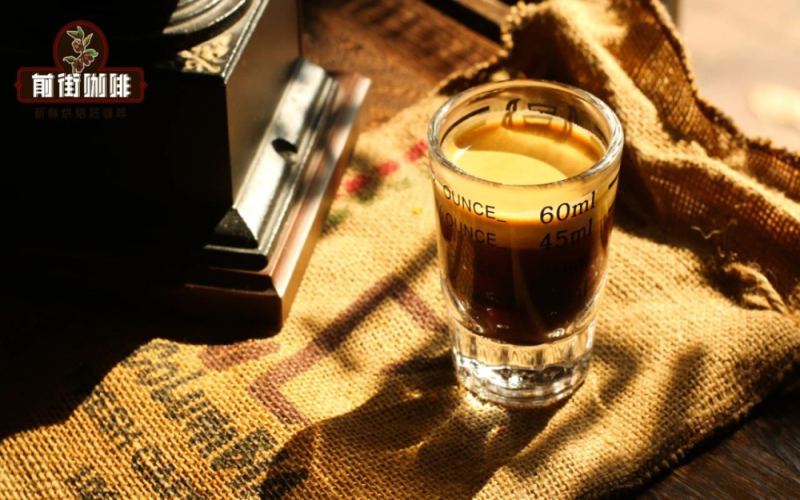
A Complete Guide to Semi-Automatic Espresso Machine Cleaning and Maintenance: Step-by-Step Instructions and Coffee Bean Selection Advice
The semi-automatic espresso machine is the core equipment for a café's operation, and its service life depends both on its initial quality and on careful daily maintenance. A qualified barista must not only be able to extract full-flavored espresso, but also understand how to properly clean and maintain the machine. This article systematically outlines the daily and periodic cleaning procedures for semi-automatic espresso machines, covering key steps such as wiping the exterior, flushing the dispersion screen, deep cleaning the portafilter, and backflushing, while also offering specific recommendations for espresso bean selection, helping you consistently produce stable, great-tasting coffee while keeping your equipment in top condition. [more…]
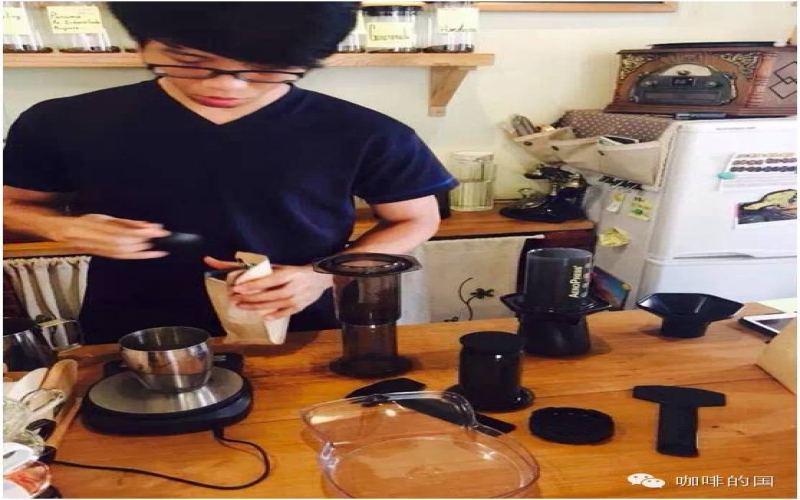
The Complete AeroPress Brewing Guide: From Step-by-Step Process to Parameter Adjustments, Make a Clean Cup of Coffee in 30 Seconds
The AeroPress has become the daily go-to for many coffee lovers thanks to its simple operation, clean cup, and strong adjustability. It works by adding water to steep the grounds and then applying pressure, forcing the coffee liquid through a paper filter to complete extraction. The paper filter traps fine particles that don't dissolve in water, resulting in a crisp, clean mouthfeel. This article breaks down the complete process step by step—from equipment preparation, grinding, pouring, stirring, to pressing—and shares precautions and common mistakes to avoid during use. Finally, it explains how to play with different flavor directions by adjusting variables such as the water-to-coffee ratio, grind size, number of filters, pressing time, and steeping duration. The article includes relevant recommendations and product information from Front Street Coffee for readers' reference. [more…]
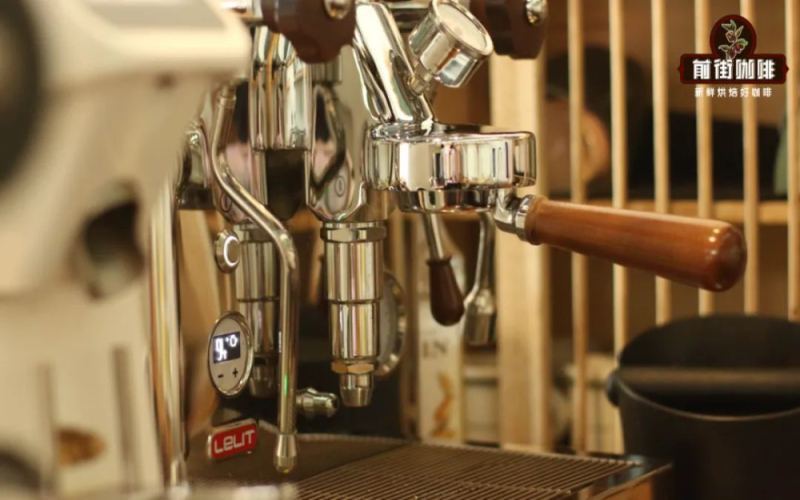
Home Espresso Machine Maintenance Guide: Daily Cleaning, Deep Descaling, and Group Head Gasket Replacement Tips
Many coffee enthusiasts have added espresso machines to their homes, but due to a lack of knowledge about cleaning and maintenance, problems such as weakened steam, uneven water flow, and even portafilter leaks begin to appear after the machine has been used for a while. This article systematically organizes maintenance methods for home espresso machines: from the routine cleaning of the steam wand and shower screen after each brew, to using a blind basket to backflush and remove internal residue before shutting down, and then to regularly using specialized cleaning powder for deep treatment of the steam wand, shower screen, and portafilter basket. The article also explains in detail the steps for replacing the brew head gasket after it ages, and reminds readers that water needs to be filtered to prevent scale from damaging the boiler. The article involves practical experience with the machine models used in Front Street Coffee stores, and is suitable for coffee enthusiasts to follow and implement. [more…]
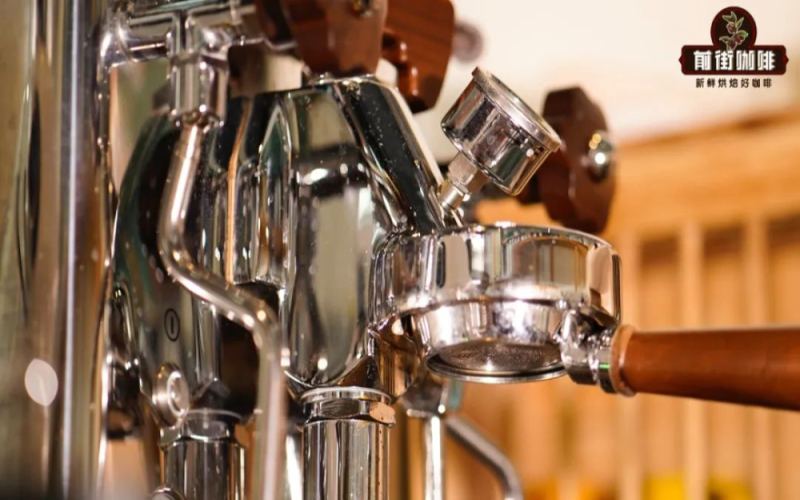
Daily Maintenance Guide for Espresso Machines: How to Properly Clean the Brew Head Shower Screen and Steam Wand
If a coffee machine lacks maintenance for a long time, extraction quality will gradually decline and may even cause malfunctions. This article takes the small espresso machine used in Front Street stores as an example to systematically explain the complete process of daily cleaning and deep maintenance for home coffee machines. The content covers key steps such as simple rinsing of the brew head dispersion screen and blind basket backflushing, wiping the steam wand surface and soaking the tip for descaling, and deodorizing the portafilter spout area. The article explains in detail the amount of special cleaning powder to use, control of backflush time and number of cycles, and precautions to avoid damaging the pressure relief valve. No matter what model is used, this method is basically universal, helping coffee enthusiasts maintain their machines at low cost and reduce the risk of needing repairs. [more…]

The Complete Guide to Cold Brew Coffee: From Bean Selection to Parameters, Teaching You to Make Clean and Sweet Iced Coffee
On a scorching summer day, a glass of icy, clean cold brew coffee is undoubtedly a refreshing treat. Unlike iced coffee drinks such as cold drip or affogato, cold brew is made by steeping coffee grounds in cold water for an extended period and then filtering—simple to make, yet full of subtle details. This article will systematically explain how to make cold brew coffee from the perspectives of bean selection, grind size, coffee-to-water ratio, brewing temperature, and time, while sharing Front Street Coffee's practical parameters and troubleshooting experience for common issues, helping you easily craft a balanced, richly flavored homemade cold brew. [more…]
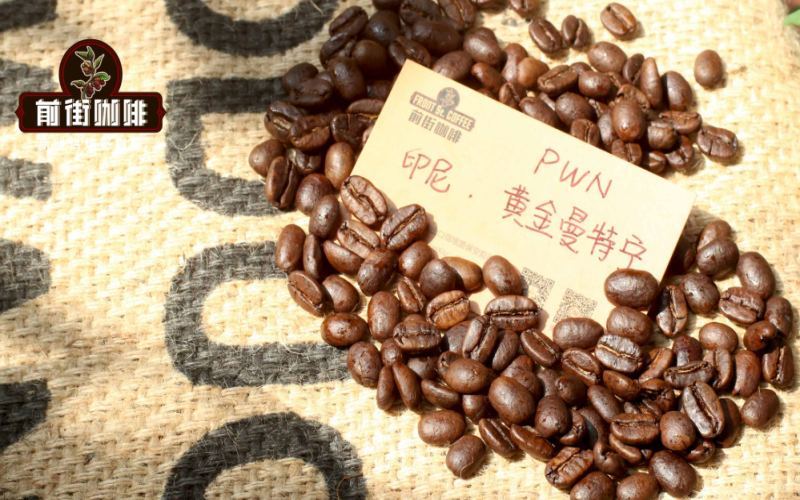
Mandeiling Pour-Over Technique in Detail: How to Brew a Sweet, Clean, Full-Bodied Dark Roast Coffee Without Bitterness
Mandheling coffee is known for its rich body and distinctive herbal aroma, but dark-roasted beans can easily produce a burnt, bitter taste when brewed as pour-over. This article begins with the history of Front Street PWN Golden Mandheling and provides a detailed guide on how to brew a clean, sweet cup of Mandheling pour-over with caramel and chocolate notes through dripper selection, coffee-to-water ratio, grind size, water temperature control, and a three-stage pouring technique. If you are also frustrated that your Mandheling always turns out too bitter, this article offers clear and practical solutions. [more…]
How do you choose hand-brewed coffee beans with a fresh, clean flavor? Flavor characteristics and bean selection approach for Yirgacheffe Gutingding
To enjoy a cup of pour-over coffee with a fresh flavor and clean mouthfeel, there are actually discernible guidelines when choosing beans. The degree of roast, the processing method, and the terroir of the growing region are the three key factors that determine the direction of a coffee's flavor. A light roast preserves more organic acids and delicate aromas, while the washed process makes the fermentation level of the coffee beans more controllable, and the regions of Africa and Central and South America are especially concentrated sources of fresh-flavored beans. Based on Front Street's bean-selection experience, this article lays out a practical approach to choosing coffee beans with high cleanliness and a fresh flavor, and recommends specific qualifying beans such as Front Street Yirgacheffe·Gedeb and Front Street Wander Estate·Washed Geisha, suitable for both pour-over and cold brew preparation. [more…]

Luckin Coffee's hygiene inspection standards spark heated debate: employees complain about strict details, how difficult is it to clean the work area?
Luckin Coffee is known for its tidy stores, but recently many employees have spoken out on social media, reporting that quality control inspection standards are overly meticulous, with strict deductions even for hard-to-reach corners such as pipes along walls and dust on chandeliers. From rusted screws on paper towel dispensers to loose threads on aprons, the tediousness of the inspection items has sparked complaints from workers, who bluntly say they are expected to "clean the prep area like an operating room." This article will sort out the focal points of the controversy over Luckin's hygiene inspections, explore whether, under existing store decoration conditions, the requirement of spotlessness is realistic, and present employees' complex attitudes toward food hygiene inspections. [more…]
How to Make Clean Coffee Without a Paper Filter? A Full Analysis of Immersion Brewing Time and Its Differences from Pour-Over
Have you ever suddenly found yourself out of filter paper while brewing coffee at home—does that leave you completely stuck? Actually, that's not the case. Filter paper is indeed indispensable for pour-over and other drip-style extractions, but if you switch to immersion extraction, its role becomes optional. Immersion extraction means fully steeping the coffee grounds in water. The extraction efficiency gradually slows as the water temperature drops and the concentration difference decreases, so over-extraction is less likely, the margin for error is higher, and the mouthfeel is fuller. Even without any filtering tool, as long as you master a few small techniques, you can still brew a clean, grit-free cup of coffee. In this article, Front Street Coffee will use a native variety from Ethiopia's Kafa Forest, relying on just two containers and a spoon, to test the entire process of filter-free immersion extraction, and compare the core differences between immersion and drip methods. [more…]
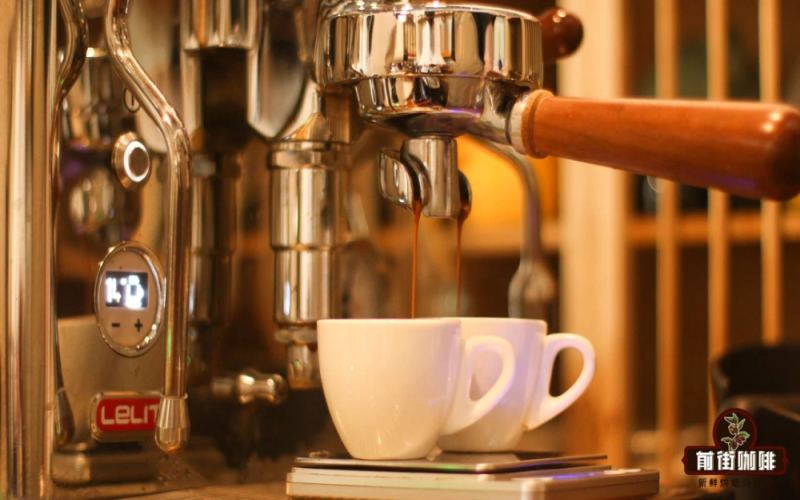
Espresso Beans | Can a Super-Automatic Coffee Machine Use Single-Origin Coffee Beans? Introduction to Espresso Coffee Powder-to-Water Ratio, Grind Size, and Extraction Time Parameters
For more specialty coffee knowledge, please follow: Front Street Coffee (Frontsteet Coffee) In Front Street's view, household fully automatic coffee machines, with their simple and convenient operation, allow you to easily grind coffee beans and brew aromatic coffee with just one press of a button, and are deeply loved in homes and offices [more…]
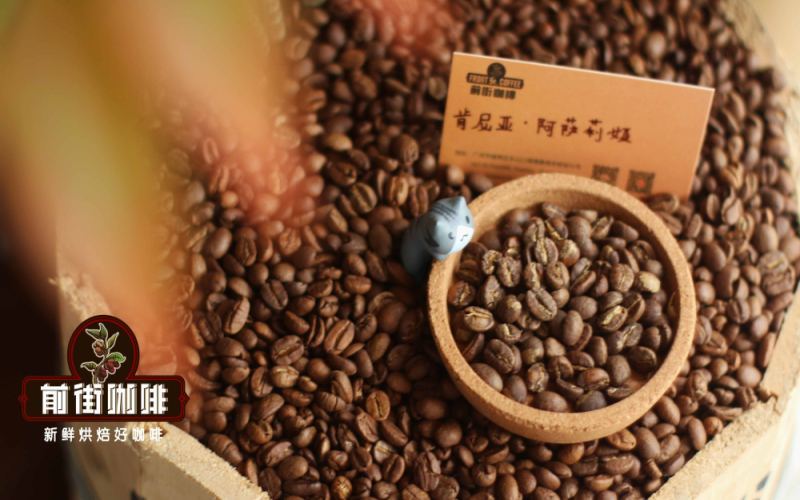
A Detailed Explanation of Kenyan Coffee Washing Processes: The Differences Between Double Fermentation, K72, and Dry Fermentation
Kenyan coffee is famous for its bright, clean fruit flavors. Behind this lies not only high altitude and excellent varieties, but also masterful washed processing techniques. Kenya commonly uses double washing, which means re-soaking fermented beans in clean water for a second wash, and later variations such as K72 washing and dry fermentation washing emerged. How exactly do these differently named processing methods differ from conventional washing? From the perspective of Front Street, this article first sorts out the origins and steps of traditional washing, then analyzes the procedures and flavor characteristics of double washing, K72, and dry fermentation one by one, helping you understand the processing logic behind the unique fruit acidity of Kenyan coffee. [more…]

The Complete Maintenance Guide to Cleaning and Backflushing Semi-Automatic Espresso Machines
If a coffee machine is neglected for a long time, its extraction performance and flavor will gradually deteriorate. This article is aimed at semi-automatic espresso machines equipped with an independent brew head, and systematically outlines an actionable maintenance routine, from daily external wiping, cleaning the dispersion screen and portafilter, to backflushing with a blind basket, deep cleaning with cleaning powder, and regular maintenance of the dispersion screen, gasket, and boiler. It also recommends beans suitable for espresso extraction, such as Front Street Classic Blend, Commercial Blend, Dark Cocoa Base Blend, and Specialty Blend, to help you maintain consistent output whether for a café or home use. [more…]
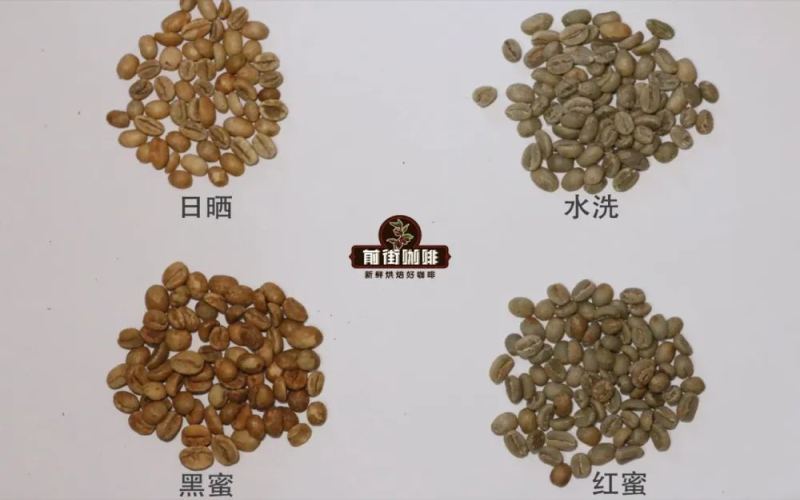
Which coffee varieties are suitable for the washed process? A detailed explanation of the flavor characteristics of washed coffee beans and the complete processing flow
The washed processing method is one of the most common and most highly regarded processing methods in specialty coffee, known for its clean flavor, bright acidity, and uniform bean appearance. This article, from the perspective of Front Street Coffee, will systematically explain the structure of the coffee fruit, each step of the washed process, and the advantages, disadvantages, and flavor characteristics of washed beans. Through a comparative experiment between two washed beans—Kenya Asaliya and Yirgacheffe Gediding—it will demonstrate how the same processing method can present completely different flavor profiles under different origins, varieties, and altitude conditions. [more…]
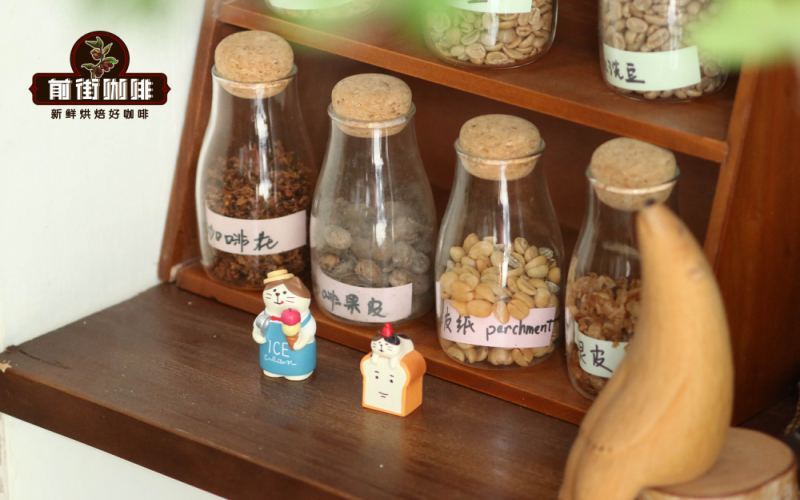
A Complete Guide to the Washed Coffee Processing Method: From Pectin Fermentation to Flavor Expression, Processing Steps, and Pros and Cons
The flavor of coffee beans depends not only on variety and origin—the processing method also plays a key role. This article systematically walks through the complete washed processing method—from removing floating beans and separating the skin and pulp, to fermenting away the mucilage, rinsing with clean water, and drying and hulling—and takes an in-depth look at the advantages and disadvantages of the washed method in terms of quality, appearance, cost, and water usage. At the same time, Front Street Coffee uses two washed beans—Kenya Asaliya and Yirgacheffe Gutingding—as examples to compare the flavor differences brought by different origins, altitudes, and varieties under the same processing method, helping readers build a more well-rounded understanding of washed coffee. [more…]
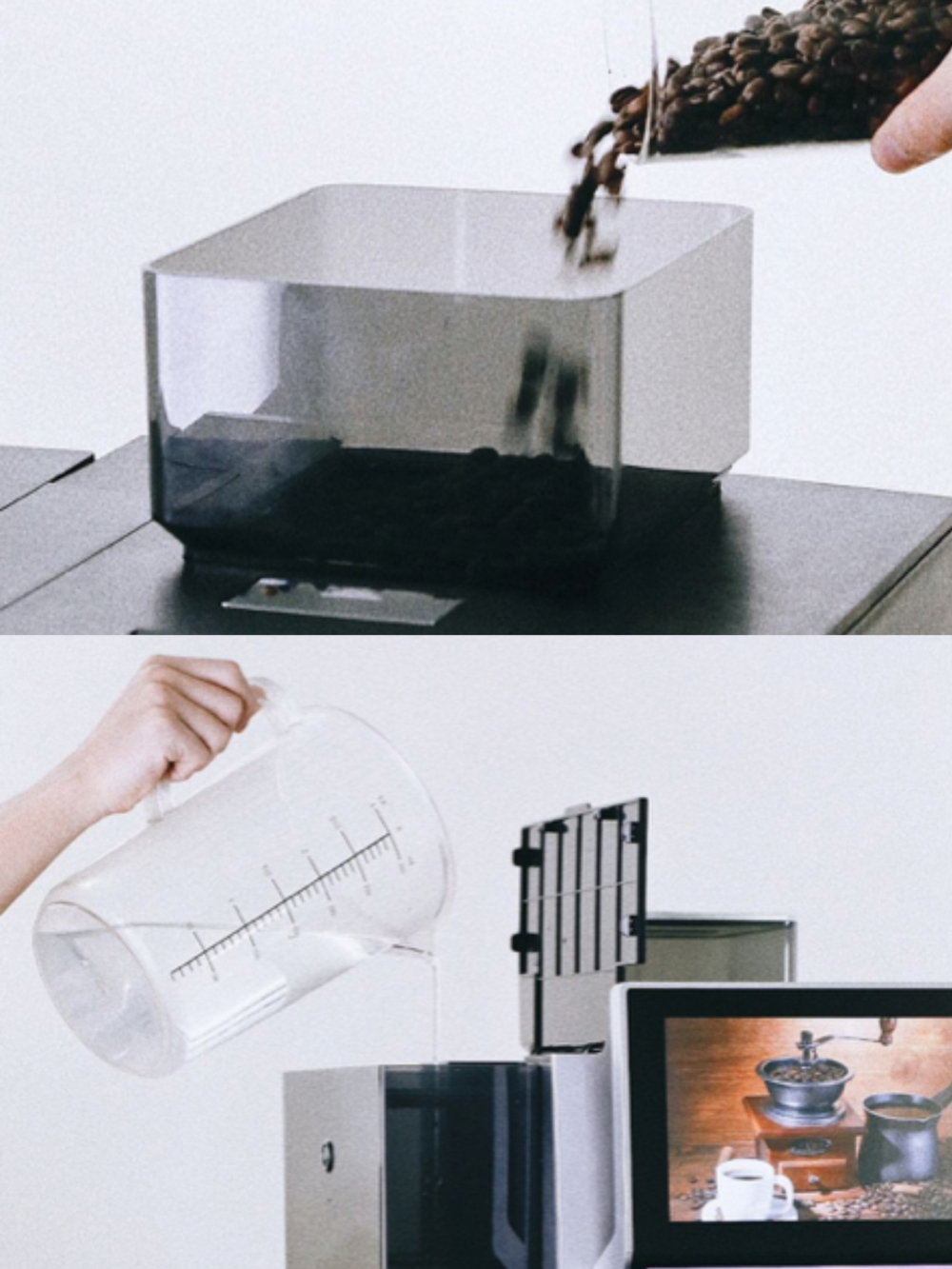
Home Coffee Bean Recommendations | How to Use a Home Coffee Machine to Extract Espresso? Which Coffee Beans Are Suitable for Fully Automatic Coffee Machines?
Household super-automatic coffee machines, with their simple and convenient operation, allow you to effortlessly grind coffee beans and brew a rich, aromatic cup of coffee with just one press of a button, making them highly popular in homes and offices. For those who have just gotten a household super-automatic coffee machine, you may be eager to try it out as soon as you receive it. [more…]
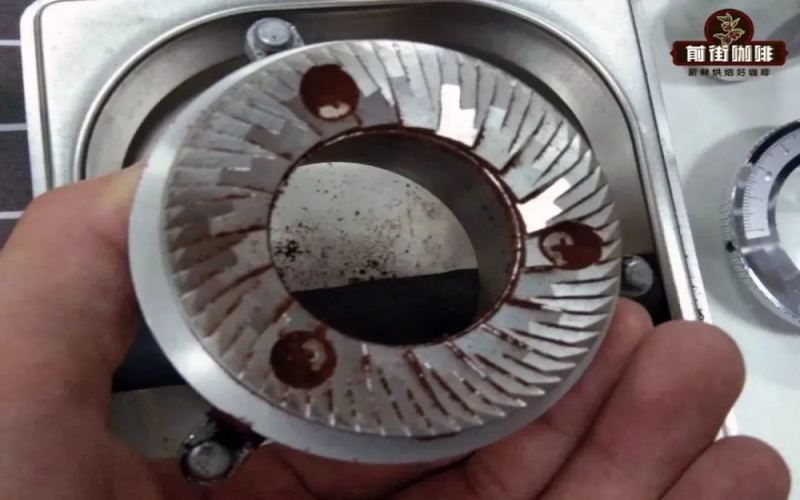
Grinder Maintenance Frequency and Cleaning Guide: How to Clean the Burrs of Manual and Electric Coffee Grinders
If you love brewing pour-over coffee at home, have you ever noticed that your brewed coffee tastes like it's mixed with other beans? This is very likely the work of fine powder residue left inside your grinder. Over time, static electricity causes fine powder to cling to the burrs, and the oils from dark-roasted beans build up as well. Before long, this not only affects flavor but can also clog the chute and shorten the machine's lifespan. So how exactly should you maintain your grinder? How often should you clean it? What's the difference between cleaning a hand grinder and an electric grinder? Can the burrs be washed with water? Front Street Coffee has put together a complete process, from simple daily cleaning to deep disassembly, to help you resolve all your grinder maintenance questions. [more…]
A Complete Guide to Buying Coffee Equipment and Coffee Machine Maintenance
To make a good cup of coffee at home or in a shop, choosing the right equipment and doing daily maintenance are equally important. This article systematically sorts out the key points for purchasing common coffee equipment, from Turkish coffee pots, Neapolitan flip brewers, and siphon brewers to semi-automatic espresso machines, water drip coffee makers, American coffee machines, and moka pots, including the suitable roast levels and grind sizes, and also provides reference prices and purchasing suggestions for commercial equipment. At the same time, it explains in detail the cleaning process for coffee machines, the backflushing steps, and the precautions for using glass equipment, helping coffee enthusiasts and professionals extend equipment lifespan and maintain consistent product quality. [more…]
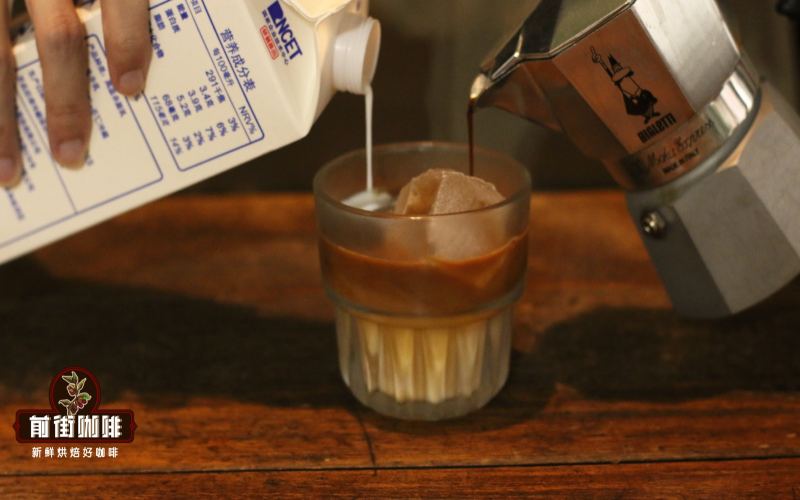
Moka pot flavors go beyond just one: from rich and bold to light and sweet, it can do it all.
When it comes to the moka pot, many people's impression of it is still stuck on "espresso-style, blends, thick crema." It's true that the moka pot is superb for brewing blends, but that doesn't mean it can only be used for one style. In fact, the moka pot's potential is far greater than imagined: from the herbal richness of a dark-roasted Mandheling, to the clean sweetness of a "Little Blue Mountain," and then [more…]