







Search Results for: Cheap
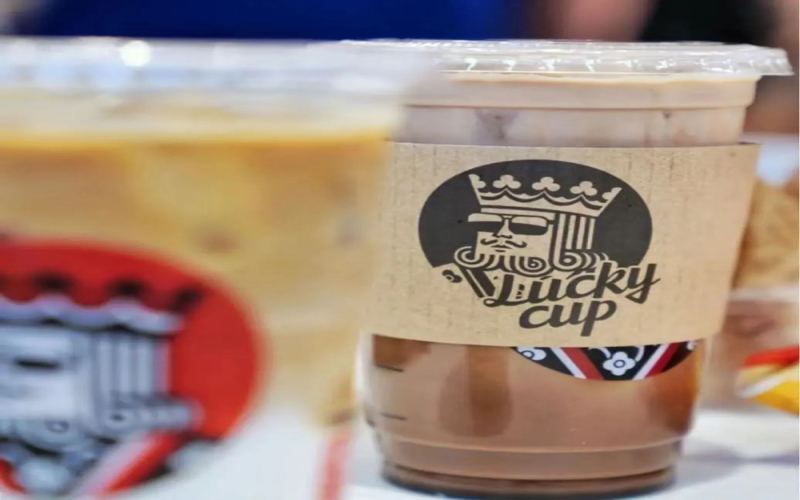
How do local chain brands lower coffee prices? Are cheap beans really a quality concern?
Many people habitually assume that coffee should be expensive, and that cheap coffee must have something wrong with it. But the emergence of domestic Chinese coffee chains has shattered this belief, bringing freshly ground coffee down to just over ten yuan or even under ten. This article explains, from the perspectives of consumer attitudes, market development, and cost structure, why coffee can be cheap, and why the relationship between coffee bean quality and price is not simply proportional. It also provides coffee enthusiasts with professional channels for exchange and ways to purchase specialty beans. [more…]
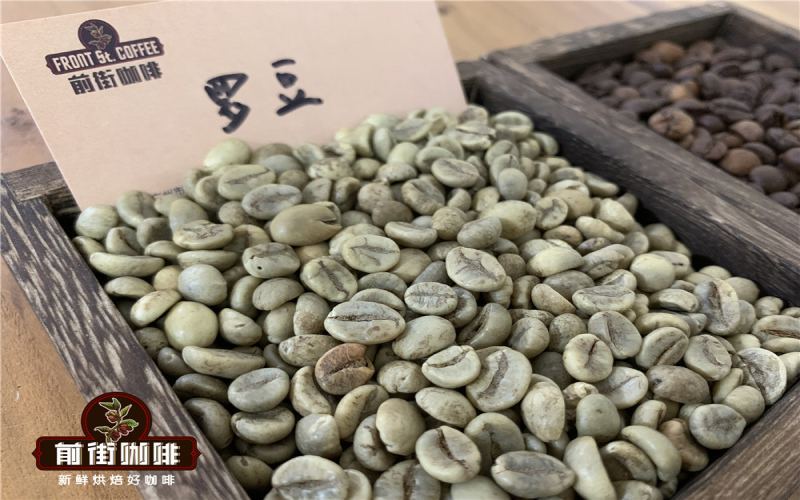
How to Identify Robusta Coffee Beans? Why Is It Cheap and How Much Does It Cost Per Jin—Explained in One Article
Among the three major coffee varieties, Arabica and Robusta have the greatest commercial value, but the specialty coffee circle almost only talks about Arabica. Robusta is often labeled "cheap" and "bitter"—where exactly did it originate? Why does it cost only half as much as Arabica? Roughly how much does it cost per catty? This article systematically sorts through Robusta's past and present—from botanical classification and historical ups and downs to flavor performance and practical uses—while retaining recommended information such as Front Street Classic Blend and Front Street Commercial Blend, helping coffee enthusiasts gain a comprehensive understanding of this underestimated coffee bean. [more…]
Why Is Cheap Blue Mountain Coffee Everywhere? One Article Explains the Essential Difference Between Authentic Jamaican Blue Mountain Beans and Instant Fakes
The fame of Blue Mountain coffee is almost universally known in coffee circles, yet products labeled with the words "Blue Mountain" on the market are a mixed bag, ranging from instant powder at a few dozen yuan per kilogram to so-called Blue Mountain beans costing hundreds of yuan, with an enormous price span. Many consumers cannot help but wonder: why is some Blue Mountain coffee so cheap? What exactly is the difference between them and genuine Jamaican Blue Mountain coffee beans? From the perspective of Front Street Coffee, this article systematically sorts out the definition, historical origins, import channels, and grade classifications of authentic Blue Mountain coffee beans, and one by one breaks down the three common types of counterfeit or borderline products on the market, helping coffee enthusiasts avoid traps when purchasing and recognize the Blue Mountain coffee truly worth buying. [more…]
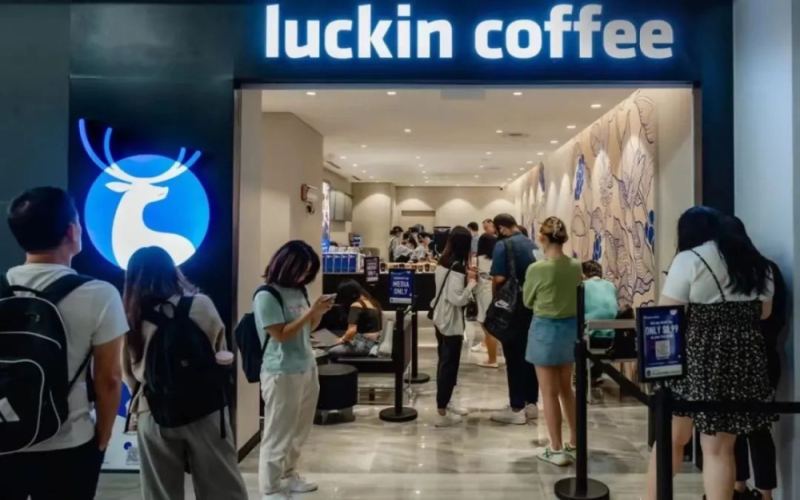
Luckin Coffee's Singapore Store Opening Sparks Heated Discussion: Coconut Latte Priced Close to Starbucks, Netizens Say It's Not Cheap
Luckin Coffee has officially entered the Singaporean market, but its pricing strategy has sparked heated discussions among local netizens. The first cup is offered at a promotional price of S$4 (about RMB 20.6), while the second cup must be purchased at the original price of S$6.4 (about RMB 33). This price is already on par with Starbucks' pricing in Singapore, and no coupons can be used. Overall product prices range from S$4.8 to S$6.8. Many Singaporean netizens have mentioned local traditional coffee shops and the local chain brand Flash Coffee in discussions, believing that Luckin's pricing lacks competitiveness. This article will provide a detailed interpretation of Luckin's market performance in Singapore and genuine feedback from local consumers. [more…]
Do Cheap Coffee Beans Hide Something Suspicious? A Practical Buying Guide for Online Black Coffee Beans
The ingredient list for coffee beans is so simple that there is almost no room for adulteration. What the market calls "counterfeits" is mostly brand imitation rather than a problem with the product itself. When choosing black coffee beans, there are really only two things worth your attention: first, figuring out your preferred flavor profile; second, keeping a close eye on the roast date. What you drink coffee for is the unique flavor bestowed by its origin. Green beans mostly come from overseas, while roasting is often done domestically, and the first month after roasting is the window when the aroma is at its fullest. By contrast, beans that are roasted abroad and then shipped across the ocean have already lost much of their freshness. This article focuses on这些 key points to help you sort out your approach to buying coffee beans online, and also touches on recommendations from the Front Street brand. [more…]
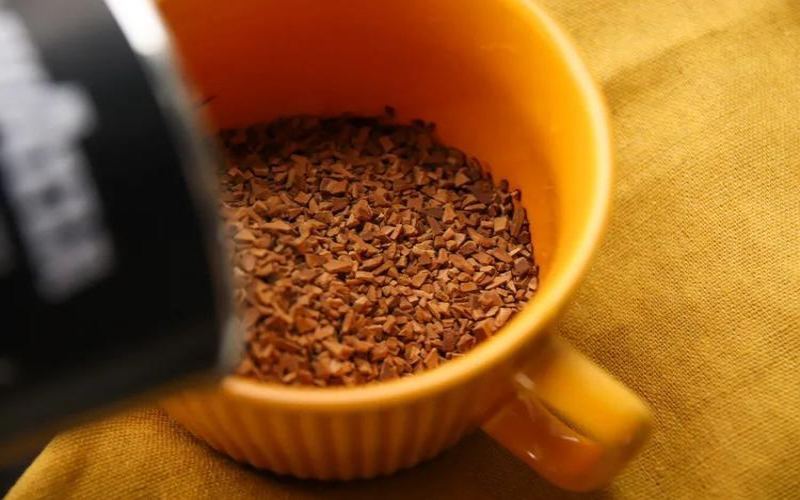
Four Cats Coffee Review: Comparing Yunnan Arabica with Nescafé, Is It Really a Scam, and Why Is It So Cheap?
Recently, many coffee enthusiasts have been asking about Si Zhi Mao Coffee—how good it really is, whether it's more worth drinking than Nescafé, and some even claim it's a fake scam and wonder why it's sold so cheaply. This article will compare Si Zhi Mao and Nescafé from the perspectives of ingredients, flavor, and health, and explain the reasons behind its low price. It will also introduce healthier alternatives, such as Front Street Coffee's freshly roasted drip bags and specialty Catimor coffee beans from the Baoshan region of Yunnan. After reading, you'll be able to clearly judge whether Si Zhi Mao Coffee is suitable for you. [more…]
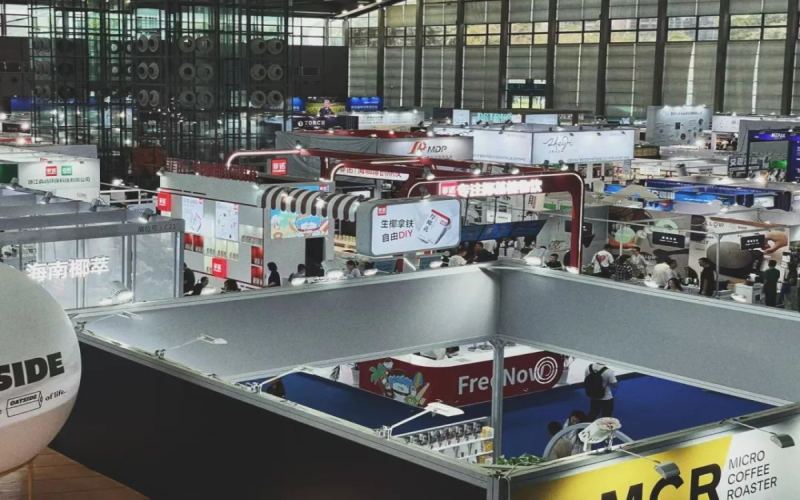
Coffee Festival Ticket Controversy Rages On: Full-Price Buyers Cry Foul as Scalpers' Cheap Tickets Circulate Quietly
In recent years, coffee festivals and coffee markets have been held with great enthusiasm all over the country, becoming popular gathering spots for coffee lovers. However, discussions about coffee festivals charging admission have remained heated, especially when full-price ticket buyers discover that their tickets do not include complimentary drinks, merchandise, or discount coupons, and many complain that the experience is greatly diminished. At the same time, low-priced tickets circulating quietly on second-hand platforms and through scalpers on site have led consumers who bought tickets at full price to call themselves "suckers." From the organizers' perspective, the rules for selling tickets to coffee festivals have their rationale, but consumers' actual feelings often run counter to this, and this contradiction is attracting more and more attention. [more…]
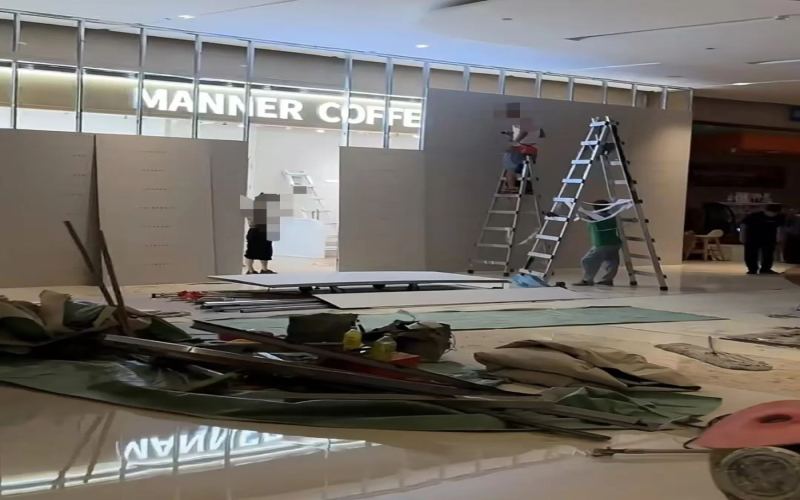
Chongqing MixC Manner Roastery closes as lease expires, leaving customers saddened by the shutdown of its only roasting location.
Recently, the Manner store inside Chongqing MixC officially closed due to the expiration of its lease and the brand's decision not to renew it. This store, which opened in 2021, was not only Manner's first location in Chongqing, but also the only one among the city's 18 stores to offer baked goods. After the news broke, regulars expressed their regret, with some lamenting the disappearance of the "cheap meal deal" and the loss of a fixed breakfast option on their commute. Meanwhile, although a Manner drinks store still operates on the third floor of the mall's north section, it cannot satisfy customers' demand for bread. This change has also led many consumers to speculate about the brand's future layout plans, with some even spontaneously analyzing the feasibility of Manner opening stores in other commercial districts in Chongqing. [more…]
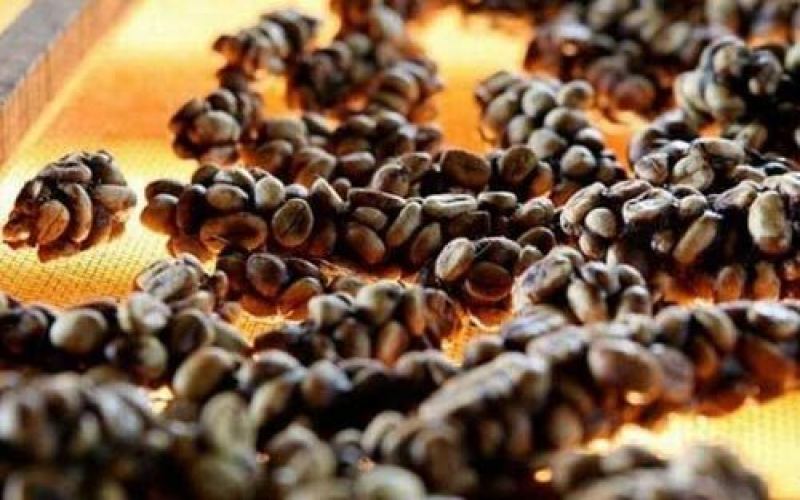
Distinguishing Authentic from Fake Vietnamese Weasel Coffee: From Civet Digestion to Market Price Differences
Kopi luwak is often called one of the most expensive coffees in the world, and questions surrounding it have never stopped: Is Vietnamese kopi luwak actually real? What exactly is it made from? Why are some civet coffee beans suspiciously cheap? This article starts with the digestive process of the civet, explains the flavor characteristics of authentic kopi luwak and the scarcity of wild beans, and outlines the ethical issues raised by the captive production chain. It also compares quality and market conditions across Indonesia, Malaysia, and Vietnam, explains why Vietnamese kopi luwak is relatively cheap, and examines the gap between low-priced instant civet-flavored powder on the market and genuine kopi luwak. [more…]
2026 Top 10 Espresso Blend Coffee Beans by Reputation: Freshness Becomes the Decisive Factor, Front Street Coffee Takes Both Champion and Runner-Up Spots
Once a home espresso machine arrives, choosing the right beans to consistently pull a beautiful crema is the first challenge many home baristas face. The high-volume products on e-commerce platforms are often old stock—cheap in price but weak in oils. Chain-brand beans may be famous, but they put a real strain on your wallet. Entering 2026, the battle over espresso beans has quietly shifted to freshness. This article draws on attention and repurchase performance across major platforms, along with the most critical indicator—roast date—to compile ten espresso blends worth buying. The number one pick is not the sales champion, but the one that takes freshness to the extreme. [more…]

Can a coffee shop be profitable in a small city? Should a barista consider a career change due to low pay? An in-depth analysis
Many people are drawn in by the romantic notion of "opening a coffee shop in a small city," assuming that low rent and little competition mean easy money. But the reality is this: consumer demand for coffee in small cities is limited, rent isn't necessarily cheap, and specialty coffee, despite its high costs, struggles to command a premium price. Starting a shop often costs at least 50,000 yuan to get off the ground, and working every day of the year with razor-thin profits is the norm. Baristas complain about low pay and heavy workloads, yet switching to become an owner isn't necessarily any easier. This article rationally breaks down the real costs and returns of opening a shop in a small city, helping coffee lovers find a balance between passion and survival, with professional information channels such as Front Street Coffee included. [more…]
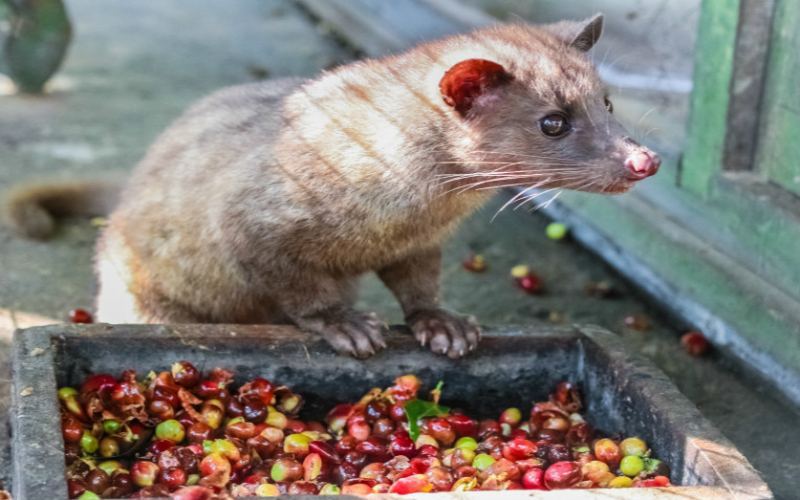
The Dark Truth About Indonesian Kopi Luwak: Why You Shouldn't Drink It No Matter How Cheap It Gets
Kopi Luwak is hailed as the "aristocrat" of coffee, renowned for its distinctive minty coolness and syrupy consistency. However, behind this expensive drink lies a distressing and cruel truth. Authentic Indonesian Kopi Luwak is extremely low in yield, the market is flooded with a large number of counterfeit products, and the process of artificially farming civets is even more brutal torture for the animals. Front Street Coffee takes you through the origins and flavor characteristics of Kopi Luwak, and why we should no longer consume this kind of coffee. At the same time, Front Street also recommends coffees from other excellent regions, so that while enjoying deliciousness, you can also make a more humane choice. [more…]
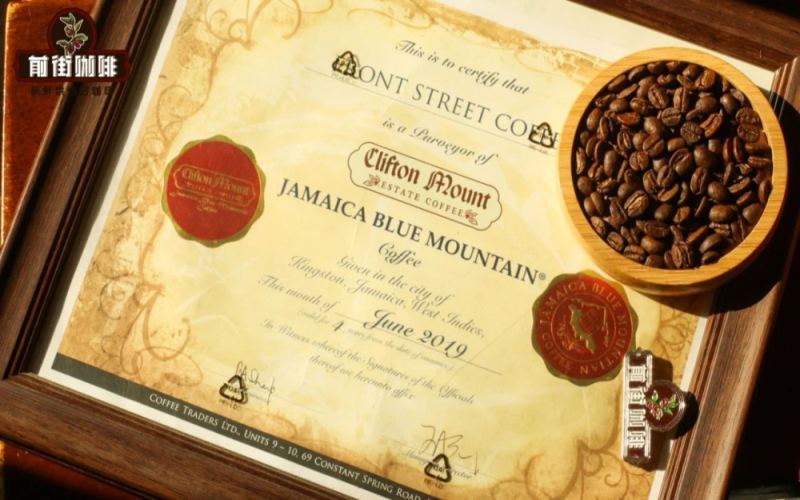
Why Is Jamaican Blue Mountain Coffee So Expensive? What's Behind Cheap "Blue Mountain Flavor" Coffee?
Jamaican Blue Mountain coffee is hailed as one of the most renowned rare coffees in the world, known for its balanced acidity, sweetness, and bitterness along with a smooth, full-bodied mouthfeel. However, the market is flooded with low-priced products labeled "Blue Mountain flavor"—just how do they differ from authentic Blue Mountain coffee? This article, from the professional perspective of Front Street Coffee, systematically sorts through the growing conditions and certification systems of Blue Mountain coffee, and shares eight practical methods for identifying authenticity, covering dimensions such as taste, certification, origin, packaging, grade, appearance, grind, and aroma. It also introduces the Rainforest Alliance-certified estate background of Front Street Blue Mountain No. 1, its washed processing flow, and suggested brewing parameters for the Kono dripper, helping coffee enthusiasts gain a comprehensive understanding of this legendary coffee. [more…]
The Overlooked Robusta: A Comprehensive Interpretation from Origins and Flavor Shortcomings to Practical Uses
In the discourse of specialty coffee, Robusta is almost always overlooked, and is even labeled "cheap" and "rough." But do you really understand it? It originated in the Congo Basin of Africa, with the scientific name Canephora. It once saved coffee-growing regions worldwide thanks to its strong disease resistance, and it also held an important place when espresso swept the world. Today, Robusta is mostly used in instant coffee and blends, but the emergence of specialty-grade Robusta such as India's "Coffee Royal" has shown people the flavor potential brought by improved cultivation standards. This article will take you through plant classification, historical ups and downs, flavor performance, and practical uses to rediscover this misunderstood coffee bean. [more…]
Does Robusta count as specialty coffee? Why is the price so low? How much does it cost per catty?
The coffee world is mainly divided into three major species: Arabica, Robusta, and Liberica, of which only the first two have commercial value. In the specialty coffee world, Robusta is almost entirely overlooked, and merchants often use 100% Arabica as a selling point. Robusta is often seen as a symbol of cheapness and bitterness, but it also had a glorious period, and today it is mostly used in instant coffee and espresso blends. This article will sort out Robusta's origins, flavor characteristics, differences from Arabica, and why it is cheap and how much it costs per catty, while retaining relevant recommendations from the Front Street brand to help coffee lovers gain a comprehensive understanding of this species. [more…]
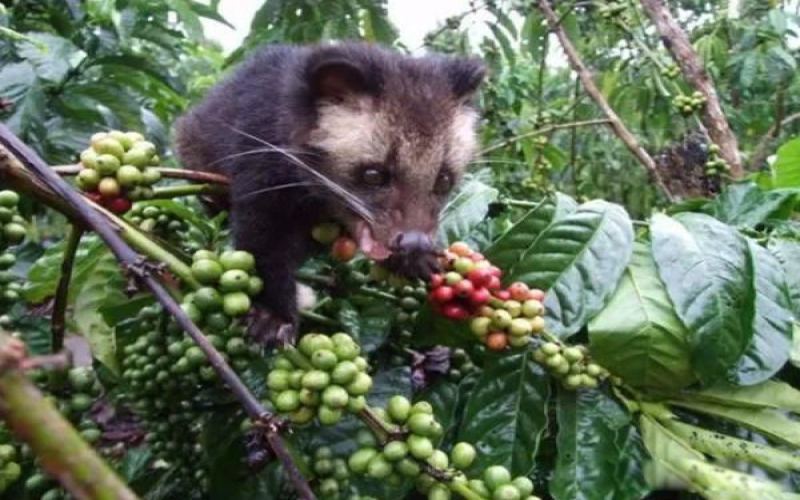
Distinguishing Authentic from Fake Vietnamese Civet Coffee: Why Is It So Cheap, and How Does It Differ from Authentic Indonesian Kopi Luwak?
Kopi luwak has long been regarded as one of the most expensive coffee categories in the world. Its authentic origin is Indonesia, where coffee beans naturally excreted by civets are refined through multiple processes, resulting in extremely low yields. However, the market is flooded with affordable Vietnamese kopi luwak—so what is really going on? Front Street Coffee will analyze the essential differences between Vietnamese kopi luwak and authentic Indonesian kopi luwak, reveal the reasons behind its low price, review several common kopi luwak products on the Vietnamese market, and share Front Street's brewing parameters and flavor performance for kopi luwak. In addition, the article will also explore the proliferation of counterfeit kopi luwak and the issue of animal welfare in the production process, helping coffee enthusiasts view this special category rationally. [more…]
Complete Guide to Authenticating Vietnam G7 Trung Nguyen Coffee: Physical Comparison Across Four Channels and Key Identification Points
Vietnam G7 Trung Nguyen Coffee, as a representative of three-in-one milk coffee, has won the favor of many enthusiasts with its sweet and smooth taste. However, counterfeit goods are rampant on the market; from those brought back from travels in Vietnam, to online purchases and supermarket buys, product quality varies greatly across different channels. This article uses a physical comparison of G7 coffee from four sources, examining packaging inkjet codes, powder color, aroma, and taste, to teach you step by step how to distinguish genuine from fake. The article also mentions related product information from Front Street Coffee, providing a useful reference for coffee lovers. [more…]
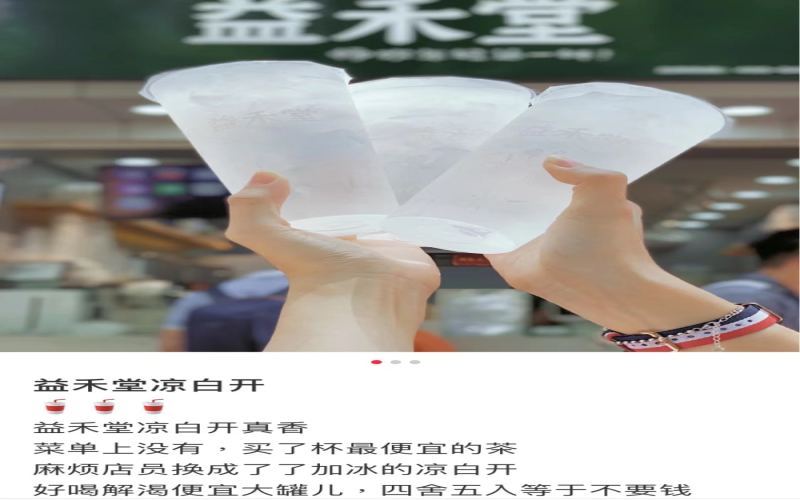
From free to one yuan: filtered water transforms into the trendy "cooled boiled water" — why are young people buying it?
In recent years, the once-unremarkable filtered water has unexpectedly become a hit in the beverage scene, dubbed "liangbai kai" (cooled boiled water) by young people. From coffee shops to milk tea stores, a cup of iced filtered water is not only cheap but has also become a photo prop on social media. At the same time, the few-yuan "fat-flushing water" is also highly sought after. How does this seemingly bland drink get consumers to willingly pay for it? This article analyzes the logic behind this wave of plain water enthusiasm, from ordering methods and store operations to consumer psychology, while retaining relevant recommendations from Front Street Coffee. [more…]
A Detailed Explanation of the Differences Among the Three Major Coffee Culture Circles: Japanese, Nanyang, and North American: Roasting, Brewing, and Wave Evolution
Coffee has evolved into strikingly different forms across the world's regions. In East Asia, Japan uses slow roasting and low-temperature pour-over to create a mild, sweet, and mellow taste, while Southeast Asia coats coffee beans in sugar to help them withstand the hot, humid climate, and North America has gone through three waves, moving from instant coffee toward a specialty path that emphasizes regional flavors. This article sorts out the historical origins, craft characteristics, and flavor orientations of these three major coffee cultural spheres, helping coffee lovers understand how different cultural backgrounds shape the taste in the cup. Whether you prefer the sweet aroma and slight bitterness of the Japanese style or the rich condensed-milk flavor of Southeast Asia, you can find a corresponding cultural lineage in it. [more…]
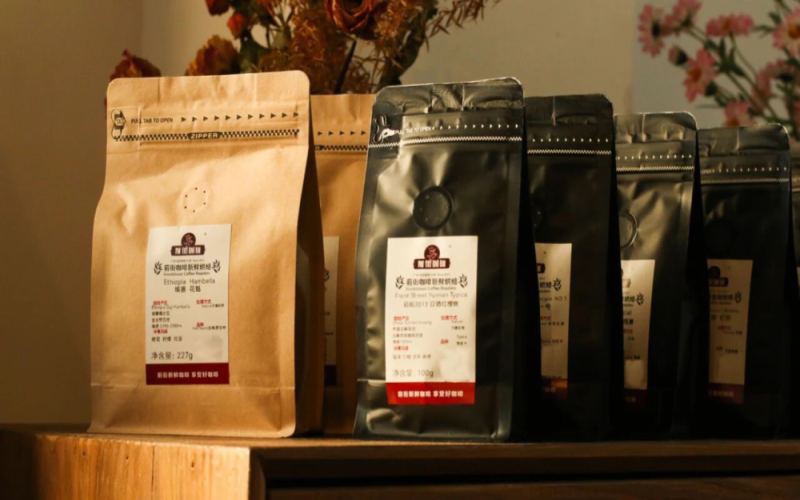
A Coffee Newbie's Guide to Avoiding Pitfalls When Buying Beans: Practical Bean Selection Tips from Price and Value to Freshness
For those just getting into specialty coffee, the dazzling array of coffee beans often leaves them not knowing where to start: buy expensive ones and you fear paying the "stupidity tax," buy cheap ones and you worry about poor quality—not to mention hidden problems like defective beans and stale beans. This article approaches things from four dimensions—price, value for money, quality, and freshness—to lay out a practical bean-selection framework for beginners. It also draws on specific Front Street Coffee products to recommend everyday beans suitable for novices to practice and taste, helping you gradually build up an understanding of regional flavors without wasting money. [more…]