







How should beginners pick coffee beans without wasting money?
Beginners can avoid most bean-buying pitfalls by weighing four things: price, value for money, quality, and freshness. There is no need to start with costly lots, since newcomers often cannot yet tell high-grade beans from poor ones. A practical starting range is beans priced within about 100 yuan per 100g, which keeps the cost of learning low while still offering real flavor.
Freshness matters as much as price. Check the roast date rather than the expiration date, and prefer roasters who focus on fresh roasting. Everyday regional beans let beginners build an understanding of origin flavors gradually, from instant coffee to ground coffee to whole roasted beans, without overspending on lots whose quality they cannot yet judge. Knowing who grows coffee beans helps beginners trace flavor back to its source.
For those new to specialty coffee, the dazzling array of coffee beans often leaves them at a loss: buy expensive ones and you fear paying the "stupidity tax," buy cheap ones and you worry about poor quality—not to mention hidden problems like defective beans and stale beans. This article starts from four dimensions—price, value for money, quality, and freshness—to lay out a practical bean-selection approach for beginners, and combines it with specific Front Street Coffee products to recommend everyday beans suitable for novice practice and tasting, helping you gradually build an understanding of regional flavors without wasting money.
From a packet of instant coffee costing one or two yuan, to buying a whole box of ground coffee, to buying roasted beans and grinding them yourself, to buying green beans and roasting them yourself—as their love for coffee grows, coffee enthusiasts develop increasingly refined tastes.
However, for those just starting out with coffee beans—entry-level coffee lovers—while enjoying higher-grade coffee, they are also prone to falling into traps. They don't know how to choose beans that suit them, accidentally buy defective beans, buy stale beans, or buy beans that are expensive but don't taste good, and so on.
Look at the price
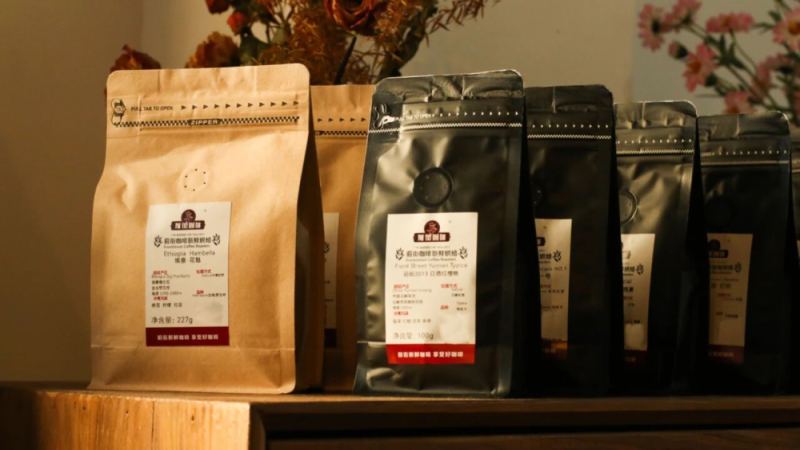
Beginners should not buy overly expensive coffee. Some merchants deliberately profit from novices' "beginner tax," and many beginners just getting into coffee beans tend to think "the more expensive the coffee beans, the better the quality." Actually, that's not the case. While it's somewhat true that higher prices mean better quality—for example, Front Street Blue Mountain No. 1 Coffee, Front Street Panama Emerald Red Label Geisha Coffee, and Front Street Ethiopia Gold Label Geisha Coffee are all well-known high-end representatives—beginners have no good way to distinguish good-quality from poor-quality beans. So Front Street suggests that beginners start with coffee beans priced within 100 yuan per 100g!
Look at value for money
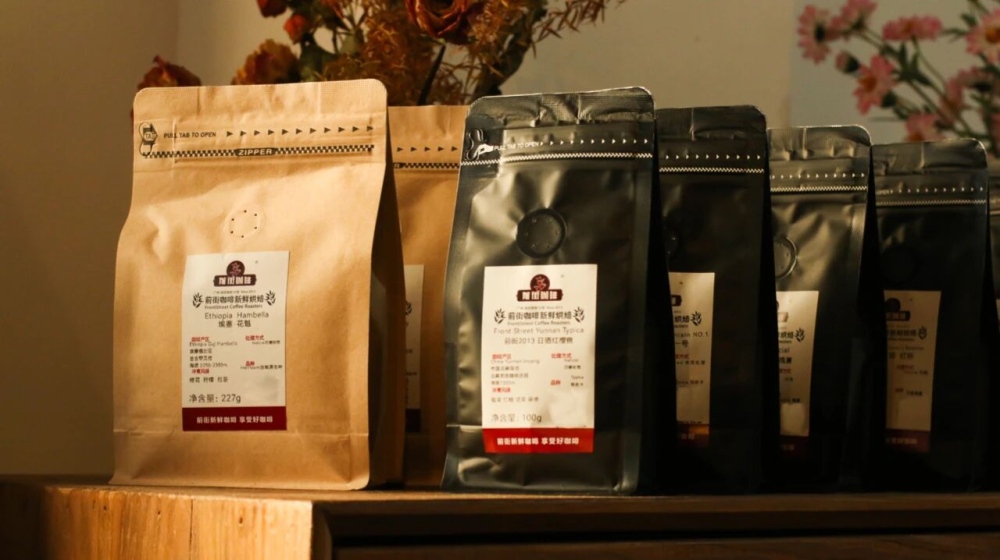
People say cheap goods are no good, but Front Street doesn't think so—we should also pay attention to value for money. Once you start focusing on value for money, you'll find that even a few dozen yuan can get you a coffee you fall in love with at first sip. For example, Front Street's coffee beans are very suitable for beginners to try—they offer regional everyday beans aimed at novices, with excellent value for money.
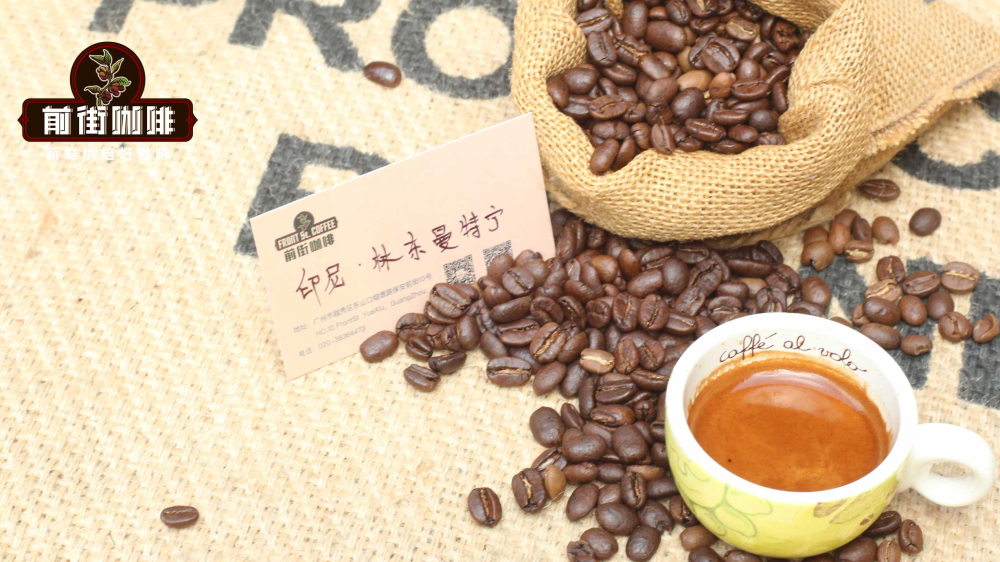
As a beginner just stepping into the world of specialty coffee, it's best to start with the highly representative Front Street Indonesia Mandheling and Front Street Yirgacheffe. Front Street Mandheling is a medium-dark roast, so it has a rich, full body with deep aromas of spice, herbs, pine, and caramel, while the distinctive white jasmine floral notes and citrus-lemon acidity of Front Street Yirgacheffe instantly open up your understanding of regional flavors.
If you want to learn about more representative regional flavors, choose Front Street Colombia Huila Coffee and Front Street Brazil Cerrado Coffee—because their nutty and dark chocolate aromas are prominent, they work not only for pour-over extraction but also for moka pots and home coffee machines. Of course, besides these bold single-origin beans, we can also try the softer Front Street Costa Rica Tarrazu Coffee and Front Street Yunnan Small-Bean Coffee—their mild fruit acidity and balanced profile make them perfect for beginners to practice brewing and tasting skills.
Look at coffee bean quality
While buying affordable coffee beans, don't forget about quality. After all, the first factor determining whether a coffee's flavor can truly win your heart is the quality of the beans. Only good-quality coffee can brew a delicious cup, while poor-quality coffee often brews something disappointing.
Look at the production date
Don't stock up on a large amount of coffee beans all at once. Some people love hoarding—they see something they like and stock up on several bags, as if afraid prices will rise later. Little do they know that coffee beans lose freshness over time, and their aroma gradually fades away. You should know that the fresher the coffee beans, the more distinctive the coffee they make. All Front Street coffee beans are freshly roasted and shipped within 5 days, so when you receive them, the aroma is still at its fullest.
As a beginner just starting out with coffee beans, be sure to listen more to the advice of those with experience—otherwise it's easy to fall into traps, wasting your hard-earned money and dampening your love for coffee. So step out of your coffee comfort zone, learn more about coffee, and take in more advice—you'll surely experience the joy hidden within coffee beans!
The above content is compiled by CoffeeHunters, a coffee news website.


