







Search Results for: Cafes do Brasil
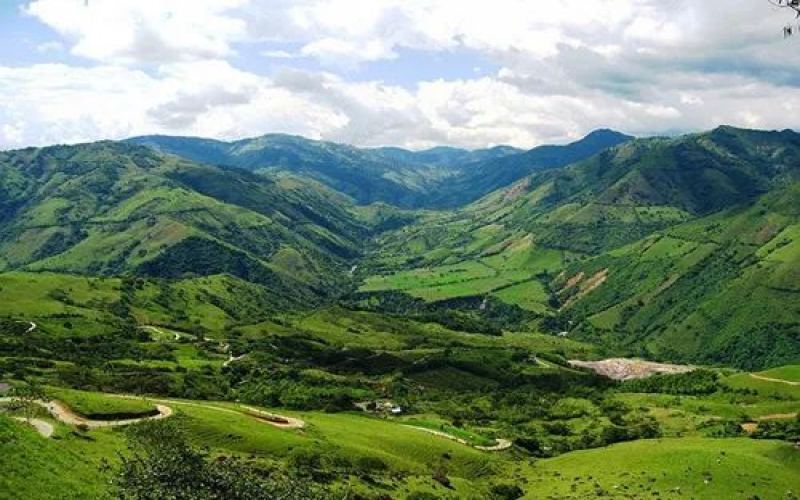
Brazil Launches Cafes do Brasil Traceability Platform in Response to the EU's New Deforestation-Free Import Rules
In response to the strict requirements of the EU Deforestation Regulation (EUDR), the Brazilian Coffee Exporters Council (Cecafe) and the credit company Serasa Experian have jointly launched the Cafes do Brasil platform and held a seminar in São Paulo to help exporters master traceability tools. The platform uses remote sensing technology and geolocation data to dynamically analyze ESG indicators such as forest protection, agricultural cultivation, and deforestation alerts in production areas, ensuring full traceability throughout the coffee supply chain. Among the approximately 100 participants, 41 council members are responsible for about 90% of Brazil's coffee shipments to the EU, and their compliance practices will significantly enhance the transparency and international reputation of Brazilian coffee. [more…]
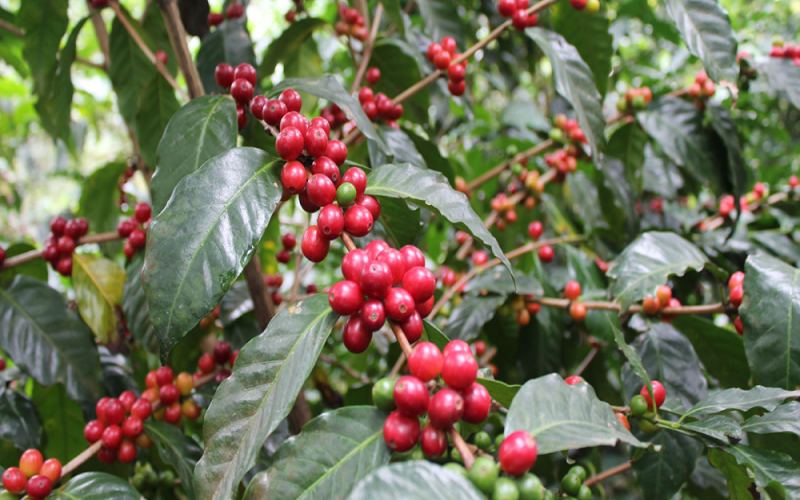
CORSINI BRASIL SANTOS Brazilian Coffee Bean Unboxing Review: Cerrado Region Flavor and Front Street Coffee Roasting Recommendation
The Cerrado region of Brazil is an outstanding Arabica coffee-growing area, dominated by the Red Bourbon variety and using the semi-washed (pulped natural) process, with a flavor profile of solid body and high-quality acidity. This article opens a bag of CORSINI BRASIL SANTOS Brazilian coffee beans for an appreciation, and introduces Front Street Coffee's medium-roast process for Brazilian Cerrado as well as its use in espresso blends. Whether you seek a clean chocolate flavor or prefer nutty notes, you can find a suitable coffee choice here. [more…]
National Consumers League Sues Starbucks: C.A.F.E. Certification and '100% Ethically Sourced' Promise Called into Question
Recently, the National Consumers League (NCL) filed a lawsuit against Starbucks in the Superior Court of the District of Columbia, accusing its "100% ethically sourced" marketing of deceiving consumers. NCL pointed out that Starbucks emphasizes ethical sourcing commitments in its marketing, yet fails to effectively address labor abuses such as child labor and forced labor in its coffee supply chain. Since 2015, Starbucks has claimed that 99% of its coffee is ethically sourced. Although its C.A.F.E. Practices program includes multiple indicators, investigative journalists in Brazil and elsewhere have still found violations at certified farms. Starbucks responded that it will vigorously defend itself and stressed that it works with farms to ensure compliance with standards. [more…]

A major strike at Brazilian ports leaves 2.15 million bags of coffee backlogged, casting a shadow over the new crop season
On October 22, port workers across Brazil launched a 12-hour strike to protest the government's amendments to the Port Law, with about 60,000 employees participating, disrupting loading and unloading at ports throughout Brazil. The strike comes at a critical time for coffee exports; earlier, about 2.15 million bags of coffee had already been stranded at the docks due to port delays, and the strike could make matters worse. Meanwhile, Brazil's coffee-growing regions have entered the rainy season after experiencing severe drought, but the coffee trees have been severely damaged, and production expectations for the next crop season are not optimistic. Caught between port transport and climate problems, the global coffee supply chain faces challenges. [more…]
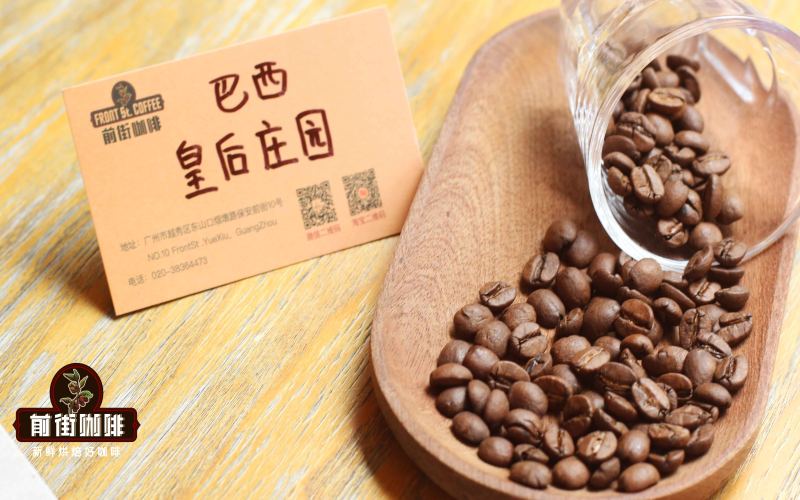
Analysis of the Yellow Bourbon Variety at Brazil's Queen's Estate: Cocoa and Chocolate Flavor Coffee Beans and Evaluation for Pour-Over and Espresso Brewing
For friends who prefer a full-bodied taste and dislike acidic coffee, Front Street Coffee's Brazil Queen Estate Yellow Bourbon is a bean well worth paying attention to. It comes from a historic volcanic valley estate in Brazil, and the family behind it has won numerous awards in COE competitions, even taking the Cup of Excellence championship in 2011. This Yellow Bourbon is processed using the semi-washed method, with a flavor profile centered on rich chocolate, nuts, and soft fruit sweetness, low in acidity and clean. Whether brewed with pour-over, French press, moka pot, or espresso machine, it delivers consistently stable performance. This article will provide a complete analysis of this non-acidic coffee bean, from the estate's background, award records, green bean processing methods, and grading system to its actual brewed flavor. [more…]
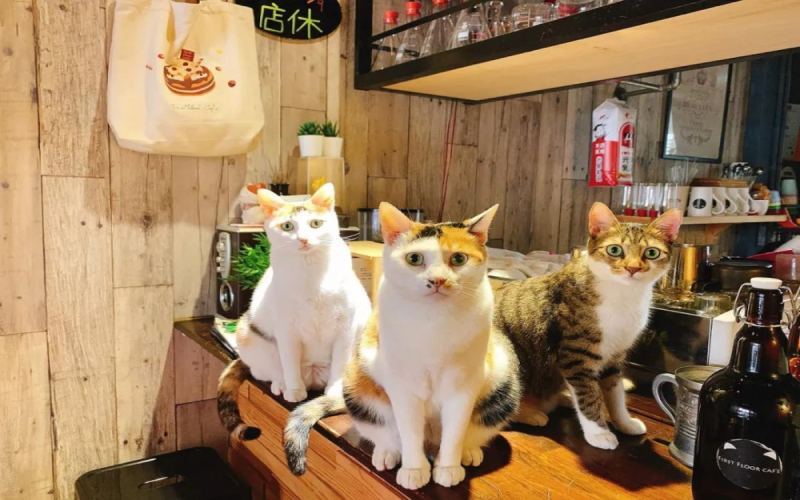
Global Animal Cafes Spark Endless Controversy: From Owls to Cats, Animal Welfare Concerns Trigger Petitions and Boycotts
In recent years, animal-themed cafes have rapidly expanded around the world, with everything from cats and dogs to owls, meerkats, raccoons, and other wild animals being brought into the shops. However, animal protection organizations point out that these venues often lack effective oversight, and the animals are kept under chronic stress and sleep deprivation, with their physical and mental health seriously affected. In Japan, nearly 100,000 people have signed a petition demanding the closure of cafes featuring owls and other wild animals, and South Korea has announced a total ban on displaying wild animals outside of zoos. Should consumers also reflect: without demand, how can there be a market? [more…]
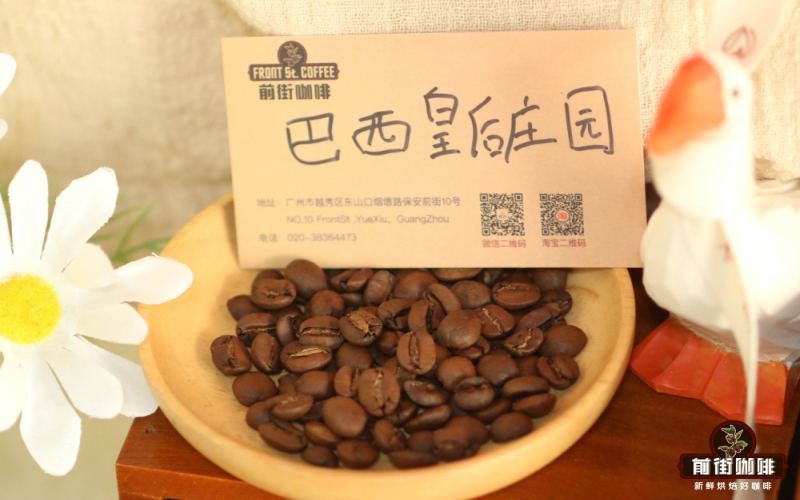
Brazil Queen's Farm Yellow Bourbon Coffee Beans: Analyzing the Tropical Fruit Flavor and Pulped Natural Processing of a COE Perennial Winner
Fazenda Rainha is a legendary coffee estate owned by the Carvalho Dias family. It has won numerous awards since the first Brazil Cup of Excellence competition in 1999, and even took first place in 2011. The estate is located in a volcanic valley in the Mogiana region of São Paulo State, at an altitude of 1,400 to 1,950 meters. The Yellow Bourbon variety is entirely hand-picked and processed using the pulped natural method, creating a unique flavor profile that is sweet, clean, bright in acidity, and has tropical fruit aromas. Front Street Coffee's Fazenda Rainha coffee beans have a rich nutty aroma and a balanced taste, suitable for various brewing methods such as moka pot, Americano, siphon, and drip bags, and can be purchased at the Front Street Tmall flagship store. This article will provide a comprehensive analysis of the estate's background, processing techniques, award records, roasting analysis, and pour-over parameters, taking you deeper into this exemplary Brazilian specialty coffee. [more…]
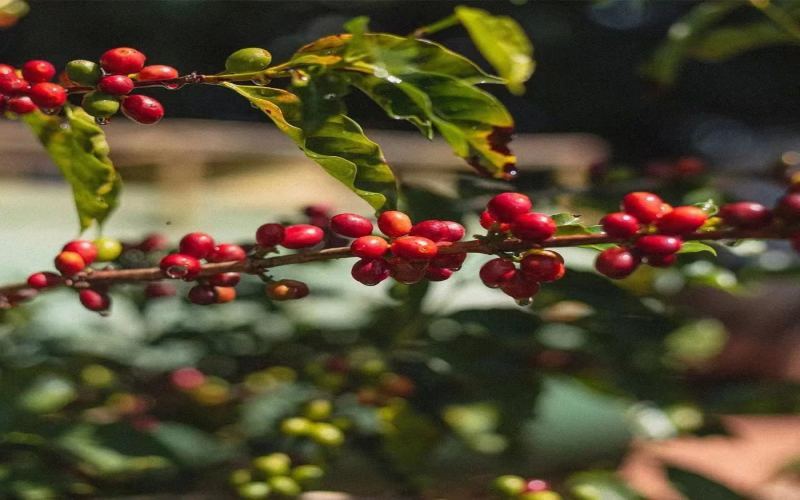
A Complete Analysis of the Flavor Characteristics and Pour-Over Parameters of Brazil Queen Farm Yellow Bourbon Coffee Beans
Yellow Bourbon is one of the signature varieties of Brazilian specialty coffee, having won numerous awards in COE competitions. The sun-dried Yellow Bourbon from Queen's Farm, carefully selected by Front Street Coffee, comes from a famous estate under the Carvalho Dias family, which won the Brazilian COE championship in 2011. Even at the green bean stage, this coffee exudes berry aromas, with low acidity and high sweetness, a balanced mouthfeel, moderate body with a nutty sweet finish, and a lingering aftertaste. This article will provide a comprehensive introduction to Queen's Farm's background, the processing methods and grading system for Yellow Bourbon, along with Front Street's roasting analysis and pour-over parameters, giving you an in-depth understanding of the unique charm of this Brazilian specialty coffee. [more…]
Brazil Queen's Farm Yellow Bourbon Flavor Analysis and Pour-Over Techniques: Nutty Chocolate Sweetness Under the Semi-Washed Process
Yellow Bourbon is a highly representative variety in Brazilian specialty coffee, and Fazenda Rainha, with its multiple award-winning records in COE competitions, has become the benchmark origin for this variety. This article focuses on the naturally processed Yellow Bourbon from Fazenda Rainha selected by Front Street Coffee, providing a systematic interpretation from estate background, variety characteristics, green bean analysis, roasting approach, to cupping and pour-over parameters. This bean is characterized by low acidity, high sweetness, intertwined nutty and chocolate flavors, moderate body, and a lasting finish, making it particularly suitable for coffee lovers who prefer a balanced taste and sweet flavors. The article also provides a complete pour-over extraction plan to help readers reproduce its sugarcane sweetness and tropical fruit aroma at home. [more…]

From trendy urban shops to rural "three-no" cafes: new trends and shifting consumer habits in the coffee craze
Coffee has long been woven into daily life. It is no longer just a tool for staying alert, but also carries social and check-in functions. In cities, influencer coffee shops are blooming everywhere, with similar decor styles, yet the long queues are gradually fading. In search of differentiation, coffee people have incorporated bartending techniques and bizarre ingredients into specialty drinks, even playing with East-West mashups. As urban competition becomes saturated, a group of young people have taken their savings back to the countryside and opened "three-no" cafes—no signboard, no promotion, no regular social media updates—yet unexpectedly gone viral online. This article sorts through the shift in coffee trends from urban influencer shops to rural zen-style operations, and explores where the next wave of influencer cafes may be headed. [more…]
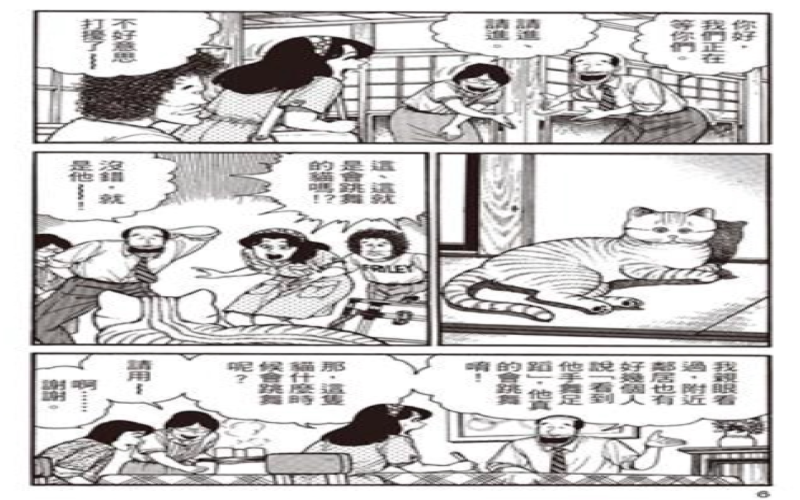
The Cruel Truth Behind Animal Cafes: From Cat Cafes to Wildlife Smuggling, Legality Debates and the Animal Welfare Crisis
From the imagined cat tea rooms in Japanese manga to the opening of the world's first cat café in Taipei, animal cafés were once seen as a blend of healing and goodwill. Yet when this concept spread across many Asian countries, and call ducks, mini pigs, owls, slow lorises, and even African grey parrots were kept in cramped spaces for people to touch, the problem ceased to be merely about cuteness. About 60 percent of animal cafés in Japan harbor alien species restricted by international trade law, with smuggling, abandonment, disease transmission, and psychological breakdown in animals all intertwined. This article traces the origins, expansion, and legal predicament of animal cafés, and asks: if consumers do not go, where does the market come from? [more…]
The Past and Present of Brazilian Red Bourbon Coffee Beans: From Bourbon Island to South Minas, How to Choose Between Pour-Over and Espresso
Red Bourbon is one of the oldest Arabica varieties, spreading from Bourbon Island in the Indian Ocean across Latin America and Africa through the hands of missionaries and traders. This article traces how Red Bourbon took root in Brazil, explaining in detail the terroir conditions of the South Minas region, the characteristics of the semi-washed processing method, and the logic behind green bean grading. It also combines the roasting curve and brewing data of Front Street Coffee's Brazil Red Bourbon to offer specific parameter recommendations for pour-over, French press, and AeroPress. Whether you want to understand the spread of the Bourbon variety or are looking for an everyday staple bean with high sweetness, low acidity, and nutty-chocolate notes, this article can serve as a reference. [more…]
The Past and Present of Brazilian Red Bourbon Coffee Beans: From Variety Propagation to Cerrado Pour-Over Flavor and Roast & Brew Analysis
Brazilian Red Bourbon is one of the oldest varieties in the Arabica family. Setting out from Réunion Island, it spread to Africa and Latin America through the hands of missionaries, and finally took root in Brazil. This article systematically reviews the full picture of Red Bourbon, from variety characteristics, producing regions, and dissemination history to semi-washed processing and grading systems; and using the Cerrado Sul de Minas producing region as an example, it analyzes Front Street Coffee's roasting curve and cupping performance, with specific parameters for pour-over and espresso blends attached, helping coffee enthusiasts understand the charm of this balanced bean variety and the key points of brewing. [more…]

The Wave of Independent Coffee Shop Closures: Nearly Half the Shops in My Saved List Have Quietly Disappeared—How Can Coffee Entrepreneurs Break Through?
In 2023, China's coffee market size reached 180.6 billion yuan, with chain brands accelerating their expansion—MANNER surpassing 10,000 stores and Luckin and Cotti going overseas—making it seem like a landscape of prosperity. However, in the saved folders on social media platforms, many coffee enthusiasts have discovered that nearly half of the independent coffee shops they once bookmarked now show "closed for business," including many high-quality small shops with thousands of positive reviews. From Beijing, Shanghai, Guangzhou, and Shenzhen to other cities, this phenomenon is spreading. The price wars of chain brands have squeezed the survival space of independent shops, while poor business strategies and a lack of differentiation have also made it difficult for many stores to stay afloat. What kind of preparation and reflection does running a coffee shop actually require? This article takes you deep into the real dilemmas facing independent coffee shops and the ways to break through. [more…]
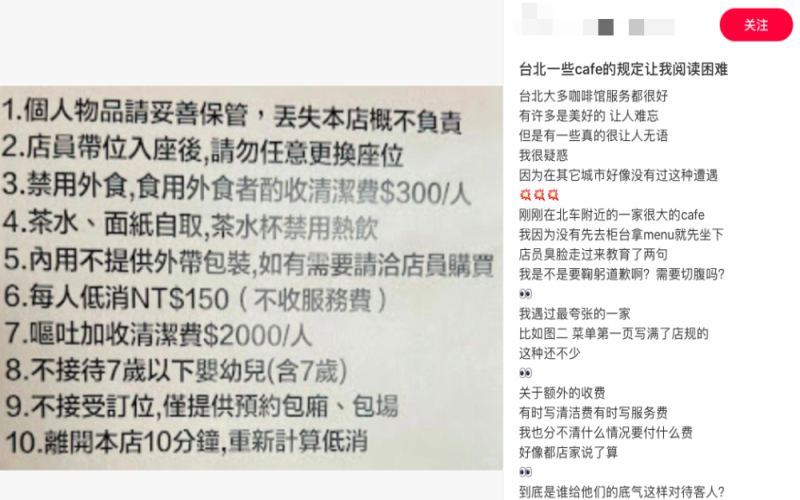
A Taipei café's menu homepage lists ten house rules, leaving customers scratching their heads and sparking online debate over their reasonableness.
Recently, a netizen shared that a coffee shop in Taipei printed a full ten store rules densely on the first page of its menu, sparking heated discussion. Among them, clauses like "vomiting incurs an additional cleaning fee of NT$2,000 per person" and "leaving for 10 minutes recalculates the minimum spend" left some customers complaining of a headache. However, many netizens expressed understanding, believing that such rules often stem from the shop's bitter experiences, and that stating the rules upfront benefits both sides. Independent cafes maintain their environment through store rules, while chain stores rarely have such regulations, yet uncivilized behavior such as occupying seats and making noise still occurs from time to time. This discussion reflects the two-way selection relationship between cafes and customers. [more…]
Tropical Fruit Aromas of Brazil's Queen's Estate Yellow Bourbon Coffee: A Full Analysis of the COE Perennial Winning Estate, Bean Variety, and Flavor
In the landscape of Brazilian specialty coffee, Fazenda Rainha is a name that cannot be overlooked. Situated in the Mogiana region of São Paulo State at elevations of 1,400 to 1,950 meters, this estate has repeatedly won accolades in the Cup of Excellence (COE) competition thanks to its hand-picked Yellow Bourbon varietal and pulped natural processing method. Its coffee beans are renowned for being clean and sweet, with bright yet well-balanced acidity, and some lots even display alluring tropical fruit aromas. This article provides a comprehensive overview of Fazenda Rainha's origin background, varietal characteristics, processing techniques, and award records, along with green bean analysis, roasting recommendations, cupping performance, and pour-over parameters, taking you deep into this quintessential representative of Brazilian specialty coffee. Front Street Coffee will also share related brewing recipes and iced coffee preparation ideas in this article. [more…]

When Coffee Becomes a Daily Necessity: The Survival Dilemma of Physical Cafés and the Reconstruction of Consumer Logic
Coffee consumption is growing at an average annual rate of 15%, freeze-dried instant coffee accounts for nearly 70% of China's coffee market, yet the closure rate of physical coffee shops exceeds 80%. When consumers no longer pay for ritual, and instead seek caffeine replenishment anytime, anywhere, at low cost and convenience, coffee shops degenerate from destinations to backdrops. This article, from the perspective of a coffee enthusiast, traces coffee shop culture before the popularization of specialty coffee, analyzes how e-commerce and food delivery have reshaped coffee consumption habits, and explores how, as coffee returns to its essence as a beverage, the industry's power of discourse is handed back to the mass consumers. [more…]

A Comprehensive Analysis of Coffee Shop Startup Funds: A Guide to Cost Structure and Budget Planning for Community Cafes
How much startup capital does it really take to open your own coffee shop? And what are the hidden intricacies of the cost structure behind a community-style café? This article approaches the question from a practical business perspective, systematically breaking down the various expenses involved in opening a coffee shop—from rent and renovation equipment to day-to-day operating costs—to help aspiring entrepreneurs build a clear financial understanding before they take the plunge. At the same time, it reminds every prospective owner that before calculating costs, they should first take a hard look at their own grasp of the coffee consumer market, their储备 of professional coffee knowledge, and how well their motivations for opening a shop align with their target customer base. Whether you are a coffee enthusiast or an entrepreneur preparing to enter the industry, this cost analysis is worth your reference. [more…]
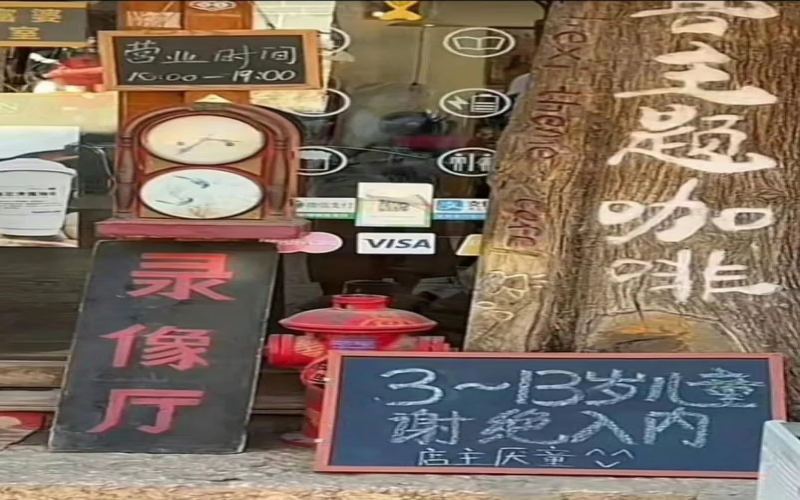
Cafés successively refusing entry to children sparks heated debate, South Korea's "no-kids zones" phenomenon also draws attention
Recently, two incidents of coffee shops refusing to serve children have caused a stir online. On one side, a coffee shop in China put up a notice at its entrance reading "Children aged 3 to 13 are not admitted," with the owner openly stating they "dislike children"; on the other, South Korea's increasingly common "No Kids Zone" has once again become a topic of discussion, with some establishments even posting signs reading "dog yes, kids no." Supporters argue that coffee shops are meant to stay quiet and that businesses have the right to avoid risks; opponents criticize the signs as discriminatory. What social nerves does this debate about "child aversion" actually touch? And what predicament of public space is reflected in the "bratty kids' parents" that young people complain about? [more…]
Analyzing Brazilian Coffee Bean Costs and Prices, Featuring Front Street Queen's Estate Yellow Bourbon Specialty Single-Origin
Brazil, as the world's largest coffee producer, has long been a focus of attention for enthusiasts when it comes to the cost and price of its coffee beans. This article starts with the cost structure of Brazilian coffee and then recommends a highly cost-effective specialty single-origin coffee — Front Street Brazil Queen's Farm Natural Yellow Bourbon. This estate belongs to the renowned Carvalho Dias family and has won numerous COE Cup of Excellence awards. The article provides a detailed introduction to the estate's background, cultivation and processing methods, green bean analysis, roasting curve, cupping flavors, and pour-over parameters, along with suggestions for making iced coffee. Front Street's own-roasted Brazilian coffee beans sell for only 45 yuan for a 227-gram box, with a cost of about 3 yuan per cup — combining quality and value, and suitable for everyday drinking. [more…]