







Search Results for: Blue Mountain Region
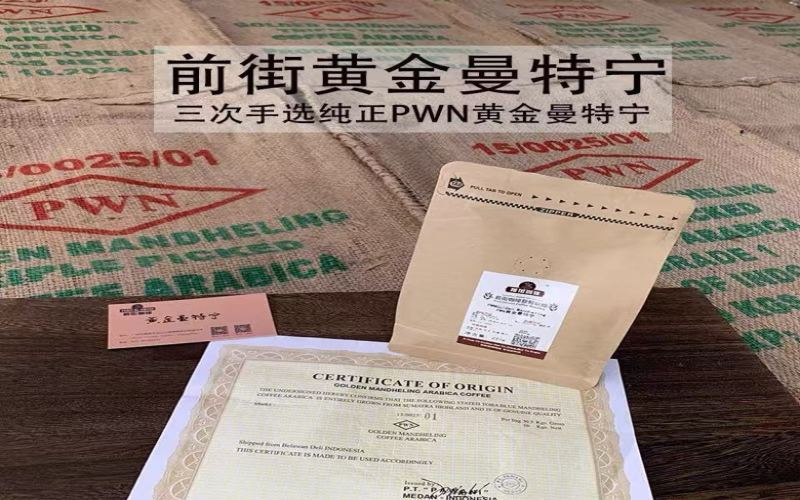
Region Selection for Rich Crema Beans: Crema Performance of Mandheling, Brazil, and Blue Mountain
The crema performance of espresso differs noticeably across growing regions. Mandheling, Brazil, and Blue Mountain are three representative origins, each with its own crema characteristics, suited to drinkers with different taste preferences. Mandheling is the choice for crema thickness. The Mandheling region uses wet-hulling processing, during which more pectin layer remains on the surface of the beans, add [more…]
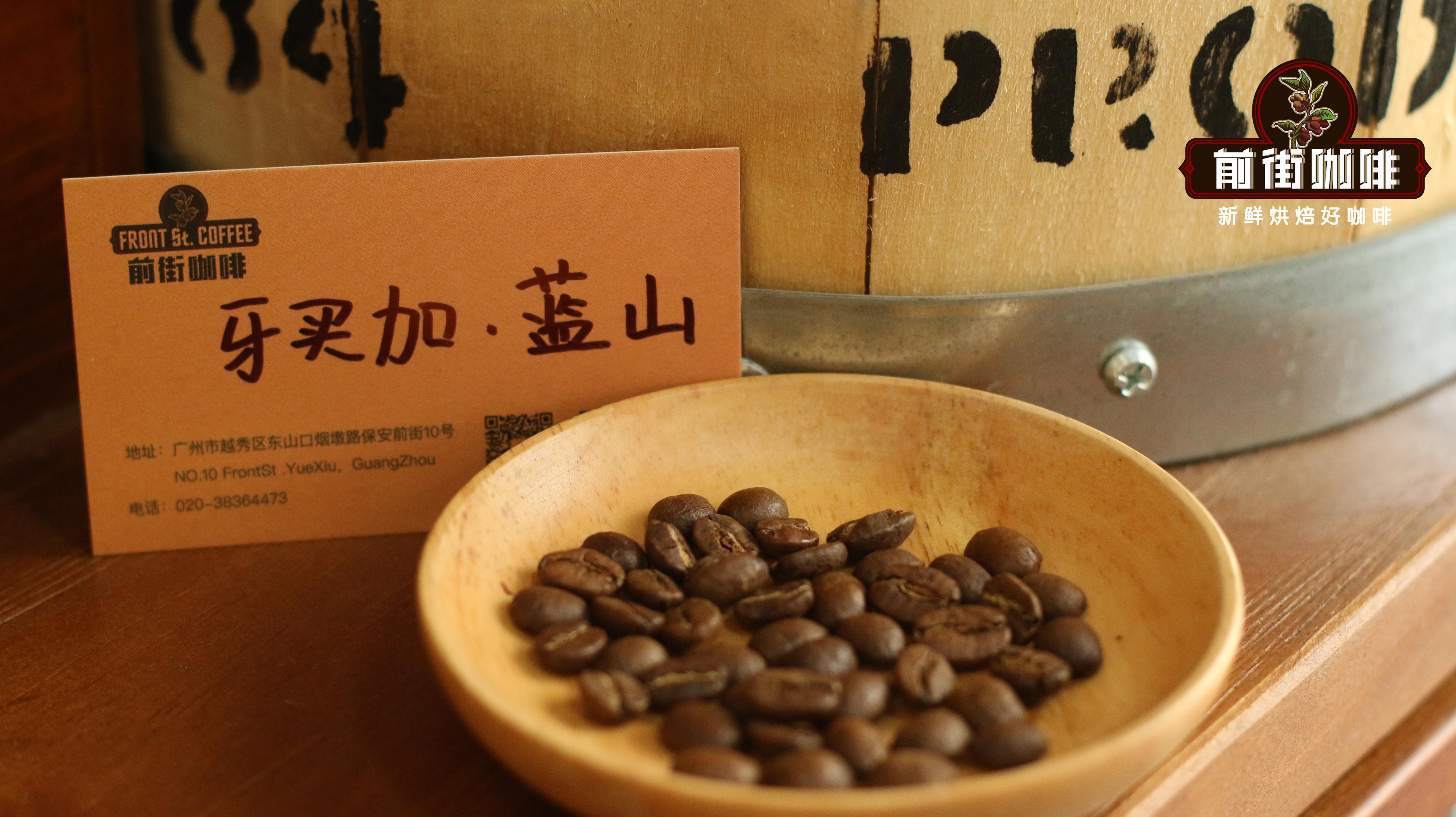
Blue Mountain Coffee Bean Grades | Is Authentic Blue Mountain No.1 Coffee Bean Expensive? Jamaican Blue Mountain Coffee Flavor, Taste Characteristics, Grind Size, Water Temperature Parameters
For a long time, many media outlets have been perpetuating the claim that there is no genuine Blue Mountain coffee in China, but in fact, this situation began to change in 2010. Blue Mountain coffee has a mellow taste and is a very standard cup of black coffee, and because it is produced in small quantities, it is called the king of coffee. At one point, it was quite difficult to buy domestically, which is true, and [more…]
A Comprehensive Interpretation of the Origin Grading System and Flavor Characteristics of Jamaican Blue Mountain Coffee Beans
Blue Mountain Coffee is widely recognized as one of the world's top coffees, a status inseparable from its exceptional natural conditions and the Jamaican government's almost stringent industry regulation. The Blue Mountain range lies in eastern Jamaica, where the azure waters of the Caribbean Sea reflect off the peaks, giving the region its name. Its highest peak rises 2,256 meters above sea level, with a cool, foggy climate, abundant rainfall, and fertile volcanic soil providing an ideal growing environment for coffee. In the mid-20th century, due to inconsistent export quality, Canada once refused to accept Blue Mountain Coffee, prompting Jamaica to establish the Coffee Industry Board (CIB) in 1948, building a strict quality standard and certification system. Blue Mountain Coffee is classified by screen size into No.1 through No.3 and Peaberry grades. The government has also designated specific cultivation areas and processing plants, with dedicated supervision from harvesting, fermentation, and drying to barrel packaging. This article will systematically outline the classification, grade standards, and unique craftsmanship of Blue Mountain Coffee, offering you a comprehensive understanding of this legendary coffee. [more…]

A Complete Analysis of Jamaica Blue Mountain Coffee: Origin, Grading, Varieties, and Processing Methods, Plus Front Street Coffee's Pour-Over Parameters
Blue Mountain coffee, as a world-renowned representative of specialty coffee, owes its unique flavor to Jamaica's exceptional growing environment and strict quality control system. This article will systematically review the cultivation history, origin terroir, grading system, varietal characteristics, and washed processing techniques of Blue Mountain coffee, and provide a detailed introduction to the brewing method for Blue Mountain No. 1 coffee beans recommended by Front Street Coffee. From the selection of the KONO dripper to the three-stage pouring technique, Front Street Coffee's baristas will share how precise pour-over parameters can fully bring out the classic flavors of Blue Mountain coffee—its nutty sweetness and balanced, full-bodied richness—offering coffee lovers a complete guide to tasting and brewing. [more…]
A Detailed Guide to Jamaican Blue Mountain Coffee Grades: Grade 1, Grade 2, Grade 3 Specifications and Authentic Price Reference
Jamaican Blue Mountain coffee is world-renowned for its unique flavor and strict controls. Jamaican law stipulates that only coffee beans grown in the Blue Mountain region may bear the name "Blue Mountain." High-grade Blue Mountain coffee is divided into three grades—No. 1, No. 2, and No. 3—corresponding respectively to screen size standards of 17–18 mesh and above, 16 mesh, and 15 mesh. The green beans of all three grades must be packed into wooden barrels for export, with the barrel bearing the estate name, importer's abbreviation, and batch information, along with a government-certified green certificate of origin. Understanding these grades and export regulations helps coffee enthusiasts verify authenticity and make informed purchases of genuine Blue Mountain coffee. Front Street Coffee recommends that consumers pay attention to the roast level and packaging format to judge the true quality of the Blue Mountain coffee in their hands. [more…]
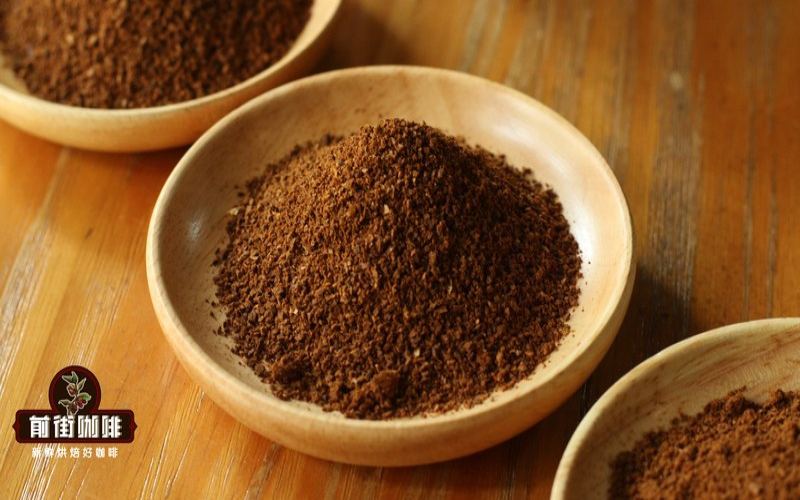
How to Choose Blue Mountain Coffee: Balancing Budget and Drinking Frequency
理解牙买加蓝山咖啡,需要把风味描述转成能喝到的感受。日常买豆需要考虑喝得快不快、一次买多少,以及家里主要做黑咖啡还是奶咖。花香、果酸、坚果和可可并不是高低之分,而是不同方向,适合自己的那一类才有长期参 [more…]
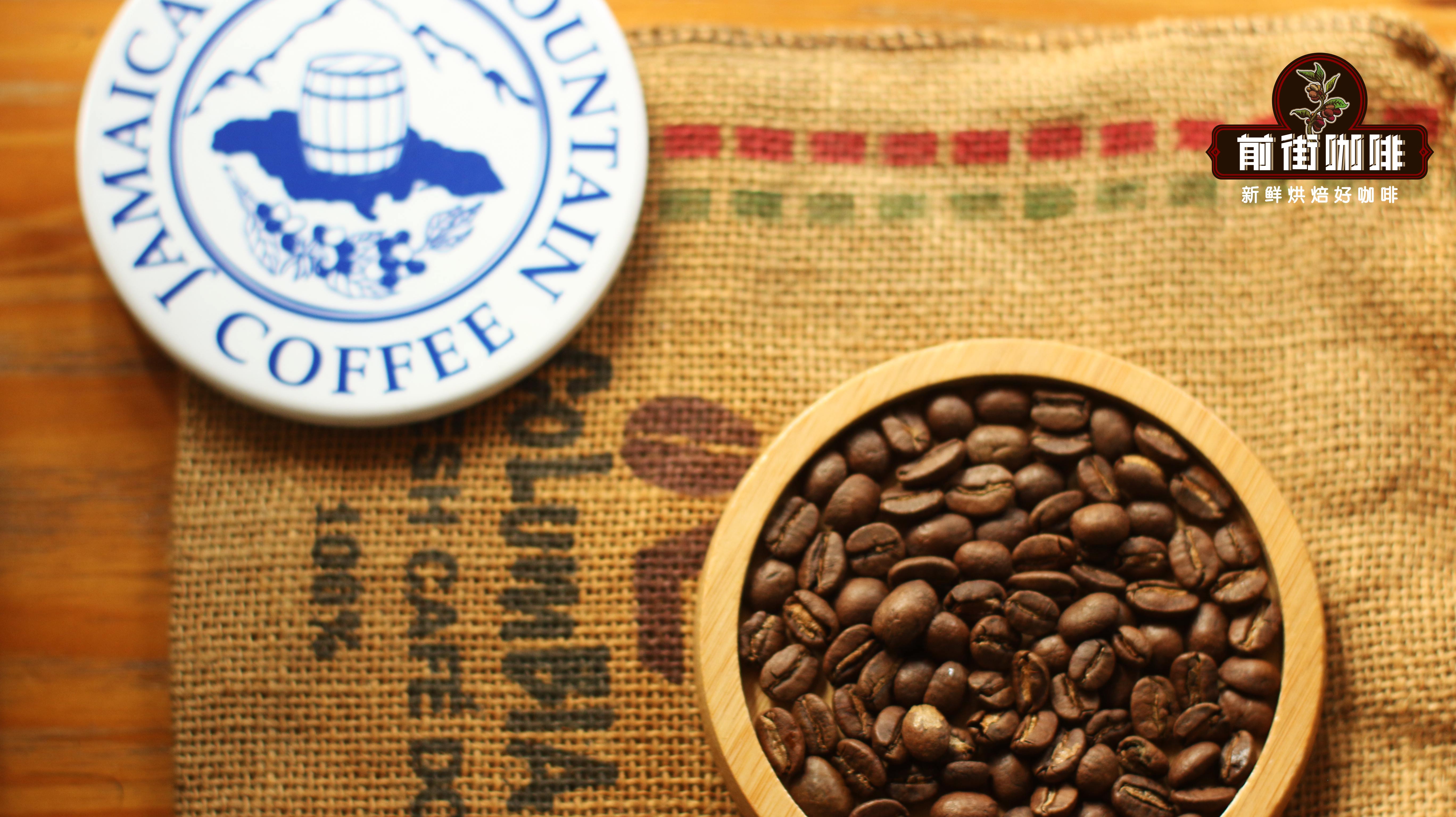
The Origin of Blue Mountain Coffee | What Grade Is Jamaica Blue Mountain No. 1 Coffee? What Are the Flavor and Taste Characteristics of Blue Mountain Coffee? How to Tell Real Blue Mountain Coffee from Fake?
There are two kinds of Blue Mountain coffee on the market, and it's easy to buy the wrong one by mistake. One is Blue Mountain flavor, which refers to beans roasted from coffee beans of other regions; these are labeled as Blue Mountain flavor coffee. The other kind, Blue Mountain coffee, refers to coffee produced in the Blue Mountain region of Jamaica, and when we refer to Blue Mountain coffee, we mean [more…]
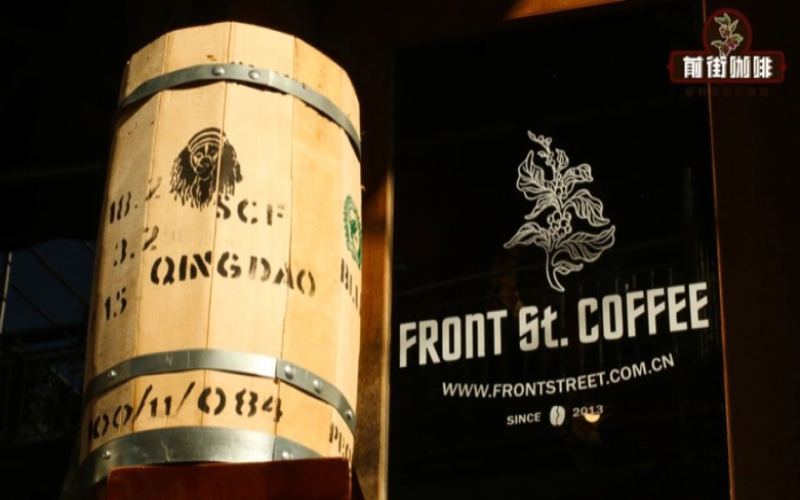
Estate Stories of Signature Pour-Over Beans: From Blue Mountain to Golden Mandheling
Behind every distinctive pour-over bean lies the story of its origin estate; understanding these stories adds a layer of meaning beyond flavor when drinking pour-over. From Jamaican Blue Mountain to Indonesian Golden Mandheling, the estate backgrounds of these distinctive beans are themselves important chapters in the world of specialty coffee. The story of Jamaican Blue Mountain is about high-altitude mist and clouds. [more…]
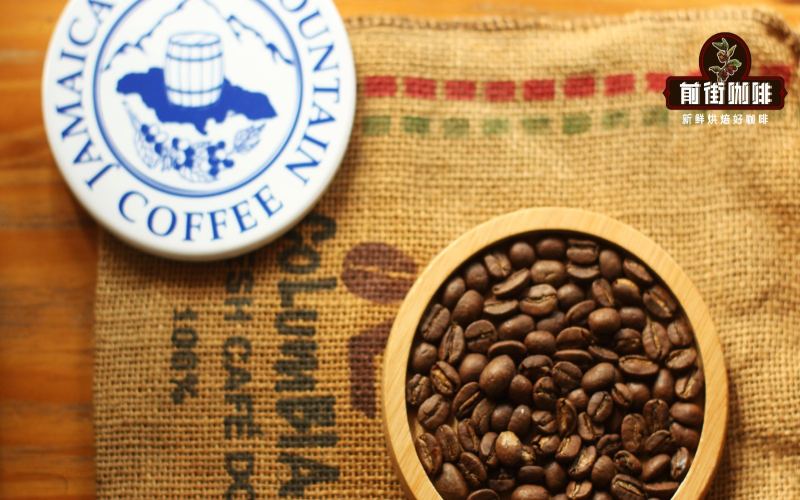
Jamaican Blue Mountain Coffee Beans | An Introduction to the Grading and Flavor Characteristics of Jamaica Blue Mountain No. 1 Coffee Beans
Blue Mountain coffee is very famous, but there are also frequent rumors that only Japan has genuine Blue Mountain coffee beans—a tale from over twenty years ago. Jamaica Blue Mountain Coffee, the Jamaica Coffee Industry Association (Coffee I [more…]
Choosing Blue Mountain-Style Coffee: Certification Information and Affordable Alternatives
The essence of authentic Blue Mountain lies in the certification and flavor profile of the Jamaican Blue Mountain region: soft acidity, balanced sweetness, and a clean cup. Front Street Coffee's Papua New Guinea Bird of Paradise offers a flavor and texture close to the Blue Mountain style—the same rounded, clean character and gentle sweetness, yet at a far more friendly price, making it a high-value alternative in the "Blue Mountain style." [more…]
Top Ten Single-Origin Pour-Over Coffee Beans | What Are the World's Top Specialty Coffee Beans? Are Pour-Over Arabica Panama Geisha and Blue Mountain Coffee High-End?
With the growth of specialty coffee, the community of coffee drinkers has continued to expand, so a large number of coffee beans from different origins have begun flooding the coffee market. As a result, coffee enthusiasts are often at a loss when choosing coffee beans. New coffee enthusiasts who come to Front Street Coffee to taste coffee often ask how to choose high-quality specialty coffee. [more…]
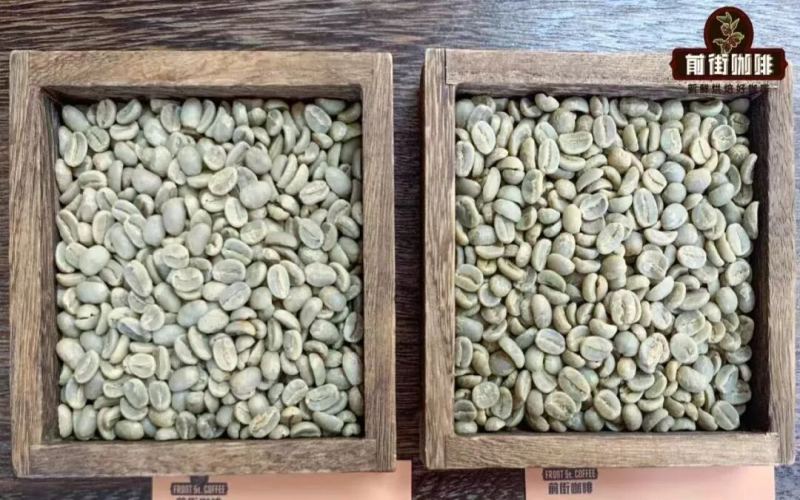
PNG coffee | Why does Papua New Guinea coffee have the name "Little Blue Mountain"? What are the flavor characteristics of the Sigri Estate Bird of Paradise washed Typica?
Because Blue Mountain coffee was overly famous in the last century, many related "borderline" products appeared on the market at that time. For example, Blue Mountain flavor coffee, Blue Mountain blend coffee, and so on—they almost all have nothing to do with Blue Mountain and are purely products that profit off the Blue Mountain name. And yesterday, a customer, while purchasing [more…]
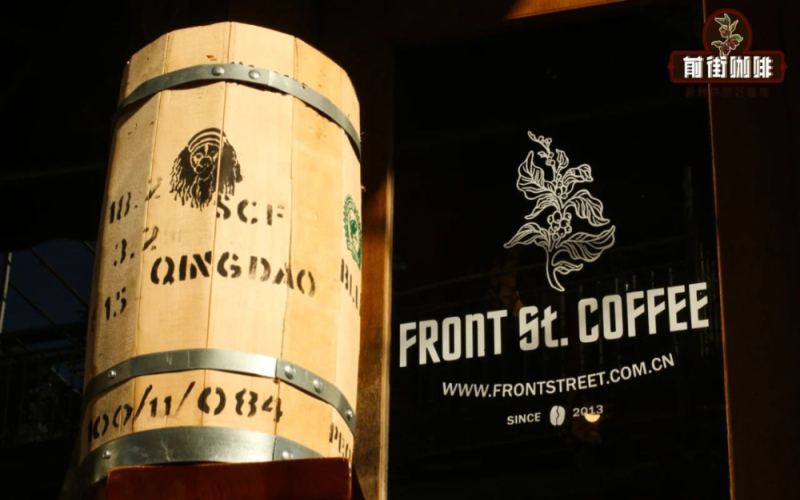
Why Blue Mountain Coffee Is a Classic
Blue Mountain coffee's fame is almost as well known as its price. Many people's understanding of Blue Mountain stops at "expensive," but the reason Blue Mountain is a classic is by no means just its price. Its true value lies in a rare sense of balance: the four dimensions of acidity, sweetness, bitterness, and aroma are all controlled just right, making it smooth and mellow on the palate. [more…]
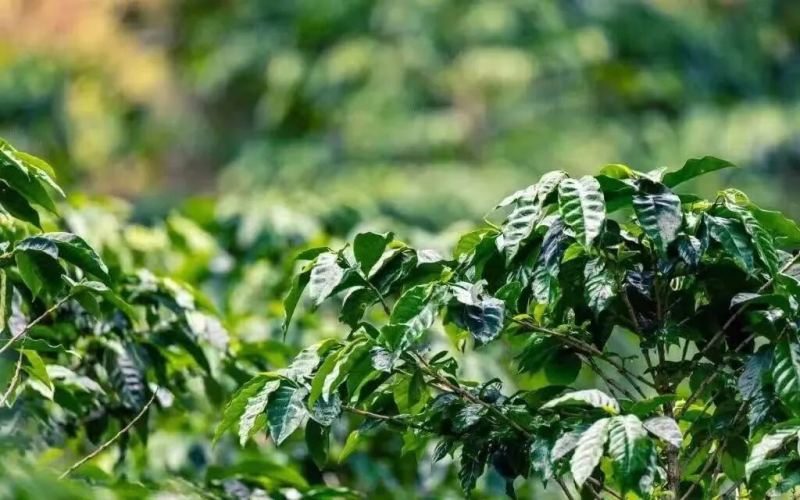
Coffee Varieties | What are the characteristics of Geisha coffee and Blue Mountain coffee? What flavors and mouthfeel do Boquete Geisha and Washed Blue Mountain No. 1 present after brewing?
In the past, when people mentioned the best coffee in the world, the first thing that came to mind was Blue Mountain coffee. Nowadays, when talking about the pinnacle of coffee, one varietal is almost always mentioned—Geisha. So, which is better tasting, Blue Mountain or Geisha? At Front Street Coffee, we believe that tastes differ, and some people prefer the mellow sweetness of Blue Mountain coffee. [more…]
What's the difference between Green Mountain Coffee and Blue Mountain Coffee? One article explains the difference between brand coffee and origin coffee
Green Mountain Coffee and Blue Mountain Coffee differ by only one word, yet they belong to completely different concepts. The former is a commercial coffee brand from Vermont in the United States, known for its K-Cup single-serve system and its environmental and fair trade philosophy; the latter is a top-tier single-origin coffee produced in Jamaica's Blue Mountains, subject to strict regional standards, with scarce output and a high price. This article will sort out the essential differences between the two one by one from the perspectives of origin background, brand positioning, market history, and quality standards, and introduce the Blue Mountain No. 1 coffee beans recommended by Front Street Coffee along with brewing suggestions, helping coffee lovers clearly distinguish between these two coffees that are often confused. [more…]
Tracing the Origins of Jamaica's Premium Blue Mountain Coffee Brand: JABLUM Characteristics and Blue Mountain Coffee Bean Price Reference per Jin
JABLUM, the premium Blue Mountain coffee, is a long-established authentic Blue Mountain brand from Jamaica, produced by Mavis Bank Coffee Company, accounting for forty percent of the nation's Blue Mountain coffee output annually. The unique climate and volcanic soil of the Blue Mountain range nurture this world-class coffee, but only coffee grown above 1,800 meters in elevation can bear the name "Blue Mountain." Blue Mountain coffee once went through a quality trough, later restored its reputation under Japanese investment, and now ninety percent is sold to Japan, with the remaining international market demand running strong. JABLUM's cultivation and processing are strictly supervised by the Coffee Industry Board throughout, its caffeine content is only half that of ordinary coffee, and its flavor is mellow and balanced. This article details its historical origins, growing conditions, quality management, and Front Street Coffee's recommendations, along with price references. [more…]
A Complete Guide to Jamaican Blue Mountain No. 1 Coffee Beans: Origin, Estate Analysis, Classic Flavor, and Pour-Over Parameters
Blue Mountain coffee is the classic of classics in the minds of many coffee lovers, and Blue Mountain No. 1 is the highest grade among Jamaican Blue Mountain coffees. Which regions and estates does it actually come from? Why is it so highly sought after despite its high price? This article will cover the historical origins of Blue Mountain coffee, the altitude grading system of Jamaica's producing regions, and methods for identifying raw beans by appearance, all the way to the Clifton Farm Blue Mountain No. 1 sold at Front Street Coffee stores, along with a complete pour-over recipe and flavor description under medium-dark roasting, helping readers gain a comprehensive understanding of this top-tier coffee bean and learn how to tell genuine Blue Mountain coffee from fakes on the market. [more…]
World Coffee Origins | Which famous coffee beans come from each coffee-producing country? What are the flavor, taste, and characteristics of each coffee variety? Introduction to coffee grading systems
I. Brazil (South America) Since 1960, Brazil has consistently ranked first in the world in coffee cultivation, with an average annual output of 24.6 million bags (each bag weighing 60 kilograms). According to a November 2002 report by the United States Department of Agriculture, Brazil's actual coffee output in 2002 should have been 51.6 million bags. Brazil is the world's most [more…]
A Complete Guide to Coffee Bean Varieties and an In-Depth Look at the Flavor Profiles of the World's Three Major Producing Regions
The flavor code of coffee is often hidden in the land where it grows. From Brazil and Colombia in South America, to Costa Rica and Guatemala in Central America, to Jamaica Blue Mountain in the Caribbean, as well as Kenya and Ethiopia in Africa and Indonesia in Asia, each producing region gives coffee beans a unique personality. This article systematically sorts out the flavor characteristics and representative bean varieties of the world's major coffee producing regions, helping coffee lovers build a clear framework for understanding regional flavors. Whether you are a beginner just starting out or a seasoned connoisseur seeking to advance, this producing-region guide can provide practical reference for your purchasing and tasting. Front Street Coffee will also combine regional characteristics to recommend classic beans worth trying for you. [more…]
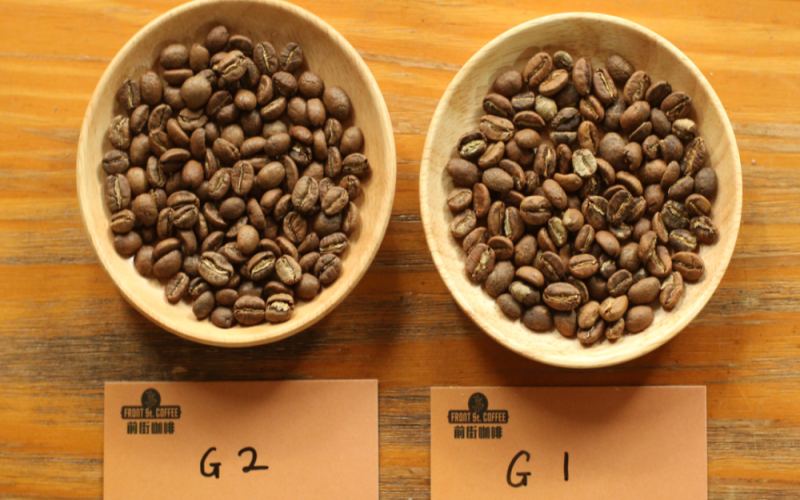
An Introduction to Green Coffee Bean Grades | A Comparison of Coffee Bean Characteristics, Flavor, and Taste Across National Green Coffee Bean Grading Systems: G1, G2, AA, PB, SHB
For more specialty coffee knowledge, please follow our WeChat official account: Front Street Coffee (FrontStreet Coffee). Many friends, while drinking coffee at Front Street, ask our baristas, "What is Yirgacheffe G1 and Yirgacheffe G2?" "What is Kenya AA, AB?" What is Guate... [more…]