







Search Results for: Belgian Dark Chocolate Latte

Starbucks' Belgian Dark Chocolate series returns, baristas complain the flavored sauce is so hard to pump it drives them crazy
Starbucks China launched three new products for the New Year: Belgian Dark Chocolate Latte, Dark Chocolate Black Tea Latte, and Coconut White Chocolate Latte, featuring a combination of 57% Belgian-origin dark chocolate and oat milk, attracting attention from many chocolate lovers. However, behind the hot sales of the new products, baristas have been complaining on social media: the chocolate sauce used this time is unusually thick, prone to clumping and hardening in winter, extremely difficult to operate with metal squeeze pumps, making consecutive cup production feel like weightlifting, and it easily drips and stains the bar and clothes. What's even more frustrating for workers is that there are reports that this series may shift from a seasonal limited edition to a permanent offering. [more…]

At Starbucks, you can't understand the English when ordering and just keep nodding—the add-on trap that turns 21.5 ringgit into 44 ringgit at checkout.
A netizen studying in Malaysia recently ordered at Starbucks. Because they couldn't understand the staff's English and didn't want to feel awkward, they nodded in response the whole time. As a result, the Belgian Chocolate Frappuccino that originally cost 21.5 ringgit ended up with six add-ons, including caramel sauce, cookie crumbs, chocolate chips, and vanilla whipped cream, and the final bill came to 44.1 ringgit. Later, the staff and colleagues were snickering behind the bar, and the netizen realized they had been deliberately duped, but because they had nodded in agreement, they could not complain. This incident sparked heated discussion among local netizens, many of whom shared similar experiences and reminded people to clearly say "That's all, thanks" when ordering, or simply choose easy drinks like Americano or latte. [more…]
Ethiopia Guji Region Natural Sidama: In-Depth Analysis of Mormora Farm Coffee Bean Flavor and Roast Profile
Located in the Shakiso Mormora farm in the Guji region of southern Ethiopia, this family-run operation has been cultivating native heirloom coffee at altitudes between 1,850 and 2,000 meters since 2012, using natural processing and graded Grade 1. This bean showcases a red wine aroma with a ripe fruit core, while spice and pepper notes emerge in the mid-to-late palate. This article provides a detailed introduction to the region's background, Mormora farm's cultivation philosophy, and, combined with Front Street Coffee's roasting experience, explores the distinctly different flavor expressions under light and medium-dark roasts—from the plum and berry wine notes of a City Roast to the Belgian dark chocolate and raspberry syrup texture of a Full City—offering coffee enthusiasts a comprehensive roasting and tasting reference. [more…]
Operating Guides for Various Coffee Brewers: Turkish Pot, French Press, Siphon, and Super-Automatic Machines Explained
To make a good cup of coffee at home, choosing the right equipment is only the first step—mastering the correct operating techniques is equally crucial. This article systematically reviews the key points for using a Turkish coffee pot, French press, siphon brewer, Belgian coffee maker, moka pot, semi-automatic and fully automatic coffee machines, breaking down everything from grind size and water temperature control to extraction time. Whether you prefer the rich, full-bodied Turkish flavor or the clean, layered clarity of a siphon brewer, you'll find the corresponding steps and detailed tips here. The article also specifically retains relevant product recommendations from the Front Street Coffee brand for coffee enthusiasts to reference when making purchases. [more…]

An Analysis of the Mechanism, Timing, and Practical Key Points of the Bloom in Pour-Over Coffee
Blooming is a frequently mentioned yet easily misunderstood step in coffee extraction. Starting with the pre-infusion design of segmented water-feed coffee machines, this article explains the principle by which blooming enhances extraction and locks in aroma, while pointing out that manually imitating blooming on household machines without a segmented function actually causes a loss of the essence. The article further introduces blooming methods for various devices such as pour-over, American drip, Belgian Royal brewer, and siphon, and, drawing on experience supplying meals to cafés, explains the changes in coffee aroma and smoothness after blooming, for the reference of coffee enthusiasts. [more…]
Pour-Over Coffee Practical Guide: Complete Parameters from Grinding and Water Temperature to Coffee-to-Water Ratio, Plus an Analysis of Eight Major Brewing Methods
Want to brew a delicious pour-over coffee? How exactly should you set the grind size, water temperature, and coffee-to-water ratio? This article first outlines the general principles of coffee brewing, then breaks down one by one the operating details, advantages, and disadvantages of eight brewing methods, including siphon, water drip, espresso, paper filter, piston pot, Belgian pot, and moka pot. No matter which device you usually use, you can find reference parameters and steps here. At the end, it also gives specific suggestions based on Front Street Coffee beans to help you put theory into daily practice. [more…]
A Complete Guide to the SCA Coffee Flavor Wheel HD Wallpaper: From the Old Version to the New, Teaching You How to Understand and Apply the Flavor Wheel
Have you ever wondered where those citrus, berry, chocolate and other flavor descriptions on coffee packaging come from? This article provides a detailed interpretation of the SCA Coffee Flavor Wheel, starting from the first edition released by the SCAA in 1995, tracing its background, the classification logic of positive and negative flavors, and the major updates in the 2016 new edition. The article not only explains the different roles of taste and smell in coffee cupping, but also introduces the simplified consumer flavor wheel launched by the Belgian company Cuperus. Front Street Coffee takes you through a systematic understanding of the design intent and practical application of the coffee flavor wheel, helping beginners build sensory awareness more quickly and understand the language of flavor communication in cupping. [more…]

Complete Guide to Siphon Coffee Brewing: From Working Principles to Front Street Blue Mountain No. 1 Practical Parameters
The siphon pot, also known as the syphon, is a brewing device with a long history that has nevertheless remained active on the coffee stage. It uses changes in gas pressure to drive hot water upward and draw the coffee liquid back down. As an immersion-style extraction method, it can more fully bring out the layers and richness of flavor. This article begins with the origin and working principle of the siphon pot, then gradually breaks down the key steps in the brewing process, including heat intensity, water temperature, grind size, and stirring. Using the medium-dark roasted Front Street Jamaica Blue Mountain No. 1 as an example, it provides a specific method with a coffee-to-water ratio of 1:14, a water temperature of about 88°C, and an extraction time of about 60 seconds, helping coffee lovers reliably recreate at home a cup of siphon coffee that is rich, balanced, and has a long-lasting sweet aftertaste. [more…]
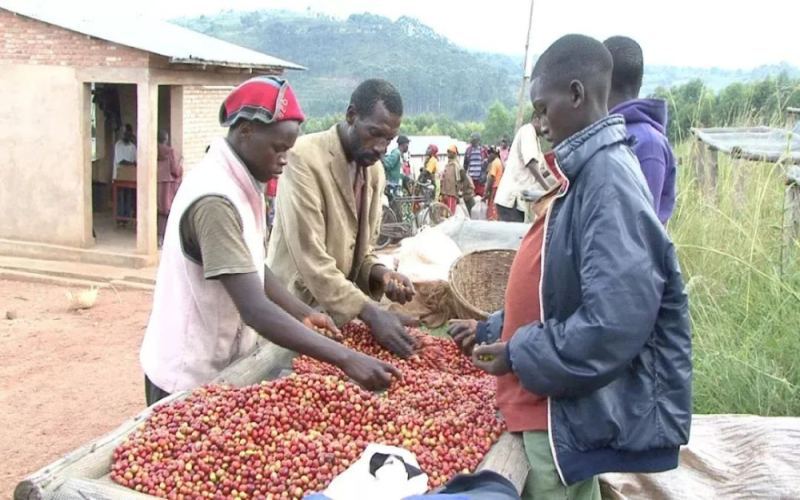
An Analysis of Burundi's Coffee Industry History, Five Major Production Regions, Cultivated Varieties, and Double Washed Processing Method
Burundi is known as the "Land of a Thousand Hills," located in east-central Africa with an average altitude of about 1,600 meters, giving it a natural advantage for developing specialty coffee. Coffee was introduced by Belgian colonists in 1930, and thereafter went through nationalization, the impact of civil war, and privatization reforms, until 2007 when private washing stations were permitted and the COE competition was held in 2011, only then did the industry truly embark on the path of specialization. This article will systematically review the development of Burundi coffee, introduce the five major producing regions including Kayanza and Kirimiro, the main varieties such as Bourbon and Caturra, and focus on analyzing its double fermentation washing process similar to Kenya's, taking you to fully understand the unique charm of this East African coffee-producing country. [more…]
Global Classic Coffee Flavor Guide: From Blue Mountain to Mandheling, Savoring the Taste Charm of Kopi Luwak and Italian-Style Espresso
The world of coffee is as vast as the sea, and every classic carries the terroir of its origin and the wisdom of blending. This article will guide you through a tasting journey of the world's most iconic coffee drinks—from the noble and elegant Blue Mountain and the rich, powerful Mandheling, to the rare and unique Kopi Luwak, and further to espresso-based specialties like Espresso, Cappuccino, and Mocha. Whether you prefer pure black coffee or are drawn to creative drinks where milky smoothness meets vinous notes, this flavor compendium will help you find your favorite. Front Street Coffee has always been dedicated to selecting high-quality beans, ensuring every cup delivers an authentic taste. [more…]
The Complete Process of Making Fancy Coffee: From Grinding and Brewing to Milk Steaming and Latte Art Techniques
Fancy coffee is a leisure drink beloved by many, but its preparation process is not complicated. This article breaks down, step by step, the practical methods for making fancy coffee at home—from grinding coffee beans, brewing coffee, frothing milk, to pouring latte art and blending—and reminds you of easily overlooked details such as grinding temperature and the best time to drink it. It also recommends Front Street Blue Mountain coffee, which is suitable for making fancy coffee, as well as practical equipment such as hand-cranked coffee grinders, electric coffee grinders, French presses, siphon pots, milk frothing pitchers, and coffee cups, helping coffee lovers easily enjoy the pleasure of homemade fancy coffee. [more…]
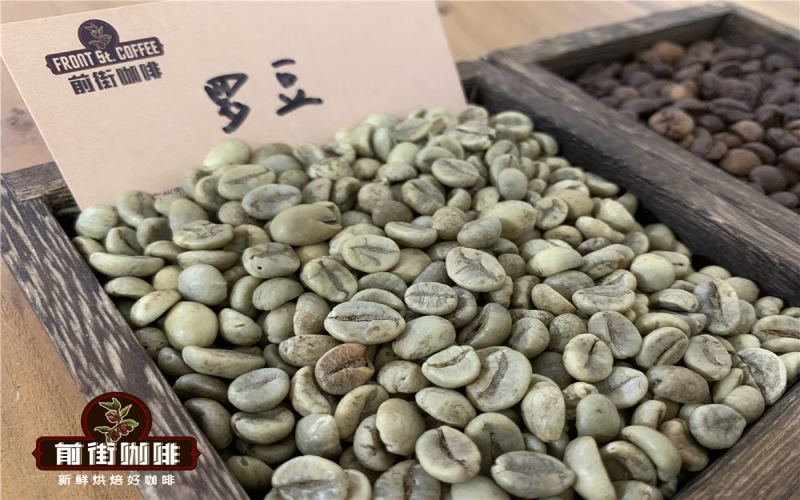
How to Identify Robusta Coffee Beans? Why Is It Cheap and How Much Does It Cost Per Jin—Explained in One Article
Among the three major coffee varieties, Arabica and Robusta have the greatest commercial value, but the specialty coffee circle almost only talks about Arabica. Robusta is often labeled "cheap" and "bitter"—where exactly did it originate? Why does it cost only half as much as Arabica? Roughly how much does it cost per catty? This article systematically sorts through Robusta's past and present—from botanical classification and historical ups and downs to flavor performance and practical uses—while retaining recommended information such as Front Street Classic Blend and Front Street Commercial Blend, helping coffee enthusiasts gain a comprehensive understanding of this underestimated coffee bean. [more…]
Does Robusta count as specialty coffee? Why is the price so low? How much does it cost per catty?
The coffee world is mainly divided into three major species: Arabica, Robusta, and Liberica, of which only the first two have commercial value. In the specialty coffee world, Robusta is almost entirely overlooked, and merchants often use 100% Arabica as a selling point. Robusta is often seen as a symbol of cheapness and bitterness, but it also had a glorious period, and today it is mostly used in instant coffee and espresso blends. This article will sort out Robusta's origins, flavor characteristics, differences from Arabica, and why it is cheap and how much it costs per catty, while retaining relevant recommendations from the Front Street brand to help coffee lovers gain a comprehensive understanding of this species. [more…]
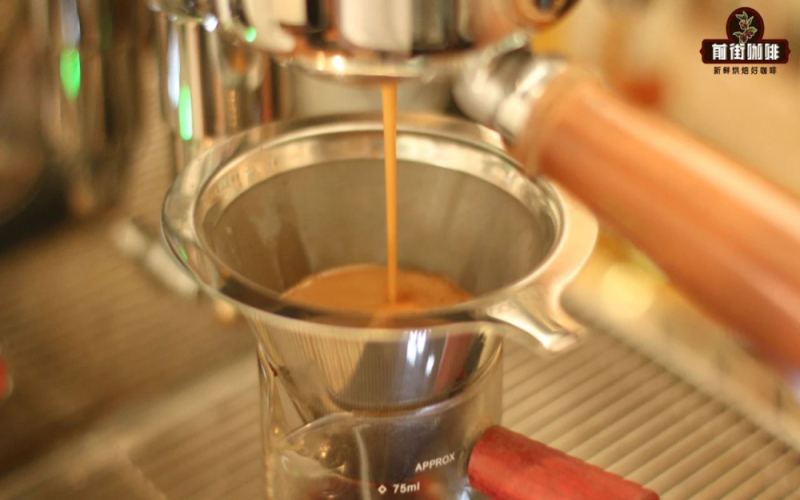
How does Italian-style espresso blend coffee differ from Sumatra Mandheling? A full analysis of flavor characteristics and brewing key points
Walking into a coffee shop, you will often see espresso and Mandheling coffee listed side by side on the menu. Under the former, there are usually further subdivided options such as latte, cappuccino, and americano, while the latter is usually presented independently. What exactly is the difference between these two kinds of coffee? Is it a difference in coffee bean varieties, or a difference in brewing methods? This article will start with the composition and extraction principles of espresso blends, then take a deeper look at the origin background, flavor characteristics, and historical origins of Front Street Mandheling, and finally sort out the key points of roasting, grinding, and brewing single-origin Mandheling, to help coffee lovers clarify the essential difference between the two. [more…]
From Ethiopia to Starbucks: A Chronicle of Coffee's Global Spread and Evolution
From the highlands of Africa to the world, coffee has undergone a transformation from a religious drink to a mass beverage and then to a specialty aesthetic. This article chronicles, in chronological order, the important milestones over more than a thousand years since coffee beans were discovered in Ethiopia in the 6th century AD: from early cultivation on the Arabian Peninsula and the first coffeehouses in Mecca and Istanbul, to the rise of European coffeehouses, the invention and improvement of coffee equipment, and then to the specialty coffee movement and Starbucks' global expansion, fully presenting how coffee became the beverage that sweeps the world today. Front Street Coffee recommendations are also retained in the article. [more…]

The Flavor Defects and Unique Value of Robusta Coffee Beans: From Variety Characteristics to Espresso Blend Applications
Robusta is often labeled as "unpalatable," yet it accounts for nearly 30% of global coffee production. What is the story and value behind it? This article traces the discovery of Robusta, analyzes its flavor characteristics and caffeine content advantages, and explores its practical applications in instant coffee and espresso blends. At the same time, Front Street Coffee's commercial blend and classic blend solutions will demonstrate how Robusta adds a rich mouthfeel and abundant crema to espresso, helping coffee enthusiasts and industry professionals rediscover this variety. [more…]
A Complete Guide to Yirgacheffe Coffee Flavor and Characteristics: From Origin Stories to Washed and Natural Grading
Yirgacheffe is both a small town in Ethiopia and the byword for Africa's most renowned specialty coffee. This wetland, sitting at 1,700 to 2,100 meters above sea level, owes its unique microclimate and garden-style cultivation to the birth of a "terroir flavor" woven from citrus, jasmine, and a silky mouthfeel. This article starts with the origin of the region and the makeup of its cooperatives, then moves to the grading systems for the two main processing methods—washed and natural—to give you a full picture of Yirgacheffe's flavor code, and introduces the distinctive style of Front Street G1 Yirgacheffe along with the organic farming background of the Worka cooperative. [more…]
Front Street Yirgacheffe G2 Coffee Beans: Flavor Profile, Mouthfeel, Processing Method, Origin, and Variety in Detail
Yirgacheffe G2 is one of the flagship specialty coffees of Ethiopia, known for its bright citrus and floral notes. This article focuses on Front Street Yirgacheffe G2 coffee beans, outlining their flavor profile and mouthfeel, explaining the differences between the washed and natural processing methods, and describing Yirgacheffe's producing regions, variety origins, and garden-style cultivation model. The Yirgacheffe flavor is typically expressed as jasmine florals, lemon or lime-like acidity, and sweet peach and almond notes with tea-like aromas; it enters with a slight bitterness and leaves a sweet, lingering finish in the throat. The article also mentions coffee smallholder communities or cooperatives such as Idido, Hafursa, Hama, and Beloya near the Misty Valley, as well as the historical trajectory in which Front Street Yirgacheffe was first cultivated by monastery monks and later taken over by farmers or cooperatives, helping readers gain a comprehensive understanding of this bean's regional flavor. [more…]
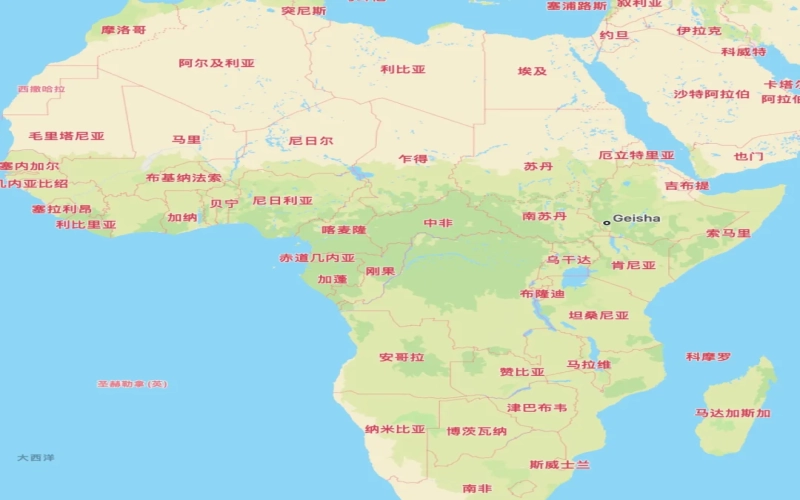
A Tour of African Coffee-Producing Countries: The Cultivation History and Flavor Characteristics of Burundi, Cameroon, and the Democratic Republic of the Congo
The African continent, with its exceptional natural conditions, has nurtured numerous coffee-producing countries. Beyond the well-known Ethiopia and Kenya, Burundi, Cameroon, and the Democratic Republic of the Congo also deserve attention. Burundi, known as the "Heart of Africa," showcases bright acidity and full-bodied sweetness through varieties such as Bourbon; Cameroon is dominated by Robusta, with Arabica accounting for only a small portion; the DRC, as the birthplace of Robusta, offers coffee with a wild flavor rich in fruity notes. This article will guide you through the coffee cultivation history, producing regions, variety characteristics, and industry status of these three countries, along with relevant recommendations from Front Street Coffee, to provide reference for your coffee exploration journey. [more…]
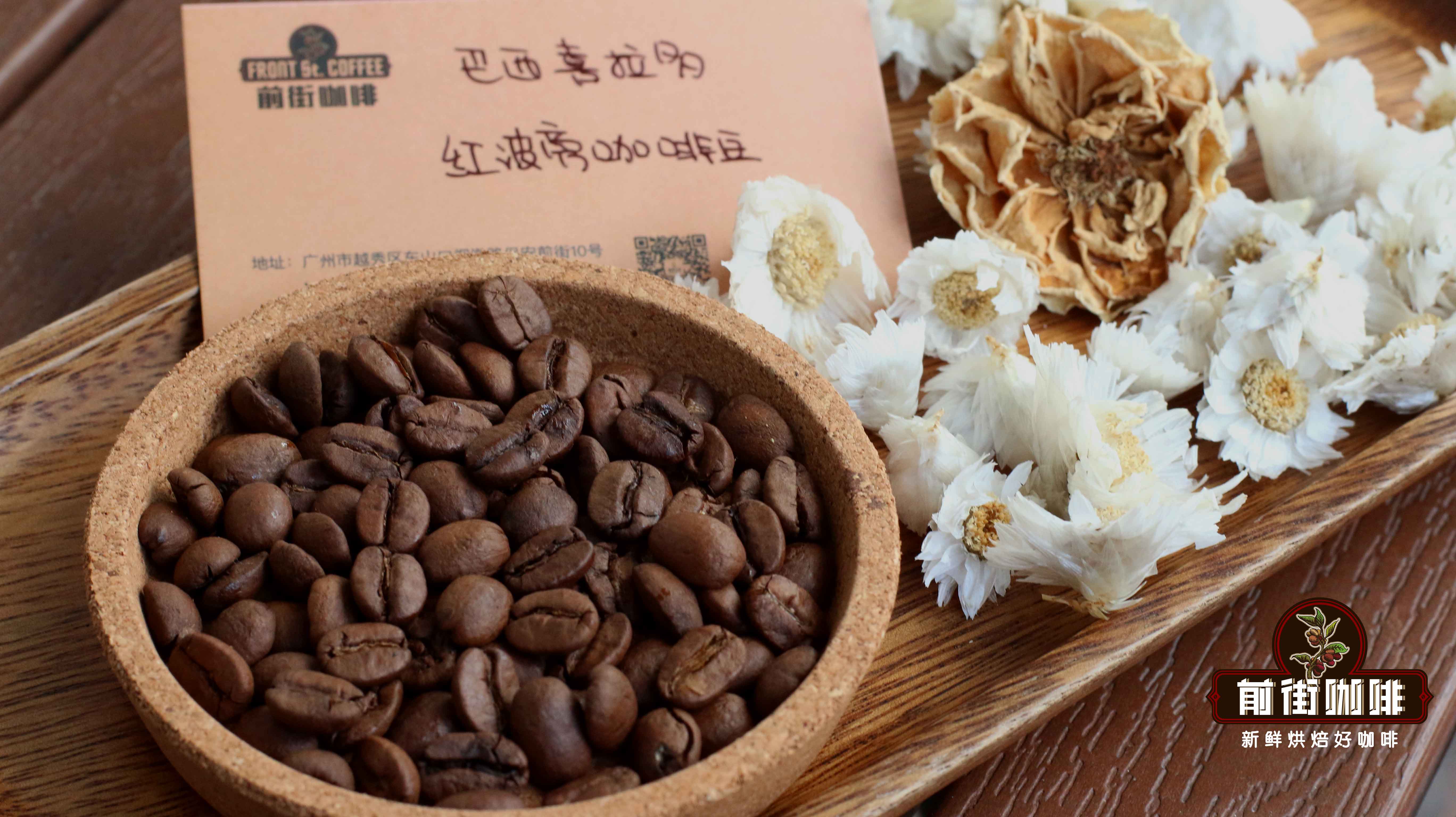
Analysis of Brazil Natural Low-Acid Coffee Flavors: From Cultivation History to Bourbon Variety and Pulped Natural Processing
Brazil, as the world's largest producer of Arabica coffee, is known for its coffee's low-acid, full-bodied flavor profile. Front Street Coffee currently offers two Brazilian coffee beans—Red Bourbon and Queen Estate Yellow Bourbon—both roasted to a medium-dark level to highlight nutty, chocolatey, and creamy smoothness. This article reviews the history of coffee cultivation in Brazil, explains the flavor differences between Red Bourbon and Yellow Bourbon, and introduces Brazil's unique semi-washed processing method, helping coffee enthusiasts understand the cupping performance and brewing key points of low-acid coffee. [more…]