







Search Results for: Base

The Evolution Path of Commercial Base Beans: How to Upgrade Step by Step from Chain-Style to Specialty Blends
Those who have opened a shop and look back at their base beans will find a clear evolutionary line. Most people start with chain-style dark-roast blends, and after a year or two, the beans on the bar gradually shift toward medium roasts and specialty blends. This isn't fickleness of taste—it's that as a shop grows to different stages, the questions the base beans need to answer also [more…]
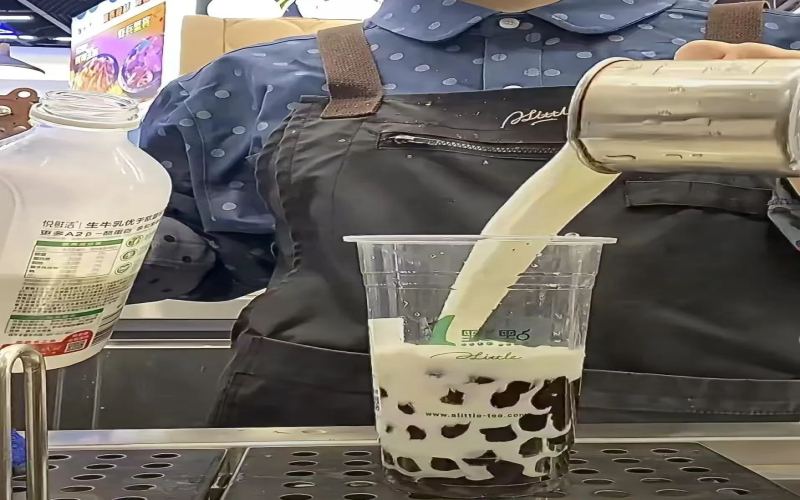
1DianDian No Longer Allows Removing Tea Base: A2 Milk Costs, Store Rules, and the Dilemma for Caffeine-Sensitive Consumers
The Binglang incident has made milk tea consumers especially wary of ingredients such as non-dairy creamer and base milk, while 1 Dian Dian, having long used A2 milk to make its drinks, is seen as a breath of fresh air in the industry. Recently, however, many regular customers have noticed that stores no longer accept "remove the tea base" requests in the notes. Why was this thoughtful service, originally designed to accommodate caffeine-sensitive groups such as pregnant women and children, suddenly discontinued? Behind it lie milk consumption costs, store operating standards, and contractual constraints with suppliers. At the same time, consumers who are used to ordering a tea-base-free milk drink with toppings have also lost a cost-effective option. For those who easily suffer insomnia after drinking tea at night, whether an alternative exists has become their biggest concern. [more…]
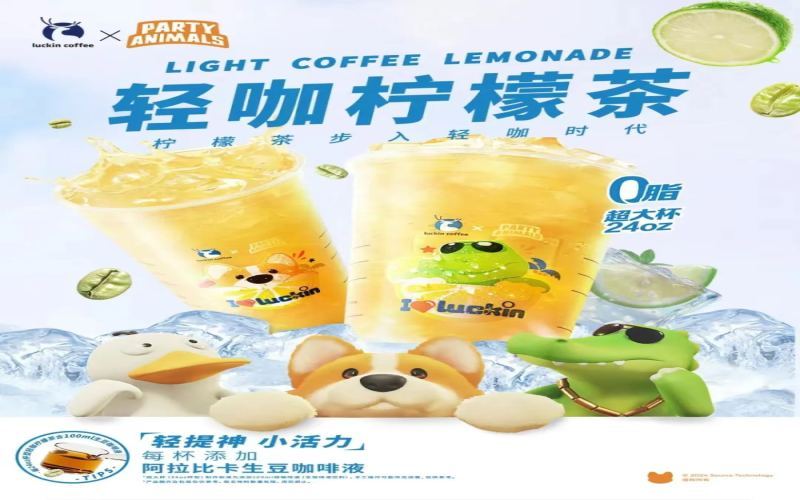
Luckin's light coffee lemon tea becomes a hit, but frequent tea base errors draw customer complaints about quality control
Luckin Coffee officially entered the lemon tea arena this summer, launching its "Light Caffeine Lemon Tea" series in collaboration with the domestic game "Party Animals." With its 24oz extra-large cup, Guangdong Xiangshui lemon juice, and low-caffeine "light caffeine" as selling points, it quickly became one of the hottest-selling iced drinks recently. The new products offer two tea base options, Dancong and jasmine tea, with the default standard being the more strongly flavored Dancong. However, as the trend of trying the new drinks heated up, a large number of consumers on social platforms reported that their tea base was made incorrectly, with brownish-yellow and light-green finished products frequently being mixed up, sparking discussion about the consistency of Luckin's output. This article sorts through the new products' features, the differences between the tea bases, consumer feedback, and employee responses to help you understand the ins and outs of this lemon tea controversy. [more…]

Luckin's Kunshan roasting base breaks ground: second self-built factory boosts annual capacity to 45,000 tons and fresh supply for stores
Luckin Coffee, which now operates over 7,846 stores, is accelerating its upstream supply chain expansion. Following the start of production at its first roasting plant in Pingnan, Fujian, Luckin's second fully automated smart roasting base—independently invested and built in Kunshan, Jiangsu—has recently broken ground and is expected to begin production in 2024. With a total investment of approximately US$120 million, the base covers 53,000 square meters and will have an annual roasting capacity of 30,000 tons, incorporating core equipment such as the Italian BRAMBATI roasting system. By then, Luckin's two major roasting bases will have a combined annual capacity of over 45,000 tons, supplying fresher and safer green coffee beans to stores nationwide while advancing the brand toward its goal of a globalized, refined supply chain. [more…]
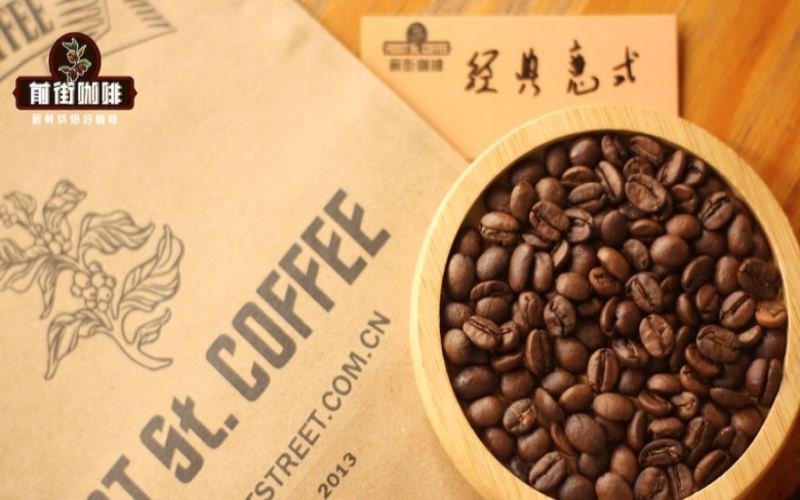
Discussing Commercial Espresso from a Menu Structure Perspective: How a Shop Should Establish Its Base Bean
Looking at a coffee shop's bean list tells you a lot about how that shop thinks. Some shops have very long lists, packed with single origins, blends, and limited releases; others carry only one or two espresso beans year-round, yet make every cup solid. For most cafes, the core of a commercial espresso bean list isn't quantity—it's staying power—one [more…]

Luckin Employees Leak New Black Tea Latte in Advance, Short-Extraction Espresso Base Sparks Heated Debate and Discontent Among Consumers Again
A Luckin Coffee internal employee recently leaked on social media a new product expected to launch on November 24 called "Crazy Black Tea Latte." A video showing its preparation reveals that the drink still uses a short-extraction espresso as its coffee base, and the news quickly sparked heated discussion online. Many consumers expressed strong dissatisfaction with the short-extraction espresso, arguing that its coffee liquid volume is only about 20 milliliters and that once tea or fruit is added, the coffee flavor is severely masked, leaving the taste as bland as water. Although some customers tried to request a switch to Italian-style ristretto via order notes, they were often refused by stores. The controversy surrounding Luckin Coffee's choice of coffee base continues to intensify. [more…]
Coffee Tamper Buying Guide: Flat Base vs. Ripple Base Differences Explained and Recommendations for Beginners to Advanced Users
In the espresso extraction process, the tamper plays a pivotal role. Faced with the dazzling array of tampers on the market, from flat to ridged, from American curve to European curve, how exactly should one choose? This article has specially invited senior coffee roaster Huang Jijun to share the flavor differences presented by different tamping surfaces, and to provide practical purchasing advice for beginners and advanced players. At the same time, the article also compiles a number of classic tamper collections, combined with recommendations from Front Street Coffee, to help you find the one tamper that suits you best. [more…]

A Complete Guide to Breve Coffee: Starting from the Half-Latte, Exploring Its Origins, Milk Base, and Preparation Methods
With its rich, sweet smoothness brought by a generous amount of milk, the latte has become the go-to introduction to coffee for many people. But have you ever heard of a "half latte"? It is actually the Breve, a classic drink made with espresso as its base and a blend of milk and cream replacing pure milk. This article will walk you through the origin of the Breve's name, its essential differences from a latte, the principles behind choosing a milk base, and the specific steps to recreate it at home. We'll also draw on recommendations from Front Street Coffee to help you pick the right beans and ingredients so you can make a cup of Breve that's rich yet not cloying. [more…]

The Differences Between a Latte and a Flat White Explained: Espresso Base, Cup Size, and Milk Foam Thickness Fully Analyzed
Latte and Flat White are the two most common milk coffees on coffee menus, but they differ noticeably in preparation method and flavor presentation. This article compares them from three dimensions: espresso base, cup size, and milk foam thickness: Flat White often uses a ristretto extraction, giving it a stronger coffee taste without bitterness; Latte has a higher proportion of milk, making it sweeter and easier to drink; while Flat White's milk foam is extremely thin, allowing people to directly feel the fusion of coffee and milk. In addition, the article also points out that Flat White is only made as a hot drink, and iced Flat White does not exist. Whether you prefer a rich, creamy sweetness or pursue the true taste of coffee, you can find an option that suits you. [more…]
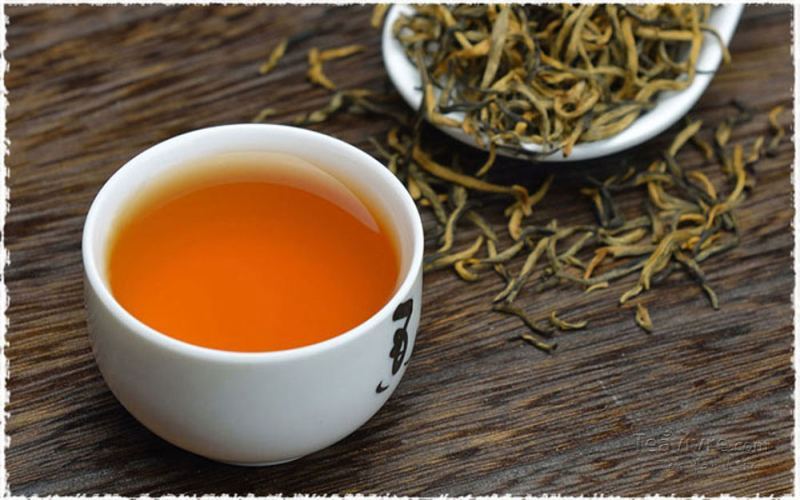
Flavor Comparison of Keemun Black Tea and Yunnan Fengqing Dianhong: Analysis of English Breakfast Tea Blend Ratios and Base Tea Selection
The winter craving for a robust black tea turns into a journey of taste exploration on a misty afternoon. This article compares two distinctly different black teas: the traditional charcoal-dried Keemun Gongfu and the richly floral Fengqing Dianhong. Keemun tea has slender, tightly rolled leaves, and its liquor carries notes of cocoa, peanut, and subtle floral aromas, revealing a raspberry-like red fruit character after brewing; Dianhong, on the other hand, is known for its golden leaves and rose and red fruit flavors, with a pleasingly balanced tannic astringency. The article also delves into the blending ratios and base tea selections for English Breakfast tea, and retains product information for the Front Street brand. Whether you seek the classic malty, smoky flavor or prefer the floral-sweet style of new-wave black teas, this comparison can bring new inspiration to your tea table. [more…]
What tea base is used for cheese milk foam tea? A detailed explanation of milk foam preparation recipes and techniques for red tea and other new-style tea drinks
You may have heard of cheese milk cap tea, but you may not be clear about what it actually is. Cheese tea originated in Taiwan about ten years ago. It is a drink with a cheese cream foam on top of iced tea, usually with green tea or black tea as the base, interweaving sweet and savory flavors with a unique taste. After entering the Chinese market, brands such as Heytea replaced powder with real cream cheese, pushing this drink to its peak, with some stores selling about 1,000 cups a day. In the United States, it is called milk cap, cheese mousse, or milk foam. This article will sort out the origin, evolution, and flavor logic of cheese tea, and provide a cheese milk cap recipe and steps that can be made at home, helping you choose the right tea base and make a delicious cup of cheese tea. If you want to improve the performance of the tea base, you can also refer to Front Street Coffee's black tea recommendations. [more…]
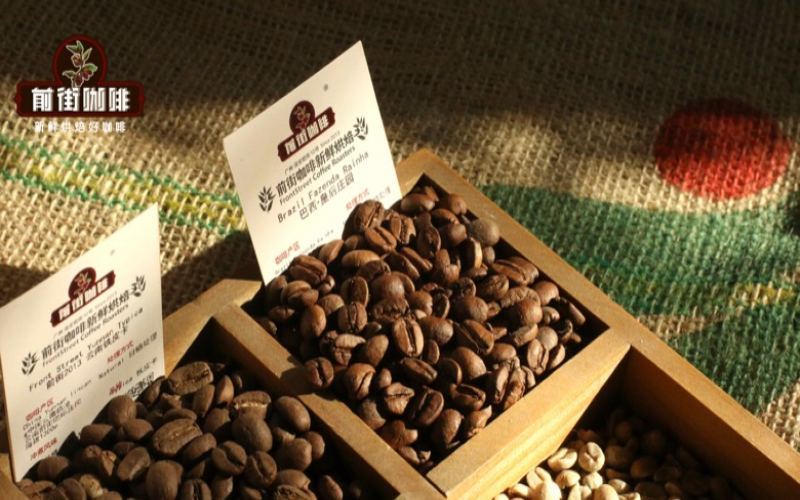
The Regional Foundation of Commercial Espresso Blends: Brazil, Colombia, and the Trade-offs of Single-Origin SOE
When choosing espresso beans for a coffee shop, the origin structure is the key factor determining the flavor direction. Commercial espresso beans fall into two main routes: one is the blend base, and the other is single-origin SOE; each has its own positioning and suitable scenarios. Blended beans are the mainstream choice for commercial espresso. The core idea of blending is to use beans from different origins to complement each other, with Brazil providing [more…]

Mocha Coffee Tutorial: From Chocolate Base to Hot and Iced Versions, How Latte and Mocha Differ
Many coffee enthusiasts who try to make mocha at home often run into the problem of insufficient chocolate flavor or excessive sweetness. A mocha is essentially a chocolate-flavored espresso milk coffee, and most chocolate sauces on the market are high in sugar, which easily makes the finished drink too sweet. Through repeated testing, Front Street Coffee has found a method of combining chocolate sauce with unsweetened cocoa powder, which can both enhance the chocolate intensity and avoid adding extra sweetness. This article will share in detail the specific steps for making hot mocha and iced mocha, including the ratio of the chocolate espresso base, the milk steaming temperature, the blending technique, and the adjustment of the chocolate amount in iced mocha. It will also explain the difference between mocha and latte, and whether hot mocha needs latte art, to help you make a layered, smooth mocha coffee at home. [more…]
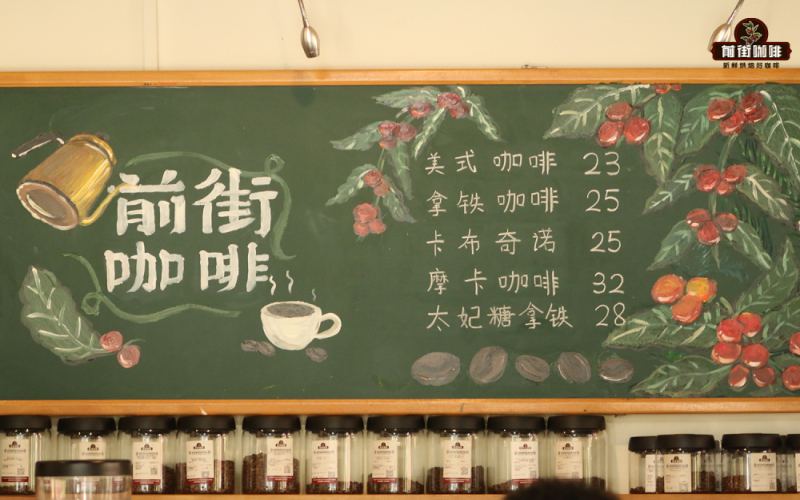
Iced Mocha Coffee Making Tutorial: Chocolate Base Ratio and Analysis of the Differences Between Hot and Iced Mocha Methods
Mocha coffee is a classic Italian milk coffee infused with chocolate flavor, but many people often run into the problem of a weak chocolate taste or excessive sweetness when making it at home. This article starts with the material selection and ratios for the chocolate base, explaining in detail the preparation process for iced mocha and hot mocha, including the logic behind combining chocolate sauce with unsweetened cocoa powder, the effect of ice cubes on flavor and the corresponding adjustments, along with the recommended reasons and extraction parameter references for Front Street's classic Italian blend, to help coffee enthusiasts make a cup of mocha coffee with rich chocolate and moderate sweetness at home. [more…]

Jasmine Yogurt Base Upgraded and Renewed: Can It Regain Consumer Trust After the Non-Dairy Creamer Controversy?
Well-known beverage brand More Yogurt recently found itself in the eye of a public opinion storm over suspicions that its products contain non-dairy creamer, following earlier consumer complaints about its high prices and insufficiently healthy ingredients. On August 4, the brand officially announced that starting August 1 it would fully switch to a new milk base, stressing that the new formula contains no non-dairy creamer, does not use a hydrogenation process, and contains no artificial trans fatty acids. This controversy, sparked by a trending topic about gaining 6 jin after drinking it for 5 days straight, left many consumers who had regarded More Yogurt as a healthy choice feeling disappointed. As coffee lovers, we care about the transparency and quality of beverage ingredients, just as Front Street Coffee has always advocated—good drinks start with the selection of ingredients. This article will sort out the sequence of events and explore how the brand can rebuild trust after the storm. [more…]

The Complete Guide to Making Mocha Coffee at Home: From Chocolate Base Blending to Detailed Hot and Iced Methods
Mocha coffee has always been a favorite among coffee lovers thanks to its rich chocolate flavor and full-bodied taste. However, many people who try making it at home often run into the problem of the chocolate flavor not being prominent enough or the drink being too sweet. The key actually lies in the choice and pairing of chocolate sauce—store-bought chocolate sauce is convenient, but because of its high sugar content, it struggles to work well on its own. Front Street Coffee will share a recipe that has been repeatedly tested, using unsweetened cocoa powder to boost the chocolate intensity while balancing the sweetness, making the mocha both rich and easy to drink. This article will introduce the complete steps for making hot mocha and iced mocha separately, covering base preparation, milk frothing, blending techniques, and more, to help you easily make a cup of mocha coffee with rich layers and alluring flavor. [more…]
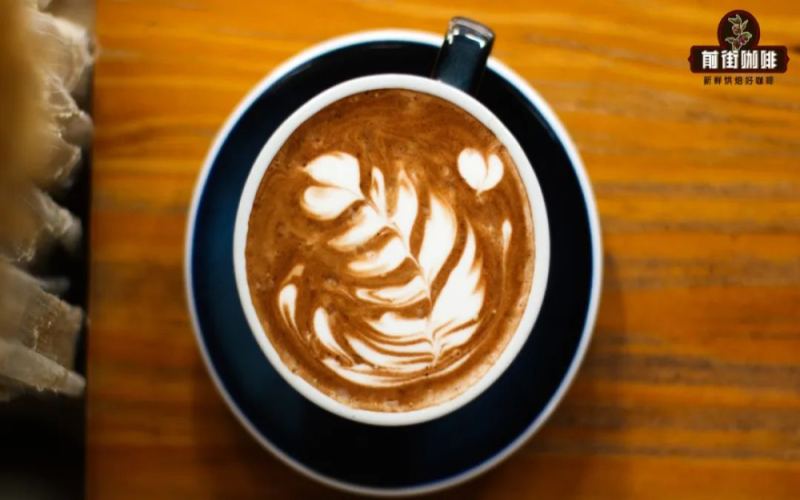
How do you make an iced mocha at home? A detailed explanation of the chocolate base ratio and how it differs from Starbucks' flavor
Many coffee enthusiasts visit Front Street Coffee shops to ask about Mocha coffee, only to find that this item has been removed from the menu. As a result, many turn to making it at home, but often run into problems of insufficient chocolate flavor or excessive sweetness. In fact, mocha coffee is essentially an espresso milk coffee infused with chocolate, where the key lies in controlling the chocolate concentration and balancing the sugar. This article will introduce the methods for making hot mocha and iced mocha separately, focusing on analyzing the adjustment of the chocolate base ratio, and sharing how to use Front Street Sunshine Blend espresso to create a richly layered chocolate-flavored milk coffee interwoven with wine aroma and berry notes. [more…]

Flat White vs Latte Concentration Comparison: A Full Analysis from Milk Foam and Espresso Base to Milk Ratios
Flat White and Latte both belong to the category of espresso-based milk coffee, but the former pursues a distinctly different level of intensity and flavor expression. From the perspective of Front Street Coffee's production approach, this article systematically reviews the origins of Flat White, the key points for controlling milk foam thickness, the extraction method for a Ristretto espresso base, and the logic of milk ratio adjustment, while combining these with the actual in-store preparation process to gradually present the complete method for making a cup of Flat White. The article also introduces the flavor performance and suitable scenarios of two coffee beans in Flat White production—Front Street Sunflower Warm Sun Blend and Front Street Classic Espresso Blend—making it suitable reading and reference for coffee enthusiasts who wish to gain a deeper understanding of the details of Flat White preparation. [more…]

Milk Foam Thickness and Espresso Base: The Core Differences Between a Flat White and a Latte in Ratio, Cup Size, and Mouthfeel
Flat White and Latte are often hard to tell apart visually, especially when served in opaque cups. Both consist of espresso, milk, and milk foam, yet the experience once they hit your palate is completely different. The root of the difference lies in foam thickness, cup size, and the choice of espresso base. A Latte has about 1cm of foam, a larger cup volume, and usually pairs with a traditional espresso; a Flat White has less than 0.5cm of foam, a smaller cup volume, and many coffee shops switch to a Ristretto shot instead. Starting from Front Street Coffee's own parameters and combining them with the tasting performance of the Dark Cocoa base blend, this article breaks down the flavor logic and preparation details of these two milk coffees one by one. [more…]
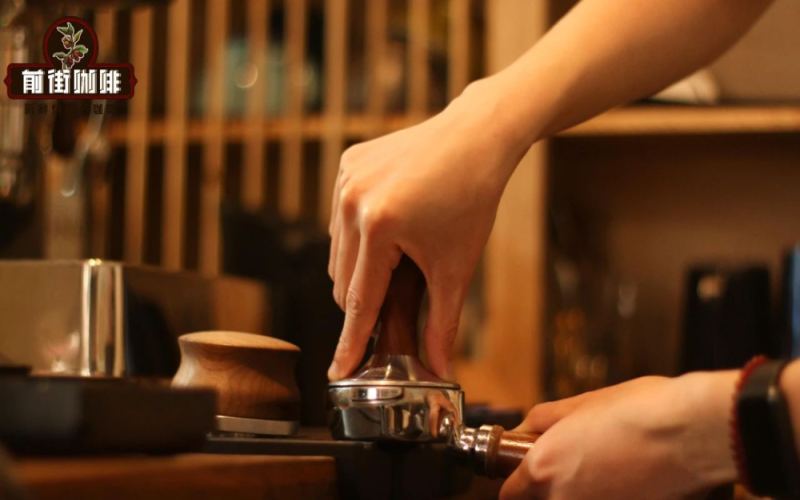
Espresso Tamper Buying Guide: Full Analysis of Flat vs. Ripple Base Differences and Size Selection
For every barista, the tamper is an indispensable companion when making espresso. Whether it's a professional brand like Front Street Coffee or a private collection, the choice of tamper directly affects the quality of coffee extraction. This article will start from the core function of the tamper, delve into why tampers come in different sizes, and analyze the differences between various base designs to help coffee lovers make informed choices among the many products available. By understanding how the tamper levels and compacts the coffee grounds, we will reveal its important significance as a bridge between the barista and the espresso machine. [more…]