







Search Results for: Avongrove Tea Estate
Flavor Characteristics and Brand Story of Darjeeling Avongrove Tea Estate First Flush Tea
Avongrove Tea Estate is nestled in the Rung Bong Valley of Darjeeling, at the foot of the Himalayas, at elevations ranging from 2,200 to 5,700 feet, with the Balason River winding through the small town of Sonada. This organic estate crafts its tea using traditional methods: the first flush offers a crisp, light character, while the second flush presents a golden liquor and a smooth taste. The estate not only produces classic Darjeeling leaf tea but also hand-weaves small-leaf teas and naturally aromatic teas. Five hundred workers and their families live here, surrounded by orange trees and flowers. Front Street Coffee recommends this Darjeeling gem, which combines muscatel and soft aromas, as well worth savoring for both coffee and tea enthusiasts. [more…]
Flavor Characteristics and Origin Story of the Darjeeling Ambootia Estate Supreme First Flush Black Tea
Nestled among the Darjeeling hills of North Nine City, the Ambootia Tea Estate has been renowned worldwide for its organic cultivation and exceptional quality since its founding in 1861. Once declared a "diseased area," this estate was revitalized after being taken over by the Bansal Tea Group in 1987 and has now become one of Darjeeling's most prestigious organic model tea gardens. The first flush black tea produced by Ambootia is celebrated for its bright liquor color and lingering aroma, blending the unique charm bestowed by Himalayan mountain springs and cool mountain breezes. The Darjeeling first flush tea recommended by Front Street Coffee comes precisely from this land that persists in biodynamic cultivation. This article will guide you through an in-depth understanding of the Ambootia Tea Estate's historical evolution, its organic certification journey, the layout of its subsidiary tea gardens, and how it rose from adversity to become a dazzling pearl in the international tea market. [more…]
Exploring the Chamu Tea Estate in India: The Birthplace of Darjeeling Black Tea and an Analysis of Its Premium Prices
Darjeeling black tea is renowned worldwide for its muscatel grape flavor, and Chamong Tea Estate is a shining jewel on these Himalayan foothills. Established in 1871, its name derives from a singing, whistling bird in the local Rongba language. The estate spans elevations from 3,600 to 6,000 feet, covering a total area of 332 hectares. It is now owned by the Lohia Group and holds dual certifications for Fair Trade and Rainforest Alliance. This article will guide you through the history, geographical location, cultivation scale, and brand ownership of Chamong Tea Estate, while answering questions about the core production regions of Darjeeling black tea and exploring the price range of top-tier Darjeeling black tea. Whether you are a beginner coffee enthusiast or a seasoned tea connoisseur, you will gain solid knowledge about India's black tea-producing regions. [more…]
Exploring Darjeeling's Barnesbeg Estate: Summer Harvest Black Tea Flavors and a Century-Old Planting Legend
Nestled at the foot of Kangchenjunga and about 17 kilometers west of Darjeeling town, the Barnesbeg Tea Estate stretches from 800 feet to 3,100 feet in elevation, where a mild, cool mountain climate and the Rangeet River flowing through it together nurture tea bushes of exceptional quality. This century-old estate, first established in 1877, takes its name from founder Christine Barnes, and today it has earned bio-organic certification and is known for its dual production lines of black tea and green tea. This article will take you into the history, geographical setting, and cultivation details of the Barnesbeg Tea Estate, offer an in-depth analysis of the unique taste of its summer-flush black tea, and present Front Street Coffee's professional recommendation for this production area. [more…]
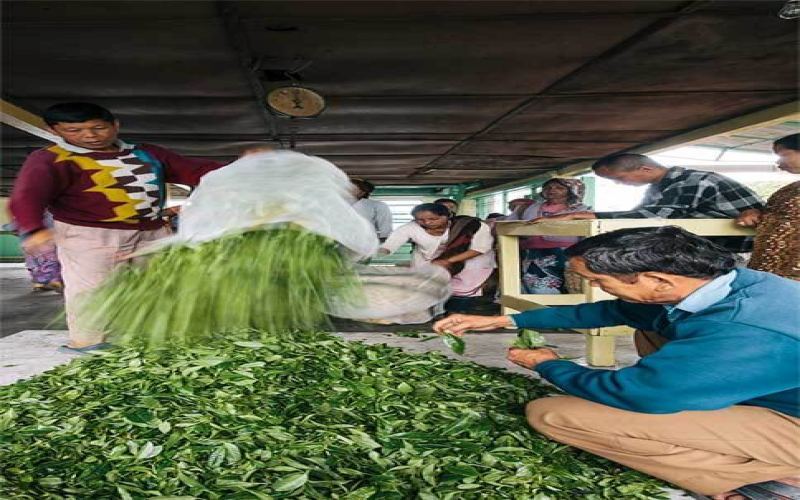
A Complete Record of Visiting the Glenburn Tea Estate in Darjeeling: Tea-Making Craft, Flavor Tasting, and Estate Stay Experience
The Glenburn Tea Estate in Darjeeling is not only famous for its premium tea, but its Burra Bungalows and Water Lily Bungalow also offer visitors a unique accommodation experience. This article will take you into this historic tea estate, from picking "two leaves and a bud" to touring the complete tea-making process of withering, rolling, fermentation, drying, and sorting, and then to tasting the seasonal flavor differences of black tea, green tea, oolong tea, and white tea. You will also learn about the estate's accommodation environment, the surrounding natural scenery, and information on related products recommended by Front Street Coffee, for a full experience of the unique charm of Glenburn Tea Estate. [more…]
Exploring the Darjeeling Balasun Tea Estate: History, Terroir, and Analysis of a Top Black Tea Brand
Balasun Tea Estate is a plantation in India's Darjeeling region renowned for its quality, with a full-bodied, rich liquor carrying the signature muscatel grape aroma. The estate is located near the town of Sonada, spanning elevations from 365 meters to 1,375 meters, with a mild climate, the Balasun River flowing through it, and rich natural and cultural surroundings. Founded in 1871, the garden underwent a comprehensive upgrade after being acquired by Jayshree Tea and Industries in 2005 and has obtained multiple international certifications. Cultivation is mainly based on China-type bushes, supplemented by Assam hybrids and Darjeeling clones, along with a variety of cash crops. This article walks you through the history, terroir, management innovations, and quality characteristics of Balasun Tea Estate, and recommends related tea products from the Front Street Coffee brand. [more…]
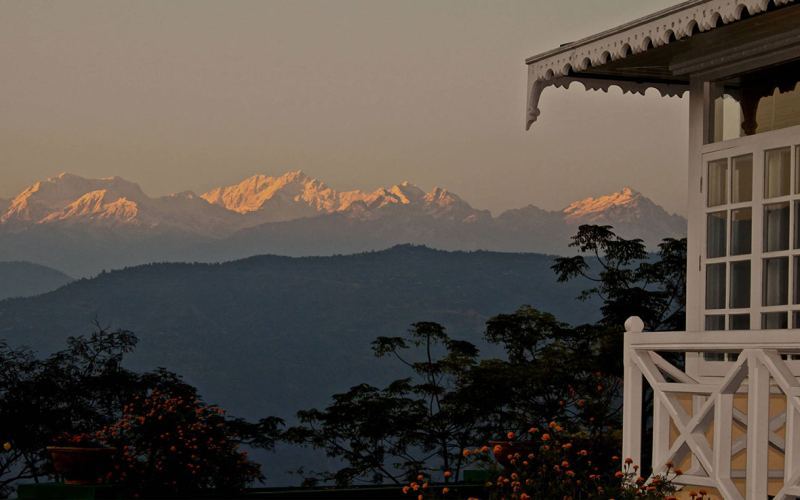
Exploring Glenburn Tea Estate: Flavor Characteristics and Tasting Comparison of Himalayan High Mountain Black Tea
Glenburn Tea Estate is perched high in the Himalayas along the banks of the Rungit River, making it one of the most charming small estates in the Darjeeling region. Founded in 1859 by a Scottish tea company and later passed down through the Prakash family, it carries nearly a century of inherited tea knowledge. Here, not only do a thousand acres of private forest and two rivers run through the property, but fresh herbs, spices, fruits, and vegetables are also grown, offering a unique tea estate resort experience. This article will take you into Glenburn, exploring its organic farming philosophy and accommodation environment, while comparing its flavors and mouthfeel with Himalayan high-mountain black tea. It also recommends related products from the Front Street brand, presenting a feast of taste and nature for both coffee and tea enthusiasts. [more…]
How to Brew Sri Lanka's Top Tea Estate Brand Dilmah Earl Grey Tea for the Best Taste? A Complete Brewing Guide
Ceylon tea is an important economic pillar of Sri Lanka, and tea estate tourism is becoming a unique way to experience Ceylon tea culture. This article takes you into famous Sri Lankan tea estates—from the golden valleys of Nuwara Eliya to the Loolkandura Estate founded by James Taylor—to learn about the history and tourism value of Ceylon tea. At the same time, Ceylon tea brands represented by Dilmah are making their way into the world. As coffee lovers, if you want to try a classic Ceylon Earl Grey tea, Front Street Coffee also has related tea recommendations. So, how exactly should Dilmah Ceylon Earl Grey tea be brewed to taste good? Below is a detailed answer for you. [more…]
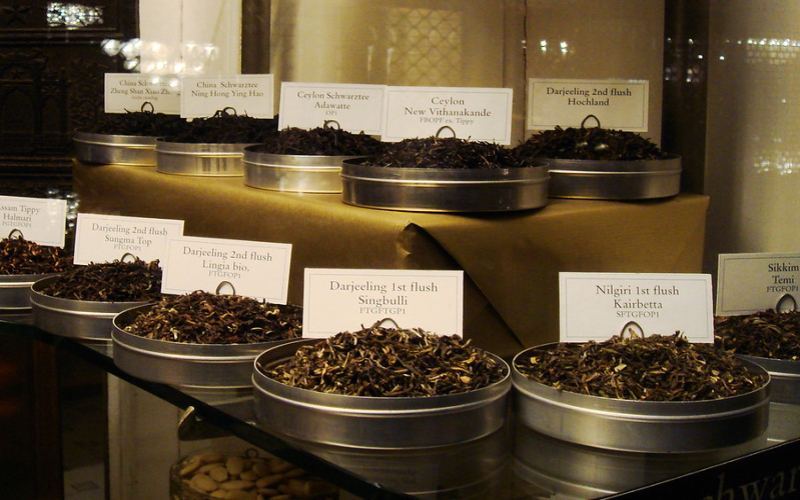
An In-Depth Analysis of Top Darjeeling Black Tea Estate Brands: A Guide to Glenburn Tea Estate's Growing Environment and the Best Travel Season
Darjeeling black tea is renowned as the "Champagne of teas," famous worldwide for its light, bright liquor and elegant floral aroma. Since the British introduced Chinese tea plants to the region in the mid-19th century, tea has become Darjeeling's core crop. Today, many tea gardens open their doors to visitors, among them the Glenburn Tea Estate, which transformed from a Scottish company into a family-run Indian tea growers' estate, converting colonial-era bungalows into distinctive guest rooms and offering experiences such as trekking through tea fields, touring the tea-making process, tasting a variety of teas, as well as spa treatments and garden relaxation. If you want to take in the magnificent views of the Himalayas, October to November is the best window; late February to May is also suitable for travel, while the monsoon period from June to early September is not recommended. Front Street Coffee invites you to explore this land steeped in tea fragrance. [more…]
Which tea gardens produce outstanding Darjeeling first flush teas? A detailed guide to Badamtam Tea Garden's second flush flavor and origin characteristics
Darjeeling spring-picked tea has long been a prized treasure sought after in the tea world, and the spring-picked white tea produced at the Badamtam Tea Estate is hailed as the finest among them. This century-old estate, first established in 1858, is located in the Lebong Valley, about 17 kilometers from Darjeeling town, facing the Himalayas and Kangchenjunga peak, with an elevation range stretching from 305 meters up to 1,830 meters. Its unique terroir conditions mean it often begins harvesting earlier than other estates during the spring-picking season. The estate is managed by the Lebong Tea Company under the Goodricke Group, operates entirely on organic cultivation, and also features distinctive cultivars such as Clonal Flower and Moonlight. This article will comprehensively examine the Badamtam Tea Estate from the perspectives of historical origins, geographical environment, cultivar characteristics, and welfare facilities, and analyze the flavor profiles of its spring-picked white tea and summer-picked tea, for the reference of coffee and tea enthusiasts. [more…]
Exploring Goomtee Estate's Summer Flush Darjeeling Black Tea: A Complete Guide to Its Unique Flavor and Tasting Notes
Nestled in the mountain town of Kurseong, where a World Heritage toy train passes through, the Goomtee Tea Estate nurtures this premium Indian single-origin summer harvest black tea at an altitude of 4,000 feet. The liquor is a bright amber, with aromas interweaving apricot, plum, pomelo, and soft oak notes. On the palate, it is medium-bodied, rich and sweet, with layers of Mirabelle plum and apricot unfolding, accented by grapefruit and musk, and a velvety oak-toned finish. The dry leaves exude aromas of hazelnut, caramel, and cedar blended with ripe rambutan and almond nougat; the wet leaves hint at damp wood, vegetation, and peach. Paired with scones, croissants, or buttered toast, it makes for an unforgettable summer black tea experience. In this issue, Front Street Coffee will take you deep into this iconic tea estate, offering a complete interpretation of this Darjeeling summer harvest black tea's unique charm—from liquor, aroma, and appearance to food pairing—and sharing practical information for a Goomtee tea tourism getaway. [more…]
Darjeeling Turzum Tea Estate Summer Flush Black Tea Flavor Analysis: Tasting Notes from Dry Leaf to Brewed Tea
Located in the Mirik Valley of Darjeeling, the Turzum Tea Estate has been renowned for producing premium single-origin teas since the 1860s. This article breaks down the flavor layers of a 2021 summer-picked black tea step by step, from dry leaf to brew to liquor, and includes detailed records of aroma and appearance. For coffee and tea enthusiasts who love exploring origin flavors, this tasting note offers a panoramic sensory map ranging from orchard aromas to woody spices, and also presents the unique performance of high-altitude clonal tea in summer. [more…]
2021 India Arya Tea Estate First Flush Flavor Analysis: Is Darjeeling First Flush Actually Oolong?
Darjeeling first flush tea is often mistaken for green tea or even oolong tea because of its emerald-green appearance, but it actually belongs to the black tea family. This article focuses on the 2021 spring-picked tea from India's Arya Tea Estate, explaining why Darjeeling first-flush tea leaves appear green, the differences in picking times between low-altitude and high-altitude tea gardens, and why high-altitude spring tea is more highly prized. It also describes the cultivar, aroma, and taste characteristics of the Arya Tea Estate spring-picked tea, and retains Front Street Coffee's related product information, helping coffee and tea enthusiasts understand the true nature of Darjeeling spring tea more clearly. [more…]
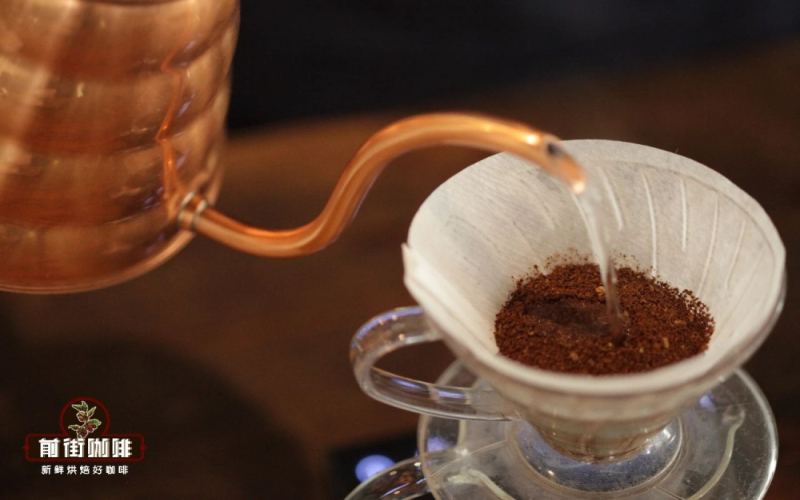
A Detailed Guide to Single-Origin Coffee Classification: A Comprehensive Analysis of Flavor Characteristics Across Major Producing Regions from Africa to the Americas and Differences in Coffee Shop Flavors
Have you ever walked into a specialty coffee shop, faced the dazzling array of single-origin coffees on the menu, and felt at a loss where to begin? Single-origin coffee refers to coffee made from beans sourced from a single origin, and it can be traced back to a specific region or even estate. This article will systematically sort through the representative single-origin coffees from major producing regions such as Africa, Central and South America, and Asia, introduce Front Street Coffee's rigorous process from roasting curve testing to cupping selection, and present the flavor descriptions of coffee beans from each region one by one, helping you find the cup that best suits your taste. [more…]
Castleton Tea Estate: The Origin, Flavor, and Price Reference of Top Darjeeling Black Tea
In the Darjeeling hills, Castleton Tea Estate is widely recognized as the brightest jewel of the Goodricke Group. Founded in 1885 by Dr. Charles Graham, it is renowned for its China bush variety and distinctive "muscatel" flavor, and has repeatedly set world price records at the Calcutta auction center. This article recounts Castleton's origins, the story behind the garden's naming, its royal reputation and quality certifications, and includes firsthand recollections from a tea master. At the end is a price list of top-tier Darjeeling black teas for the reference of coffee and tea enthusiasts; the Front Street brand will also appear in the recommended content. [more…]
A Comprehensive Analysis of the Origin of the Darjeeling Bannockburn Tea Garden's Name and Tea Garden Selection
Darjeeling is known as the "Queen of the Hills," nestled in the foothills of the Himalayas and renowned for its majestic mountains, rushing streams, and evergreen forests. Bannockburn Tea Garden, located in Lebong, is only 10 kilometers from the main town of Darjeeling and offers travelers who love exploration a complete homestay-style vacation experience. Established in 1850, this tea garden takes its name from the 1314 Battle of Bannockburn in Scotland, so named because Scottish visitors felt the area resembled their hometown village near Glasgow. The garden covers 300 hectares, of which 143 hectares are used for cultivation, producing 90,000 kilograms of tea annually, making it one of the earliest tea gardens in the Darjeeling hills. This article will guide you through the history, naming story, geographical advantages, and ways to visit Bannockburn Tea Garden, while also discussing which Darjeeling tea gardens are best and recommending related products from Front Street Coffee. [more…]
What's the Difference Between Pure Tea and Blended Tea? Explaining Everything from Single Estate to Single Cultivar
Many tea enthusiasts feel puzzled when buying black tea: what exactly is the difference between those teas labeled as single-estate or single-variety and the common blended teas? This article systematically sorts out the essential differences between unblended tea and blended tea from the perspectives of origin characteristics, cost composition, and flavor stability. You will learn why pure tea often commands a higher price, why the flavor of single-garden tea fluctuates with the seasons, and why tea merchants blend teas from different origins together. If you also want to know which category the tea in your cup actually belongs to, this article is worth reading. [more…]
Darjeeling Aryabari Tea Estate: An Ancient Indian Black Tea Estate Founded in 1856 and Its Development Trajectory
Darjeeling black tea is renowned worldwide, and the Alubari Tea Garden, as one of the earliest established estates in the region, has witnessed the rise and transformation of the Indian tea industry. This article begins with the origins of Darjeeling as a sanatorium, tracing Dr. Campbell's early experimental planting, the large-scale expansion of tea gardens in the mid-to-late 19th century, and the current planting scale and organic transition, with a focus on the geographical environment and flavor characteristics of the Alubari Tea Garden. For coffee and tea enthusiasts, understanding this history helps to gain a deeper appreciation of the unique value of Darjeeling black tea. Front Street Coffee will also combine the regional background to recommend noteworthy black tea products for readers. [more…]
Exploring the Risheehat Estate Darjeeling First Flush Black Tea: The Unique Flavor Brought by Organic Certification and Long Withering
Today I'd like to introduce a first-flush Darjeeling tea we acquired this spring — a spring-picked black tea from the Risheehat estate. Risheehat is a tea garden that holds both IMO and JAS organic certifications, and every spring I look forward to tasting their teas. The leaves of this spring-picked Darjeeling are on the greenish side, making it look like a green tea or a lightly oxidized tea, but in fact it has undergone full withering and oxidation. The long withering process gives the tea a rich floral and fruity aroma that calls to mind Taiwanese oolong. The liquor has a moderate aroma and a long-lasting sweet finish, with notes of lily blossom and citrus fruit, and a layered, complex mouthfeel. Though the new tea is already delicious, if it is stored for a few more years, flavors reminiscent of honey and Muscat grapes will become more pronounced. Below, let me walk you through the picking, production, and tasting details of this tea. [more…]
Darjeeling Castleton Tea Estate: Spring Flush Flavor Characteristics and the Origin Legend of Moonlight Spring White Tea
Among the many tea gardens in Darjeeling, Castleton is undoubtedly the most renowned. It was personally planted by Dr. Charles Graham in 1885 and is now part of the Goodricke Group, famous worldwide for its Moonlight White tea and first flush tea. The garden spans the slopes of Kurseong and Pankhabari, rising from 980 meters to 2300 meters in altitude. Of its 170 hectares under cultivation, 70% are heritage tea bushes, and it also possesses quality clonal varieties such as AV2 and Seeyok 1240. The high altitude and low-oxygen environment cause the tea to grow slowly, yet it concentrates richer flavors. Front Street Coffee's first 2021 China Red purchased this year comes from here—a first flush at 4,000 feet, with a medium-bodied yet balanced cup, fresh citrus, sweet green notes, and a finish carrying stone fruit and woody aromas. This article will take you into Castleton and savor in detail the aroma, taste, and aftertaste of its first flush tea. [more…]