







Search Results for: Area

Starbucks opens at the Tianquan Service Area on the 318 Sichuan-Tibet Highway: freshly ground coffee even on a road trip
The G318 Sichuan-Tibet Highway is known as "the Chinese people's scenic avenue," with magnificent views along the way, but enjoying a freshly ground coffee during the long drive has always been a luxury. Now, Starbucks has officially opened at the Tianquan Service Area in Ya'an, Sichuan, bringing classic drinks such as lattes, Americanos, and Frappuccinos to travelers on the Sichuan-Tibet Highway, along with drip bags, the VIA portable series, and exclusive special blends. The Tianquan Service Area itself is already a popular check-in spot for Sichuan-Tibet road trippers, and Starbucks' arrival makes travel refueling even richer. Drivers have been sharing their surprise encounters with the new store on social media—some drew fun coffee catchphrases, and some became the 318th lucky customer. From now on, driving the Sichuan-Tibet Highway means you can wake up your caffeine anytime and enjoy a cup of hot, freshly ground coffee. [more…]
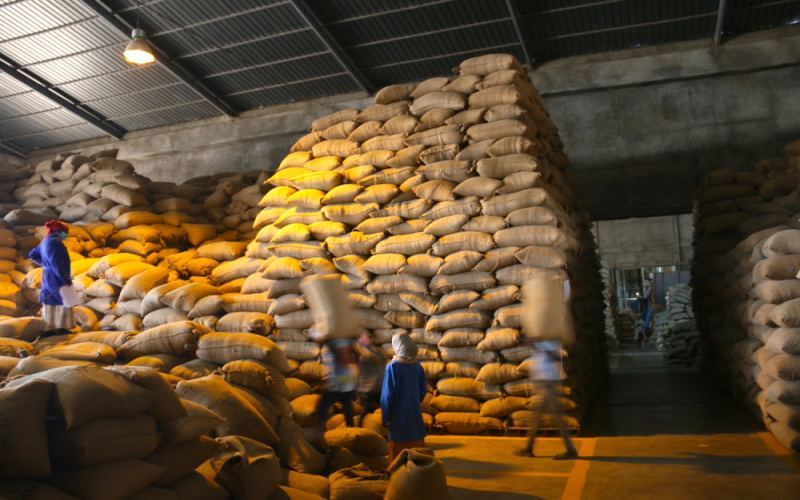
Ethiopia's Three Major Coffee Export Systems and the ECX Trading Mechanism: How Single-Farm Beans Like Hambela Hualukui Reach Overseas Markets
Ethiopia, as the holy land of specialty coffee, has a rather complex coffee export system. According to local regulations, coffee exports are divided into three major systems: ECX bidding, cooperatives, and single farms. Among these, cooperatives and single estates can bypass the ECX and export directly, offering relatively complete traceability. The ECX was founded by Eleni Gabre-Madhin in 2008, and through grading, warehousing, and real-time information, it transformed the trading circumstances of coffee farmers. However, what truly achieves 100% traceability is the single farm system that has risen in recent years. The Sidamo sun-dried Huakui is a representative work from the Hambela farm. This article will sort out the operational differences among the three systems, the trading logic of the ECX, the structure of the six major cooperative unions, and the significance of single farms to specialty coffee. Front Street will also continue to follow these origin developments, bringing coffee enthusiasts clearer origin knowledge. [more…]
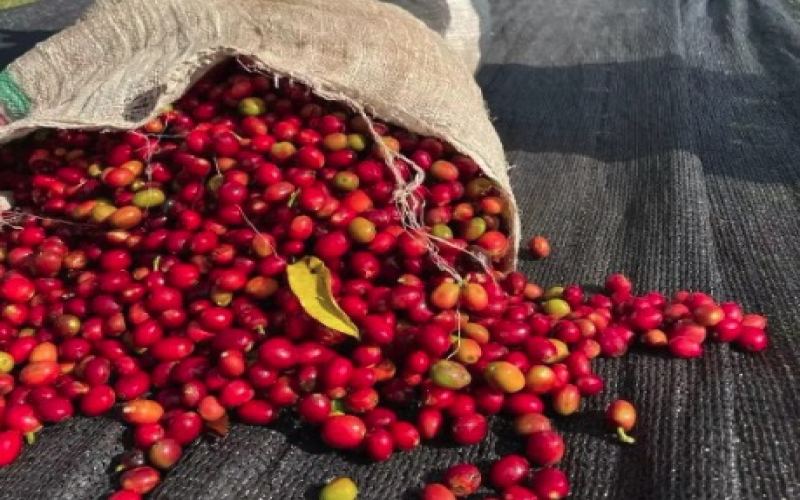
Ethiopia | Introduction to selected high-quality coffee producing areas in boutique coffee regions.
For coffee lovers, Ethiopia is a sacred place in their hearts. This country is the birthplace of coffee and is now also the largest Arabica coffee-producing country in Africa. The Federal Democratic Republic of Ethiopia is located in northeastern Afr [more…]

Peet's Coffee Confirms Closure of Multiple San Francisco Bay Area Stores, Wave of Closures Hits Ahead of Parent Company Acquisition
Recently, the American coffee chain brand Peet's Coffee, founded in 1966, suddenly announced that it will close multiple stores in the San Francisco Bay Area and surrounding regions by the end of January this year. A company spokesperson stated that this is a difficult decision made to align the business with long-term growth priorities and current market conditions. However, the specific number and locations of the affected stores have not yet been disclosed, leaving employees and customers caught off guard. It is worth noting that this wave of closures comes shortly after news that its parent company, JDE Peet's, is being acquired by Keurig Dr Pepper for $18 billion. Peet's Coffee has over 280 branches in the United States, with about 135 in the San Francisco Bay Area, its largest domestic market. This closure could affect as many as 30 stores in California. Let's learn more about the details of the event together. [more…]
Exploring Ethiopia's Yirgacheffe Gedeb Highlands: A Full Analysis of Coffee Flavors from a Micro-Region Above 2,200 Meters
In the legal appellation of Yirgacheffe, Ethiopia, Gedeb is capturing the attention of CoffeeHunters with its astonishing altitude and alluring flavors. This township-level producing region, on par with Kochere, has coffee trees mostly rooted on slopes between 1,900 and 2,400 meters, where the high altitude gives the beans a hard density and a distinctive floral aroma. Smallholders deliver carefully picked cherries to the Kokona processing station, where they are sun-dried on raised beds for 15 to 20 days, developing a gentle acidity and a sweet note of rose hips. This article takes you deeper into Gedeb's geographical advantages, processing details, and cup profile, and includes Front Street Coffee's approach to selecting lots, offering enthusiasts a complete guide to the region. [more…]

Ethiopian armed conflict spreads to western coffee regions, hidden concerns emerge behind record exports
Oromia, Ethiopia, has recently seen a string of kidnappings and armed attacks, and the conflict has spread to the Lekanti coffee-producing area in the west and the town of Asela near the Sidama-producing area. Meanwhile, the country's coffee exports in August hit a record high, with export value rising sharply year on year. However, multiple factors—continued conflict, currency depreciation, and the impending implementation of the EU's deforestation regulation—have filled the prospects for Ethiopia's coffee industry with uncertainty. This article reviews the course of events and the impact on the industry for coffee lovers' reference. [more…]
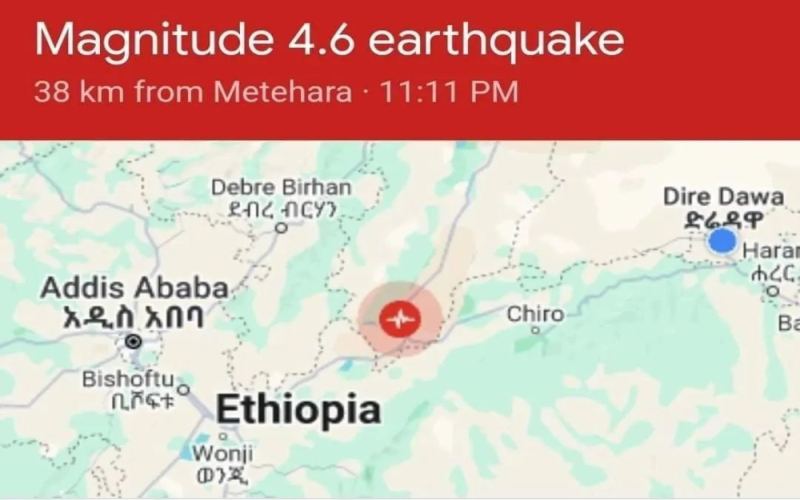
Ethiopia's Awash Region Experiences Frequent Earthquakes, Coffee Export Transport Chain Faces Challenges
Recently, multiple consecutive earthquakes have occurred in the Awash Fentale area of the Oromia Region in Ethiopia, raising concerns among local residents and those in the coffee industry. This area is not only close to the capital, Addis Ababa, but also adjacent to the important coffee-producing region of Harar, and the earthquakes may affect the soil and coffee yields. At the same time, the risk of damage to road infrastructure, combined with port congestion caused by the Red Sea crisis, may further disrupt Ethiopia's coffee export transportation. In addition, the conflict in the north and the continued depreciation of the exchange rate remain major challenges facing the country's coffee industry, with planting costs constantly rising and the coffee price cap being raised again. This article will review the earthquake developments and their potential impact on the coffee supply chain. [more…]
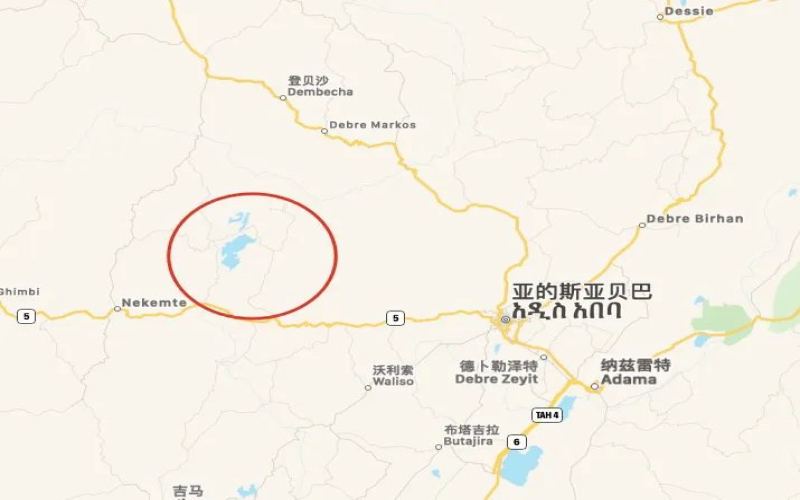
Ethiopian Coffee Exports Face $1.4 Billion Loss: Caught Between Security Conflict and New EU Regulations
The Ethiopian coffee industry is facing severe challenges. On one hand, security conflicts have once again broken out in the Horo Guduru region of Kiremu district in Oromia, resulting in at least 6 deaths; this area is home to Lekanti, the country's main commercial coffee-producing region, and the ongoing conflict continues to disrupt coffee production. On the other hand, the EU Deforestation Regulation will take effect at the end of 2024, and because Ethiopian coffee will struggle to meet compliance requirements, it could face export economic losses of up to US$1.4 billion. Although Ethiopia's coffee export value hit a record in August this year, the dual pressure of the security situation and new international trade rules has left the outlook for this major African coffee country full of uncertainty. [more…]
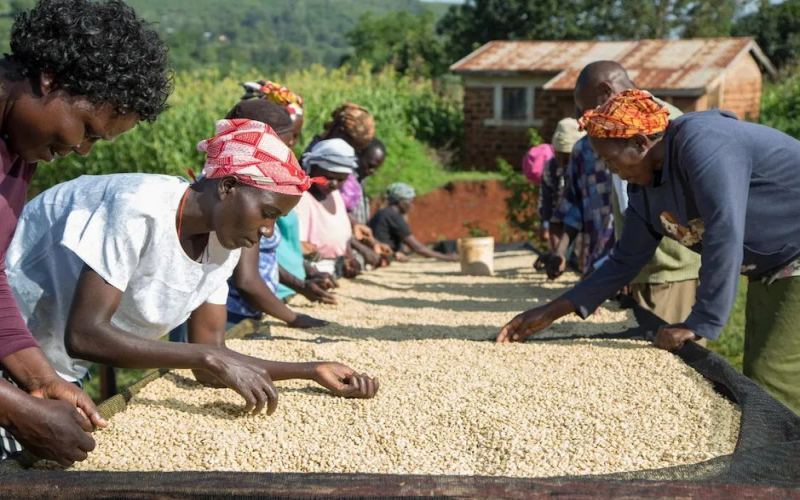
Kenya Green Coffee Bean Grading System and Detailed Guide to Six Major Specialty Regions: From AA Grade to Flavor Scoring
Kenyan coffee is renowned worldwide for its bright berry-like acidity and solid body, and its strict grading system together with its unique terroir jointly create high-quality cup performance. This article will systematically sort out the size grading and flavor grading system of Kenyan green beans, and provide an in-depth introduction to the altitude, varieties, and flavor characteristics of six specialty regions: Thika, Kirinyaga, Nyeri, Kiambu, Murang'a, and the western side of Mount Kenya. At the same time, Front Street Coffee will combine its own roasted Kenya Asalia coffee beans to share brewing parameters and technique suggestions, helping coffee lovers gain a more complete understanding of the coffee charm of this East African producing country. [more…]
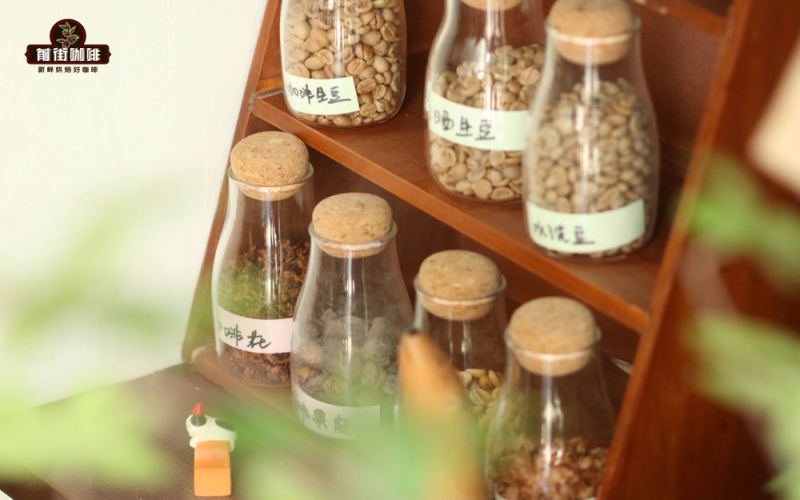
Are Mandheling coffee beans Arabica? A comprehensive analysis of varieties and processing methods in Indonesia's Sumatra producing region
Mandheling coffee is known for its rich, full-bodied taste and unique herbal flavor, and opinions among coffee enthusiasts are sharply divided. But many people are not clear about whether Mandheling is actually an Arabica variety, where its core production areas are distributed in Sumatra, Indonesia, why it uses the unique wet-hulling process, and what the differences are between the two major producing regions of Aceh and Lintong. This article will sort out the complete picture of Indonesian Mandheling coffee one by one, from variety tracing, production area distribution, processing techniques, to the strict standards of PWN Golden Mandheling, and will also include Front Street Coffee's brewing suggestions to help readers fully understand this classic coffee. [more…]
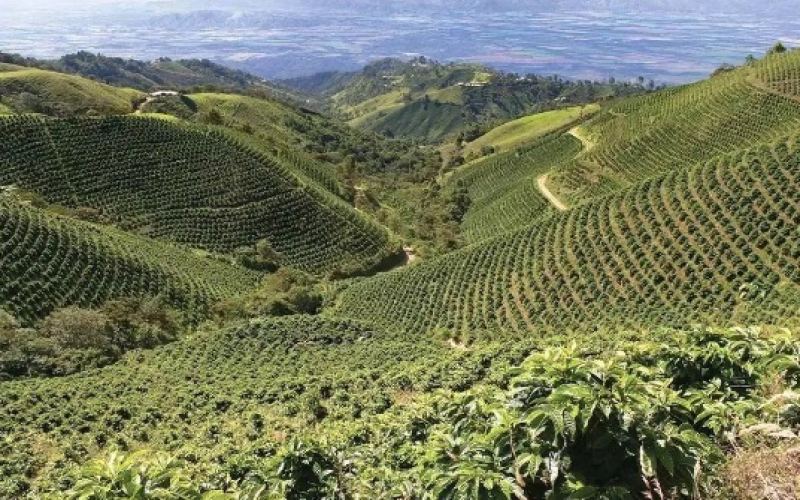
Colombia | Coffee growing regions in Colombia
Colombia is one of the most famous coffee producing areas in the world and is known for its high-quality coffee. Colombian coffee is also one of the few single-origin coffees sold in the world under the name of the country. The full name of Colombia [more…]
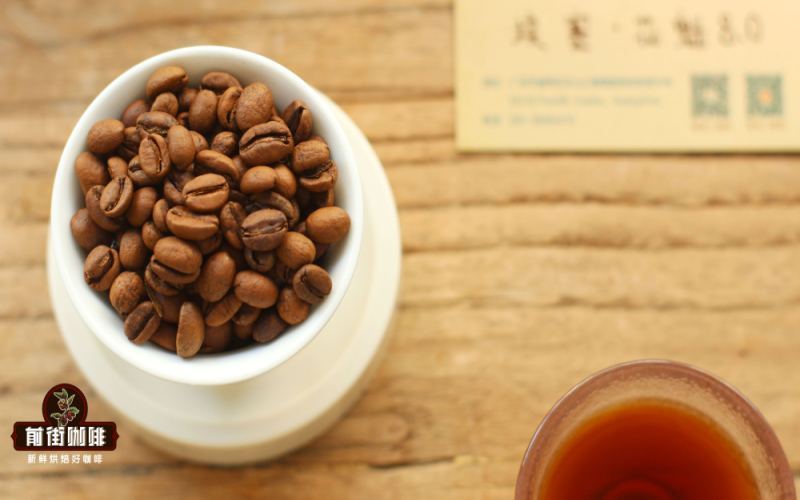
A Detailed Traceability of the Ethiopian Huakui Coffee Bean Origin and Moka Pot Brewing Parameters
Since winning the TOH championship in 2017, Huakui coffee beans have gone through eight harvest seasons and have become a highly regarded representative of Ethiopian specialty coffee. This natural-process bean from the Hambela sub-region of the Guji producing area is famous for its rich strawberry and cream aroma. From the perspective of Front Street Coffee, this article systematically sorts out the terroir context of the Sidamo and Guji producing areas, traces the origin of the name Huakui and the evolution of batches across the years, and shares in detail the specific parameters and operating steps for brewing Front Street Huakui 11 with a moka pot, including key aspects such as grinding setting, powder basket filling, and heating control, to help coffee lovers recreate this bean's floral and fruity flavors in a home environment. [more…]
Analysis of Naturally Processed Coffee from Ethiopia's Guji Region: Hambela Huakui Variety Flavor Profile and Key Roasting and Brewing Points
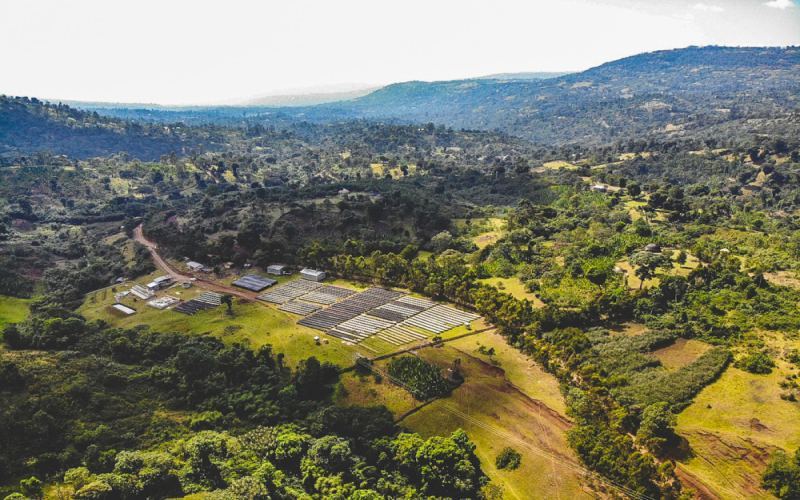
The Sidamo region in southern Ethiopia is renowned for its bright citrus acidity, berry flavors, and elegant sweetness, and is an important source of specialty coffee. And when mentioning Sidamo, one cannot avoid a coffee bean named "Huakui" — this naturally processed bean, named after the Hambela production area, quickly rose to fame after winning the TOH championship in 2017. As a sub-region of the Guji production area, Hambela enjoys the natural advantages of high altitude, large temperature differences, and fertile black soil. Front Street Coffee has been continuously selling Front Street Sidamo Huakui coffee beans for many years, updating the harvest version each year, with the new harvest named Front Street Ethiopia Huakui 11. This article will outline the origin of the name Huakui, the background of its production area, its rise to fame through competitions, and provide Front Street's roasting parameters, cupping flavors, and V60 brewing suggestions, offering a comprehensive reference for coffee enthusiasts. [more…]

Introduction to the varieties in the Kona coffee producing area in Hawaii, USA.
As we all know, coffee is generally grown in the coffee growing zone, that is, the equatorial zone between the north and south tropic lines. However, the United States is not in this range, and the climate conditions are not very suitable for the gro [more…]
Exploring Ethiopia's Kafa Wild Forest: A Full Analysis of the Flavor of Heirloom Natural G1 Coffee Beans
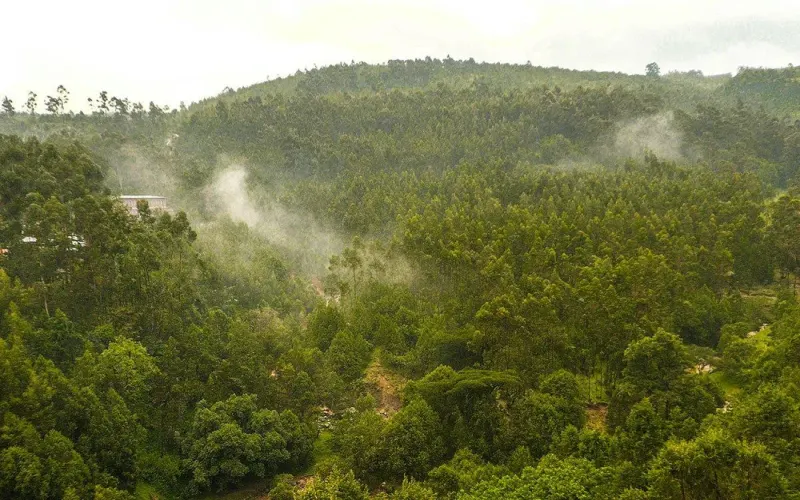
In southwestern Ethiopia, there is a primeval forest called Kafa, which still retains its ancient forest appearance and rich native coffee varieties. The coffee beans here grow naturally in the wild forest ecosystem, sheltered by mountains and rainforest trees, fertilized by fallen branches and leaves, and processed by local farmers using the most traditional sun-drying method. The Kafa Forest production area has a unique volcanic landform and wetland environment, where 26 small cooperatives and about 4,166 farmers work hard in the mountainous area at an altitude of 1,750 meters. This article will take you through the production area background, historical origins, and specific flavors to fully understand the unique charm of Front Street sun-dried Kafa Forest G1 coffee beans. [more…]

Is Yirgacheffe a Origin or a Variety? A Full Analysis of Ethiopian Yirgacheffe Coffee Flavor and Region
Although many coffee lovers have tried Yirgacheffe, they may not necessarily know exactly what this name represents—is it a coffee variety, or a processing method? In fact, Yirgacheffe is neither a variety nor a method, but a highly distinctive coffee-producing region in southern Ethiopia. The coffee produced here is famous for its bright floral aroma and citrus notes, which even led the Ethiopian government to designate it as a separate region and register it as a trademark. This article will guide you through the production area of Yirgacheffe, its high-altitude terroir, the historical opportunity of washed processing, and the classification standards that mean not all Yirgacheffe possesses the classic flavor. At the same time, Front Street Coffee will also recommend several beans where you can taste the authentic "Yirgacheffe flavor." [more…]
Yemen | One of the coffee-producing areas in Asia, the origin of Mocha coffee.
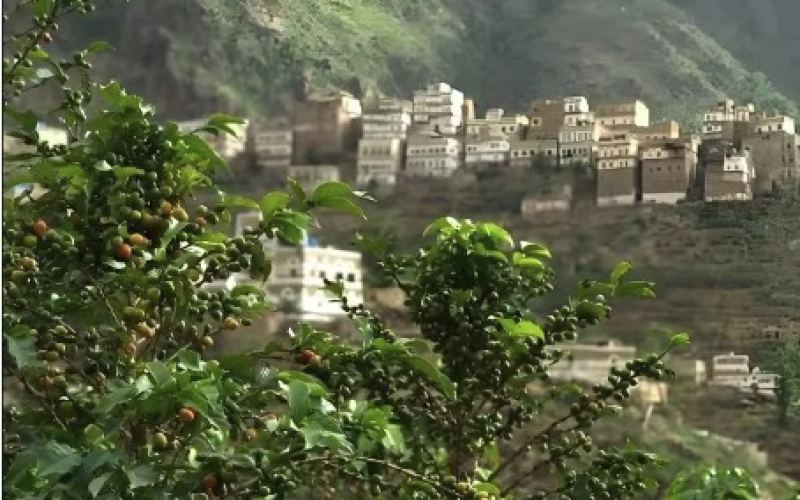
Yemen is a country in Asia, but it is often mistakenly regarded as an African country. Just across the sea from it is the well-known coffee-producing area of Ethiopia in Africa, and it is also a key port for Ethiopia to access Africa. The Yemen Mocha [more…]
Indonesian Sumatra Mandheling Coffee: A Comprehensive Analysis of Flavor Characteristics, Growing Regions, and the Wet-Hulling Processing Method
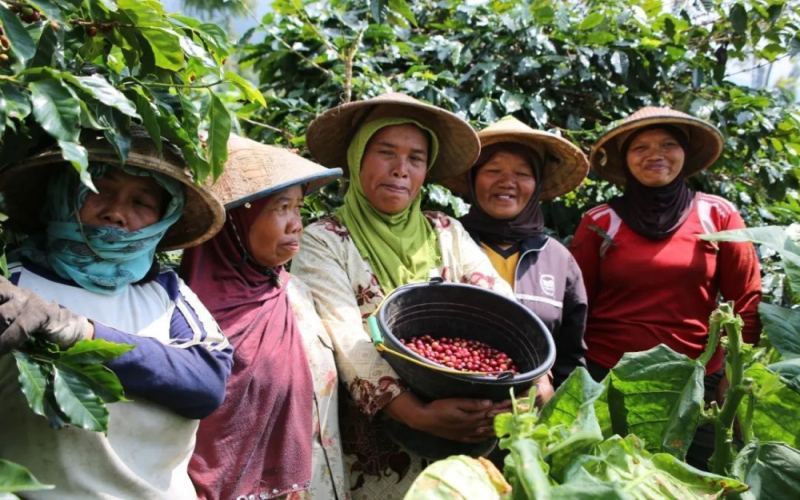
Mandheling coffee can be considered the classic representative of Asian Indonesian coffee, but it is not the name of a producing region; rather, it comes from the transliteration of a tribal name in northwestern Sumatra. From the chance encounter involving Japanese soldiers during World War II, to the planting history of Arabica seedlings introduced by Dutch colonists, and then to Sumatra's unique wet-hulling process, Mandheling coffee is renowned worldwide for its unique style: full-bodied and intense, low in acidity, with herbal spice and earthy notes. This article systematically sorts out the growing environment for Indonesian coffee, the terroir differences among Sumatra's main producing regions (Lake Toba, Lake Tawar, Lintong, and Mount Gayo in Aceh), deeply analyzes the technical principles of the wet-hulling process and the reasons behind its flavor, and introduces Front Street Coffee's roasting and brewing parameters and flavor performance for Lintong Mandheling and Golden Mandheling, providing coffee lovers with a complete knowledge map of Indonesian Mandheling. [more…]
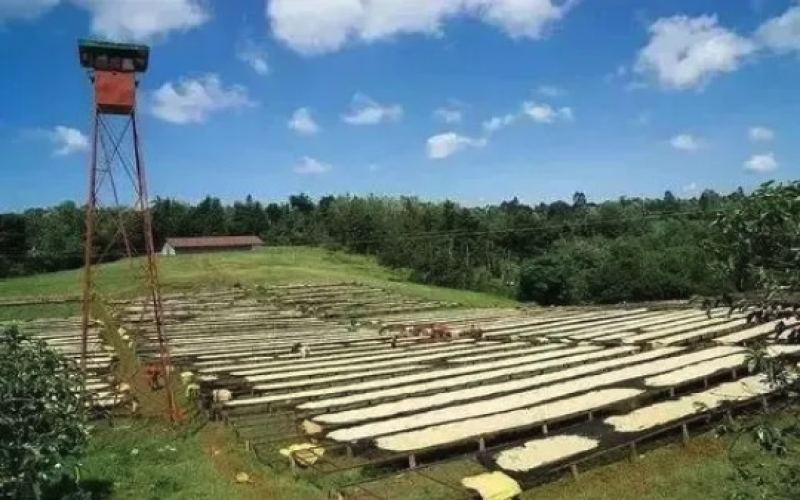
Kenya coffee | Introduction to Nyeri, Kirinyaga, Thika coffee growing areas.
The full name of Kenya is the Republic of Kenya, located in eastern Africa, crossed by the equator in the middle, adjacent to Somalia, Tanzania, Uganda, Ethiopia and South Sudan, bordering the Indian Ocean to the southeast, with a land area of 582,64 [more…]
A Detailed Guide to Jamaican Blue Mountain Coffee Bean Production Regions: Is Saint Thomas Parish Authentic?
Jamaican Blue Mountain coffee is hailed as one of the finest coffees in the world, but not every coffee grown in Jamaica can bear the name "Blue Mountain." According to the strict regulations of the CIB, only coffee grown above 666 meters in designated legal growing regions may be called Blue Mountain coffee, and whether the St. Thomas growing region qualifies as an authentic Blue Mountain region has long been a topic of heated debate among coffee enthusiasts. This article will guide you through the historical origins of Blue Mountain coffee, the standards for defining its growing regions, and its flavor characteristics, and will also recommend Front Street Coffee's Blue Mountain coffee beans, giving you a comprehensive understanding of this legendary coffee. [more…]