








What Does Yirgacheffe Coffee Actually Mean?
Yirgacheffe is a coffee-producing region in southern Ethiopia, not a variety or a processing method. Beans sold under that name are grown around the town of Yirgacheffe. The area was once part of the larger Sidamo zone, but the Ethiopian government separated it into its own region and registered a trademark because the cup profile is so recognizable.
The region's reputation rests on high-altitude cultivation, and washed processing helped spread its bright floral and citrus notes through the specialty coffee market. Altitude and terroir vary across the zone, so not every lot labeled Yirgacheffe delivers the same flavor, and classification standards matter when judging quality.
Although many coffee lovers have tried Yirgacheffe, they may not necessarily know exactly what this name represents—is it a coffee variety, or a processing method? In fact, Yirgacheffe is neither a variety nor a method, but a highly distinctive coffee-producing region in southern Ethiopia. The coffee produced here is famous for its bright floral and citrus notes, so much so that the Ethiopian government specially separated it into its own region and registered a trademark. This article will guide you through the producing area of Yirgacheffe, its high-altitude terroir, the historical opportunity of washed processing, and the classification standards showing that not all Yirgacheffe coffees possess the classic flavor. At the same time, Front Street Coffee will also recommend several beans where you can taste the authentic "Yirgacheffe flavor."
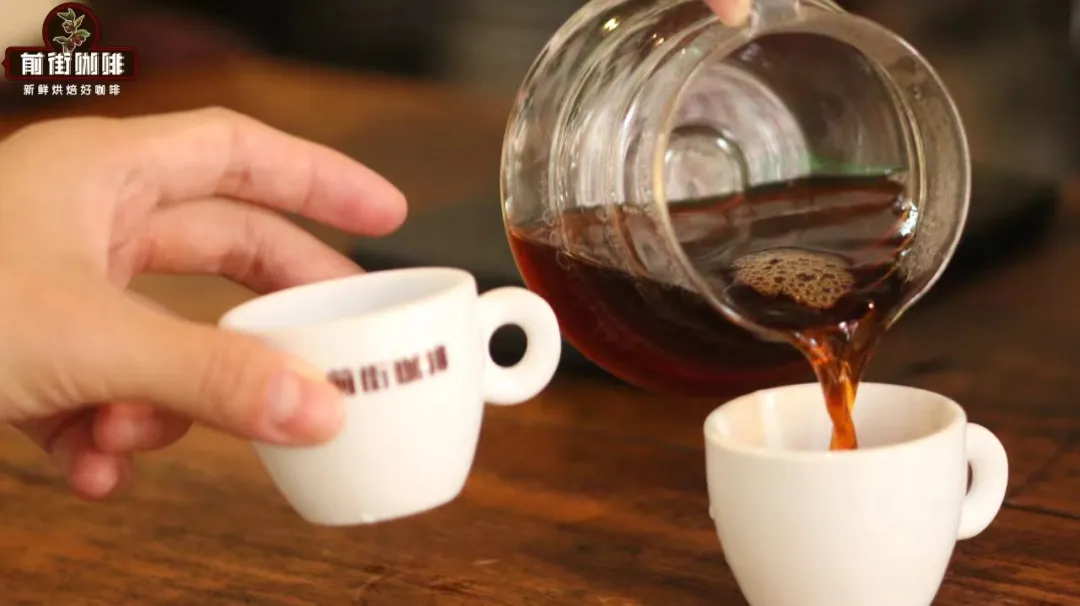
However, many friends have only heard of or tasted Yirgacheffe, but have never delved into its background, so they often find themselves confused: what exactly does the name Yirgacheffe refer to? Is it a certain type of coffee tree species? Or some special brewing method? This is also a question many customers frequently raise when selecting coffee beans at Front Street's store.
Actually, the answer is neither. The "Yirgacheffe" in Yirgacheffe coffee is the name of a coffee-producing region, and so-called Yirgacheffe coffee refers to coffee beans produced in that area. Because the coffee from this region has an extremely distinctive flavor profile and outstanding taste performance, it had already become famous far and wide even before the specialty coffee wave rose.
How famous? The Ethiopian government not only separated this producing area from the other region it originally belonged to and upgraded it to an independent region, but also specially registered a trademark for Yirgacheffe coffee, specifically to prevent others from maliciously borrowing the Yirgacheffe name to promote coffee beans. This shows just how great the charm of Yirgacheffe coffee is.

Today, Front Street will talk with everyone in detail about what makes the coffee from the Yirgacheffe region so exceptional, and why it can attract countless fans and make so many people its loyal followers.
Yirgacheffe · Yirgacheffe
Yirgacheffe was originally only a sub-region under the Sidamo producing area, but because the coffee flavor here is too unique, the Ethiopian government separated it and established it as an independent region. This producing area is located in southern Ethiopia, with its core centered on the town of Yirgacheffe, covering a total area of about 2,000 square kilometers, and governing four sub-regions: Wenago, Kochere, Gedeb, and Gelena Abaya.
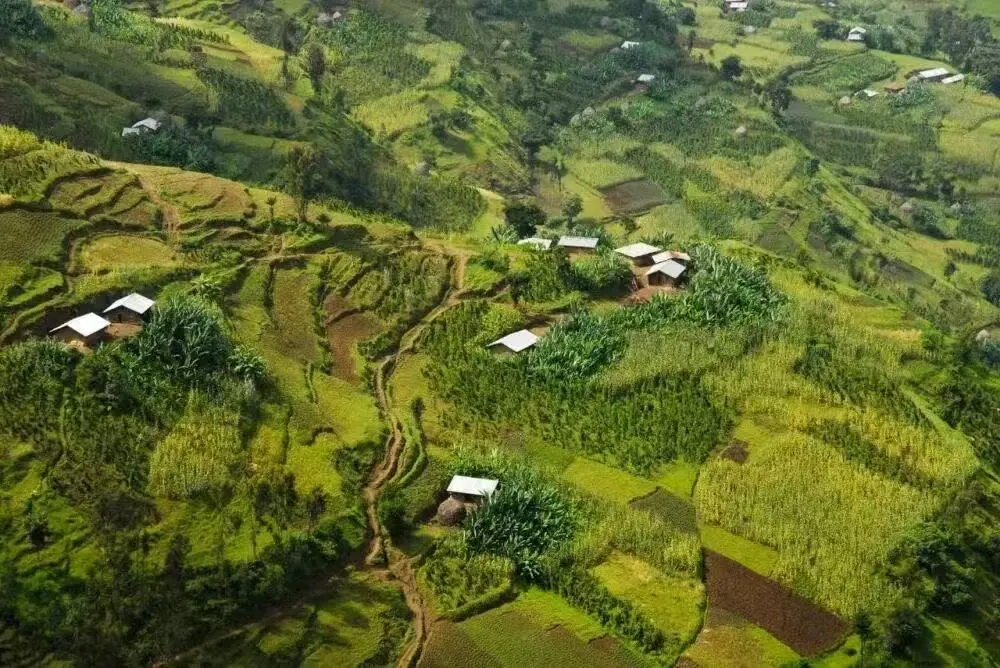
The average altitude of the Yirgacheffe producing area ranges between 1,700 and 2,100 meters, making it one of the highest-altitude regions in Ethiopia. The significant day-night temperature difference brought by high altitude can slow the ripening speed of coffee cherries, allowing the fruit to accumulate more flavor substances and thereby develop better coffee quality.
In addition, the Yirgacheffe producing area is located on the southern edge of the East African Rift Valley, with terrain dominated by highlands and mountains. The sharply undulating terrain contributes to the formation of various microclimate zones. Together with mineral-rich volcanic soil, the high altitude mentioned earlier by Front Street, and the local unique planting system, Yirgacheffe is truly a uniquely blessed treasure land for coffee cultivation, so coffee growing on this land can develop excellent and distinctive flavors.
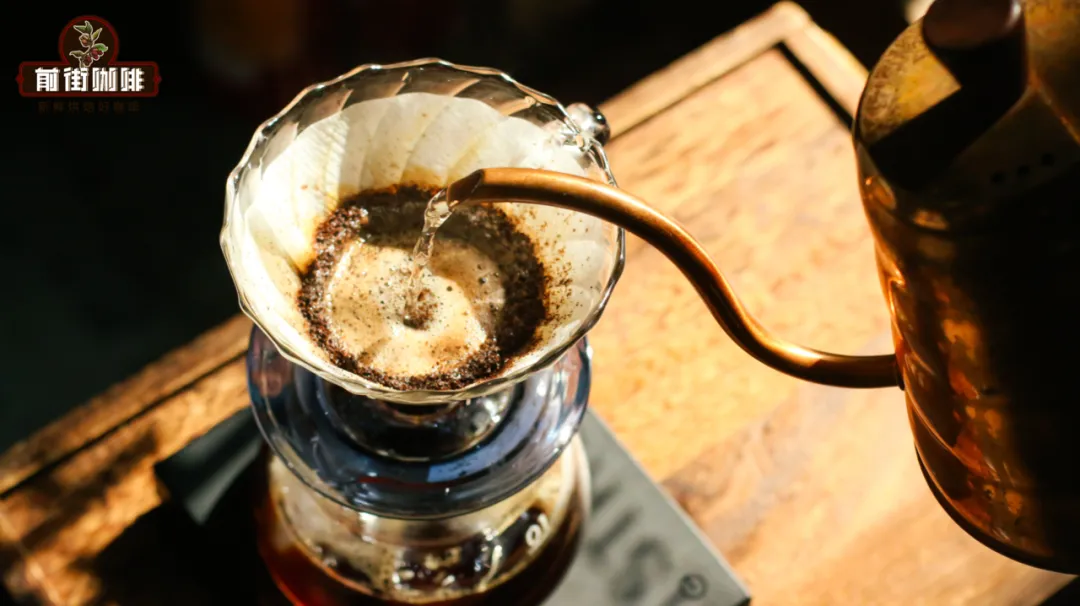
The key opportunity that made Yirgacheffe coffee stand out, as Front Street has mentioned in many previous articles, mainly originated in 1972. At that time, in order to further improve coffee quality, the Ethiopian government specially introduced washed processing technology from Jamaica.
Compared with the traditional natural method, the washed processing procedure is more complicated and refined. It not only reduces the risk of coffee beans deteriorating during processing, but also avoids excessive fermentation. Therefore, the coffee beans produced through washed processing at that time not only had an especially clean flavor performance, but their quality also far exceeded other coffees of the same period.
With the help of washed processing, Yirgacheffe coffee quickly opened an obvious gap with coffee from other regions, and people thus discovered the unique flavor of Yirgacheffe coffee: abundant and uplifting floral and citrus notes, along with a clean mouthfeel. This is the "Yirgacheffe flavor" that coffee connoisseurs pass on by word of mouth.
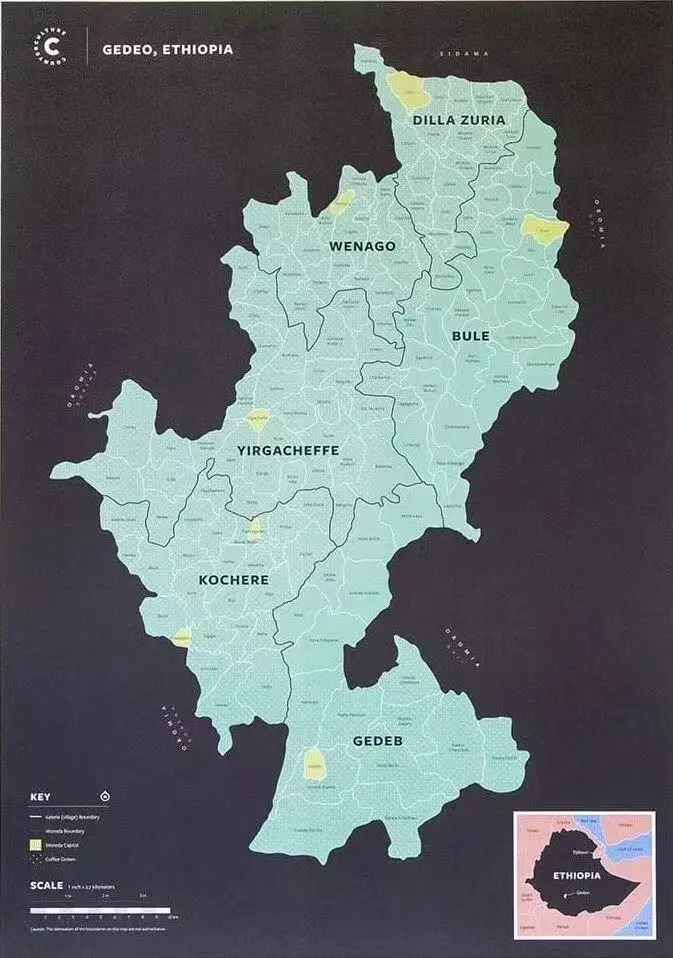
Afterward came the scenes Front Street mentioned at the beginning: Yirgacheffe was separated from the Sidamo producing area and became an independent region. By 2005, Ethiopia began successively submitting "Yirgacheffe®" trademark applications to trademark protection agencies around the world. The establishment of the trademark made "Yirgacheffe" no longer merely a place name, but also a representation of the coffee's place of origin and flavor characteristics.
But everyone needs to understand that not all coffee produced in Yirgacheffe carries the classic Yirgacheffe flavor mentioned above by Front Street. This is because when ECX (Ethiopian Commodity Exchange, abbreviated as ECX) divided producing areas, it included several producing areas around the town of Yirgacheffe into the Yirgacheffe producing area (that is, the ones Front Street mentioned earlier), and coffee produced in some of these areas does not possess the Yirgacheffe flavor. For this reason, ECX established two standards in its classification: one is "Yirgacheffe A," referring to coffee produced within the Yirgacheffe producing area and possessing the Yirgacheffe flavor; the other is "Yirgacheffe B," referring to coffee produced within this producing area but lacking the Yirgacheffe flavor. Only Yirgacheffe A can be sold under the Yirgacheffe® trademark.
It can thus be seen that not all coffee produced in Yirgacheffe carries the classic Yirgacheffe flavor. Then Front Street believes some friends will ask at this point: where exactly can you buy coffee beans with the Yirgacheffe flavor?
(The "inventing a friend" series)
Then of course,
Go to...
Go to Front Street Coffee's Taobao Tmall flagship store, and you can buy coffee beans with the classic Yirgacheffe flavor. If you hope to taste a relatively authentic Yirgacheffe flavor in Yirgacheffe coffee, then Front Street Yirgacheffe · Gutingding is quite a good choice.
Front Street Yirgacheffe · Gutingding comes from the Gutingding Cooperative established in 2012, uses the classic washed processing method, and has a medium-light roast level. From this bean, we can fully appreciate the "Yirgacheffe flavor" mentioned earlier by Front Street, namely elegant white floral notes, fresh and bright lemon, and a clean green tea aroma.
In addition, Front Street's bean list also includes a Red Cherry that likewise comes from Yirgacheffe, and it uses natural processing. Although it is natural, it also possesses an outstanding Yirgacheffe flavor; on this basis, however, we can also taste other expressions different from washed processing. Friends who are interested may wish to try them side by side, as this is a good way to appreciate the differences between natural processing and washed processing.
- END -
The above content is compiled by CoffeeHunters, a coffee news website.


