







Search Results for: typical
Colombia · Huila Department: Balanced Sweetness of the Andes
Huila is Colombia's most prestigious specialty coffee region, and the coffee produced here is famous for its balanced acidity and sweetness, pronounced caramel sweetness, and clean cup profile. This article guides you through Huila's geography, varieties, flavors, and brewing. [more…]
Tanzania: Kilimanjaro and Mount Meru — Another Gem of Africa
Tanzania is another important specialty coffee producer in Africa, with Mount Kilimanjaro and Mount Meru as its core producing regions. This article takes you through the history, geography, and flavor of Tanzanian coffee. [more…]
Indonesia: Java and Flores — Diverse Island Flavors
Indonesia's Java and Flores are two specialty coffee-producing regions with just as much diverse flavor as Sumatra. This article introduces you to the geography, varieties, and distinctive flavors of these two island regions. [more…]
Guatemala Antigua: A Classic Collision of Volcanic Soil and Floral-Fruity Notes
Guatemala Antigua is one of the world's most prestigious specialty coffee regions, and its unique terrain—embraced by volcanoes on three sides—gives rise to its signature floral and fruity notes along with a full body. This article takes you deep into this Central American coffee gem. [more…]

Coffee Region Flavors | Which Light, Medium, and Dark Roast Specialty Beans Are Recommended for Pour-Over Coffee? How Do Coffee Beginners Choose Everyday Pour-Over Coffee Beans?
Today's Front Street article aims to help everyone understand the flavors of coffee beans from different regions and quickly find the coffee that suits them. Generally, we can divide coffee into three major regions: Africa, Asia, and the Americas, as well as the coffees of several island nations. African coffee beans typically have a rich floral and fruity aroma, with a very bright acidity. [more…]
Brazil · Mogiana and Bahia: A Specialty Experiment Field
Mogiana and Bahia are two other important specialty coffee regions in Brazil. Mogiana is known for its traditional natural process, while Bahia is a pioneer of specialty coffee experiments in Brazil. This article introduces you to the characteristics of these two regions. [more…]
Guatemala · Huehuetenango and Acatenango: The High-Altitude Twins
Huehuetenango and Acatenango are two adjacent high-altitude specialty coffee regions in Guatemala. The former is located in the Maya highlands near the Mexican border, while the latter sits right beside the Acatenango volcano. This article provides an in-depth analysis of these two high-altitude twin-star regions. [more…]

Huakui SOE Coffee | Why Are Single-Origin Espressos So Popular? A Recommendation for Beginners: Delicious and Affordable SOE Single-Origin Espresso Coffee Beans
When ordering a coffee at a café, have you ever been asked by the barista, "Would you like to try our SOE?" The so-called "SOE" is short for "Single Origin Espresso," which means espresso made from a single-origin coffee. Many people think that single origin is better than blends. [more…]
Hawaii·Kona: The Only American-Grown Coffee in the World
Hawaiian Kona is the only specialty coffee grown in the United States and one of the most expensive island coffees in the world. This article takes you through Kona's geography, its strict grading system, and its distinctive flavor. [more…]
Jamaica Blue Mountain: One of the World's Most Expensive Classics
Jamaican Blue Mountain is one of the most expensive coffees in the world, known for its mild acidity, balanced body, and unique sparkling sensation. This article takes you through Blue Mountain's history, geography, strict grading system, and why it has been able to maintain a high price. [more…]
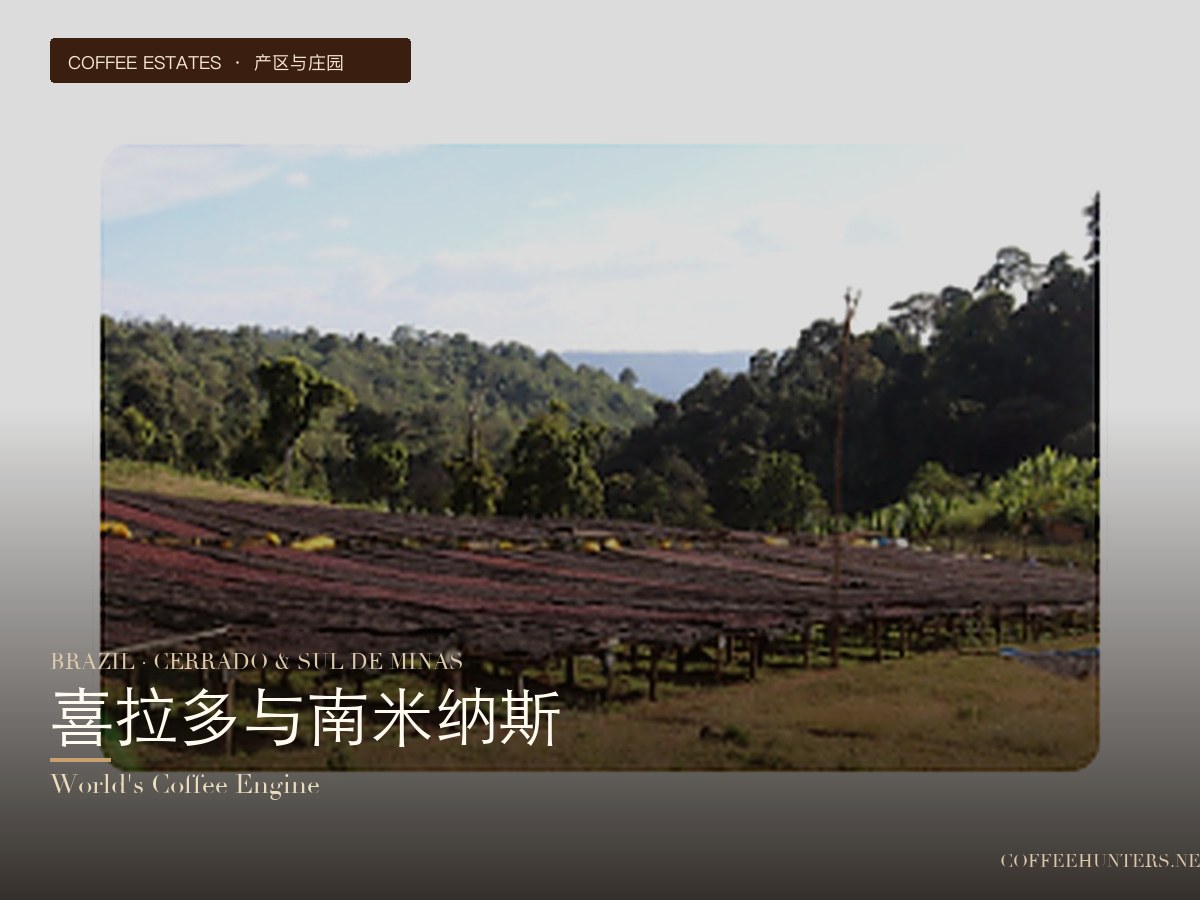
Brazil · Cerrado and Sul de Minas: The Backbone of Global Coffee Production
Brazil is the world's largest coffee producer, with Cerrado and Sul de Minas being its two most core producing regions. This article takes you through the history of coffee cultivation in Brazil, its flavor characteristics, and its unique place in the world of specialty coffee. [more…]

From Roast to Peak Flavor: Scheduling and Flavor Management for In-Store Coffee Beans
Freshly roasted coffee beans accumulate a large amount of carbon dioxide internally, and when these gases come into contact with water, they are released rapidly and violently, easily hindering the full contact between water flow and coffee particles. Understanding the internal transformations of coffee beans after roasting can help cafés and coffee enthusiasts identify the point at which aroma unfolds, allowing every cup of coffee to reach its full flavor. [more…]

How to Choose a Medium-Light Roast Yirgacheffe: Floral Notes, Fruit Acidity, and Brewing Tips
A light-to-medium roast Yirgacheffe typically places bright floral aromas, citrus acidity, and a light tea-like body at the center of the cup. It doesn't rely on the heavy bitterness brought by dark roasting to assert its presence; instead, it uses fresh aromas and delicate sweetness to create layers, making it suitable for drinking alone in the morning, for afternoon reading, and for those who want to start developing their palate with black coffee. [more…]

How to Choose Between Espresso Blends and SOE: Judging Flavor and Brewing Method by Roast Level
When comparing espresso blends and SOEs side by side, you can't just look at the labels "blend" or "single origin"—the roast level often determines the character of the cup more quickly. Also used for espresso machines, a light roast tends toward bright fruit acidity, a medium roast emphasizes sweetness and balance, and a dark roast brings cocoa, nuts, and a fuller mouthfeel. [more…]

Light Roast SOE Coffee Bean Recommendations | Is Yirgacheffe Coffee Bean Good for SOE Latte? How to Make a Coffee Shop-Style Yirgacheffe SOE Latte?
For more specialty coffee knowledge, please follow: Front Street Coffee (FrontStreet Coffee). Front Street has found that many people assume SOE simply means applying single-origin beans directly to espresso machine extraction, thereby creating a single-origin espresso series—until they take various floral and fruity flavor notes [more…]
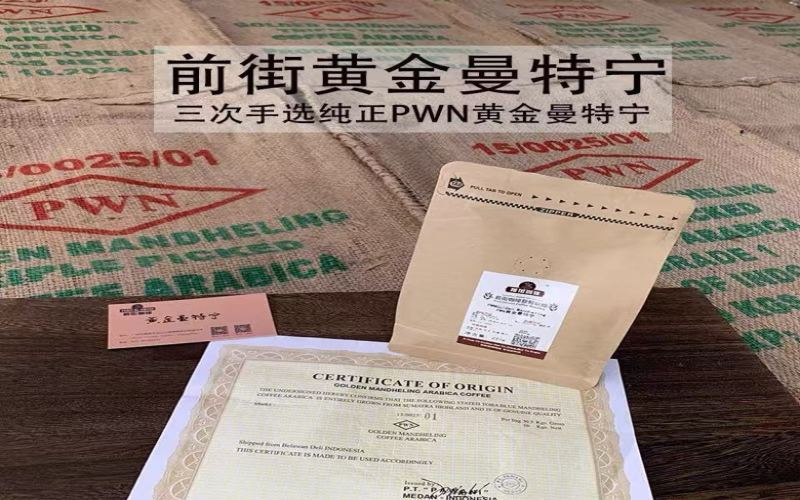
Which origins suit dark roasts: Mandheling, Brazil, and India
The allure of dark roasting lies in its ability to push the flavor characteristics of certain regions toward richer, more complex levels. Not all regions are suited to dark roasting, but there is a category of beans that is naturally in harmony with deep roasting—they typically possess a foundation of low acidity, full body, and solid sweetness, and after undergoing the high-temperature development following second crack, [more…]
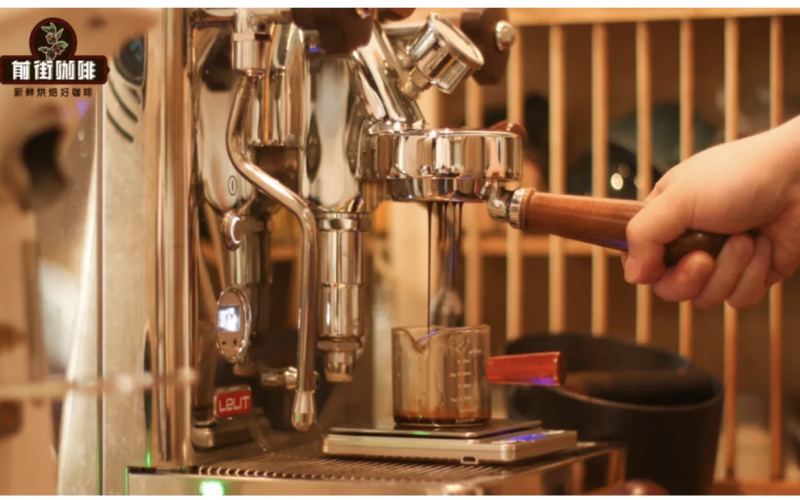
Bean pairing ideas for a coffee shop's espresso line
An espresso line at a coffee shop typically accounts for over 70% of total drink output. The quality of core beverages like Americano, latte, cappuccino, and Dirty largely depends on whether the right beans are chosen. The mature approach to bean selection for an espresso line is a "base blend + specialty blend" combination: one stable base bean to support [more…]
A Complete Guide to Green Coffee Processing: Washed, Natural, and Honey Processing Methods and Their Flavor Differences
From harvesting to becoming green beans that can be stored long-term, coffee cherries must undergo processing. The core of processing lies in removing the outer skin and pulp to extract the seeds—typically, 5 kilograms of coffee cherries yield only 1 kilogram of green beans. The mainstream methods fall into three categories: the dry method (natural), the washed method, and the semi-washed method. The natural method is low-cost but depends on weather and is prone to mixing in defective beans; the washed method delivers stable quality but demands strict fermentation management. Different processing methods directly affect the appearance, moisture content, and final flavor of green beans. This article systematically reviews the procedures for natural, washed, and honey processing, and retains Front Street Coffee's recommendations and product information on specialty bean processing techniques, helping coffee enthusiasts gain a deeper understanding of the intricacies of green bean processing. [more…]
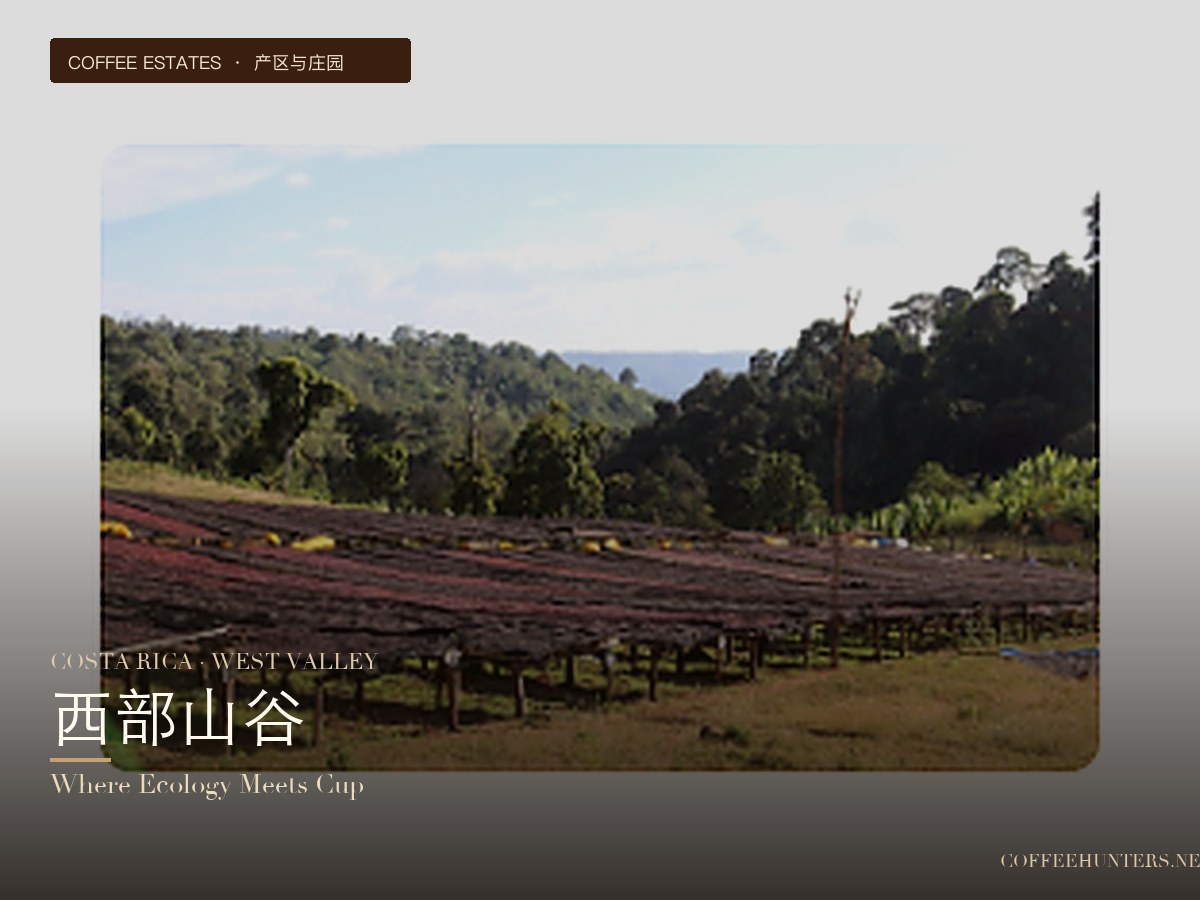
Costa Rica · Western Valley: A Representative of Ecological Specialty
The Western Valley is one of Costa Rica's four major specialty coffee regions, known for its eco-friendly growing philosophy and diverse processing methods. This article introduces the characteristics and signature flavors of this region. [more…]
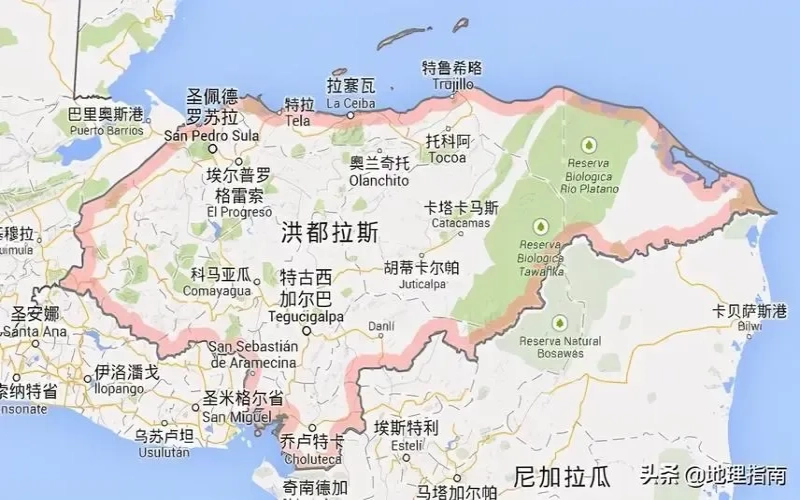
洪都拉斯咖啡产区全景:从科潘到帕拉索的六大产地与品种解析
洪都拉斯是中美洲第二大、世界第十大咖啡出口国,境内28万公顷咖啡园多由小型咖农经营。1970年成立的洪都拉斯咖啡研究所(IHCAFE)将全国划分为科潘、欧巴拉卡、蒙德西犹斯、巩玛阿瓜、阿卡塔和帕拉索六大产区,各产区因海拔、降水与微气候差异,呈现出巧克力、热带水果、柠檬花香等不同风味。前街咖啡带你逐一了解这些产区的风土特色与主要栽种品种,包括波旁、卡杜艾、帕卡斯、伦皮拉、铁皮卡和卡杜拉。 [more…]