







Search Results for: two-stage

Espresso Blend Opening and Storage Timeline: From Degassing to Flavor Release
After coffee beans are roasted, a large amount of carbon dioxide gas accumulates inside the beans, and this gas is slowly released over time. When extracting espresso, overly active gas can hinder uniform contact between the water flow and the coffee grounds, which can easily lead to channeling during extraction or excessively coarse foam. Understanding [more…]

Grasp the peak flavor window and degassing state to make latte beans' aroma last longer
The aromatic depth and smooth texture presented by a cup of latte are closely related to the current freshness and gas state of the coffee beans. After being heated during roasting, coffee beans continuously release carbon dioxide, and the flavor compounds inside are also constantly undergoing oxidation and transformation. Freshly roasted coffee beans, due to the high concentration of carbon dioxide within them, produce during extraction [more…]

The Flavor Curve in Espresso: The Drinking Rhythm from the Degassing Period to Opening and Storage
Roasted coffee beans accumulate a large amount of carbon dioxide inside, and these gases are slowly released outward over time. For home espresso extraction, the gas state inside the bean directly affects how smoothly water flows through the coffee bed. Freshly roasted beans are often full of internal pressure, and during pressurized extraction they tend to produce a rough and [more…]
The Flavor Alchemy of Processing Methods: A Craft Revolution from Washed to Anaerobic
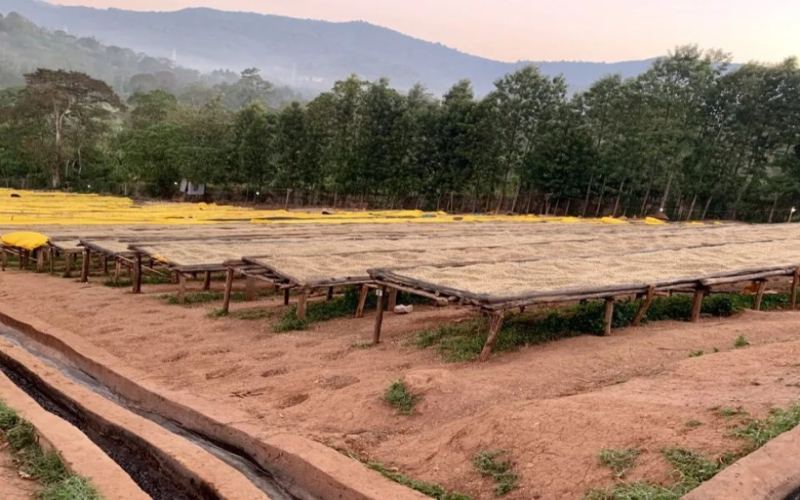
From the same estate, the same variety, and the same harvested batch of coffee cherries, the flavor in the cup can be as different as two distinct beans—simply because of a different processing method. This is the magic of coffee processing. In the microscopic world, it uses microorganisms and time to perform the alchemy of flavor. The washed method is the oldest mainstream technique, and its logic is "to do [more…]
The Flavor Window of Rich Crema: Roasting Degassing Patterns and Daily Storage Rhythm
Freshly roasted coffee beans internally contain a large amount of carbon dioxide. These gases are both an important source of the rich crema layer produced during extraction and, in the early stage, also hinder the even contact between water and flavor compounds. Just-roasted coffee beans need to go through a period of natural degassing, so that the aromatic oils and soluble components inside can gradually [more…]
From Degassing Cycle to Opening and Storage: The Flavor Rhythm and Bean Selection Recommendations for Making a Delicious Latte
Freshly roasted coffee beans are filled with carbon dioxide internally. When making a latte, the state of gas release directly affects extraction efficiency and the degree of integration with the milk. Understanding the degassing process of coffee beans at different stages helps us taste a balanced and full-bodied coffee flavor during the phase when aromatic compounds are most active. The initial period after roasting is [more…]
Flavor Fluctuations Within the Peak Flavor Window: Degassing Cycles and Opening/Drinking Methods for Blend Beans and SOE
After coffee beans come out of the roaster, they continue to release carbon dioxide internally, and this degassing process directly determines whether the aromatic compounds can be extracted smoothly during brewing. Because blended beans and SOE differ in bean composition and roasting direction, their pace of reaching the optimal drinking state and the period for maintaining aroma each have their own characteristics. Single origin [more…]
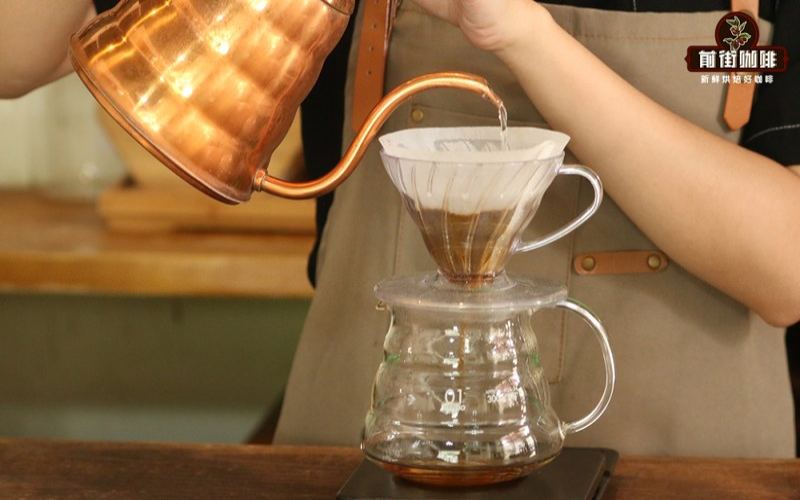
Roast date and the optimal tasting window: helping floral and fruity coffee beans lock in fresh aromas
Freshly roasted floral and fruity coffee beans accumulate a large amount of carbon dioxide gas inside. When this gas meets water, it expands rapidly and can easily prevent hot water from coming into even contact with the coffee grounds. Let the beans rest for a few days in packaging with a one-way degassing valve, allowing the internal pressure to gradually stabilize. The delicate floral and [more…]
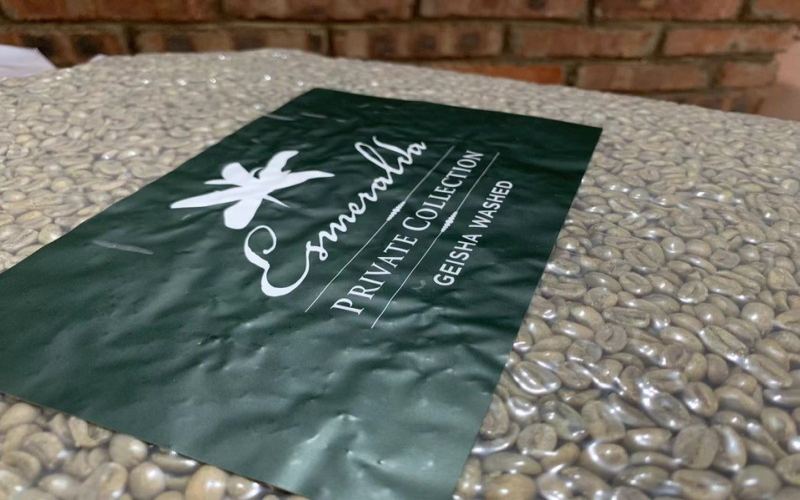
From the degassing period to peak flavor, master the flavor rhythm and storage techniques of blended coffee beans
After roasting is complete, coffee beans accumulate a large amount of carbon dioxide gas inside. When freshly roasted, this gas is highly active, and during brewing it tends to produce vigorous bubbles that hinder the water from fully contacting the coffee grounds. Understanding the roast date and the degassing process is the starting point for appreciating the rich layers of a blended coffee. Blended beans of different roast levels have different degassing rhythms. [more…]
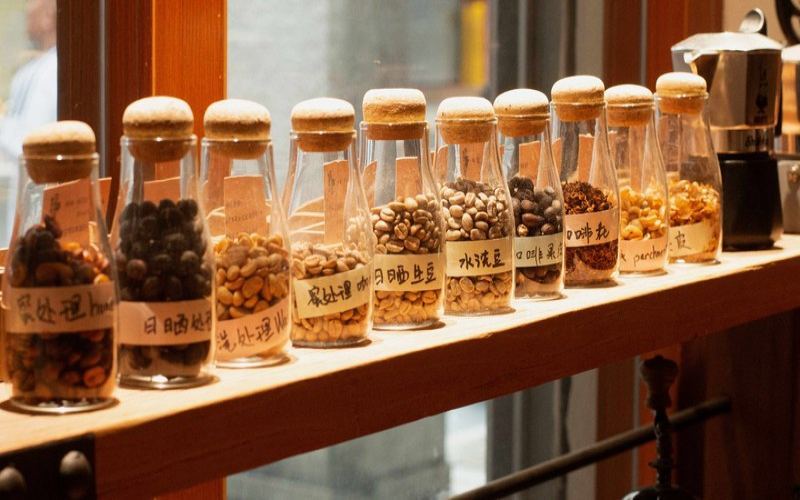
Understanding the Degassing Cycle of Espresso Beans: Daily Drinking Rhythm and Flavor Preservation Methods for Home Machines
Roasted coffee beans contain abundant carbon dioxide internally, and these gases can participate in forming a golden, delicate crema during extraction. However, during the stage of extremely vigorous degassing, excessive bubbles tend to hinder uniform contact between water flow and coffee particles, making the flavor in the cup appear unsettled. Understanding how coffee beans evolve in condition across different time periods, [more…]
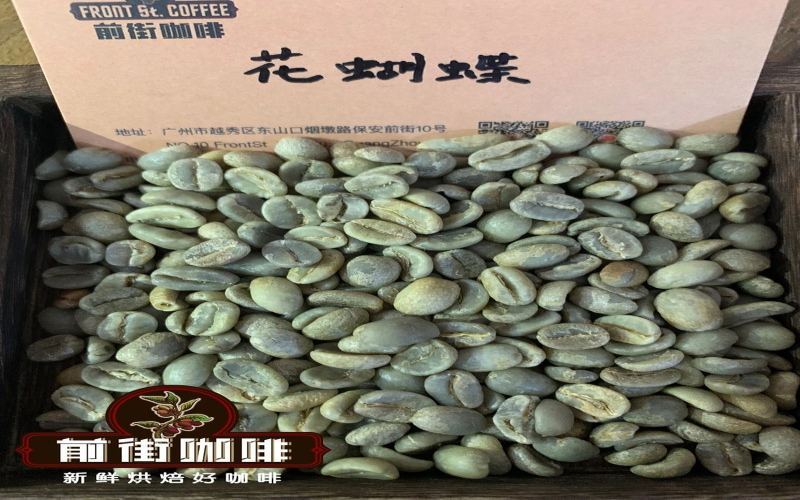
Grasping the Degassing Period and Aroma Peak: Flavor Rotation of Three Specialty Espresso Coffee Beans
Freshly roasted coffee beans are not immediately ready for brewing; they hold a large amount of carbon dioxide gas trapped inside from the high heat. This gas is slowly released over time, and during this process the aromatic compounds inside the beans gradually become active and move toward balance. Understanding how coffee beans evolve from degassing to aroma development helps me [more…]
Flavor evolution during the roasting cycle: mastering degassing, rest, and the peak-flavor rhythm of espresso beans
Freshly roasted espresso beans contain a large amount of carbon dioxide gas trapped inside. This gas is slowly released over time, and in the early stage it produces a relatively vigorous degassing reaction. If the beans are ground and extracted immediately after roasting, the bubbles tend to hinder full contact between the water flow and the coffee particles, resulting in an unstable extraction flow. [more…]

Single-Origin Coffee Opening and Resting Patterns: Capturing the Optimal Drinking Window When Bean Aromas Bloom
Freshly roasted single-origin coffee beans are filled with a large amount of carbon dioxide inside. If they are ground and brewed immediately, the intense degassing reaction will form many bubbles in the coffee bed, preventing the hot water from fully contacting the coffee grounds. Giving the beans a period of steady resting time allows the gas to escape slowly, so that the internal aromatic compounds can be released during extraction. [more…]
The Flavor Window and Brewing Rhythm of Medium-Roast Coffee Beans: From Degassing to Opening and Storage
Freshly roasted coffee beans are rich in carbon dioxide internally. Under the heat of a medium roast, a loose, porous structure forms, and these gases are gradually released over the following days. If you grind and brew the beans immediately after getting them, the vigorous bubbling of gas will hinder full contact between the water and the coffee grounds, leading to uneven extraction. [more…]

From Roast Calendar to Aroma in the Cup: The Flavor Window and Storage Rules for Single-Origin Pour-Over Beans
After coffee beans are roasted, they need to go through a process of gas release and stabilization of their internal aromatic compounds. Freshly roasted beans have a high concentration of carbon dioxide trapped inside, which can cause violent bubbling during brewing, preventing the water from making full contact with the coffee grounds. Through several days of natural degassing, the coffee beans' flavor compounds [more…]
Espresso Flavor Window Analysis: Managing the Flavor Rhythm from Degassing Rest to Opening and Sealing
Freshly roasted coffee beans are filled with active carbon dioxide gas internally. During extraction, this gas creates resistance that prevents hot water from fully contacting the coffee grounds. For espresso extraction, excessive gas makes the crema appear coarse and dissipate quickly, while the flavor tends toward dryness. Allowing the roasted beans to [more…]
Understanding the flavor window and degassing patterns to make every cup from your home espresso machine full of aroma
Freshly roasted coffee beans are rich in carbon dioxide, and these gases are slowly released over time. Beans just out of the roaster are often in a phase of vigorous degassing, with a relatively high level of internal gas. If they are placed directly into a coffee machine for extraction at this point, the intense bubbling reaction can easily prevent the hot water from making full contact with the coffee grounds. As [more…]
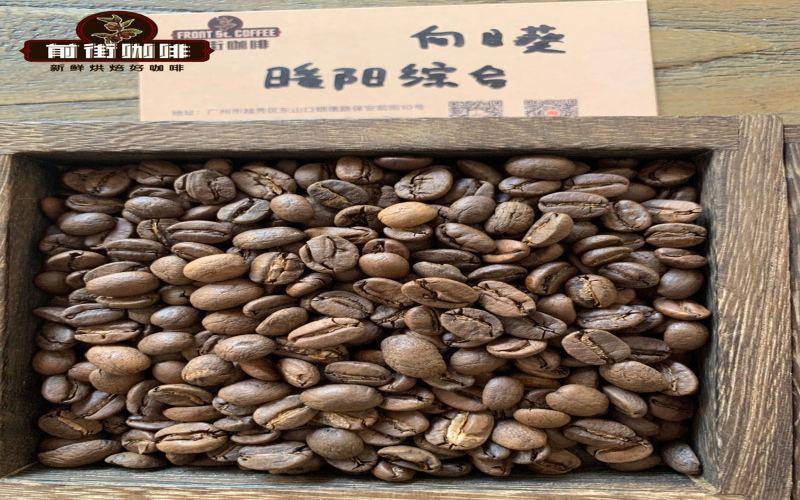
The Flavor Window and Storage Guide for Dark Roast Pour-Over Beans: From Degassing to Peak Flavor
Darker-roasted coffee beans undergo full caramelization and Maillard reactions in the roaster; the fibrous structure inside the bean expands, creating larger pores, and the degree of gas saturation and the rate of release are noticeably faster than in light roasts. Understanding the degassing patterns and flavor evolution of dark-roasted beans helps you accurately gauge the bean's condition during everyday pour-over brewing, allowing [more…]
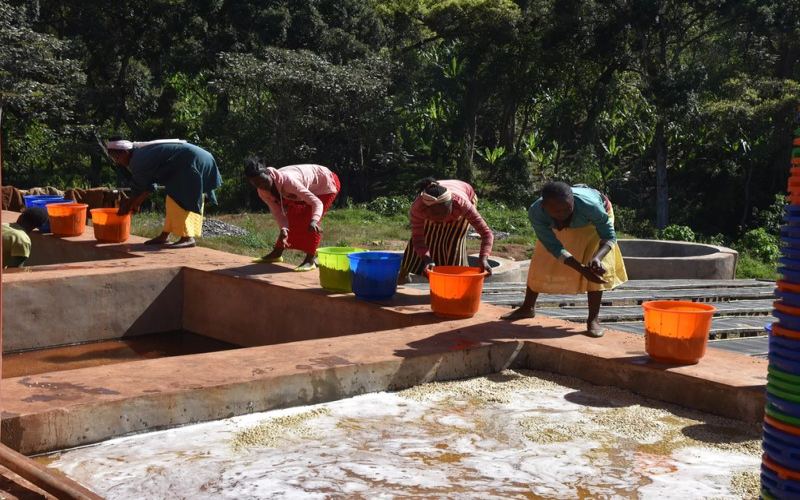
The Flavor Window of Hand-Ground Coffee: The Rhythm from Degassing Rest to Opening and Sealing
Freshly roasted coffee beans trap a large amount of carbon dioxide inside. When these gases are released rapidly upon grinding and contact with hot water, they form violently expanding bubbles. If you grind and brew immediately after roasting, the intense degassing process will prevent hot water from fully contacting the coffee grounds, preventing flavor molecules from dissolving smoothly. The princi [more…]

The secret to a rich, golden foam on top of espresso lies in the rhythm of the degassing cycle and daily sealed brewing.
The dense, golden layer of crema on the surface of an espresso is essentially a foam formed when carbon dioxide inside the coffee beans, carrying aromatic oils, is emulsified under high-pressure water. Freshly roasted coffee beans trap a large amount of gas inside, and this gas is slowly released over time, determining the thickness and condition of the crema during extraction. Understanding [more…]