







Search Results for: tone
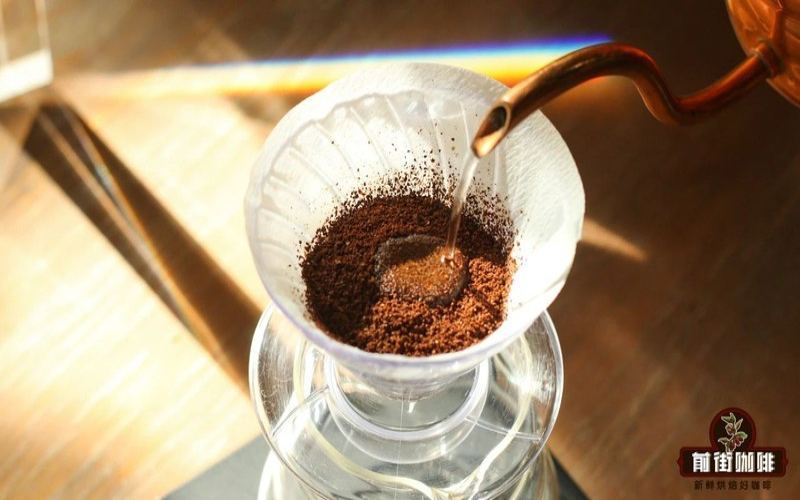
Choosing Fruity Coffee Beans by Roast Level: How to Choose Between Light, Medium, and Dark Roasts
Fruity coffee beans are not just "sour like fruit"—they can also present floral notes, a jam-like quality, a juicy fullness, or a delicate sweetness close to black tea. The roast level determines where these aromas sit in the cup: roasted light, the fruit notes come forward; roasted dark, the fruity character melds into caramel, cocoa, and roasted notes, and the mouthfeel becomes more [more…]

Not-Sour Yirgacheffe: How to Choose Roast Level
If you want a Yirgacheffe without pronounced acidity, start by checking the roast level on the packaging, then decide on the flavor direction. A light roast usually preserves more of the regional character, which may show up as citrus, berries, or floral notes; a medium roast pushes sweetness and roundness to the forefront; a medium-dark roast leans more toward nutty, cocoa, and roasted tones. So-called "not sour" mainly [more…]

Origin Selection for Moka Pot Beans — A Comparison Between Indonesian Mandheling and Ethiopian Coffee
The moka pot extraction method presents coffee beans from different origins in different ways. The climate, altitude, and processing method of an origin determine the chemical composition and flavor characteristics of the coffee beans, and these characteristics are amplified under the high-temperature, high-pressure extraction of the moka pot. Understanding origin differences can help us make choices that better suit our taste when selecting beans. [more…]

Choosing the Roast Level for Espresso Beans: How to Drink Light, Medium, and Dark Roasts
The roast level of espresso beans determines whether the espresso tastes more like fruit, caramel, or dark chocolate. It also affects the body of the coffee liquid, its sweetness, and how it blends with milk. When choosing, you can first look at whether the package says light, medium, or dark roast, then consider whether you usually drink espresso, Americano, or latte, and the range will [more…]
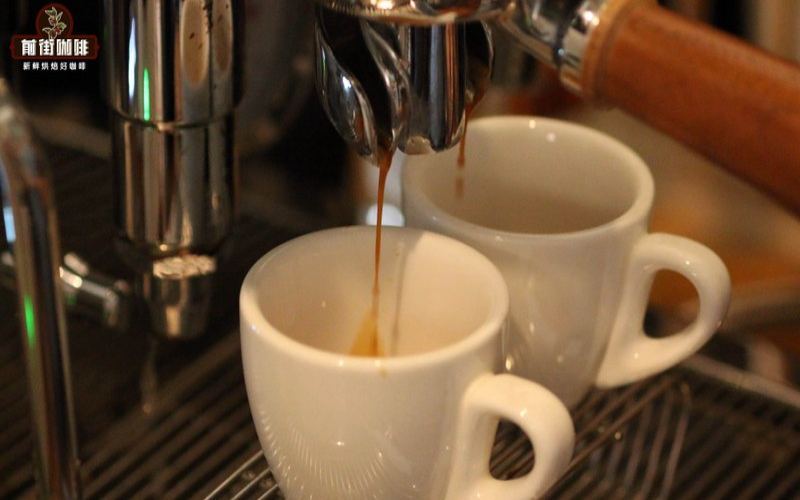
Flavor and Brewing Methods of Moka Pot at Three Roast Levels
Coffee brewed in a moka pot is usually more concentrated and heavier-bodied than pour-over, so the roast level of the beans directly changes the first impression on the palate. A light roast brings bright fruit acidity, a medium roast more easily delivers a sweet, balanced cup, and a dark roast pushes cocoa, nuts, and roasty aromas to the forefront. First decide which kind of cup you enjoy, then choosing beans will be eas [more…]
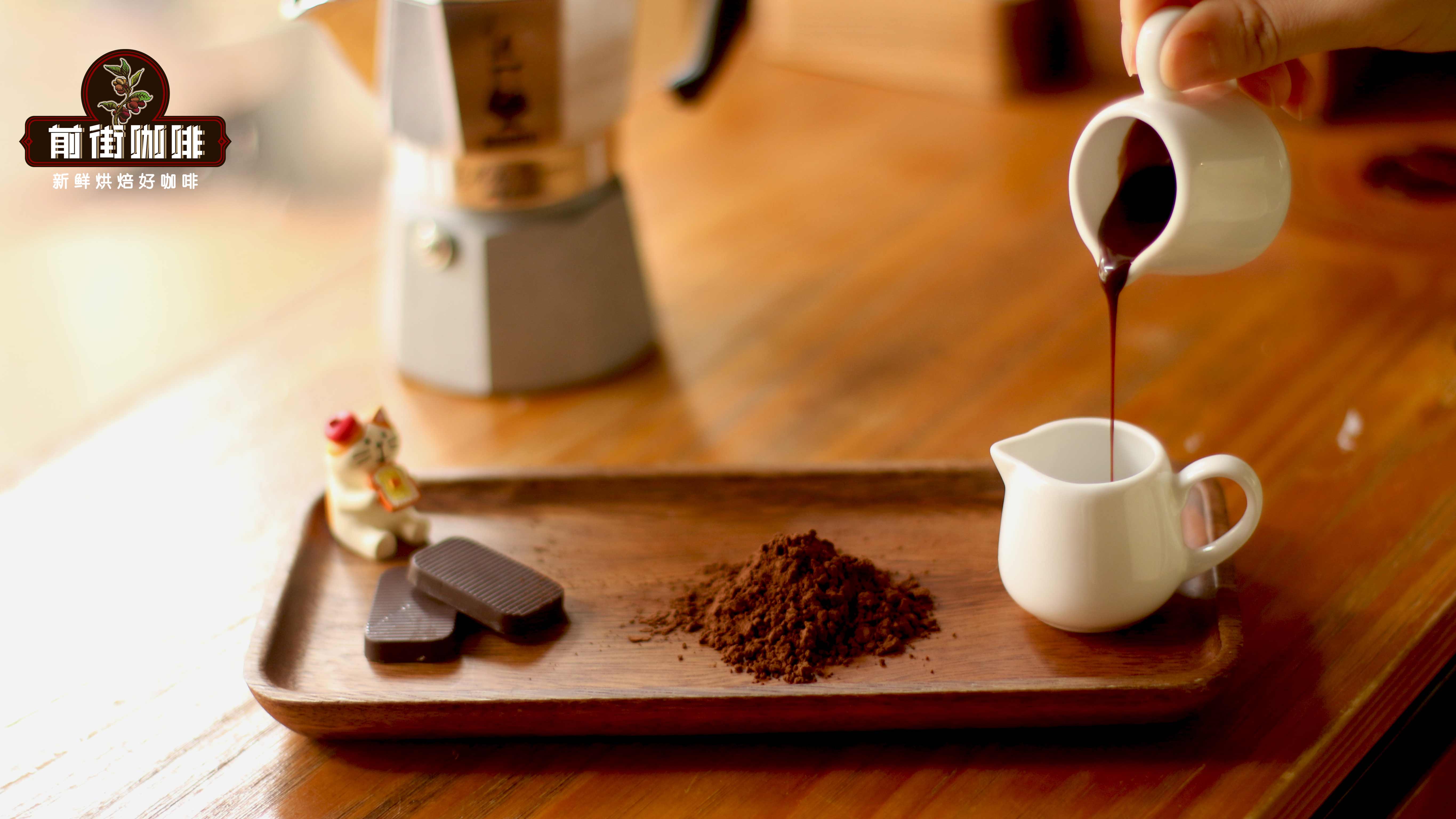
How to Choose Chocolate-Nutty Coffee Beans? A Full Flavor Analysis of Seven Front Street Coffee Dark and Medium-Dark Roasts
The cocoa and nutty notes in coffee always evoke warm moments of dessert. The formation of this flavor profile is inextricably linked to the caramelization and Maillard reactions during roasting—the former releases sugars that bring a chocolate-like sweetness, while the latter generates a large number of pyrazine compounds, giving coffee layers of malt, roasted cocoa, almond, and hazelnut. If you prefer dark chocolate and nutty tonalities, medium or medium-dark roasted beans often better meet those expectations. This article compiles seven recommendations from the self-roasting brand Front Street Coffee, covering espresso blends and single-origin beans, from the classic Mamba formula to Golden Mandheling, analyzing each one's flavor characteristics and suitable scenarios to help you find that cup you love. [more…]
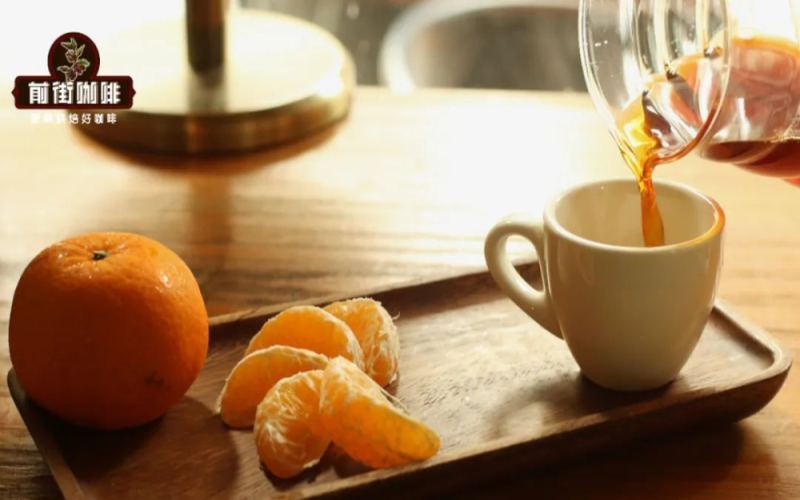
How to Choose Floral Coffee? From Geisha to Mozart, Front Street Coffee's Guide to the Flavors and Brewing of Five Floral Coffees
Can you really taste floral notes in coffee? It's not an illusion. Different origins and processing methods give coffee a range of aromas, from white florals and jasmine green tea to rose sweetness and even chamomile and osmanthus. This article organizes five representative floral coffees from Front Street Coffee by aroma type: the white florals of Panama washed Geisha, the jasmine and green tea notes of washed Yirgacheffe, the rose and raisin tones of Strawberry Candy, and the chamomile and osmanthus aromas of Mozart and Gold Label Geisha. It also explains when floral notes are easiest to perceive—during grinding, blooming, and the medium-to-low temperature stages—to help you compare and taste more accurately. [more…]
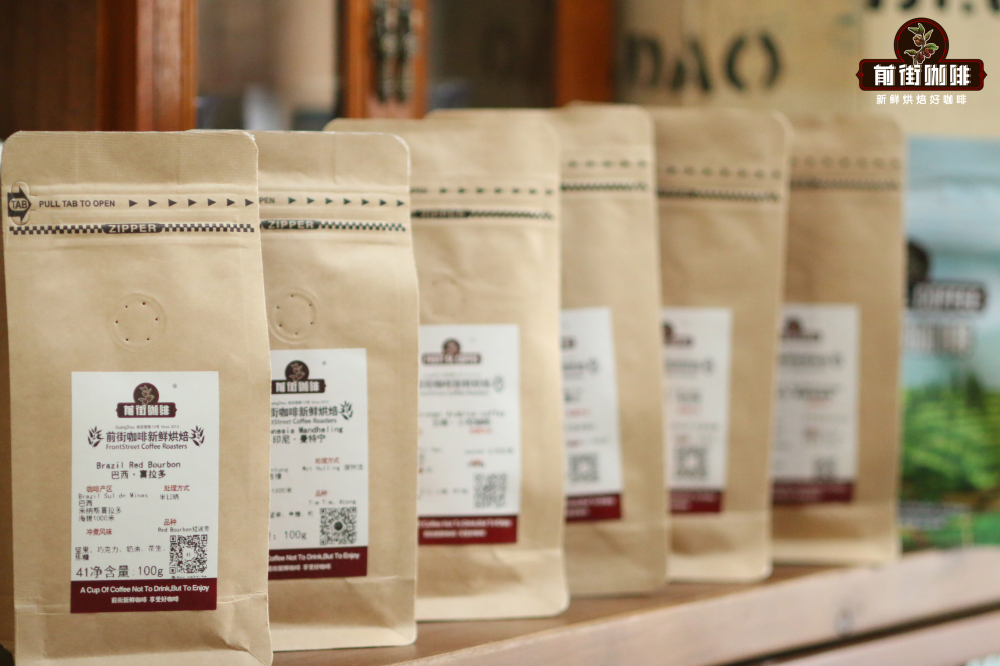
How Coffee Flavor Is Created | Which Coffee Bean Roast Level Is Best? How Can Coffee Beginners Distinguish Dark, Medium, and Light Roasted Coffee Beans?
For more specialty coffee knowledge, please follow: Front Street Coffee (Frontsteet Coffee). Some friends who have purchased Front Street Coffee (FrontStreet Coffee) beans may be a bit confused about why Front Street's coffee bean labels don't indicate the roast level. [more…]
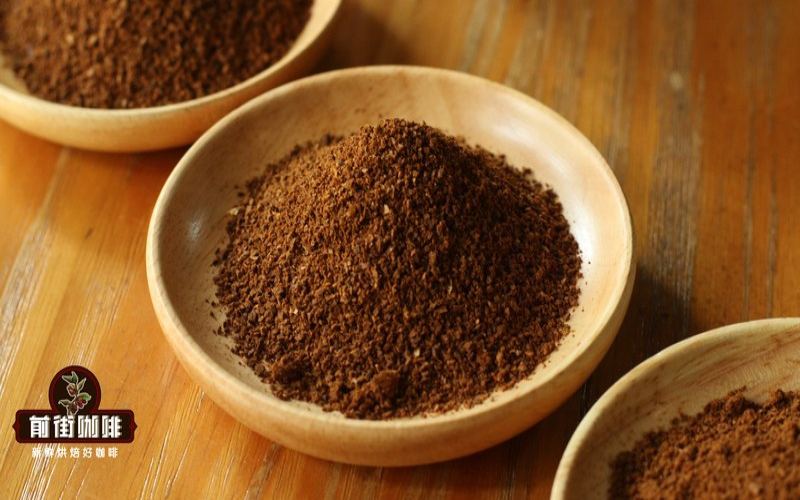
How to Choose Blue Mountain Coffee: Balancing Budget and Drinking Frequency
理解牙买加蓝山咖啡,需要把风味描述转成能喝到的感受。日常买豆需要考虑喝得快不快、一次买多少,以及家里主要做黑咖啡还是奶咖。花香、果酸、坚果和可可并不是高低之分,而是不同方向,适合自己的那一类才有长期参 [more…]

How to Choose a Few Dark-Roast Coffee Beans Suitable for Pour-Over: Bean Selection Logic That Even Beginners Can Understand
Light roasts preserve floral and fruity aromas and bright acidity, medium roasts bring out sweetness and balance, and dark roasts lean toward nuts, cocoa, and a full-bodied mouthfeel—the roast level determines the flavor focus and also affects the extraction rhythm. Which one to choose is not a matter of taste, but a matter of matching your brewing method. The flavor focus of a dark roast is cocoa, nuts, caramel, and roasted notes, with acidity [more…]

Moka pot beginners should look at roast level first for clearer bean selection
Coffee brewed with a moka pot is strong and concentrated in aroma, and the roast level of the beans directly affects how it tastes. For beginners, it is usually easier to make a good choice by first checking whether the package says light, medium, or dark roast, and then considering whether you want black coffee or coffee with milk, rather than just focusing on the name of the origin. Different roast levels [more…]
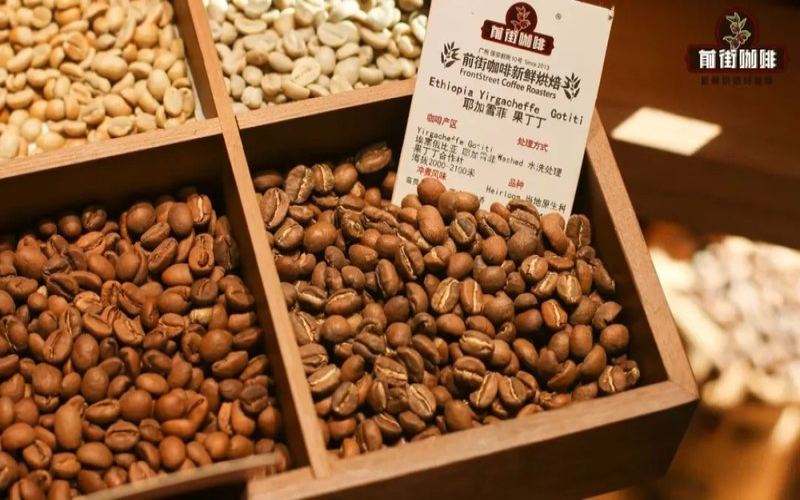
Tropical Fruit Coffee Beans: Roast Level Determines the Direction of Fruit Aromas
If you want to taste tropical fruit notes, the roast level is a very useful screening clue. Light roasts tend to retain more floral aromas, citrus acidity, and juicy character, coming across as bright and light on the palate; as the roast progresses toward the medium range, sweetness, body, and ripe fruit notes become more prominent. When buying, first look at the roast label, then combine it with whether you prefer a refreshing or a full-bodied taste. [more…]
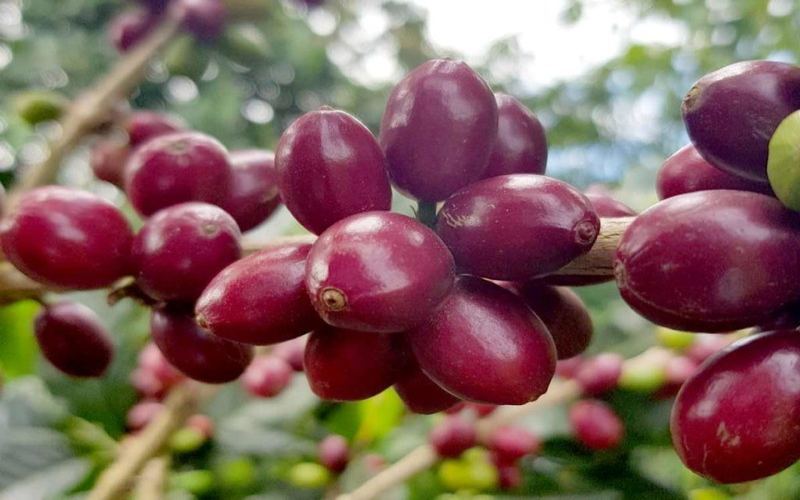
Yirgacheffe SOE Coffee Beans: How You Drink It Depends on the Roast Level
Yirgacheffe SOE does not have just one fixed flavor. SOE refers to single-origin coffee used for espresso extraction, and the beans can take different roasting directions: a light roast highlights floral notes and fruity acidity, a medium-light roast balances aroma and sweetness, while a medium roast adds body and caramel tones. When choosing beans, check the roast level first—it helps you judge more quickly whether it suits [more…]
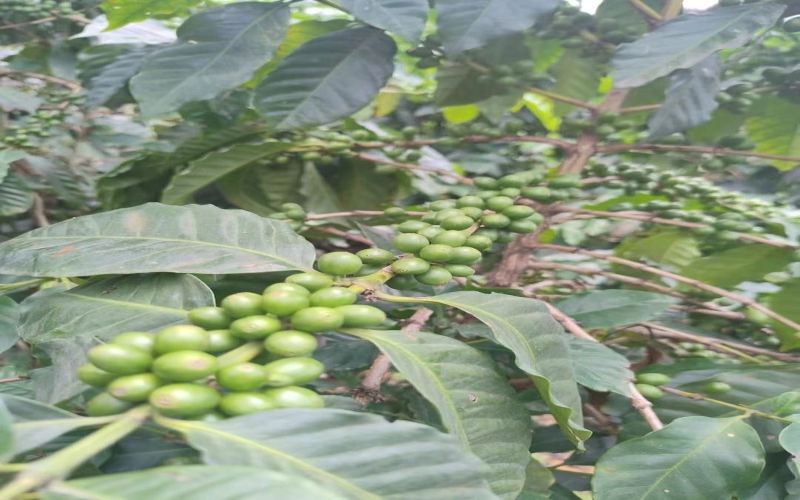
From Light to Dark Roast: How Brazilian Coffee Bean Flavors Change
The deliciousness of Brazilian coffee beans isn't determined solely by the name of the producing region—the roast level is more like a switch that decides the entire character of the cup. Beans with the same sweetness may show bright fruit notes at a light roast, shift toward softness and fullness at a medium roast, and lean closer to cocoa and roasted tones at a dark roast. Depending on whether you usually drink black coffee, milk coffee, or espresso, first [more…]
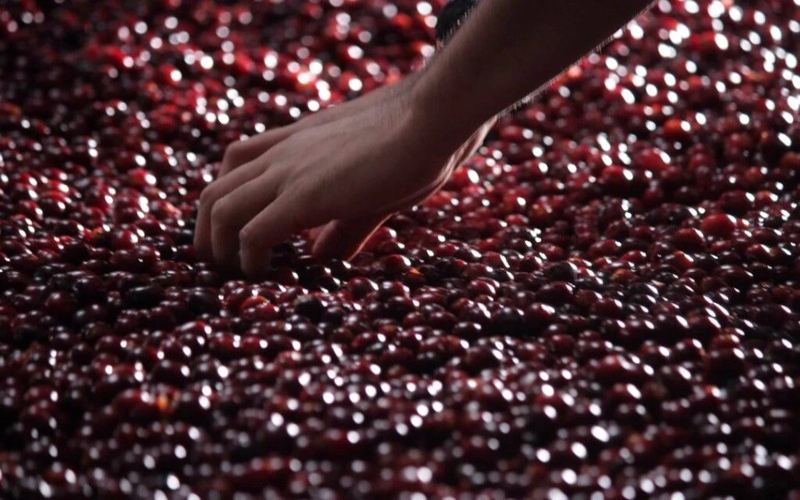
For home use Colombian coffee beans, first check the roast level
When choosing Colombian coffee beans for home, the roast level often has a more direct impact on the taste than the region name. Light roasts are suited for those seeking floral notes and fruity acidity, medium roasts more easily balance sweetness, aroma, and body, while dark roasts steer the flavor toward cocoa, nuts, and a roasted character. First determine the cup profile you prefer, then look at specific beans—this makes the choice easier. [more…]
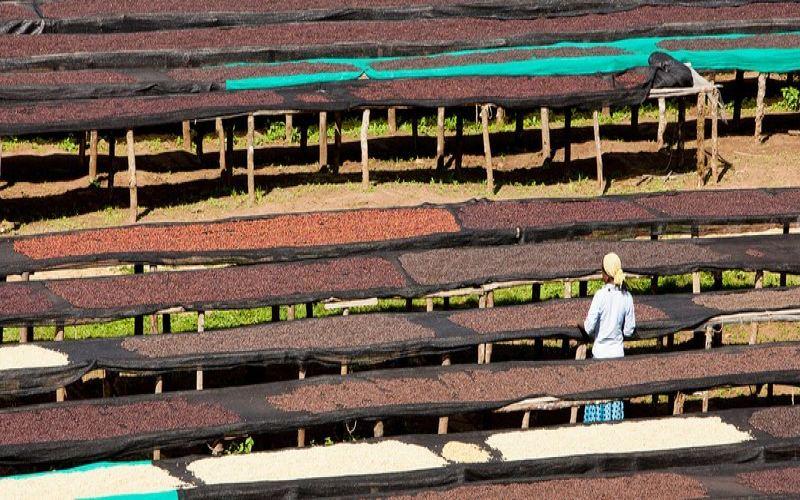
Not Sour, Not Bitter: What Roast Level Determines in Pour-Over Beans
If you want your pour-over coffee to taste mellow, roast level is a very practical entry point to observe. It affects the brightness of acidity, the way bitterness appears, the thickness of sweetness, and the direction of aroma. The so-called "neither sour nor bitter" does not mean weakening all the flavors, but rather finding the position that suits you best among refreshing, sweet, and full-bodied. [more…]
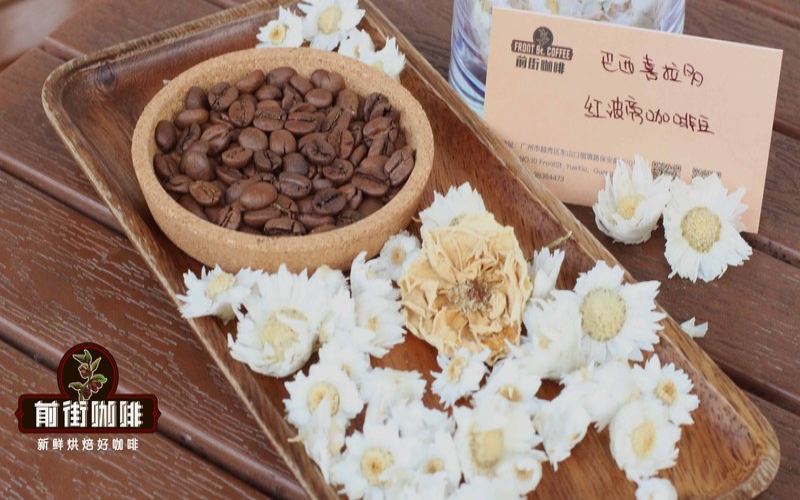
Choosing Espresso Blend Beans by Roast Level: From Bright Acidity to Full-Bodied Richness
When making espresso, the roast level of a blend directly affects the flavor, texture, and suitable drinking occasions of the shot. Light roasts more easily preserve bright acidity and fruity notes, medium roasts bring sweetness, aroma, and body to a more balanced position, while medium-dark and dark roasts lean closer to nutty, cocoa, and roasted tones. For those just getting into espresso, [more…]
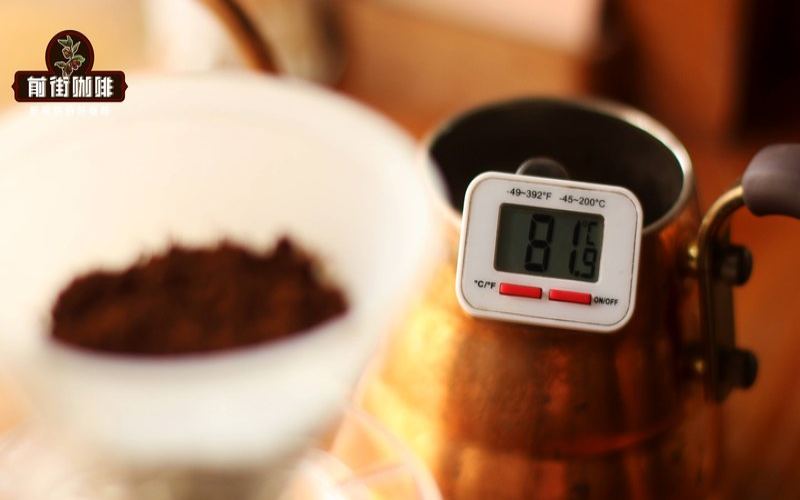
How to Choose Light-Roast Floral Coffee Beans: From Bright Fruitiness to Gentle Tea Notes
The charm of light-roast coffee beans often reveals itself the moment you open the package and pour in hot water. Aromas of petals, citrus, berries, or tropical fruit come through vividly, the acidity is bright on the palate, and a light, sweet finish lingers after you swallow. It suits those who enjoy black coffee, pour-over, and iced drinks, and also those who treat coffee as a relaxing afternoon beverage, savoring it slowly. [more…]
How to Choose Light-Roast Floral Coffee Beans: From Bright Fruit to Gentle Tea Notes
The charm of light-roast coffee beans often reveals itself the moment you open the package and pour in hot water. Aromas of petals, citrus, berries, or tropical fruit come through vividly, the acidity is bright on the palate, and a light, sweet finish lingers after you swallow. It suits those who enjoy black coffee, pour-over, and iced drinks, and is equally suited to those who treat coffee as a relaxing afternoon beverage, savoring it slowly. [more…]
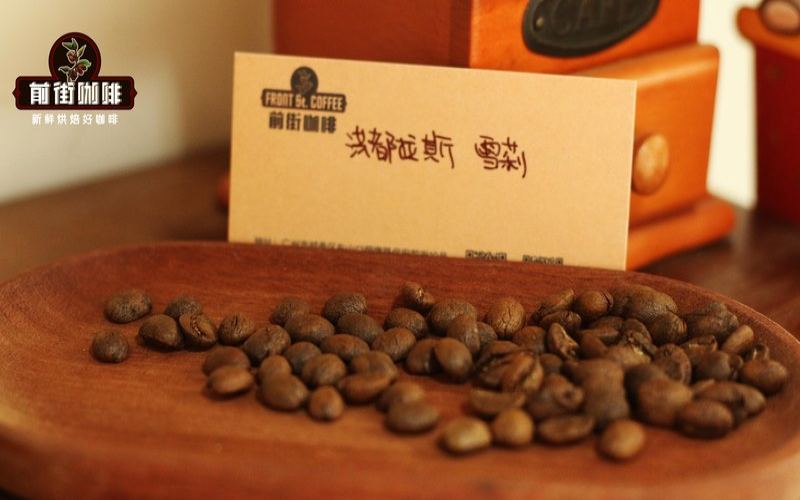
Choosing Espresso Beans by Roast Level: How to Choose from Light to Dark Roast
When it comes to choosing espresso beans, it's often easier to start with the roast level. Light roasts retain more of the origin's character, suiting those who enjoy bright acidity and fruity notes; medium roasts strike a balance between sweetness, aroma, and body; dark roasts lean closer to cocoa, nuts, and caramel. Apply this flavor progression to espresso, Americano, or latte, [more…]