







Search Results for: tonality

Single-Origin Espresso (SOE) Coffee | Where Does SOE Coffee Come From? Is the Flavor of SOE Coffee Beans Suitable for Pour-Over? What Are the Characteristics of SOE Espresso?
When we often order at coffee shops, many baristas will recommend, "Would you like to try our SOE?" Some customers who come to Front Street Coffee also proactively ask if there is SOE coffee. The so-called "SOE" stands for Single Origin Espresso, referring to the use of [more…]
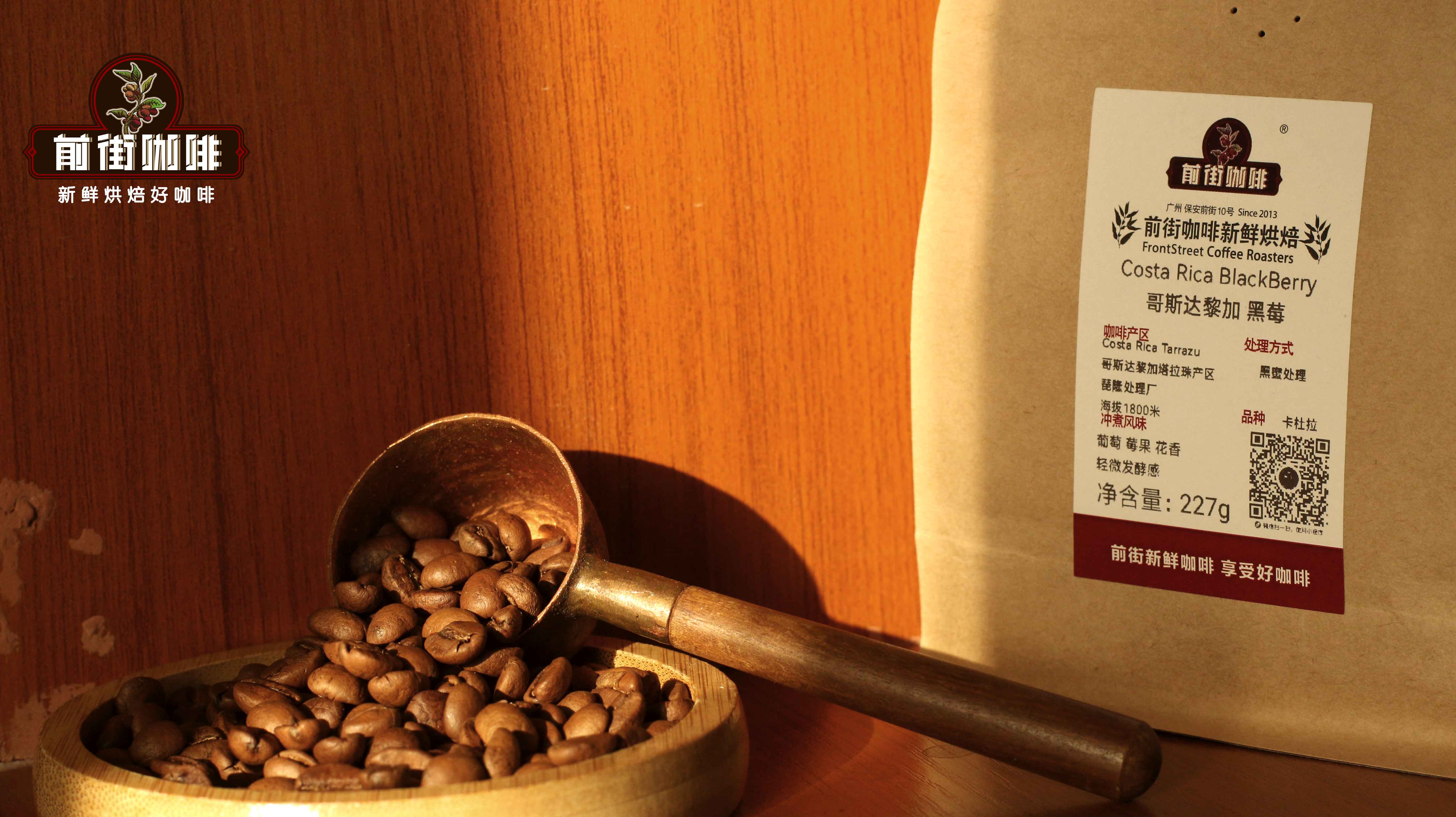
Commercial Pour-Over Coffee Beans | What's the Difference Between Single-Origin Pour-Over Beans and Espresso-Specific Coffee Beans? Recommendations for Beginner-Friendly Specialty Pour-Over Coffee Beans and Home Espresso Beans
The world of specialty coffee is fascinating, and each country's coffee has its own character. Depending on the region, variety, processing method, and intended use, it can display completely different styles and tones. Whether you want to open a café or brew at home, you can't skip the first step: buying coffee beans. For home coffee [more…]
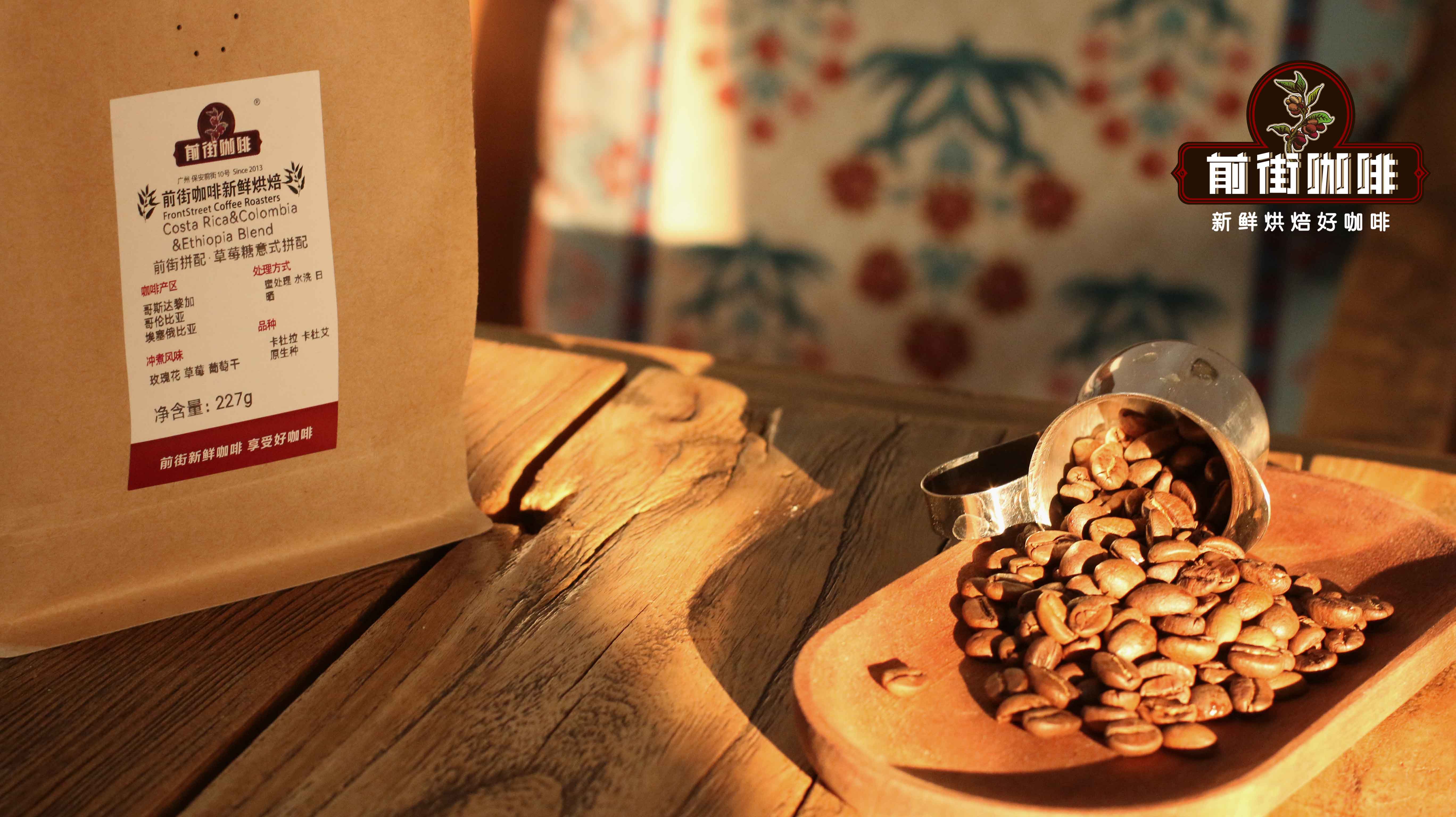
Espresso Single-Origin Beans | Are SOE Beans Suitable for Home Espresso Machines? 10 Recommended Affordable and Delicious Medium-Dark Roast Coffee Beans for Espresso Machines and Moka Pots
For home coffee machines, it is generally recommended to use coffee beans, because only freshly ground and freshly brewed coffee can deliver the best aroma, while also giving you a richer crema. Nowadays there are many coffee bean brands, and with each brand offering countless different varieties, where can you buy cheap, generous, and great-tasting coffee beans for home use? Home coffee [more…]

Medium-dark roast specialty coffee beans | What are some pour-over coffee beans that are neither sour nor bitter? Recommendations for single-origin beans with cocoa and dark chocolate coffee flavors
Nowadays, when tasting a cup of coffee, we are amazed by its bright, fruity acidity, and satisfied by its bitter-then-sweet, full-bodied taste. Traditional coffee smells fragrant but tastes bitter, which is hard to accept; even the sweet-and-sour light-roasted coffee is hard for some people to swallow. A customer saw Front [more…]
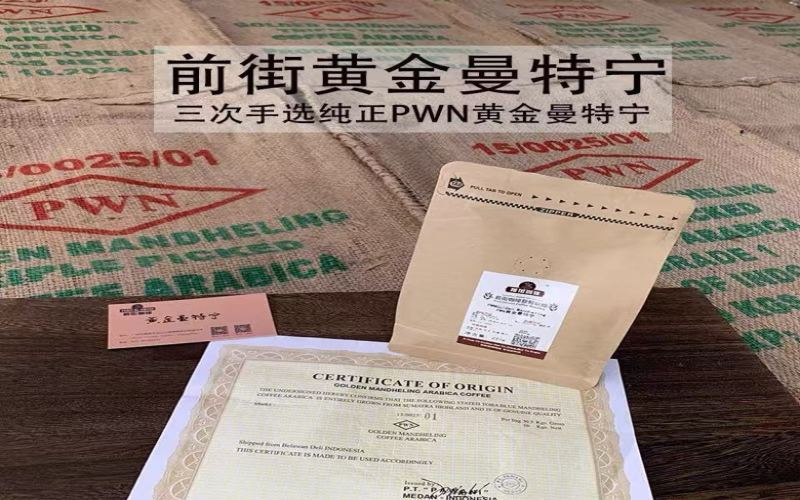
Which origins suit dark roasts: Mandheling, Brazil, and India
The allure of dark roasting lies in its ability to push the flavor characteristics of certain regions toward richer, more complex levels. Not all regions are suited to dark roasting, but there is a category of beans that is naturally in harmony with deep roasting—they typically possess a foundation of low acidity, full body, and solid sweetness, and after undergoing the high-temperature development following second crack, [more…]
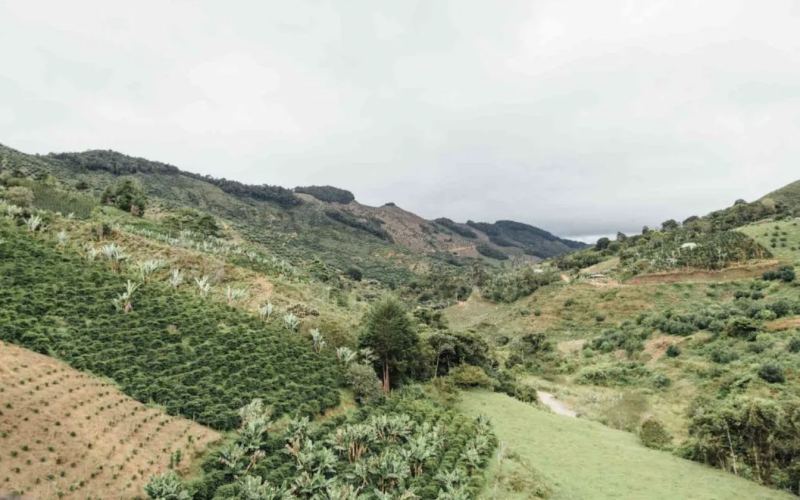
Introduction to the Chiroso variety, the champion of the best varietals group in the 2024 BOP.
In recent years, the coffee market has seen an increase in demand for some new coffee varieties. In some large competitions, some contestants choose to use new varieties for the competition, which makes the variety become popular overnight, such as t [more…]

Medium-Light Roast Pour-Over Bean Recommendation | Why Is Ethiopian Yirgacheffe So Aromatic? What Are the Flavor and Taste Characteristics of Washed Yirgacheffe Single-Origin Beans?
When Yirgacheffe is mentioned, many people will think of its distinctive characteristics such as floral aroma, not bitter, citric acidity, citrus, tea-like body, and so on. The reason Yirgacheffe coffee beans possess such a splendid flavor and present a refreshing, bright tonality is first of all thanks to the terroir and variety of the origin, and secondly to the control of roasting, because the coffee beans [more…]
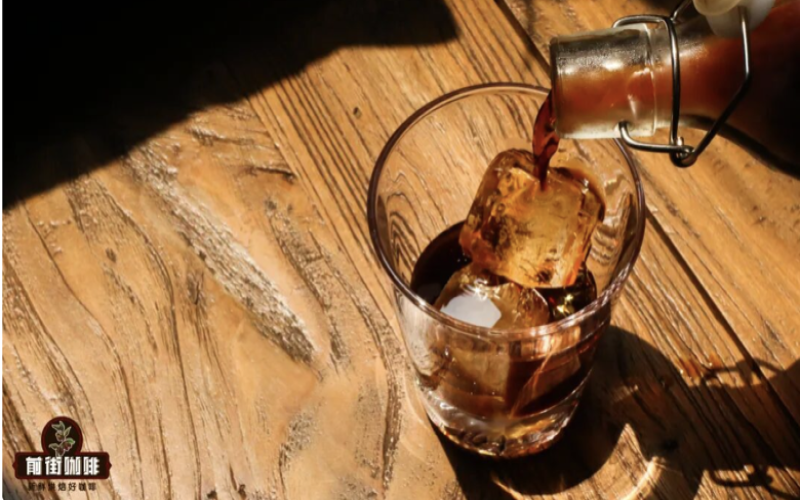
Flavor Experiment with Low-Temperature Slow Extraction: Differences in Cold Brew Across Different Processing Methods
The most fascinating thing about cold brew is that it works like a slow-motion projector: the flavor release that hot extraction completes in a few dozen seconds is stretched out over more than ten hours, and the character of every flavor compound is amplified and put on display. Running a set of cold brew comparison experiments with beans processed in different ways lets you directly see how each processing method truly expresses itself at low temperatures. The experiment is set [more…]
Blended Beans or SOE: Which Tastes Better? The Distinct Appeal of Single-Origin and Blends
Aroma, sweetness, body, mouthfeel, and finish—these dimensions, together with acidity and bitterness, make up the complete cup profile. When choosing beans, first decide whether you want floral and fruity notes, nutty and cocoa notes, or a balanced approach, then match the corresponding origin, processing method, and roast level. Within the framework of espresso, dose, grind size, yield, and time are mutually [more…]
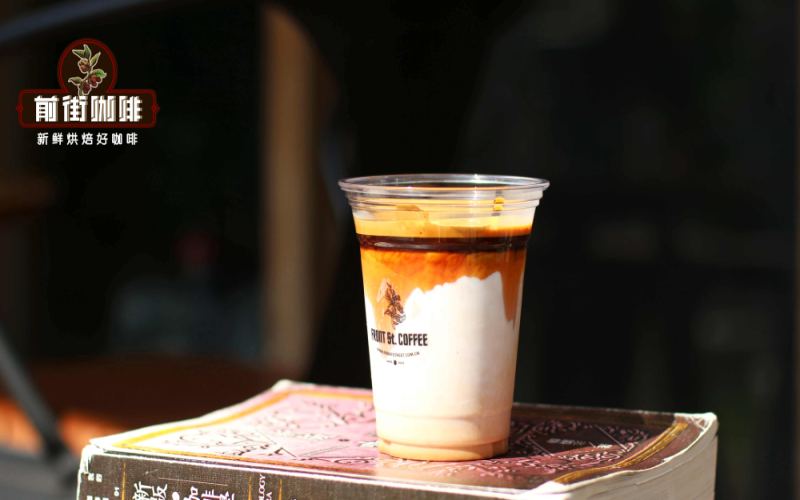
Home Blend Coffee Bean Rankings | How to Blend Single-Origin Beans into Espresso Beans? Recommended Espresso Blend Roasting Brands for Beginners
Espresso blends are often found in coffee shops. The key to espresso blend coffee beans is balanced flavor; their output should not have sharp acidity, bitterness, astringency, or other unpleasant tastes. Blended beans can produce flavors that single-origin beans do not have. This is the reason blended beans are so fascinating: coffees with different flavors can create unexpected results, [more…]
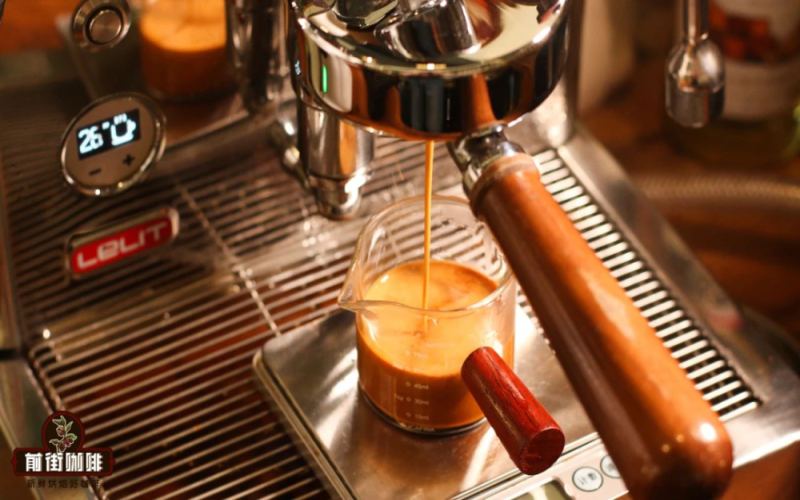
Moka Pot Tutorial | What's the Difference Between Single-Valve and Double-Valve Moka Pots? Which SOE Espresso Beans Are Suitable for Making Moka Pot Coffee at Home?
Today, with espresso sweeping the globe, we are no longer unfamiliar with Italian-style coffee machines—even a passerby can name a few Italian specialty coffee drinks. But to this day, another device for making strong coffee—the moka pot—remains controversial. Some see it as a budget substitute for an espresso machine, [more…]
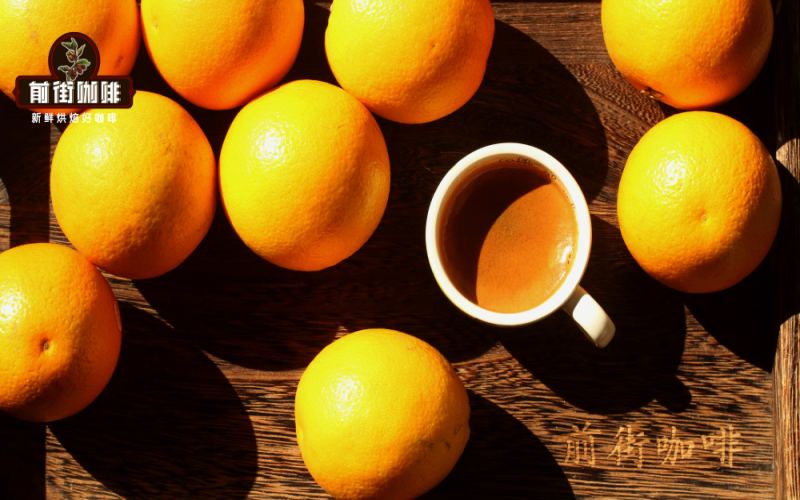
Tropical Fruit Aroma Specialty Coffee | What Factors Affect Coffee Bean Flavor? Which Floral and Fruity, High-Sweetness Pour-Over Beans Are Recommended for Beginners?
Coffee is a fruit—everyone knows that. But to be more precise, coffee is also a tropical fruit, so it can not only be eaten directly but should theoretically also have the tropical fruit characteristics mentioned above by Front Street. Yet when we pick a fully ripe coffee cherry on site, whether we smell it or eat it, it does not [more…]
Yirgacheffe Coffee Bean Guide: Origin Characteristics, Roast Level Selection, and Pour-Over Parameters Explained
Yirgacheffe is one of Ethiopia's most representative specialty coffee regions, known for its fresh lemon and citrus acidity and delicate floral aromas. This article analyzes the core characteristics of this bean layer by layer, from its origin background, green bean grading, and roast level selection to pour-over parameters. Yirgacheffe green beans are small in shape and emerald green in color. Washed G2 is the traditional highest grade, and G1 is now also available on the market. In terms of roasting, cinnamon roast or medium roast best preserves its citrus acidity and floral aroma, while a darker roast masks its fresh character. For pour-over, it is recommended to use a high temperature above 90°C and extend the bloom to 20–30 seconds to fully release the flavors. Front Street Coffee recommends interpreting Yirgacheffe through pour-over. Compared with competition-style brewing or a French press, the clarity brought by pour-over better showcases its delicate layers. [more…]
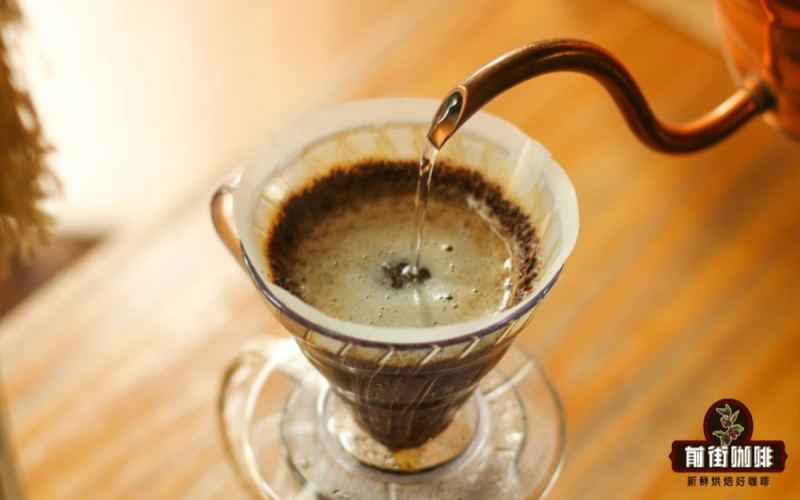
Specialty Coffee Beans | What Flavor Characteristics Do Ethiopian, Costa Rican, Brazilian, and Indonesian Coffees Have? Which Types of Coffee Beans Are Recommended for Pour-Over, Cold Brew, and Ice Drip Coffee?
A Beginner's Guide to Getting into Coffee — How to Choose the Flavor You Want to Drink Figuring out how to pick the coffee beans you actually want to taste is no small challenge. To help with this, Front Street Coffee has put together a summary of the flavors and characteristics of several common coffee beans. The beans introduced below progress from light and fresh to rich and bold, and from more acidic to more bitter. [more…]
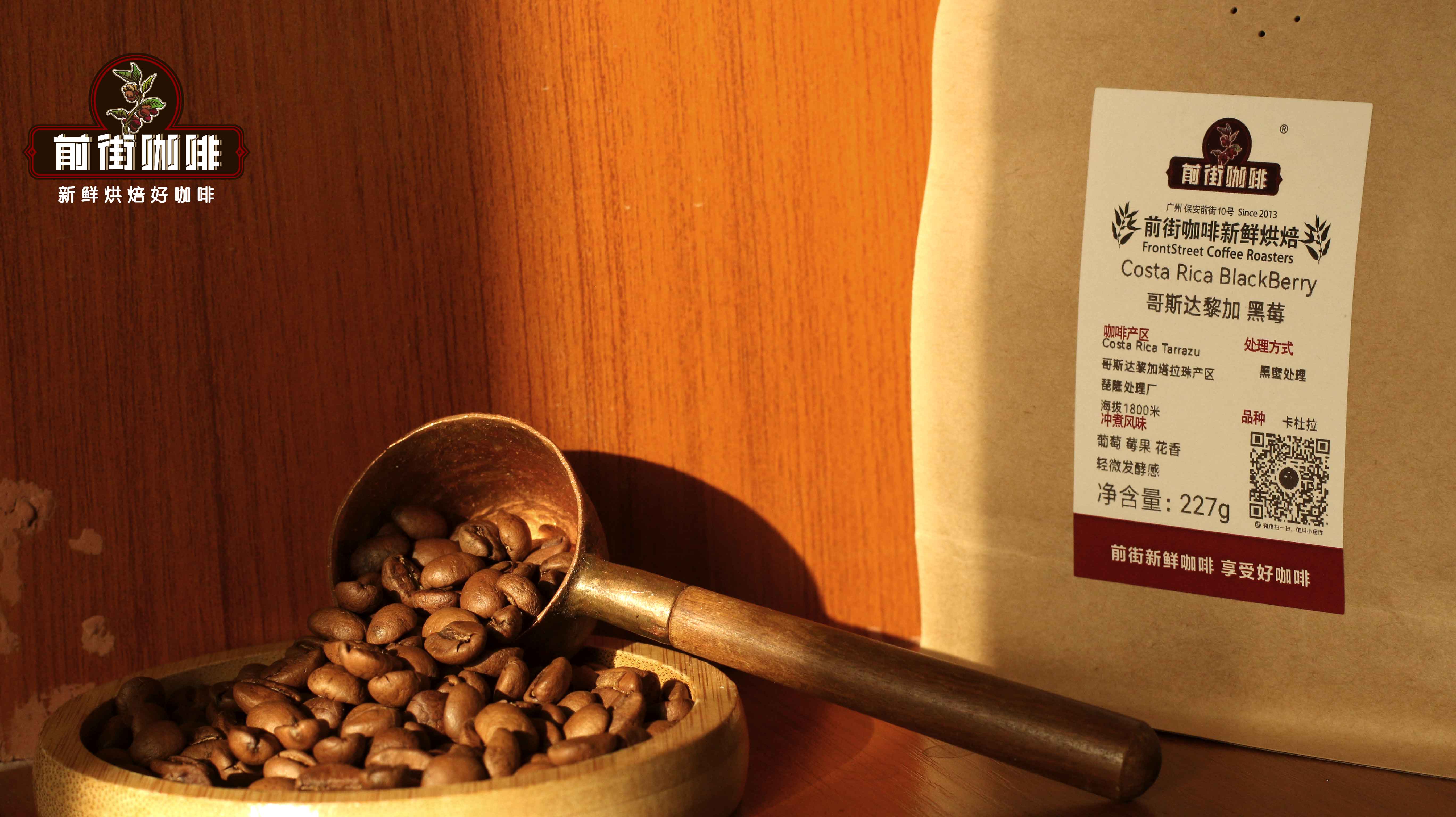
Coffee Beans as Gifts | What Are the World's Top Ten Mainstream Specialty Coffees? Must-Buy Affordable yet High-End Single-Origin Pour-Over Coffee Recommendations for Beginners
Everyone knows that gift-giving should not be too casual, and giving coffee beans to others is no exception. Today, we bring you a detailed bean selection list. NO.1 Ethiopian sun-dried: Front Street Coffee Huakui coffee beans. Front Street Huakui flavor: floral, creamy strawberry sweet and sour, black tea aftertaste, rich tropical fruit flavors, [more…]
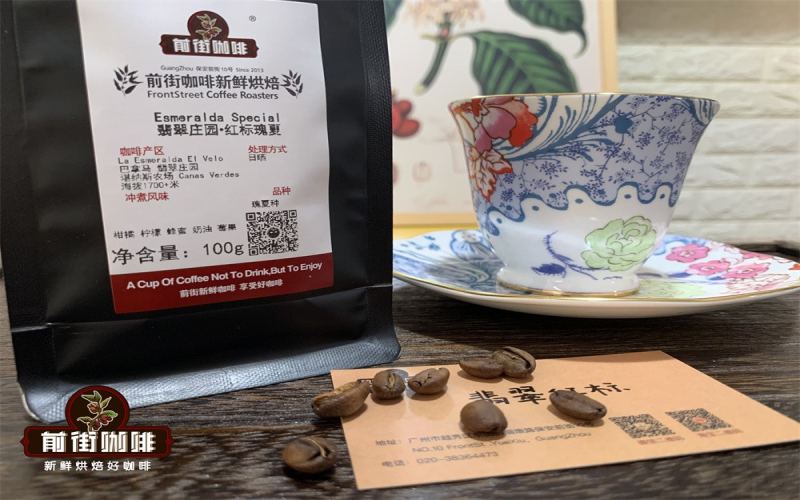
The Origin Story of Geisha Coffee | Why Is Geisha Coffee So Expensive? Which High-Quality Geisha Pour-Over Coffee Beans Are Worth Buying for Beginners
Geisha, due to its pronunciation resembling the Japanese word for "geisha," has acquired the nickname "geisha coffee." Geisha coffee beans are considered the brightest, richest, and most intensely aromatic coffee variety. Because they keep breaking world coffee price records, Geisha has become a specialty cof [more…]
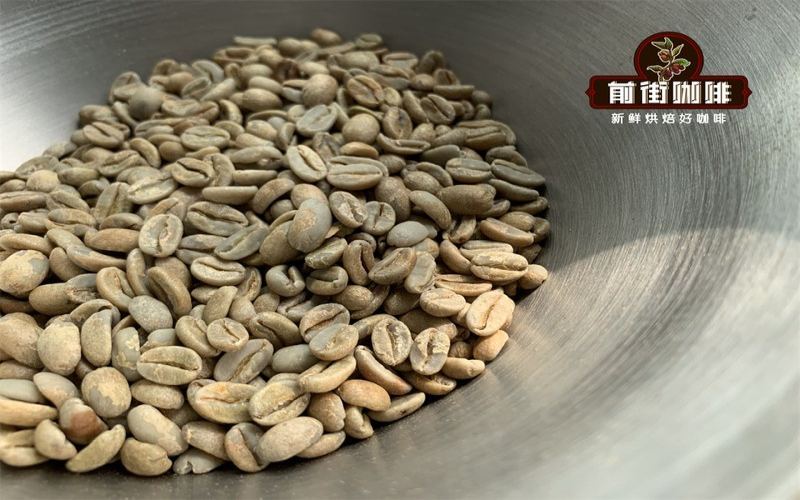
How to Determine the Peak Flavor Window of Commercial Coffee Beans? A Flavor Timeline from Degassing and Resting to Opening the Bag and Sealing It
The flavor profile of commercial coffee beans evolves continuously over time; the moment they finish roasting is not when they immediately reach their ideal flavor. After being heated, the interior of the bean traps a large amount of carbon dioxide, and this gas continues to be released outward over the first few days. Understanding the degassing and maturation process helps us more calmly plan each [more…]
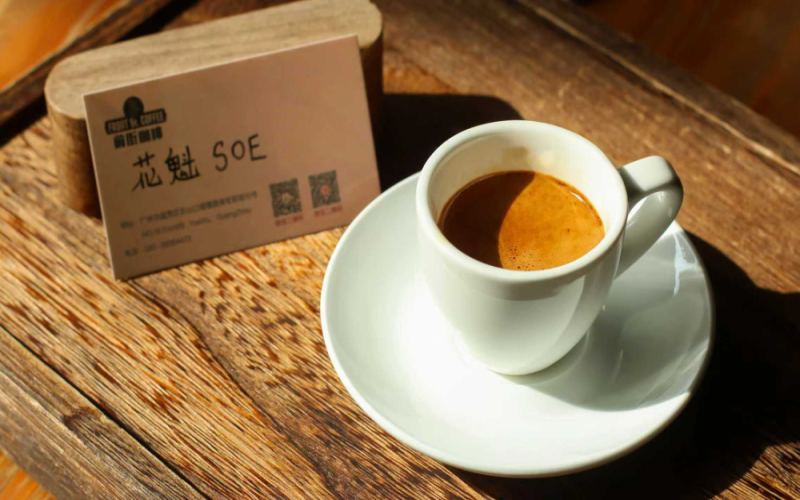
Featured SOE Coffee Bean Recommendations | Why Are Some SOEs Sour and Weak? How Should Beginners Choose SOE Espresso Beans?
SOE coffee is an abbreviation of the English term Single Origin Espresso, which means espresso made from a single origin, or more simply, single-origin espresso. The biggest characteristic of this coffee is its ability to showcase the flavor profiles of different regions. For example, if you want something acidic, go for Yirgacheffe. [more…]
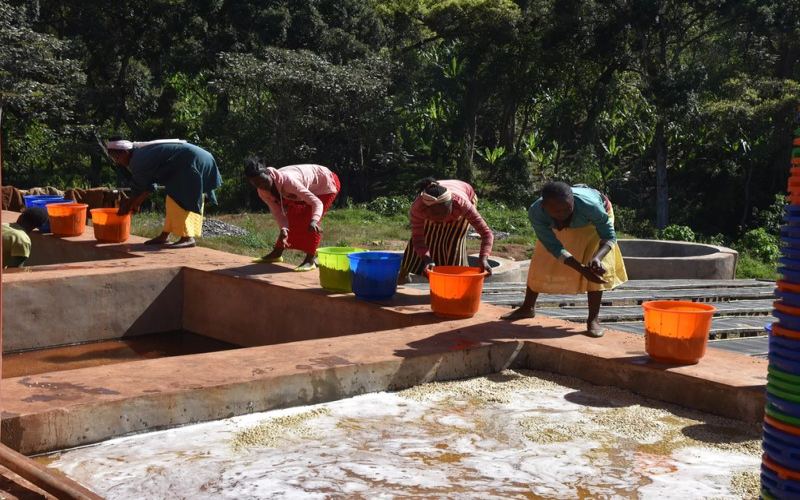
The Flavor Window of Hand-Ground Coffee: The Rhythm from Degassing Rest to Opening and Sealing
Freshly roasted coffee beans trap a large amount of carbon dioxide inside. When these gases are released rapidly upon grinding and contact with hot water, they form violently expanding bubbles. If you grind and brew immediately after roasting, the intense degassing process will prevent hot water from fully contacting the coffee grounds, preventing flavor molecules from dissolving smoothly. The princi [more…]
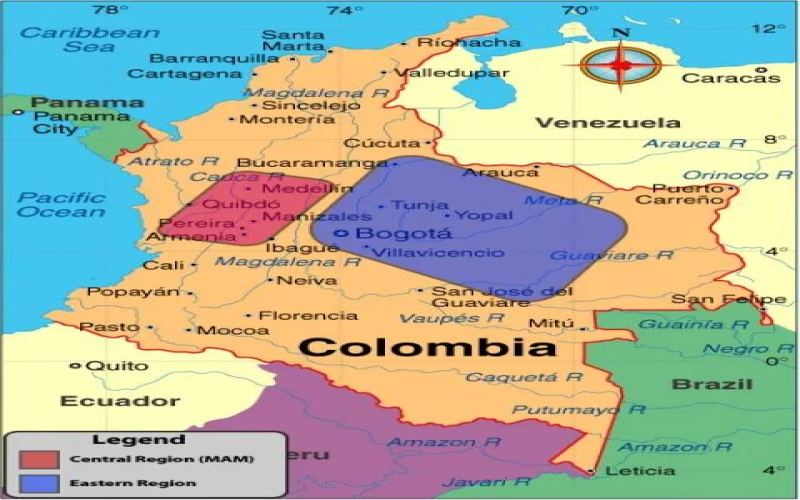
Colombia coffee | What does MAM refer to in Colombian coffee origins? What flavor and mouthfeel characteristics do Colombian specialty coffees have?
Colombia is the world's second-largest producer of Arabica coffee beans after Brazil. Everyone is familiar with the chocolatey flavor that characterizes Colombian coffee beans. We also all know that coffee originated in Ethiopia—so if no one had brought coffee seeds or coffee saplings to Colombia, how could this [more…]