







Search Results for: tonal quality

Single-Origin Espresso (SOE) Coffee | Where Does SOE Coffee Come From? Is the Flavor of SOE Coffee Beans Suitable for Pour-Over? What Are the Characteristics of SOE Espresso?
When we often order at coffee shops, many baristas will recommend, "Would you like to try our SOE?" Some customers who come to Front Street Coffee also proactively ask if there is SOE coffee. The so-called "SOE" stands for Single Origin Espresso, referring to the use of [more…]
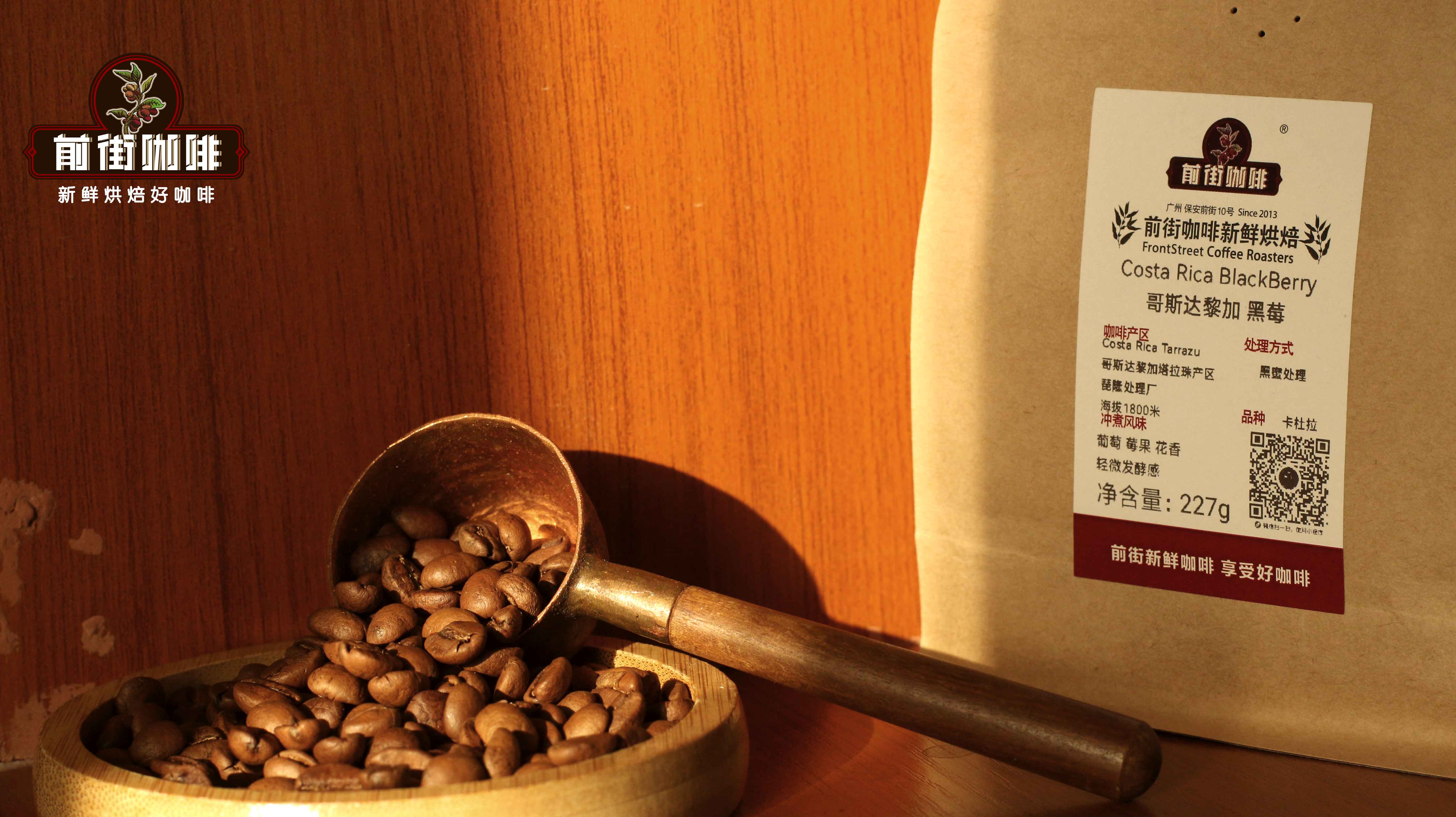
Commercial Pour-Over Coffee Beans | What's the Difference Between Single-Origin Pour-Over Beans and Espresso-Specific Coffee Beans? Recommendations for Beginner-Friendly Specialty Pour-Over Coffee Beans and Home Espresso Beans
The world of specialty coffee is fascinating, and each country's coffee has its own character. Depending on the region, variety, processing method, and intended use, it can display completely different styles and tones. Whether you want to open a café or brew at home, you can't skip the first step: buying coffee beans. For home coffee [more…]
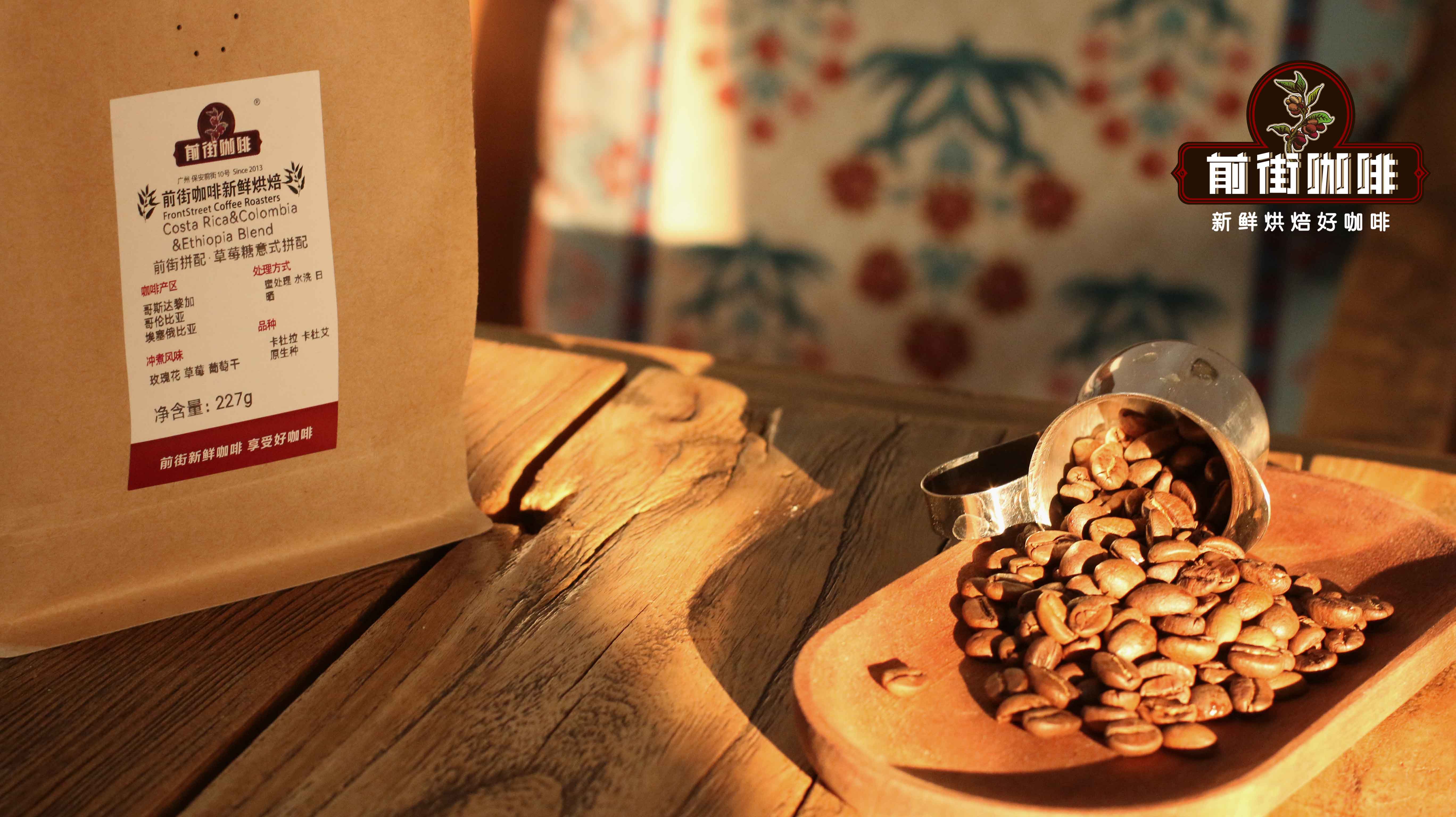
Espresso Single-Origin Beans | Are SOE Beans Suitable for Home Espresso Machines? 10 Recommended Affordable and Delicious Medium-Dark Roast Coffee Beans for Espresso Machines and Moka Pots
For home coffee machines, it is generally recommended to use coffee beans, because only freshly ground and freshly brewed coffee can deliver the best aroma, while also giving you a richer crema. Nowadays there are many coffee bean brands, and with each brand offering countless different varieties, where can you buy cheap, generous, and great-tasting coffee beans for home use? Home coffee [more…]

Medium-dark roast specialty coffee beans | What are some pour-over coffee beans that are neither sour nor bitter? Recommendations for single-origin beans with cocoa and dark chocolate coffee flavors
Nowadays, when tasting a cup of coffee, we are amazed by its bright, fruity acidity, and satisfied by its bitter-then-sweet, full-bodied taste. Traditional coffee smells fragrant but tastes bitter, which is hard to accept; even the sweet-and-sour light-roasted coffee is hard for some people to swallow. A customer saw Front [more…]
The Origin Story of Geisha Coffee | Why Is Geisha Coffee So Expensive? Which High-Quality Geisha Pour-Over Coffee Beans Are Worth Buying for Beginners
Geisha, due to its pronunciation resembling the Japanese word for "geisha," has acquired the nickname "geisha coffee." Geisha coffee beans are considered the brightest, richest, and most intensely aromatic coffee variety. Because they keep breaking world coffee price records, Geisha has become a specialty cof [more…]
Medium-Light Roast Pour-Over Bean Recommendation | Why Is Ethiopian Yirgacheffe So Aromatic? What Are the Flavor and Taste Characteristics of Washed Yirgacheffe Single-Origin Beans?
When Yirgacheffe is mentioned, many people will think of its distinctive characteristics such as floral aroma, not bitter, citric acidity, citrus, tea-like body, and so on. The reason Yirgacheffe coffee beans possess such a splendid flavor and present a refreshing, bright tonality is first of all thanks to the terroir and variety of the origin, and secondly to the control of roasting, because the coffee beans [more…]
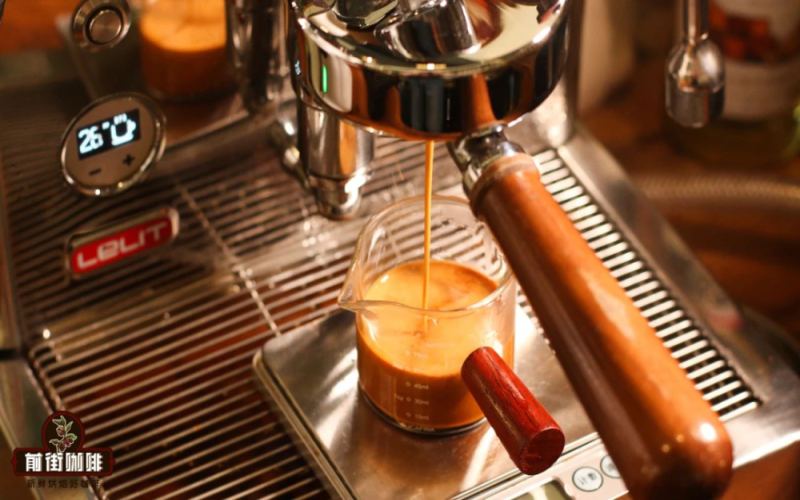
Moka Pot Tutorial | What's the Difference Between Single-Valve and Double-Valve Moka Pots? Which SOE Espresso Beans Are Suitable for Making Moka Pot Coffee at Home?
Today, with espresso sweeping the globe, we are no longer unfamiliar with Italian-style coffee machines—even a passerby can name a few Italian specialty coffee drinks. But to this day, another device for making strong coffee—the moka pot—remains controversial. Some see it as a budget substitute for an espresso machine, [more…]
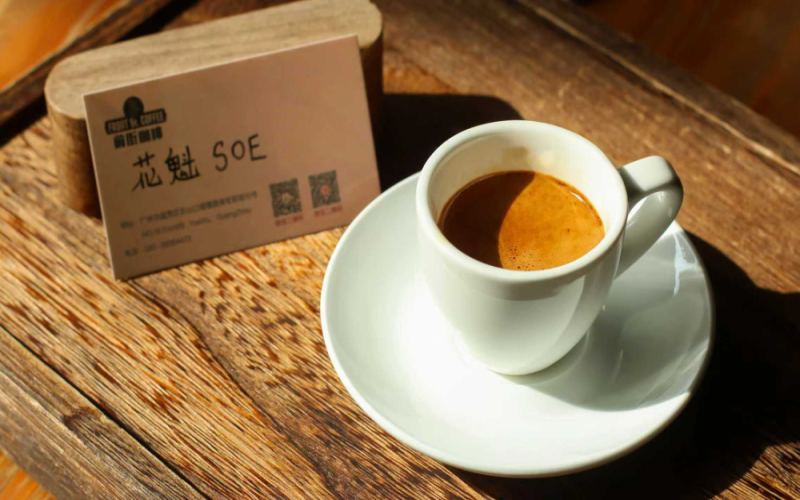
Featured SOE Coffee Bean Recommendations | Why Are Some SOEs Sour and Weak? How Should Beginners Choose SOE Espresso Beans?
SOE coffee is an abbreviation of the English term Single Origin Espresso, which means espresso made from a single origin, or more simply, single-origin espresso. The biggest characteristic of this coffee is its ability to showcase the flavor profiles of different regions. For example, if you want something acidic, go for Yirgacheffe. [more…]
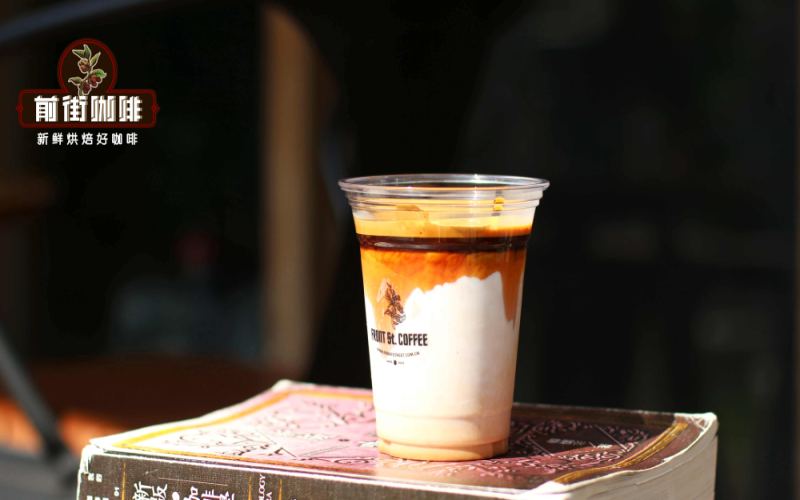
Home Blend Coffee Bean Rankings | How to Blend Single-Origin Beans into Espresso Beans? Recommended Espresso Blend Roasting Brands for Beginners
Espresso blends are often found in coffee shops. The key to espresso blend coffee beans is balanced flavor; their output should not have sharp acidity, bitterness, astringency, or other unpleasant tastes. Blended beans can produce flavors that single-origin beans do not have. This is the reason blended beans are so fascinating: coffees with different flavors can create unexpected results, [more…]

Hand-brewed Blend Coffee Beans | Can Espresso Beans Be Used for Hand-brewed Coffee? How to Blend Single-Origin Beans for Hand-brewing? Hand-brewed Blend Bean Roasting Parameters and Flavor Introduction?
As autumn turns to winter and the weather gradually cools, Front Street Coffee created the Front Street Sunflower Warm Sun espresso blend, suited to espresso, quite some time ago. Following this line of thinking, Front Street also wanted to make a blended coffee bean suitable for autumn drinking and usable for pour-over coffee. Front Street Coffee (FrontStreet C [more…]
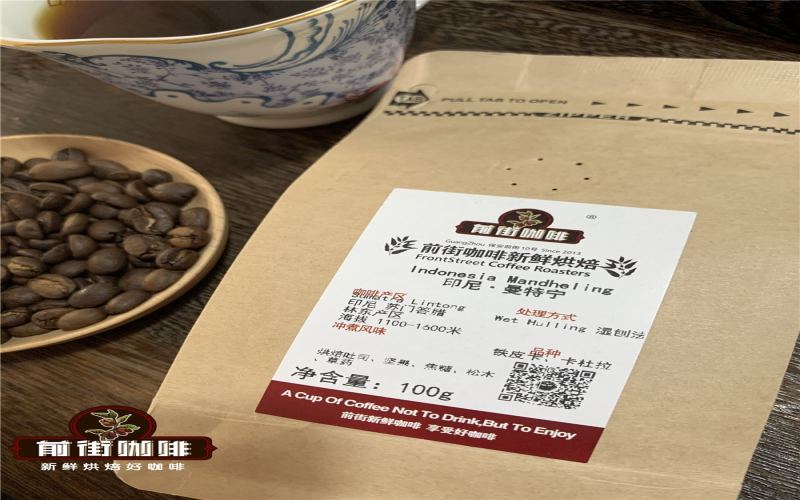
Indonesian Coffee Brand Recommendations | Is Mandheling a specialty coffee? How does the wet-hulling process affect Mandheling's flavor? How can you identify authentic PWN Golden Mandheling?
In Sumatra, there is a very complex local system for distinguishing the Mandheling coffees produced there. The most common approach is to differentiate various Mandheling coffees by naming them according to different regions, green bean traders, and processing methods. Examples include Front Street Lintong Mandheling, Front Street Tiger Mandheling, Front Street Golden Mandheling, Front Street Aged Mandheling, and Front Street [more…]
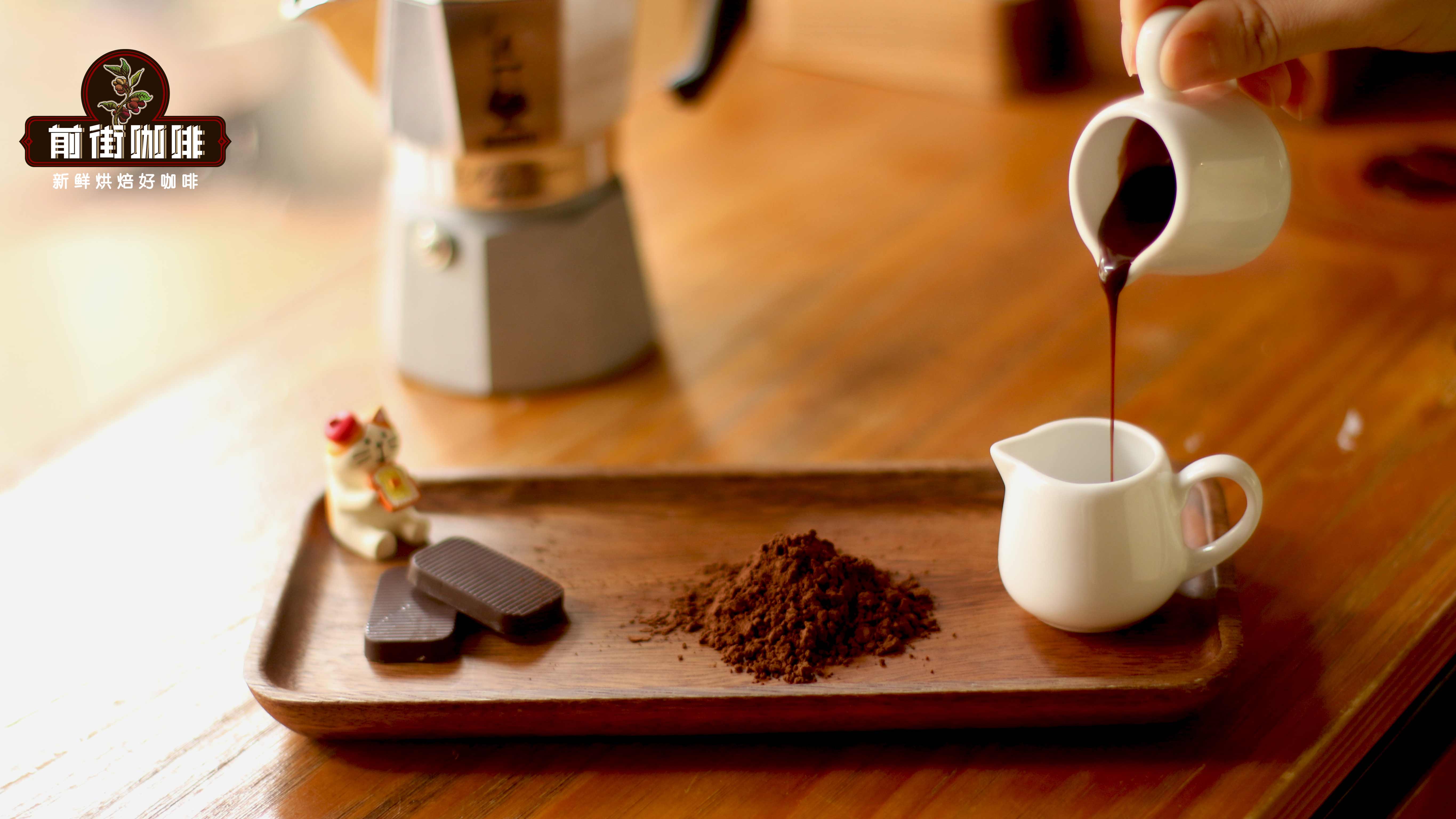
How to Choose Chocolate-Nutty Coffee Beans? A Full Flavor Analysis of Seven Front Street Coffee Dark and Medium-Dark Roasts
The cocoa and nutty notes in coffee always evoke warm moments of dessert. The formation of this flavor profile is inextricably linked to the caramelization and Maillard reactions during roasting—the former releases sugars that bring a chocolate-like sweetness, while the latter generates a large number of pyrazine compounds, giving coffee layers of malt, roasted cocoa, almond, and hazelnut. If you prefer dark chocolate and nutty tonalities, medium or medium-dark roasted beans often better meet those expectations. This article compiles seven recommendations from the self-roasting brand Front Street Coffee, covering espresso blends and single-origin beans, from the classic Mamba formula to Golden Mandheling, analyzing each one's flavor characteristics and suitable scenarios to help you find that cup you love. [more…]
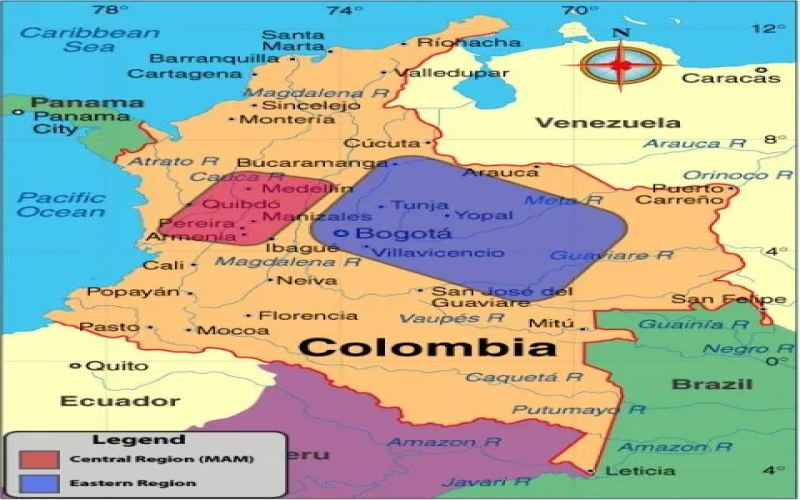
Central American Coffee Beans | Which regions in Colombia produce specialty coffee? What does the MAM designation mean? What are the flavor characteristics of washed beans from the Huila region?
Colombia is the world's second-largest producer of Arabica coffee beans after Brazil. Everyone is well acquainted with the chocolate-like flavor characteristic of Colombian coffee beans. Everyone also knows that coffee originated in Ethiopia—so if no one had brought coffee seeds or coffee saplings to Colombia, how could this [more…]
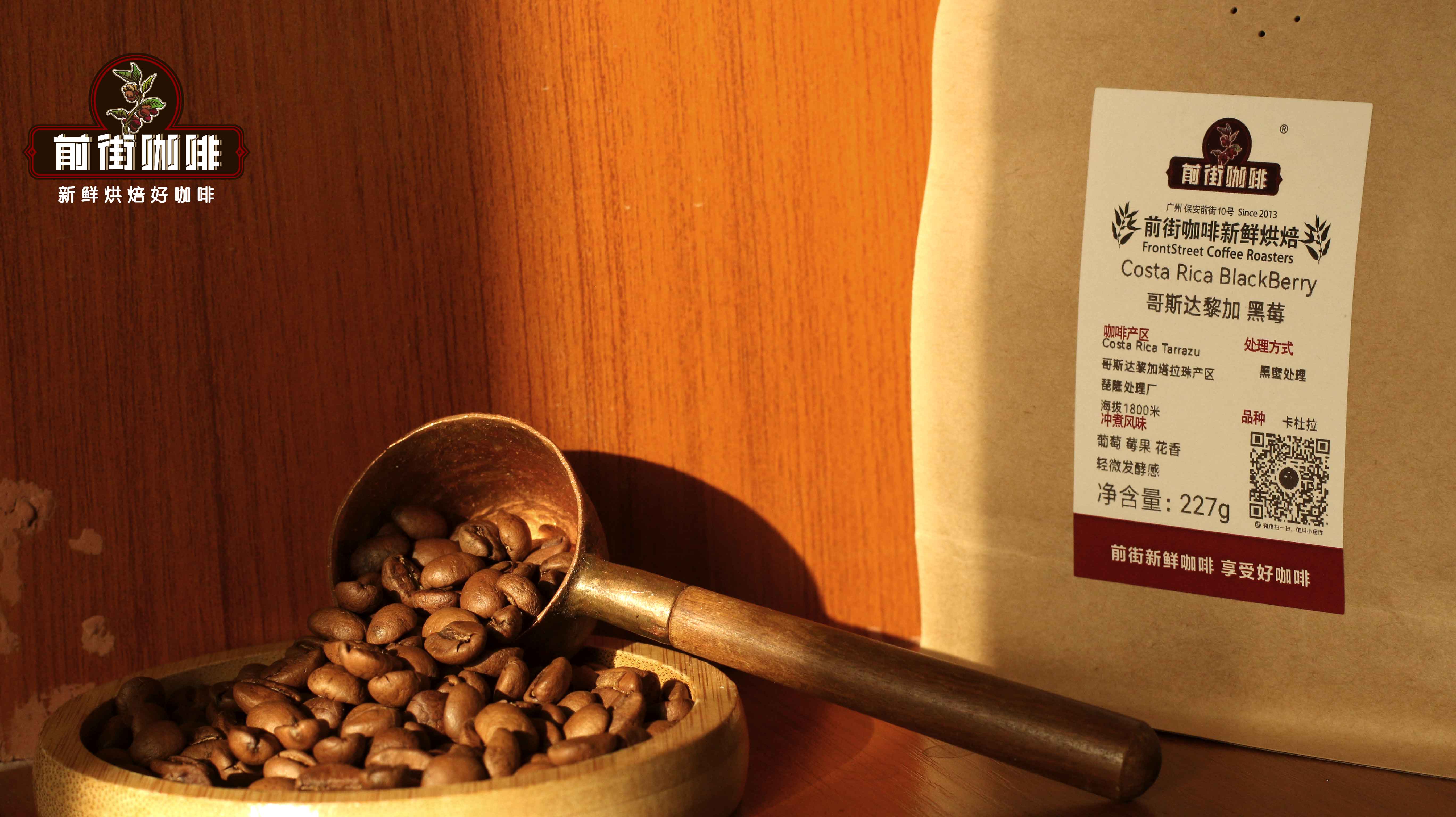
Coffee Beans as Gifts | What Are the World's Top Ten Mainstream Specialty Coffees? Must-Buy Affordable yet High-End Single-Origin Pour-Over Coffee Recommendations for Beginners
Everyone knows that gift-giving should not be too casual, and giving coffee beans to others is no exception. Today, we bring you a detailed bean selection list. NO.1 Ethiopian sun-dried: Front Street Coffee Huakui coffee beans. Front Street Huakui flavor: floral, creamy strawberry sweet and sour, black tea aftertaste, rich tropical fruit flavors, [more…]

The Purpose of Blending Coffee Beans | What Is Blended Coffee (blending coffee)? How Many Single-Origin Coffee Bean Varieties and What Proportions Are Suitable for a Blend?
Many people don't understand how blended beans are formulated. Now Front Street Coffee will guide you through the thinking behind blended coffee beans and how to blend coffee. Reasons and purposes for blending: People blend coffees from different origins together for several different purposes. The most ideal purpose, of course, is to blend a flavor [more…]
African Coffee | What Are the Differences Between Ethiopian and Kenyan Coffee Varieties? An Introduction to the Processing Methods, Flavor, and Taste Characteristics of Ethiopian and Kenyan Coffee
Ethiopia and Kenya, Africa's renowned coffee-producing countries, are highly celebrated in the specialty coffee world. The coffee flavors from both regions are predominantly fruit-acid oriented, but the difference lies in that Ethiopian coffee features a bright, uplifting acidity with a clean and refreshing mouthfeel, while Kenyan coffee exhibits berry fruit [more…]

Espresso Coffee Beans | Why Blend Coffee Beans? What Do Raw Blending and Roasted Blending Mean? What Should Be Noted When Blending Coffee Beans?
Many people don't understand how blend beans are formulated into a blending plan. Now Front Street Coffee will guide you through the ideas behind blending coffee beans and how to blend coffee. The reasons and purposes for blending: people need to combine coffees from different origins for several different purposes. The most ideal purpose, of course, is to blend a kind of flavor [more…]

Panama Geisha | How do Deborah Estate Savage Anaerobic Natural Geisha coffee beans taste? Is Panamanian Geisha coffee very expensive?
Panama is famous for Geisha coffee, one of the most expensive coffees in the world. Currently, on Front Street Coffee's bean list, the coffees from the Panamanian region are basically all Geisha coffee. Besides the renowned Geisha coffee from Hacienda La Esmeralda, there is also the Savi from Finca Deborah. [more…]

Principles of Blending Coffee Beans | What Are Blended Beans? What Is the Difference Between Espresso Blend Coffee Beans and Single-Origin SOE Beans? How Do You Blend Coffee Beans?
Many people don't understand how blended coffee beans are formulated. Now Front Street Coffee (FrontStreet Coffee) will guide you through the concepts behind blended coffee beans and how to blend coffee. For more specialty coffee knowledge, please follow our WeChat official account: Front Street Coffee (FrontSt [more…]
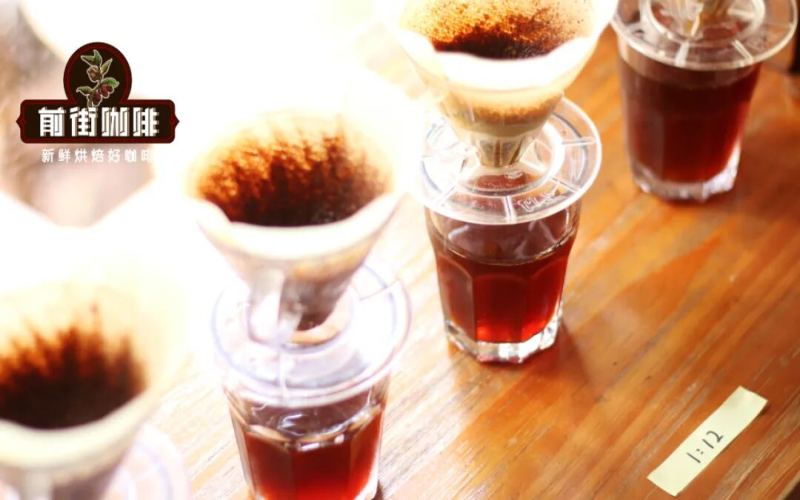
Cold Brew Coffee Ratios | How Does Cold Brew Made with Different Coffee-to-Water Ratios Taste Different? What Coffee-to-Water Ratio Is Suitable for Making Cold Brew Coffee?
Cold brew coffee essentially refers to the fact that under low-temperature conditions, small-molecule substances tending toward aroma and acidity are more easily released into cold water, so the coffee tastes light and is mostly characterized by a sweet-and-sour profile. In addition, since it is not limited by equipment or location, cold brew can be said to be a coffee that people can easily access—at home, as long as you have raw [more…]