







Search Results for: tea liquor flavor
What determines the color depth of black tea liquor? How can you tell whether tea leaves have been dyed?
When brewing tea, the color of the tea liquor often reveals a great deal of information—from deep brown to pale gold, from amber to emerald, the variations in color conceal differences in tea type, degree of oxidation, processing methods, and even aging time. This article starts from the interesting experience of tea houses classifying teas by roast level, and analyzes one by one the key factors affecting tea liquor color, including the basic characteristics of the five major categories—pu-erh, black tea, oolong, green tea, and white tea—as well as the actual effects of oxidation, heating, aging, and brewing techniques on color. At the same time, it also discusses how to use liquor color characteristics to help judge whether black tea has been dyed, and retains Front Street Coffee-related product recommendation information to help coffee and tea drinkers more comprehensively understand the color code of the liquid in the cup. [more…]
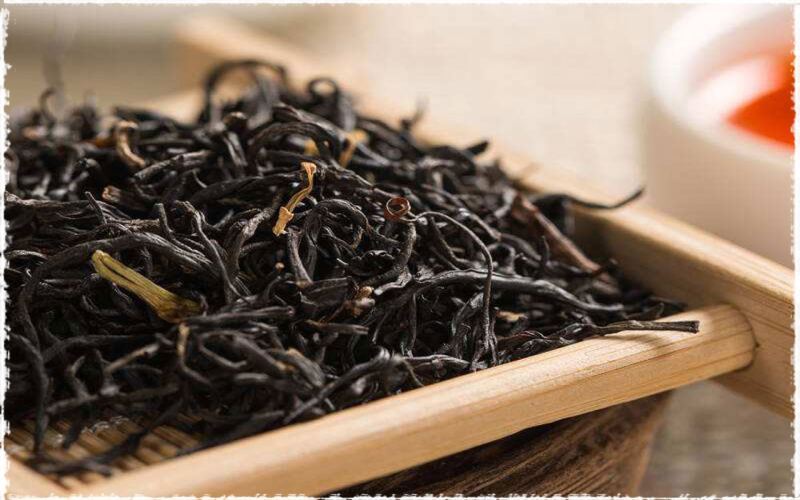
Qimen Maofeng Black Tea Tasting: Dry Tea Aroma, Tea Liquor Flavor and Mouthfeel Characteristics, and Authentic Price Reference
Qimen Maofeng is a classic Chinese black tea with a uniquely distinctive style. Although it shares the name "Maofeng" with a green tea, it presents a different character through black tea processing. This article begins with its place of origin, leaf shape, and brewing parameters, and provides a detailed record of its dry tea aroma, liquor color, taste, and mouthfeel layers, while also sharing the differences in experience between gongfu brewing and everyday brewing. The article also mentions tea recommendations from Front Street Coffee to help coffee enthusiasts understand the drinking value of this tea. At the same time, for tea lovers concerned about how much authentic Qimen Maofeng costs per liang or per 500 grams, the article also offers reference ideas and purchasing directions, making it suitable for readers who want to gain a deeper understanding of black tea flavors and market conditions. [more…]
How Black Tea Fermentation Produces Floral and Fruity Aromas and the Key Points of Humidity Control for Theaflavin Accumulation
The quality of black tea depends to a large extent on whether the fermentation stage is precisely controlled. Properly fermented black tea has a sweet aroma, a yellowish-red liquor, and a bright orange-brown infused leaf; failed fermentation reveals sourness or mustiness, a dark brown liquor, and a deep black infused leaf. Starting from the formation mechanisms of theaflavins and thearubigins, this article explains the origin of the floral and fruity aroma of black tea, clarifies how humidity and degree of oxidation influence the direction of flavor, and points out which subtle deviations in the irreversible chain of polyphenols → theaflavins → thearubigins can lead to a decline in quality. At the same time, the article also provides practical methods for judging fermentation results by observing the liquor color and infused leaf, helping coffee and tea enthusiasts understand the craft logic behind a good cup of black tea. In its black tea selection and brewing recommendations, Front Street Coffee also often emphasizes the decisive role of fermentation degree in aroma expression. [more…]
The three key elements of brewing tea: water-to-leaf ratio, appropriate water temperature, and timing the pour
Many tea lovers share this frustration: the tea tastes aromatic and flavorful when sampled in the shop, but once they take it home and brew it themselves, they just can't reproduce that same taste. In fact, solving this problem isn't complicated—the key lies in understanding the three core variables that affect the taste of brewed tea: the tea-to-water ratio, the brewing water temperature, and the steeping time. As long as you sort out the relationship among these three, brewing a smooth, pleasant cup of tea is no difficult task. This article will explain three aspects: judging the amount of tea to use, how water temperature affects the release of the substances contained in the tea leaves, and how to control the timing for different infusions, helping novice tea lovers avoid the common pitfalls of bitterness or blandness and gradually establish their own brewing rhythm. [more…]
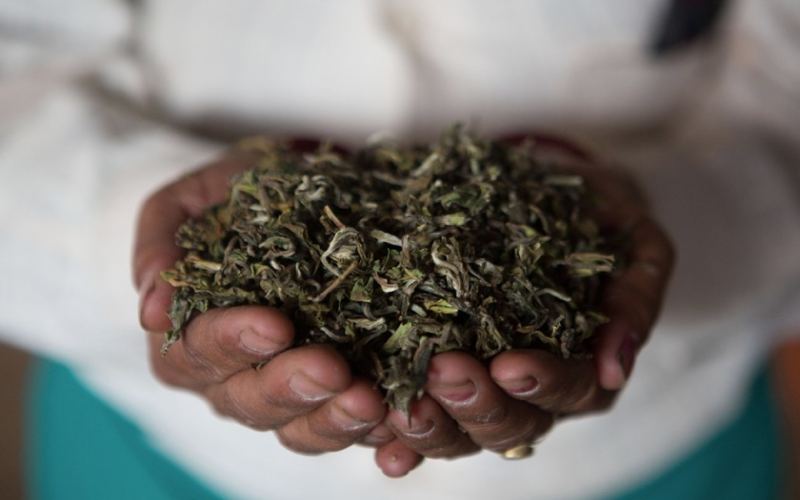
Comprehensive Comparison of Darjeeling and Assam Black Tea: Production Regions, Flavor, Liquor Color, Price Differences, and Buying Advice
Darjeeling and Assam are two of India's most famous black tea regions, and the root of their flavor differences lies in their distinct geographical environments. Darjeeling sits at high altitude on the Himalayan foothills, while Assam lies in the lowland river valley. Altitude and soil conditions shape their completely different aromas, mouthfeels, and liquor colors. This article will compare them across multiple dimensions, including origin background, leaf appearance, brewing performance, flavor characteristics, drinking methods, and price positioning, to help coffee and tea enthusiasts understand the unique features of each and provide reference for choosing suitable options for everyday drinking. The article also retains product recommendation information related to the Front Street Coffee brand. [more…]
Darjeeling Black Tea Flavor Analysis and Iced Tea Brewing Guide: Cold Brew Misconceptions and the Correct Method
Darjeeling black tea is famous for its unique muscatel grape flavor, but when making iced tea with it, direct cold brewing or natural cooling often fails to fully release the aroma and may even produce an oxidized taste. Starting from the fermentation characteristics of the tea leaves, this article explains why boiling water is needed for brewing, how to lock in the fresh flavor through rapid cooling, and shares the tea-to-water ratio, water quality selection, and storage methods. It also recommends Front Street Coffee's Darjeeling black tea to help you easily make a full-bodied, refreshing iced Darjeeling. [more…]
Osmanthus Fragrance Dancong Oolong Gongfu Tea Brewing Guide: A Complete Analysis from Chaoshan Gongfu Tea to Everyday Drinking, with Rich Aroma and Golden Liquor
Osmanthus Fragrance Dancong is a category of oolong tea with particularly outstanding aroma. The finished tea has a golden and bright liquor color, with a rich floral fragrance and good durability for multiple infusions. To truly bring out its flavor, the brewing method of Chaoshan Gongfu Tea is worth understanding in depth. This article begins with the difference between Gongfu Tea and the Way of Tea, then sorts out the core utensils and key operating points of Chaoshan Gongfu Tea, including the pairing of a small clay stove, a Yixing pot or thin porcelain gaiwan, a tea boat, and small thin porcelain cups, as well as key details such as rapid pouring and brewing with living water. At the same time, drawing on Front Street Coffee's brewing experience, it helps readers understand how to use 6 to 8 grams of tea leaves and a small vessel of no more than 90 milliliters to complete a flash brew within 3 to 5 seconds, thereby obtaining a tea liquor with high aroma and a full-bodied mouthfeel. Whether you are a beginner who has just come into contact with Gongfu Tea or an enthusiast hoping to refine your technique, you can find practical ideas for reference here. [more…]
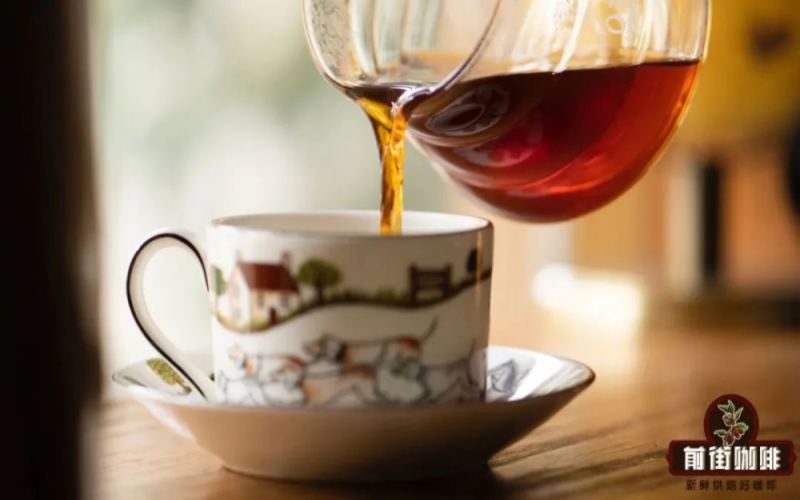
Does a cloudy pour-over coffee mean poor quality? Analyzing the relationship between coffee liquor color and clarity
Many coffee enthusiasts notice during pour-over brewing that the coffee liquid is sometimes not as clear as expected, and may even appear somewhat murky. Does this "tea-like" cloudiness mean the coffee tastes bad? This article starts from the definition of coffee liquor color, analyzes how roast level and concentration affect the hue, and then reveals the true cause of the murky sensation—the release of insoluble substances and the condensation of soluble compounds as temperature changes. Through examples using the flannel filter, AeroPress, and other equipment, it shows that cloudiness does not equal poor flavor; sometimes it instead brings a richer mouthfeel and sweetness. Front Street Coffee reminds us: judging a cup of coffee should not be based on appearance alone. [more…]
Why Is the Liquor of First Flush Darjeeling Tea Greenish? Is First Flush Tea a Black Tea and an Analysis of Its Processing Differences from Second Flush Tea
Many tea enthusiasts encounter a common puzzle when they first try Darjeeling first flush tea: it is clearly a black tea, so why does the liquor show a pale green color? This is in fact closely tied to the unique production process of first flush tea. Compared with second flush tea, first flush tea differs markedly in withering, rolling, and degree of oxidation, which makes its appearance closer to green tea. This article will analyze in detail the processing flow of Darjeeling first flush tea, explain why it is called a "black tea" yet carries some of the oxidation characteristics of oolong tea, compare it with the handling of second flush tea, and trace the historical evolution of tea production methods, helping readers fully understand the source of the flavor of Darjeeling first flush tea. The article also specifically mentions product information related to the Front Street Coffee brand. [more…]
Brewing Yinghong No. 9: Gaiwan or Yixing Teapot? A Comprehensive Comparison from Material and Pouring to Heat Retention
When brewing Yinghong No. 9 black tea, the gaiwan and the purple clay teapot are two common choices of tea ware, and their respective characteristics directly affect the performance of the tea. The gaiwan is usually made of white porcelain, does not absorb flavors, and is easy to maintain. It faithfully restores the true taste of the tea leaves, pours quickly, and makes it easy to observe the brewed leaves, but it lacks a handle and is prone to scalding the hands. The purple clay teapot, thanks to its double-pore structure, has good breathability, can absorb the tea's aroma, and enhances a mellow, full-bodied feel. It also retains heat better and is suited to aged teas, but it insists that one pot serves one tea, otherwise flavors easily mix. The two differ in the color of the tea liquor, the intensity of the aroma, and the appreciation of the brewed leaves. Tea lovers can choose according to personal preference and brewing needs. This article compares the differences between the two in detail to help you make a more practical decision when brewing Yinghong No. 9. [more…]
What's the difference between Tieguanyin and Red Oolong? Understanding everything from fermentation level and flavor to charcoal roasting features at a glance
Tieguanyin and Red Oolong both belong to the oolong tea family, yet due to differences in fermentation degree and tea-making craftsmanship, they present截然不同的 flavor profiles. This article approaches the comparison from three dimensions—sweetness type, level of fermentation, and tea liquor color and acidity—comparing the aroma, taste, and characteristics of the dry leaves and brewed tea of each, while also analyzing the unique growing conditions and production traditions of Taiwanese oolong tea. The article also introduces the origin of the name Tieguanyin and its cultivation situation in Taiwan, and recommends related products from Front Street Coffee for the reference of coffee and tea enthusiasts. [more…]
How should you choose tea utensils and vessels? Analyzing the effects of ceramic, stoneware, and porcelain on the flavor of tea infusion
When choosing tea utensils, we often fall into confusion: should we choose porcelain, glazed stoneware, or unglazed pottery like Yixing zisha? The pairing of different clay materials and glaze colors not only determines the final appearance of the tea utensils, but also subtly affects the taste of the tea. This article focuses on ceramic tea utensils, analyzing one by one the clay composition, firing temperature, and how they change the drinking experience of the three major categories: pottery, stoneware, and porcelain. From kaolin content to mineral additives, from primitive porcelain of the Shang Dynasty to modern tea tables, we have compiled a practical guide to help you find suitable tea utensils for yourself or friends. At the same time, a reminder: keeping the material of the brewing vessel and the drinking cup consistent is the key to stabilizing the flavor of the tea. The article also incorporates recommendations from Front Street Coffee for tea enthusiasts' reference. [more…]
Taiwan Purple Bud Tea Tree New Line TTES No. 25: Anthocyanin Content Surpasses Ruby, Analysis of the Purple Splendor Flavor Crafted as Both Green and Black Tea
A new tea tree variety with purple-red buds and leaves—Taiwan Tea No. 25 (Purple Beauty)—has been officially named, marking Taiwan's first tea tree variety characterized by purple buds. Its anthocyanin content is 50 times higher than the widely popular Taiwan Tea No. 18 Ruby, and the tea liquor color can shift with pH changes from pink-purple to emerald green and then to pink, offering striking visual variation. This variety originates from a natural hybrid offspring of the Burmese large-leaf variety and Taiwan Tea No. 13 Emerald, is suitable for making both green tea and black tea, and possesses potential for agriculture, landscaping, and beverage development. Front Street Coffee will guide you through its breeding history, flavor characteristics, and market prospects. [more…]
How Does Altitude in Ceylon Black Tea Regions Affect Flavor? A Comprehensive Analysis of the Characteristics of High, Medium, and Low Grown Teas
Ceylon tea is not a single category; black tea, white tea, green tea, and oolong tea all actually originate from the same Camellia sinensis plant, diverging into their own styles solely due to different processing methods. Sri Lanka's tea regions are divided by altitude into three major types: high-grown, mid-grown, and low-grown. The differences in temperature, rainfall, and soil at different elevations give the tea leaves distinctly different aromas and tastes. High-grown tea is known for its rich aroma and golden liquor; mid-grown tea has a full flavor and is suitable for blending; low-grown tea is mellow and robust. When purchasing, look for the lion logo to avoid adulterated tea. This article will systematically sort out the flavor characteristics of production areas at each elevation and introduce trustworthy pure Ceylon tea brands, including teakruthi recommended by Front Street Coffee. [more…]
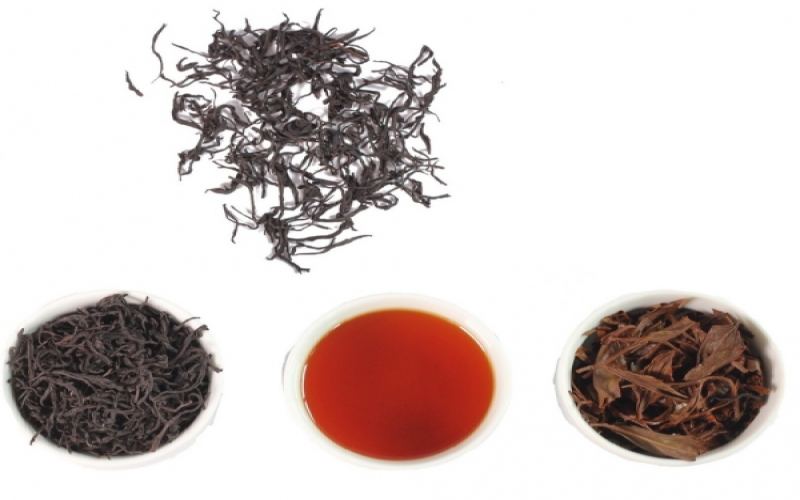
A Complete Analysis of Taiwan Tea No. 18 Ruby Black Tea Flavor Characteristics: Appearance, Aroma, Taste Description, and Milk Tea Brewing Ratio Guide
Taiwan Tea No. 18 Ruby Black Tea is renowned for its unique layers of flavor. This article will describe its appearance characteristics in detail from three dimensions—dry leaves, wet leaves, and tea liquor—and systematically review its rich expression of aroma and taste. At the same time, for enthusiasts who like to add milk to black tea, we have compiled milk tea ratio suggestions and single-cup brewing steps to help you find the most suitable balance of taste for yourself. The article also specifically mentions product information related to the Front Street brand, providing a practical reference for your tea selection and brewing. Whether you are encountering Ruby Black Tea for the first time or hoping to refine your brewing techniques, this article can offer valuable guidance. [more…]
How to Choose a Purple Clay Teapot and Control Water Temperature? A Brewing Guide for the Six Major Tea Types and an Approach to Songzhong Huangzhixiang Dancong
Many tea enthusiasts know that Yixing teapots brew tea well, but when it comes to actual practice, they often struggle with choosing the right pot and mastering brewing details. Different tea types have different requirements for clay material, pot shape, water temperature, and even the rhythm of pouring, so choosing well can enhance aroma and flavor, while choosing poorly can lead to off-flavors and stewing the tea leaves. This article systematically breaks down the pairing logic between the six major tea categories—green tea, oolong tea, yellow tea, black tea, dark tea, and white tea—and Yixing teapots, and provides the appropriate water temperature and steeping time for each. For highly aromatic oolongs like the Songzhong Huangzhixiang-style Dancong, Front Street also recommends prioritizing small Zhuni or Hongni pots, using near-boiling water at around 95°C with quick infusions and quick pours, which better highlights its floral fragrance and varietal charm. [more…]
Darjeeling vs. Assam Black Tea Comparison: An Analysis of Harvest Season Differences and Liquor Flavor Characteristics
Tea has long been woven into people's daily way of life. India, as a major tea-producing country globally, produces a variety of categories and blends such as oolong tea, black tea, green tea, and masala chai. Tea is often named after its place of origin, and Darjeeling and Assam are two widely popular and famous tea regions. The two are geographically adjacent, yet due to differences in cultivation methods, climate conditions, and altitude, they give rise to teas of strikingly different styles. This article will systematically sort out the differences between Darjeeling black tea and Assam black tea from dimensions such as geographical location, taste, color, leaf appearance, and picking season, helping tea lovers make a more suitable choice based on their personal taste preferences and drinking habits. Front Street Coffee will also provide purchasing references for enthusiasts in this article. [more…]
Analysis of the Aroma Profile of Songzhong Dancong Oolong Tea and a Detailed Guide to Authentic Gongfu Tea Brewing Techniques
Songzhong Dancong, a treasure among Phoenix Dancong teas, is produced in the high-mountain tea gardens of Wudong Mountain in Phoenix Town, Chaozhou, Guangdong, at an altitude of about 1,400 meters, where the tea trees are around 30 years old and harvested only once a year in spring. Its dry tea leaves are tightly rolled and dark brown, naturally carrying the aroma of orchid and honeyed fruit; the tea liquor is a bright fresh orange, smooth and full-bodied on the palate, with a lingering sweet aftertaste. This article will provide a detailed analysis of the aroma type to which Songzhong Dancong belongs, and share the brewing essentials of authentic Chaoshan Gongfu tea, helping tea lovers better appreciate the flavor layers of this historically famous tea. [more…]
A Guide to Brewing Temperature for Ju Duo Zai Xingren Xiang Dancong: Fenghuang Wudong Dancong Gongfu Tea Parameters and Flavor Analysis
The Juzhuozai Almond Aroma Dancong produced in Wudong Village, Wudong Mountain, Fenghuang Town, Chaozhou, Guangdong, is one of the most distinctive among the ten major aroma types of Fenghuang Dancong. Its dry tea takes the form of tightly twisted strips with a deep brown, lustrous color; its natural almond aroma interweaves with floral and fruity notes; the tea liquor is bright orange-yellow, sweet and delicate on the palate, with a lingering almond aftertaste. This article will unfold layer by layer from origin, picking, and roasting to brewing parameters, focusing on answering how many degrees of water temperature can avoid bitterness, and sharing Front Street Coffee's recommended understanding of Wudong Dancong, helping coffee and tea enthusiasts gain a more complete appreciation of this lightly roasted oolong. [more…]
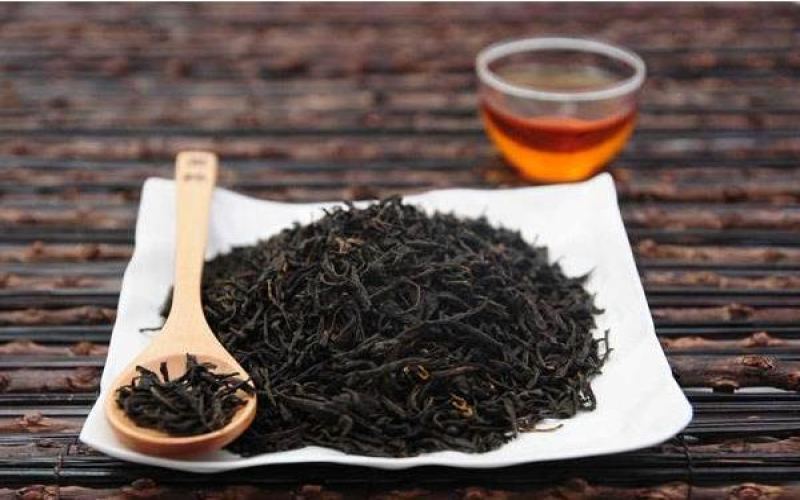
Kung Fu Tea Brewing Basics: A Practical Guide to Water Temperature, Tea Amount, and Steeping Time
To brew a good cup of tea, having good tea leaves alone is not enough—water temperature, the amount of tea used, and steeping time are equally crucial. Starting from the brewing philosophy of Gongfu tea, this article systematically lays out the suitable water temperature ranges, tea leaf quantities, and pouring rhythms for different types of tea, and explains how water quality affects the quality of the tea liquor. Whether you are a beginner just getting into Gongfu tea or an enthusiast looking to refine your brewing skills, you will find practical references here. The article also mentions relevant suggestions from the Front Street Coffee brand to help you more confidently master the rhythm of each brew. [more…]