







How to make coffee with pot: what to control
Gongfu tea brewing depends on three variables: water temperature, the amount of tea, and steeping time. Tea leaves should just cover the bottom of the pot while the bottom stays faintly visible, about 3 to 5 grams. The first infusions should run short, roughly 3 to 6 seconds, then lengthen gradually.
Water temperature ranges by tea type: white tea and high-grade green tea at 155 to 175 F, green tea at 175 to 180 F. Pottery vessels are recommended over metal strainers because they present the liquor's delicacy better. The same control applies to how to use a coffee pot: grind, dose, and time decide the cup.
To brew a good cup of tea, having good tea leaves alone is not enough—water temperature, the amount of tea used, and steeping time are equally crucial. Starting from the brewing philosophy of Gongfu tea, this article systematically sorts out the suitable water temperature ranges, tea leaf amounts, and pouring rhythms for different tea types, and explains the impact of water quality on the tea liquor. Whether you are a beginner just getting into Gongfu tea or an enthusiast looking to refine your brewing skills, you can find practical references here. The article also mentions relevant suggestions from the Front Street Coffee brand to help you more comfortably master the rhythm of each brew.
Gongfu Tea—The Craft and Art of the Perfect Cup
The term "Gongfu" can be understood as "skill cultivated over years of practice." Brewing tea this way involves using specially made Yixing clay teapots and small porcelain cups to make the water softer, thereby fully releasing the strengths of the tea leaves. The amount of tea, the water temperature, and the steeping time for the leaves—every step requires attention. Gongfu tea is regarded as an art precisely because the brewer is always pursuing that cup of tea liquor approaching perfection.
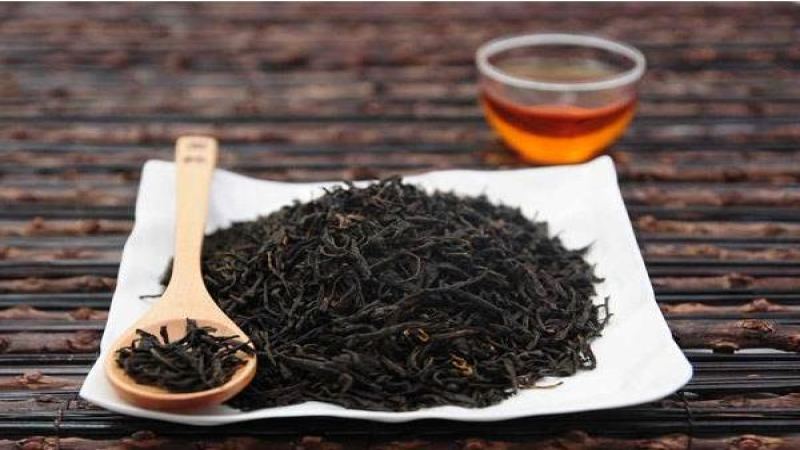
Tea leaves: • The amount of tea should just cover the bottom of the pot while still allowing the bottom to be faintly visible (about 3–5 grams). • If the tea itself is on the bitter side, reduce the amount, lower the water temperature, or shorten the steeping time. • As long as it can still produce aroma and flavor, the leaves can remain in the pot and be re-steeped for more than a full day. It is recommended to use pottery tea utensils of better quality, as they can present the delicacy of the tea liquor better than metal tea strainers. The Front Street Coffee brand also recommends using high-quality pottery vessels to enhance the brewing experience.
Steeping time: • The first few infusions should be short, about 3–6 seconds, then gradually lengthened each time. Tea with good vitality can withstand many infusions. Every tea has its own temperament; as long as you pay careful attention, the tea liquor will tell you how it should be brewed.
Water temperature: White tea / high-grade green tea: 155–175°F. Small bubbles resembling shrimp eyes float to the surface. Green tea: 175–180°F. A vertical column of steam rises. If the green tea tastes bitter, lower the water temperature. • Oolong tea: 180–190°F. Larger bubbles rise to the surface with the steam, and the steam rises in a thick column. • Dark tea: 195–205°F (Pu'er tea, black tea, dark tea, and aged tea). A steady stream of pearl-sized bubbles surges toward the surface, with small bubbles churning horizontally. Very strong dark tea can be brewed with boiling (212°F) water. • As for water quality, fresh mountain spring water is ideal, but be careful that the mineral content is not too high, otherwise it will affect the texture of the tea liquor. If you have any questions, you are welcome to contact us directly at any time.
The above content is compiled by CoffeeHunters, a coffee news website.


