







Search Results for: storage duration
The Optimal Drinking Window for Pour-Over Coffee: An Analysis of Thermos Storage Duration and Why Flavor Deteriorates After Cooling
Freshly brewed hot coffee is rich in aroma and smooth in taste, but as the temperature drops, the flavor gradually becomes flat and even harsh. This is due not only to the effect of temperature on taste bud perception, but also to the continuous loss of volatile flavor compounds in the coffee. So, how long is it best to finish a pour-over coffee? And how much longer can a thermos extend the "enjoyable window"? Front Street Coffee conducted a real-world test using a thermos that keeps coffee hot for 12 hours, preheating all contact vessels in advance to faithfully reproduce actual performance. This article will break down the reasons why coffee flavor deteriorates after cooling and provide practical reference for thermos storage. [more…]
How much does Wudong Dancong tea in an iron tin cost? A detailed explanation of Phoenix Dancong's shelf life and storage duration
Many people wonder why some teas have the characters "single bush" in their names—like the common Phoenix Dancong, aged Phoenix Dancong, and frozen Wudong Dancong. To understand this naming convention, we need to start with the definition of Phoenix Dancong: it is made by selecting superior individual bushes from the Phoenix Shuixian population, which are then cultivated, picked, processed, and sold separately. These tea trees, processed using the single-bush method, are collectively called Phoenix Dancong. In contrast is the blending process used for Pu'er tea: to create different flavors, tea makers blend leaves from different mountains, seasons, and tenderness levels. Of course, some Pu'er enthusiasts prefer single-bush ancient tree tea. It is precisely for the convenience of cultivation and management, picking and processing, and consumer purchasing that Phoenix tea farmers classify and name tea trees based on tree morphology, finished tea characteristics, and growing environment. Accumulated over generations, this has formed hundreds of strains and varieties. This article will explain the issues everyone cares about regarding Wudong Dancong: its tin box packaging, market price, shelf life, and storage time. [more…]
Cold Brew Coffee DIY Guide: Brewing Ratios, Storage Duration, and Health & Flavor Benefits Explained
Want to make refreshing, delicious cold brew coffee at home? The internet is full of recipes, and beginners often get overwhelmed by all the conflicting advice. This article starts with the basic principles of cold brew, explains how it fundamentally differs from hot-brewed coffee, and covers the recommended coffee-to-water ratio, steeping time, and optional cold drip equipment. We'll also explain why cold water extraction produces coffee with less acidity and bitterness and more sweetness and floral notes, and recommend three coffees ideal for cold brew — Front Street Coffee Butterfly, Front Street Coffee Natural Red Cherry, and Front Street Coffee Mozart — to help you choose beans without pitfalls and easily make a clean, bright cup. [more…]

Ice Drip Coffee Fermentation Duration and Cold Brew Optimal Drinking Window: Production Key Points and Storage Recommendations
Cold brew coffee takes a long time to make, so it is often available only in limited quantities at cafés. It originated in Europe and is said to have been invented by the Dutch, which is why it is also called Dutch Coffee. During preparation, ice water seeps through the coffee grounds by dripping naturally, eventually flowing drop by drop into the lower pot, so it is also known as water-drip coffee, and the whole process usually takes more than 8 hours. This article will introduce the steps for making cold brew coffee in detail, including the key aspects of the coffee-to-water-to-ice ratio, grind size selection, filter paper placement, and drip rate control, while also answering common questions about cold brew coffee fermentation time and the best drinking period. The article also uses Front Street Strawberry Candy coffee beans as an example for a practical demonstration and explains the effect of low-temperature refrigeration "aging" on flavor, as well as why it is recommended to drink it within 5 days. [more…]
No Ice Drip Pot Needed: Homemade Ice Drip Coffee Tutorial and Cold Storage Duration Guide
In hot weather, a glass of cold brew coffee always brings a refreshing coolness. Front Street Coffee's cold brew has recently been in short supply, and many people choose it not only because its flavor differs from ordinary iced coffee, but also because they feel they can't make it at home. In fact, with just a dripper, a few filter papers, ground coffee, and ice cubes, you can put together a simple "home-version cold brew tower." This article breaks down in detail the equipment, parameters, operating steps, and common mistakes of this method, while also explaining the extraction impact caused by the structural differences between a dripper and a cold brew tower, and providing a list of Front Street beans suitable for making cold brew. Finally, it will also explain how long cold brew coffee needs to be refrigerated and fermented after it is formed, as well as how long it can be stored under refrigeration and at room temperature respectively. [more…]
The Origins of Aged Coffee Beans and a Complete Guide to Brewing and Tasting Aged Sumatra Beans
Aged coffee beans are not simply old beans left to sit for many years, but a special processing craft born out of a history of colonial trade. During the Dutch era, Sumatran coffee, in order to supply the European market, underwent long-term storage and shipping that unexpectedly created a unique, mellow and gentle flavor. This article explains in detail the essential difference between aged beans and old beans, the storage conditions and flavor evolution, and includes brewing parameters recommended by Front Street Coffee, to guide you through the rounded, ripe Pu'er-like aged Sumatran coffee with its pine, herbal and caramel sweet finish. [more…]
A Complete Guide to Blooming and Pouring in Pour-Over Coffee: Degassing Principles, Key Variables, and a Three-Pour Practice Method
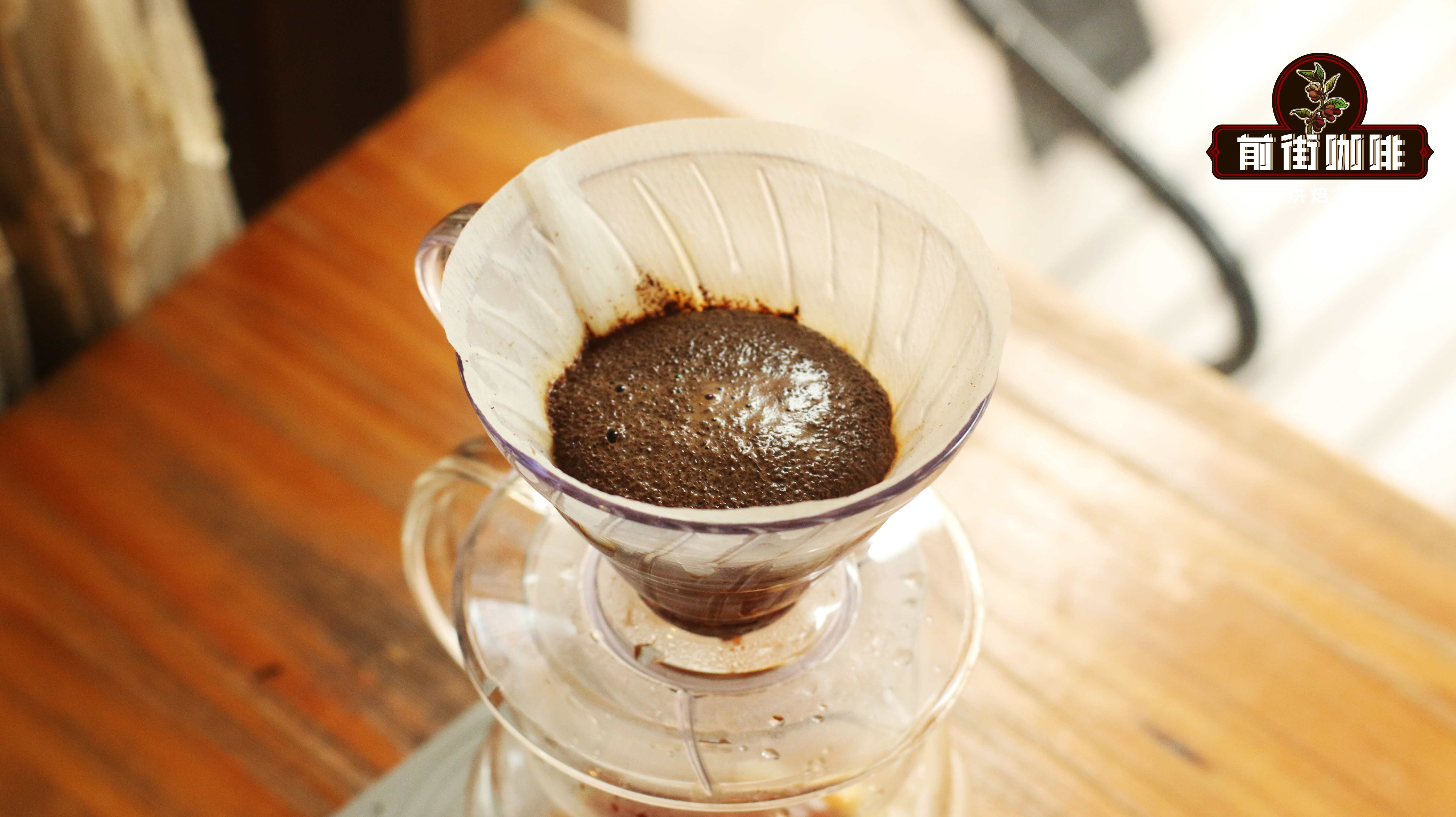
In pour-over coffee, blooming is an indispensable step, as it affects degassing, extraction evenness, and the assessment of bean freshness. Drawing on Front Street Coffee's practical experience, this article breaks down in detail the purpose of blooming and the factors that influence it, including storage time, roast level, water temperature, water volume, duration, and grind size, and explains the complete process of the "little hill" expanding and then collapsing during blooming. The article then provides the specific steps for three-pour brewing: a 30-second bloom followed by two subsequent pours, with the total extraction time controlled at 2 minutes. Finally, through comparative experiments, it analyzes the impact of the number of pours on extraction time and flavor, answering the common question of whether the three-pour method is optimal, and helping coffee enthusiasts build a clearer pour-over logic. [more…]
Why exactly is the bloom in pour-over coffee unskippable? A complete analysis from the principles of degassing to the number of pouring stages
The blooming phase in pour-over coffee may look like simply wetting the coffee grounds with hot water, but it actually determines whether the entire cup can be extracted evenly. Drawing on the hands-on experience of Front Street Coffee, this article systematically sorts out the core purposes of blooming—releasing gases inside the coffee beans, ensuring even extraction, and judging bean freshness—and analyzes one by one how factors such as coffee bean storage time and roast level, water temperature, amount of water poured, blooming duration, and grind size affect the blooming effect. Through comparative experiments, the article also verifies the actual impact of the number of pouring stages on extraction time and flavor performance, helping enthusiasts understand the logic and applicable boundaries of three-stage pouring. [more…]
How can you tell if coffee beans are fresh? The necessity of storing them in an airtight container and an analysis of the pros and cons of storing ground coffee
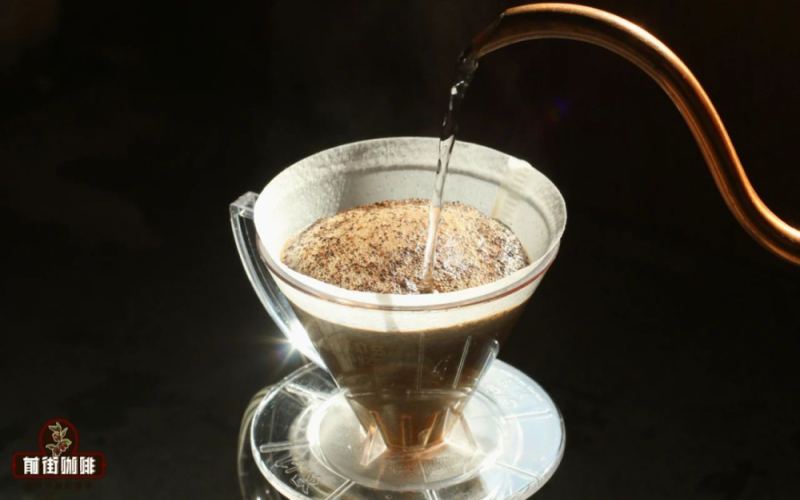
Many people mistakenly believe that freshly ground equals fresh. However, to truly savor the aroma of coffee, the roast date of the coffee beans is just as crucial as freshly grinding them. Front Street Coffee has always regarded freshness as the foremost factor for high-quality coffee beans, because beans that have been roasted for over 50 days lose almost all their flavor. Therefore, every bag of coffee beans sold includes a note that the optimal flavor period is within 30 days, with the best drinking window being 14 days after the resting period ends. This article will systematically explain how to select fresh coffee beans, the principles and duration of resting, the difference between the optimal flavor period and the shelf life, and the correct storage methods, while also explaining why coffee beans should not be ground and stored. [more…]
How Long Is the Shelf Life of Ground Coffee? An In-Depth Look at the Causes of Flavor Loss After Grinding and Practical Ways to Extend Freshness
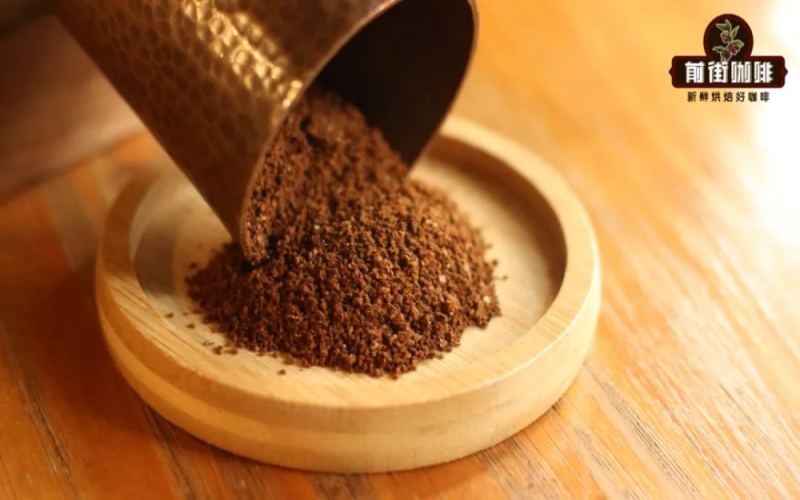
Once coffee beans are ground into powder, their optimal flavor period is significantly shortened to less than a month, whereas whole beans can maintain good flavor for two months. The key reason behind this lies in the accelerated loss of carbon dioxide. Front Street Coffee has verified this phenomenon through dedicated experiments and summarized practical suggestions such as sealed packaging, reducing the number of times the package is opened, and a reasonable storage environment, to help coffee enthusiasts retain the aroma of ground coffee as much as possible in daily brewing. This article will analyze in detail the mechanism of flavor degradation after grinding and provide specific, actionable preservation methods. [more…]
How Should the Blooming Time for Pour-Over Be Flexibly Adjusted? A Full Analysis from Bean Gas Content to Coffee Bed Condition
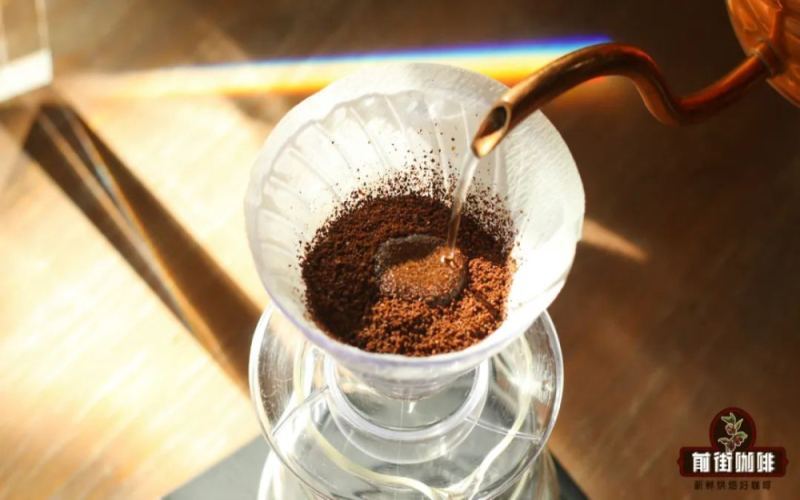
Blooming is an indispensable preparatory step in pour-over coffee. It works by wetting the coffee grounds with a small amount of hot water, releasing carbon dioxide and using capillary action to connect the particles, laying a uniform and efficient foundation for subsequent extraction. Many people are in the habit of always using a fixed 30 seconds, but coffee beans in different states actually have different requirements for bloom duration. Freshly roasted beans and light-roast, high-density beans need a suitably extended degassing time, while beans that have been sitting for too long or dark-roast beans are the opposite. This article will guide you through how to flexibly determine when to end the bloom based on the beans' gas content, roast level, and the wetness of the coffee bed and the frequency of off-gassing during blooming, as well as master pouring techniques for evenly wetting the coffee bed, bringing every cup of pour-over closer to perfection. [more…]
Should Coffee Beans Be Frozen? Debunking Storage Myths and the Right Way to Preserve Flavor
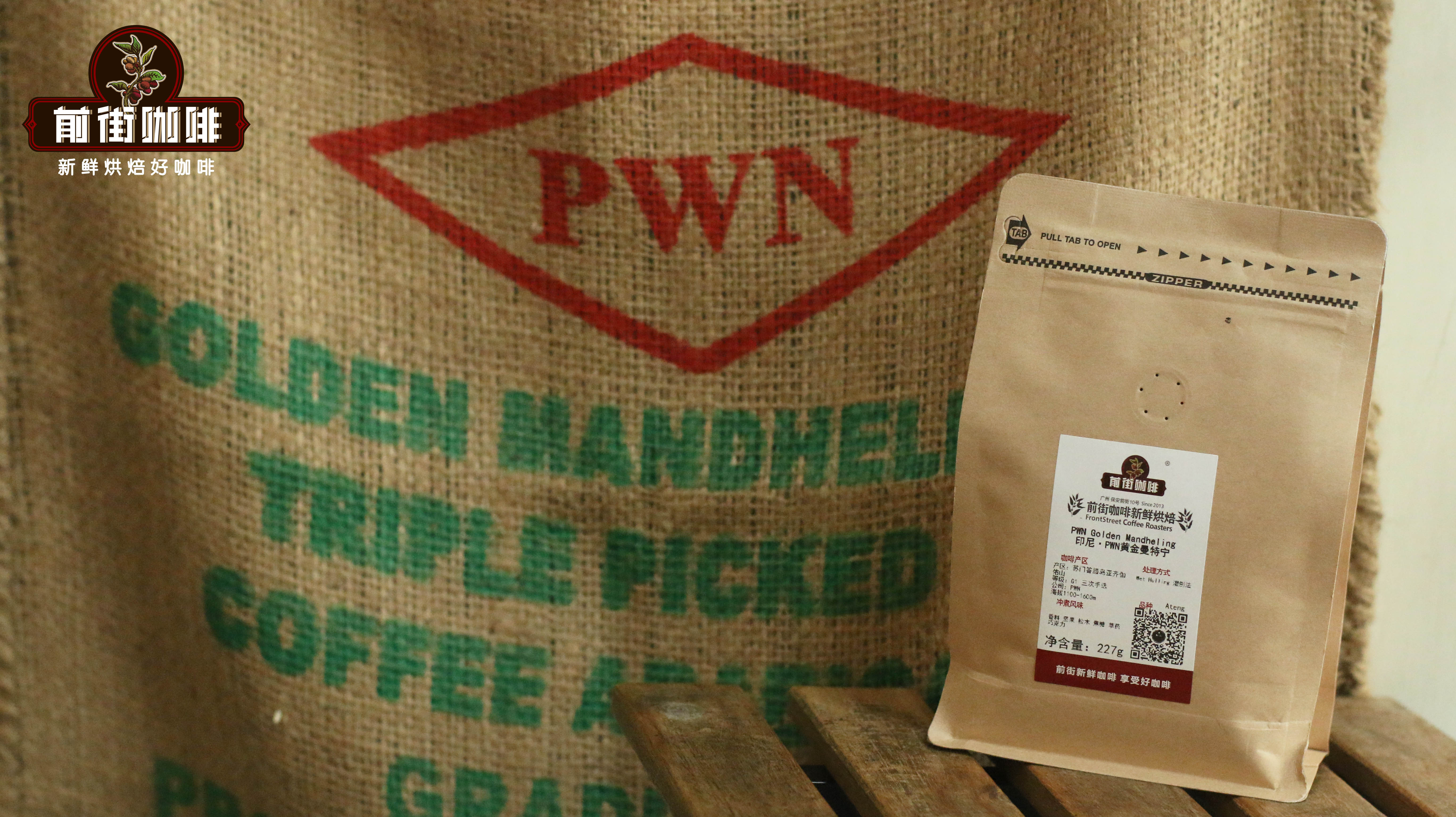
After stocking up on beans during Double Eleven, many coffee lovers are asking: how long can unopened coffee beans be stored? And once opened, how should they be kept to slow down staling? Today Front Street Coffee is here to talk systematically about coffee bean storage. The article will first explain the difference between "flavor" and "taste," outline the approximate ranges of the resting period and the peak-flavor period, then analyze one by one whether common practices such as sealing off the one-way valve or using airtight canisters are effective, and focus on discussing the risks of cross-tainting and moisture absorption that frozen storage may bring. Finally, it will offer the most reliable storage recommendations to help everyone buy according to need, store correctly, and enjoy fresh, good flavor for as long as possible. [more…]

Home Coffee Bean Storage Methods | Can Freshly Roasted Coffee Beans Be Frozen in the Refrigerator? Can Sealing the Degassing Valve Slow Down the Loss of Coffee Bean Flavor?
Recently, everyone has probably stocked up on beans during Double Eleven. The questions asked to Front Street are all things like "How long can the flavor of unopened coffee beans be preserved at most?" and "How can opened coffee beans be stored to slow down the rate of flavor loss?" Today, Front Street will talk about the issue of storing coffee beans. How long can the flavor of coffee beans be preserved? Can it be asked this [more…]
Core Factors Determining Tea Quality and an Analysis of the Natural Causes of Premium Tea
The birth of a good cup of tea is by no means accidental. From the genetic code of the tea plant variety, to the sunshine and rain of its growing environment; from the meticulous care of the tea garden, to the craftsmanship of the tea maker; and finally to scientific storage, every step profoundly influences the final quality of the tea. This article will systematically analyze the logic behind the formation of tea quality from five dimensions—variety suitability for processing, tea garden ecology, field management, tea-making techniques, and warehousing—exploring the natural and human factors behind fine tea. Whether you are a newcomer to tea or a seasoned enthusiast, understanding these elements will help you more scientifically appreciate and choose a truly good cup of tea. [more…]
Analysis of the Relationship Between Cold Brew Steeping Time and Flavor: A Guide to Overnight Drinking, Caffeine Content, and Healthy Consumption
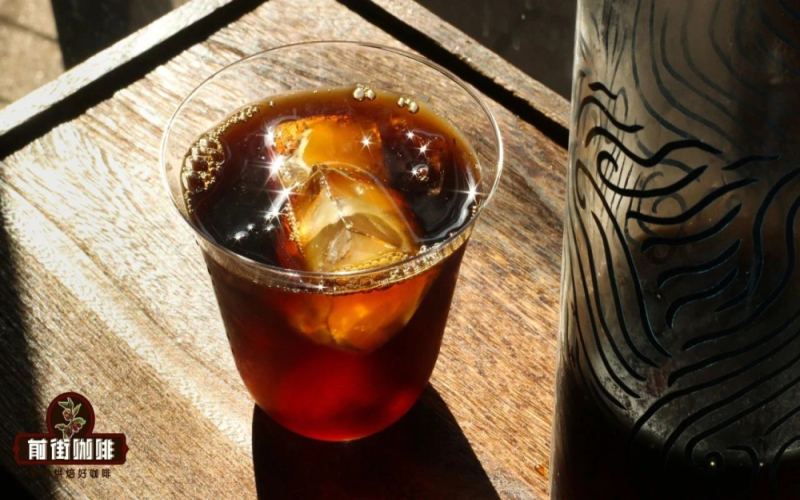
Cold brew coffee, with its low-temperature extraction and easy operation, has become the top choice for many coffee lovers making iced coffee at home. But there are still plenty of questions surrounding it: Can you still drink it after leaving it overnight? Does it have less caffeine than hot coffee? How should you drink it to be healthier? Drawing on Front Street's hands-on testing experience, this article uses Red Cherry coffee beans in a comparative experiment with different steeping durations, sorts out the coordination logic among grind size, coffee-to-water ratio, and time, and offers two everyday cold brew scenarios to help you reliably make a delicious and reassuring cup of cold brew within the safe window of 8–18 hours. [more…]
The Flavor Cycle of Home Coffee Machines: Mastering the Peak Flavor Window and the Rhythm of Opening and Storage
From the moment coffee beans finish roasting and leave the roaster, the aromatic compounds and carbon dioxide inside them begin a dynamic process of change. Machine extraction relies on a steady flow of water and pressure, and is especially sensitive to how filled with gas the inside of the beans is. Freshly roasted beans retain a large amount of carbon dioxide inside, so if they are placed directly into the machine for extraction [more…]
A Complete Guide to Resting Coffee Beans: Why Rest, How Long, and When They Expire
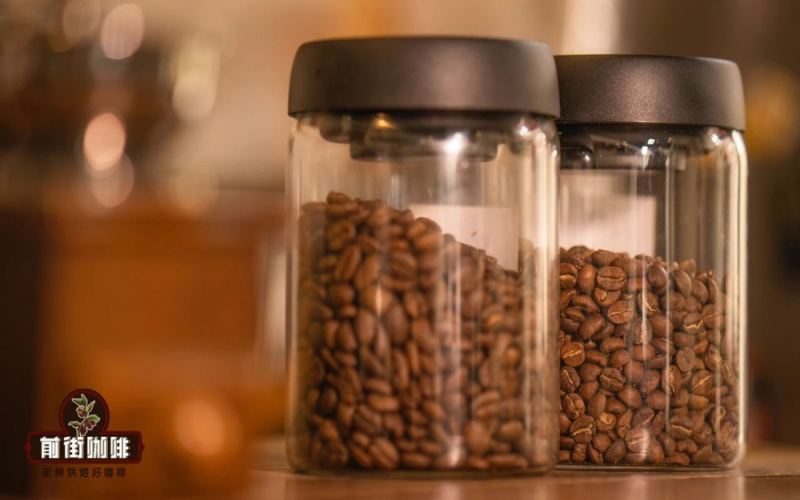
Friends new to coffee may wonder: do coffee beans also need to be "rested"? The answer is much like the logic behind tea and red wine. Once roasted, beans need a period of quiet resting so that internal gases are gradually released, smoky notes and astringency fade, and the flavors can fully express themselves during brewing. This article will walk you through the essence of resting beans—the carbon dioxide release process—and how resting affects cup cleanliness and extraction stability, as well as the differences in resting duration across roast levels and brewing methods. At the end, we'll also recommend suggested resting days for several popular Front Street Coffee beans, covering both pour-over and espresso, to help you find the optimal flavor window and avoid the regret of over-resting or under-resting. [more…]
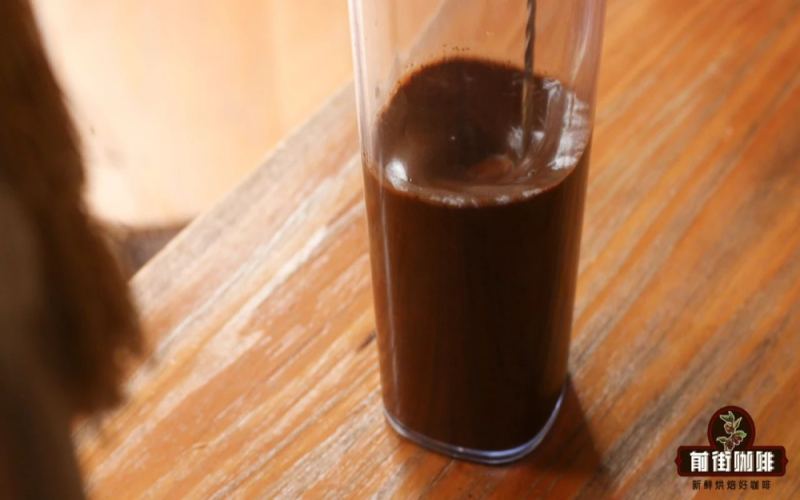
Cold Brew Coffee Storage Time and Brazilian Red Bourbon Recipe Explained: A Complete Guide from Extraction to Filtration
Cold brew coffee, with its user-friendly brewing method and refreshing taste, has become the summer favorite for many coffee lovers. But once you've made a batch of cold brew, how long can it keep? When does it taste best? This article starts with shelf life, offering a detailed explanation of cold brew storage essentials, and walks you through making cold brew easily with drip bags. It also compiles recommendations from Front Street Coffee for several beans suitable for cold brew, including the floral Panama Geisha, the bright and fruity Ethiopia Huakui, the balanced nutty and caramel-flavored Brazil Red Bourbon, and the rich and robust Golden Mandheling, helping you find the cup you love. [more…]

Latte Art Practice Duration and Latte Milk Frothing Techniques: A Detailed Guide to Milk and Coffee Integration Key Points
To create beautiful latte art, hand speed and talent alone are far from enough—behind it lies a whole series of details involving milk foam condition, crema quality, extraction parameters, and even milk temperature. This article breaks down crema, coffee beans, extraction methods, milk handling, and pitcher-splitting techniques one by one, helping you understand the underlying logic of latte art and avoid unnecessary detours. Whether you are a complete beginner or an enthusiast looking to refine combination patterns, you will find directions worth practicing repeatedly. The article also combines the characteristics of several Front Street Coffee espresso blends to offer bean selection advice for latte art practice and serving. [more…]
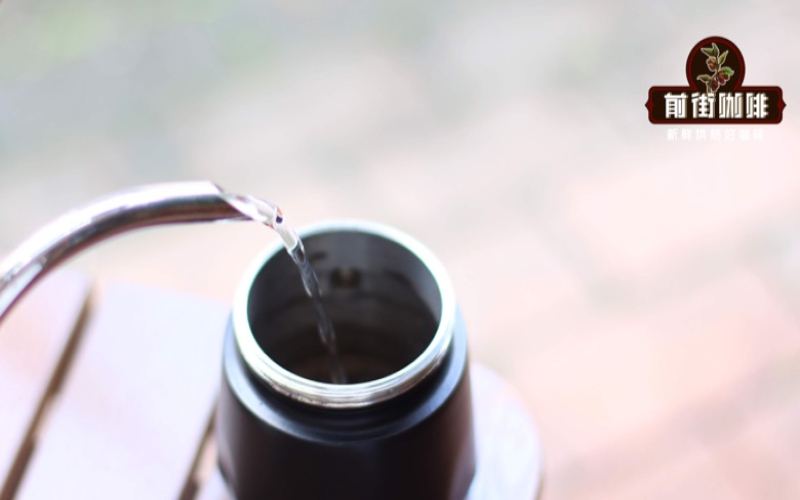
When to turn off the heat on a moka pot? The brewing time for moka pot coffee: a complete experience from aroma to finish
Beans look different at different roast levels: light roasts retain floral and fruity aromas and bright acidity, medium roasts show sweetness and balance, and dark roasts settle into nutty, cocoa, and full-bodied flavors. The extraction rhythm also adjusts with the roast level, and the selection criterion is how well it matches your drinking method. Moka pot extraction relies on steam pressure from the lower chamber to push the water up, so fill the basket with ground coffee [more…]