







Search Results for: smooth
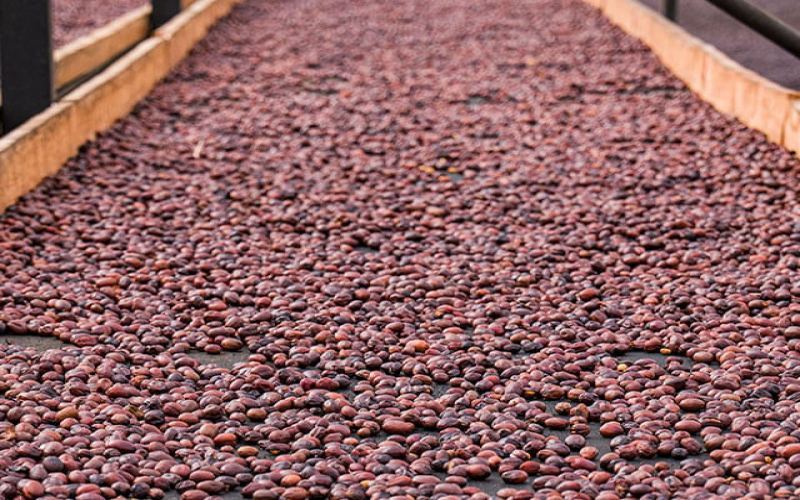
Understand the degassing period and drinking window on coffee bags to pick single-origin pour-over beans that are smooth without sourness or bitterness
Freshly roasted coffee beans hold a large amount of carbon dioxide internally. When brewed immediately, the violently released gas tends to obstruct the even contact between water and coffee grounds, making the extracted flavors taste tight and astringent. To bring out a smooth and gentle texture in the cup, it is essential to understand the evolution of the beans from the moment they leave the roaster until the aromatic compounds fully unfurl. [more…]
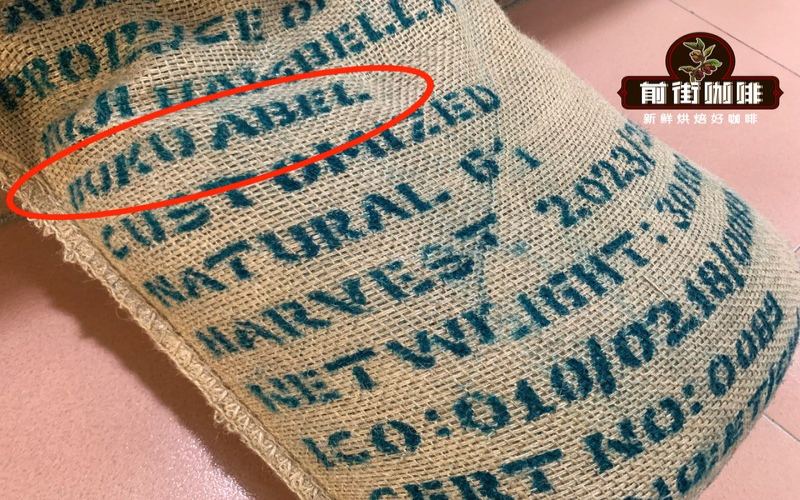
Want a smooth, sweet aftertaste? First, check how far your coffee beans have been roasted.
If you want acidity that doesn't overpower, a smooth entry, and a sweet finish, you can start by looking at the roast level when choosing beans. Roasting time changes the acidity, caramelized aromas, and body of coffee, and the same region can show completely different characteristics under light, medium, and dark roasts. For ordinary coffee consumers, start by roast [more…]
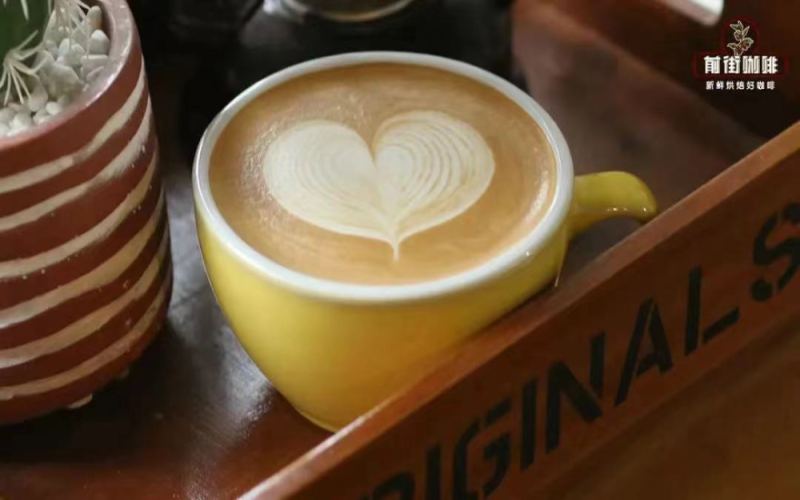
Beginner Latte Art Tutorial Explained | How Can Coffee Newbies Make a Heart-Shaped Latte Art? How Do You Use an Espresso Machine to Steam Silky, Smooth Milk Foam?
For professional coffee knowledge exchange and more coffee bean information, please follow Coffee Workshop (WeChat official account cafe_style). For more specialty coffee beans, please add private WeChat Front Street Coffee (FrontStreet Coffee), WeChat ID: qjcoffeex. Coffee latte art is coffee [more…]
Espresso Coffee Bean Brand Recommendations | What Are Espresso Blend Beans? What Types of Espresso Beans Are There? How to Choose Espresso Beans for a Semi-Automatic Espresso Machine?
Whether enjoyed on its own or as part of an espresso-based drink, a good, balanced espresso is the first requirement. However, to create an espresso with balanced acidity, body, and sweetness, you need to start with the right coffee beans—blending beans from different origins together. About Espresso Beans [more…]
A Comprehensive Guide to Coffee Types: Detailed Analysis of Flavor Characteristics and Origin Differences of 12 Classic Coffees
The world of coffee is rich and diverse, with different origins and roasting methods creating distinctive flavor experiences. This article systematically reviews 12 common types of coffee, from the elegant delicacy of Jamaican Blue Mountain to the rich mellowness of Indonesian Mandheling, from the chocolate notes of Yemeni Mocha to the unique flavor of Hawaiian Kona, analyzing one by one their taste characteristics, origin background, and best ways to drink them. Whether you prefer light and smooth or rich and strong, you can find your ideal choice in this coffee map. Front Street Coffee takes you deep into the personality and charm of each type of coffee. [more…]

Espresso Bean Blending Guide | How to Judge the Freshness of Coffee Beans? Why Blend Coffee Beans? How to Extract Espresso at Home?
For more specialty coffee knowledge, please follow the WeChat official account: Front Street Coffee (FrontStreet Coffee). When it comes to choosing espresso beans, Front Street Coffee (FrontStreet Coffee) first pays attention to the freshness of the beans, and then to the [more…]
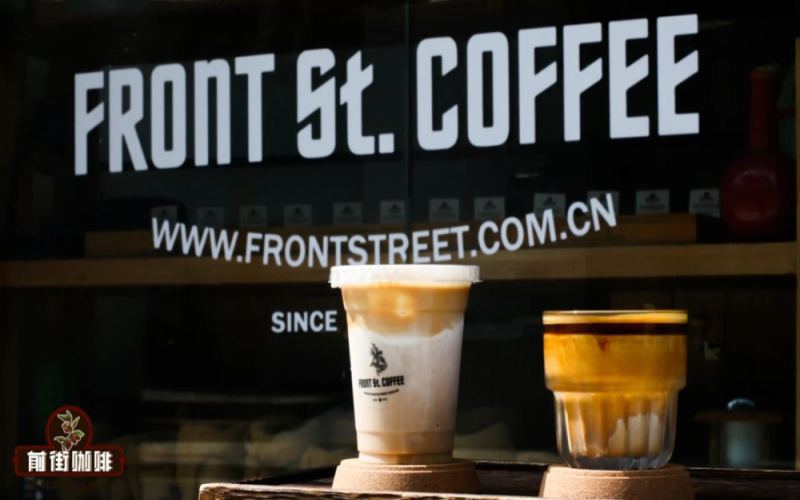
Espresso Specialty Coffee Beans Recommendation | Why Are Espresso Coffee Beans Mostly Dark Roasted? Introduction to Espresso Extraction Principles, Brewing Methods, and Coffee-to-Water Ratio
Generally speaking, the beans used for espresso are roasted to a medium or medium-dark level or darker, because espresso is not only used to make black coffee but also used to make lattes, flat whites, mochas, and other specialty coffee drinks. If the roast level is too light, not only will there be little crema, but the coffee's flavor can easily be [more…]
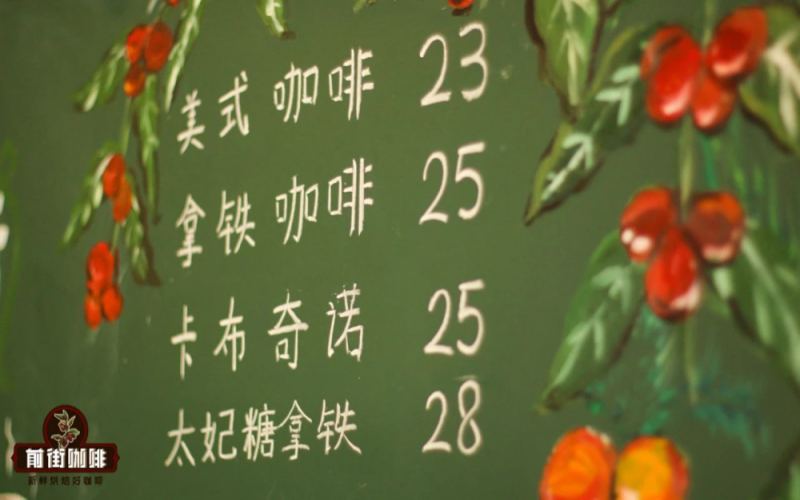
The Standard Method for Making a Flat White and the Coffee-to-Milk Ratio | What Is the Difference Between a Flat White and a Latte? Does the Texture of the Milk Foam Affect the Taste of Coffee?
Whether we go to Luckin Coffee or Starbucks, or an independent café, we always see coffee with the word "white" on the espresso menu. Everyone calls this coffee differently: Luckin calls it Aoruibai, Starbucks calls it Furuibai, and independent cafés call it Australian White Coffee. These are actually all the same espresso- [more…]
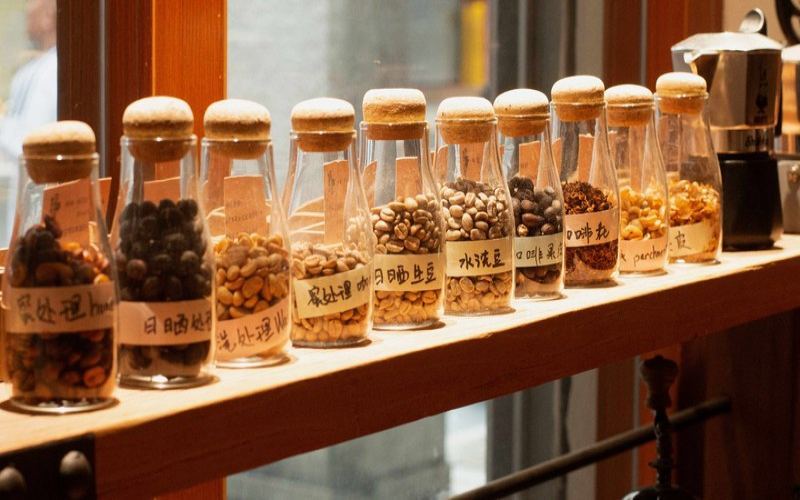
Understanding the Degassing Cycle of Espresso Beans: Daily Drinking Rhythm and Flavor Preservation Methods for Home Machines
Roasted coffee beans contain abundant carbon dioxide internally, and these gases can participate in forming a golden, delicate crema during extraction. However, during the stage of extremely vigorous degassing, excessive bubbles tend to hinder uniform contact between water flow and coffee particles, making the flavor in the cup appear unsettled. Understanding how coffee beans evolve in condition across different time periods, [more…]
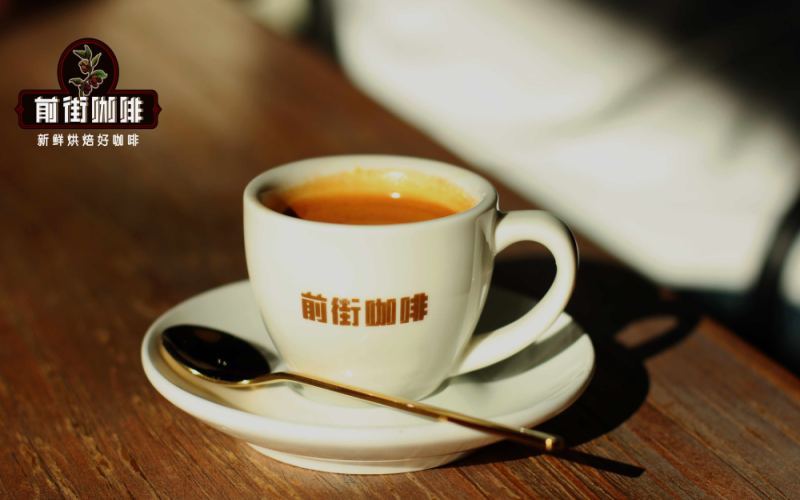
Specialty Espresso Coffee Beans | How to Choose Good Espresso Beans for Your Coffee Machine? Recommended Everyday Espresso Beans for Cost-Effective Espresso Machines
Whether enjoyed as a straight shot or as the base of a milk-based espresso drink, a good, balanced espresso is the first requirement. However, to create an espresso with balanced acidity, body, and sweetness, you need to start with the right coffee beans—blending beans from different origins together. About Espresso Beans [more…]
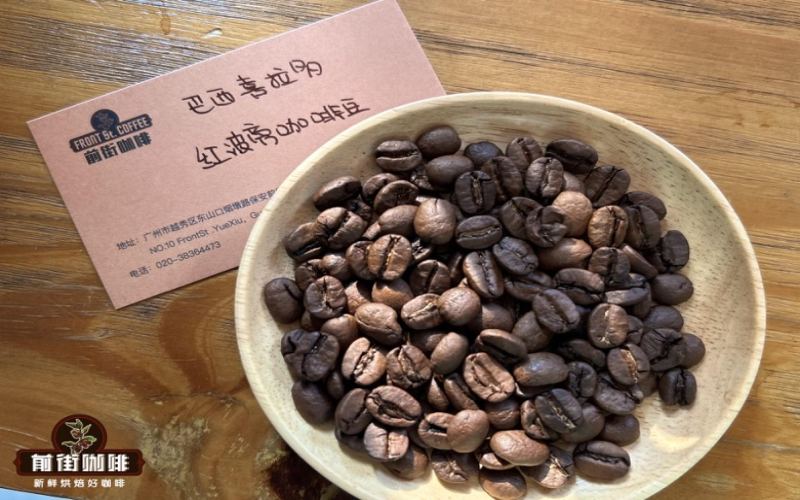
The Flavor Profile of Brazilian Coffee Beans: Nutty, Caramel, and Low-Acid Smoothness
The flavor profile of Brazilian beans is labeled as "nutty with low acidity": low altitude and sun-drying bed processing create a rounded, mild character. Front Street Coffee's Papua New Guinea Bird of Paradise, though produced in a neighboring country, follows the same flavor path as Brazil—clean, rounded, with soft sweetness; if you want the Brazilian flavor, look for nutty, caramel, and low acidity. [more…]
Choosing Coffee for Family and Friends: Two Low-Acid Beans That Elders and Acid-Sensitive Drinkers Will Love
Want to give your parents or acid-sensitive friends a bag of coffee beans, but find yourself overwhelmed browsing e-commerce pages? Gifting is scarier than drinking it yourself—if the taste doesn't match, even the most expensive beans go to waste. Today, following the "mass acceptance first" standard, I recommend two low-acid, smooth, easy-to-drink beans, with brewing methods suited to different equipment. [more…]
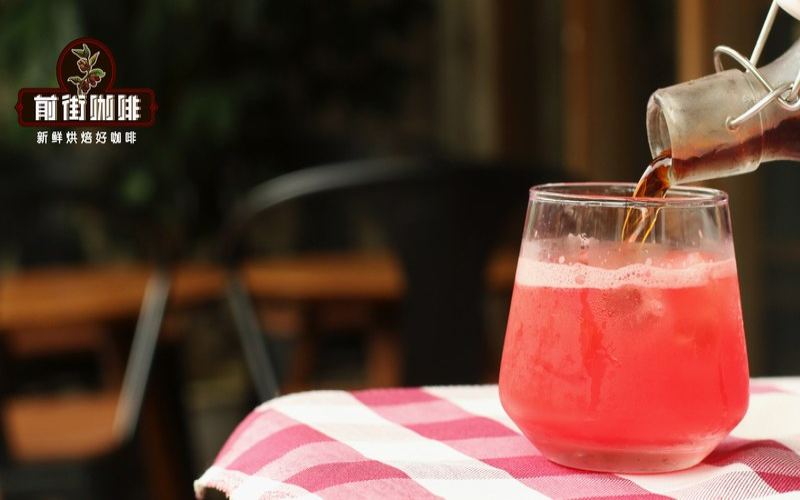
Nutty Chocolate-Flavored Coffee: Roast Level Determines the Taste Profile
Flavors like nuts, cocoa, and caramel often bring to mind a round, sweet, and smooth cup of coffee. However, even when chocolate notes are listed, light, medium, and dark roasts deliver quite different experiences in the cup. Whether you want a crisp cocoa note, a soft nutty sweetness, or an intense dark chocolate flavor, the key is to first look at the roast level, then [more…]
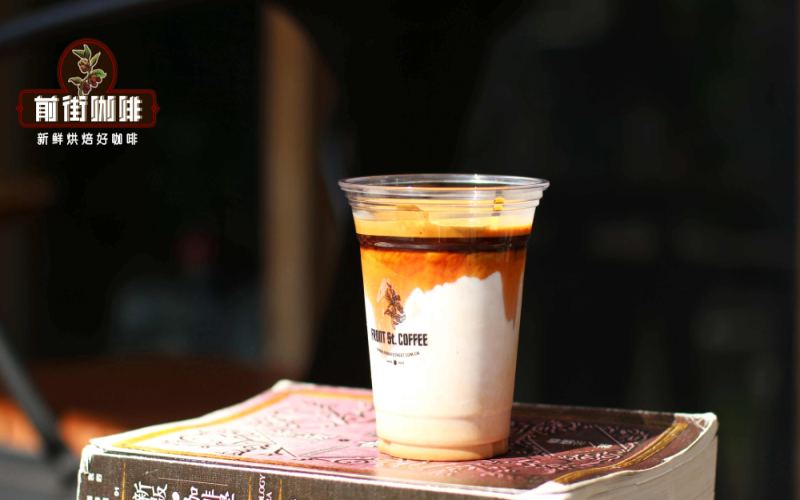
Latte Coffee Making Guide: Espresso Bean Selection and Hot Latte Step-by-Step Instructions
Latte coffee, with its blend of espresso and fresh milk foam, has become the drink that many people use to start their day. To make a delicious espresso latte, the choice of coffee beans, the espresso extraction parameters, and the degree to which the milk is steamed all directly affect the final flavor. Starting from the composition of the ingredients, this article introduces two Front Street espresso blend beans suitable for making lattes, and breaks down in detail the process of making a hot latte, including key details such as dose, liquid yield, extraction time, and milk foam temperature and thickness, helping coffee lovers reproduce at home a latte that is smooth in texture and full in flavor. [more…]
Double Espresso Extraction Ratio | How Much Coffee Grounds Are Needed to Make Espresso? What Is the Espresso Coffee-to-Water Ratio? Which Coffee Beans Are Suitable for Espresso Extraction?
For more specialty coffee knowledge, please follow: Front Street Coffee (Frontsteet Coffee). Espresso has been around for quite some time now; it is the pride of Italians and also a cultural asset that Italian coffee has brought to the world, feeling somewhat similar in nature to what Ethiopian varieties represent for [more…]
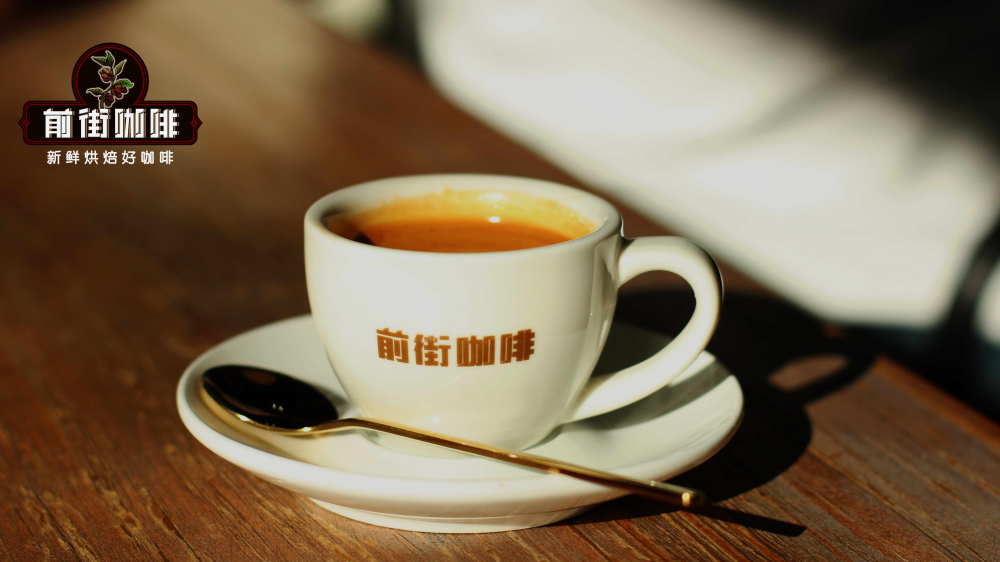
Commercial Espresso Bean Recommendations | How to Blend Espresso Beans? What Are the Techniques for Roasting Espresso Blends? Which Espresso Beans Are Suitable for Café Service?
Whether enjoyed on its own or as part of an espresso-based drink, a good, balanced espresso is the first requirement. However, to make an espresso with balanced acidity, body, and sweetness, you need to start with the right coffee beans—blending beans from different origins together. Although single-origin [more…]

Espresso Coffee Beans | Why Blend Coffee Beans? What Do Raw Blending and Roasted Blending Mean? What Should Be Noted When Blending Coffee Beans?
Many people don't understand how blend beans are formulated into a blending plan. Now Front Street Coffee will guide you through the ideas behind blending coffee beans and how to blend coffee. The reasons and purposes for blending: people need to combine coffees from different origins for several different purposes. The most ideal purpose, of course, is to blend a kind of flavor [more…]

Principles of Blending Coffee Beans | What Are Blended Beans? What Is the Difference Between Espresso Blend Coffee Beans and Single-Origin SOE Beans? How Do You Blend Coffee Beans?
Many people don't understand how blended coffee beans are formulated. Now Front Street Coffee (FrontStreet Coffee) will guide you through the concepts behind blended coffee beans and how to blend coffee. For more specialty coffee knowledge, please follow our WeChat official account: Front Street Coffee (FrontSt [more…]
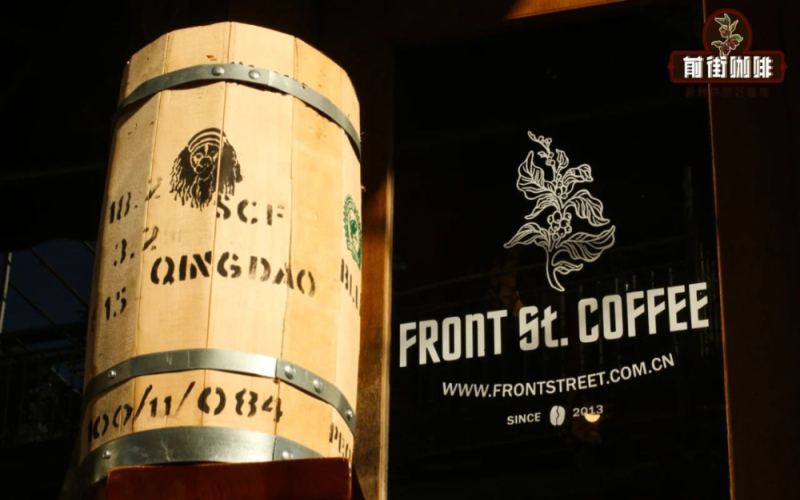
Why Blue Mountain Coffee Is a Classic
Blue Mountain coffee's fame is almost as well known as its price. Many people's understanding of Blue Mountain stops at "expensive," but the reason Blue Mountain is a classic is by no means just its price. Its true value lies in a rare sense of balance: the four dimensions of acidity, sweetness, bitterness, and aroma are all controlled just right, making it smooth and mellow on the palate. [more…]
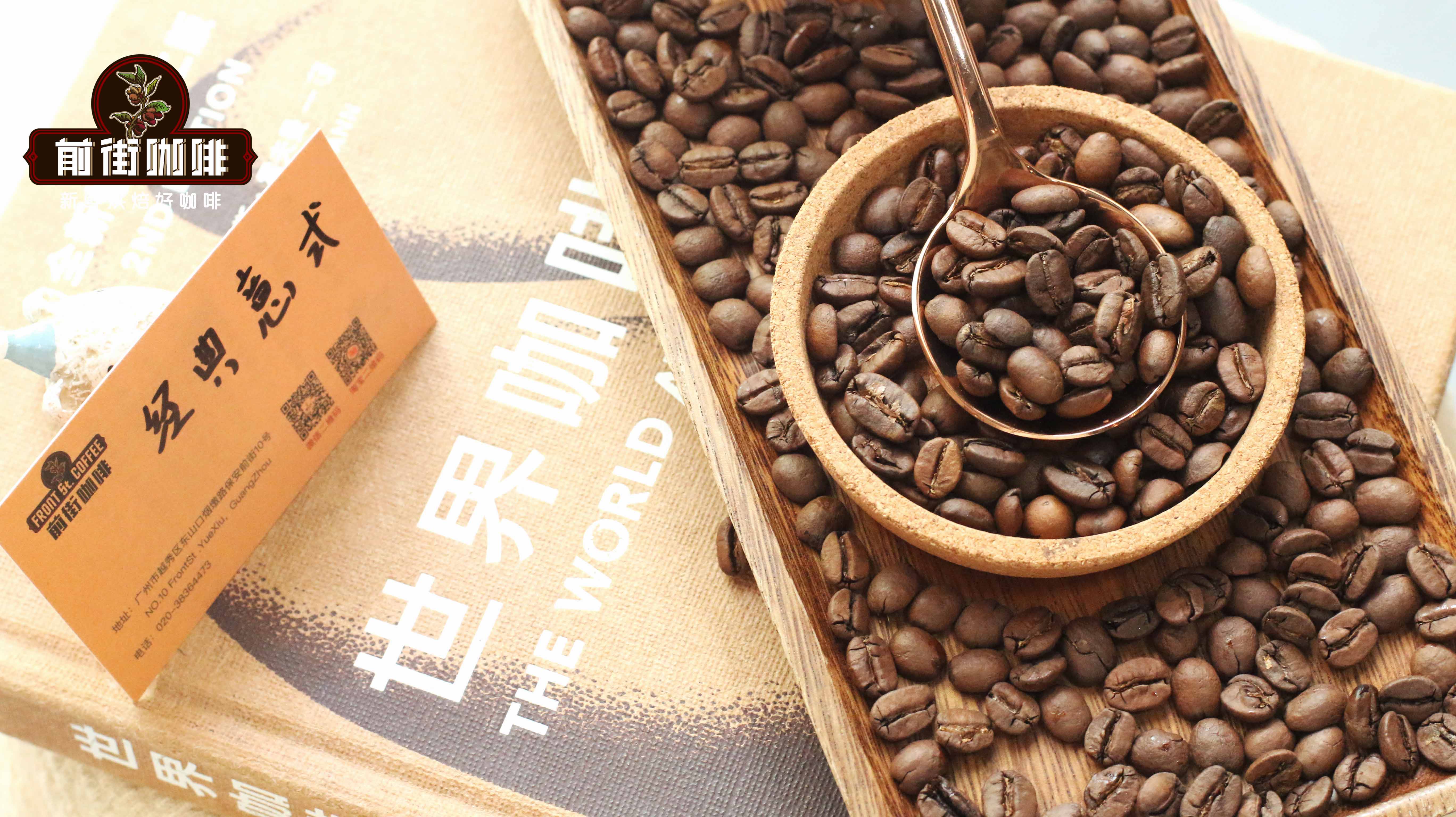
Blended Coffee Beans Drinking Guide | Which Coffee Beans Are Compatible with Espresso Machines and Moka Pots? Recommendations for Rich-Crema Espresso Beans for Milk-Based Espresso Drinks
Front Street Classic Espresso Blend is not only affordable, but also boasts a rich, sweet flavor with a smooth, warm finish. On the palate, it opens with intense dark chocolate, warm roasted nut aromas, and sweet caramel notes, with low acidity. Brewed as an Americano, it is smooth with a sweet aftertaste; made into a latte, it highlights even more the aromas of cocoa, cream, and toasted bread. [more…]