







Why Diluted Espresso Often Tastes Bitter Over Ice
Iced Americano is diluted espresso served cold, and its bitterness depends almost entirely on the beans and the extraction rather than the drink itself. A shot pulled too long, water that is too hot, or a dark roast blend will all taste harsh. Sweeter, fruitier espresso blends produce a rounder cup that needs no sugar at all.
The standard build is one or two espresso shots topped with cold water and ice, usually at about a 1:5 coffee-to-water ratio. Blends sold for milk drinks and darker roasts tend to read bitter over ice, while medium roasts with floral or citrus notes stay balanced. Adding sugar is personal preference, not a measure of expertise.
Americano is virtually everywhere in today's cafes, yet many people's first impression of it is still "so bitter it's hard to swallow." Is Americano really bitter? Does adding sugar make you look unprofessional? And what does it have to do with weight loss? From the perspective of Front Street Coffee, this article sorts out the origin and evolving definition of Americano, explains in detail the standard preparation process and water-to-coffee ratio for iced Americano, and recommends several espresso blend beans suitable for making Americano, including Sunflower Warm Sun, Specialty Blend, Commercial Blend, and Black Cocoa Blend, helping coffee lovers make a smooth cup of Americano at home too.
Walk into any cafe, and Americano is almost always a permanent fixture on the menu. However, in the public perception, it is often labeled as "bitter," and many people feel they simply cannot drink it without sugar. Is that really true? Does adding sugar to Americano mean you don't understand coffee? Front Street Coffee will answer these questions one by one below, guiding everyone to a comprehensive understanding of Americano.
The Origin of Americano
According to research by Front Street Coffee, Americano was born during World War II, but its birthplace was not the United States—it was first created by Italian baristas for American soldiers. At the time, American soldiers were not used to drinking standard espresso, finding it too bitter and too strong, completely unacceptable; they were more accustomed to drinking drip coffee at home.
To make the coffee more suited to American soldiers' tastes, Italians diluted espresso with hot water. Therefore, in the United States, ordering a "black coffee" usually refers to drip black coffee; while in restaurants and coffee shops in places like the UK, the same term is understood as Americano. The name Americano gradually spread in this way. As for whether adding sugar is demeaning, actually, as long as it tastes good to you, whether to add sugar is purely personal preference and has nothing to do with being highbrow or lowbrow.
What Is Americano?
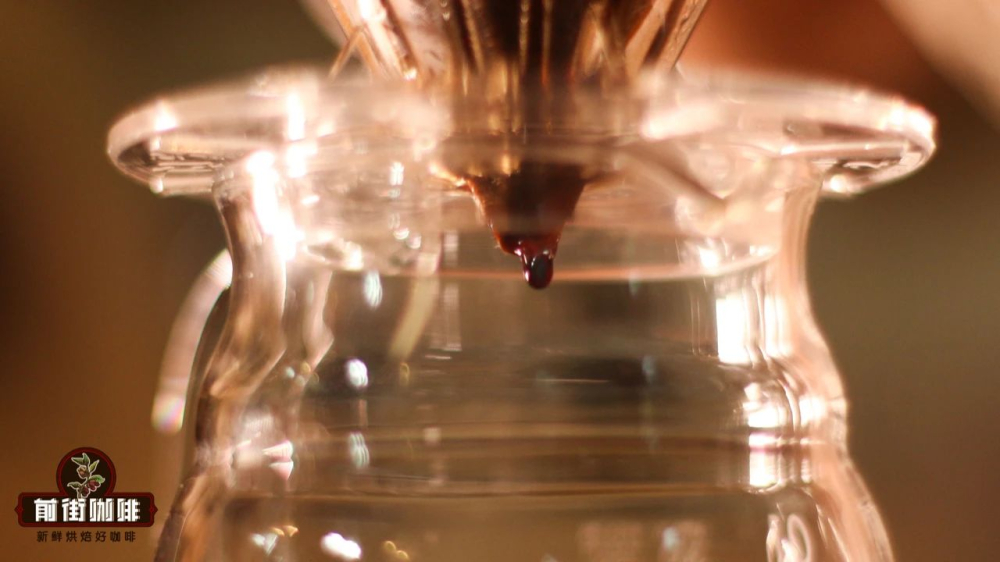
In the traditional sense, Americano is black coffee made with a drip coffee maker, with a typically longer extraction time of about four to five minutes, so its caffeine content is relatively high. Its preparation process is simple, quick, and free-spirited. Front Street Coffee believes that precisely because of this, Americano's taste is more refreshing than espresso and better showcases the coffee beans' original flavors.
However, Americano in today's cafes differs somewhat from the traditional definition: it uses espresso as a base, adds a large amount of water to dilute it, and then adds ice cubes as desired, becoming an iced Americano. If you want a hot Americano, simply add hot water.
The Water-to-Coffee Ratio for Americano
According to Front Street Coffee, traditional Americano is made by diluting espresso with hot water, but there is no hard-and-fast rule about how much hot water to add. Some consider a 1:2 ratio of espresso to water as the "standard" Americano, while others prefer a 1:1 "short" Americano. In fact, depending on the strength of the espresso and customer preferences, coffee shops may use ratios as high as 1:15.
Front Street Coffee stores use a ratio of 1:6.5 to 1:7 when making Americano, which is set to highlight the flavors of espresso blend beans. Parameters can be adjusted to present a more ideal coffee flavor. Below, Front Street Coffee shares the specific method for making iced Americano.
Iced Americano Preparation Process
As Front Street Coffee mentioned earlier, traditional iced Americano is made by adding ice water to espresso at a 1:7 ratio. Next, Front Street Coffee introduces the steps for making iced Americano.
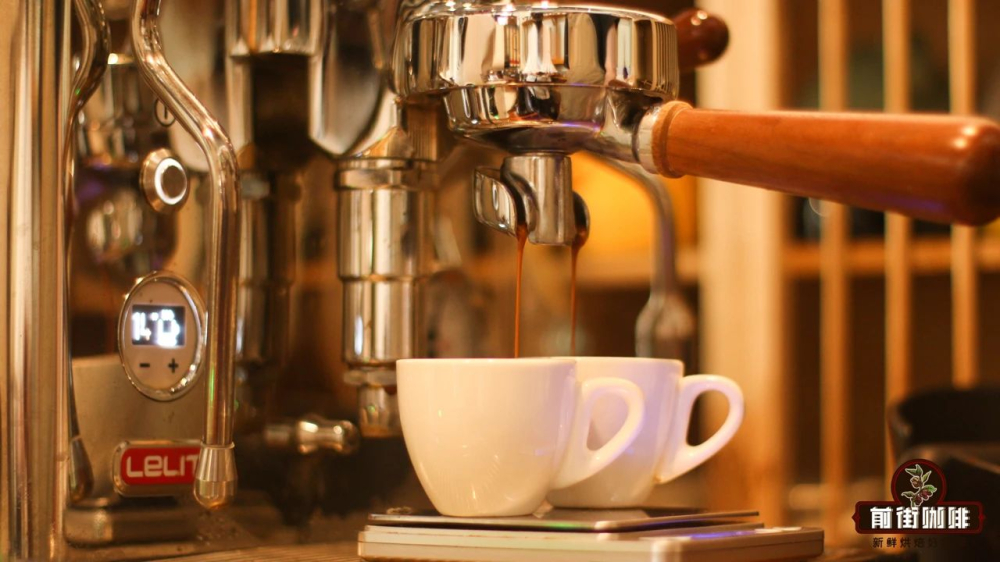
1. First extract the espresso. The extraction plan is as follows; press the parameters below to extract two shots of espresso.
Grinder: Pegasus 900N
Grind setting: 1.6
Pressure: 9 bar
Temperature: 90.5~96°C
Time: 25~33 seconds
Dose: 20g (double espresso)
Yield: 40ml
Extracted espresso flavor: smooth mouthfeel, medium body, noticeable fruit acidity on entry, accompanied by faint berry aroma, whisky notes, rich chocolate flavor, and a pronounced sweet aftertaste.
2. Prepare 280ml of ice-water mixture.
3. Pour the double espresso into the ice-water mixture, stir well, and it's ready to drink.
Front Street Coffee iced Americano flavor: After the espresso is added to ice water, the taste is refreshing and smooth, with prominent vinous notes, lasting aroma, and a chocolate-toned finish.
The above is Front Street Coffee's process for making iced Americano and the basic parameters for the Americano water-to-coffee ratio. We hope it helps coffee lovers who want to make Americano at home. Additionally, Front Street Coffee also notes that the Americano water-to-coffee ratio can be adjusted according to the flavor of each espresso blend bean—after all, the characteristic of an espresso machine is to amplify the coffee beans' original flavors. Therefore, many enthusiasts are puzzled about what beans to use for Americano. Next, Front Street Coffee recommends several coffee beans suitable for making Americano.
What Coffee Beans to Use for Americano
As mentioned above, Americano generally uses espresso as a base, diluted with a certain amount of water according to personal taste, so espresso blend coffee beans should be chosen when selecting beans.
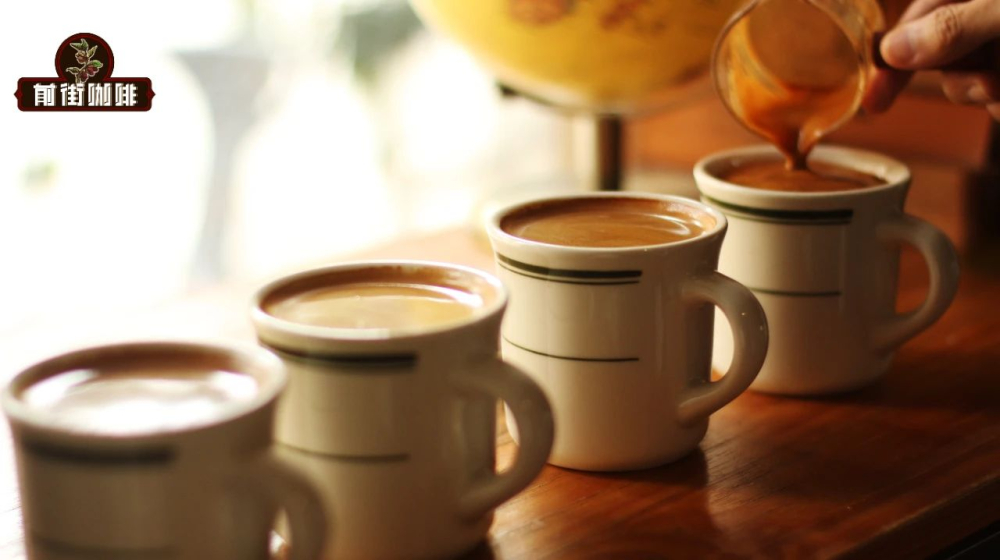
For example, Front Street Coffee stores use Sunflower Warm Sun blend coffee beans. This blend is made by combining Front Street Coffee's sherry barrel-processed coffee beans with Yirgacheffe sun-dried Red Cherry, which is why Front Street Coffee stores' iced Americano has a faint alcoholic note. Switching to other blend beans will present different flavors—just choose according to personal taste.
Front Street Sunflower Warm Sun Blend
Flavor: Noticeable fruit acidity, faint berry aroma, vinous notes, rich chocolate flavor, pronounced sweet aftertaste. Recipe: Honduras Sherry : Yirga Red Cherry = 7:3
This blend is made by Front Street using Yirgacheffe sun-dried Red Cherry and Honduras Sherry. Front Street's design concept for this bean is that it can be used for both espresso and pour-over. When used to make espresso, it exudes a distinct fermented vinous aroma; on entry, citrus and berry acidity immediately emerge, with whisky notes, and a dark chocolate finish.
When brewing this Warm Sun blend as pour-over, the flavor is less rich than when making espresso. After brewing, there is a fermented vinous aroma and some citrus notes. When hot, only pronounced vinous notes and a dark chocolate finish are present. As the temperature drops, citrus and berry acidity slightly emerges. Overall it is clean and fresh, without a vanilla-cream-like mouthfeel.
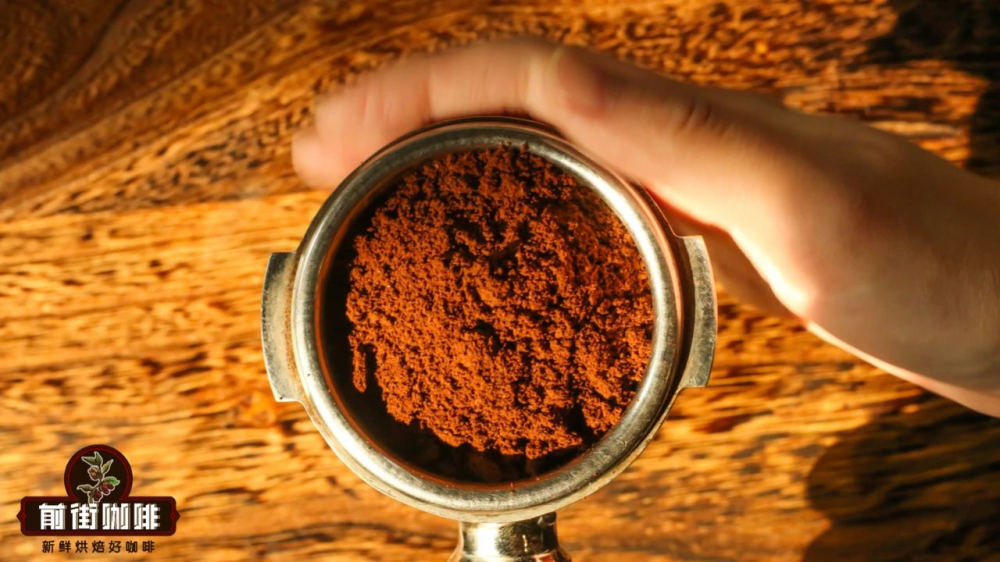
Front Street Specialty Blend Flavor: Soft, slightly acidic, lightly sweet, nutty sweet aftertaste, overall not too stimulating, mild, with medium crema. Recipe: Colombia : Brazil = 3:7
This blend is made by Front Street using Brazil and Colombia. It tastes of a faint roasted grassy aroma, lightly fragrant with a slight bitterness, sweet and smooth, with a pleasant finish. This is because coffee beans from Colombia's Huila region have a pleasant acidity, a fragrant aroma, moderate acidity, and rich sweetness that is very intriguing, while coffee beans from Brazil's Cerrado region have a comfortable sweet-bitterness and an extremely smooth entry. So the combination is simply superb.
Front Street Commercial Blend Flavor: Caramel sweetness, nutty and cocoa-type, dark chocolate flavors, balanced acidity and sweetness, slightly sweet-bitter, with a lasting finish. Recipe: Colombia : Brazil : Robusta = 3:6:1
This blend is made by Front Street using Brazil and Colombia coffee beans plus 10% Robusta coffee beans. The taste is classic. Front Street believes this blend tastes of rich crema and body as well as caramel sweetness, and also carries nutty and cocoa-type, dark chocolate flavors, balanced acidity and sweetness, slightly sweet-bitter, with a lasting finish. This commercial blend, like Front Street Coffee's Specialty Blend, uses a ratio of Colombia and Brazil coffee beans; the difference is that adding Robusta provides rich crema, making the coffee's mouthfeel even more full-bodied.
The Espresso Beans Recommended by Many Baristas — Front Street Black Cocoa Blend Flavor: Soft fruit acidity, caramel sweetness, nutty and dark chocolate flavors, smooth and viscous, but the taste is on the lighter side. Recipe: Yunnan : Brazil = 3:7
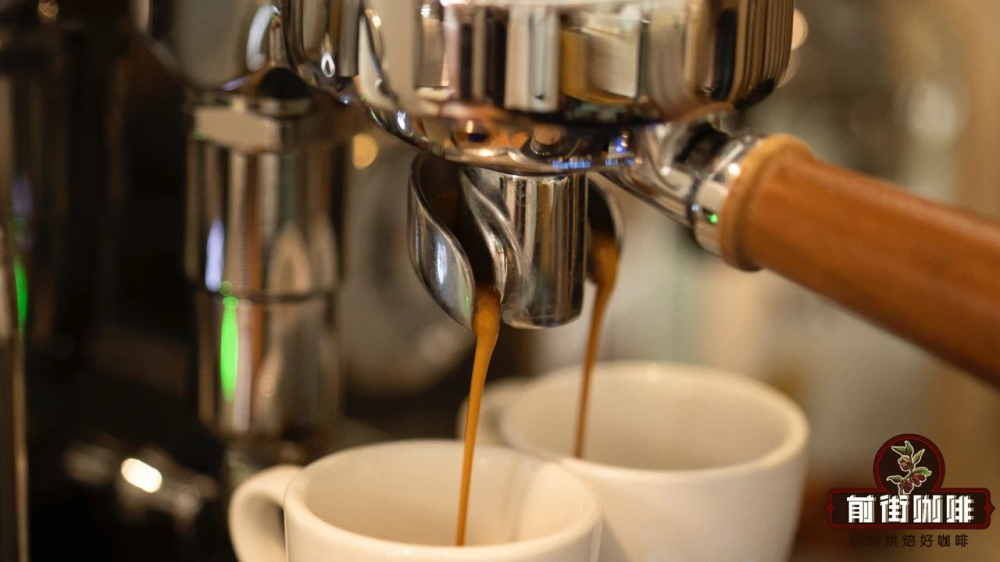
This blend is made by Front Street using Brazil and Yunnan. Front Street believes it tastes of soft fruit acidity and caramel sweetness, as well as nutty and dark chocolate flavors, smooth and viscous, but the taste is on the lighter side. This is because Yunnan's natural conditions are very similar to Colombia's—high altitude, large temperature difference between day and night—with a mellow-aroma flavor profile, moderate acidity, rich and full-bodied taste, uniform bean size, high oil content, and fruity notes; its quality and mouthfeel are similar to Colombian coffee. However, the taste is still slightly lighter than Colombian, while coffee beans from Brazil's Cerrado region have a comfortable sweet-bitterness and an extremely smooth entry. Therefore, these two coffee beans mixed together also produce a good flavor, and this espresso bean recommended by many baristas — Front Street Black Cocoa Blend coffee beans — is very cost-effective, suitable for espresso beginners and small coffee shops.
For more specialty coffee beans, please add the private WeChat of Front Street Coffee, WeChat ID: kaixinguoguo0925
The above content is compiled by CoffeeHunters, a coffee news website.


