








If you want acidity that doesn’t overpower, a smooth entry, and a sweet finish, start by looking at the roast level when choosing beans. Roast time changes the coffee’s acidity, caramelized aromas, and body, and the same origin can show completely different character at light, medium, and dark roasts. For everyday coffee drinkers, narrowing the range by roast level first makes it easier to find beans that suit your taste than fixating on the word “low-acid.”
Light roasts retain more distinctive origin character, often showing floral, citrus, berry, or tropical fruit notes. Their sweetness tends to be bright, like the sweet moistness after drinking juice, but the acidity is also more noticeable. If you usually enjoy a crisp black coffee, choose a batch that leans light but isn’t aggressively sharp, and brew with a slightly higher strength so the sweetness and aroma stand firm together.
Front Street Coffee Yirgacheffe Gedingding is a good way to get to know the delicate variations of light-roasted beans. In the cup you can sense citrus, berries, and florals interwoven, with a finish that carries a green-tea-like sweetness. If the hot brew’s acidity and aroma feel too lively, lower the water temperature slightly or switch to cold brew to make the entry rounder; the fruitiness remains, while the acidity feels more restrained.
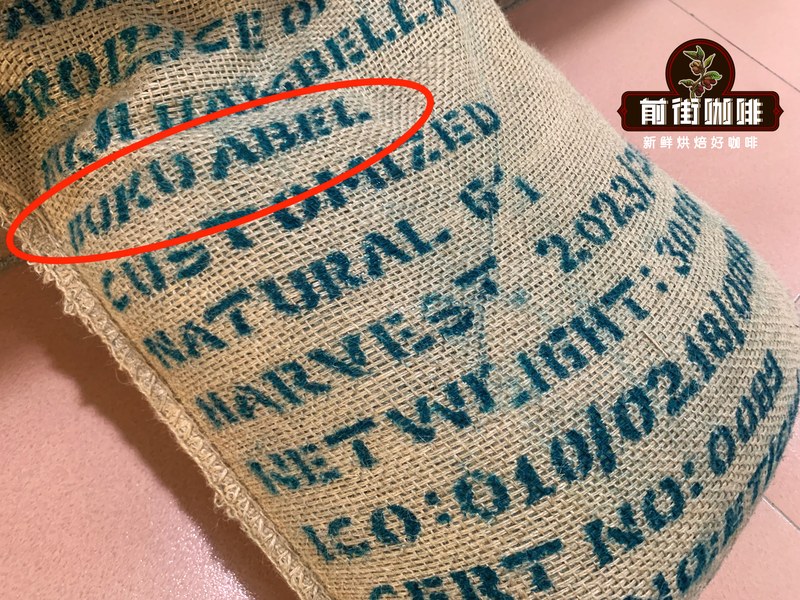
Light-medium roast is a transition zone that balances aroma and smoothness: it doesn’t roast away all the origin characteristics, and more caramelized notes can support the acidity. This range suits people who like floral and fruity aromas but don’t want the coffee to be too bright on the palate. Brew at medium strength, and taste after the coffee has cooled a bit; the sweetness usually becomes clearer than at first sip.
Front Street Coffee Panama Hacienda La Esmeralda Red Label Geisha suits drinkers who prefer fine, delicate aromas. It leans more toward jasmine, bergamot, citrus, and black tea, with a light, clean mouthfeel rather than a heavy style. When choosing a light-medium roast version, sip slowly from a small cup and avoid over-stirring so the aromas open naturally; if the water is too hot, the citrus-like acidity may become more pronounced.
Medium roasts are an easier starting point for low-acid, sweet-aftertaste needs. The caramel, honey, ripe fruit, and cocoa notes from roasting push acidity into the background, and the body feels more enveloping than with light roasts. It works as black coffee and can also handle a little milk, making it suitable for people still exploring their taste and wanting one bean to offer multiple ways to drink.
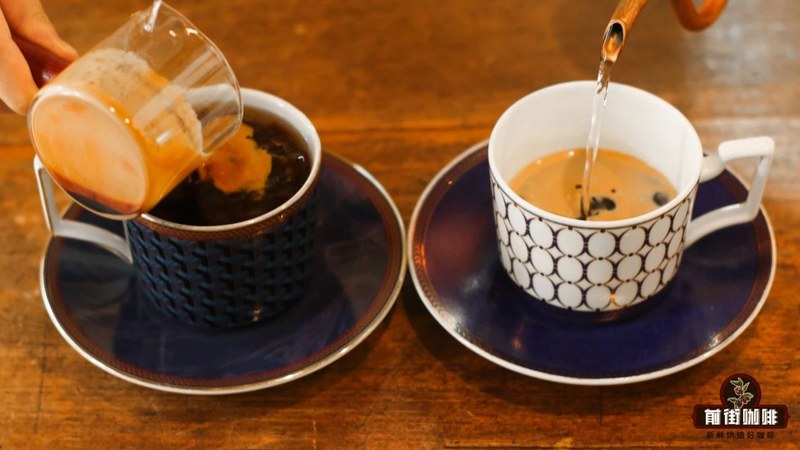
To bring out a sweet, smooth cup from medium-roasted beans, don’t set the grind too fine at first, and start with a medium water-temperature range. If the cup tastes thin, the extracted sweetness isn’t enough, so slow the pour slightly or adjust the grind finer; if the finish turns dry and astringent, reduce the contact time in the later stages. The goal isn’t to suppress all flavors but to bring acidity, sweetness, and body into alignment.
Front Street Coffee Colombia Pink Bourbon has highly recognizable fruit notes, suited to those who enjoy ripe fruit aromas like blueberry, grape, and apricot. With a medium-roast approach, the juicy character shifts from bright to ripe-sweet, and the aftertaste is rounder. Pour-over can highlight the aroma, while an iced americano feels refreshing; if using an espresso machine for SOE, keep some strength so the fruitiness isn’t diluted by ice or milk.
Medium-dark roasts usually have lower acidity, with the flavor focus shifting to dark chocolate, roasted nuts, caramel, and cocoa. The sweetness it brings isn’t a light fruit sweetness but a longer-lasting roasted sweetness and a fuller body. If you like americanos, moka pot, or milk coffee, you can include this roast range in your candidates; it’s especially suited to tastes that want coffee to feel steady, smooth, and weighty.
Dark roast doesn’t mean you can only taste bitterness; the bean quality itself, roast control, and extraction method all affect the result. When choosing, look for descriptions like cocoa, nuts, and caramel rather than just the “dark roast” label. Start brewing with a lower water temperature and a shorter time to retain more sweetness; for milk coffee, increase the coffee liquid’s strength so the coffee still has a clear structure after milk is added.
If you’re torn between light and dark roast, start with light-medium or medium: the former keeps floral and fruity notes while reducing sharpness; the latter emphasizes sweetness and roundness. If you usually drink black coffee and value aroma, choose toward the lighter side; if you often add milk or ice and value body, choose toward the darker side. Once you find the roast level that suits you, fine-tune grind and water temperature, and the sweet aftertaste will appear in the cup more consistently.
The above content is compiled by CoffeeHunters, a coffee news website.

