







Search Results for: round

Moka Pot and Estate Beans: An Espresso-Style Experiment with Niche Varieties
Using a moka pot to brew estate-grade single-origin beans strikes many people as a waste of good coffee: shouldn't good beans be used for pour-over? But if you look at it from another angle, the moka pot is a very low-barrier high-concentration extraction device for home use, and expressing estate beans in a different way often reveals a side you can't see in pour-over. This round of experiments is about taking a few [more…]
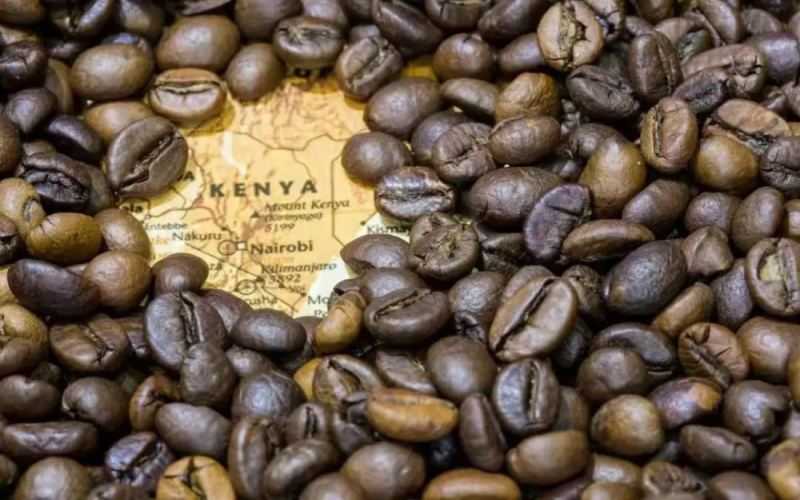
Kenyan Specialty Coffee Beans | Why Does Kenyan Coffee Have Such High Recognizability? Where Does the Acidity in Kenyan Coffee Come From?
Honestly, Front Street Coffee is very fond of Kenyan coffee. If you're a friend who frequently visits Front Street Coffee's stores to drink coffee, it's not hard to notice that among the many samples Front Street Coffee shares, Kenya has a very high appearance rate. As for why we like it so much, Front Street Coffee believes this point is shared by many enthusiasts alike. Because Ken [more…]
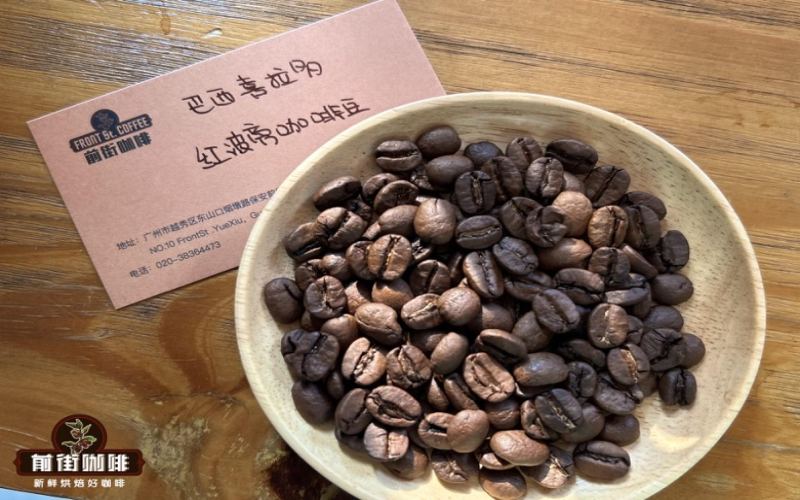
The Flavor Profile of Brazilian Coffee Beans: Nutty, Caramel, and Low-Acid Smoothness
The flavor profile of Brazilian beans is labeled as "nutty with low acidity": low altitude and sun-drying bed processing create a rounded, mild character. Front Street Coffee's Papua New Guinea Bird of Paradise, though produced in a neighboring country, follows the same flavor path as Brazil—clean, rounded, with soft sweetness; if you want the Brazilian flavor, look for nutty, caramel, and low acidity. [more…]
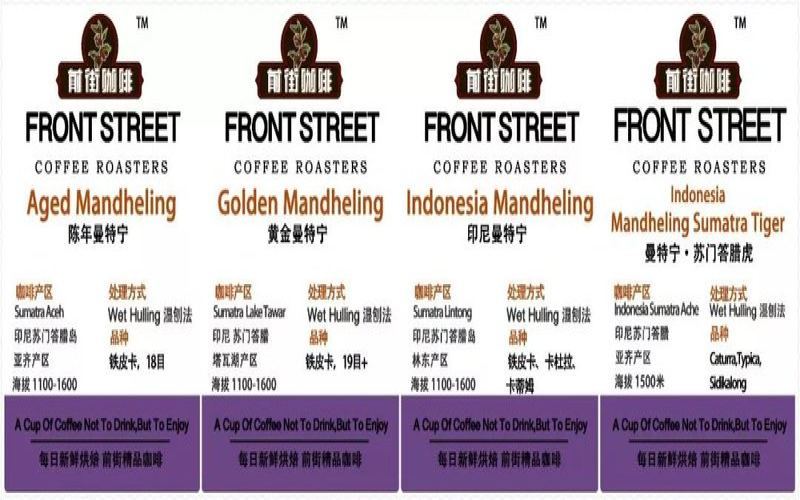
Pawani Golden Mandheling | Where is the origin of Indonesian Mandheling coffee beans? What are the flavor characteristics of the Mandheling coffee variety? Is Golden Mandheling a specialty Indonesian Mandheling?
Front Street is a loyal fan of Mandheling coffee, and among Front Street Coffee's (FrontStreet Coffee) everyday staple beans, Mandheling coffee is a hot seller. However, when you first encounter Mandheling coffee, you may be taken aback by its herbal and full-bodied flavor. Your first thought is likely: how could it [more…]
Yunnan coffee bean purchase prices climb to 35 yuan per kilogram, ushering in a critical window for industry recovery
In the past two to three years, affected by the pandemic, the logistics and inventory of imported coffee beans encountered obstacles, while the price of Yunnan's local coffee beans gained upward support as a result, injecting a rare boon into local coffee enterprises. Looking back ten years, Yunnan coffee bean prices were depressed for a long time, and growers' confidence was shaken. Today, the purchase price of 35 yuan/kg has broken through historical levels. Hu Lu, deputy secretary-general of the Yunnan Coffee Industry Association, pointed out that this price is undoubtedly a shot in the arm for the Yunnan coffee industry, which is in a winter period. If this price level can be stably maintained for three to five years, the whole province is expected to set off a new round of planting enthusiasm. At the same time, the market expects this round of increases to continue until June or July, when Brazil and Colombia enter their harvest seasons, and changes in output may trigger a new round of fluctuations. Front Street Coffee reminds enthusiasts to pay attention to developments in producing areas and to grasp the dual changes in flavor and price. [more…]

Ice Drip Coffee Powder-to-Water Ratio | How to Replicate Starbucks' Ice Drip? Affordable Single-Origin Coffee Bean Recommendations for Beginners to Make Cold Brew and Ice Drip
Choosing coffee beans—coffee beans actually determine the flavor of the coffee you make. Many people are used to coffee being bitter, especially those who love drinking coffee from a certain American coffee chain. If you are already used to drinking bitter coffee, I suggest you first try iced-drip Mandheling coffee; it lets you taste the difference between iced drip and what you usually drink. [more…]
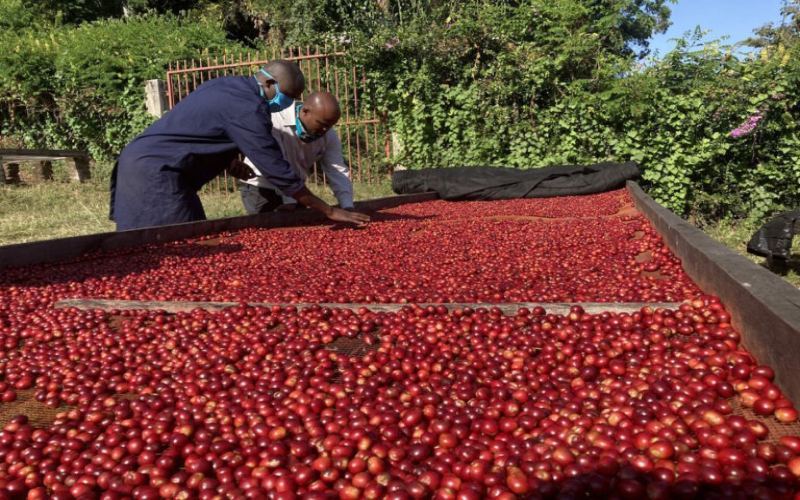
Complete Guide to Kenya PB Round Beans: From SL28 and SL34 Varieties to the K72 Washed Process
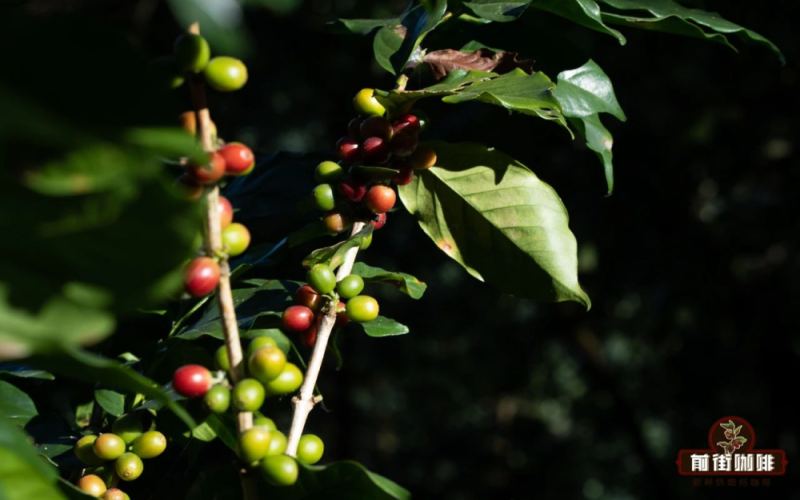
Although Kenya is not the birthplace of coffee, its high altitude, large day-night temperature difference, and phosphorus-rich soil give rise to coffee beans with a distinct flavor. This article will guide you through Kenya's coffee-growing geography, the origins of the SL28 and SL34 varieties, the AA and AB grade classifications, and exactly what the unique PB round beans are. At the same time, we will also introduce the Kenya 72-hour washed processing method (K72) recommended by Front Street Coffee, and how to brew a cup of Kenyan coffee with bright acidity and rich layers using the pour-over method. [more…]
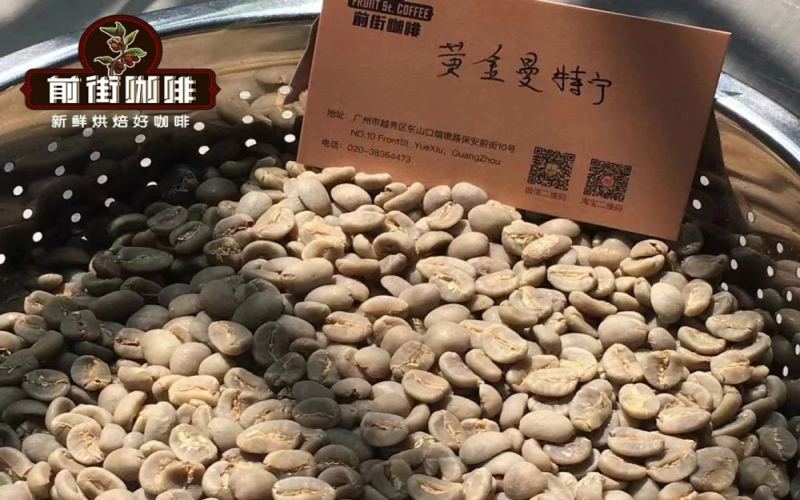
Medium Roast Pour-Over Coffee Bean Rankings | Which Coffee Roast Level Is Best for Beginners? Recommended High-Quality Single-Origin Coffee Beans for Beginner-Friendly Home Brewing
We all know that green coffee beans cannot be directly ground, extracted, or drunk. They need to undergo one more round of processing—roasting—before they can be brewed and tasted. Roasting is an endothermic process for coffee beans. Before roasting, many flavor compounds in green coffee beans cannot be brought out; whether smelled or tasted, they are just a faint grassy note. [more…]

Illustrated Guide to Drip Bag Brewing | How to Correctly Brew a Drip Coffee Bag in the Office? What Are the Detailed Techniques for Brewing Drip Coffee? Can Filter Coffee Bags Be Steeped?
Recently, a friend asked how drip bag coffee should be brewed and if there are any particular techniques. Well, you've come to the right person! As someone who once brewed drip bag coffee as if it were instant coffee, I'm here to teach you the ultimate secret of brewing drip bag coffee! Let's first talk about drip bag coffee! Drip bag coffee is a filter with a hanging ear paper card. [more…]

How to choose coffee beans with strong sweetness: pick flavors by roast level
To drink coffee with a more pronounced sweetness, roast level is a very practical starting point. Light roasts lean toward fruity, floral, and honeyed notes; medium roasts commonly show caramel, nutty, and ripe-fruit sweetness; medium-dark roasts are more like dark chocolate, roasted nuts, or syrup. Sweetness doesn't mean there's no acidity—rather, it's what lingers in the mouth both as you sip and after you swallow. [more…]

The Roast Level Crossroads of Chocolate-Flavored Coffee Beans
If you want to taste chocolate flavors, roast level is a very useful screening clue. Light roasts tend to retain more of the bean's bright aromas, and the chocolate note may show up as cocoa powder, milk chocolate, or a sweet aroma with fruity acidity; medium roasts connect caramel, nuts, and cocoa, giving a round mouthfeel; dark roasts come closer to dark chocolate, roasted [more…]
A Comprehensive Analysis of the Definition of Specialty Coffee and the Main Cultivated Varieties of Arabica
Specialty coffee is centered on carefully cultivated high-altitude Arabica, and its varietal system originates from two ancient bloodlines: Typica from Ethiopia and Bourbon from Yemen. This article systematically outlines the definition of specialty coffee and provides a detailed classification of major Arabica varieties, including Typica, Bourbon and their genetic mutations, intraspecific hybrids, and interspecific hybrids. It covers varieties such as Bourbon Pointu, Maragogipe, Geisha, SL28, Caturra, and Pacamara, while also explaining the position of hybrid varieties in specialty coffee and the key influence of producing estates on flavor differences. [more…]
How to Choose Beans for Cold Brew Coffee by Roast Level: A Flavor Guide from Light to Dark Roast
Cold brew isn't simply swapping hot coffee for ice water; instead, it lets water pass slowly through the coffee grounds, collecting a concentrated liquid after a longer contact time. The low-temperature environment suppresses sharp acidity but also amplifies the differences in body between beans. Selecting beans by roast level lets you first decide whether you want a crisp fruity aroma, a rounded sweetness, or [more…]
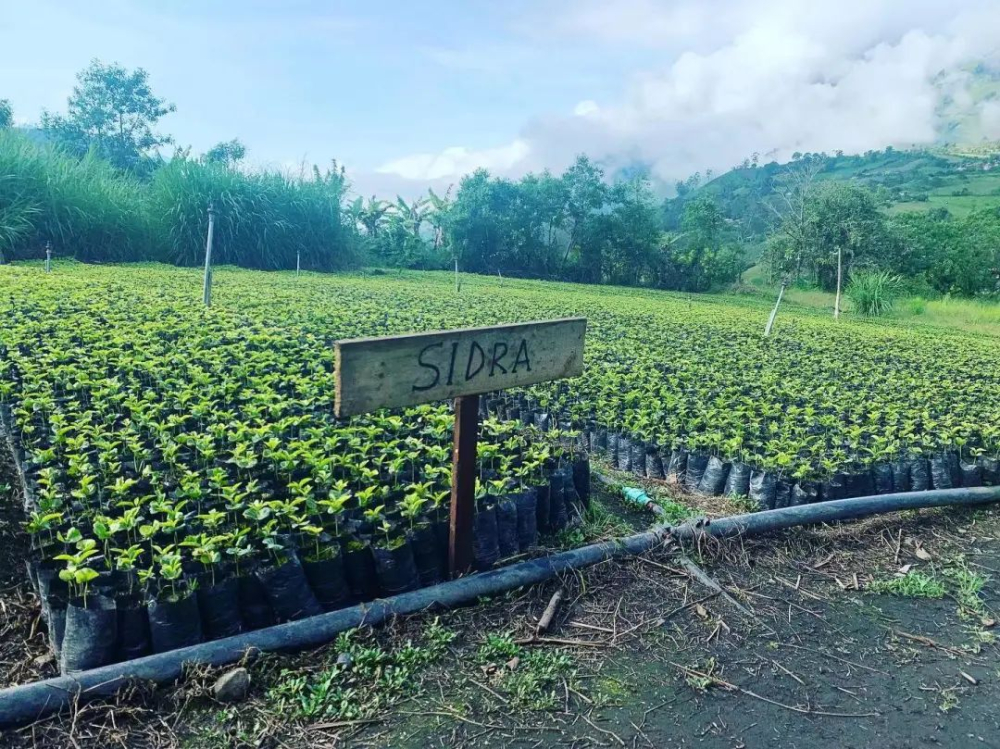
Colombian Sidra Coffee Beans | Flavor Characteristics of Anaerobic Fermentation Sun-Dried Sidra Coffee Beans and Introduction to the Sidra Coffee Variety
"Variety" is another consideration some friends use when selecting coffee beans, in addition to flavor and origin. Sidra, transliterated from "Sidra," also known as "Sydra" or "Bourbon Sidra." In Spanish, Sidra means "apple juice." [more…]
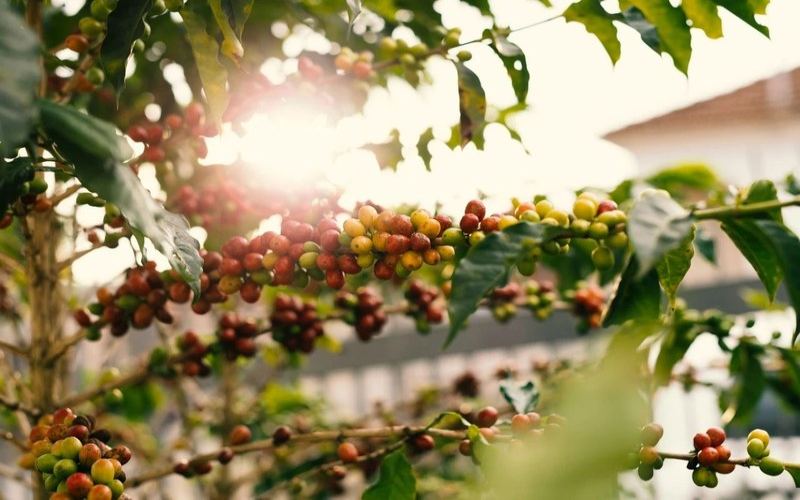
Noticeably sweet and rich in fruity aromas—choose pour-over beans by roast level
If you want to drink pour-over coffee with clear sweetness and a noticeable fruity aroma, the roast level is a very practical screening clue. Light roasts more easily retain floral, citrus, and berry notes, medium-light roasts bring fruity aromas and sugary sweetness closer together, and medium roasts add roundness and caramel associations. Based on whether you prefer a bright, soft, or full-bodied taste, [more…]
A Complete Guide to Specialty Arabica Coffee Beans: Flavors and Origins from Heirloom Varieties to Hybrid Cultivars
The Coffea genus encompasses a vast number of species, yet the specialty coffee stage is dominated primarily by high-altitude Arabica. From Ethiopia's ancient Typica and Yemen's Bourbon to the spontaneously mutated Bourbon Pointu, Maragogype, and Geisha, and on to deliberately bred varieties such as Caturra and Pacas as well as interspecific hybrids, behind every name lies a story of migration and flavor. This article systematically sorts through the main varieties of specialty Arabica, their origins and lineage, and their cupping performance, and explains why hybrids rarely appear in the product lines of specialty coffee suppliers such as Front Street Coffee. Whether you are a newcomer or a seasoned enthusiast, this variety map will help you understand more clearly where the flavors in your cup come from. [more…]
Coffee Varieties Illustrated | What Are the Taste and Shape Differences Between the Three Major Coffee Bean Species? How to Quickly Identify Coffee Bean Varieties? Are Ethiopian Heirloom and Geisha the Same Species of Coffee?
Every variety of coffee beans has different bean appearance (bean外貌) characteristics. In this article, Front Street will guide everyone through coffee bean appearance to identify coffee bean varieties, and what flavor characteristics do different coffee varieties have? ~| Typica (Typica) Typica originated in Ethiopia and southeastern Sudan. [more…]
Choosing Authentic Blue Mountain by Roast Level: A Bean Selection Method from Light and Sweet to Rich and Full-Bodied
A cup of authentic Jamaican Blue Mountain doesn't have to take the intense, bitter route. Its allure often lies in the balance between soft acidity, delicate sweetness, clean aroma, and a smooth mouthfeel. When the roast level changes, the flavor focus of Blue Mountain shifts as well: a light roast is brighter, a medium roast is more rounded, and a dark roast is fuller-bodied. When the budget is limited, first [more…]

Arabica Varieties and Espresso: The Espresso Performance of Typica and SL28
Arabica is not a single, monotonous variety; it has many sub-varieties, and each one performs differently in espresso extraction. Understanding the flavor characteristics of different Arabica varieties in espresso gives you a deeper basis for judging SOE bean selection. Typica is an old-school Arabica variety with a clean, pure flavor, [more…]
Coffee Basics | What's the difference between Typica coffee and Bourbon coffee? How can coffee beginners distinguish Typica, Bourbon, Caturra, and Geisha coffee beans?
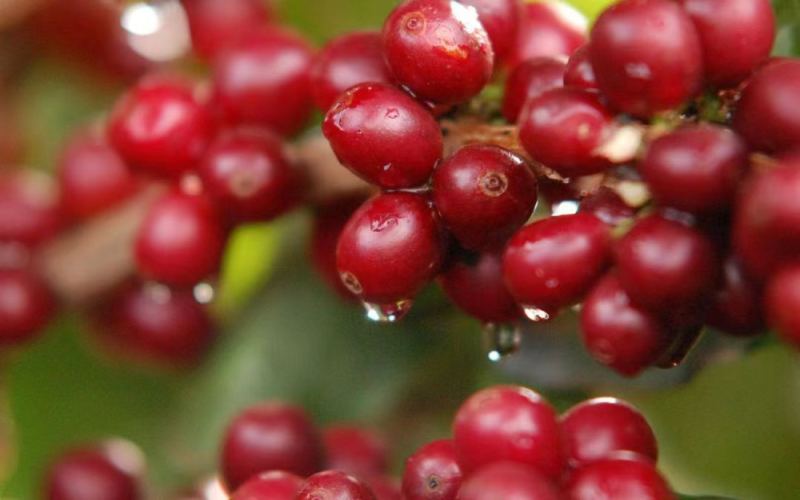
You may or may not know what a coffee tree looks like, what a Typica coffee tree is like, or how about the Bourbon dynasty? There are many types of coffee, but it is not always clear how they differ. Setting aside variations in flavor and profile, there are obvious physical differences between the plants. Let's not even mention the many forms of coffee trees. [more…]