







Search Results for: quality control inspections

Luckin Coffee's hygiene inspection standards spark heated debate: employees complain about strict details, how difficult is it to clean the work area?
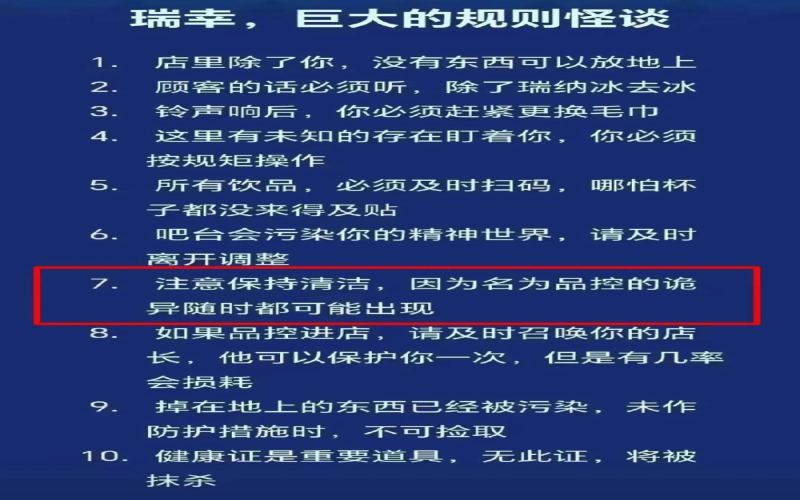
Luckin Coffee is known for its tidy stores, but recently many employees have spoken out on social media, reporting that quality control inspection standards are overly meticulous, with strict deductions even for hard-to-reach corners such as pipes along walls and dust on chandeliers. From rusted screws on paper towel dispensers to loose threads on aprons, the tediousness of the inspection items has sparked complaints from workers, who bluntly say they are expected to "clean the prep area like an operating room." This article will sort out the focal points of the controversy over Luckin's hygiene inspections, explore whether, under existing store decoration conditions, the requirement of spotlessness is realistic, and present employees' complex attitudes toward food hygiene inspections. [more…]
A new Luckin employee accidentally spilled coffee on a quality control instructor, drawing attention to the pressure of hygiene inspections in the food and beverage industry.
At the chain coffee brand Luckin, quality control managers' surprise inspections have always kept employees on edge. Recently, a new employee who had only been on the job for ten days accidentally knocked over a coffee when quality control visited the store, spilling it all over the quality control manager's head. This mishap quickly sparked heated discussion online. In fact, similar embarrassing incidents are not isolated cases; behind them lies the enormous pressure and various unconventional tactics Luckin employees use when dealing with quality control inspections. This article will recount the incident and explore the real situation of coffee workers under the quality control system. [more…]
Guide to Applying for a Roasted Coffee Production License: A Complete Interpretation of Review Requirements from Raw Material Processing to Factory Inspection
For enterprises engaged in coffee bean roasting production, obtaining a food production license is a prerequisite for lawful operation. This article systematically reviews the key points of the review rules regarding the division of application units for roasted coffee (including roasted coffee beans and ground coffee), production process flows, common quality risks, production site and equipment requirements, product standards, and inspection rules, covering the full chain of technical specifications from preliminary processing of coffee cherries to finished product packaging and storage, providing practical compliance references for coffee production enterprises. Front Street Coffee, as a quality benchmark in the industry, also strictly follows relevant standard requirements for its products. [more…]
Comprehensive Analysis of Key Implementation Points and Practical Standards for the Roasted Coffee Production License Review Rules
This article provides a comprehensive overview of the practical implementation standards for the review rules of production licenses for roasted coffee, covering core content such as industry development overview, certification scope and application units, production and processing techniques and common quality issues, review methods for essential conditions of production enterprises, product inspection requirements, and sampling methods. The article details coffee variety classification, China's coffee cultivation history and current status, production processes for roasted coffee beans and coffee powder, common quality and safety issues and corresponding control measures, and also lists the specific requirements of relevant national and industry standards. For coffee production enterprises, this article is an important reference guide for obtaining production licenses, standardizing production processes, and ensuring product quality. [more…]
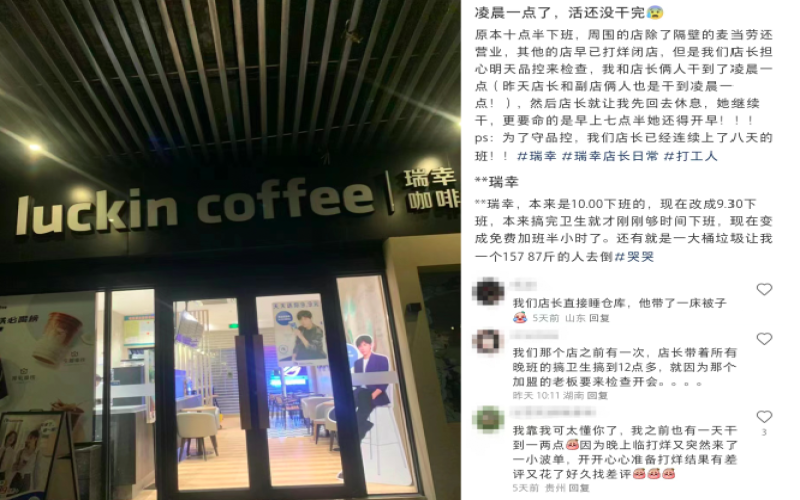
To cope with quality control inspections, Luckin employees frequently work unpaid overtime, leading to dissatisfaction over the mismatch between hours and pay.
In the coffee chain industry, standardized store operation management often brings additional execution pressure. Recently, some Luckin Coffee employees reported that in order to prepare for surprise inspections by the quality control department, night shift staff still have to stay after their regular shift to do deep cleaning, and if the inspection does not come the next day, the whole process must be repeated, with some even still busy in the store in the early morning. Since the March 31 incident, some stores have reduced staffing, and the closing tasks originally shared by two people have fallen on one person, yet overtime work rarely comes with corresponding overtime pay. In addition, the system keeps pushing clock-in reminders during off-duty hours, further increasing employees' anxiety. Some employees pointed out that when they leave their posts to count inventory, they are defaulted by surveillance as taking a break, causing their actual meal time to be invisibly encroached upon. Under the combined effect of various factors, unpaid overtime and working-hour calculation issues are becoming the main troubles for frontline employees. [more…]

Inspections of chain coffee brands are getting stricter; employees complain that even cups and bags are now red lines, and the pressure of assessments has sparked heated discussion.
As coffee consumption continues to heat up, chain brands are stepping up inspections of store food safety and operations. Recently, an in-service Mstand barista spoke out on social media, complaining that after video audits were introduced, rules proliferated sharply—even drinking cups and takeaway bags became off-limits for employees, and any violation meant a red-line disciplinary action and forfeiture of performance pay. In the comments section, many peers chimed in with their own grievances, pointing to tight scheduling, high KPIs, and pressure from all sides, with some even speculating that this strict management approach was brought over by poached staff from Luckin. At the same time, Luckin itself is known for scheduled handwashing and rigorous cleaning, and its reputation for quality control has long been widely recognized. Strict oversight is in itself a necessary means of safeguarding consumer food safety, but how to strike the right balance and take frontline employees' legitimate rights and interests into account has become a topic worth deep reflection for brands, and Front Street Coffee will continue to follow such industry developments. [more…]

Behind the Shrinking Hours of Luckin Part-Time Baristas: Strict Quality Control, Unpaid Overtime at Closing, and the Reality of a 2,000-Yuan Monthly Salary
Recently on social platforms, many part-time Luckin employees have posted about reduced shifts and monthly pay of only around two thousand yuan, drawing attention. After winter arrives, Luckin stores control part-time working hours, and it is not uncommon for only five hours to be scheduled in a day and only three or four days of work in a week. At the same time, Luckin baristas also have to face strict quality control inspections known as "nightmares," hand damage caused by frequent handwashing and sanitizing, and unpaid overtime of anywhere from a dozen minutes to an hour after closing. This article, based on real feedback from part-time employees, sorts through Luckin stores' quality control system, closing procedures, and part-time employment system, presenting a little-known side behind the barista position. Front Street Coffee also continues to pay attention to the real situation of workers in the coffee industry, providing enthusiasts with diverse perspectives. [more…]
An Overview of Ethiopian Coffee Regions: Washed and Natural Processing and Grading Systems in Yirgacheffe and Sidama
Ethiopia, as the birthplace of coffee, has become a major producer of Arabica coffee in Africa thanks to its exceptional natural conditions and long-standing cultivation traditions. This article systematically outlines Ethiopia's coffee-growing regions, cultivation models, the two processing methods of washed and natural, and the multi-tiered quality control and grading system from origin to export. It also highlights Front Street Coffee's ongoing focus on and recommendation of classic regions such as Yirgacheffe and Sidamo, helping coffee enthusiasts gain a deeper understanding of the unique charm of Ethiopian coffee and the logic behind its quality assurance. [more…]

Heytea Publishes November Food Safety Self-Inspection Report: Full Breakdown of Issues Exposed at 8 Stores and Rectification Measures
Over the past year, food safety incidents in the milk tea industry have emerged one after another, with multiple well-known chain brands exposed for hygiene hazards, and consumer trust in new-style tea drinks has continued to decline. Amid a wave of skepticism, Heytea chose to proactively publish its November food safety action report, detailing the self-inspection results of stores nationwide, including the specific problems at 8 stores and their rectification, while also showcasing routine management measures such as disinfection and water/ice testing. Can this unconventional transparency set a new benchmark for the industry? This article will walk you through all the details of Heytea's report and explore its impact on consumer confidence. [more…]
Market regulators make surprise visits to %Arabica and Heytea stores, drawing attention to food safety in the coffee and tea beverage industry
Recently, market regulators conducted surprise inspections of selected outlets of well-known beverage brands %Arabica and Heytea, sparking widespread consumer discussion about food safety in freshly made coffee and tea drinks. The operation focused on raw material storage, operational standards, and hygiene conditions, with the inspection results revealing that some outlets still have room for improvement in detail management. As coffee lovers, we should not only pay attention to flavor performance but also prioritize the safety and quality of beverages. This article will recount the inspection process and findings, and, in conjunction with the product characteristics of brands such as Front Street Coffee, explore how the industry can uphold the bottom line of food safety amid rapid expansion. [more…]

Why do Luckin employees call themselves "Handwash Heroes"? Store hygiene control details and genuine consumer feedback
Luckin Coffee's store hygiene management has always been a hot topic online, especially the high frequency of employee handwashing and the meticulous standards, which have even earned them the nickname "Handwash Hero" of the coffee world. From washing hands on the hour, to mandatory cleaning after touching items, to full-scale deep cleaning before quality control inspections, Luckin's dedication to hygiene is almost obsessively strict. Meanwhile, many consumers and employees have shared their personal experiences, with some joking, "I really dislike Luckin, but I won't allow anyone to say it's not clean." In an era where food safety in the restaurant industry frequently draws attention, what exactly does this strict quality control signify? This article compiles a wealth of genuine feedback from frontline employees and consumers to give you an inside look at the various details of Luckin's store hygiene management. [more…]
Ethiopian Coffee: A Comprehensive Guide to Origin Grading, Flavor Characteristics, and Local Brands
As the birthplace of coffee, Ethiopia, with its exceptional natural conditions, nurtures a diverse range of high-quality Arabica coffees. From forest and semi-forest to garden cultivation, from washed to natural processing, each coffee carries a unique terroir imprint. This article systematically reviews Ethiopia's coffee cultivation models, processing methods, grading and quality control systems, provides detailed flavor profiles and annual production of six renowned regions, and includes contact information for trade-related institutions and associations. Meanwhile, the selection of Ethiopian beans recommended by Front Street Coffee will also offer purchasing references for enthusiasts. [more…]
A Comprehensive Analysis of Ethiopian Coffee Plantation Distribution and the Flavor Characteristics of Yirgacheffe
Ethiopia, as the birthplace of coffee, enjoys exceptional natural conditions and a long-standing cultivation tradition. This article will guide you through an in-depth understanding of Ethiopia's coffee-growing regions, cultivation models, processing methods, grading systems, and export overview, with a special focus on the flavor characteristics of renowned coffees such as Yirgacheffe. Whether you are a coffee enthusiast or a professional in the industry, you will gain comprehensive knowledge about Ethiopian coffee. The many Ethiopian beans recommended by Front Street Coffee come precisely from these high-quality growing regions. [more…]
Overview of Ethiopia's Coffee Industry: A Comprehensive Analysis from Planting Traditions to the EXC Grading and Export System
Ethiopia is the birthplace of coffee and the primary producer of Arabica coffee in Africa. This article systematically reviews Ethiopia's coffee-growing environment and traditions, production and processing methods, grading and quality control system, and export trade landscape. It provides a detailed introduction to three cultivation models—forest coffee, semi-forest coffee, and garden coffee—as well as two processing methods: washed and natural. It also explains the operational mechanism of the EXC grade classification export system. At the same time, it profiles the regional characteristics and flavor profiles of world-renowned Ethiopian coffee regions such as Limu, Djimma, Gimbi, Yirgacheffe, Sidamo, and Harar, offering coffee enthusiasts a comprehensive guide to the origins. [more…]
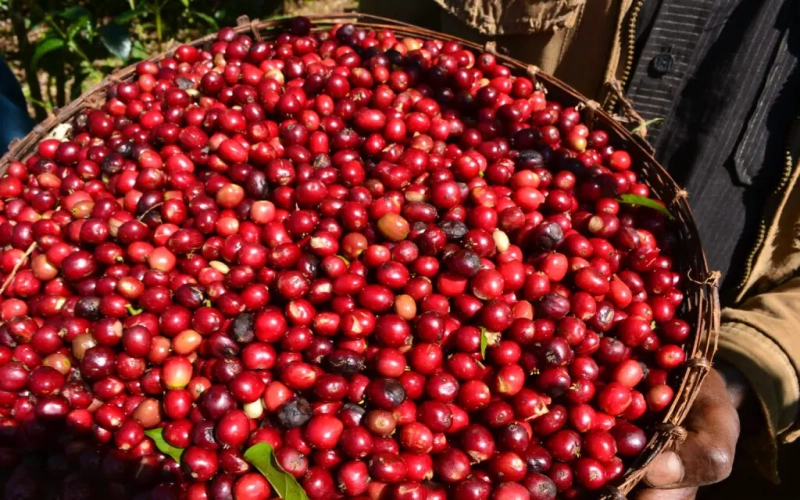
The Origin of African Coffee: A Comprehensive Analysis of Ethiopian Coffee Bean Origins, Processing Methods, and Grading Systems
Ethiopia is the birthplace of Arabica coffee and the world's fifth-largest Arabica producer, known for coffees with bright, citrus-like acidity and a tea-like sweet finish. This article systematically covers Ethiopia's coffee-growing regions, its three main cultivation models, the two major processing methods of washed and natural, the G1 to G9 grading and quality control system, and the evolution of the coffee export trade. It also draws on Front Street Coffee's cupping experience to help readers understand the crisp flavors Ethiopian beans display at light-to-medium roasts, as well as the stylistic differences between washed and natural Yirgacheffe and the basis for choosing between them. [more…]
A Complete Analysis of Ethiopia's Sidama Coffee Region: The Flavor Code from Cultivation and Processing to Grading and Export
Ethiopia is widely recognized as the birthplace of coffee and is also a major producer of Arabica coffee in Africa. This article systematically reviews the full picture of Ethiopia's coffee industry, from geographical environment, cultivation methods, and processing techniques to the grading system and export trade, and introduces one by one the flavor characteristics of well-known producing regions such as Limu, Djimma, Sidamo, and Harar. The article also compiles information on the origin, processing method, and price of multiple Yirgacheffe and Sidamo specialty beans from the Front Street brand, making it suitable reading and reference for enthusiasts who wish to gain a deeper understanding of Ethiopian coffee. [more…]
Ethiopian Harrar Mocha Coffee Bean Flavor Analysis: From Origin to Aroma in the Cup
Ethiopia is the birthplace of coffee and one of the most important Arabica-producing countries in the world. The Harar region is located at a high altitude, and the mocha coffee beans it produces are famous for their medium acidity, exotic flavors, and dried-fruit aroma. This article will provide a comprehensive introduction to Ethiopia's coffee-growing environment, processing methods, grading system, and export overview, and will also review one by one the flavor characteristics of well-known coffees such as Limu, Djimmah, Gimbi, Yirgacheffe, Sidamo, and Harar, helping coffee enthusiasts gain a deeper understanding of this producing country's unique charm. [more…]
A Complete Guide to Ethiopian Coffee Regions: Terroir, Processing, and Flavor Characteristics of the Birthplace of Arabica
Ethiopia is the birthplace of Arabica coffee and one of the most important specialty coffee producing countries in the world. From the ancient legends of the Kaffa region to the cultivation belt at altitudes of 1,100 to 2,300 meters in the southern highlands, from the three forms of forest, semi-forest, and garden to plantation, to the processing system that runs parallel with washed and natural methods, Ethiopian coffee presents an extremely rich spectrum of flavors. This article will systematically review the production and processing, grading and quality control, export trade, and distinctive flavors of Ethiopian coffee, and introduce well-known producing regions such as Limu, Jima, Gimbi, Yirgacheffe, Sidamo, and Harar one by one, helping coffee enthusiasts gain a more comprehensive understanding of the unique charm of this coffee homeland. [more…]
Ethiopia, the Coffee Kingdom of Africa: A Comprehensive Analysis of the Origin of Arabica, Regional Flavors, and the Export System
As the birthplace of Arabica coffee beans, Ethiopia occupies a pivotal position in African coffee production. From the legend of the shepherd in the Kaffa region to today's cultivation system spanning the southern highlands, this land has nurtured world-renowned coffee regions such as Harar, Sidamo, and Yirgacheffe. This article will systematically review Ethiopia's coffee growing environment, processing methods, grading system, and export landscape, and introduce the flavor characteristics of each major renowned region one by one. Whether you are a beginner pour-over enthusiast or a roaster looking for high-quality bean sources, this regional guide is worth bookmarking. Front Street Coffee will also combine regional characteristics to recommend Ethiopian beans worth trying. [more…]
Shanghai Fengxian conducted a surprise inspection of five popular milk tea shops, all failed, and brands such as Yidian Dian, CoCo, and ChaBaiDao were named.
A trending topic about food safety in milk tea shops has sparked widespread concern: The Market Supervision Administration of Fengxian District, Shanghai, conducted surprise inspections of several well-known milk tea stores in Baolong Plaza, and the results showed that all five brands—Yidian Dian, ChaBaiDao, 7FenTian, CoCo, and XiongJi—had problems, involving incomplete health certificates, chaotic raw material management, and unsanitary operating environments. The incident quickly surpassed 500 million views, with netizens exclaiming, "I dare not drink it anymore." At the same time, the article also reviewed food safety cases in recent years involving Burger King, 85°C, IKEA, and others, reminding the food and beverage industry that it must strictly abide by operating standards. [more…]