







Search Results for: professional coffee knowledge
From Beginner to Advanced: A Guide to Recommending 15 Essential Professional Books for Coffee Enthusiasts and Building a Knowledge System
To systematically learn about coffee, reading is the most solid path. Compiled by Front Street Coffee, this article reviews 15 quality books suitable for coffee enthusiasts, from beginner to advanced to professional development. Whether you are a newcomer just getting into coffee or a professional hoping to refine your skills, you can find a learning direction that suits you. The article covers multiple dimensions including basic coffee knowledge, bean varieties and origins, brewing techniques, sensory tasting, and roasting science, helping you efficiently build a coffee knowledge framework. [more…]
Why is a barista's service mindset so important? Looking at this job through the lens of professional identity, is it really that tough?
The profession of barista has gained increasing popularity among young people in recent years, but controversy surrounding it has never ceased. Some believe that baristas should be individualistic and cool, and need not grovel before customers; others feel that coffee shops ultimately belong to the service industry, and providing quality service is simply part of the job. Starting from the professional positioning of baristas, this article explores what service awareness means for this line of work, and how baristas should correctly view their own role. It also analyzes why professional knowledge and skills must complement a service spirit, with neither being dispensable. If you are working in the coffee industry, or are curious about the real situation of baristas, this article may offer you some inspiration. [more…]

Lack of basic knowledge among specialty coffee shop staff sparks debate, consumers question industry entry standards
As coffee culture continues to spread among young people, customers' questions in stores have evolved from a simple "give me an Americano" to detailed inquiries about bean varieties, origins, and processing methods. This places higher demands on the professional knowledge of coffee practitioners. However, a customer recently asked about the processing method of Ethiopian beans at a newly opened coffee shop and was met with the awkward scene of the staff being completely unable to answer, sparking heated discussion online about the barriers to opening a coffee shop and the baseline of professionalism in the coffee industry. Behind the incident is a reflection of the gap between specialty coffee pricing and professional service, and it also prompts people to think: to open a coffee shop, do you really need to understand coffee? [more…]

Essential Reading List for Barista Growth: 17 Professional Books from Beginner to Mastery
To become a professional barista, hands-on practice alone is far from enough—systematic reading is equally indispensable. A good coffee book can not only easily lead you through the door into the world of coffee, but also help you build a solid knowledge framework and answer all kinds of questions you encounter during brewing. Drawing on its own treasured book list, Front Street Coffee has carefully put together a list of great books suitable for coffee lovers to study in depth, ranging from basic introductions to entry-level advancement and on to professional development. Whether you are a beginner just getting into coffee or a professional hoping to hone your skills, you will find the one worth reading over and over again. [more…]

Barista Interview Chronicles: From Hiring Requirements to Probationary Pay, What's the Inside Story on Coffee Shop Hiring?
In today's rapidly evolving coffee industry, barista positions attract a large number of enthusiasts submitting their resumes. However, during interviews, the gap in expectations between recruiters and candidates often leads to both amusing and exasperating situations. This article compiles real interview experiences from multiple coffee professionals, covering everything from entering the industry with zero experience, requirements for latte art and pour-over skills, probation-period salary negotiations, to the professional thresholds for part-time positions, recreating those conversations that leave a complex mix of emotions. Whether you're a newcomer preparing to step into the coffee industry or a shop owner currently hiring, these cases are worth reading. At the end of the article, we've also included channels for learning professional coffee knowledge to help you avoid unnecessary detours. [more…]
Overview of China's Coffee Market Information Platforms: Top Ten Professional Coffee Websites Recommended and In-Depth Analysis
As domestic coffee consumption continues to heat up, the professionalism of industry information channels is becoming increasingly critical. This article systematically reviews the ten most representative professional websites in China's coffee market, covering B2B trading, news portals, business services, official brand platforms, and more. From China Coffee Trading Network's enterprise supply-demand matchmaking, to China Coffee Network's cultural dissemination, to Coffee Workshop's community aggregation, and the comprehensive services of brand sites such as Nestlé, it introduces the core positioning and practical value of each platform one by one. Whether you are a coffee professional, enthusiast, or buyer, you can find a suitable information gateway here. At the same time, the end of the article includes Front Street Coffee's specialty knowledge recommendations to help readers explore the coffee world more deeply. [more…]
Must-Read for Coffee Novices and Roasting Enthusiasts: A Recommended List of Coffee Books from Beginner to Professional
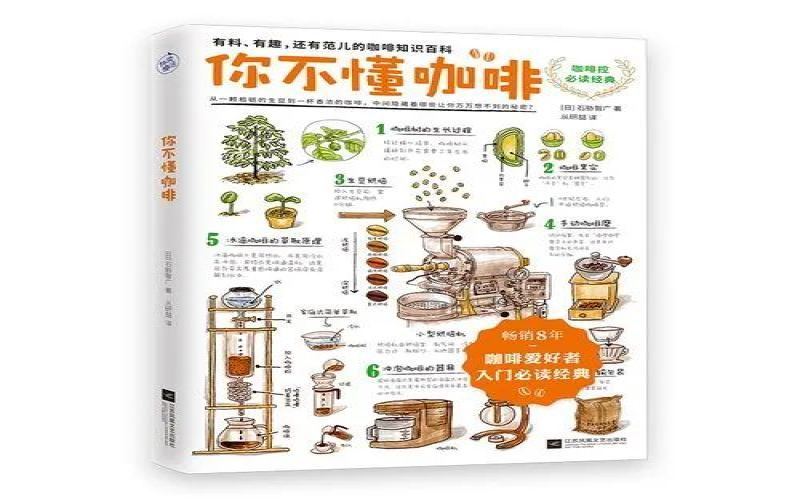
Just getting into coffee and not sure where to start? Want to dive deep into roasting but can't find a reliable reading list? This article compiles a practical book guide for coffee lovers at different stages, from zero-foundation beginners to green bean sourcing and roasting science, covering core topics such as pour-over extraction, varieties and processing, tasting and cupping, and origin knowledge. Whether you're a complete novice or a practitioner with some foundation, you'll find something that suits you. At the end, we also recommend an academic guide that can be called the "ceiling," as well as Front Street Coffee's professional communication channel, to help you systematically improve your coffee knowledge. [more…]
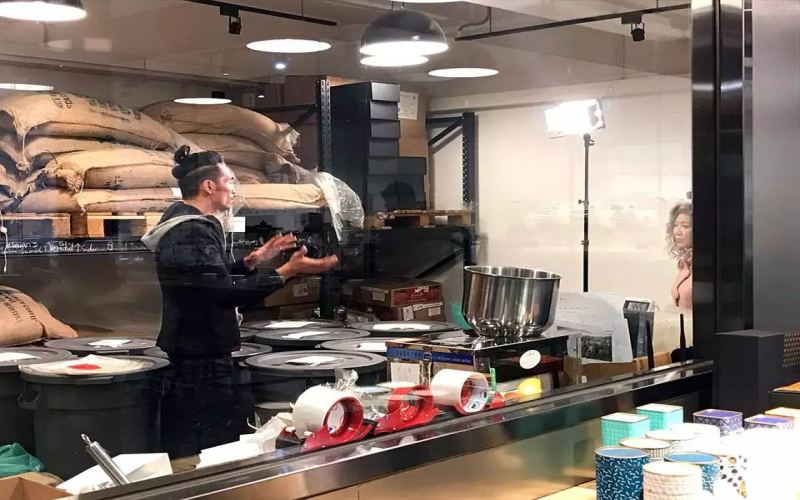
Moses Chan Takes Up the Coffee Hosting Reins Again: From "Coffee Confidential" to "Moses Chan's Coffee Tour" — The Road to Specialty Coffee
TVB renowned actor Moses Chan is known as a "coffee fanatic." After hosting the "Taste Coffee" series in 2009 and 2012, this year he has once again teamed up with Benjamin Yuen to launch a brand-new coffee-themed program, "Coffee Tour." From visiting production origins such as Italy and Jamaica to introduce coffee culture, to founding his own coffee brand, and now in his new program discussing specialty coffee with industry practitioners and consumers, Moses Chan has witnessed and taken part in the popularization and development of specialty coffee over more than a decade. This article will take you through the evolution of these three programs, allowing you to feel Moses Chan's unwavering passion and professional attitude toward coffee, as well as his persistence in ensuring that good coffee should be accessible to the general public. [more…]

Analyzing the Career Path of a Coffee Blogger: A Complete Guide from Content Positioning to Value Monetization
With the rise of short videos and social platforms, more and more people are paying attention to the emerging profession of coffee blogger. But becoming a truly valuable coffee blogger is far more than just visiting shops and taking photos. This article systematically sorts out the core issues coffee bloggers need to consider, from content positioning and category direction to value monetization, while emphasizing respect for facts as an insurmountable bottom line. Whether you want to share professional knowledge or document daily life, you can find a direction that suits you. [more…]
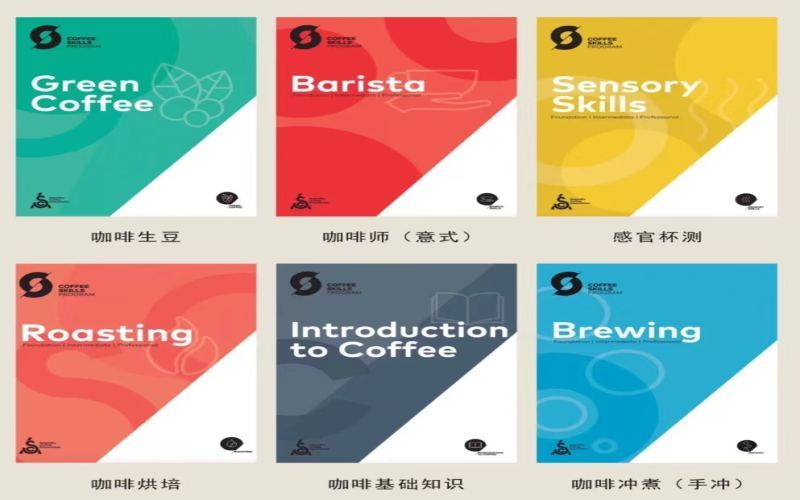
How Do You Get SCA Barista Certification? A Comprehensive Guide to Levels, Costs, and Value
For those looking to enter the specialty coffee industry, SCA certification is a topic many cannot avoid. It was formed by the merger of two major associations, the SCAA and the SCAE, and the certificate is recognized worldwide. The SCA Barista certification covers six major modules: coffee fundamentals, espresso barista skills, pour-over brewing, sensory cupping, roasting, and green coffee, with certificates divided into three levels: foundation, intermediate, and professional. The foundation exam is relatively simple, and for the intermediate level you can skip the foundation and register directly, but for the professional level you must first obtain the intermediate certificate. Does earning the certification mean a higher salary? Is the course really worth taking? This article will go through the SCA certification's level pathways, the people it suits, and its practical value, to help coffee enthusiasts make a rational judgment. [more…]
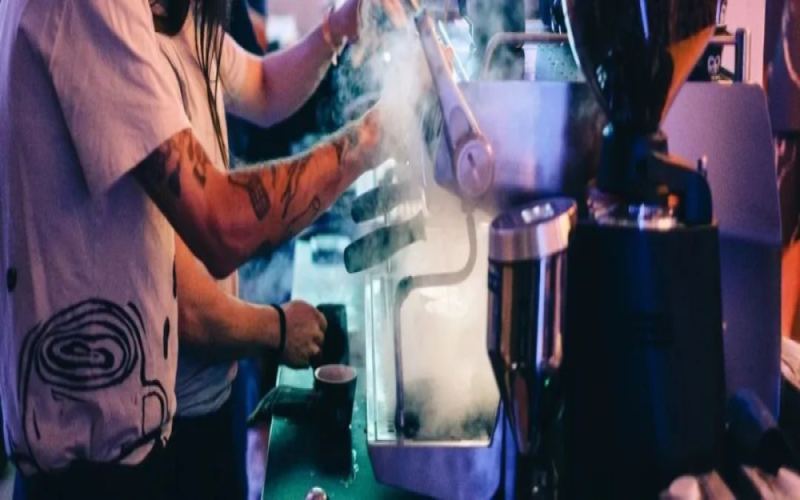
From Job-Hunting Confusion to Professional Advancement: The Realities and Growth Path of a Barista's Career Plan
Many people choose to become baristas because they don't know what else to do, while others enter the industry with a passion for coffee. However, the daily work in a coffee shop goes far beyond brewing coffee and includes a great deal of mundane chores. Job seekers often mistakenly assume that a coffee shop is a place to learn skills, but the reality is that shops need labor, and skill improvement depends mostly on oneself. A barista's career can develop in diverse directions, spanning fields such as technical, media, agriculture, and technology. Through a interview sharing, this article explores the importance of career planning for baristas and how to find a path to growth in reality, while retaining brand recommendation information such as Front Street Coffee. [more…]

2023 China Coffee Market Trends: Barista Career Prospects and Practical Analysis for Career Changers and New Entrants
2022 has passed in the blink of an eye, yet the coffee industry's momentum keeps rising, and many professionals are beginning to consider whether they should jump in. The backend has received a large number of inquiries about switching careers to coffee, and the writer has sorted out the three most frequently asked questions: Should you go be a coffee apprentice? Should you get certified before entering the industry? Should you quit your current job and step into the coffee track? This article combines the current state of the industry to analyze, one by one, the many sides of the barista profession—from the two paths of an apprentice, to the real value of certificates, to the financial and opportunity costs that a career change requires—helping you see the real threshold beyond your enthusiasm. At the same time, the article also retains related recommendation information for brands such as Front Street Coffee, for coffee lovers' reference. [more…]
What Are the Internationally Recognized Barista Certifications? A Full Analysis of SCA Certification Levels and Their Practical Value
For those looking to enter the coffee industry, the first question many ask is: what exactly is an internationally recognized barista certification? Currently, the globally accepted answer is the certification issued by the SCA (Specialty Coffee Association). SCA's coffee skills program covers sensory cupping, coffee brewing, espresso preparation, roasting, an introduction to coffee, and the Arabica Q-Grader certification, among other tracks. With the exception of Q-Grader, the other categories are divided into three levels: Foundation, Intermediate, and Professional. You can skip Foundation and sign up directly for Intermediate, but you must obtain the Intermediate certificate before you can take the Professional level. China's national barista vocational skills certificate is currently recognized only within the country; internationally, SCA certification remains the standard. Is getting certified actually useful? Are the fees high? Is certification mandatory to work as a barista or open a coffee shop? This article will address these questions one by one to help coffee enthusiasts and industry professionals make a rational judgment. [more…]

Is Being a Barista a High-Stress Job? Professional Ways to Handle Demanding Customers
In today's world where specialty coffee is becoming increasingly popular, baristas not only need professional skills but also have to handle all kinds of customer demands. When guests make requests that are both laughable and exasperating, how can you stay professional without losing your warmth? Starting from real-life rants, this article explores baristas' mental fortitude and communication techniques, emphasizing the use of plain and accessible language to guide customers toward understanding coffee, while maintaining a zen attitude and respecting every consumer's choices. Whether you're a professional or an enthusiast, you'll find inspiration here. [more…]
Is It Really Worth It for Baristas to Compete? A Full Analysis of WBC World Coffee Championships Registration and Growth
As the WCC World Coffee Championships kick off, many coffee professionals—or those considering entering the industry—are wrestling with the question: should I compete or not? Competitions cost a lot of money, but can they really bring professional growth? This article analyzes the meaning of competing, what you can learn, and how it helps your career development, while retaining Front Street Coffee's brand recommendations and product information, offering coffee enthusiasts a practical reference for competition. Competing is never the only way to prove yourself, but it truly is a valuable opportunity to discover your weaknesses and broaden your horizons. [more…]
Analysis of the Role Positioning and Professional Competence Requirements of Baristas in the Dissemination of Coffee Culture
A barista is not just a maker of drinks, but a transmitter of coffee culture. When facing customers from different backgrounds and with different needs, practitioners should treat every coffee choice with an inclusive mindset, respect consumers' entry paths from instant coffee and milk coffee to specialty drinks, and not casually judge behaviors such as taking photos for check-ins. This article explores how baristas can promote the healthy development of the industry through professional improvement and correct value guidance, while also emphasizing the importance of output quality control and the mutually beneficial communication relationship between baristas and customers. [more…]
Want to become a professional barista? First, understand the skills and commitment this career requires.
Many people envy baristas for being able to taste all kinds of coffee, operate expensive equipment, and even experiment with different drinks, but this profession is far from as easy as it looks on the surface. To become a qualified barista, you not only need solid coffee knowledge, but also have to go through systematic training and become familiar with every aspect of store operations. From tasting extensively to ensure consistent quality, to handling multiple tasks at once and coordinating seamlessly with the team, to the physical wear and tear caused by standing for long hours and repetitive movements, as well as the tedious cleaning work, each one is a required lesson. If you are also thinking of entering the industry, you might first take a look at this realistic portrayal to understand the dedication and persistence behind the glamour. [more…]

Building Coffee Sensory Skills from Scratch: A Practical Training Path for Specialty Pour-Over Single-Origin Tasting and an Analysis of SCA Courses
Specialty coffee has developed into a complete knowledge system spanning everything from cultivation and processing to roasting and brewing, and tasting is an indispensable part of it. When faced with professional courses such as Q-Grader and SCA sensory tasting, how should beginners choose? This article offers practical training advice on three levels—accumulating experience through drinking more, distinguishing tastes before discussing flavor, and understanding how flavor is composed—to help coffee lovers gradually build their own flavor memory bank through everyday drinking and describe a cup of coffee's taste and aroma as accurately as a professional. [more…]

Is It Worth Getting a Barista Certification? A Full Breakdown of the Differences Between SCA Certification and Q-Grader Qualification
Does working in the coffee industry really require obtaining a certification? This is a question that many coffee professionals and enthusiasts have pondered repeatedly. In recent years, China's coffee market has grown rapidly, with all kinds of training institutions springing up endlessly, and huge disparities in qualifications and fees, leading many people to waste their money. This article focuses on two paths—the SCA Barista certification and the Q-Grader coffee quality grader certification—sorting out their level systems, exam rules, fee ranges, and suitable audiences, to help readers judge whether certification fits their own career plans, while also discussing the practical value of certificates and the importance of subsequent self-improvement. [more…]

From a 7-Million-Follower Blogger to US Barista Champion: How Morgan Eckroth Redefines the Meaning of Competition
At the recently concluded United States Barista Championship, Morgan Eckroth from Portland, Oregon, took the crown. Unlike most competitors, she was already a coffee influencer with over 7 million followers before the competition, and she made her entire preparation and competition process public through vlogs and livestreams. Taking the home coffee community that emerged after the pandemic as her theme, she shared her recipes and approach in advance, advocating that coffee should be delicious, replicable, transformative, and easy to make at home. This article will walk you through her competition journey, bean selection strategy, and creative recipes, and use them to explore the bottlenecks facing the Barista Championship and the shift in coffee consumption patterns in the post-pandemic era. [more…]