







Search Results for: platform policies
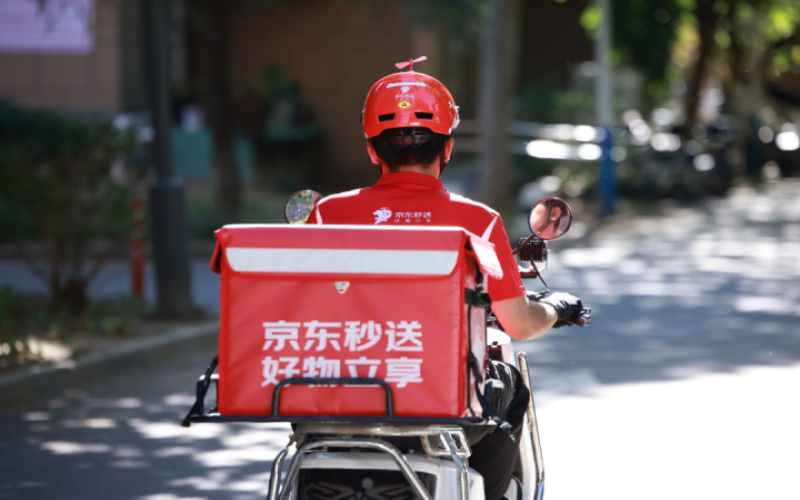
Changes to JD Takeaway's subsidy rules spark merchant discontent, Grid Coffee founder Chen Ziyu speaks out in criticism
Recently, JD Delivery adjusted the cost-sharing method for its "10 Billion Subsidy" campaign, changing it from being fully borne by the platform to a 50-50 split with merchants, which sparked strong backlash from many participating merchants. Many merchants reported that the new rules not only severely squeezed their profit margins but also exposed them to pressure such as forced participation and traffic downgrading, with some orders even generating negative revenue. Chen Ziyu, the owner of the coffee chain brand Grid Coffee, publicly called out, "Stop it, Ah Dong," pushing the conflict into the spotlight of public opinion. As the incident continues to escalate, the trust relationship between merchants and the platform is facing a severe test. [more…]
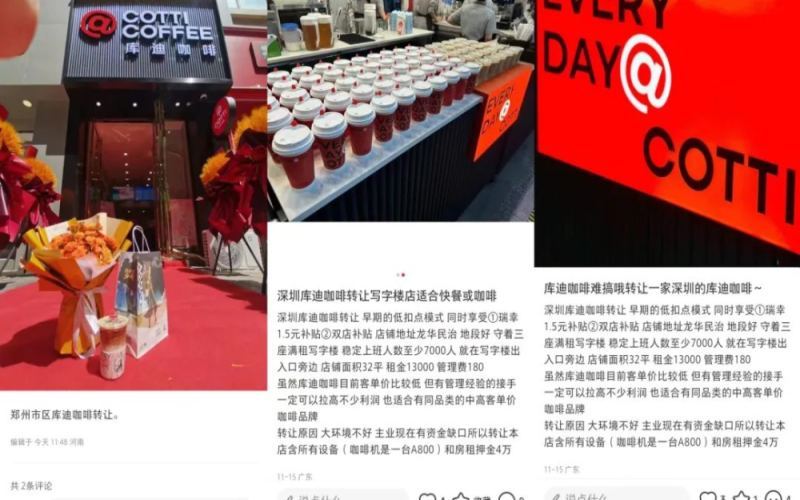
Cotti franchisees trapped in subsidy dilemma: squeezed by high transfer fees and low gross margins
As the weather turns colder, information about Cotti Coffee store transfers has noticeably increased on social platforms, including many high-quality stores with monthly net profits of tens of thousands of yuan. Behind the seemingly attractive transfers are transfer fees as high as hundreds of thousands of yuan and long payback periods. Cotti rapidly expanded to more than 6,000 stores thanks to its low-threshold franchising and generous subsidy policies, but the high subsidies also brought high costs and intense competitive pressure. Franchisees are struggling to survive between the price war and commission rules, with some lamenting that they are "helping Cotti build the market, busy but not prosperous." This article will deeply analyze the real survival picture of franchisees under Cotti's subsidy policy and explore the business logic and hidden concerns behind this franchising boom. [more…]
Why Do So Many Baristas Have Tattoos? Looking at Professional Belief and Individual Expression Through the Evolution of Starbucks Policy
In chain-brand stores or independent coffee shops, baristas with tattoos are becoming increasingly common. Some joke that "having a big tattooed arm is the first step to becoming a barista," while others wonder "why do all baristas have tattoos?" Behind this phenomenon lies both the evolution of industry culture and the loosening of restrictions on employees' individual expression by companies like Starbucks. Starting from discussions on social platforms, this article reviews the changes in Starbucks' tattoo policy, explores the relationship between tattoos and baristas' professional identity, passion, and professionalism, and reminds readers to view tattoo choices rationally, not judge people by their appearance, and ultimately evaluate whether a barista is qualified based on coffee quality rather than appearance. [more…]
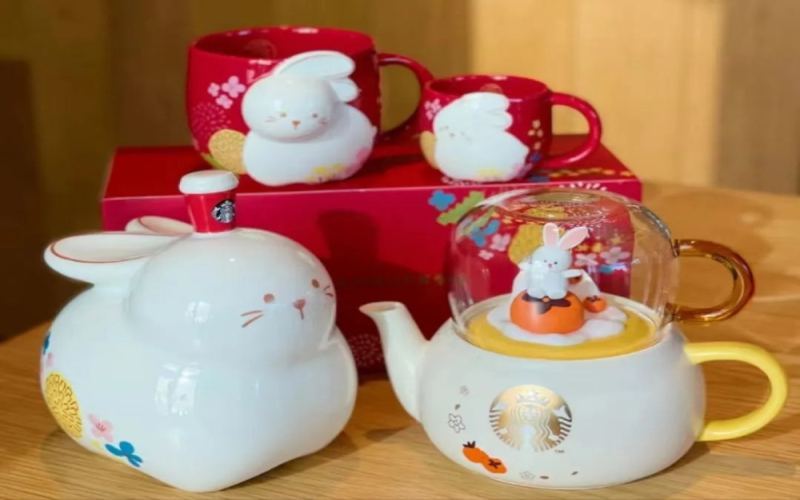
Starbucks refuses to sell an empty cup on its own? Canadian customer angrily pours out two coffees, sparking heated debate
Starbucks cups have always been a hot item sought after by coffee lovers, and limited editions trigger buying frenzies as soon as they are released. But have you ever thought about buying a Starbucks empty cup on its own? Recently, a customer in Canada, after being refused when trying to buy an empty cup by itself, angrily poured the two coffees they had just bought onto the floor and took only the cups. The incident quickly went viral on overseas social platforms, with over 2.3 million views and more than 95,500 likes, and netizens' opinions were sharply divided. Some criticized the customer's wasteful behavior, while others questioned Starbucks' policy. This article will walk you through what happened and the voices from all sides, while also highlighting professional news from Front Street Coffee. [more…]
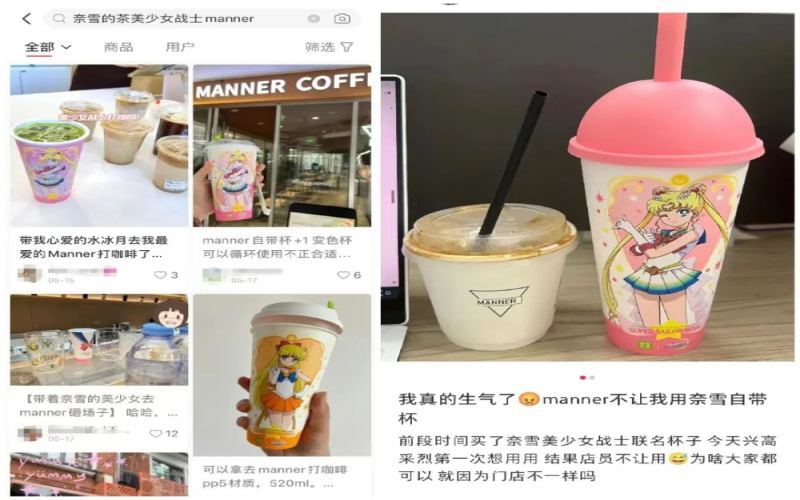
Manner's Bring-Your-Own-Cup Policy Sparks Controversy: Whether Plastic Bubble Tea Cups Qualify for Discount Becomes the Focus
Manner Coffee's bring-your-own-cup discount has always been a highlight attracting consumers, and many customers, in order to save 5 yuan, are used to bringing their own cups to buy coffee every day. However, recently a customer was refused by a barista when using a Nai Xue limited-edition milk tea cup, while on social media someone succeeded in buying with the same type of cup, raising questions about inconsistent enforcement standards across Manner stores. At the same time, whether plastic takeaway cups can be used as bring-your-own cups has also become a hot topic of discussion. This article will sort through the course of events, the differences in plastic materials, and the views of various parties, and bring related recommendations from the Front Street brand. [more…]
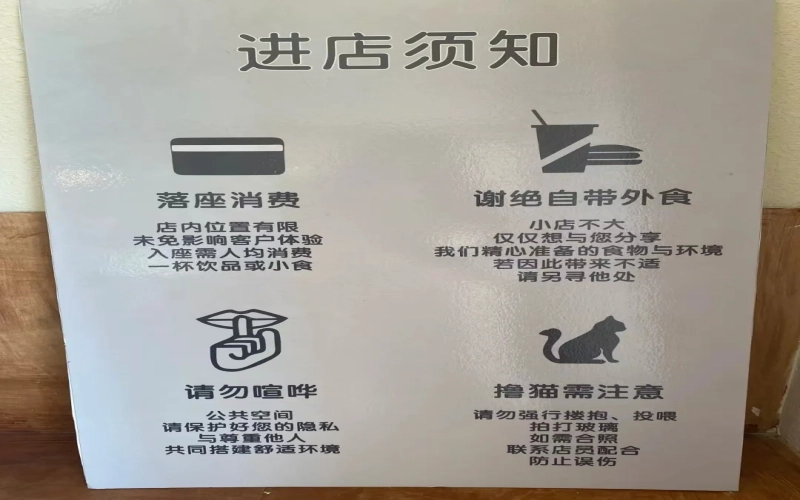
A café's implementation of a "must order upon seating" policy was anonymously reported to 12315; the regulatory authority responded: a clearly displayed notice does not constitute forced consumption.
In chain brands and independent cafés alike, the phenomenon of customers occupying seats without ordering has long plagued operators. Recently, a café owner faced negative reviews and was then anonymously reported to 12315 for setting a rule requiring a purchase to be seated, sparking widespread attention. Regulatory authorities made it clear that if there is a clear notice in the store, it does not constitute forced consumption. This article reviews the course of events, combines lawyers' views with the current state of the industry, explores the legal boundaries of consumption-based seating and the survival difficulties of independent cafés, and also provides reference and lessons for others in the industry. [more…]
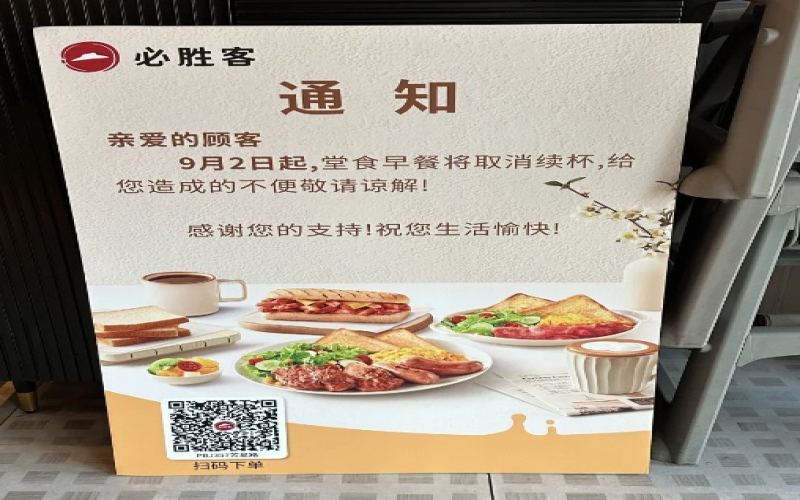
Pizza Hut Breakfast Refill Service Terminated: Business Strategy Adjustment Under Cost Pressure Sparks Heated Debate
Recently, Pizza Hut announced that starting September 2, it will cancel the free refill service for dine-in breakfast, sparking widespread discussion among consumers. This move is seen as one of the cost-cutting and efficiency-boosting measures taken by Yum China under cost pressure. Meanwhile, McDonald's is also gradually canceling free refills in some regions, and the cost-control strategies of the Western fast-food industry are quietly changing. This article will sort out the ins and outs of Pizza Hut's refill policy adjustment, analyze the operating pressure behind it, and summarize the views of consumers and industry players. [more…]

Luckin's limited-edition collab cups were promoted as being different from reality, leaving consumers in many places going home empty-handed and sparking heated discussion.
Luckin Coffee's recently launched co-branded limited-edition takeaway cups have sparked widespread discussion on social media. Some consumers reported that after seeing promotions in livestreams and placing orders, they were told upon arriving at stores that the limited-edition cups were out of stock and would not be restocked, leaving them to accept ordinary cold drink cups instead. In Hainan, Jilin, and other regions, plastic ban policies prevented the use of these injection-molded cups, yet official channels continued to display promotional images, causing customers to make futile trips to stores. In addition, issues such as the absence of notices in the promotions indicating limited quantities and the failure to promptly update promotional images after stores ran out of stock left both consumers and store employees frustrated. Front Street Coffee notes that this incident reflects shortcomings in the brand's management of peripheral materials and promotional standards. [more…]
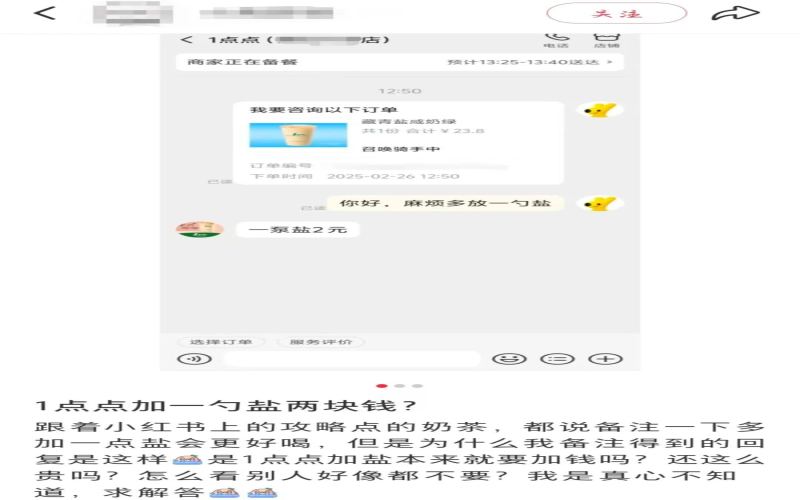
A little bit of salted milk green tea with added salt at a higher price sparks heated discussion; consumers ask whether sugar-free or less-sugar options should come with a price refund
Recently, a post about 1 Dian Dian's navy salt salted milk green tea charging an extra 2 yuan for added salt sparked widespread discussion on social media. Some customers, following online guides, asked for extra salt, only to be told that one pump of salt costs 2 yuan, which was far from their expectations. Subsequently, 1 Dian Dian employees and official customer service explained that the "salt" is actually a relatively expensive navy salt rock sugar flavor syrup, and according to company policy, additional additions require payment. Although the store has apologized for the incorrect price quote, netizens have derived a new question: since adding sugar costs money, should customers who order less sugar or no sugar also get a refund for the corresponding syrup price difference? This debate about the pricing logic of tea drinks quickly became a topic of interest for coffee and tea enthusiasts. [more…]
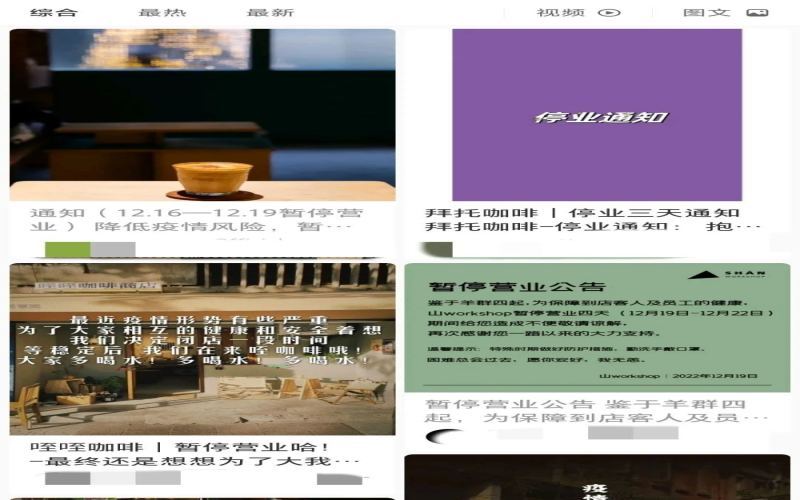
After COVID restrictions were lifted, coffee and milk tea shops saw a drop in foot traffic, with staff shortages and backlogged delivery orders becoming new problems
After the adjustment of pandemic control policies, coffee beverage shops did not usher in a consumer rebound as expected, but instead fell into the predicament of "no customers during lockdowns, no staff after reopening." Announcements of coffee shop closures due to infections among owners or employees frequently appeared on social platforms, takeout orders piled up with no one to accept them, and subway passenger flow data dropped significantly. The catering industry faces dual pressures of rent and operating costs at the year-end juncture, and experts expect it will need to endure several months of chaos before gradually recovering. This article reviews the real situation of the coffee beverage industry after the pandemic reopening and retains relevant recommendation information about Front Street Coffee. [more…]
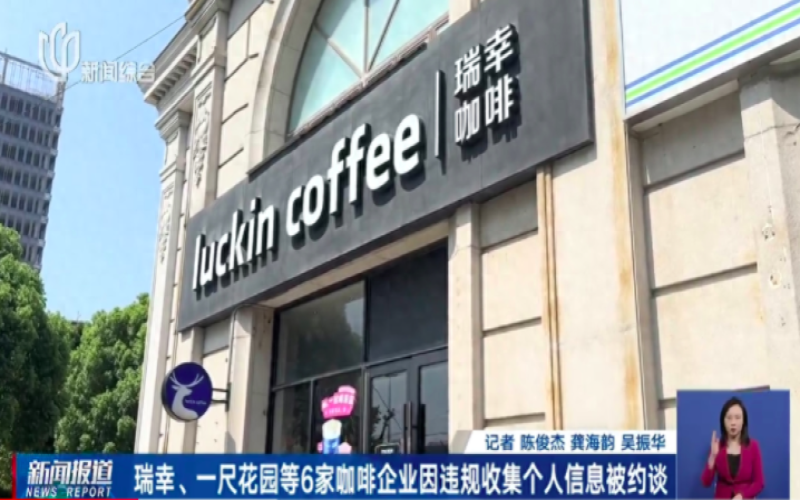
Six chain coffee brands summoned again over personal information violations, privacy compliance rectification remains a long and arduous task
Recently, the Shanghai Cyberspace Administration found during a follow-up inspection that six coffee companies—Luckin, Mstand, COSTA, Pacific Coffee, Nowwa, and Yichi Garden—have still not effectively implemented the requirements of the Personal Information Protection Law, and have problems with illegally collecting consumer information, and were therefore summoned for talks again. This is another concentrated action following the legal education training in May this year for 24 brands including Starbucks and Luckin. A reporter's test found that if users refuse to provide permissions such as precise location, some brands' mini-programs cannot place orders normally. The regulatory authorities said they will continue to carry out "look back" inspections and will file cases, impose penalties, and publicly expose companies that repeatedly refuse to correct their ways. While enjoying the convenience of coffee, consumers also need to pay attention to their own privacy and security. [more…]
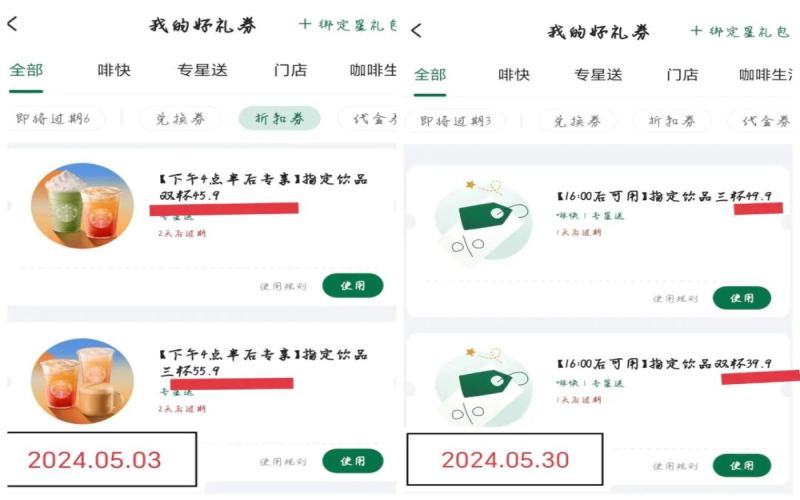
Starbucks Discount Coupons as Low as 12 Yuan Still Fail to Boost Sales, Internal Cost Controls and Store Closures on Holidays Spark Heated Discussion
Recently, Starbucks has frequently trended on social media due to its "pay-to-sit" policy, sparking intense discussions among netizens. At the same time, Starbucks has been continuously active in distributing coupons and offering discounts in live-streaming rooms, with the price of a single beverage even dropping below 20 yuan, in sharp contrast to its earlier stance of "having no intention of participating in a price war." To balance revenue and expenditure, Starbucks is also controlling labor costs internally, with some office-building stores choosing to close and suspend operations on holidays. Although the brand has pulled out all the stops to attract customers, consumers' complaints that it is "overpriced and bad-tasting" remain undiminished. Front Street Coffee has observed that in China's increasingly cutthroat coffee market, it is becoming harder and harder for Starbucks to maintain its high posture. [more…]
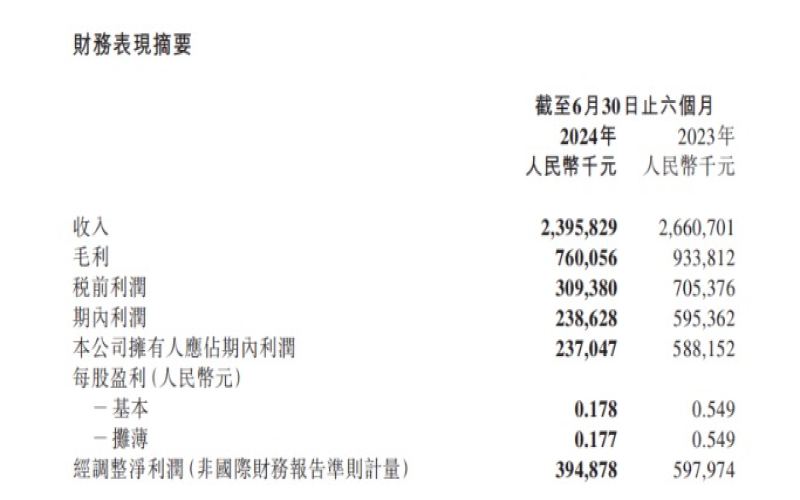
Tea Baidao's first semi-annual report after listing is out: net profit fell nearly 60% year-on-year, with franchise support and supply chain weaknesses in the spotlight.
The first half-year report delivered by ChaPanda after its listing in Hong Kong shows that both revenue and net profit declined in the first half of 2024, with net profit falling by nearly 60% year-on-year. The company attributes this to increased support for franchisees and greater market investment. At the same time, the number of stores continues to grow, but its market value has shrunk significantly, and its reliance on external suppliers for its supply chain is also seen as a key weakness. This article will sort through the core data in the financial report, the adjustments to franchise policy and their knock-on effects, and compare the competitive landscape of the industry, to help coffee and tea beverage enthusiasts understand the challenges this brand currently faces. [more…]
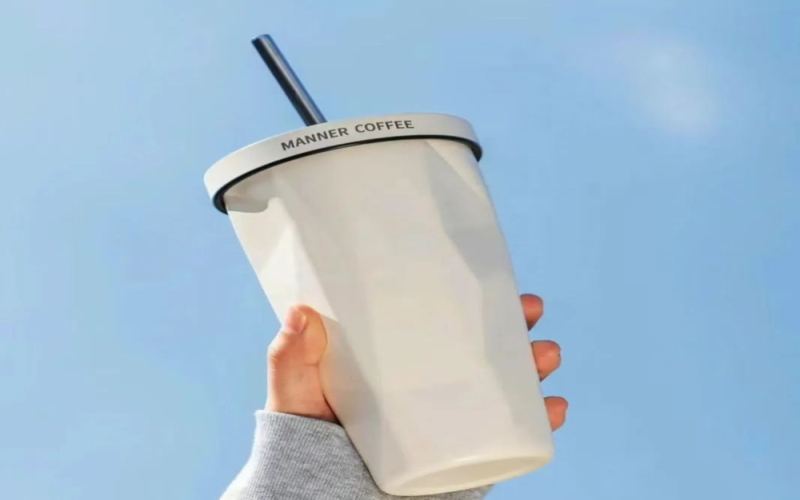
Manner's stainless steel straw cup adds a silver version, and within less than half a day of launch, it faced collective complaints about the lid's paint peeling off.
Manner has long been known for its "bring your own cup and get 5 yuan off" policy and for frequently giving away stylish cups. The stainless steel straw cup launched last November sparked controversy because it could only be obtained by purchasing a 75-yuan set meal. After more than half a year, the official announcement on the last day of August revealed an additional silver model, officially launching on September 2, with stock increased to 60,000, and the threshold relaxed to receiving one free with the purchase of two iced coffees through delivery channels. The high aesthetic appeal and low barrier made cup collectors eager, with many people preemptively monitoring mini-programs or delivery platforms for price changes, ready to order promptly and wait for delivery. However, less than 12 hours after the campaign launched, complaints began appearing on social media: after rinsing the new cup with clean water, paint peeled off the outer side of the lid, as if the silver coating had been scratched, instantly blemishing the originally striking new cup. Some netizens checked the packaging information and found that the cup body and straw are made of metal, while the lid is PP polypropylene plastic with an outer coating, which easily peels off when exposed to water or light scraping. [more…]
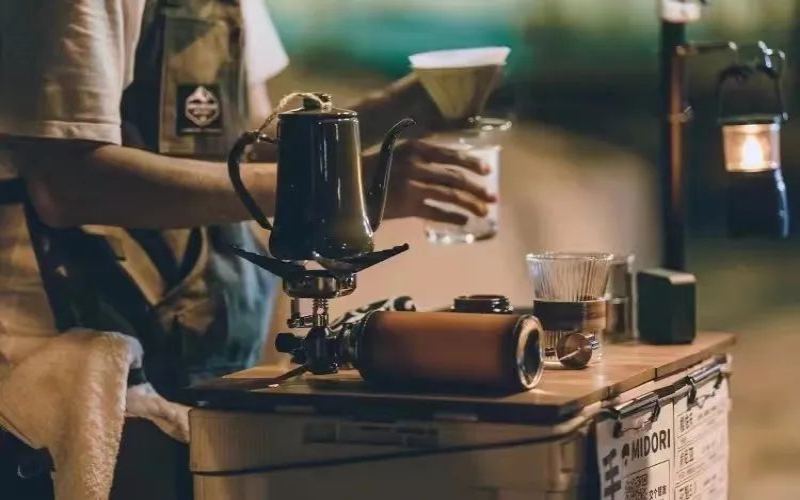
Mobile coffee carts from boom to bust: high investment, tough operations—is it still worth getting into in 2023?
Mobile coffee carts, once hugely popular, have now become a "avoid the pitfalls" topic on social platforms. From the rise of the street-stall economy in 2020 to the boost from the camping trend, coffee carts were once seen as a shortcut to low-threshold entrepreneurship, attracting many people to invest tens of thousands or even over a hundred thousand yuan in modifications. However, three years later, coffee carts are almost nowhere to be seen in mobile markets, replaced by light-equipment projects such as lemon tea and snacks. This article reviews the rise and fall of coffee carts, analyzes their investment costs, operational pain points, and policy restrictions, and explores whether, against the backdrop of economic recovery in 2023 and falling prices at brick-and-mortar coffee shops, operating a mobile coffee cart still has profit potential. [more…]
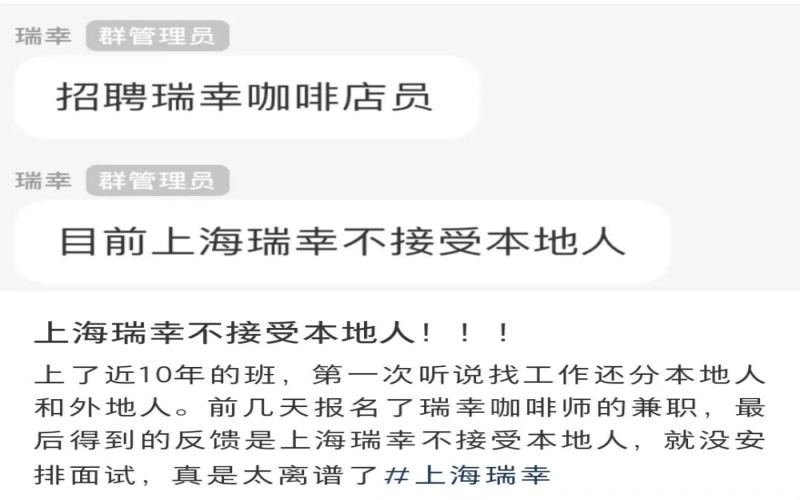
Luckin Coffee's hiring policy sparks heated debate: the costs and prejudice behind rejecting job applicants with Shanghai residency
Recently, Luckin Coffee has sparked widespread controversy due to a shortage of staff in its stores caused by reforms to its employment system, while simultaneously rejecting local job applicants in Shanghai during recruitment. A Shanghai netizen applied for a part-time barista position but was directly turned down because their ID number began with '310', with the reason given being 'currently Luckin in Shanghai does not accept locals'. This incident reflects companies' stereotypes about local job seekers—such as being 'unable to endure hardship' and 'demanding social insurance'—and also touches on practical considerations like high social insurance contribution bases and labor cost control. Against the backdrop of a simultaneous labor shortage and employment difficulties, is Luckin's recruitment strategy reasonable? And how should the rights and interests of local job seekers be safeguarded? This article will delve into the multiple factors behind this phenomenon. [more…]
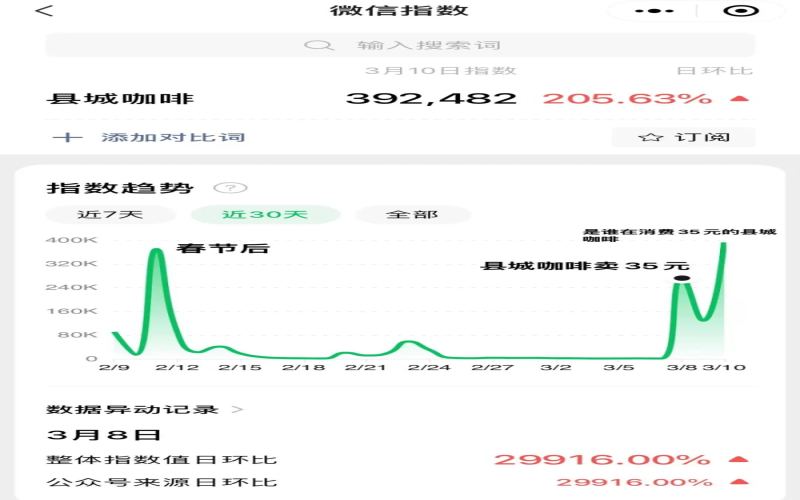
Can Starbucks Open in County Towns? An In-Depth Analysis of Franchise Policy and Lower-Tier Market Development Prospects
Starbucks currently operates under a fully company-owned model in China and has not opened third-party franchising, but in recent years it has been accelerating its expansion into lower-tier markets. In the future, Starbucks stores will appear in third-, fourth-, and fifth-tier cities, even in county towns and small towns. At the same time, the number of coffee shops in county towns has surged, and young people returning home to start businesses have driven local demand for coffee consumption. Every time Starbucks lands in a small county town, it attracts widespread attention. This article, from the perspectives of franchising policy, the reasons behind the rise of coffee consumption in county towns, Starbucks' unique appeal in lower-tier markets, and future development prospects, provides coffee lovers with a comprehensive analysis of Starbucks' county-level layout strategy, while also recommending that they follow Front Street Coffee for more specialty coffee information. [more…]
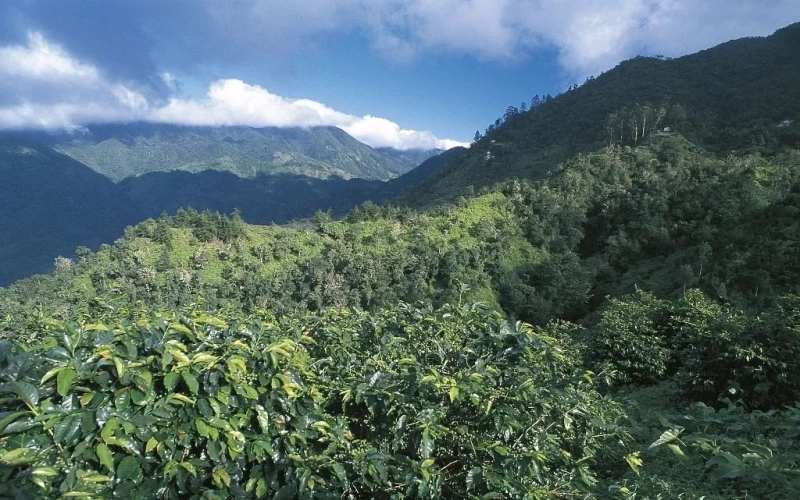
Kenya's Coffee Industry Faces Multiple Challenges: Dual Pressure from New Regulations and Declining Production
The Kenyan coffee industry is facing unprecedented challenges. The latest report from the United States Department of Agriculture shows that, affected by a reduction in planted area and heavy rains, Kenya's coffee production in the 2024/25 marketing year is expected to fall to 750,000 bags, a year-on-year decline of 6.3%. At the same time, new policies and regulations implemented by the government are also profoundly affecting the entire industry chain, with impacts from production and processing to export trade. This series of changes has not only affected Kenya's coffee export volume and prices, but has also had a far-reaching impact on farmers' livelihoods and industry development. Front Street Coffee will provide you with an in-depth analysis of the current situation and future of Kenya's coffee industry. [more…]
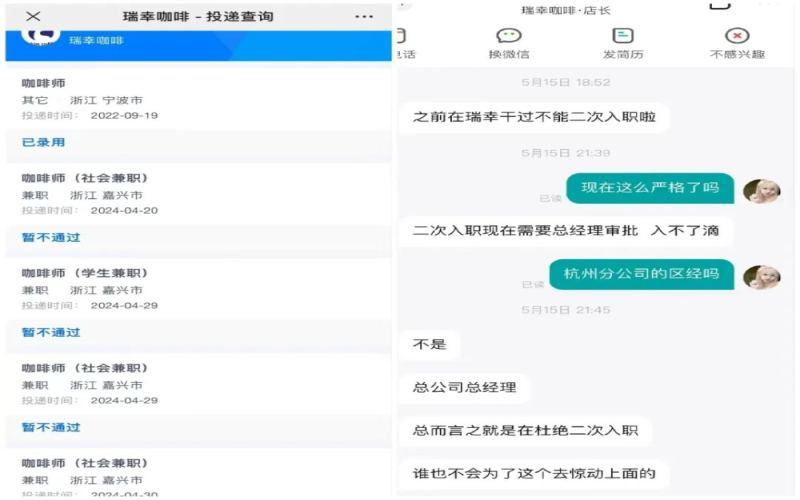
How Hard Is It for Former Employees to Return to Luckin? Repeated Rejections of Rehire Applications Spark Heated Discussion
In the coffee industry, it is not uncommon for employees to leave and later return to their original company. However, a former Luckin Coffee employee who tried to return to the bar in a part-time capacity after a two-year absence ran into repeated rejections. The recruiter explicitly stated that "those who have previously worked at Luckin cannot be rehired," a rule that has sparked confusion and discussion among many former employees. Compared with Starbucks' open attitude toward rehiring former employees, why is Luckin's recruitment policy so strict? Is it out of consideration for stability, or is there another reason? This article will walk you through the various perspectives behind this phenomenon. [more…]
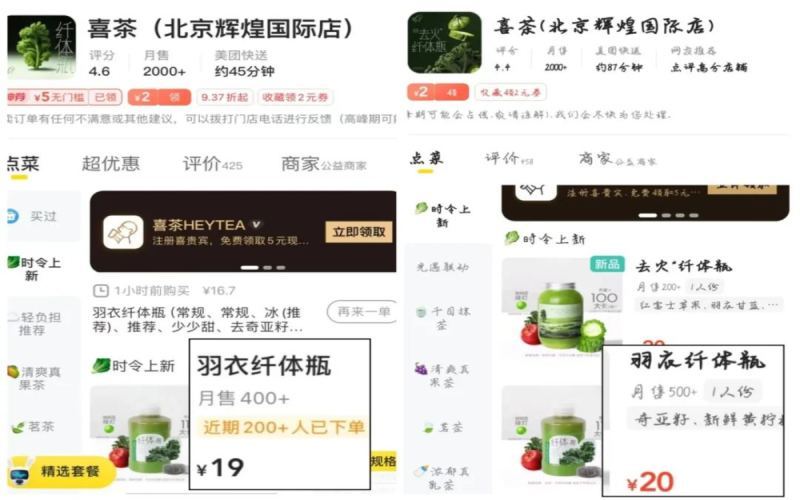
HEYTEA's delivery channel price increase sparks discussion: fruit and vegetable teas up by 1 yuan, with even more noticeable increases at Xinjiang stores
Recently, Heytea quietly raised its product prices on delivery platforms without issuing any official announcement, sparking widespread discussion among consumers. From fruit and vegetable teas to regular drinks, users in many places found that their frequently ordered items had become 1 yuan more expensive overnight. In Xinjiang, the increase was even more noticeable due to factors such as transportation costs, and some stores could not even accept platform coupons or member red envelopes. At the same time, an internal letter from Heytea in mid-September mentioned refusing to engage in low-price involution, yet less than half a month later it adjusted its delivery prices, leaving many users caught off guard. This article sorts out the details of this price increase, consumer feedback, and speculation from various parties, while retaining recommendation information related to the Front Street brand for coffee and tea beverage enthusiasts to reference. [more…]