







Search Results for: photo-taking etiquette

Coffee Shop Management Dilemmas: Customer Photo Disputes on the Rise, Helpless Owners Face Cleanup Challenges
In today's era of social media dominance, coffee shops have become popular spots for photo check-ins. However, the accompanying inappropriate behavior of customers has also become a headache for shop owners. Recently, the owner of a well-known coffee shop in Thailand shared a series of frustrating encounters on social media—some customers splashed coffee after a dispute over photos and fled, leaving a mess behind; others damaged the shop's facilities and quietly left. These incidents not only caused financial losses for the shop but also affected the dining experience of other customers. This article will take you through the real dilemmas faced by coffee shop operators and netizens' views on such behavior. [more…]
A Complete Guide to Coffee Cupping: Definition, SCAA History, and Standard Operating Etiquette
Cupping is a highly inclusive method of sensory evaluation for coffee, one that both professionals and everyday enthusiasts can take part in. Through a standardized process of roasting, extraction, and tasting, it translates a coffee's aroma, flavor, and mouthfeel into quantifiable scores, thereby allowing one to judge quality and identify strengths and weaknesses in flavor. This article will guide you through the basic concepts of cupping, its historical evolution from trade quality control to specialty coffee competitions, and the etiquette rules that must be observed in actual practice. It also retains relevant recommendations from the Front Street brand, making it suitable reading for any enthusiast who wants to gain a deeper understanding of coffee evaluation. [more…]
The correct way to drink coffee and etiquette details, plus how to find the cup that suits your personal taste
When you pick up a cup of hot coffee, do you casually blow on it to cool it, sip it with a coffee spoon, or alternate between a pastry in one hand and coffee in the other? These seemingly natural actions may be stepping right into the no-go zones of coffee etiquette. This article starts with details such as holding the cup, adding sugar, stirring, blowing to cool, and eating pastries, to sort out a proper way to enjoy coffee, and also discusses how to accommodate coffee lovers' habits when hosting guests at home or being a guest. The second half turns its gaze to flavor itself: from the bitterness of the first sip, to repeatedly searching for that cup of coffee that intoxicates you, and then to customizing a personal coffee step by step in a coffee shop, including options such as hot or iced, decaf, ESPRESSO dose, syrup, milk type, and personalized requests, with recommendations from Front Street Coffee attached. [more…]

Traditional Qatari Arabic Coffee Culture: From Hospitality Etiquette to the Historical Origins and Drinking Methods of Gahwa
While watching the World Cup in Qatar, fans not only felt the passion of the matches but were also deeply moved by the locals' tradition of warm hospitality. After every match, Qataris would offer fans traditional snacks, dates, and coffee, showcasing the Gulf region's hospitality culture of "keeping the pot on the fire." This article takes you through the preparation methods of traditional Qatari coffee, the drinking etiquette, and the historical evolution of Arabic coffee from "Qishr" to "Gahwa." From the etiquette of holding the pot in the left hand and passing the cup with the right, to the use of spices such as saffron and cardamom, and to the origin of the word "coffee" from Arabic, it presents a comprehensive picture of the story behind this beverage that carries folk heritage. [more…]
Global Top Ten Classic Coffee Drinks Flavor and Preparation Guide, with Professional Tasting and Etiquette Details
The world of coffee is rich and diverse, from bold, rich mocha to refreshing coconut flavors, each with its own unique brewing method and drinking culture. This article systematically reviews ten common coffee drinks from around the world, detailing their flavor characteristics and preparation steps, and delves into coffee drinking etiquette, the use of cups and spoons, ways to add sugar, and tips for tasting a good cup of coffee. Whether you are a beginner enthusiast or a seasoned coffee lover, you will find practical knowledge and inspiration here. Front Street Coffee has always been committed to promoting specialty coffee culture, and we hope this article helps you enjoy every cup of coffee more professionally. [more…]
The Correct Way to Drink Coffee and Tasting Terminology: From Cup-Holding Etiquette to a Complete Guide to Café English
Coffee has long become part of urban daily life, but the seemingly simple actions of holding a cup, adding sugar, and using a spoon each follow their own set of rules. At the same time, when walking into a café and facing terms like Espresso, Latte, and Macchiato on the menu, many enthusiasts often feel confused. This article systematically sorts out the etiquette details of coffee tasting and the proper use of cups and saucers, and explains one by one the meanings of common English terms in cafés, helping you calmly enjoy a good cup of coffee on any occasion. In addition, the article also specifically reminds readers of practical knowledge closely related to health, such as drinking on an empty stomach, intake before exercise, and daily consumption, and recommends related products from Front Street Coffee, making it suitable for everyone who takes coffee seriously to read carefully. [more…]
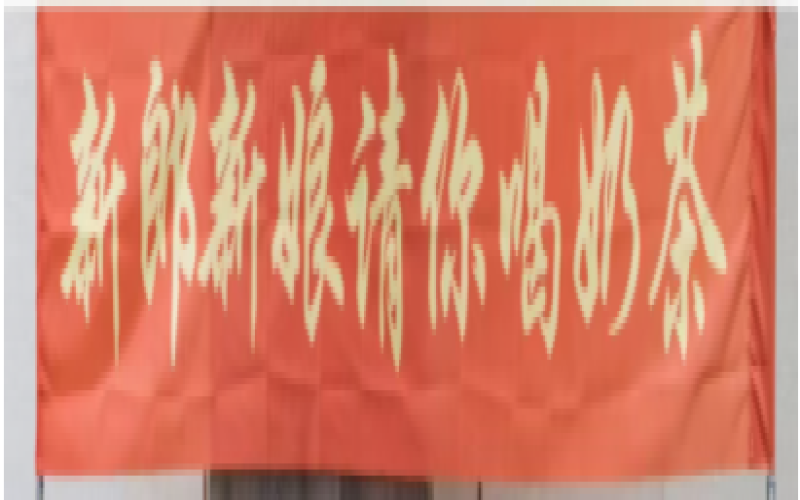
Milk Tea Replaces Baijiu? Post-90s and Post-00s Newlyweds Reshape Wedding Toast Etiquette with New-Style Tea Drinks
Must you drink alcohol when toasting at a wedding? More and more couples born in the 1990s and 2000s are giving a different answer: replacing baijiu with milk tea. From a Shanghai couple's wedding banquet featuring golden-cup milk tea to the heated discussion of 320,000 posts on social media, this new trend of substituting tea for alcohol is quietly changing the drinking culture at traditional wedding banquets. Why are young people drawn to this approach? And do their elders accept it? This article takes you through this wedding banquet revolution led by new-style tea drinks, and shows how young people are redefining the wedding toast ritual in their own way. [more…]
The origins of coffee lie in Ethiopia: Heirloom flavor profiles, tasting etiquette, and a practical travel guide
Ethiopia, in eastern Africa, is not only one of the important birthplaces of human civilization but is also regarded as the homeland of coffee. The English word "coffee" is said to derive from the Ethiopian place name "Kaffa." On this plateau, coffee grows widely in its native form, and different producing regions, due to differences in altitude and ecology, present diverse flavors such as floral aromas, fruity acidity, and vinous notes. Local people have developed a unique drinking ritual around coffee, from roasting and pounding to brewing in a clay pot, the entire process is full of ceremony. In addition to coffee, Ethiopia also boasts rich landscapes such as the Rift Valley, waterfalls, rock caves, and ancient churches. This article will introduce you to the origins, flavor characteristics, and drinking customs of Ethiopian coffee, and provide practical information on visas, flights, accommodation, and currency. [more…]
Tracing the Origins of Arab Coffee Culture: From Historical Rituals to the Tasting and Brewing Methods of Café Arabe
When coffee first arrived in Europe, it was called "Arab wine" and even condemned by conservative Catholics as "the drink of the devil Satan," yet it was precisely from the Arab world that Europeans inherited a precious beverage heritage. As the earliest region in the world to cultivate and drink coffee, Arabia's coffee culture is as ancient and profound as its history. Whether in coffee quality, drinking methods, or the ambiance and atmosphere of consumption, it still carries on a long-standing tradition and refinement. This article begins with the historical origins and hospitality etiquette of Arabian coffee, guiding you through rituals that resemble the Japanese tea ceremony—such as burning incense, appreciating vessels, and savoring aromas—and introduces the recipe and key preparation points for Café Arabe, an Arabian coffee with a modern twist. [more…]

Espresso Coffee Tasting | What's the Etiquette for Drinking Espresso? What Techniques Are There for Tasting Espresso?
On various social platforms, we often come across scenes like this: a coffee enthusiast tilts their head back and downs a cup of espresso in one gulp, then after a brief frown, reveals an expression of intoxication as if they have tasted the most exquisite delicacy in the world. Many friends are infected by the enthusiast's emotions in the video, so after going to a café they will [more…]
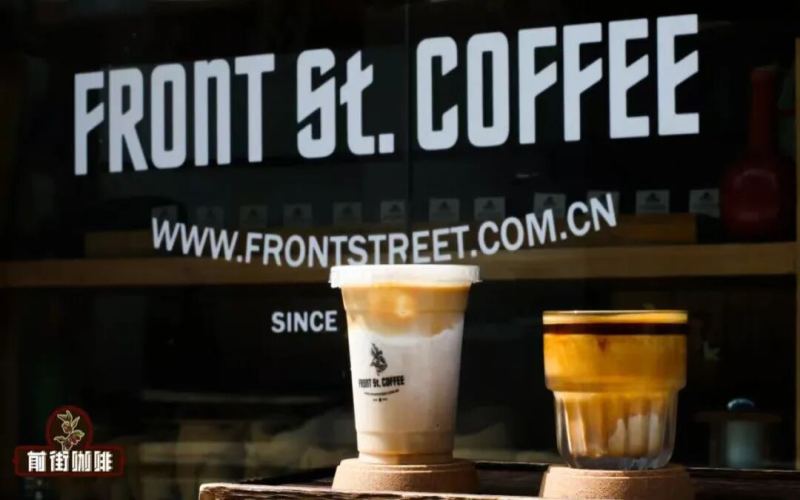
Coffee Tasting | Espresso, Latte, Dirty Coffee — What's the Etiquette for Drinking Them? Why Do Some Coffees Need Stirring While Others Are Meant to Be Gulped?
Although you can drink coffee however you like, doing so can easily cause you to miss out on some of its distinctive flavors. The character of a coffee lies not only in its taste but also in the experience it brings when you drink it—just like a Dirty. If you stir it before drinking, it is almost no different from [more…]
A Complete Guide to the Ethiopian Coffee Ceremony: Brewing Steps, Tasting Etiquette, and the Cultural Story of the Three Rounds of Coffee
Ethiopia is the birthplace of coffee, and the local coffee ceremony is far richer than just a cup of drink. Based on a three-week firsthand experience, this article provides a complete breakdown of the coffee ceremony process: laying out fresh green grass, washing raw beans, roasting over charcoal, crushing in an iron mortar, boiling in a clay pot, and then the three-round coffee drinking order of "Abol," "Tona," and "Baraka," along with the accompanying snacks. The article also describes the unique atmosphere created by myrrh incense, and why locals insist on hand-crushing rather than using a machine grinder. Whether you are a coffee enthusiast or a cultural explorer, you can feel the devotion and ease of this ancient ritual, and learn about Front Street Coffee's recommendations for Ethiopian coffee. [more…]
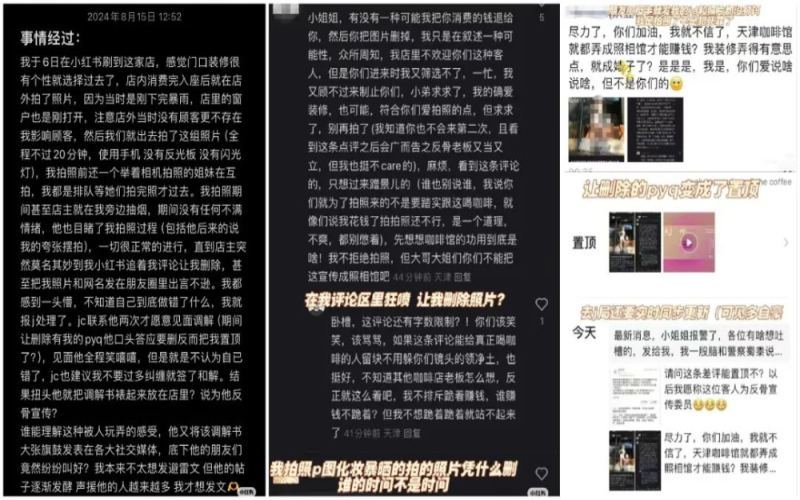
Coffee shop photo check-ins spark controversy: How should the boundary between shop owners and customers be drawn?
In today's era of thriving social media, coffee shops are no longer just places to savor coffee; they have also become popular check-in spots for many people's cameras. However, when photo-taking behavior evolves from personal documentation into commercial shoots or excessive posing, conflicts between shop owners and customers quietly emerge. A recent incident in which a shop owner framed and displayed a mediation agreement has once again made "whether photography is allowed in coffee shops" a hot topic of discussion. On one side is customers' desire to capture beautiful moments, and on the other is operators' consideration of maintaining the shop's atmosphere. How can both parties find a balance? This article will walk you through the whole incident and explore the boundary issues behind photo check-ins. [more…]
Ethiopia, the Hometown of Coffee: A Complete Cultural Interpretation from the Origin of the Kaffa Place Name to Traditional Drinking Rituals
The roots of coffee lie in the Horn of Africa. Ethiopia not only gave coffee its name through the place name "Kaffa," but also, with growing conditions spanning multiple climate zones, nurtured bean varieties with distinct personalities such as Harar, Yirgacheffe, and Sidamo. Here, people regard coffee as a daily ritual: gathering around the fire in the evening, roasting, pounding, and brewing on the spot—a whole process that continues to this day. At the same time, Ethiopia is also an important tourist destination in Africa, with its highland scenery, rock-hewn churches, and unique calendar together forming its charm. This article will take you through origin legends, regional flavors, drinking etiquette, and practical travel information, offering a complete introduction to this coffee nation. At the end, there are also related recommendations from Front Street Coffee for your reference. [more…]
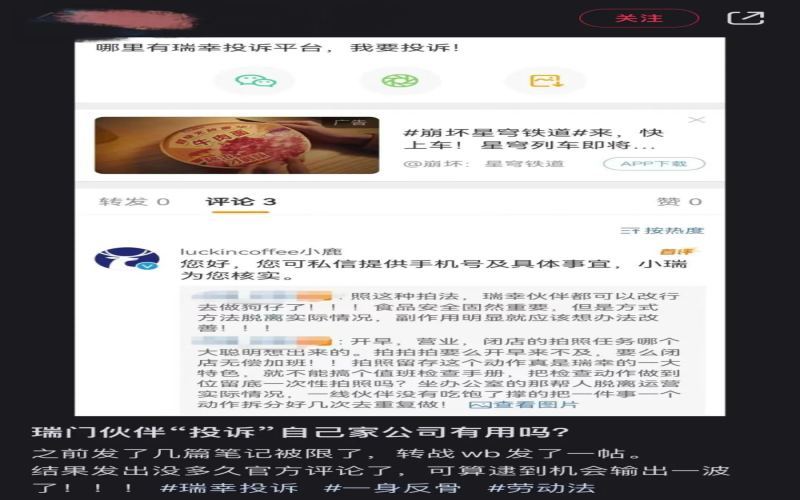
Luckin employees complain about the cumbersome store-closing photo process; unpaid overtime triggers a wave of resignations.
Recently, a Luckin Coffee employee posted on social media complaining that the company's store-closing procedures are too cumbersome, requiring staff to take photos and videos to document materials, which leads to almost daily overtime without overtime pay. Multiple employees followed up confirming similar experiences, pointing out that the strict photo-taking is for food safety and shelf-life management, but the high frequency and insufficient staffing have intensified dissatisfaction. In addition, timeliness assessments also stretch employees thin. These issues have long been ignored by the company, leading to soaring employee resentment, rising turnover rates, and increasingly serious chain problems such as store understaffing and inadequate training. Luckin Coffee now has over 13,000 stores, and employees are calling on the company to face up to its management loopholes. [more…]
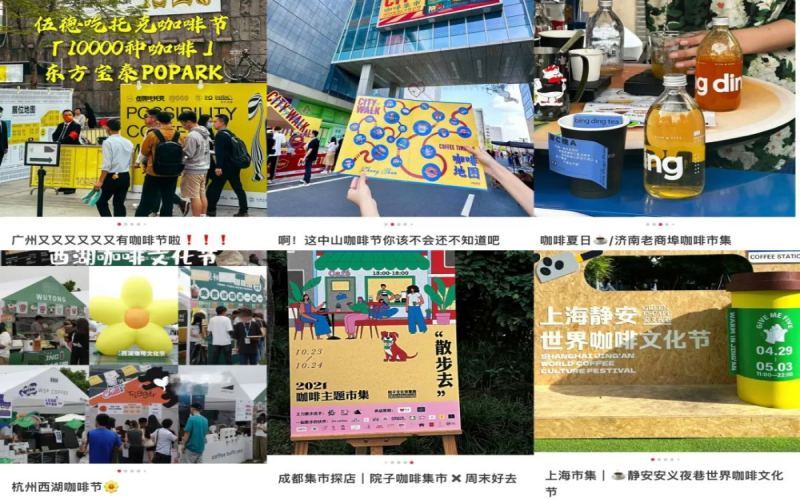
Coffee market specialty drinks average 40 yuan, sparking debate as consumers question the premium and the experience
In recent years, coffee festivals and markets have sprung up everywhere, attracting large crowds of enthusiasts and photo-taking visitors. However, some netizens have pointed out that a small cup of specialty drink averaging 40 yuan, with long queues, noisy environments, and sometimes even an entrance fee, offers far worse value for money than chain brands. Similar complaints keep appearing on social platforms, arguing that coffee markets are gradually becoming milk tea-like or bar-like, with very few stalls truly focused on basic coffee and cultural exchange. Even so, markets continue to be held one after another, and consumers seem to have become leeks that can never be fully harvested. Of course, some brands do put care and quality ingredients into their specialty drinks, but the overall impression is still hard to change. For industry practitioners and coffee lovers alike, how to balance commerce and experience has become a question worth pondering. [more…]

Chagee customers crazily order 0-yuan stickers and plaster them all over their cups, staff cry out that a surge in orders has turned into a surge in chaos
Recently, a heated discussion about "fully labeled Chagee" has erupted on social media platforms. Customers have posted photos of takeaway cups covered with dozens of labels, which at first glance look like a deluxe toppings combo, but on closer inspection, apart from one label showing the drink name, all the rest read "this store's merch has been given away." Behind this baffling behavior is customers exploiting zero-yuan prompt items on delivery platforms to bulk-add products, causing store label printers to indiscriminately print out a pile of invalid stickers. Staff, facing a sudden "order surge" that turned out to be a false alarm, grumble that this wave of manipulation both wastes supplies and adds to their workload. So what exactly is going on? Let's take a look. [more…]

How to balance appearance and taste? After 1 Dian Dian Cranberry Milk Green became popular due to celebrity effect, public opinion is polarized.
A pink cranberry milk green tea has once again made 1 Dian Dian a hot topic on social media. Thanks to its striking resemblance to a drink featured in a certain female celebrity's advertisement, this beverage was quickly tagged as a "celebrity favorite," attracting a large number of fans to place orders and check in. However, once the photo-taking frenzy subsided, the actual taste experience left many people openly disappointed, with reviews ranging from overly sweet and cloying to medicinal notes and a gritty jam texture. At the same time, 1 Dian Dian's loyal customers welcomed the return of this drink, believing its sweet-and-sour flavor profile has a unique charm of its own. Why would a single cup of milk tea trigger such dramatically different reactions among different consumer groups? This article will analyze the question from the perspectives of product formulation, consumer feedback, and the brand's fan base. [more…]

Chengdu cafe's "unfriendly to lower-class people" sign sparks outrage, review platform menu collectively rewritten by netizens
A Japanese-style café located in Jinjiang District, Chengdu, caused an uproar online after the owner wrote phrases such as "Not photo-friendly | Not office-friendly | Not friendly to lower-class people" in their social media bio. What were originally just in-store rules prohibiting standing photos and photos after changing seats were interpreted by netizens as a public belittlement of customers due to the insulting wording "lower-class people." After the incident escalated, the café's recommended menu on review platforms was collectively edited, with joking names such as "Lower-Class Coffee" and "Lower-Class Latte" topping the list. Although the owner once posted an explanation of what "lower-class people" referred to, both the bio and the post have been deleted. This conflict also sparked widespread discussion about the boundaries of merchant rules and customer dignity. [more…]

Starbucks stopping a customer from bringing their own hamburger sparks debate: is the no-outside-food policy at stores legal?
Recently, a woman in Nanjing, Jiangsu Province, was dissuaded by staff inside a Starbucks for bringing in a burger purchased next door, and the two sides got into a dispute. The incident quickly went viral online. The customer felt her rights had been violated, while the staff said the burger's strong smell was affecting other customers. Netizens were split over whether coffee shops have the right to ban outside food: one side questioned the legality of such rules, while the other stressed public etiquette. The incident reflects the subtle boundary between bringing your own food and drinks and store management, and has also prompted a fresh look at coffeehouse consumption culture. [more…]