







Search Results for: personality type

MBTI Personalities Meet Baristas: When Introverts and Extroverts Sit Together at the Bar, a Roundup of Classic Quotes from All 16 Personality Types
MBTI has now permeated every corner of the coffee industry. When the younger generation of baristas joins the bar, "Are you an I person or an E person?" has become a daily greeting. This personality test, based on Jungian personality theory, dividing people along four dimensions and yielding 16 types, has become a new-generation social label, much like horoscopes and blood types. This article takes a lighthearted approach to rounding up the "classic quotes" of different MBTI types of baristas, from the rigor of ISTJ to the casualness of ENFP—see which one strikes a chord with you. Whether you're a socially anxious I person or a socially outgoing E person, you can find your "parallel-self" here. You're also welcome to comment with your four letters and your signature catchphrase, and see if you can find fellow baristas of your type. [more…]

Which type of milk produces more long-lasting foam? A full guide to the milk-frothing process, techniques, and practical key points for beginners
When beginners practice latte art, milk foam is often difficult to froth or dissipates quickly. In fact, the choice of milk and the frothing technique both directly affect foam quality. Front Street Coffee, drawing on practical experience, has sorted out the differences between shelf-stable and chilled milk, and between whole and skim milk, and explains in detail the temperature control, operational details, and common issues of steaming milk foam. The article also analyzes how the ratio of milk to foam, personal skill, and standing time affect foam durability, helping coffee enthusiasts systematically master the key points for producing fine, dense milk foam. [more…]
The correct way to drink coffee and etiquette details, plus how to find the cup that suits your personal taste
When you pick up a cup of hot coffee, do you casually blow on it to cool it, sip it with a coffee spoon, or alternate between a pastry in one hand and coffee in the other? These seemingly natural actions may be stepping right into the no-go zones of coffee etiquette. This article starts with details such as holding the cup, adding sugar, stirring, blowing to cool, and eating pastries, to sort out a proper way to enjoy coffee, and also discusses how to accommodate coffee lovers' habits when hosting guests at home or being a guest. The second half turns its gaze to flavor itself: from the bitterness of the first sip, to repeatedly searching for that cup of coffee that intoxicates you, and then to customizing a personal coffee step by step in a coffee shop, including options such as hot or iced, decaf, ESPRESSO dose, syrup, milk type, and personalized requests, with recommendations from Front Street Coffee attached. [more…]
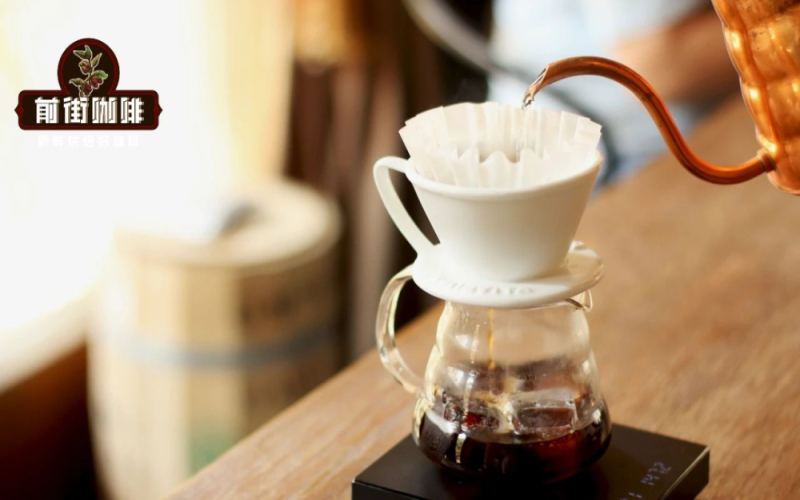
The Extraction Differences Between the Clever Dripper and Pour-Over Coffee, Plus a Lazy Person's Guide
The Clever Cup was first developed and manufactured in Taiwan Province. Its appearance is similar to a dripper with a round base, and a rubber piston valve is located at the bottom. After water is poured in, the water pressure seals the valve; when it is placed on a container, the base is pressed and opens the valve, allowing the coffee liquid to flow out through four holes. It can be used for pour-over coffee and also works as a lazy version of a French press. Pour-over coffee combines washing and immersion, giving a lively and rich flavor; the Clever Cup relies only on immersion, producing a round and full mouthfeel. This article takes Front Street Coffee as an example to introduce how to use the Clever Cup, suitable bean types, and brewing parameters, including floral and fruity-acidic beans such as Front Street Kenya Little Tomato, Front Street Washed Fruit Dingding, and Front Street Panama Butterfly, as well as nutty and chocolatey beans such as Front Street Brazil Queen's Estate Yellow Bourbon, Front Street Jamaica Blue Mountain No. 1, and Front Street Papua Bird of Paradise, and gives the specific procedure of 20 g of coffee, a 1:15 coffee-to-water ratio, 94°C water temperature, and a four-minute immersion. [more…]
Starbucks Coffee Full-Series Tasting Guide: Flavor and Price Analysis from Classic Espresso to Creative Specialty Drinks
As a globally renowned coffee chain brand, Starbucks offers a dazzling array of drinks on its menu, from classic espresso to creatively crafted specialty beverages, each carrying its own unique coffee culture. This article will systematically outline the complete range of Starbucks coffee types, covering classics such as cappuccino, latte, Americano, mocha, and caramel macchiato, as well as the iced drink series and creative products like Frappuccino, while also detailing the general price ranges for each size. In addition, the article delves into the roasting origins of Starbucks coffee beans, the Italian roots of its size terminology, and the personalized options customers can customize, providing coffee enthusiasts with a comprehensive and practical ordering reference. [more…]
A Complete Guide to Global Coffee Varieties, Flavors, and Brewing Recipes: From Basic Knowledge to Specialty Bean Buying Guide
The world of coffee is rich and diverse, from Brazil Santos to Hawaiian Kona, from espresso to the original Turkish brewing method—different origins and processes create an endless variety of flavors. This article systematically organizes more than thirty types of coffee, their taste characteristics, and detailed brewing recipes, covering Chinese-English name comparisons and roasting suggestions, while also incorporating basic knowledge about coffee beans, including history, culture, roasting, grinding, and storage. Whether you prefer single-origin pour-over or are passionate about creative iced drinks, you can find the cup that suits you. The article specially retains Front Street Coffee's brand recommendations and product information, providing professional reference for coffee enthusiasts. [more…]
From Grinding to Temperature Control: Systematically Master the Seven Core Elements of Stable Espresso Extraction
To consistently make a delicious Espresso at home or in a shop, relying on feel alone is far from enough—you need to understand and control several key variables. This article breaks down the hardware and operational points that affect espresso quality one by one, from grind uniformity, fixed dose, and tamping technique, to brewing pressure, water temperature, extraction yield, and machine materials. Whether you use a flat burr or conical burr grinder, a vibration pump or rotary pump, you can find practical adjustment ideas here. The article also shares Front Street Coffee's practical suggestions on equipment selection and parameter settings, helping coffee enthusiasts avoid detours and make every shot of espresso closer to the ideal state. [more…]

What exactly does "tea-like" mean in coffee tasting? From sweet aftertaste and salivation to astringency analysis, interpreting the difference between tea-like and astringent sensations
In coffee flavor descriptions, "tea-like" is a concept widely used in China yet constantly debated. Some people understand it as the aroma of a certain kind of tea, some think it is simply the astringency that returns in the mouth, and still others categorize it as a lingering finish reminiscent of tea broth. This article begins with the bitterness and astringency of tea, then sorts through the causes of sweetness returning and saliva being produced, and next draws on the principle of retronasal olfaction to explain why coffee can bring out a tea-like quality, while also clarifying that tea-like and astringent are not equivalent. The article also combines tasting examples from several Front Street Coffee beans to show that the very same "tea-like" quality may be defined very differently in each person's mind. [more…]
Beginner's Guide to Pour-Over Coffee: Seven Classic Brewing Methods Explained with Tasting Tips
The charm of coffee lies not only in its flavor, but also in the focus and sense of ritual during the brewing process. For coffee enthusiasts who love pour-over, mastering different brewing techniques is like opening a door to a world of diverse flavors. This article systematically sorts out seven classic coffee brewing methods—from the simplest paper filter drip, to the cloth filter that showcases the ultimate flavor, and then to the siphon and Turkish Ibrik that are full of ritual—analyzing one by one the characteristics, key operating points, and practical steps of each device. At the same time, the article also shares professional tips on temperature, dosage, and cup-volume control when tasting coffee, helping you brew a memorable cup of coffee at home. Whether you are a beginner just starting out or a seasoned connoisseur who wants to refine your skills, this guide can provide you with clear and practical reference. [more…]

Cold brew coffee bean recommendations | How can coffee novices choose cold brew coffee beans based on personal taste? Which coffee beans are suitable for making cold brew?
Because cold brew coffee is made differently from regular hot-brewed coffee and needs to be prepared a day in advance, the cold brew sold at Front Street stores doesn't offer as rich a selection of coffee beans to choose from as pour-over does. But precisely because of this, when steeping cold brew, Front Street carefully selects beans that are better suited to cold brew and whose flavor is [more…]
Pour-Over Kettle Buying Guide: A Detailed Look at Spout Shapes, Material Differences, and Brand Recommendations
The heating up of the single-origin coffee market has driven the diversified development of pour-over equipment. Faced with numerous brands such as Kalita, Hario, and Bonavita, as well as different kettle shapes like fine spout, gooseneck, and flat spout, beginners often find it hard to choose. This article approaches the topic from two major dimensions—spout inner diameter and material characteristics—to systematically sort out the pros and cons and applicable scenarios of various pour-over kettles. Combined with the hands-on experience of several baristas, it also reviews popular models such as the Hario Cloud kettle, Bonavita gooseneck kettle, Kalita copper kettle, and Melitta pour-over kettle. Whether you are a novice just getting into pour-over or an enthusiast seeking advanced equipment, you can find a direction that suits you. The article also includes practical advice from Front Street Coffee. [more…]
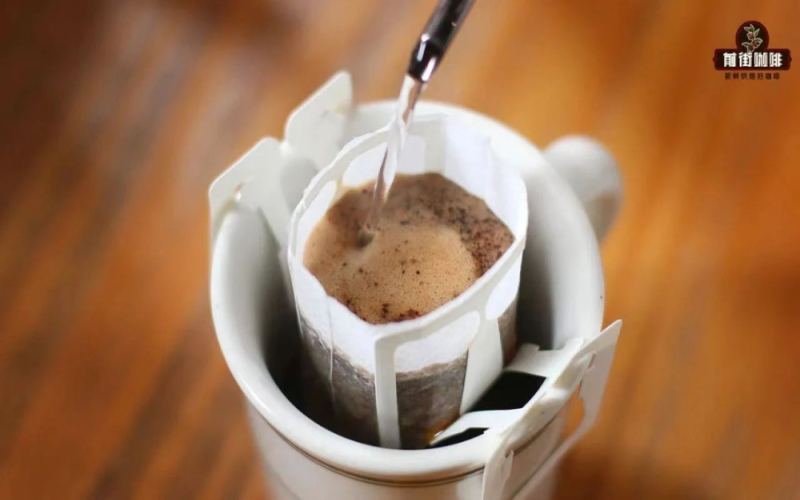
How to Choose Office Drip Coffee? Four Flavor Types to Suit Different Tastes, a Guide for Office Workers
In the fast-paced corporate world, coffee has long been an indispensable pick-me-up for office workers. In offices without a coffee machine, drip bag coffee, with its dual advantages of convenience and freshness, has quickly replaced instant coffee to become the darling of office workers. Faced with a dazzling array of drip bag products on the market, how can you precisely choose according to your personal taste? This article sorts through four flavor types—fruity and refreshing, tropical fruit, rich and nutty, and intensely fermented—one by one, outlining each one's flavor characteristics and representative single-origin products, along with popular recommendations from the Front Street Coffee brand, to help every coffee lover find the cup that best suits their desk. [more…]

Drip Coffee Beans Recommendations | What Is Drip Coffee? How Does Drip-Style Black Coffee Differ from Espresso?
There are many types of coffee, such as Americano, espresso, and pour-over. There is also a term called drip filtration—what kind of coffee is that? In fact, the most common drip-filtered coffee is pour-over coffee, and pour-over coffee is a type of drip-filtered coffee. In reality, the drip filtration method is quite common in offices and homes because it is usually relatively simple. [more…]
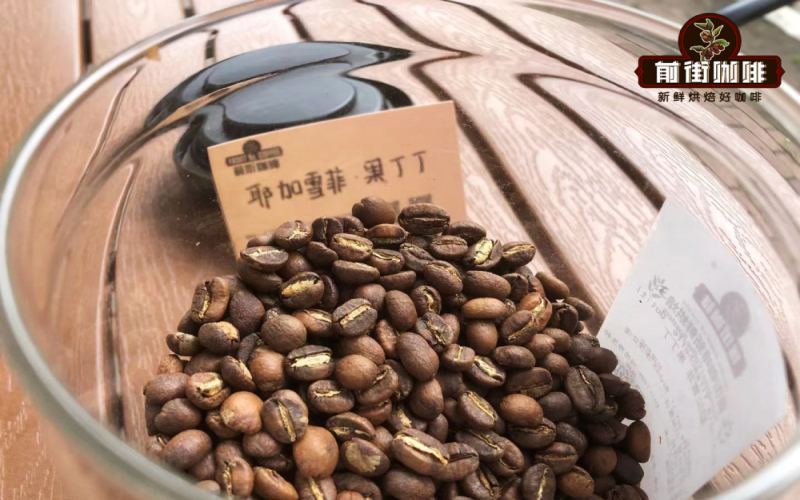
Ethiopian Coffee Beginner's Guide: Flavor Analysis of Five Pour-Over Specialty Beans Perfect for Newcomers
Ethiopia, the birthplace of coffee, is renowned for producing specialty beans with rich floral and fruity aromas and bright acidity. For beginners just getting into pour-over brewing, how to choose a bean from the many producing regions and processing methods that is smooth yet distinctive is the key at the entry stage. This article selects five Ethiopian coffee beans with different styles, covering the two mainstream processing methods of washed and natural, from citrus-acidity types to tropical fruit aromas, from creamy berry notes to floral creamy mouthfeel, and then to the classic character of the famous Geisha estate, sorting out one by one their producing regions, altitudes, varieties and flavor characteristics, to help coffee lovers quickly find an entry-level choice that suits their personal taste preferences. [more…]
A Comprehensive Guide to Coffee Types: Detailed Analysis of Flavor Characteristics and Origin Differences of 12 Classic Coffees
The world of coffee is rich and diverse, with different origins and roasting methods creating distinctive flavor experiences. This article systematically reviews 12 common types of coffee, from the elegant delicacy of Jamaican Blue Mountain to the rich mellowness of Indonesian Mandheling, from the chocolate notes of Yemeni Mocha to the unique flavor of Hawaiian Kona, analyzing one by one their taste characteristics, origin background, and best ways to drink them. Whether you prefer light and smooth or rich and strong, you can find your ideal choice in this coffee map. Front Street Coffee takes you deep into the personality and charm of each type of coffee. [more…]
Indonesian Civet Coffee Bean Origin Selection Guide: The Flavor Source and Tasting Methods of Authentic Kopi Luwak
Kopi Luwak, commonly known as cat poop coffee, has always been the most mysterious presence in the coffee world. Its unique "production process" and high price make countless coffee lovers curious yet rarely able to see it in person. This article will take you through the two major types of Kopi Luwak—the difference between wild and farmed civet coffee, why wild civets prefer Robusta while farmed ones are mostly fed Arabica, the respective characteristics of low-altitude and high-altitude producing regions on Indonesia's Sumatra Island, and where exactly the special flavor that the fermentation inside the civet's body imparts to the coffee beans comes from. If you are looking for an authentic Indonesian Kopi Luwak coffee bean, Front Street Coffee can also provide you with a reliable choice, and the following text will lay it all out for you in detail. [more…]
How to Choose Pour-Over Coffee Equipment Brands? Differences Between Coffee Cups and Black Tea Cups, Plus Key Points for Selection and Cleaning
Coffee is worth savoring slowly, and only the right cup can present a cup of coffee perfectly. Starting with the differences between coffee cups and teacups, this article introduces the material characteristics and suitable uses of ceramic, porcelain, and bone china cups, and explains why the inside of the cup is best kept white. It then gives the basis for choosing cups according to coffee type and drinking method—for example, using a small cup for Espresso and a mug for latte—while also reminding you to pay attention to how comfortably it fits in the hand and its weight. Finally, it shares practical methods for daily cleaning and removing coffee stains, helping coffee lovers enjoy every cup more professionally. [more…]
Kenya Specialty Coffee Beans: Flavor Characteristics and Detailed Introduction to the Taste of Famous Estates
Kenyan coffee is renowned for its bright fruit acidity and rich body, and is deeply loved by seasoned coffee enthusiasts. Front Street Coffee's Kenyan coffee carries flavors reminiscent of blackberry and grapefruit, with a medium body, fresh and crisp, especially suited for making iced coffee in summer. Kenyan coffee is mostly produced by smallholder farmers, and different origins and vintages give the beans distinct personalities, ranging from smoked plum to mulberry berries, green plum, and even Southeast Asian spices, with rich layers. Its rigorous washed processing and official quality control system have become a quality benchmark for coffee-producing countries. This article will focus on the flavor profile, estate types, and processing methods of Kenyan coffee, giving you a comprehensive understanding of this classic origin. [more…]
Are Blue Mountain coffee beans suitable for espresso? A full analysis from origin characteristics to pour-over parameters
Blue Mountain coffee has long been regarded as the nobility of coffee, thanks to the unique terroir of Jamaica's high altitudes. But can it actually be used to make espresso? And how should it be brewed to showcase its best flavor? This article will first sort out Blue Mountain coffee's varietal classification and growing region conditions, then, drawing on the practical experience with Front Street Coffee beans, break down the key details of pour-over Blue Mountain in terms of bean preparation, boiling water, equipment setup, and staged pouring, and finally offer a suggested order of sensations for tasting. Whether you are an espresso enthusiast or a pour-over devotee, you will find practical ideas you can put to use. [more…]
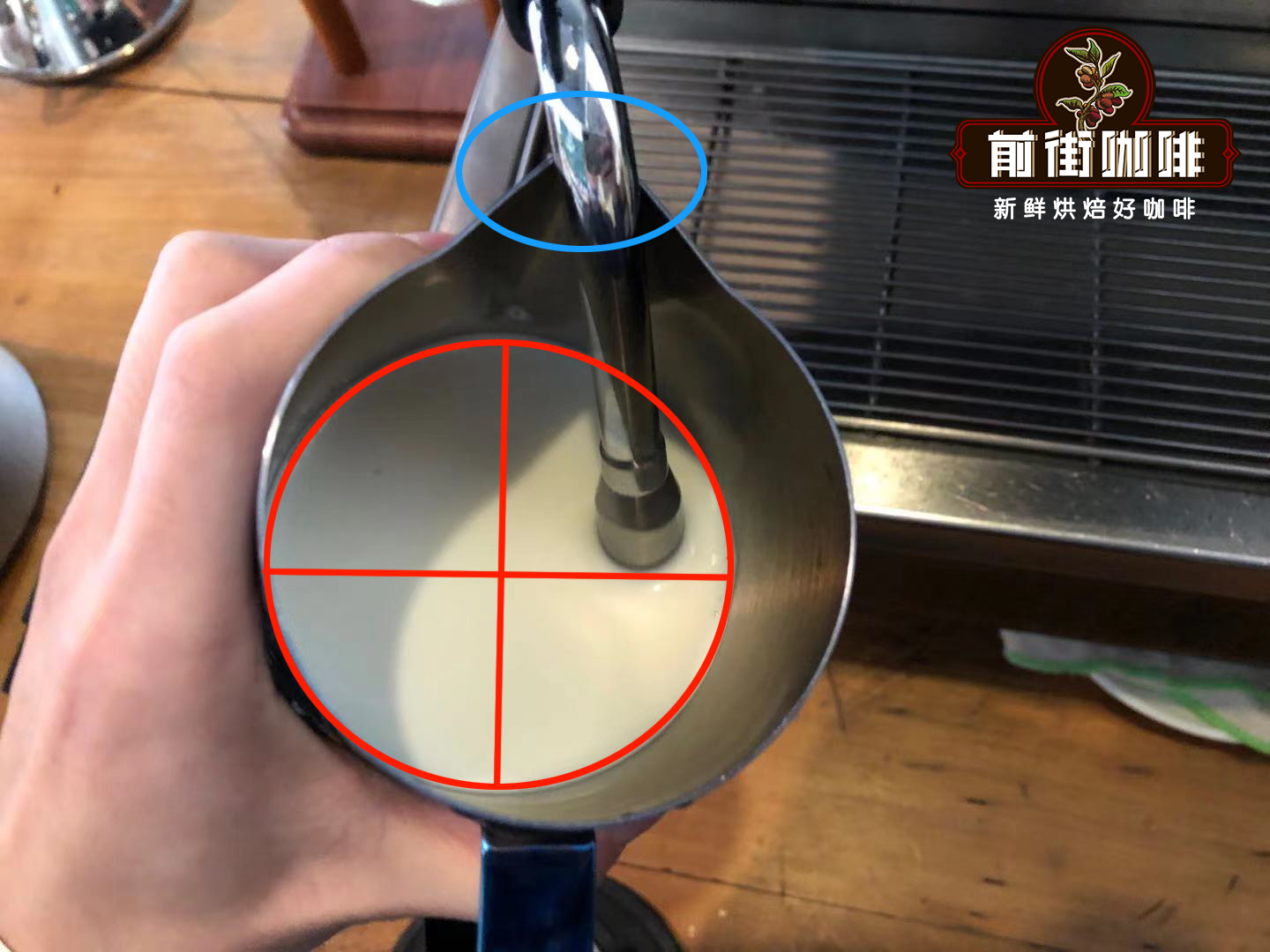
The Correct Way to Froth Milk | Which Type of Milk Keeps Coffee Foam Lasting Longer? What Techniques Must Beginners Master to Make Latte Art?
Many people struggle to froth milk properly when they first start learning latte art. In fact, the quality of the milk also affects how easy it is to froth. Front Street Coffee would like to introduce a few types of milk that are easy to froth! In the eyes of baristas, milk is divided into ambient milk and chilled milk, whole milk and skim milk. When making coffee la— [more…]