







Search Results for: peak flavor
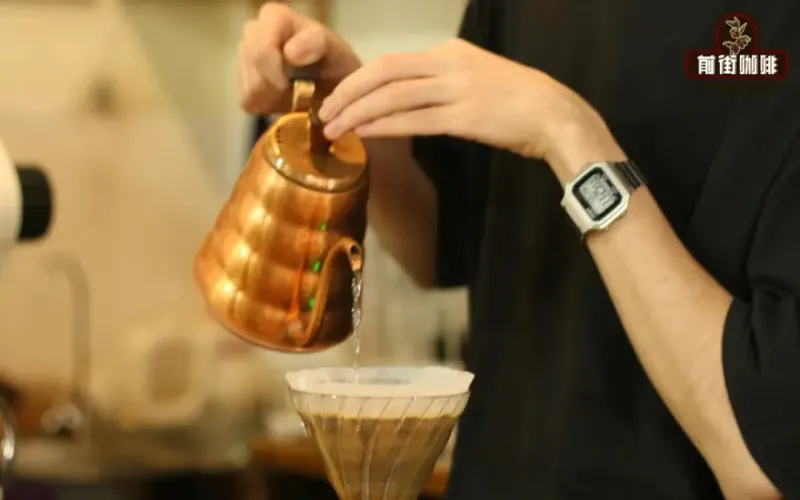
How to Brew Coffee Past Its Peak Flavor Window So It Still Tastes Good? A Complete Guide from the Principles of the Flavor Window to Pour-Over Techniques
Many coffee enthusiasts have heard the saying that coffee beans have a "peak flavor window," but few truly understand what it means. The so-called peak flavor window refers to the period after roasting during which coffee beans are at their fullest flavor and most suitable for drinking. During this time, the beans neither hinder extraction due to excessive carbon dioxide, nor lack aromatic compounds—in fact, their aroma compounds are at their most abundant, so the brewed coffee has rich aromatic layers and a round, full-bodied taste. However, once the beans are stored beyond this window, the flavor drops noticeably and brewing becomes more difficult. This article starts with the definition of the peak flavor window and how to judge it, then explains in detail how to adjust brewing parameters for coffee beans past their peak—including water temperature, grind size, coffee-to-water ratio, and other specific steps—and offers practical tips based on Front Street Coffee's beans to help you brew the remaining beans on hand into the ideal cup. [more…]
Can Coffee Beans Still Be Drunk After the Peak Flavor Period? A Practical Guide to Brewing Adjustments and Reusing Expired Beans
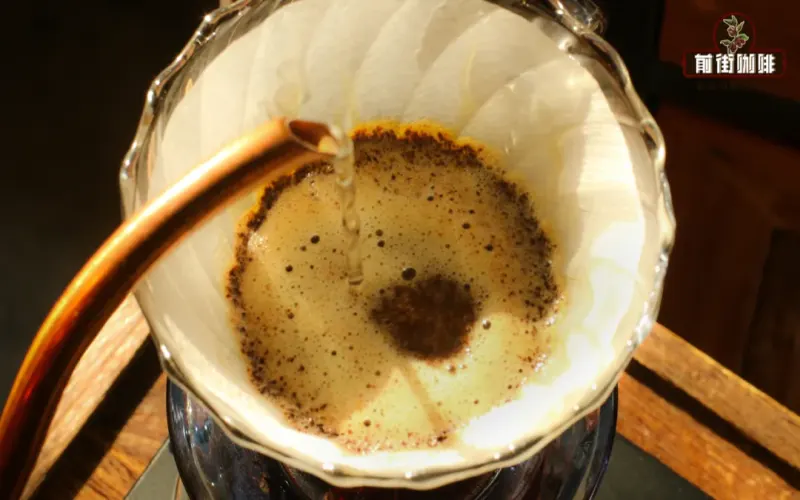
Having bought too many coffee beans and not finishing them before they pass their peak flavor window is a problem many coffee lovers run into. What exactly is the difference between the peak flavor period and the shelf life? Can beans past their peak flavor period still brew a decent cup of coffee? Besides throwing away expired coffee beans, what other practical ways are there to reuse them? This article starts from a brewing demonstration of a Kenya AA coffee bean from Front Street Coffee, explaining in detail how to avoid negative flavors after the peak flavor period by adjusting water temperature, grind size, pouring technique, and other parameters, while also compiling the many uses of expired coffee beans in cleaning, deodorizing, and plant fertilizer, helping you make the most of every single coffee bean. [more…]
After coffee beans are ground into powder, how long is the remaining flavor period? Coffee powder storage methods and the truth about flavor loss
Many people care about the shelf life of ground coffee, but what truly deserves attention is its peak flavor window—the optimal time for enjoying it. Once coffee beans are ground, aroma molecules volatilize more rapidly, and flavor loss occurs far faster than with whole beans. Through experiments, Front Street Coffee found that the peak flavor window of ground coffee is about two-thirds that of whole beans; if beans have a 45-day window, ground coffee has only about 30 days. This article provides a detailed analysis of how the peak flavor window of ground coffee is calculated, why flavor loss occurs, and shares Front Street Coffee's recommended method of sealed portioned storage, helping you enjoy a cup of coffee with full flavor before the aroma fades. [more…]
Analysis of the Difference Between Coffee Beans' Peak Flavor Period and Shelf Life: Can Expired Beans Still Brew a Good Cup?
Many coffee enthusiasts know that roasted coffee beans, beyond their shelf life, also have a peak flavor window—the optimal tasting period. But if you accidentally miss this window, can the beans still be consumed? And how much will the flavor degrade? This article compares freshly roasted coffee beans with those stored for two months, using cupping to intuitively demonstrate the differences between the two, and explains how aroma volatilization affects the layers of coffee flavor. At the same time, the article also shares Front Street Coffee's commitment to fresh roasting and how to conveniently purchase high-quality coffee beans roasted within a week. [more…]
How to Balance Coffee Bean Shelf Life and Peak Flavor Window? A Full Guide to Proper Storage After Opening
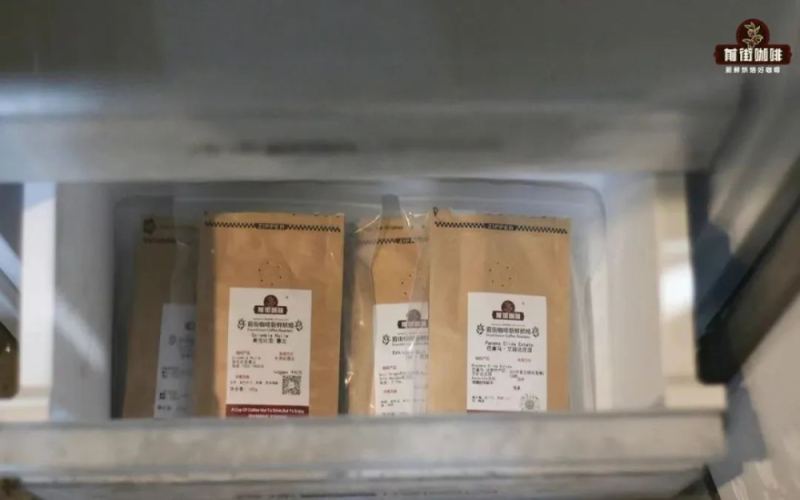
Stockpiled a bunch of coffee beans but can't finish them? Should you refrigerate or freeze them? Which really matters more—the shelf life or the peak flavor window? Starting from a question a customer sent to Front Street, this article systematically sorts out the core logic of coffee bean preservation: first clarify what "freshness" actually is that we're after, then break down the strategies for dealing with the five great enemies—light, heat, moisture, oxygen, and odors—one by one, and finally provide practical steps and precautions for freezing, helping you find the freshness-locking solution that suits you best. [more…]
A Beginner's Guide to Coffee Bean Freshness: Key Selection Points, the Science of Resting, Peak Flavor Window, and Everyday Storage Methods
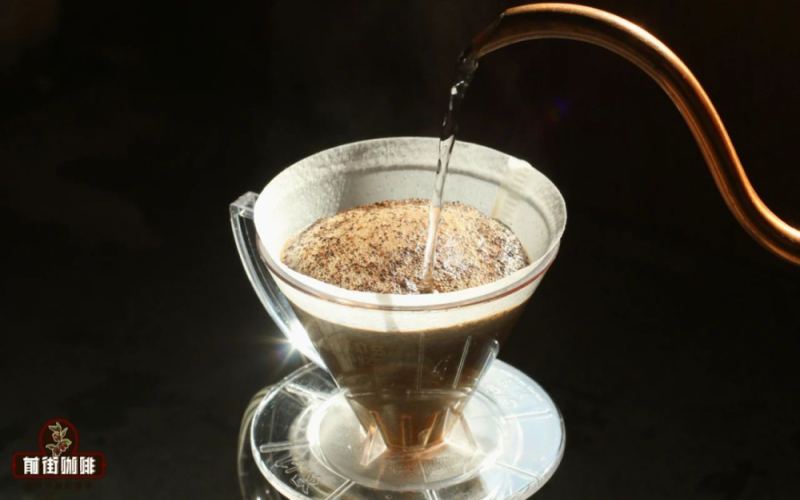
Many people believe that as long as coffee is freshly ground, it counts as fresh, but in reality, whether the coffee aroma can be fully released depends not only on the timing of grinding but also on time management after roasting. Once coffee beans have passed 50 days after roasting, their flavor is almost entirely depleted, so Front Street Coffee has always regarded freshness as the first prerequisite for good coffee. This article focuses on four core questions: how to tell whether a bag of beans is fresh, why beans need resting, how the peak flavor period differs from the shelf life, and how to store them properly in daily life. It also compiles suggested resting times for different roast levels from light to dark, special considerations for espresso beans, and the pros and cons of three storage options—sealed jars, one-way degassing valve canisters, and original packaging—to help beginners avoid common pitfalls. [more…]
A Complete Guide to Coffee Bean Resting and Peak Flavor: The Science of Storing from Roast Date to Optimal Taste
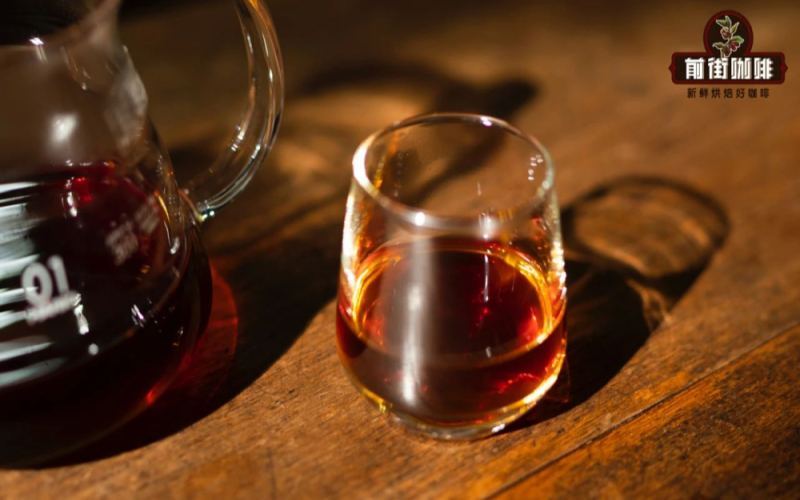
Are freshly roasted coffee beans the most delicious? The answer is not necessarily. Many enthusiasts compare coffee bean roasting to cake baking, assuming that the fresh flavor is at its peak within two to three days of coming out of the roaster. But in fact, freshly roasted and freshly bought beans are not when the beans taste their best. Through years of roasting and cupping, Front Street Coffee has found that beans 1-2 days after roasting often carry smoky notes and a harsh, dry sensation, with sharp acidity and insufficient sweetness. This is because coffee beans continue to release carbon dioxide for about 48 hours after roasting, emitting roughly 6-10 liters per kilogram, with 35% of that released in the first three days. So what is bean resting? How long do different roast levels need to rest? And how should the peak flavor period be defined? Starting from Front Street Coffee's practical experience, this article will systematically answer core questions such as resting time, the optimal peak flavor period, and shelf life, helping you find the flavor peak of every bean. [more…]
A Complete Guide to Coffee Bean Resting Time: How Many Days of Resting Different Roast Levels Need to Reach Peak Flavor
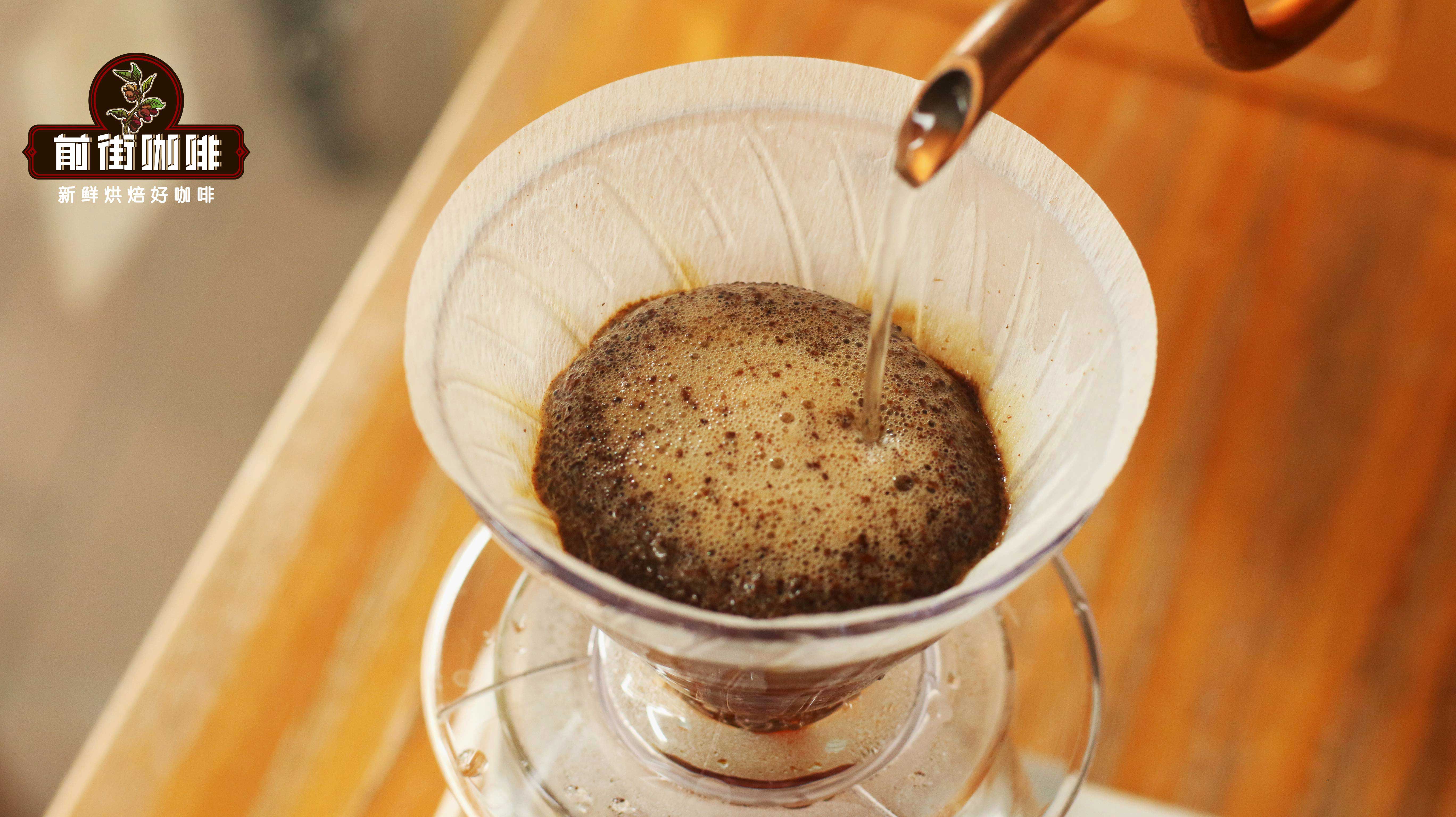
Friends who have just gotten into coffee beans often ask: how many days should they be rested before drinking? Actually, the answer to this question is closely related to the roast level. After roasting is completed, coffee beans continuously release carbon dioxide, and this process is what's called "resting the beans." If the resting time is insufficient, the gas will rush around during brewing, and the flavor will be greatly compromised. This article sorts out in detail the resting times required for different roast levels, and explains how to judge whether the flavor has reached its peak. At the same time, the article also combines the practical experience of Front Street Coffee to give specific suggestions, helping you enjoy a good cup of coffee at the most suitable time. [more…]
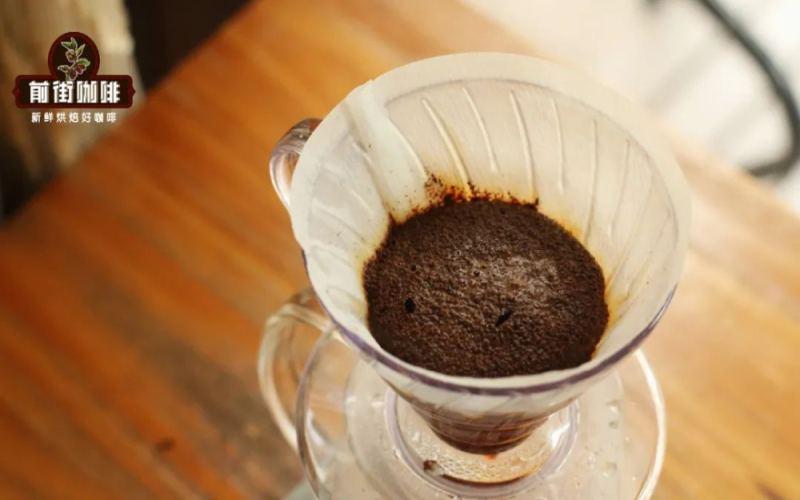
Why Do Coffee Beans Need Resting and Blooming? What Does Peak Flavor Period Mean? Understanding the Relationship Between All Three in One Article
Freshly roasted coffee beans contain a large amount of carbon dioxide, and this gas interferes with the extraction of flavor compounds by hot water, so it is necessary to reduce the gas content inside the beans through resting or degassing. Resting lets the beans release gas naturally and waits for them to enter their peak flavor window; degassing, on the other hand, temporarily accelerates gas release before brewing so that overly fresh beans can be used as soon as possible. Both serve the same purpose but differ in the time required and the method of operation. The resting period is related to the roast level, and dark-roasted beans actually need longer. This article explains in detail the difference between resting and degassing, the meaning of the peak flavor window, and includes practical advice from Front Street. [more…]
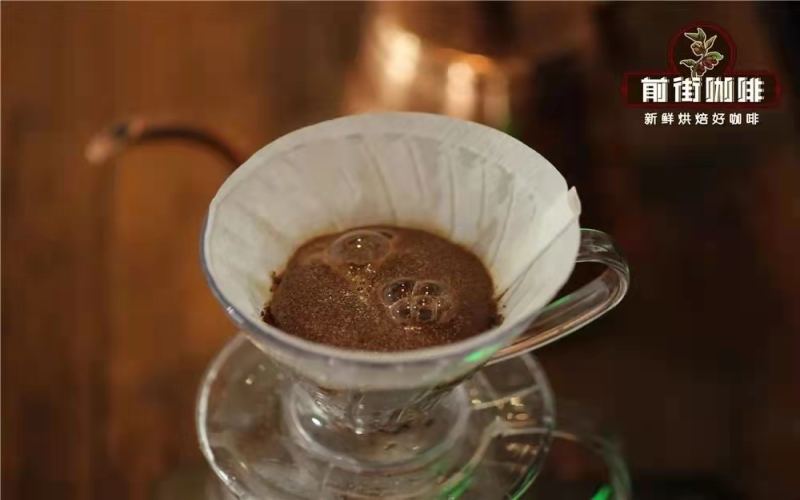
How Many Days Do Coffee Beans Need to Rest? Is Sealed Resting for Pour-Over Beans Feasible? One Article Explains Degassing and the Flavor Peak
Should freshly roasted coffee beans be brewed right away? How many days should you actually wait for resting? This article starts with the principles of coffee bean degassing, explaining why freshly roasted beans need to rest and how the resting period is affected by roasting method, roast level, and roasting style. It also offers practical ways for ordinary consumers to judge the resting period, helping you find the flavor peak of each bean. Drawing on Front Street Coffee's semi-direct fire roasting experience, the article explains reference resting days for medium-light and medium-dark roasts, and addresses whether fully sealed resting is feasible. [more…]
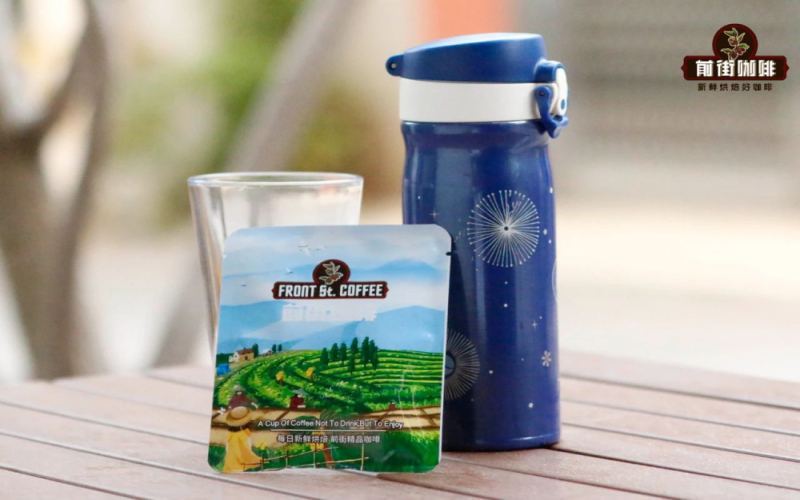
How long is the shelf life of drip bag coffee? Why freshly ground and freshly made is more worthwhile—Front Street helps you understand the peak flavor period and brewing key points
Drip bag coffee is convenient and quick, but how long is its shelf life and its peak-flavor window? Why does Front Street Coffee insist on grinding and making it fresh rather than preparing stock in advance? This article will analyze the production method of drip bag coffee, its storage time, and the reasons for flavor loss, and will also offer buying suggestions for several Front Street Coffee drip bag coffees, including Panama Geisha, Huakui, Brazil Semi-Washed, and Golden Mandheling. It will also explain the brewing approach of 10 g per packet and a 1:15 coffee-to-water ratio, helping you enjoy a more complete aroma and mouthfeel within a packet's best period. [more…]
How can you judge the peak flavor period and shelf life of coffee beans? Can re-roasting expired beans restore their aroma?
From the moment roasting is complete, coffee beans embark on a one-way journey of gradually fading flavor. Many coffee lovers are often puzzled: how exactly should the peak-flavor period and the shelf life of coffee beans be judged? Can beans that are past their shelf life or peak-flavor period be "revived" through a second roast to bring back their aroma? This article starts from a real question asked by a customer at the Front Street store, combines the scientific laws of coffee bean degassing and flavor changes, and selects two single-origin beans with different roast levels—Front Street Huakui and Front Street PWN Golden Mandheling—for a comparative brewing experiment, using actual results to provide the answer, while also reminding everyone of the correct ways to buy and store coffee beans. [more…]
Can You Still Drink Expired Coffee Beans? A Full Guide to Peak Flavor, Safety, and Creative Reuse
Bought too many coffee beans and can't finish drinking them, or for various reasons they've been left sitting too long, and before you know it, they've passed their optimal flavor period, or even exceeded their shelf life. Can these coffee beans still be consumed? How will the flavor change? What exactly is the difference between shelf life and optimal flavor period? If they can no longer be consumed, what practical secondary uses are there? Based on Front Street's practical experience, this article systematically sorts out the timeline of coffee beans from optimal flavor period to shelf life, answers the safety of expired coffee, and shares waste utilization tips for multiple scenarios such as practice, cleaning, skincare, and deodorizing, helping you properly handle those coffee beans that are no longer fresh. [more…]
Can Expired Coffee Beans Still Be Drunk? A Look at Freshness, Peak Flavor, and Flavor Loss Patterns Based on Roast Date
When buying coffee beans, many people habitually check the production date and expiration date, but for roasted coffee beans, the roast date is what really matters. The shelf life is usually six months to a year, and at a normal rate of consumption, the beans are rarely kept until they actually expire. But once coffee beans have been stored too long, the aroma fades, the taste deteriorates, and a musty odor may even develop—at which point they are no longer suitable for drinking. This article examines how long it takes for coffee beans to go stale—covering coffee spoilage, shelf life, the differences between light and dark roasts, the resting period and the peak flavor window—and explains why Front Street Coffee chooses to ship around 5 weeks after roasting, helping you enjoy good flavor at the optimal time. [more…]
A Comprehensive Interpretation of the Origin Grading System and Flavor Characteristics of Jamaican Blue Mountain Coffee Beans
Blue Mountain Coffee is widely recognized as one of the world's top coffees, a status inseparable from its exceptional natural conditions and the Jamaican government's almost stringent industry regulation. The Blue Mountain range lies in eastern Jamaica, where the azure waters of the Caribbean Sea reflect off the peaks, giving the region its name. Its highest peak rises 2,256 meters above sea level, with a cool, foggy climate, abundant rainfall, and fertile volcanic soil providing an ideal growing environment for coffee. In the mid-20th century, due to inconsistent export quality, Canada once refused to accept Blue Mountain Coffee, prompting Jamaica to establish the Coffee Industry Board (CIB) in 1948, building a strict quality standard and certification system. Blue Mountain Coffee is classified by screen size into No.1 through No.3 and Peaberry grades. The government has also designated specific cultivation areas and processing plants, with dedicated supervision from harvesting, fermentation, and drying to barrel packaging. This article will systematically outline the classification, grade standards, and unique craftsmanship of Blue Mountain Coffee, offering you a comprehensive understanding of this legendary coffee. [more…]
Coffee Bean Repurchase Review: From Roasting to Peak Flavor
When coffee beans are freshly roasted, their aroma does not mean they are at their peak. The interior of the beans still holds a large amount of carbon dioxide, and brewing them right away can easily produce sharp acidity, a thin and hollow mouthfeel, and a flow rate that may surge and slow unpredictably. The time when they are truly ready to drink usually requires waiting for the gas to release over a period, allowing the floral notes, fruity sweetness, and body to gradually come together. [more…]
Drip Bag Coffee Shelf Life and Peak Flavor Period Explained: How Is It Different from Instant Coffee?
The shelf life of drip bag coffee is usually labeled as 12 to 18 months, but this is only a food safety limit—what truly determines whether a cup of coffee tastes good is its peak flavor window. This article will start with where coffee flavor comes from, explain why drip bag coffee's flavor noticeably declines within about three weeks after roasting, and clarify the essential differences between drip bag coffee and instant coffee in terms of composition and health effects. At the same time, Front Street Coffee will share a simple and easy-to-follow drip bag brewing method, including water temperature, pouring rhythm, and total water volume control, to help you enjoy a full-flavored cup of black coffee within the optimal time. [more…]
Beginner's Guide from Zero: A Complete Guide to the Key Points of Choosing Coffee Beans—Understanding Resting Period, Peak Flavor Period, and Shelf Life at Once
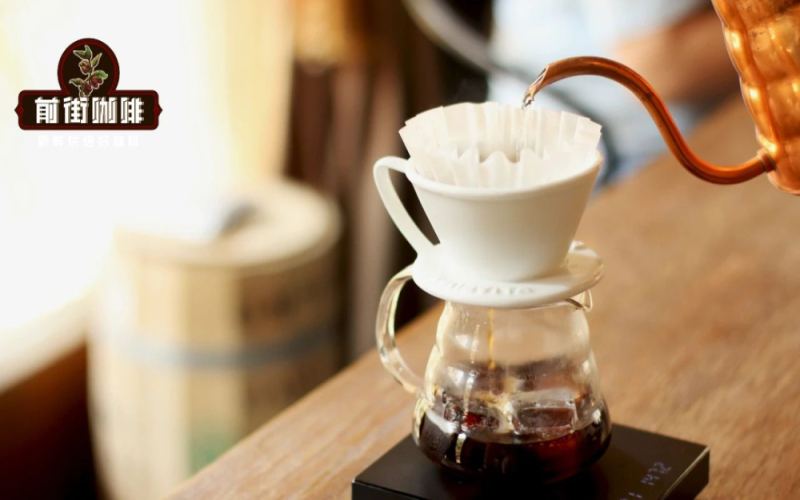
For friends who are just getting into freshly ground coffee, the dizzying array of coffee beans on e-commerce platforms often leaves them not knowing where to start. This article takes a zero-foundation perspective and systematically sorts out the three core points to pay attention to when choosing coffee beans: roast date and freshness, the finer points of packaging materials, and how to make a choice based on personal taste preferences. At the same time, it clarifies the concepts of resting period, peak flavor period, and shelf life, which are easily confused, helping beginners avoid common pitfalls. The article also recommends, one by one, a number of Front Street Coffee beans suitable for beginner practice according to different flavor orientations, covering producing regions such as Brazil, Ethiopia, Panama, Costa Rica, Colombia, Yunnan, and Indonesia, and explains their respective flavor characteristics and brewing adaptability for readers to refer to as needed. [more…]

How can you effectively extend the flavor window of coffee beans? What's the scientific way to store freshly acquired beans?
You've stocked up on plenty of coffee beans over the Spring Festival holiday, but worry that once the peak flavor window passes, the flavor will be lost entirely? This article will walk you through the resting period and peak flavor window of coffee beans, analyze the three great enemies of freshness—oxygen, moisture, and heat—and offer practical storage suggestions. Front Street Coffee also specially reminds you that freezing is not a cure-all; improper handling can actually do more harm than good. If you want the beans in your hands to stay rich and aromatic for as long as possible, start by avoiding these three factors. [more…]
A Complete Guide to Coffee Bean Resting Periods and Peak Flavor Windows: How Long Should You Rest Espresso, Light Roast, and Dark Roast Beans?
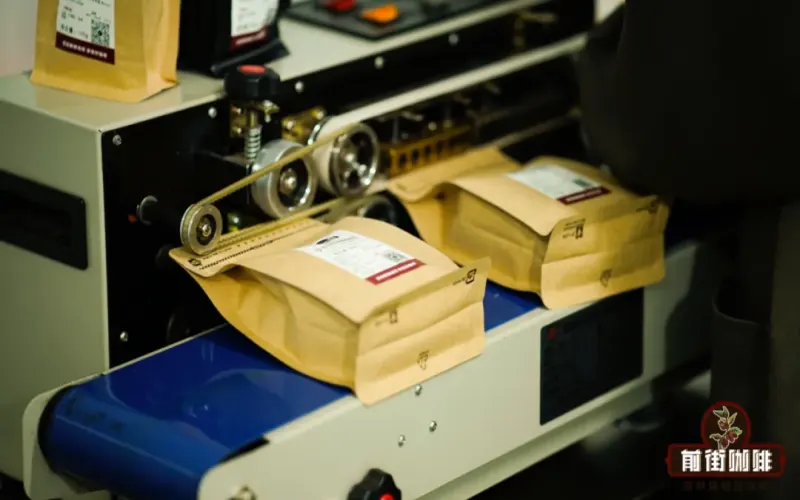
Many coffee enthusiasts only fixate on the roast date when buying beans, overlooking the expiry date—yet behind this lies a precise grasp of how coffee flavor evolves. The time when coffee beans finish roasting directly determines their resting period and peak-flavor window—freshly roasted beans need to sit and degas, with espresso, pour-over, light roasts, and dark roasts each having different waiting rhythms. This article will explain the principles of the resting period in detail, help you understand how long coffee beans should rest under different roast levels and brewing methods, and include practical advice from Front Street Coffee, so you never miss the optimal flavor window of any bean. [more…]