







Search Results for: milk fat
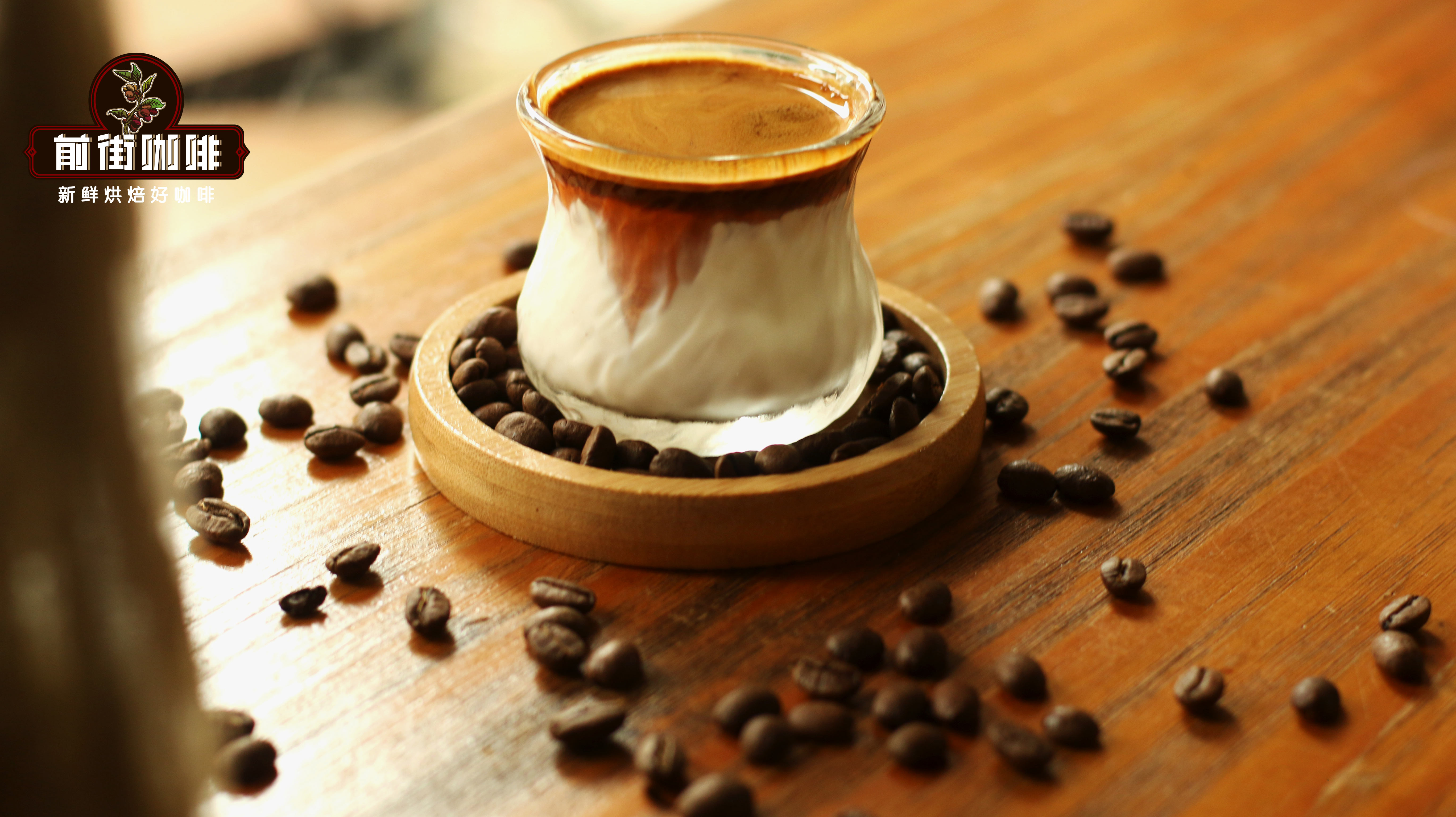
Dirty Coffee Recipe Ratio | How Can Coffee Beginners Make a Dirty Coffee? What's the Milk-to-Coffee Ratio for a Dirty Coffee? Which Coffee Beans Are Suitable for Making a Dirty Coffee?
Introduction: Dirty coffee burst onto the scene a few years ago, converting many latte loyalists into Dirty devotees. Unlike iced latte, Dirty coffee offers a visual and taste-bud double delight as you watch the espresso and milk create a gradient effect, and with one sip you go from rich coffee to sweet milk. [more…]
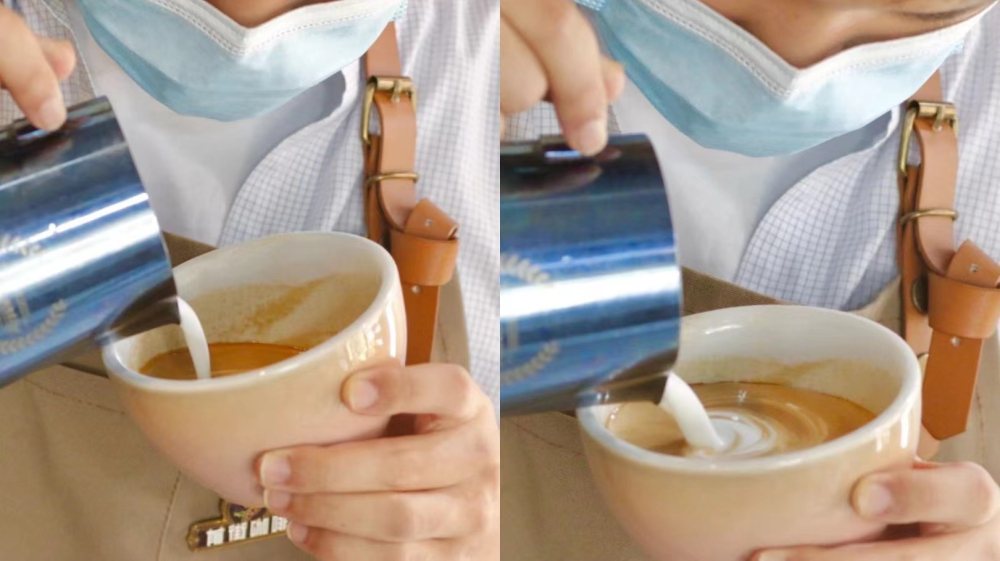
Australian White Milk Coffee Ratio | What Are the Characteristics of Flat White's Milk Foam? How Do Coffee Beginners Froth Milk? How Can Beginners Make a Standard Australian White?
Everyone knows that making espresso milk coffee requires espresso and milk, and there are many types of milk coffee, such as latte, mocha, cappuccino, etc., which use different ratios of espresso and milk. So in this article, Front Street Coffee wants to give everyone [more…]
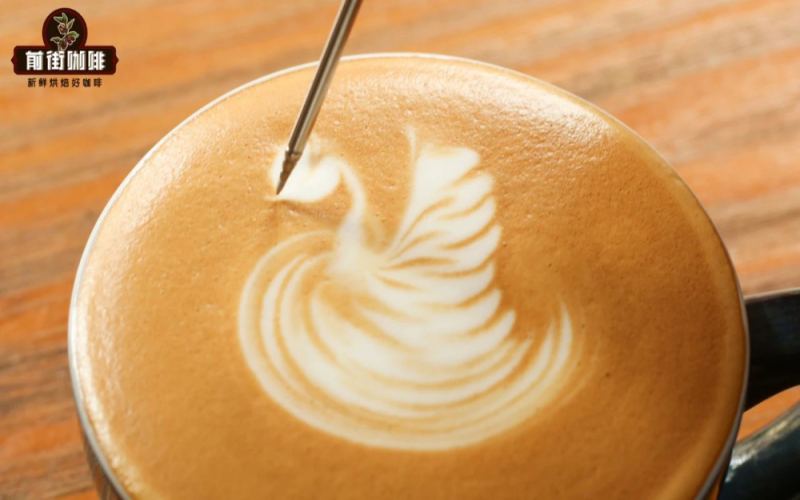
Latte Milk Foam Steaming Tutorial with Illustrations | What Are the Requirements for Milk When Making Latte Art? What Techniques Should Coffee Beginners Pay Attention to When Steaming Milk Foam for Latte Art?
To make latte art look good, choosing the right milk is very important! Front Street Coffee's daily in-store milk coffee offerings all use full-fat fresh milk, because it is rich in protein, lactose, and milk fat. The protein in milk is what makes the milk foam stable. [more…]
Why Strawberry Candy Latte Works: The Underlying Logic of Flavored Beans
Seeing a strawberry candy latte on a café menu, many people instinctively assume it contains syrup. In fact, a properly processed flavored bean can produce a strawberry-like sweet aroma without any syrup at all, and Front Street Coffee's Strawberry Candy Blend was designed with exactly this approach in mind. Its premise is that the bean's own fermented flavor is distinctive enough—so distinctive that [more…]

From Surfactants to Foam Stability: A Beginner's Guide to Latte Art and the Principles of Fluid Dynamics
Latte art is a romantic expression of a barista's skill, with white milk foam blooming into heart or leaf patterns on the surface of dark brown espresso. Latte art is divided into two types: free-pour latte art and etched latte art created after pouring. The wonder of the former lies in the pattern forming simultaneously with the pour, while the latter offers a wider range of designs because the stable foam allows for leisurely drawing. From a physics perspective, the core of latte art lies in surfactants—molecules that possess both hydrophilic and hydrophobic groups, capable of stabilizing the interface between air and liquid to form lasting foam. Milk proteins and coffee lipids act together as surfactants, enabling the two micron-scale foams to remain clearly separated for a long time after mixing, thereby allowing the pattern to persist. This article will guide you from the basic principles of surfactants to understand espresso's crema, the formation of hot milk foam, and why foam mixing rather than liquid mixing is the key to successful latte art, while also revealing the widespread applications of surfactants in daily life and industry. [more…]

Flat White Production Essentials | Is Starbucks Flat White an Aussie-style white coffee? How much espresso goes into a Flat White?
For more specialty coffee knowledge, please follow: Front Street Coffee (Frontsteet Coffee). After Starbucks launched a new coffee drink, the "Flat White," in 2012, it once became a favorite among Starbucks fans. Because it has the silky mouthfeel of a latte [more…]
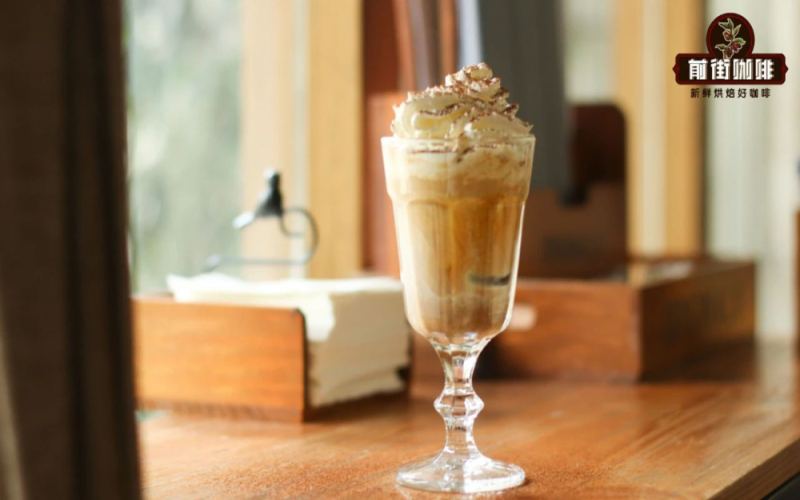
Starbucks Coffee Menu Full Analysis: Varieties, Cup Sizes, and Flavor Differences of Espresso and Cold Brew
As a globally renowned coffee chain brand, Starbucks' product line centers on espresso, from which classic beverages such as Americano, Latte, Cappuccino, Flat White, Mocha, and Caramel Macchiato are derived, offered in three sizes: Tall, Grande, and Venti. In recent years, the Cold Brew series has also quickly gained popularity, welcomed for its smooth mouthfeel brought by low-temperature long-time extraction. This article, compiled by Front Street Coffee, systematically sorts out the main types of Starbucks coffee, their brewing principles, and flavor characteristics, while also sharing the specific brewing parameters for Iced Americano, helping coffee enthusiasts more clearly understand the logic behind the menu and find the cup that suits their taste. [more…]
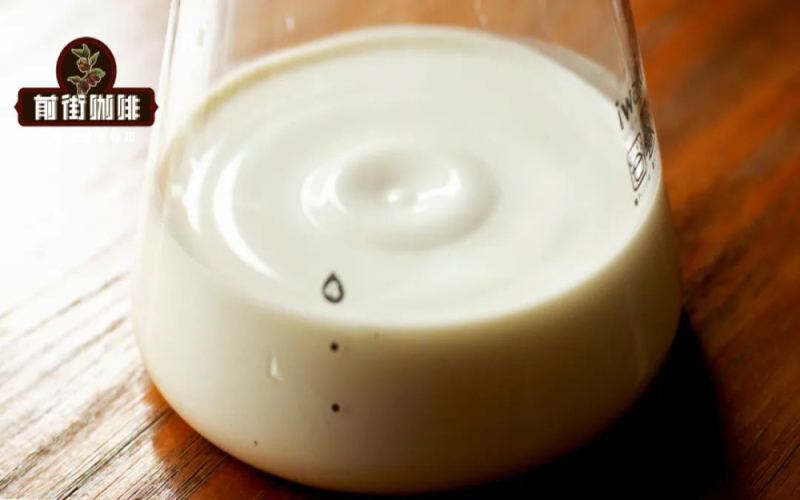
Water Buffalo Milk Latte and Dirty: Can Milk Foam Latte Art, Sweetness, and Coffee Flavor Coexist?
Buffalo milk has long been a specialty dairy product in the Guangdong and Guangxi regions, and in recent years it has been increasingly used by coffee enthusiasts to pair with espresso. It contains higher levels of protein, fat, and calcium than regular milk, with a lower water content, making it sweeter and silkier to drink. So, is buffalo milk actually suitable for latte art? And what does it taste like in an iced latte or a Dirty? This time, Front Street Coffee selected the refrigerated fresh buffalo milk from the local Foshan brand Baifulu, paired with Front Street Coffee's classic blend coffee beans, to make three drinks: a flat white, an iced latte, and a Dirty. From milk foam texture and latte art performance to the flavor on the palate, we tested each one to see whether the combination of buffalo milk and coffee can achieve an effect where 1+1>2. [more…]

A World Tour of the Milk Coffee Family: Bean Pairings for Seven Kinds of Milk Coffee
Latte is just one member of the milk coffee family—from Rome's cappuccino to Melbourne's flat white, from Spain's cortado to Vietnam's egg coffee, "coffee with milk" has evolved into a vast family across the globe. Each milk coffee is a unique local cultural solution to the ratio of milk fat, and behind each solution lies a different [more…]
Bean Choices for Latte: From Classic Blends to Fruity Blends
The choice of beans for a latte determines the flavor direction of the final drink. From classic rich blends to fruity blends, different bean types each have their own characteristics when used in a latte. Understanding how different beans perform in a latte gives you a richer range of options when selecting beans. Classic rich blends are the traditional choice for a latte. Front Street Coffee's classic blend is made from [more…]

How do people who dislike bitterness choose coffee beans?
“This coffee is too bitter, I can't drink it.” Many people are familiar with this remark. But in fact, how bitter coffee tastes depends largely on the choice of beans and the brewing method. As long as you choose the right direction, even people who fear bitterness can find a cup they enjoy. The core approach to choosing beans for those who fear bitterness: First, avoid dark-roasted beans. The darker the roast, the more charred [more…]
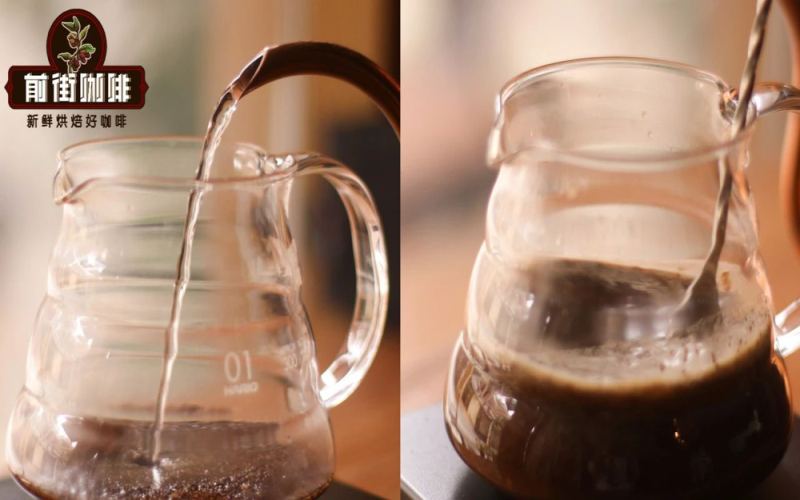
Iced Latte Recipe Introduction | How to make a latte at home without a coffee machine? How can coffee beginners make cold brew latte milk coffee?
How can cold brew coffee be limited to black coffee only!! This article will teach everyone how to easily make silky-smooth cold (milk) brew latte at home, without a coffee machine or complicated equipment~ Without further ado, GO GO GO! The soul of milk brew coffee: "Full-bodied taste, no burden." [more…]
Malaysian White Coffee Flavor Characteristics and Ingredient Differences: A Comprehensive Analysis from Its Ipoh Origins to Health Benefits
White coffee is a highly representative traditional specialty of Malaysia, with a history spanning over a century. It is not white in color; rather, it is made from three types of coffee beans—Liberica, Arabica, and Robusta—subjected to medium-light low-temperature roasting and special processing that greatly reduces caffeine, burnt bitterness, and astringency, resulting in a pale milky-golden hue and a mellow, gentle flavor. Compared with black coffee, white coffee differs fundamentally in bean selection, roasting methods, and brewing techniques; it contains no trans fats, has lower caffeine and calories, is gentler on the stomach, and does not easily turn sour after cooling. This article will systematically outline the flavor components, processing characteristics, historical origins, health benefits, and brewing methods of white coffee, offering you a comprehensive understanding of this classic Nanyang coffee. [more…]
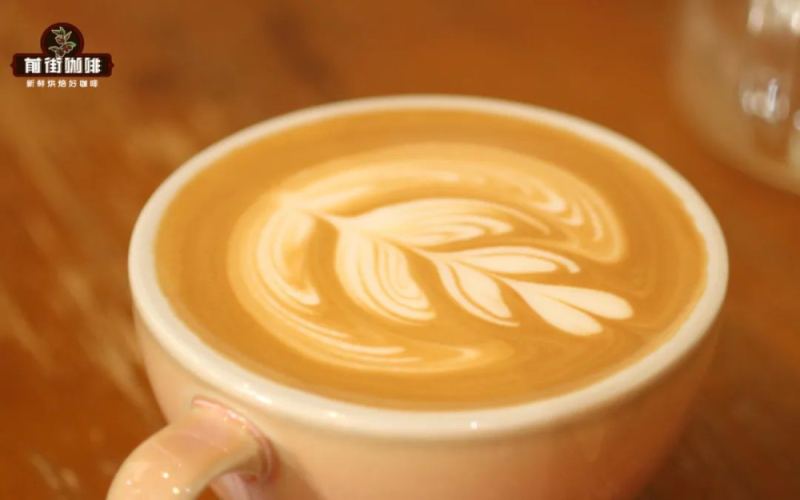
Coffee Basics | What is the standard way to make a Coffee Latte? What is the espresso-to-milk ratio and the thickness of the milk foam for a latte? What are the key points for making latte art?
For more specialty coffee knowledge, please follow our WeChat official account: Front Street Coffee (FrontStreet Coffee). To make beautiful latte art, choosing the right milk is very important! Front Street Coffee (FrontStreet Coffee) uses this for its daily milk coffee offerings: [more…]
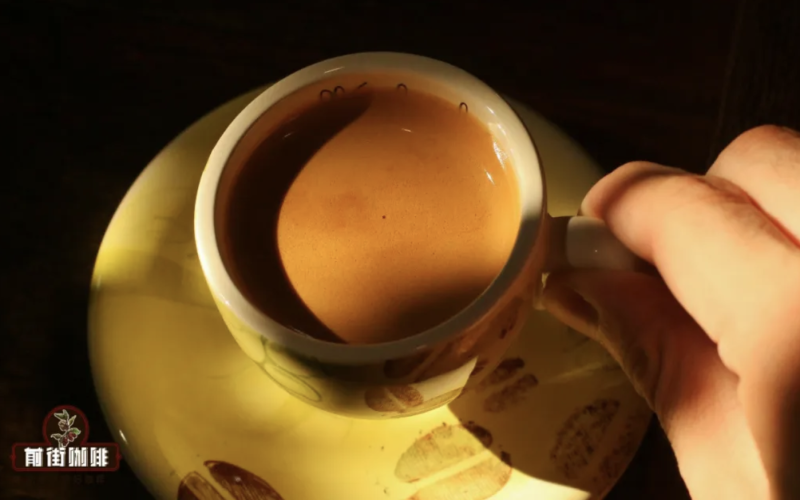
How to Pull a Good Espresso Shot at Home: The Key Lies in Bean Selection
Many people buy a home espresso machine with one first goal in mind: pulling a thick, creamy crema like the one in coffee shops. But after endlessly tweaking grind size, dose, and water temperature, the crema is still thin. The problem usually isn't the machine — it's the beans. Crema is the layer of foam formed when carbon dioxide and fats emulsify during espresso extraction. [more…]
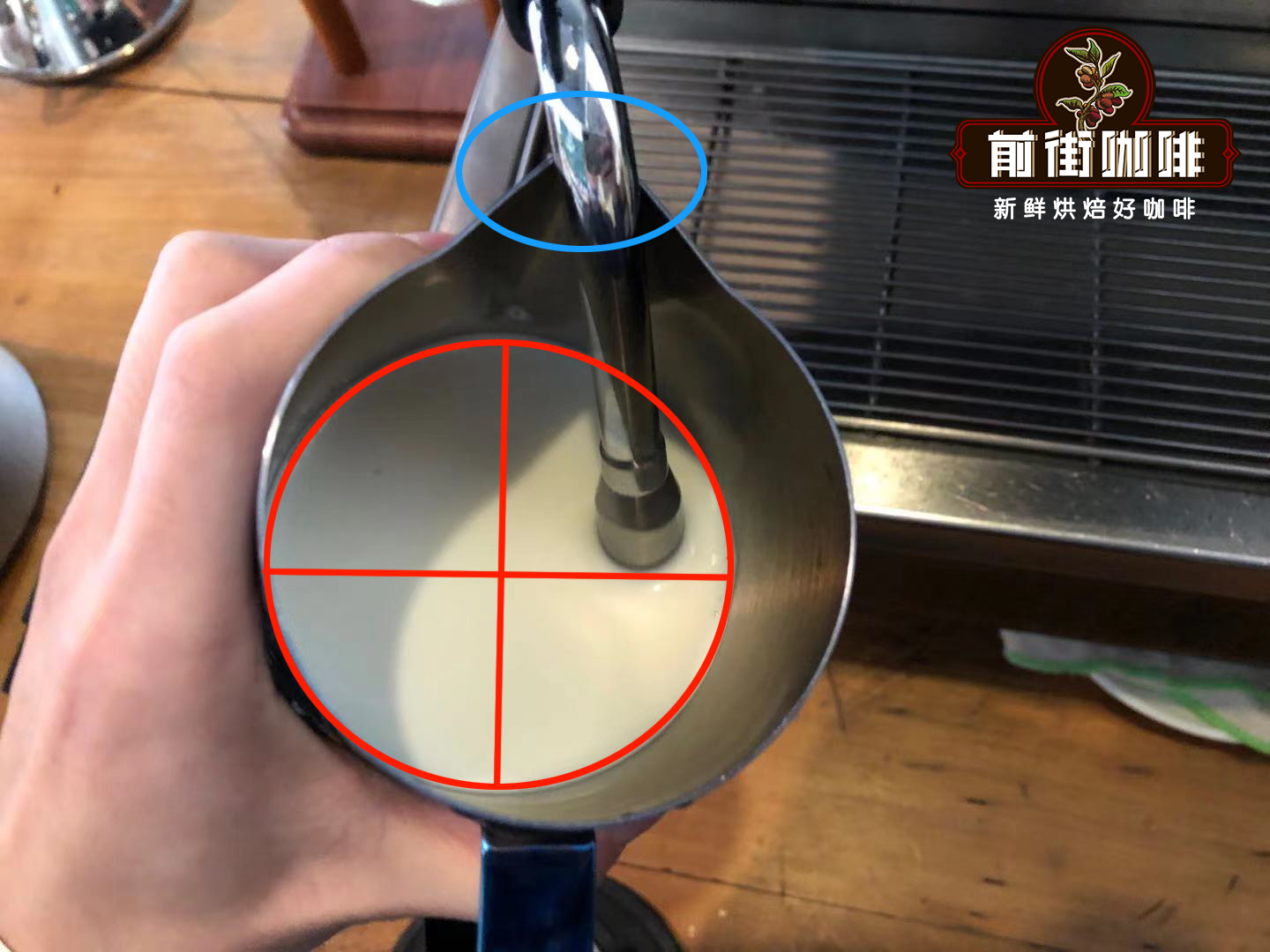
The Correct Way to Froth Milk | Which Type of Milk Keeps Coffee Foam Lasting Longer? What Techniques Must Beginners Master to Make Latte Art?
Many people struggle to froth milk properly when they first start learning latte art. In fact, the quality of the milk also affects how easy it is to froth. Front Street Coffee would like to introduce a few types of milk that are easy to froth! In the eyes of baristas, milk is divided into ambient milk and chilled milk, whole milk and skim milk. When making coffee la— [more…]

Latte Coffee Milk Ratio | What Kind of Milk Should Be Paired with Espresso Made from Medium-Dark Roasted Coffee Beans? Introduction to the Water-to-Coffee Ratio and Extraction Parameters for Milk Coffee Lattes
The arrival of autumn and winter has made hot lattes a favorite once again. After all, who wouldn't want to drink a cup of heartwarming coffee in the biting cold wind? And the key is that it's so sweet! Therefore, many friends have started making hot lattes at home. It is precisely because of this that Front Street's backend has received many messages from friends about making la [more…]
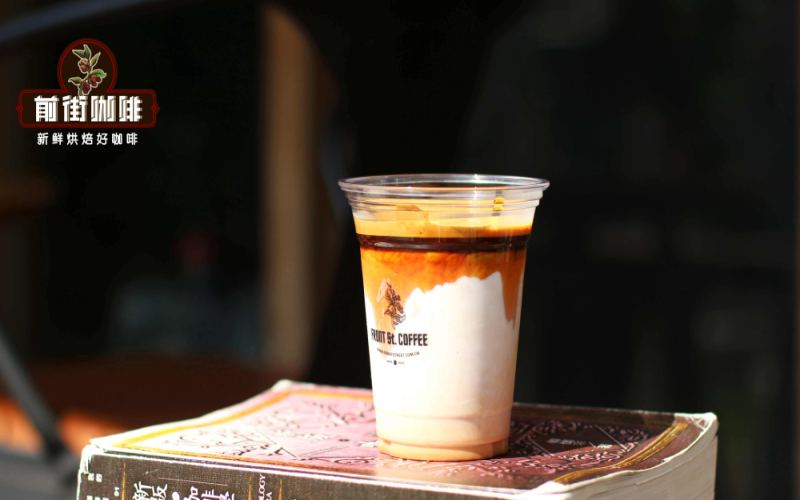
Flavor Characteristics of Flat White Coffee | Is the coffee base of a flat white espresso? What is the ideal coffee-to-milk ratio for a flat white?
For more specialty coffee knowledge, please follow: Front Street Coffee (Frontsteet Coffee) In recent years, with Starbucks' promotion of flat white, many friends who originally drank lattes and cappuccinos have also started switching to flat white. Some who come to Front Street stores [more…]
How to Extract Good Crema from a Home Espresso Machine? The Key Lies in Bean Selection
Many people buy a home espresso machine with one first goal in mind: pulling a thick, velvety crema like the one you see in coffee shops. But after endless fiddling with grind size, dose, and water temperature, the crema still comes out thin—and the problem usually isn't the machine, it's the beans. Crema is the layer of foam formed when carbon dioxide and fats emulsify during espresso extraction. [more…]
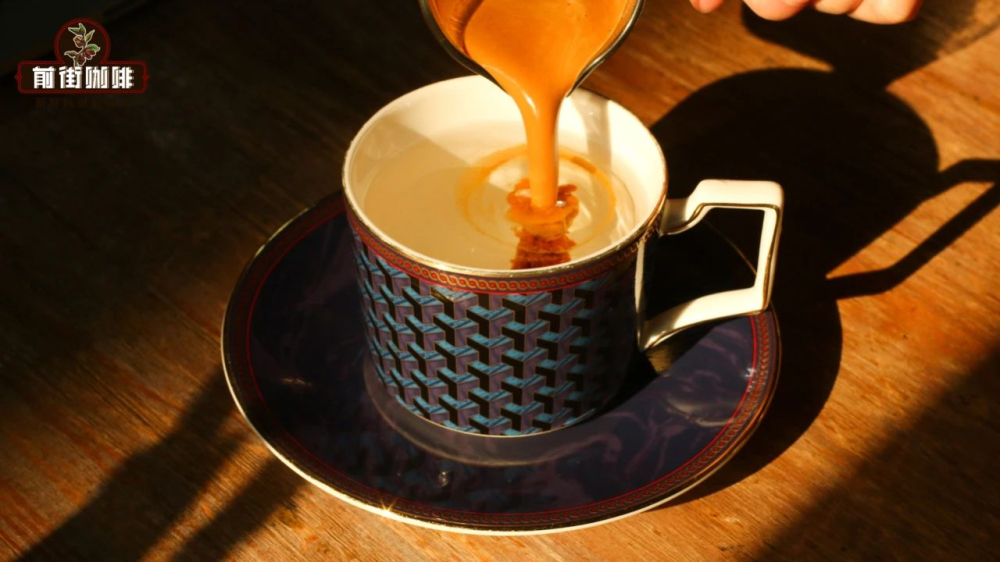
Americano Brewing Guide | Why Is Americano So Popular? What's the Difference Between Hot and Iced Americano? Can You Add Sugar and Milk to Americano?
Americano has become the drink of choice for many young people. A cup of Americano after a meal can not only cut through greasiness and aid digestion, but also effectively break down fat; combined with proper exercise, it can help with weight loss, which is why Americano has also become the coffee drink of choice for many celebrities. Front Street Coffee (FrontStr [more…]