







Search Results for: leaves
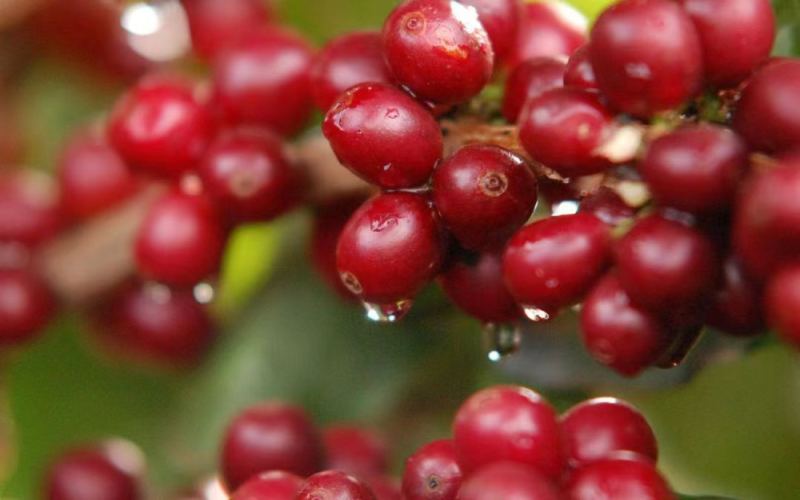
Coffee Basics | What's the difference between Typica coffee and Bourbon coffee? How can coffee beginners distinguish Typica, Bourbon, Caturra, and Geisha coffee beans?
You may or may not know what a coffee tree looks like, what a Typica coffee tree is like, or how about the Bourbon dynasty? There are many types of coffee, but it is not always clear how they differ. Setting aside variations in flavor and profile, there are obvious physical differences between the plants. Let's not even mention the many forms of coffee trees. [more…]

After the roast date, when does a home espresso blend taste better?
After coffee beans leave the roaster, they continue to release carbon dioxide, and espresso extraction amplifies this change. If you open the bag immediately after roasting, the puck tends to swell rapidly when it meets water, and both the flow rate and the crema layer are more active; after resting for a few days, gas release slows down, and sweetness, body, and aroma usually come together more easily in the same cup. [more…]
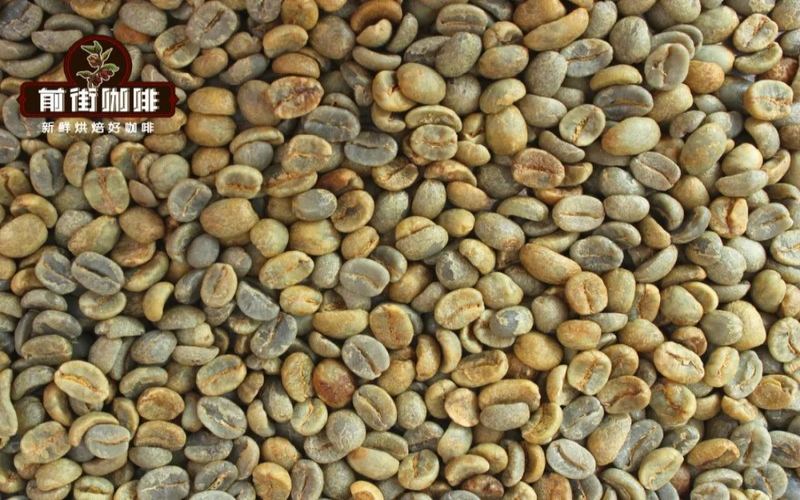
Cocoa-flavored moka pot beans, even more fragrant when enjoyed at the right time.
If you want to taste flavors like cocoa, nuts, and caramel from a moka pot, don't just look at the flavor labels when buying beans—pay attention to the roast date and how quickly you open and finish the bag. When coffee beans first leave the roaster, they still hold a large amount of carbon dioxide internally, and their aroma hasn't yet stabilized; leave them too long, and the aroma and sweetness gradually fade. When choosing and drinking beans, [more…]
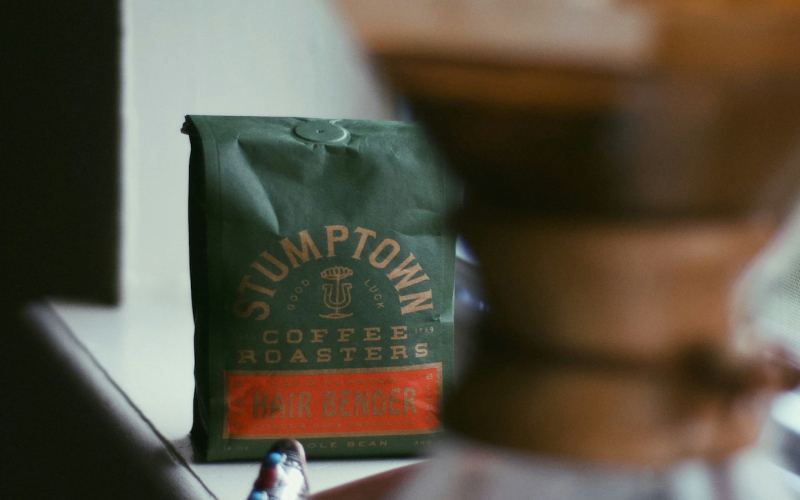
After Stumptown was acquired by Peet's, the president announced his resignation
Laura Szeliga, president of Stumptown Coffee Roasters, is leaving the roaster just two months after its parent company JDE Peet's was acquired by Keurig Dr Pepper (KDP [more…]

Arabica Coffee | What are the three main categories of coffee beans? What coffee variety is Yunnan coffee? Recommended Yunnan specialty coffee suitable for beginners
For professional coffee knowledge exchange and more coffee bean sharing, please follow Front Street Coffee (FrontStreet Coffee). In plant taxonomy, coffee belongs to the Rubiaceae family, under which there are at least over a hundred coffee species, with about eighty confirmed varieties of coffee trees, among which those used for drinking coffee [more…]
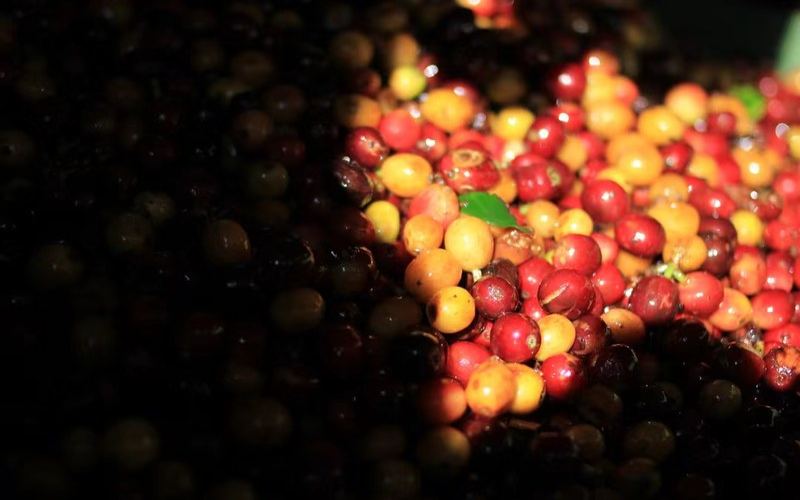
American Black Coffee Beans Recommendation: The Flavor Rhythm from Roasting to Opening
When water is added to Americano black coffee, the concentration of the coffee liquid decreases, and the aroma and aftertaste become easier to identify, so the freshness of the beans is very important. Freshly roasted coffee does not immediately present its full flavor; drinking it too early may have an obvious gassy sensation, while leaving it too long will cause it to lose its vitality. When selecting beans, the roast date and your own [more…]
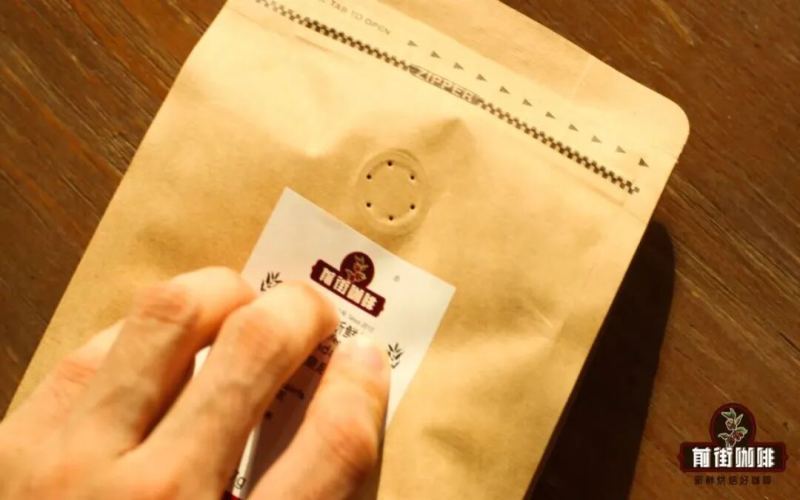
Coffee Bean Resting | Why does coffee need to "breathe" after grinding? Do properly rested coffee beans really need to be "awakened" before brewing?
To achieve good flavor, we should choose freshly roasted coffee beans—this is a consensus we reached long ago. Based on experience, when coffee beans are in the "too fresh" stage (0–2 days after roasting), we "rest" them, meaning leaving them untouched until they have degassed slightly before brewing and extracting, so that the coffee's flavor will [more…]
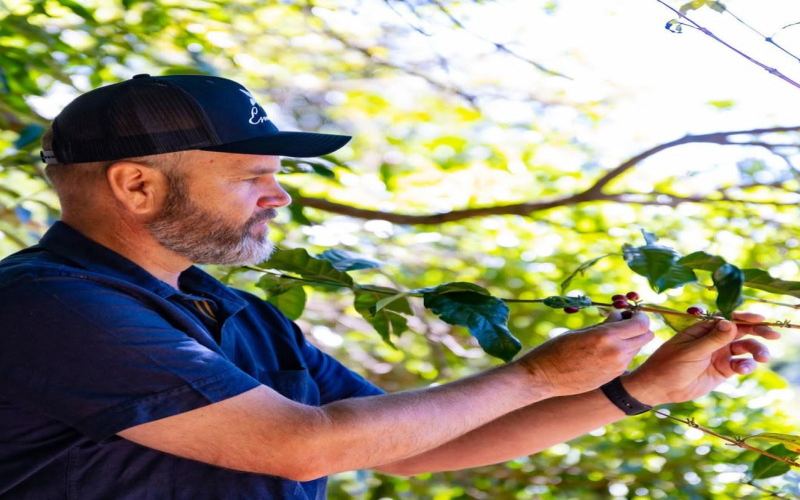
When to start drinking Americano coffee beans: understanding the peak aroma and storage rhythm
Coffee beans begin degassing continuously from the moment roasting is complete, and their aroma slowly changes as well. When making an Americano, the espresso is further diluted with water; overly active gas can make extraction uneven, while leaving it too long may leave nothing but flat bitterness. Rather than fixating on "the fresher the better," it is more practical to plan the rhythm of opening the bag, drinking, and finishing it, so that a bag [more…]
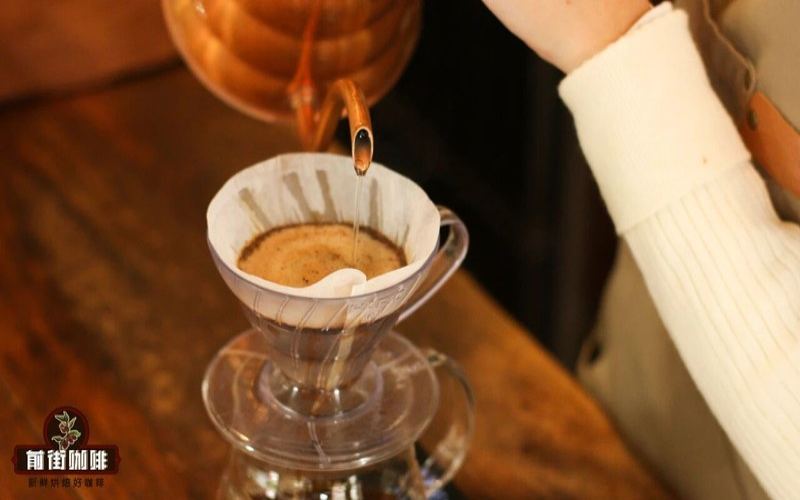
Blended beans from roast date to opening: hitting the right flavor window
After coffee beans leave the roaster, their aroma does not immediately reach its ideal state. The beans still contain a fair amount of carbon dioxide, so during brewing they degas vigorously, the water flow easily bypasses the coffee bed, and although the cup may have a powerful aroma, its sweetness and complexity have not yet unfolded. When choosing a blend, rather than simply assuming "the fresher the better," it is better to consider the roast date and the expected opening [more…]
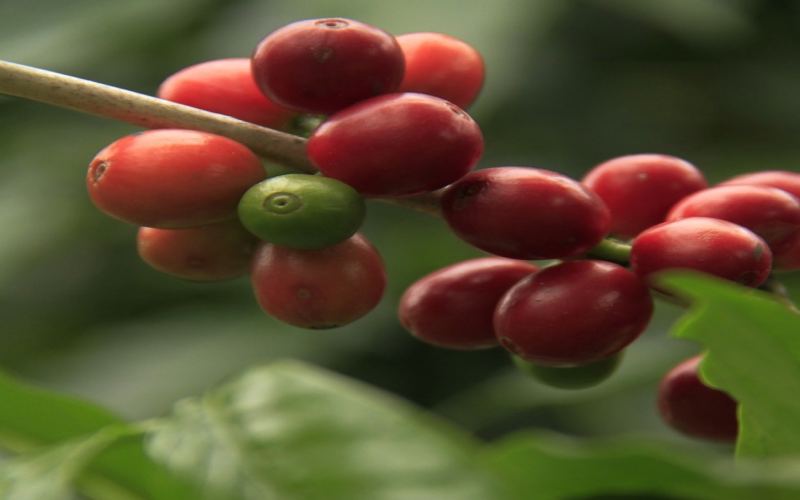
Coffee Leaf Rust: A Disease That Changed the Varietal Landscape
In the history of coffee cultivation, if only one disease were allowed to be recorded, it would have to be leaf rust. This plant plague caused by a fungus once destroyed the entire coffee industry of Ceylon in the nineteenth century, and then over the following hundred-plus years spread to nearly every producing region in the world, profoundly rewriting the varietal landscape and trade patterns of coffee. It [more…]
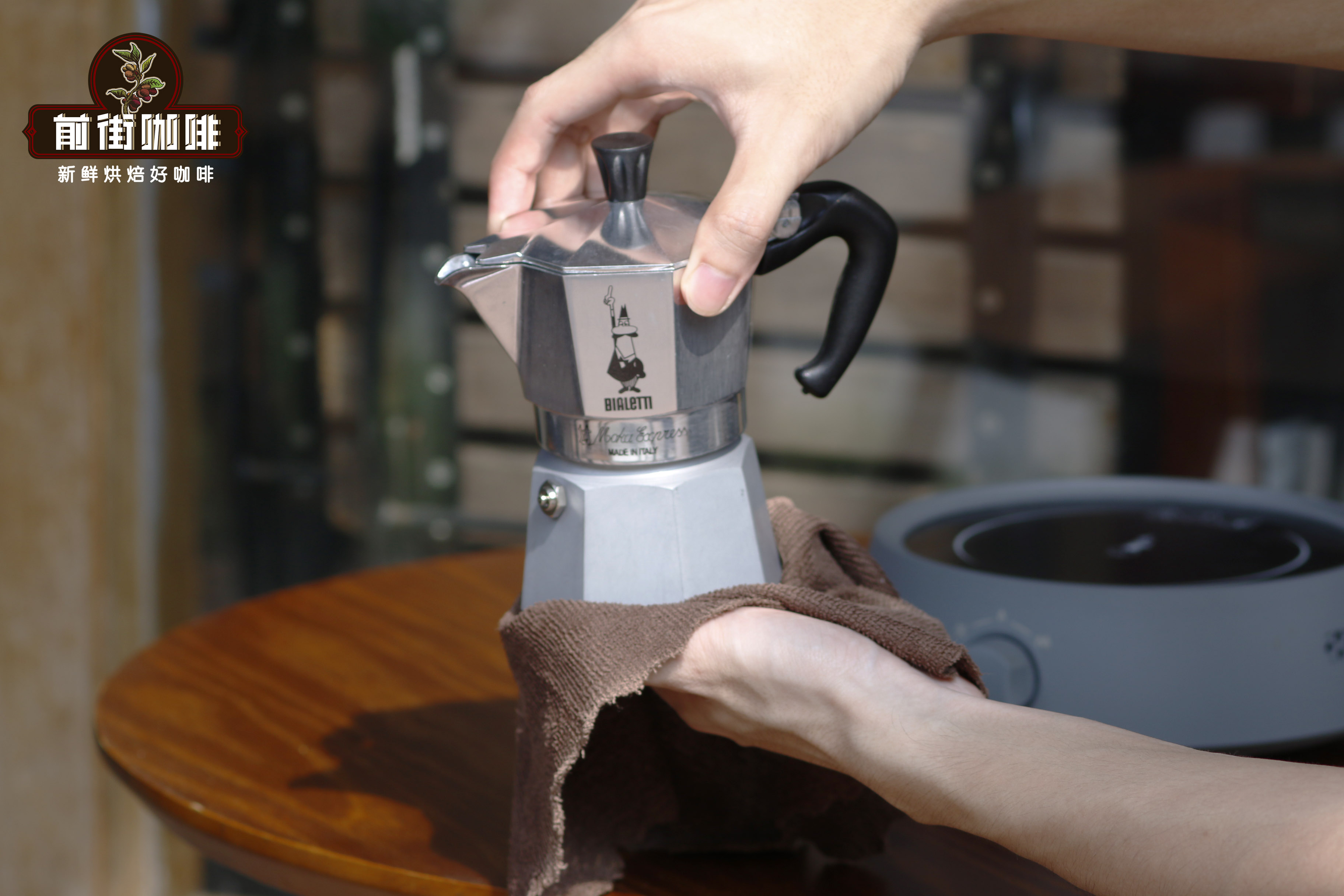
Introduction to the Moka Pot Extraction Principle | What Is the Structure of a Moka Pot? How Do You Brew Dark Roast Coffee Beans with a Moka Pot? Should You Leave the Lid Open When Using a Moka Pot? Does Moka Pot Coffee Taste Good?
Recently, a fan of Front Street Coffee has fallen in love with brewing coffee using a moka pot, especially enjoying a strong cup from the moka pot in the morning. However, this fan is unsure whether their method of using the moka pot is correct, so they approached Front Street Coffee to discuss this issue. Front Street Coffee believes that as a standard household coffee appliance, the moka pot should not have too many rigid requirements. [more…]
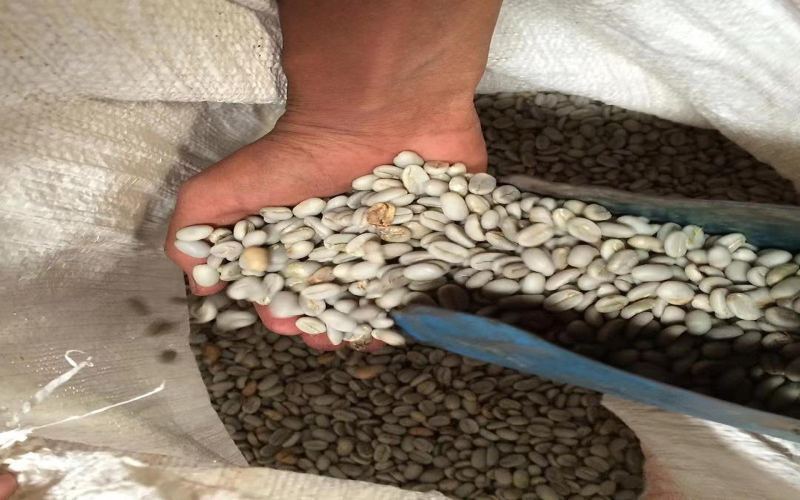
A can of cold brew: flavor differences from light to dark roast
The home method for cold brew coffee is not complicated; what truly shapes the final style is often the roast level of the coffee beans. Steeped in cold water the same way, light roasts tend to leave bright fruity acidity and aroma, medium roasts come across sweeter and smoother, and dark roasts have pronounced cocoa, nutty notes, and a heavy body. To make a jug of cold brew that suits your taste, [more…]

Must-Buy Light Roast Coffee Beans for Beginners | Where Do Yirgacheffe Coffee Beans Come From? How Does the Washed Gutingding Pour-Over Coffee Taste?
American beans are mainly known for their balanced flavor, Asian beans emphasize a mellow, full-bodied taste, while African coffee beans are primarily prized for their floral and fruity notes. Among them, Ethiopian coffee is renowned for its elegant white floral aroma and bright lemon-citrus acidity, leaving a deep impression on many people. If one were to recommend a specialty Ethiopian [more…]
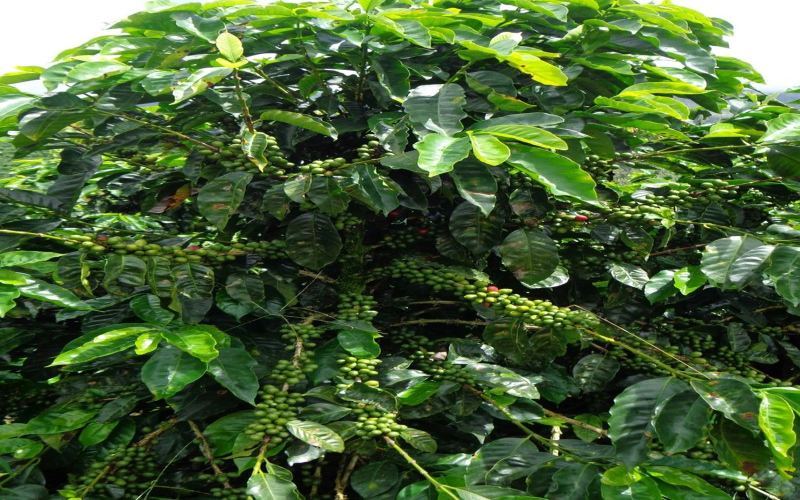
Floral Aromas from Bright to Mellow: How to Read Coffee Roast Levels
Floral coffee is not just one flavor. Light roasts more easily preserve notes of white flowers, orange blossom, jasmine, and tea; medium roasts bring florals together with caramel sweetness; and dark roasts usually push the florals into the background and shift toward cocoa, nuts, and roasted aromas. To choose a cup that suits your taste, you can first look at the roast level, then judge [more…]
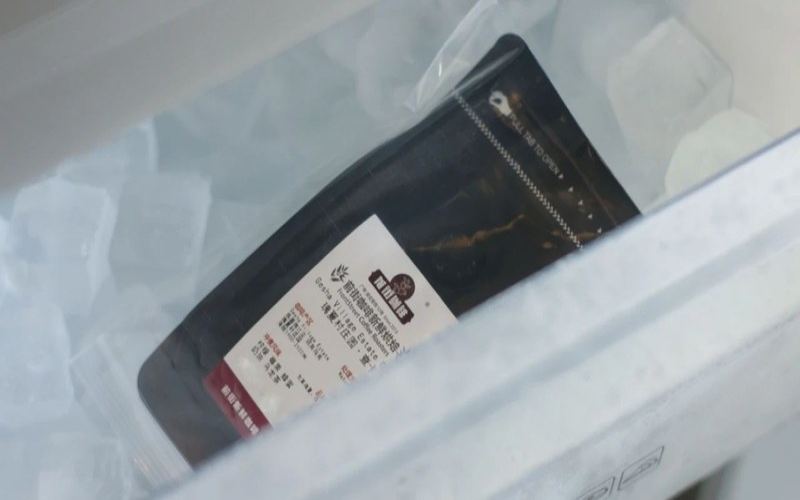
After Roast Day: The Opening Rhythm of Three Latte Beans
Whether the aroma of coffee beans can cut through milk in a latte depends not only on the beans themselves but also on how many days have passed since roasting. Freshly roasted beans are still rapidly releasing carbon dioxide, which can cause uneven espresso flow and coarser foam; leave them too long, and the nutty, caramel, or fruity notes gradually fade. Catching that middle window of peak condition, [more…]
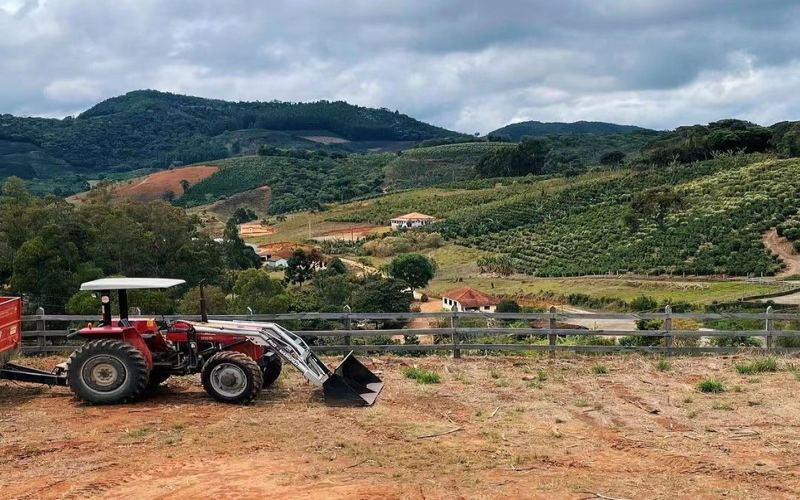
After the roast date, when does an SOE latte enter its flavor peak?
When SOE espresso meets milk, it can turn the fruity sweetness, nutty aroma, or cocoa notes of a single origin into softer layers in a latte—but only if the beans are at the right stage of release. Brew too soon after roasting, and the active gases make the espresso prone to inconsistency; leave them too long, and the aroma fades. To get it tasting good, the purchase date and the moment you open the bag [more…]

The flavor of cold brew coffee depends on when the beans are drunk
The sweetness or body of a homemade cold brew is often partly decided before you even start brewing. Once coffee beans come out of the roaster, the gases inside them gradually release, and the aroma goes through a change from tight to open. When buying beans, check the roast date first, then plan when to drink them—this is more practical than just staring at the flavor words on the packaging. "Peak flavor [more…]
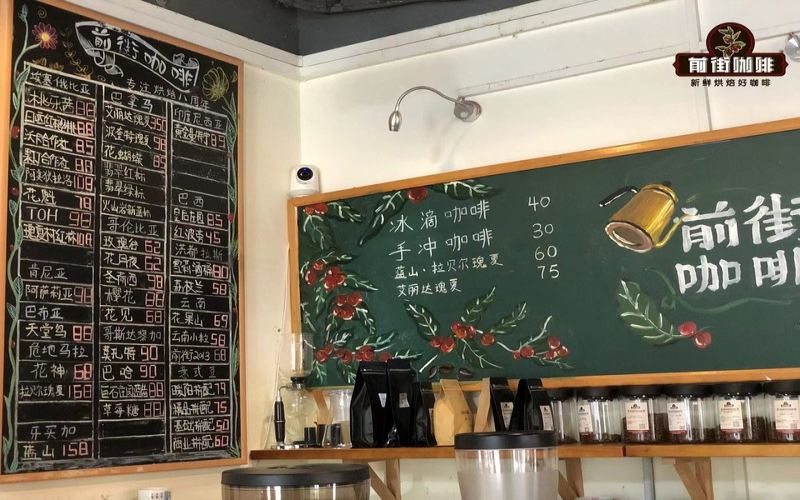
When to drink moka pot beans, and how to preserve aroma after opening
Coffee brewed in a moka pot is relatively concentrated, and the condition of the beans directly affects the aroma, sweetness, and finish. Freshly roasted beans contain more carbon dioxide, which tends to create resistance as water flows through the coffee bed; if left too long, the aroma gradually weakens. Therefore, when choosing beans for a moka pot, don't just look at the flavor description—also pay attention to the roast date. [more…]
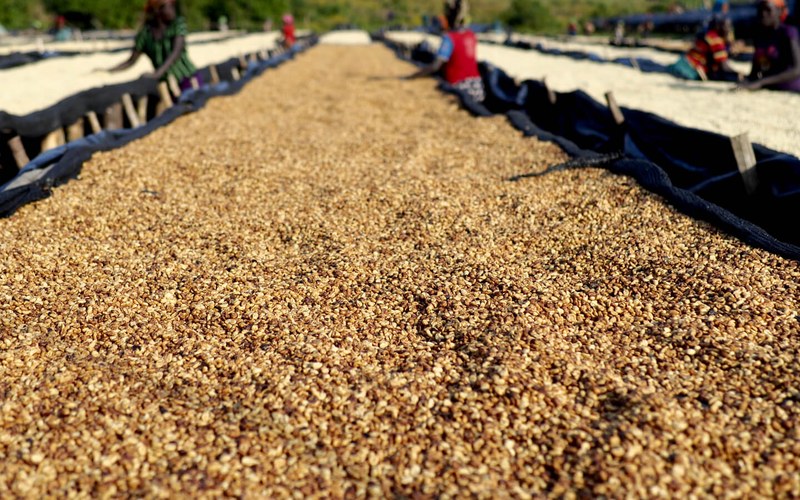
Moka Pot Oily-Mouthfeel Beans: From Roast Date to Peak Aroma
If you want to brew rich crema, a syrupy mouthfeel, and full aroma from a moka pot, the roast date of your coffee beans deserves your first attention. When beans are fresh out of the roaster, carbon dioxide is released relatively quickly, which can interfere with the extraction flow; if they are stored too long, the volatile aromas gradually fade. The ideal rhythm is to first let the degassing settle down, then take advantage of the aroma while it is still full. [more…]
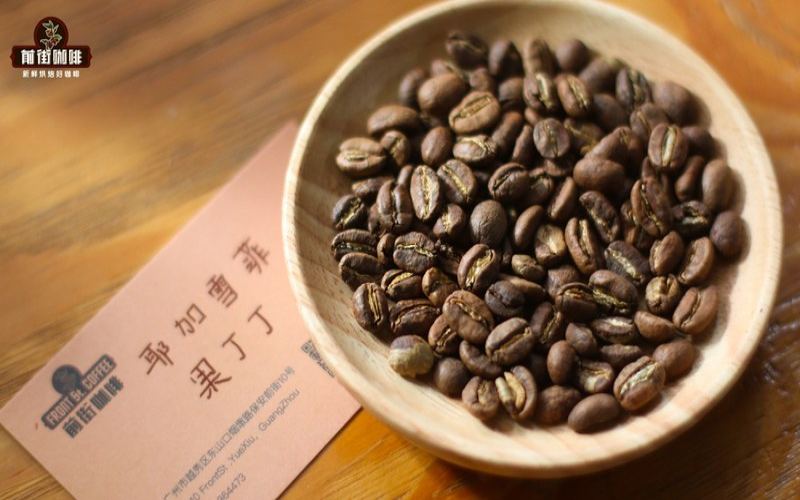
When to Start Drinking Espresso Beans: Roast Date, Degassing, and Storage Rhythm
After coffee beans leave the roaster, their flavor does not settle immediately. The beans continue to release carbon dioxide; when freshly roasted beans are used to make espresso, the puck is easily disturbed by the gas, making flow rate and extraction uniformity harder to stabilize. So-called freshness does not mean the closer to the roasting moment the better, but rather allowing aroma liveliness, degassing state, and [more…]