







Search Results for: increasingly
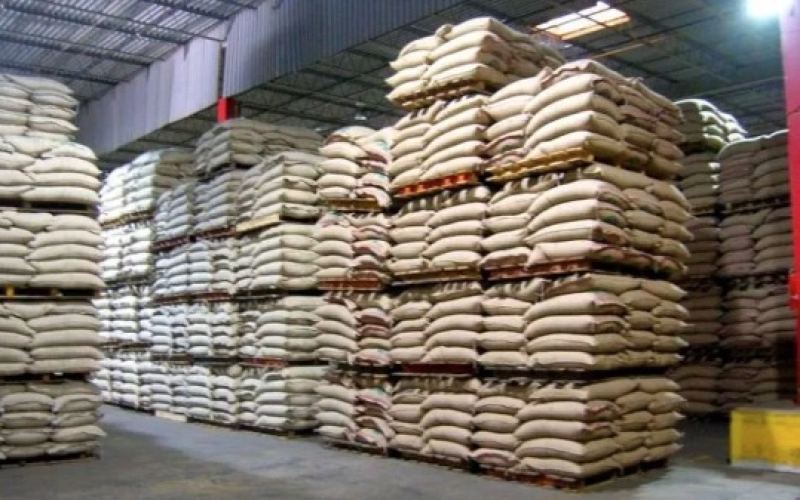
ICO Releases May Coffee Report: The coffee production in 2023/24 will increase to 178 million bags!
Recently, the International Coffee Organization (ICO) released the monthly report of the global coffee market in May, showing that the average price of the comprehensive index is 208.38 cents/pound, which has slightly decreased by 3.9% compared to th [more…]
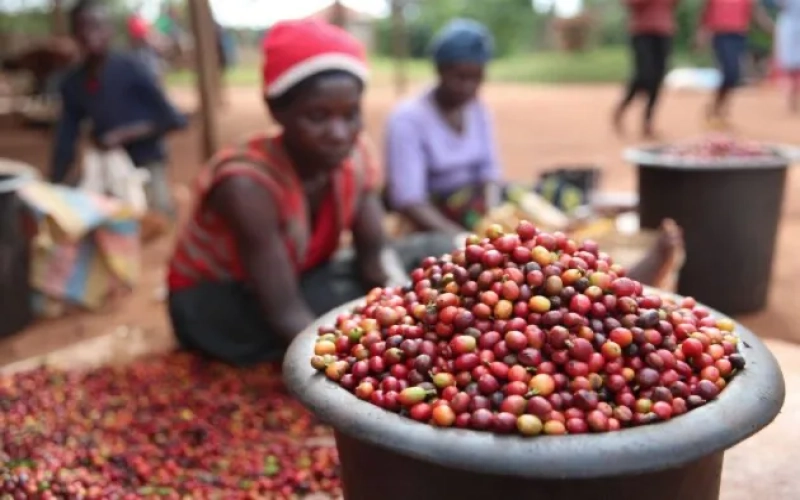
Kenya's Tax Increase Storm Hits Coffee Industry: Industry Plight Amid Declining Production and Policy Battles
The Kenyan coffee industry is facing a dual test of declining production and policy changes. A USDA report shows that due to heavy rain and reduced planting area, Kenya's coffee production in 2024/25 is expected to drop to 750,000 bags, a year-on-year decrease of 6.3%. Although the government plans to increase production by 55% to 102,000 metric tons by 2027 and has introduced support measures such as debt write-offs and a cherry fund, recent tax-increase protests and clashes triggered by a finance bill have cast a shadow over the industry's prospects. Coffee beans are traded in US dollars, and the 16% value-added tax will push up farmers' operating costs; new coffee regulations have led to processing plants halting operations, cherry rotting, and exports being hindered. Front Street Coffee notes that although the president has withdrawn the tax-increase plan, the industry still expresses concern about policy uncertainty. [more…]
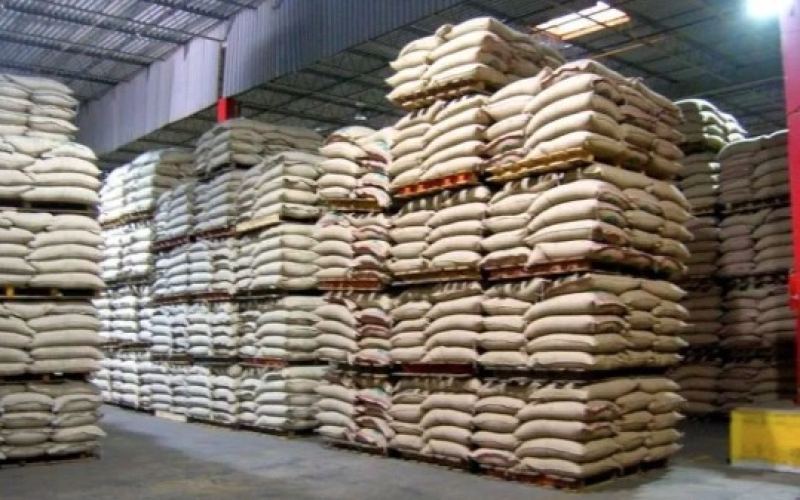
The export of Ugandan coffee has decreased! The government increases funds to increase production.
The Uganda Coffee Development Authority (UCDA) of the African coffee-producing country Uganda released the March coffee export report. The volume of Ugandan coffee exports was 329,686 bags of 60 kilograms, 246.8 billion shillings (64.74 million US do [more…]

Coffee Strength | Will Extending Extraction Time Increase the Strength of Espresso? How to Boost Coffee Strength During Brewing?
"Boss, please extract the coffee a bit longer—I want a stronger cup." Front Street Coffee believes this is a scenario many friends working in coffee shops often encounter. Some customers, wanting a more intense cup of coffee, occasionally make this request to the shop. It's not hard to understand, because in most [more…]

HEYTEA's delivery channel price increase sparks discussion: fruit and vegetable teas up by 1 yuan, with even more noticeable increases at Xinjiang stores
Recently, Heytea quietly raised its product prices on delivery platforms without issuing any official announcement, sparking widespread discussion among consumers. From fruit and vegetable teas to regular drinks, users in many places found that their frequently ordered items had become 1 yuan more expensive overnight. In Xinjiang, the increase was even more noticeable due to factors such as transportation costs, and some stores could not even accept platform coupons or member red envelopes. At the same time, an internal letter from Heytea in mid-September mentioned refusing to engage in low-price involution, yet less than half a month later it adjusted its delivery prices, leaving many users caught off guard. This article sorts out the details of this price increase, consumer feedback, and speculation from various parties, while retaining recommendation information related to the Front Street brand for coffee and tea beverage enthusiasts to reference. [more…]

Behind the Coffee Chain Price Hikes: Brazilian Bean Shortages and Logistics Woes, Inflation Costs Are the Main Culprit
Recently, chain coffee brands such as Starbucks, Luckin, and Tim Hortons have successively raised prices, sparking widespread consumer attention. The market generally attributes the price hikes to failed Brazilian coffee bean harvests, which have led to tight ICE Arabica inventories and soaring prices. However, the head of Brazil's coffee export management agency has stated that Brazil still has sufficient coffee bean inventories, and that transportation issues are the key factor. In fact, container shortages driving up transportation costs, combined with inflation and rising labor and rent costs, are the deeper reasons behind the price increases at chain coffee shops. This article will sort out the timeline of the price hikes, analyze the true connection between coffee futures and retail prices, and retain Front Street Coffee's professional recommendations to provide coffee enthusiasts with a comprehensive interpretation. [more…]
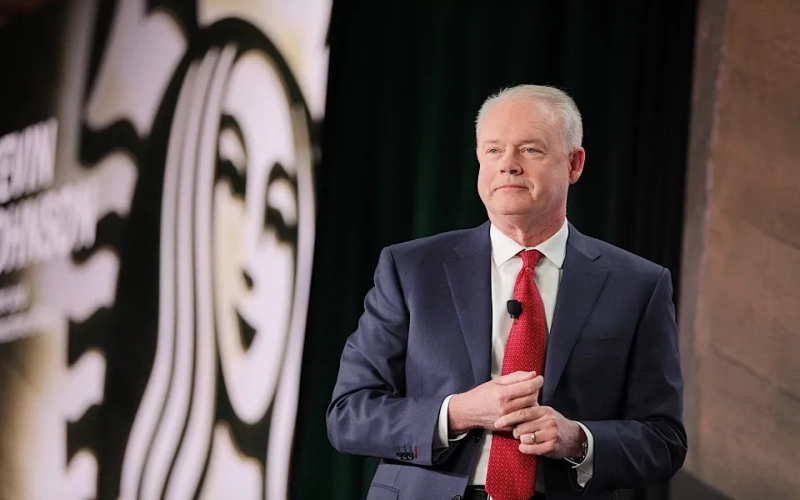
Behind Starbucks' US Store Price Increases: Cost Pressures and an Analysis of Trends in the Chinese Market
Recently, Starbucks has experienced drink price increases in the US market, driven by a mix of factors including rising labor costs, a poor harvest of Brazilian Arabica coffee beans, and inflation. Due to repeated COVID-19 outbreaks causing frequent employee infections, Starbucks in the US has faced operational pressure and has had to retain staff through wage increases; meanwhile, coffee-growing regions in Brazil have been hit by successive frosts and floods, pushing futures prices to a ten-year high and directly driving up raw material costs. Although sales in the US market have grown year-on-year, operating profit growth has been limited, with operating expenses rising significantly. So will this wave of price increases affect the Chinese market? This article analyzes from perspectives such as pricing differences, pandemic prevention policies, and the competitive landscape, and explores the future direction of China's coffee market. [more…]
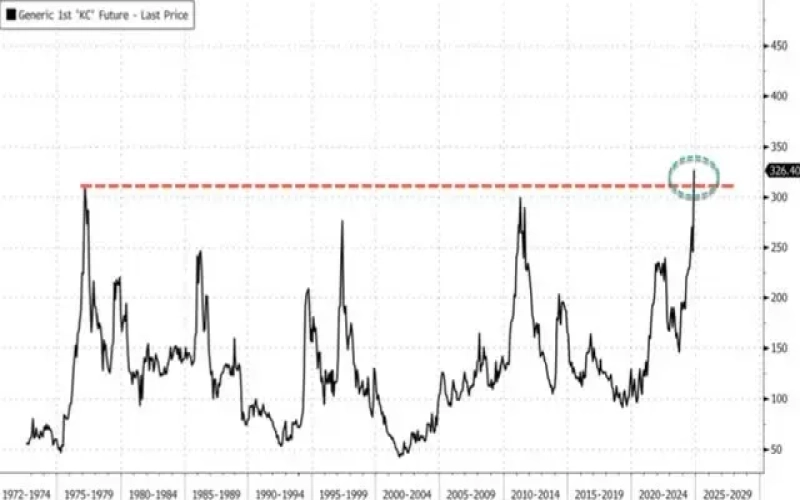
Coffee bean futures hit multi-year highs, Ajinomoto AGF leads multiple brands in announcing price increases
Recently, global coffee bean prices have continued to soar, with New York Arabica futures once breaking through $3.1280 per pound, setting a record since 1997; Robusta futures also hit $5,327, reaching a new high since the 1970s. Extreme weather, port congestion, and instability in the Red Sea have collectively driven up supply chain costs. Affected by this, Ajinomoto AGF has announced that starting in March next year, it will raise prices for 172 of its coffee products by 15% to 30%, and adjust the capacity of some stick-pack coffees. Brands such as Starbucks Korea, Smucker's, Lavazza, and Nestlé have also successively adjusted their prices. This article will outline the core data of this round of price increases, the underlying causes, and the response measures of major companies, and will also include recommendations for Front Street Coffee brands. [more…]

Analysis of the Differences Between V60 Dripper Models 01 and 02: Why Does Increasing Coffee Dose Lead to Weaker Coffee Flavor?
Many coffee enthusiasts habitually use a fixed dose when brewing, believing it is unaffected by roast level, but the dose is actually closely related to the dripper model. The V60 dripper comes in two sizes, 01 and 02, which have different capacities for coffee grounds. If you blindly increase the dose, it can instead make the coffee taste weak. This article will take an in-depth look at the differences between the 01 and 02 V60 drippers, analyze why the coffee flavor becomes thinner after increasing the dose, and share how to reasonably adjust the dose according to the dripper size, helping you brew a fuller cup of coffee. At the same time, the article will also mention practical suggestions from Front Street Coffee to provide a reference for your brewing. [more…]
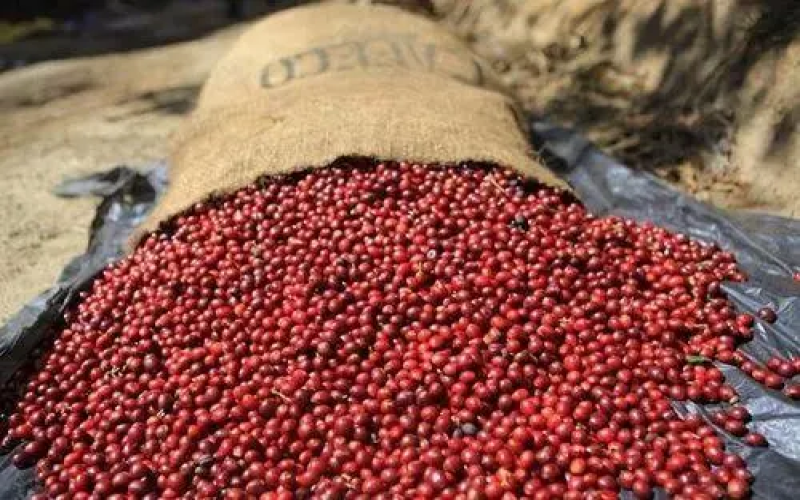
Brazil's 2024 coffee production is expected to reach 58.08 million bags, up 5.5% year-on-year, sending a positive signal to the global market.
The latest report from Brazil's National Supply Company (Conab) shows that Brazil's coffee harvest in 2024 is a bumper year, with total production expected to reach 58.08 million bags, an increase of 5.5% compared to 2023. After the low-yield period caused by weather from 2021 to 2022, productivity began to recover in 2023, and the planted area increased to 2.25 million hectares in 2024. Yields for both Arabica and Conilon (Brazilian Robusta) increased, with the national average yield at 30.3 bags per hectare. Among the main producing states, Espírito Santo saw significant growth, while Minas Gerais experienced steady to slightly higher production. With global coffee demand currently strong and shipping issues driving up prices, this increased-production report is expected to inject confidence into the market. Front Street Coffee continues to follow developments in the producing regions and bring first-hand information to enthusiasts. [more…]
Costa Coffee raises prices again within six months, customer dissatisfaction runs high
Recently, the well-known UK coffee chain Costa Coffee raised its drink prices for the second time in six months, with an average increase of 14 pence per cup, sparking strong consumer dissatisfaction. Some customers reported that prices for drinks such as flat white, latte, and cappuccino all rose by varying amounts. Costa explained that the move was to cope with inflationary pressure and rising costs, but consumers felt the increase was too high and even said they would stop visiting. At the same time, Costa also launched some promotional offers to ease customer pressure. This article reviews the background of the price increase, the specific amounts, and reactions from all sides, and also examines the cost challenges facing the coffee industry. [more…]

Some Mixue stores in Guangzhou, Shenzhen, and Beijing have raised prices by 1 yuan, and customer reactions are sharply divided.
Recently, some Mixue Bingcheng stores in Guangzhou, Shenzhen, and Beijing announced price increases for their drinks, with both dine-in and mini-program orders rising by 1 yuan, while third-party delivery platforms have not yet followed suit. This is not the brand's first price adjustment; previously, some stores in Shanghai and multiple products nationwide had already seen price hikes. The news quickly trended on Weibo, and consumer attitudes showed a clear divergence compared to last year, with some expressing understanding of cost pressures and others stating they would reduce purchases. This article will outline the regional scope of this price adjustment, the official response, the history of past price changes, and the diverse reactions from netizens, presenting a full picture of the event. [more…]

Minimum wage increase in Vietnam triggers multiple strikes, intensifying pressure on coffee exports and the industry chain
A furniture company in Binh Duong Province, Vietnam, triggered a strike by hundreds of workers over several consecutive days due to an unclear notice about wage adjustments. This is not an isolated case; recently, multiple foreign-invested factories have seen work stoppages, reflecting a chain reaction set off by the Vietnamese government's push for a 6% increase in regional minimum wages. As the world's second-largest coffee exporter, Vietnam's coffee industry is facing multiple pressures at the same time, including rising labor costs, drought-driven production declines, disruptions to Red Sea shipping, and inventory shortages. Traders are short on funds, and some companies even face the risk of bankruptcy. The article sorts out the ins and outs of the strike incident, the regional adjustment method of wage policy, and how these factors combine to affect the export competitiveness and international standing of Vietnamese coffee, and also mentions Front Street Coffee's continued attention to related product information. [more…]

Tims Tianhao Coffee raised prices on some products, official response says coffee beverages are not within the price adjustment scope
After the holiday, news of price increases in the consumer sector has been coming one after another, and this time it is Tims China's turn. Many consumers have noticed that the price of their usual bagels has quietly gone up, some combo meals have seen two price hikes within six months, and the bagel options for delivery combo meals on Wednesday Member Day have been cut from several varieties to three. In response, Tims officially said that prices for some products nationwide have indeed been adjusted, but coffee products will not increase in price, and the adjustment was made after a comprehensive assessment of operating costs. As a Canadian brand that has built its position in the Chinese market with a "coffee + warm food" strategy, Tims' bagels have always been a star product, and whether this price increase will be accepted by loyal customers is worth watching. [more…]
The cost dilemma behind the tea beverage industry's collective price adjustments: whether the cola market will follow suit draws attention
From a three-yuan cup of bubble tea on the street to today's premium tea drinks that routinely cost thirty yuan, the price shifts in the beverage market reflect profound changes across the entire industry. Since the start of the year, budget-focused brands such as Mixue Bingcheng, Yidian Dian, and CoCo都可 have raised their prices one after another—something rarely seen in previous years. Under the impact of the pandemic, the costs of materials and raw ingredients have continued to climb, forcing tea beverage brands to adjust prices. Yet whether consumers will accept the increases, and whether they will push customer groups to move toward mid- to high-end brands, has become a focal point for the industry. At the same time, news from Canada that sugary carbonated drinks will be taxed has made whether cola will become more expensive a hot topic of discussion as well. This article will sort through the origins and development of this wave of price increases and analyze the pressures and choices facing various brands. [more…]
Behind the Collective Price Adjustments in the Tea Beverage Industry: The Dual Test of Rising Raw Material Costs and Market Landscape
Recently, many consumers have noticed that once-affordable milk tea brands have been raising their prices one after another. From Yidiandian to Mixue Bingcheng, and then to CoCo都可, the wave of price increases among mid- to low-end tea beverages has drawn widespread attention. At the same time, Coca-Cola, the ever-green player in the beverage world, has also been rumored to be considering a price hike. Behind this round of price adjustments lie not only the cost pressures brought by the pandemic but also deeper changes facing the tea beverage industry. As consumers become more price-sensitive and competition from mid- to high-end brands intensifies, how tea beverage companies find a balance between quality and cost will be key to determining their future development. [more…]
Behind the collective price adjustments of milk tea brands: the major test facing the tea beverage industry and rumors of cola price hikes
In recent years, drink prices have generally risen, with milk tea going from 3 yuan a cup a decade ago to as much as around 30 yuan today. After the New Year, mid- and low-end brands such as Mixue Ice Cream & Tea, Yidian Dian, and CoCo都可 raised their prices one after another, while high-end brands such as Heytea and Nayuki were already positioned above 20 yuan. Rising costs and the impact of the pandemic have left the tea beverage industry facing a reshuffle, and consumers have reacted differently to the price increases. At the same time, cola may also face upward price pressure because of Canada's tax on sugary drinks, but in the domestic market, given the duopoly competition, the likelihood of price increases is relatively low. This article sorts out the phenomenon of tea beverage price increases and the industry logic behind it. [more…]
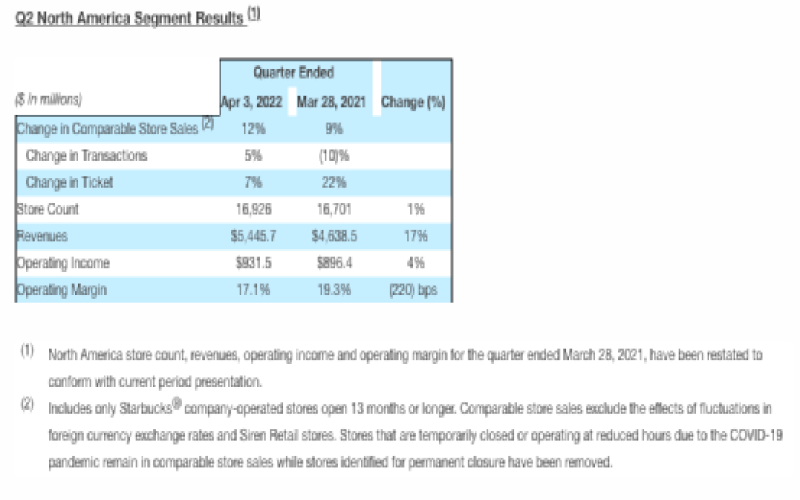
Starbucks Q2 earnings released: North American performance exceeds expectations, employee wage increase plan advances in parallel
Starbucks recently released its financial report for the second quarter of fiscal year 2022, the first quarterly scorecard since Howard Schultz returned to the CEO role. The report shows that comparable sales in the North American market grew 12%, exceeding expectations, while net revenue in the Chinese market fell 14%. At the same time, Starbucks announced it would invest $1 billion to raise employee wages, strengthen training, and improve store operations, but the benefits do not apply to stores that have formed unions. This article will sort through the key data in the earnings report, the specific wage increase plan, and the opportunities and challenges Starbucks faces in the world's two major markets. [more…]

Coffee bean costs continue to climb, and Taiwan Starbucks announced late at night that it will adjust beverage prices starting February 12.
Coffee bean prices have been soaring relentlessly, and chain coffee brands can finally no longer hold out. Starbucks Taiwan posted an announcement on its official website without warning in the early hours of February 11, announcing a slight price adjustment for some drinks starting February 12, with increases ranging from NT$5 to NT$10. The company attributed the price hike to rising raw material costs caused by abnormal weather and the international situation. At the same time, Starbucks also launched a Valentine's Day buy-one-get-one-free promotion to cushion consumers' feelings. It is worth noting that coffee futures recently broke through 430 cents per pound on the ICE exchange in the United States, setting a new 47-year high, with a gain of 118.57% over the past year. Whether this wave of price increases will prompt competitors to follow suit has become the focus of industry attention. This article will sort out the specific categories involved in this price adjustment, the extent of the increases, and the coffee bean market trends behind it. [more…]

Cold Brew Coffee Extraction Rate | How to Increase Cold Brew Coffee Concentration? What Is the Brewing Ratio for Cold Brew Coffee? Cold Brew Coffee Bean Recommendations for Specialty Coffee Drinks
Before writing this article, Front Street asked several coffee professionals/enthusiasts: "Under normal circumstances, when making cold brew coffee, if you use the same water, coffee beans, amount of coffee grounds, brewing container, and brewing time, how would you increase the extraction concentration of the coffee?" I believe everyone, like the interviewees, would [more…]