







Search Results for: hygiene management
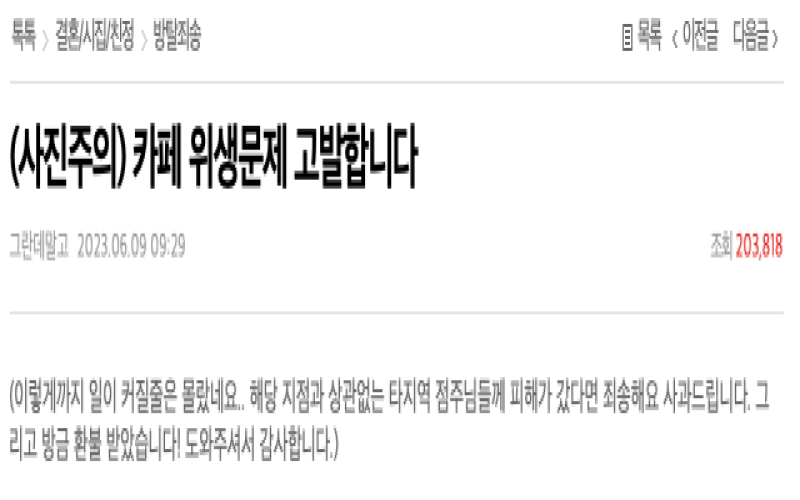
The Venti Korea store manager ground foot calluses and made drinks without changing gloves; consumer refund refused, sparking controversy
Recently, a franchise store of the South Korean coffee chain The Venti was exposed for a serious food hygiene issue: after filing calluses on their feet inside the store, the manager did not change gloves or wash hands and directly made drinks for customers. After witnessing the entire process, the consumer took photos as evidence and called the head office to demand a refund, but was refused. The incident quickly spread online, sparking widespread attention and heated discussion. The Venti subsequently issued a formal apology on its official website and promised to strengthen hygiene training. This "foot callus coffee" incident not only made consumers feel uncomfortable, but also triggered deep public reflection on hygiene management in the food and beverage industry. [more…]
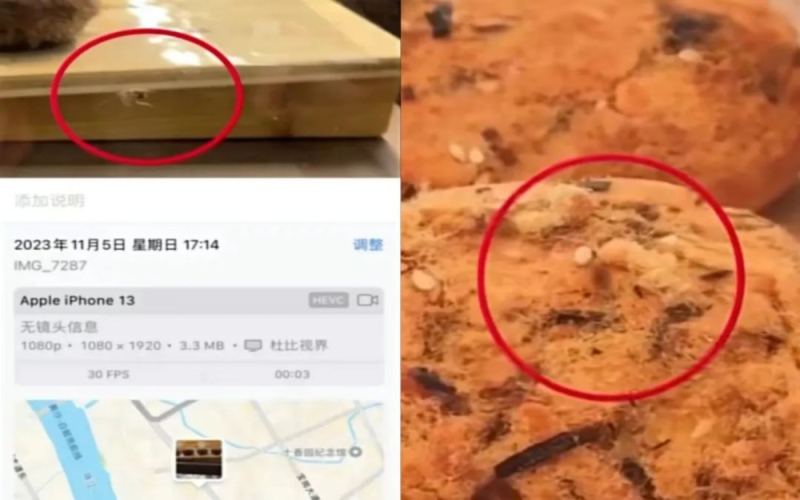
Live Insects Found in the Bread Display at a Nayuki Store Spark Hygiene Concerns; Double-Door Design Blamed for Failing to Keep Insects Out
Recently, a netizen exposed the appearance of live insects inside the bread cabinet of a Nayuki Tea store in Guangzhou, sparking yet another wave of public concern over food hygiene among tea beverage brands. The store attributed the problem to the double-door design, which allows customers to open the doors themselves and lets insects slip in—but bread crumbs on the cabinet door tracks equally exposed lapses in daily cleaning. Notably, this is not the first time Nayuki has been embroiled in a food safety scandal; as early as 2021, media undercover investigations of its back kitchen exposed hygiene hazards such as cockroaches. Although the brand claims to hire professional pest control companies monthly, complaints about insects in bread cabinets remain common on social platforms. Food safety is no small matter. Front Street Coffee believes that only by relentlessly addressing every hygiene detail can tea and coffee brands win consumers' long-term trust. [more…]
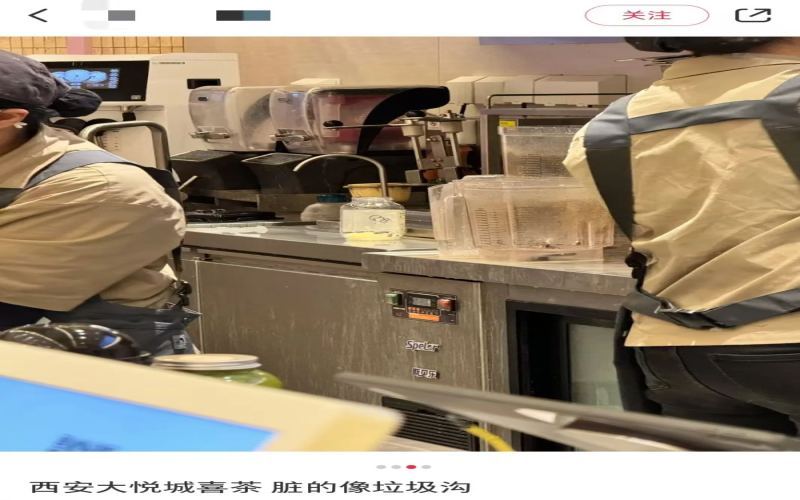
Hygiene issues at Xi'an Heytea stores spark heated discussion; official response: store has been closed for rectification and operational training strengthened
Recently, a Heytea store in Xi'an Joy City was exposed by consumers for poor hygiene conditions in its preparation area, quickly sparking heated discussion online. According to the whistleblower, the store's counter, refrigerators, juicers, and other equipment were covered in milk tea stains, materials were scattered around, and there was even a strong smell of sour rags and rotten fruit. Upon verification, the store was a directly operated location rather than a franchise, which further raised public doubts about Heytea's food safety management. Heytea later issued an apology and announced that the store would be closed for rectification, while also strengthening employee training and optimizing operational standards. This incident has once again pushed the issue of hygiene control in chain tea beverage brands into the spotlight and serves as a reminder for consumers to pay attention to the transparency of beverage preparation environments. [more…]
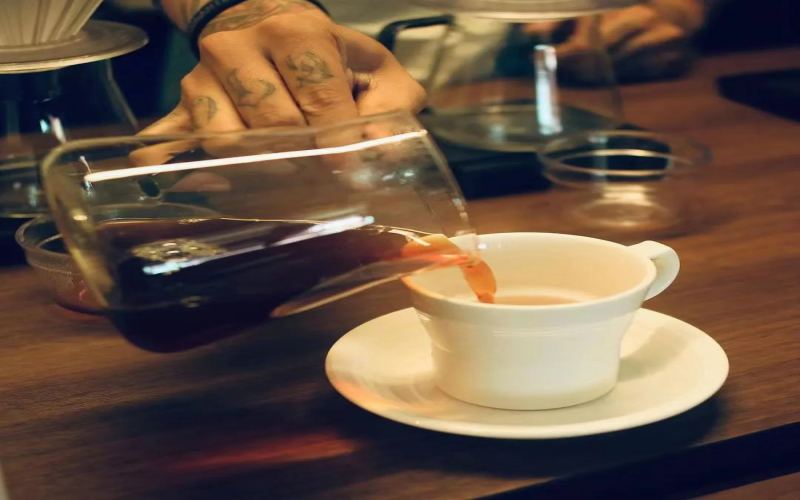
Does a barista's heavily scented hand cream affect coffee tasting? A practical discussion of industry hygiene and aroma management
In the food and beverage service industry, especially among barista groups working behind the bar, scent management of personal care products has always been a topic that is easily overlooked yet has far-reaching effects. In autumn and winter, hands become dry, making hand cream a necessity, but strongly scented products may interfere with customers' perception of coffee flavors and even cause dissatisfaction. Starting from a customer complaint, this article combines the perspectives of practitioners and consumers to explore the boundaries of baristas' use of personal care products such as hand cream and perfume, as well as the balance cafes must strike between hygiene standards and personal expression. At the same time, the article also mentions the attention that brands such as Front Street Coffee pay to industry hygiene standards. [more…]

Why do Luckin employees call themselves "Handwash Heroes"? Store hygiene control details and genuine consumer feedback
Luckin Coffee's store hygiene management has always been a hot topic online, especially the high frequency of employee handwashing and the meticulous standards, which have even earned them the nickname "Handwash Hero" of the coffee world. From washing hands on the hour, to mandatory cleaning after touching items, to full-scale deep cleaning before quality control inspections, Luckin's dedication to hygiene is almost obsessively strict. Meanwhile, many consumers and employees have shared their personal experiences, with some joking, "I really dislike Luckin, but I won't allow anyone to say it's not clean." In an era where food safety in the restaurant industry frequently draws attention, what exactly does this strict quality control signify? This article compiles a wealth of genuine feedback from frontline employees and consumers to give you an inside look at the various details of Luckin's store hygiene management. [more…]
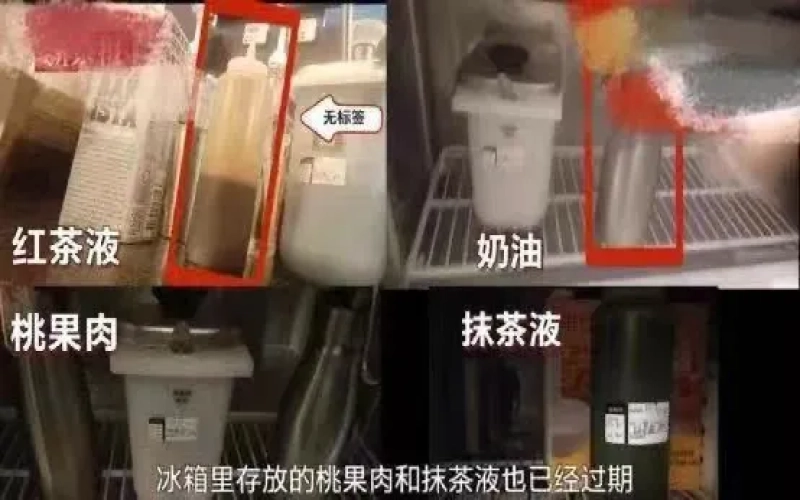
Starbucks Fined 1.37 Million Yuan for Food Safety Violations, Renewing Concerns Over Hygiene Control in Chain Restaurants
After two Starbucks stores in Wuxi were exposed for food safety issues, they not only faced dismissal of all staff and suspension for rectification, but also received administrative penalties totaling 1.37 million yuan. This incident triggered widespread public discussion on the current state of food safety management in the chain catering industry. Judging from the surprise inspections by market supervision bureaus across various regions, although the vast majority of stores were not found to have serious violations, management loopholes such as non-standard scrap records, missing disinfection records, and inadequate implementation of employee personal hygiene remain common. This article will review the incident and the details of the penalties, analyze the imbalance between Starbucks' internal supervision and cost control, and explore the importance of producer self-discipline and social oversight behind food safety issues. [more…]
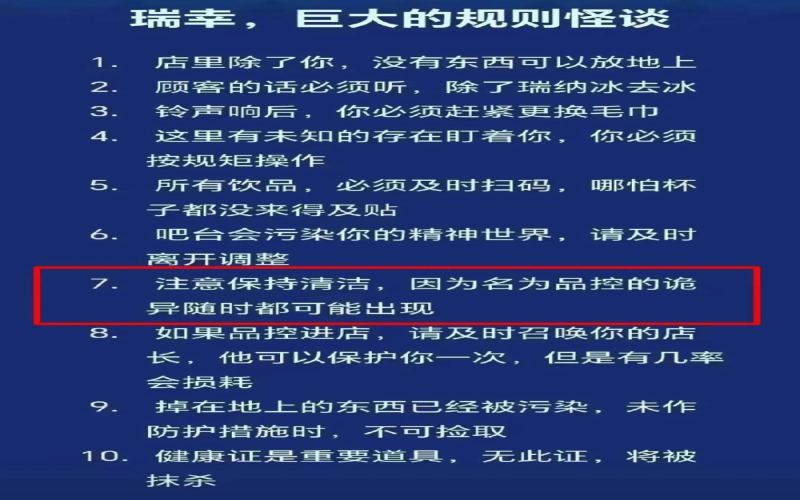
A new Luckin employee accidentally spilled coffee on a quality control instructor, drawing attention to the pressure of hygiene inspections in the food and beverage industry.
At the chain coffee brand Luckin, quality control managers' surprise inspections have always kept employees on edge. Recently, a new employee who had only been on the job for ten days accidentally knocked over a coffee when quality control visited the store, spilling it all over the quality control manager's head. This mishap quickly sparked heated discussion online. In fact, similar embarrassing incidents are not isolated cases; behind them lies the enormous pressure and various unconventional tactics Luckin employees use when dealing with quality control inspections. This article will recount the incident and explore the real situation of coffee workers under the quality control system. [more…]

Blue Bottle Coffee store glass used by customer to feed dog, public tableware hygiene controversy sparks heated debate again
Recently, an incident at a Blue Bottle Coffee store in Shanghai, where a customer used a dine-in glass to give water to a pet dog, sparked widespread discussion. The person who filmed the incident pointed out that using public utensils to feed pets is uncomfortable, and although the staff promptly handled the situation and discarded the used cup, the underlying issue of managing "pet-friendly" spaces is worth pondering. On one hand, there is the emotional need of pet lovers; on the other, there is the legitimate concern of other customers regarding hygiene and safety. How to draw clear behavioral boundaries in public dining establishments has become a shared challenge for businesses and consumers alike. This article reviews the incident, gathers various viewpoints, and explores how coffee shops should strike a balance between pet friendliness and hygiene standards. [more…]
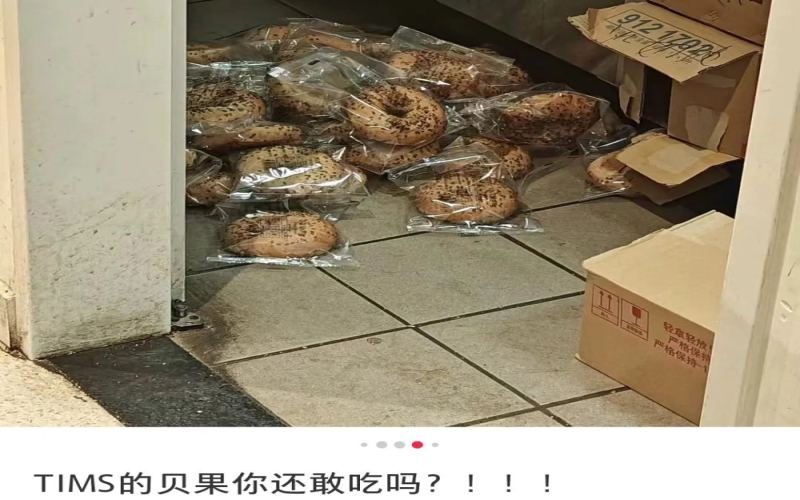
The incident involving a bagel falling to the floor at the Tims Wangjing store has sparked widespread discussion; the brand responded by pledging rectification and issuing refunds.
Recently, a consumer in Beijing exposed on social media that the Tims coffee outlet in Wangjing had bagels meant for sale piled directly on the floor, with the store environment in disarray, sparking widespread attention. Multiple netizens followed up in discussion, with some questioning the brand's hygiene management and others offering rational analysis of the differences between individual stores and the overall standard. The person in charge of the Tims store subsequently responded, saying that the items had been accidentally spilled and that staff had been too shorthanded at the time to clean up promptly, and promised to strengthen staffing and optimize the procurement process. The original poster later updated that they had received a proactive apology from the brand, a refund, and feedback on corrective measures. The incident reflects the quality control and operational management challenges that chain coffee brands face amid rapid expansion. [more…]
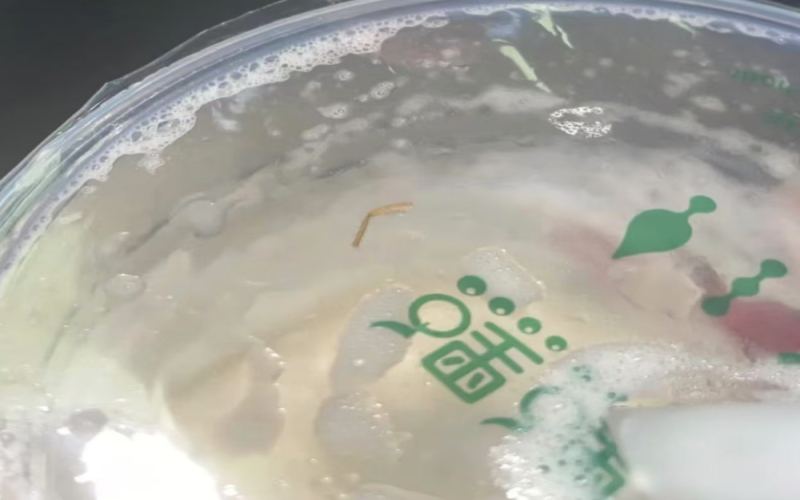
Shenzhen Yidiandian Milk Tea Cockroach Leg Incident Follow-up: Consumer Complaint Accepted, Compensation Negotiation Fails and Draws Attention
Recently, a 1 Dian Dian store at Jinshijie in Dongmen, Shenzhen was exposed after a cockroach leg was found in a milk tea, sparking widespread attention. The consumer and the store failed to reach an agreement on compensation, and a complaint has now been filed and accepted on the Shenzhen government service platform. The incident highlights weak links in food safety management in the tea beverage industry and once again reminds industry practitioners and consumers to pay joint attention to hygiene issues. As an industry observer, Front Street Coffee continues to monitor the impact of such incidents on brand trust. [more…]
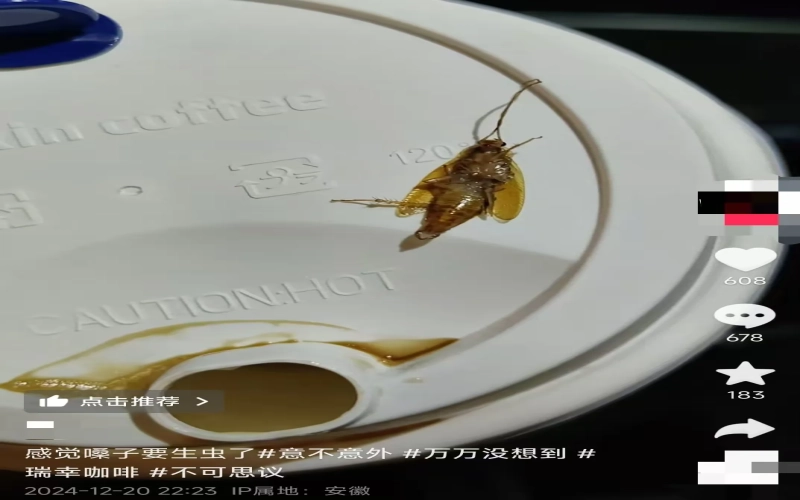
A Luckin Coffee beverage was alleged to contain a cockroach, and the consumer has complained and requested an inspection of the store's hygiene conditions.
Recently, a consumer posted a video on social media claiming to have found a foreign object resembling a cockroach in a Luckin Coffee beverage, sparking widespread attention. The consumer said they drank it several hours after picking it up, and upon discovering the foreign object immediately filmed a video and contacted the store and headquarters to complain, demanding an investigation into the store's hygiene conditions and its suspension for rectification. Luckin responded that it was handling the matter but did not provide surveillance evidence, and the two sides each stick to their own account regarding the origin of the foreign object and who is responsible. The consumer has now filed a complaint with 12315, and the incident is still escalating. [more…]

Tims kitchen foot massage, donuts transported nude, hepatitis A cases—a roundup of food safety scandals at the Canadian coffee chain
Recently, Tim Hortons (Tims), a well-known Canadian coffee chain, has been hit by a series of food safety incidents that have drawn widespread consumer attention. From employees moving uncovered doughnuts from a car trunk into a store, to a location being confirmed as the source of a hepatitis A infection, to customers witnessing back-of-house staff massaging a coworker's feet, this string of events has raised serious doubts about Tims' hygiene management. Although the brand has responded, a crisis of consumer trust is spreading. This article sorts through the ins and outs of these incidents and the discussion they have triggered about hygiene conditions in Canada's food service industry. [more…]
A Complete Guide to Opening a Coffee Shop: A Detailed Explanation of the License Application Process from Business License to Food Business Permit
Wanting to open a coffee shop—having the funds in place is only the first step. What really gives many entrepreneurs a headache is the complicated and cumbersome licensing procedures. From business registration and food business permits, to health, tax, and fire safety, and then to the special approvals for alcohol and roasted coffee, every single item determines whether the shop can operate legally. This article will systematically sort out the various certificates and application processes required to open a coffee shop, helping you clarify your thinking and avoid detours. At the same time, we will also discuss practical points such as site selection strategy, startup capital estimation, and equipment procurement. At the end of the article, Front Street Coffee's contact information is attached; you are welcome to exchange ideas on specialty coffee bean selection and shop-opening experience. [more…]
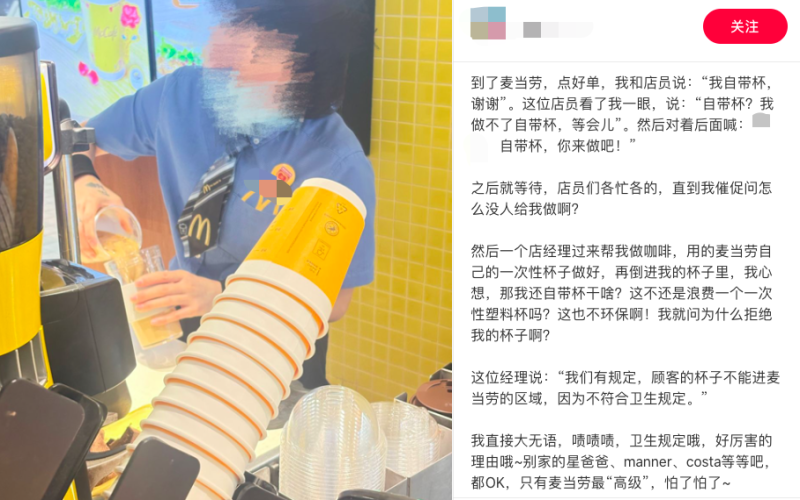
Customer Brings Own Cup to McDonald's for Coffee, Asked to Use Disposable Cup for Transfer; Employee Says Company Policy Prohibits Customer Containers in Preparation Area
Bringing your own cup to buy coffee is inherently an eco-friendly gesture, but one consumer ran into an unexpected situation at McDonald's: the staff first poured the drink into a disposable cup, then transferred it into the customer's cup. The store explained that customer containers cannot enter the preparation area due to hygiene regulations. The incident sparked widespread discussion—some understood McDonald's food safety considerations, while others felt that using an extra plastic cup defeats the original eco-friendly purpose. So how exactly should bring-your-own-cup work at fast-food restaurants? Front Street Coffee takes you through the details. [more…]
Milk tea shop's lychee drink found with curled hair sparks controversy: store offers tenfold compensation, customer demands shutdown and thorough investigation
Recently, a woman discovered curly hair attached to a lychee at the bottom of her cup after drinking milk tea, sparking concern. The store involved responded that the lychee tea uses a lidded rather than sealed packaging, the source of the hair is currently unclear, and it is willing to pay ten times compensation and accept investigation, but the individual refused compensation and demanded the store be shut down for rectification. Meanwhile, hygiene problems in the tea beverage industry occur frequently: a Nayuki Tea store was exposed for cockroaches crawling everywhere and rotting fruit, and cockroaches appeared on the counter at Yihetang. Food hygiene and safety concern consumer health, and whether a well-known brand or an ordinary store, production processes should be strictly controlled and safety systems implemented. [more…]
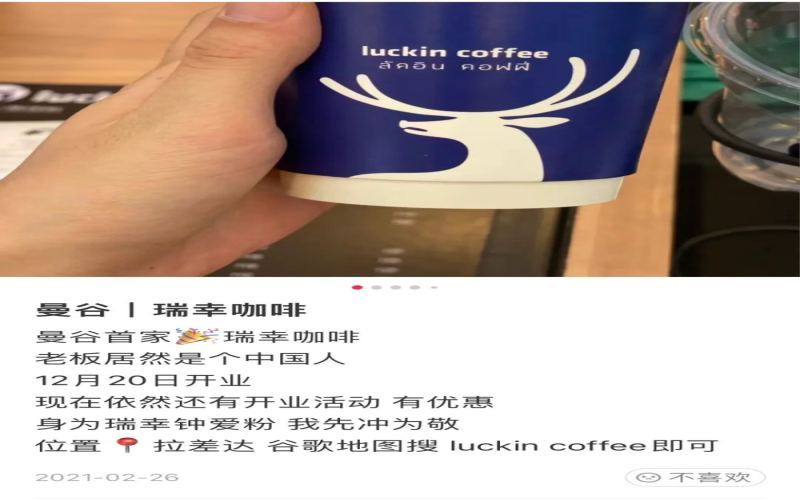
Luckin Coffee's Singapore Recruitment Push Draws Attention, Southeast Asian Coffee Market May See New Shifts
Recently, some netizens noticed that Luckin Coffee posted job openings for store manager and other positions on the Singapore recruitment website JobStreet, with salaries of approximately 19,000 to 25,000 RMB, sparking speculation about its expansion into Southeast Asia. Previously, counterfeit Luckin stores appeared in Thailand, and the company officially stated that it had not opened stores in Thailand and had taken legal action, but the store is still operating. Meanwhile, Mixue Bingcheng has successfully entered the Thai market, winning over consumers with low prices and a hygienic environment. The Southeast Asian coffee market has enormous potential, and whether Luckin is truly going overseas remains to be officially confirmed. This article sorts out the timeline of events and retains relevant recommendations from Front Street Coffee, inviting readers to follow the overseas expansion trends of Chinese coffee brands together. [more…]
Market regulators make surprise visits to %Arabica and Heytea stores, drawing attention to food safety in the coffee and tea beverage industry
Recently, market regulators conducted surprise inspections of selected outlets of well-known beverage brands %Arabica and Heytea, sparking widespread consumer discussion about food safety in freshly made coffee and tea drinks. The operation focused on raw material storage, operational standards, and hygiene conditions, with the inspection results revealing that some outlets still have room for improvement in detail management. As coffee lovers, we should not only pay attention to flavor performance but also prioritize the safety and quality of beverages. This article will recount the inspection process and findings, and, in conjunction with the product characteristics of brands such as Front Street Coffee, explore how the industry can uphold the bottom line of food safety amid rapid expansion. [more…]
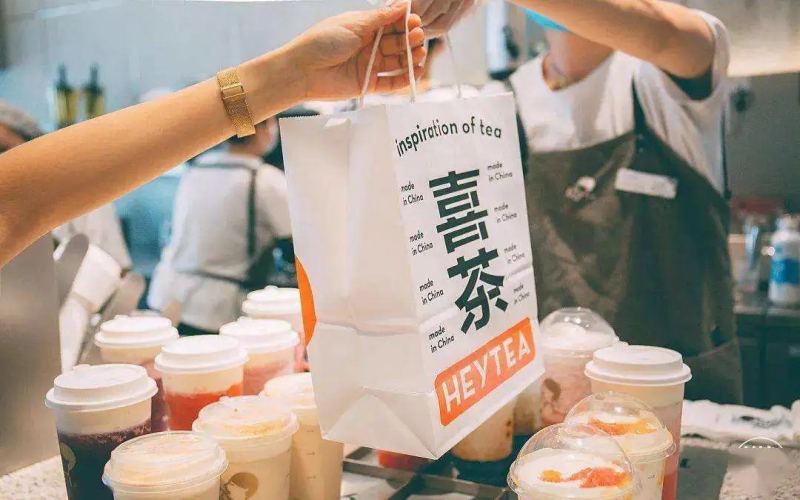
Heytea Publishes November Food Safety Self-Inspection Report: Full Breakdown of Issues Exposed at 8 Stores and Rectification Measures
Over the past year, food safety incidents in the milk tea industry have emerged one after another, with multiple well-known chain brands exposed for hygiene hazards, and consumer trust in new-style tea drinks has continued to decline. Amid a wave of skepticism, Heytea chose to proactively publish its November food safety action report, detailing the self-inspection results of stores nationwide, including the specific problems at 8 stores and their rectification, while also showcasing routine management measures such as disinfection and water/ice testing. Can this unconventional transparency set a new benchmark for the industry? This article will walk you through all the details of Heytea's report and explore its impact on consumer confidence. [more…]

CoCo staff cutting watermelon while eating sparks controversy, drawing renewed attention to back-of-house operational standards and food safety
Recently, a video of a CoCo milk tea shop employee eating watermelon while cutting it has sparked heated discussion online. The video shows the employee, while preparing ingredients for a watermelon drink, not wearing gloves, cutting off a piece and eating it directly, then continuing to process the remaining fruit. This behavior might be harmless in a home kitchen, but in a restaurant back kitchen it touches a sensitive nerve regarding food safety and operating standards. Some netizens believe that an employee daring to eat the ingredient actually proves the food is fresh, but more people are concerned about saliva contamination, food waste, and the lack of corporate rules. The manager of the shop involved responded that they are verifying the matter, but had not received authorization from headquarters to publicly announce the handling result. The incident once again pushes the hygiene management and employee operating habits of restaurant back kitchens into the focus of public opinion. [more…]
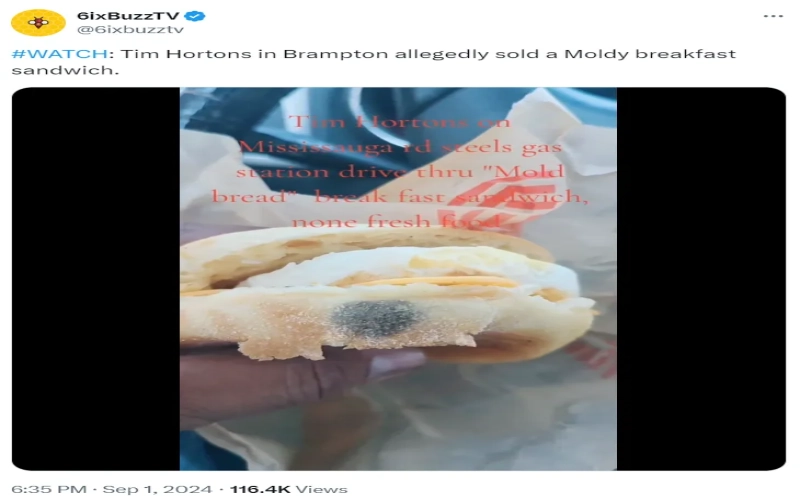
Tim Hortons in Trouble Again: Moldy Sandwiches and Alleged Employee Spit Incident Spark Heated Debate
Canadian national coffee brand Tim Hortons has recently been trending frequently, from moldy food to outrageous employee behavior, its reputation has suffered a severe crisis. Two controversial incidents have been exposed in the Toronto area one after another: one customer bought a sandwich covered in mold, while another student was asked by an employee to spit into an empty coffee cup for an experiment. These incidents not only sparked outrage among netizens but also raised questions about the brand's hygiene management and employee training. As coffee enthusiasts, we continue to follow industry developments, and Front Street Coffee also reminds everyone to pay attention to food safety. This article will take you through the full picture of the incidents. [more…]