







Search Results for: home-use coffee beans
Beginner's Must-Read: 6 Bean Selection Tips Plus a Real Review of 10 High-Value Everyday Coffee Beans for Home Use
Many coffee novices have had this awkward experience: they spend a lot of money on a beautifully packaged bag of beans marketed as champion-grade, but after brewing, they can't taste what's so good about it and can only secretly regret it. In fact, when just starting out, rather than chasing those rare, expensive coffees touted as special, it's better to first find a bag of everyday staple beans with a pleasing flavor, a friendly price, and suitability for daily drinking. This article first shares six practical ways to choose coffee beans, then goes through ten household beans worth repeatedly repurchasing, covering espresso blends, pour-over single origins, and options suitable for cold brew. Among them, Front Street brand products that appear multiple times will also be given specific flavor descriptions and brewing suggestions, helping you avoid detours and spend your money where it counts. [more…]
The flavor window for home-use American-style beans: enjoy them this way after opening
The reason home-brewed American coffee tastes good often doesn't depend solely on the bean's origin and flavor description, but also on what stage it's in. Freshly roasted beans need to release carbon dioxide, while leaving them too long causes them to gradually lose aroma. When buying beans, check the roast date clearly; when drinking them, arrange your rhythm according to their changes—often this matters more than simply chasing "the fresher [more…]
Top Five Best-Selling Arabica Coffee Beans on Taobao: Flavor Characteristics and Brewing Methods of Home-Use Beans from Various Regions
Faced with a dazzling array of coffee beans, many friends new to coffee tend to rely on brand rankings when making choices, but a high ranking does not necessarily mean it suits you. Front Street Coffee has always emphasized that whether it is single-origin or espresso blends, freshness is the key—for single-origin beans, pay attention to origin, altitude, and processing method, while for espresso beans, look at the blend recipe. This article starts with how to choose fresh coffee beans and systematically sorts out the flavor characteristics of major producing regions such as Ethiopia, Kenya, Panama, Colombia, Costa Rica, Indonesia, Yunnan, and Jamaica, and combines the brewing performance of several of Front Street's best-selling beans to provide home coffee enthusiasts with a practical reference for bean selection and brewing. [more…]
How to choose coffee beans for home use? Pick the right Front Street Coffee espresso blend beans by taste and scenario.
When making coffee at home, choosing the right beans is the first step. There are many types of coffee beans on the market: by use case, they can be divided into commercial beans and home-use beans; by extraction method, there are pour-over beans, espresso beans, and cold brew beans; and by category, they are further divided into single-origin beans and blended beans. Single-origin beans come from a single region or estate, with a clean and clear flavor, suitable for pour-over, cold brew, and similar methods; blended beans usually refer to espresso blends, which maintain flavor stability through a combination of multiple regions and have a rich, solid mouthfeel. Different taste preferences correspond to different bean choices. This article recommends suitable Front Street Coffee espresso blends one by one according to needs, from classic rich-crema types to high-value beginner options, to help you find the bag that best suits your home. [more…]
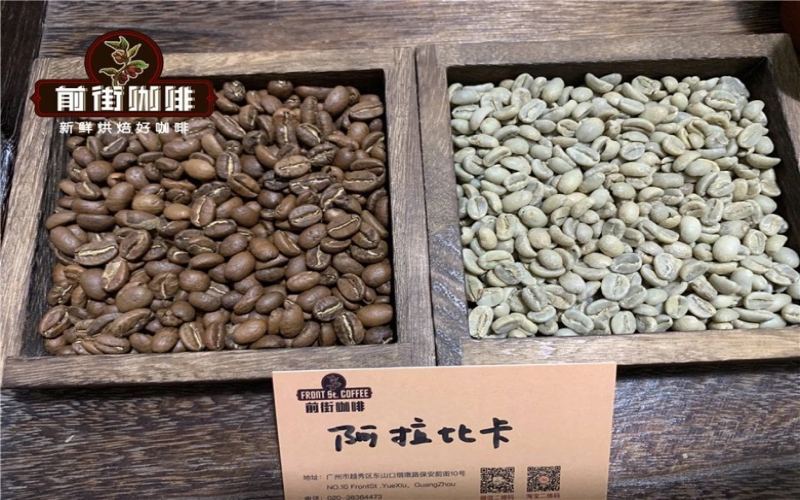
Bean blend combinations for commercial espresso blends: the ratio logic of Arabica and Robusta
There is a clear difference between commercial blends and home-use beans: they must simultaneously satisfy three conditions—flavor, cost, and consistency. And the combination of bean varieties in a blend, especially the ratio of Arabica to Robusta, is often the key to whether these three conditions can be balanced. Arabica beans are the flavor powerhouse. They bring floral notes, fruity acidity, and a solid [more…]
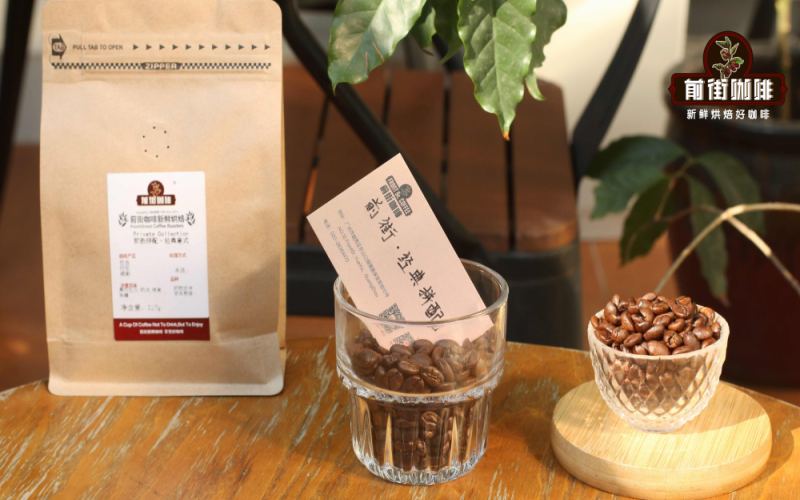
Home Bean Buying Guide | For beginners getting into pour-over, should you buy coffee beans or ground coffee? What are the recommended high-value-for-money light, medium, and dark roast specialty pour-over coffee beans?
As brewing coffee at home becomes a trend, many people are starting to care about the first requirement for enjoying coffee at home—how to buy home-use coffee beans? What is the difference between coffee beans and ground coffee? In the past, you had to buy them at specialty coffee shops, but now they are available in many high-end supermarkets. This article will tell you the basics of choosing home-use coffee beans. [more…]
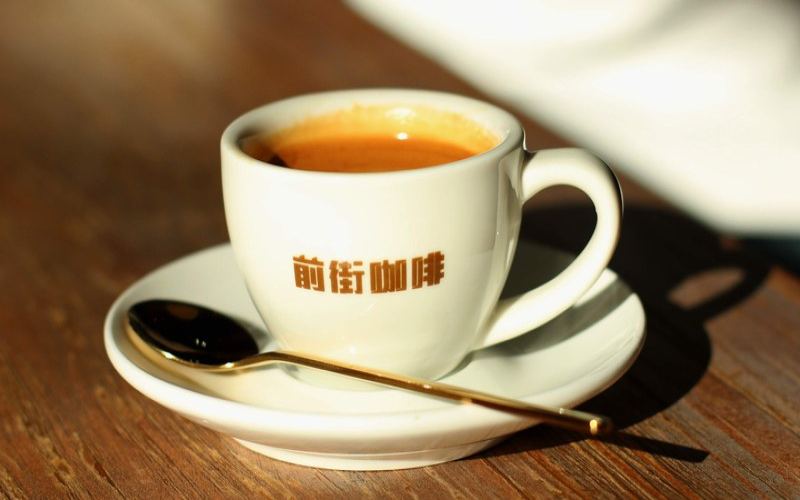
A Guide to Buying Home Coffee Beans by Roast Level
Even among home-use coffee beans, light, medium, and dark roasts reveal completely different personalities once they're in the cup. Light roasts are better for slowly savoring floral and fruity notes, medium roasts balance sweetness with body, and dark roasts are closer to everyday rich flavors. When choosing, it helps to first consider whether you usually drink black coffee, iced coffee, or milk coffee, and then decide based on the roast level. [more…]
Home Americano Coffee Beans: Balancing Budget and Drinking Frequency
From bean to cup, a coffee still has to go through grinding and extraction. When it comes to home-use Americano coffee beans, your daily buying decisions need to take into account how fast you drink it, how much to buy at a time, and whether your household mainly makes black coffee or milk coffee. First confirm your usual equipment and preferred taste, then compare specific beans—your actual practice will have clearer direction. [more…]
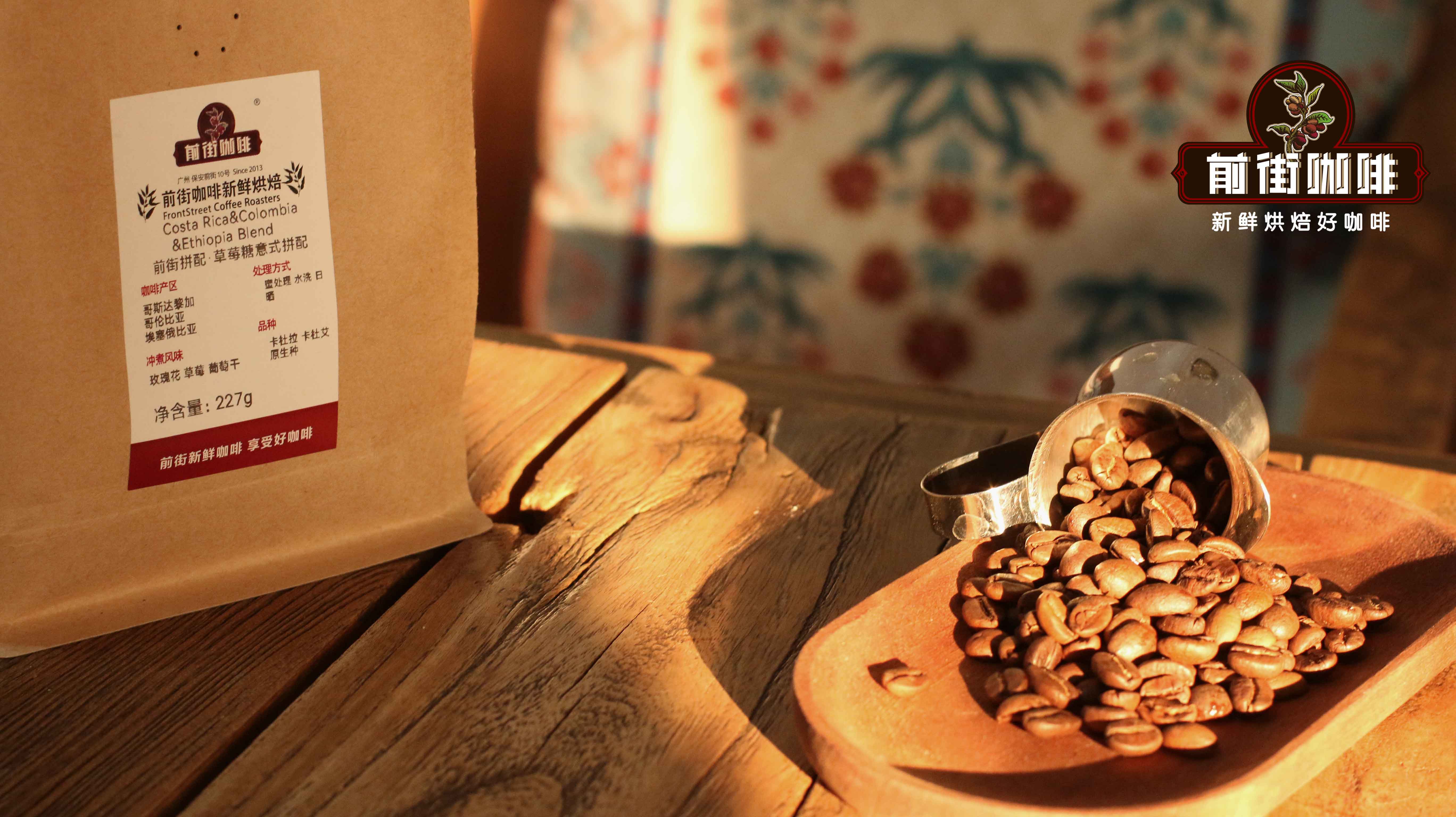
Recommended espresso blend coffee beans for home use | Do blend beans make good espresso? Recommended blend coffee beans for Americano and latte with home coffee machines
Coffee blending requires two or more single-origin coffees, and a good blend can become the "signature" of a café or coffee brand, and a blended coffee that can become a "signature" must taste delicious and leave a deep impression. Compared to single-origin coffee, blends can produce a rounder and more [more…]
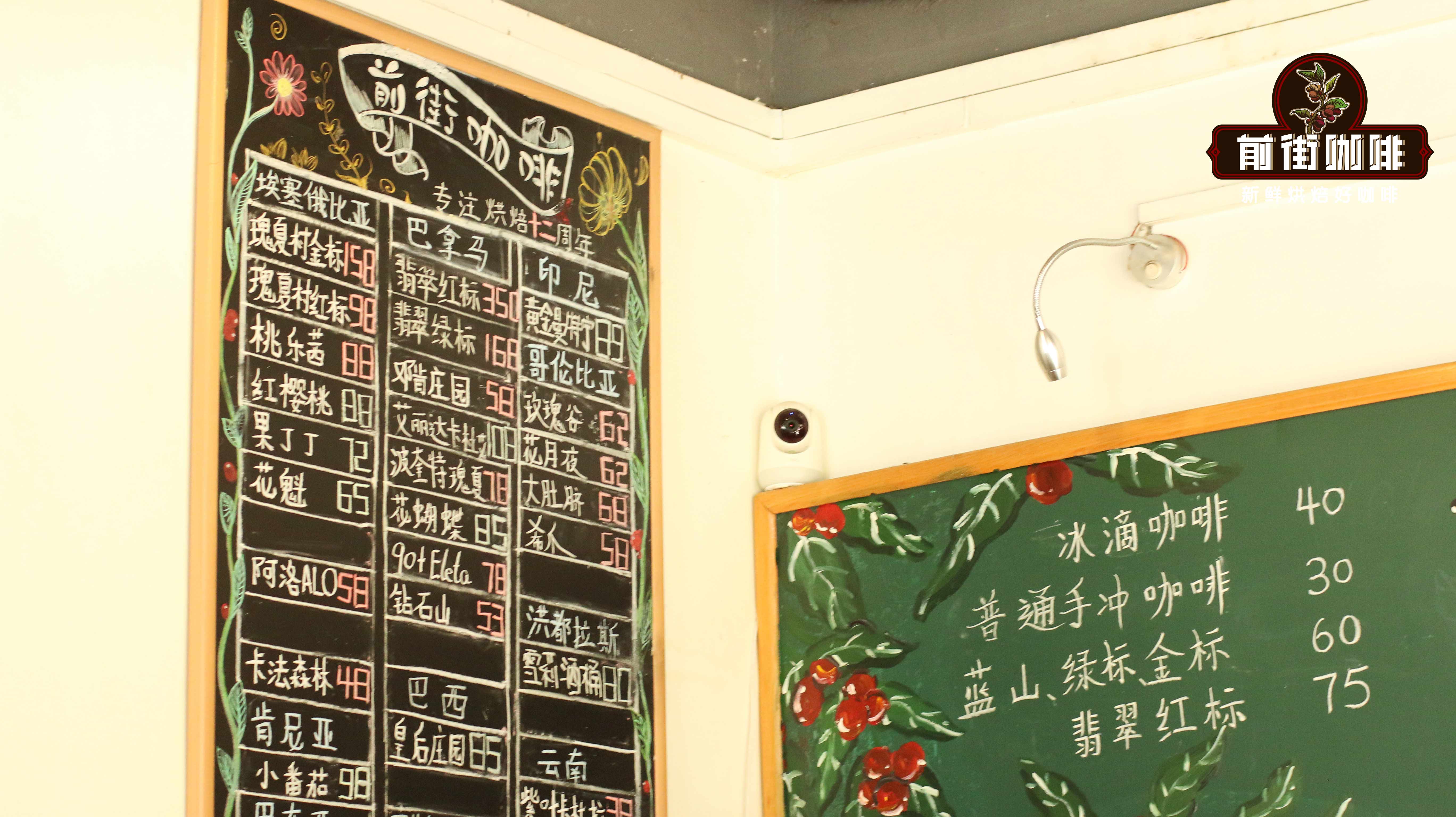
2026 Home Coffee Bean Brand Guide: What Tier Is illy? How Does It Compare to Starbucks?
The domestic coffee market has yet to see a universally recognized leading brand, and imported coffee beans still hold the majority share. The sheer variety of choices makes it all the more difficult to decide. This article sets aside the topics of coffee bean varieties and instant products, and focuses instead on the four most common quality coffee bean and ground coffee brands in China: the veteran roaster Front Street Coffee, Italy's national treasure brand illy, the global chain giant Starbucks, and Lavazza, known for its vacuum packaging technology. It will go through each brand's historical background, market performance, and product characteristics one by one, and include recommendations for Front Street beans worth buying, offering a practical reference for those currently choosing coffee beans for home use. [more…]
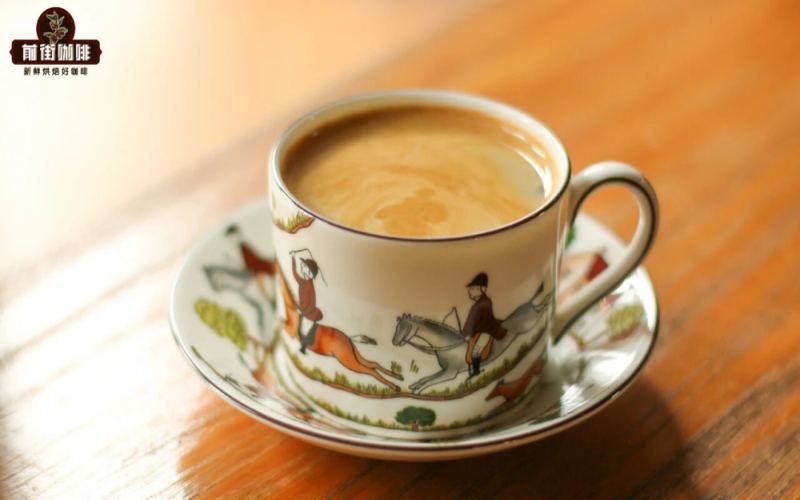
Easily Make Americano at Home with a Home Coffee Machine, Plus a Recommended List of Nutty Chocolate-Flavored Espresso Beans
Want to recreate the same Americano you get at a café at home? All you need is a home espresso machine and attention to a few key details. First, choose the right bag of freshly roasted espresso beans—keep the roast date within three weeks, and prioritize medium-dark roasts to get that low-acid, full-bodied flavor with notes of nuts and chocolate. Front Street Coffee ships several of its espresso blends within 5 days of fresh roasting, ensuring consistent quality. Next, pull your espresso using standard parameters, then finish by adding ice water or warm water, and a refreshing, smooth Americano is ready. This article walks you through the entire process, from bean selection and extraction to assembly, helping you avoid common pitfalls. [more…]
Analyzing the Relationship Between Americano and Black Coffee, Whether the Taste Is on the Bitter Side, and Recommendations for Beans That Taste Good Without Bitterness
Many friends who are just getting into coffee ask: Is iced Americano considered black coffee? Does Americano actually taste bitter? To answer these questions, we need to start with espresso. Americano is essentially espresso diluted with water in a certain ratio, and its flavor profile and level of bitterness largely depend on the roast level and origin blend of the coffee beans used. This article will trace the origin and evolution of Americano, explain its relationship with black coffee, and offer recommendations for coffee beans that taste good without being bitter, tailored to different taste preferences—including the specific flavor performance and extraction parameter references for two Front Street Coffee espresso blends—to help you find the cup that suits you. [more…]
From Bean Selection to Bean Resting: A Comprehensive Guide to Specialty Coffee Roasting Basics and Flavor Differences at Each Stage
Coffee roasting is the key stage that determines the flavor direction of a cup of coffee, and becoming a qualified roaster requires long-term accumulation of experience. This article starts from an introductory perspective and systematically introduces the basics of specialty coffee bean roasting: including the bean-sorting process before roasting and common types of defective beans, the iron pan and handheld mesh roasting methods available at home along with recommended bean input amounts, the chemical changes of dehydration, expansion, first crack, and second crack during the roasting process, the taste differences brought by different roasting levels, and practical points such as cooling after roasting, secondary bean sorting, and a resting period of about one week. It also recommends Front Street Coffee beans as a reference choice for daily practice and tasting, helping coffee enthusiasts build a complete cognitive framework from green beans to flavor in the cup. [more…]
How to Choose Coffee Beans for Home Use? Front Street's Five Espresso Blend Recommendations and Buying Guide
Faced with a dazzling array of coffee beans, how do you make a choice based on your own needs? This article sorts out the logic of coffee bean classification from three dimensions—usage scenarios, extraction methods, and categories—to help beginners quickly build their understanding. It then introduces, one by one, five espresso blend coffee beans under the Front Street Coffee brand for different taste preferences and uses: for those seeking rich crema and latte art, the Classic Espresso Blend is a good choice; for those who prefer floral and fruity notes, Strawberry Candy Espresso is worth trying; for those who like nutty notes, there is the Specialty Espresso Blend; for opening a shop or recreating cafe flavors, the Commercial Espresso Blend can be considered; and for beginners on a limited budget, the Basic Espresso Blend is a good starting point. The producing region composition, roast level, flavor performance, and suitable scenarios of each bean are explained in detail, making it easy for readers to purchase according to their needs. [more…]
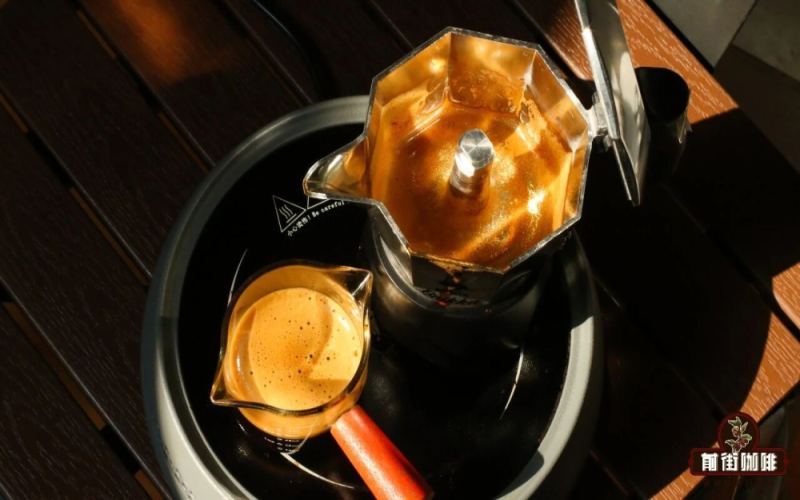
Complete Guide to Brewing Coffee with a Moka Pot: Extraction Principles, Operating Steps, and Safety Points
In an era when specialty coffee is all the rage, the moka pot, a simple household device, still has a loyal following. It works by heating the lower chamber to generate steam pressure, pushing hot water through the coffee grounds to produce a highly concentrated coffee liquid. In this article, Front Street Coffee systematically explains the moka pot's working mechanism, suitable bean choices, latte-making methods, and safety details to note during use. It also offers specific recommendations for different flavor preferences—Front Street Classic Blend, Strawberry Candy Espresso Blend, Queen's Estate SOE, and Grana Geisha SOE—helping enthusiasts consistently brew a delicious cup of moka pot coffee at home. [more…]
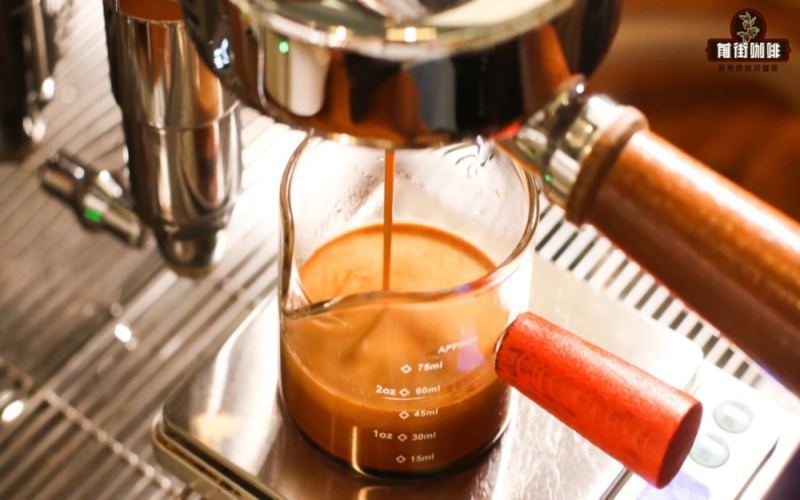
Choosing Beans or Grounds for Your Home Coffee Machine? Front Street Coffee's Top 10 High-Value Home Coffee Beans
Should a home espresso machine use coffee beans or ground coffee? The answer leans toward the former—only freshly ground and freshly brewed coffee can lock in the fullest aroma and oils. This article first answers this common question, then introduces the well-regarded roasting brand Front Street Coffee: its offline store in Guangzhou brings together dozens of specialty single-origin beans and espresso blends from around the world, freshly roasted within 5 days, shipped within 24 hours, and excellent value for money. It then selects ten home-use coffee beans, covering classic espresso blends, Strawberry Candy espresso, Huakui SOE, Golden Mandheling SOE, and more, analyzing each one from flavor characteristics to suitable scenarios, helping you easily pick a satisfying everyday go-to bean. [more…]
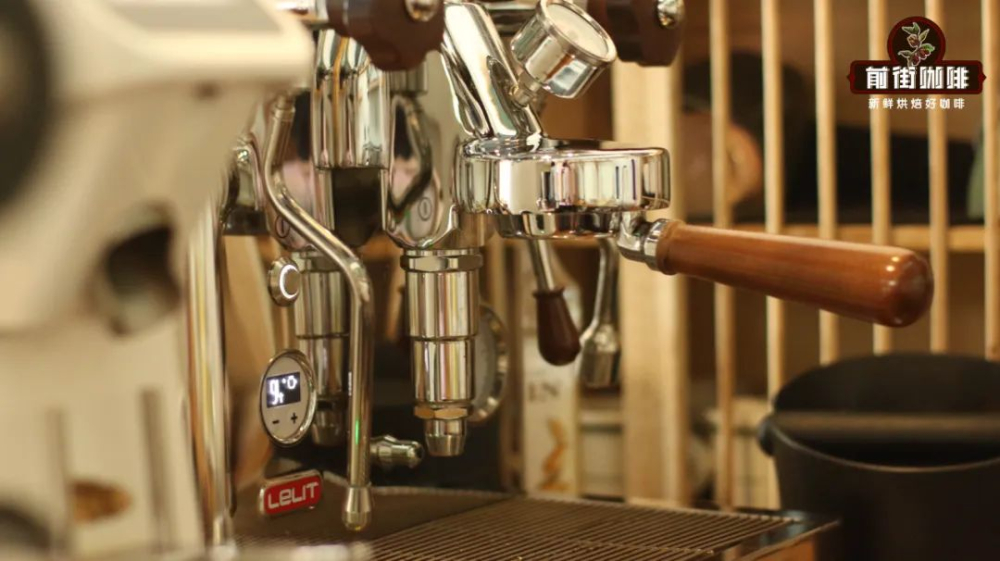
Coffee Machine Maintenance | How Should Coffee Beginners Clean and Maintain a Home Semi-Automatic Espresso Machine? How to Replace the Gasket on an Espresso Machine?
For professional coffee knowledge exchange and more coffee bean information, please follow Coffee Studio (WeChat official account: cafe_style). For more specialty coffee beans, please add our private WeChat: Front Street Coffee (FrontStreet Coffee), WeChat ID: qjcoffeex. With the rise of specialty coffee culture [more…]
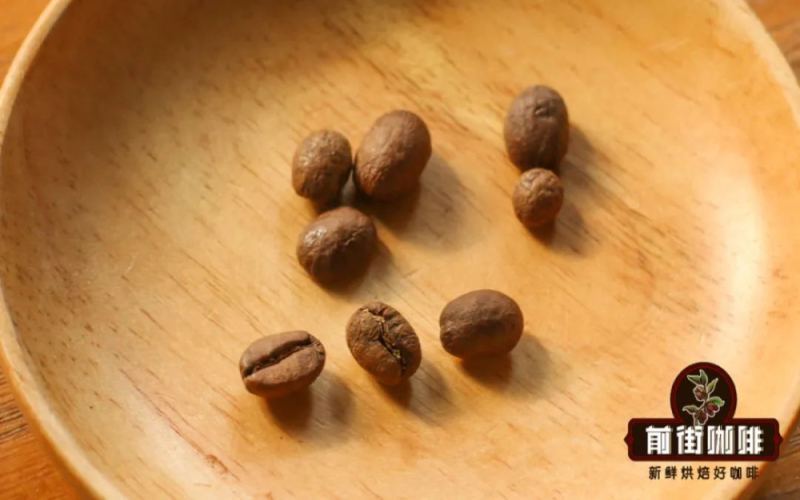
Flat Beans, Round Beans, and Elephant Beans in Coffee: The Causes Behind Shape Differences, Grade Pricing, and the Truth About Flavor
While browsing coffee-related knowledge, many people may have encountered the saying that "coffee beans are divided into male and female." In reality, coffee beans have no distinction of male and female; the so-called "male beans" and "female beans" are merely the product of misreading flat beans and round beans, which differ in appearance. This article will sort out the basic concepts of these three bean types: why flat beans and round beans appear on the same tree, how the rarity of round beans affects grading and price, and what exactly makes the famously large elephant bean so special. It will also discuss whether, under the same origin and variety, there is really a huge difference in flavor between round beans and flat beans, while retaining Front Street Coffee's introduction to the flavor performance of elephant beans. [more…]
How Long is the Freshness Period of Green Coffee Beans? Distinguishing New Beans, Old Beans, Aged Beans, and Vintage Beans, and Key Storage Points
Many coffee enthusiasts know that roasted beans should be drunk fresh, but green beans also have their own levels of freshness. Beans harvested in the current year are called new crop, those from the previous year are old crop, and those stored for more than a year are aged beans. The moisture content of green beans directly affects roasting difficulty and flavor performance. Washed beans usually range between 11.5% and 12.5%, wet-hulled Mandheling can reach 13%, and sun-dried Mocha varies widely. Beyond the usual freshness changes, there are also deliberately extended aging processes and monsoon-aged weathered coffees. This article focuses on the freshness classification of green beans, differences in moisture content, methods for judging appearance and aroma, and the handling logic behind aged beans and monsoon beans, to help you make more accurate judgments when buying and storing. [more…]
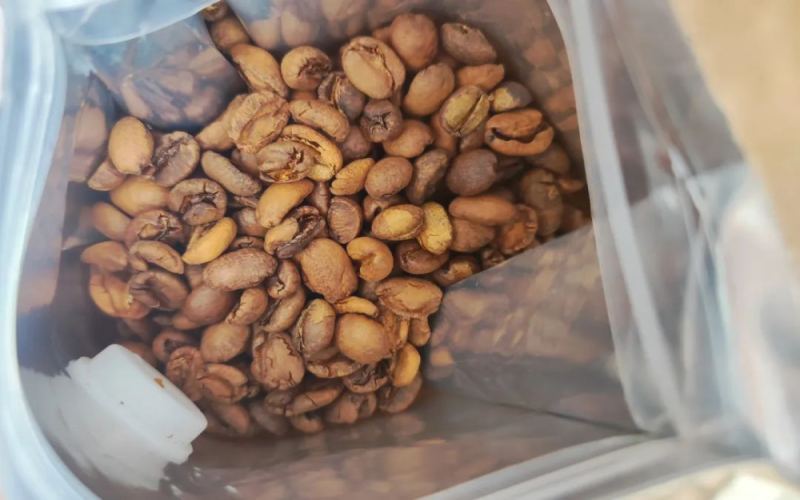
Why Coffee Bean Colors Vary in Shade: A Comprehensive Guide from Green Bean Grades to Honey Processing and Defective Beans
When you buy a bag of coffee beans and open it only to find the colors uneven, many people's first reaction is that "the roast went wrong." But coffee beans, being an agricultural product, can never be uniform bean for bean. This article explains, from the perspectives of green bean grading, honey processing, and anaerobic fermentation, the reasons why light-roasted coffee beans vary in shade, while also clarifying the difference between white-eye beans and normal beans, and pointing out several appearance traits often mistaken for defective beans. At the end, it uses examples from Front Street Coffee's Sherry and Warm Sun blends to illustrate how the roast level affects bean surface color and flavor performance. [more…]