







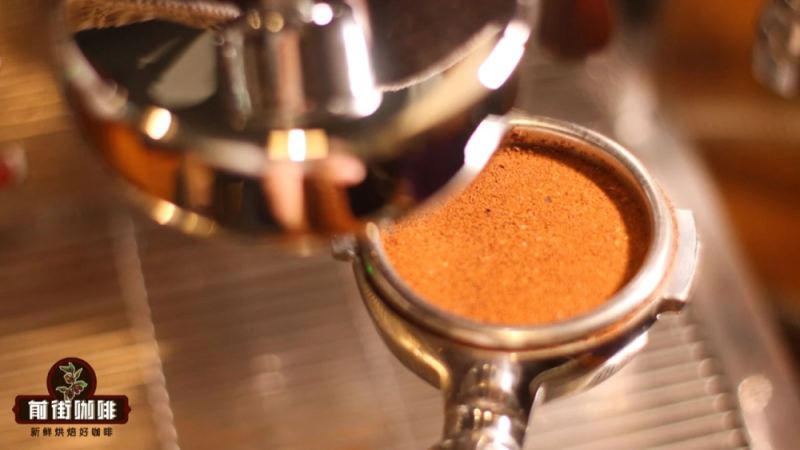
What should you check before buying blended coffee beans?
Choosing beans for home use comes down to three angles: usage scenario, extraction method, and bean category. By scenario there are commercial and home-use beans; by brewing method there are pour-over, espresso, and cold brew beans; by type there are single-origin and blended coffee beans. Single-origin beans taste clean and recognizable, while blends combine regions to keep flavor stable.
Espresso blends are the common form, mixing beans from different regions in set proportions for a fuller mouthfeel. Mamba, for instance, pairs Indonesian Mandheling with Brazilian beans, a combination once popular in Taiwanese coffee shops. Front Street offers five espresso blends spanning rich crema for latte art, floral-fruity notes, nutty profiles, shop use, and budget-friendly options.
Faced with a dazzling array of coffee beans, how do you choose based on your own needs? This article sorts out the classification logic of coffee beans from three dimensions—usage scenarios, extraction methods, and categories—to help beginners quickly build their understanding. It then introduces five Italian-style espresso blends under the Front Street brand one by one, according to different taste preferences and uses: for those seeking rich crema and latte art, the Classic Espresso Blend is the choice; for those who prefer floral and fruity notes, Strawberry Candy Espresso is worth trying; for those who like nutty tones, the Specialty Espresso Blend fits the bill; for opening a shop or recreating café flavors, the Commercial Espresso Blend can be considered; and for beginners on a limited budget, the Basic Espresso Blend is a good starting point. Each bean's origin composition, roast level, flavor performance, and suitable scenarios are explained in detail, making it easy for readers to purchase according to their needs.
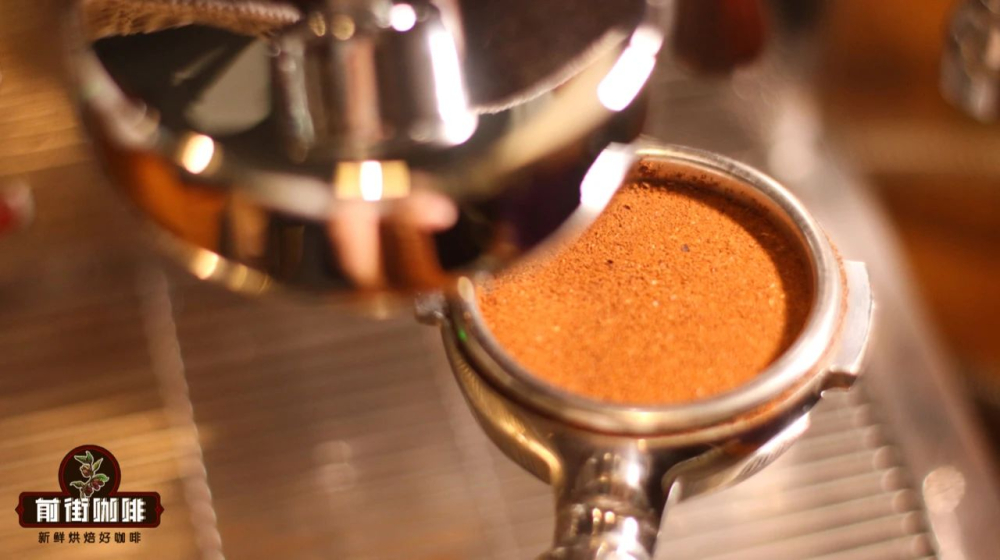
Currently, there are many ways to classify coffee beans on the market. If divided by usage scenario, there are commercial beans and home-use beans; if distinguished by extraction method, they can be divided into pour-over beans, espresso beans, and cold brew beans; and if categorized by type, they can be grouped into two major categories: single-origin beans and blended beans.
So-called single-origin coffee beans refer to coffee beans from a single region or single estate. Their flavor is usually clean and transparent with high recognizability, suitable for extraction methods such as pour-over, cold brew, French press, or drip bags. Blended coffee beans mostly refer to espresso blends, meaning beans from different regions are combined in proportion, with the aim of keeping the flavor stable over the long term, often resulting in a richer and more substantial mouthfeel.
If you prefer rich crema and are passionate about latte art, Front Street Classic Espresso Blend coffee beans will be your first choice. Most coffee enthusiasts have only heard of the name Mamba coffee but do not know the origin of its recipe—Mamba is actually a combination of Indonesian Mandheling beans and Brazilian coffee beans. The flavors of the two complement and harmonize with each other. In early years, this blend was popular in Taiwanese coffee shops and can be called a classic old-school flavor. Front Street Classic Espresso Blend adds Robusta beans on top of the Mamba recipe, significantly enhancing the crema and making the body of the espresso fuller, making it very suitable for making latte art at home.
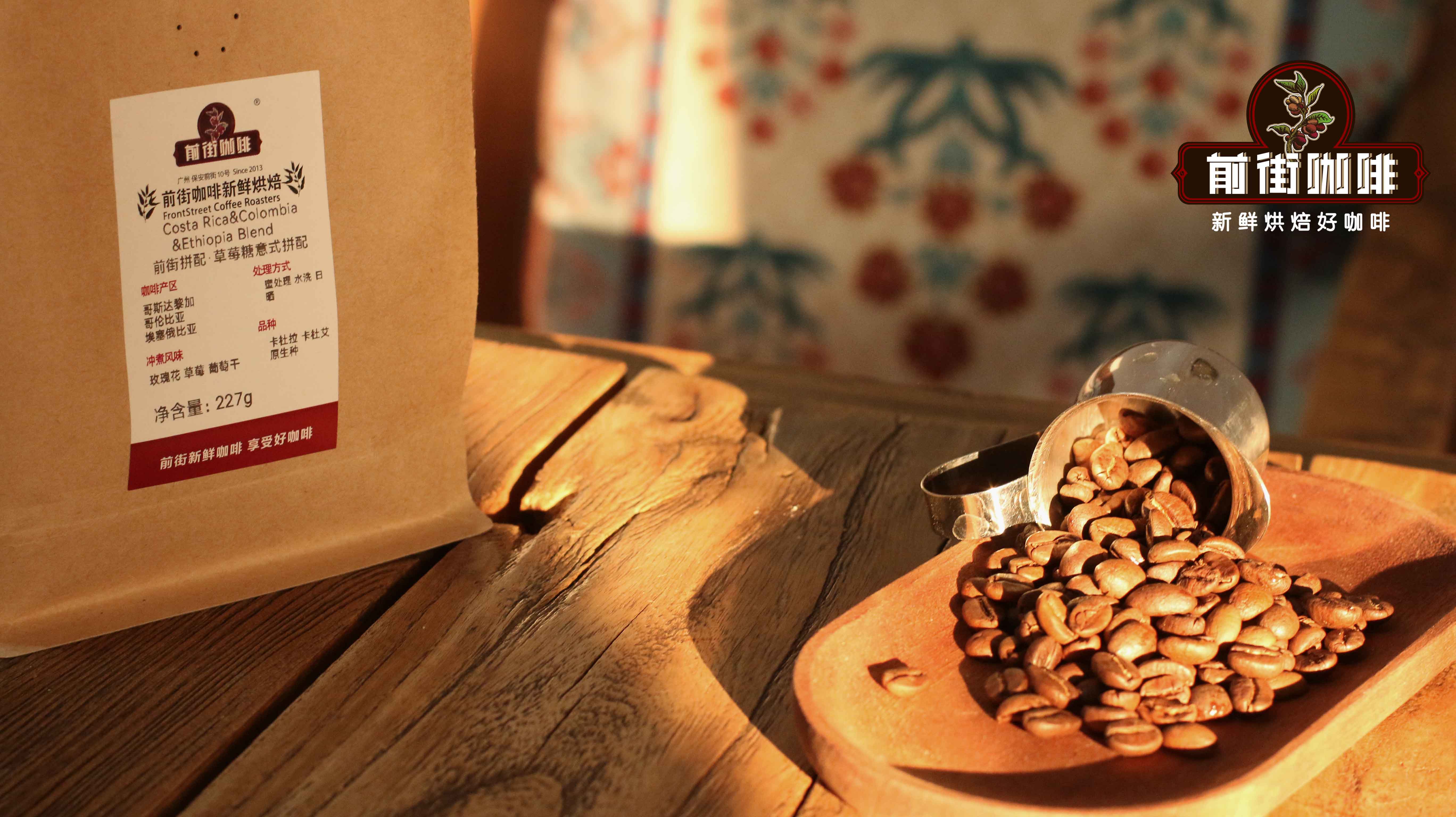
If you dislike bitterness but long to taste layered floral and fruity notes, Front Street Strawberry Candy Espresso Blend coffee beans are worth a try. To make espresso with floral and fruity notes, medium-roasted beans should be given priority. Front Street Strawberry Candy Espresso belongs to this category and can be ordered directly from Taobao or Tmall stores. This bean combines Front Street Costa Rica Tarrazú, known for its honey processing, with beans from Ethiopia, the birthplace of coffee, and further incorporates Colombian coffee beans. The espresso extracted from the combination of the three is not harsh at all. Under the action of the coffee machine, it presents delicate crema and a velvety texture, while carrying a sweet-and-sour sensation similar to strawberry gummies. It is suitable for making Americano or latte.
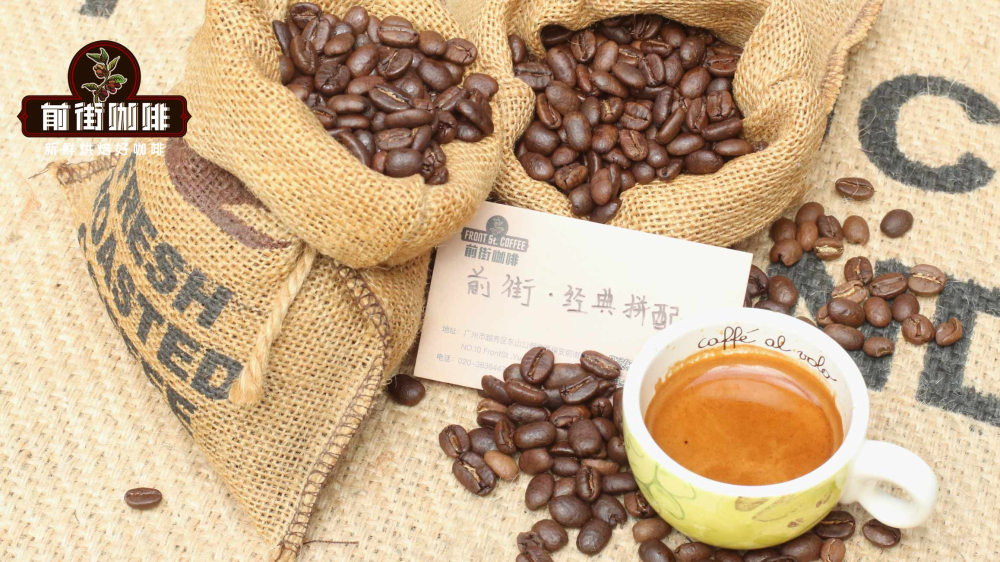
If you are fond of rich nutty tones, Front Street Specialty Espresso Blend coffee beans should not be missed. Brazil and Colombia are both among the world's top coffee-producing countries. Front Street combines beans from these two major regions. The nutty aroma and balanced mouthfeel of Brazilian beans, together with the chocolate charm of Colombian beans, achieve an effect greater than the sum of their parts. The extracted espresso exudes aromas of cream cookies, cocoa, and roasted nuts, suitable for friends who dislike acidity to make Americano or latte.
If you plan to open a coffee shop, or want to recreate the same Americano and latte served in coffee shops at home, simply choose Front Street Commercial Espresso Blend coffee beans. This bean is blended from three major regions: Brazil, Colombia, and Vietnam. After medium-dark roasting, it has abundant coffee crema and roasted aromas. Made into Americano, it tastes sweet, mellow, and smooth; made into latte, it is rich and silky, leaving a lingering fragrance after drinking. In addition, with its affordable price, it can fully serve as an everyday household staple coffee bean.
The last to appear is the king of cost-effectiveness—Front Street Basic Espresso Blend coffee beans. For beginners who have just stepped into the world of coffee, cost-effectiveness is naturally the primary consideration, and this bean is enough to meet the needs of most household users. It has soft fruity acidity, caramel-like sweetness, and flavors of nuts and dark chocolate. The mouthfeel is smooth and viscous, and the price is quite friendly, suitable for shop owners and household users who prioritize cost and do not have high flavor requirements.
The above content is compiled by CoffeeHunters, a coffee news website.


