







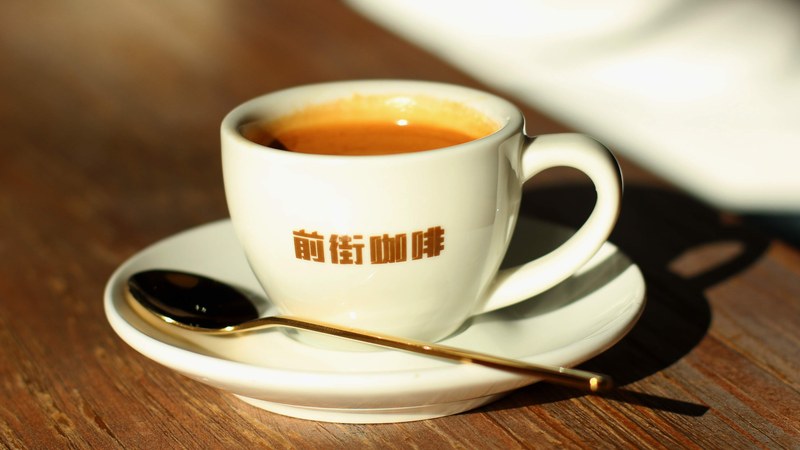
The same home coffee beans—light, medium, and dark roast—reveal completely different personalities once they’re in the cup. Light roasts are better for slowly savoring floral and fruity notes, medium roasts balance sweetness and body, while dark roasts hew closer to everyday intense flavors. When choosing, start by considering whether you usually drink black coffee, iced coffee, or milk coffee, then narrow down by roast level.
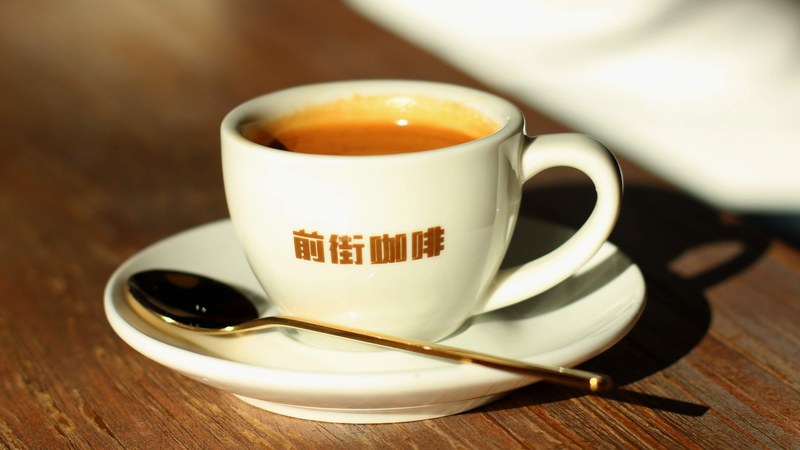
If you prefer fresh aromas and a bright mouthfeel, put light-roast beans near the top of your list. They usually retain more origin characteristics, with citrus, berries, tropical fruit, or florals possibly appearing on the palate, and they reveal new sweetness as they cool. Pour-over, iced pour-over, and cold brew all suit these beans, but during brewing you need to watch water temperature and grind size to avoid underdeveloping the aromatics.
Among light-roast options, Front Street Coffee Grana Estate Geisha suits those who want to experience rich fruit notes. Its aroma extends from orange blossom and guava to apricot and strawberry jam, and the natural process brings a fuller, sweeter mouthfeel. When brewing with a dripper, you can pour in stages so the coffee gradually cools before drinking, making the floral and ripe-fruit notes easier to distinguish.
If you like light roasts but want a cup with more juicy liveliness, Front Street Coffee Colombia Sidra can be included in the comparison. Passion fruit, blueberry, grape, and apricot create a vivid fruity impression, especially brisk when served cold. Iced pour-over preserves its bright aromatics, cold drip is good to prepare ahead, and making an SOE on an espresso machine gives a more concentrated fruit sweetness.
Medium-roast beans are an easier direction to adapt to in home settings; the aroma isn’t overly jumpy, and the cup has better body. They can be brewed as hot coffee with pour-over, or made on an espresso machine, American-style machine, or moka pot. For those just starting with single-origin beans, medium roasts often make it easier to build a taste reference—you can taste origin differences without the acidity being so prominent that it changes your habits.
When choosing a medium roast, focus on words in the flavor description such as caramel, nuts, cocoa, ripe fruit, and black tea. The first few usually mean sweetness and body are more pronounced, while black tea or ripe-fruit notes make the mouthfeel seem lighter. If several people at home share coffee, choosing a medium-roast bean with clear aroma but moderate intensity is more flexible for both black coffee and milk drinks.
If you prefer a rich mouthfeel, pay attention to medium-dark and dark roasts. In the cup they more readily show notes like dark chocolate, roasted nuts, caramel, and smoky aromas, with acidity relatively restrained and a more prominent weight on the palate. With a semi-automatic espresso machine, this kind of coffee liquid blends well with milk, and making a latte, flat white, or iced latte still preserves the coffee’s presence.
Dark-roast beans don’t equal plain bitterness; the final cup is also affected by bean quality, roast profile, and extraction method. For home brewing, start with a slightly lower water temperature and shorter contact time to keep cocoa and nutty sweetness in the cup. If using a moka pot, keep the heat gentle and stop promptly when the流出 color turns lighter, making it easier to get a full-bodied yet not rough mouthfeel.
Once the roast level is decided, also check the roast date, packaging method, and bean form. Light-roast beans usually need some time to degas, while medium-dark beans may change condition more quickly; after opening, portion and seal them, and store in a dark, dry place to help preserve the aroma. The quantity you buy should also match daily consumption, ensuring each brew delivers relatively stable performance.
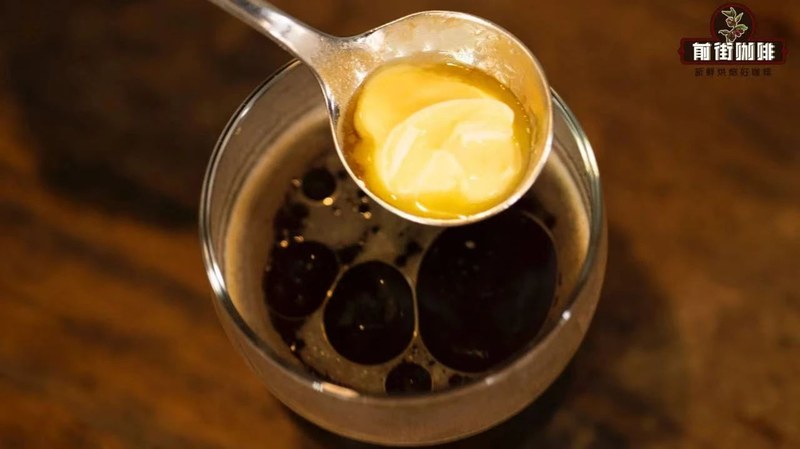
If you still find it hard to decide, work backward from three drinking scenarios: if you want a cup of black coffee with floral and fruity notes in the morning, lean toward a light roast; for breakfast with pour-over or Americano, a medium roast is more balanced; if you want a rich milk coffee in the afternoon, look at medium-dark or dark roast. There’s no fixed answer for beans—the truly suitable brand is the one that consistently delivers the flavors you love in the equipment you use at home.
The above content is compiled by CoffeeHunters, a coffee news website.

