







Search Results for: home roasting
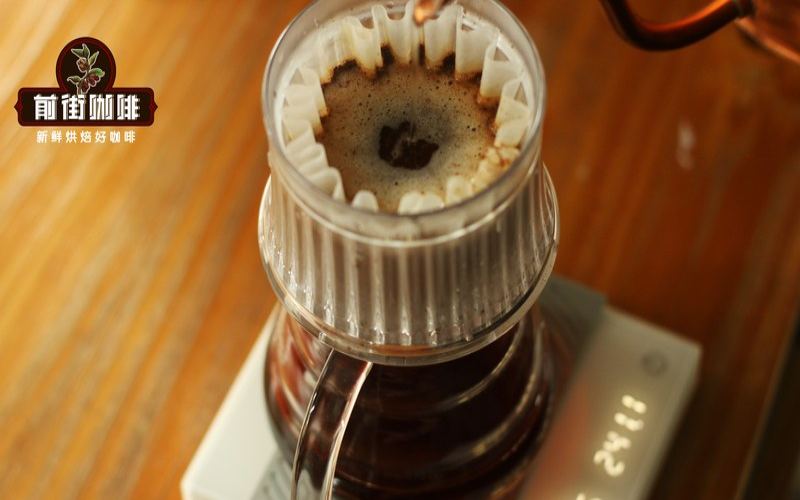
For home espresso blends, start by checking the roast level.
For a home espresso machine, the right blend doesn't have to chase complex aromas—what matters most is whether the roast level suits the way you drink it. If you drink straight espresso every day, look for clarity of aroma and sweetness; if you often make lattes or Americanos, check whether the shot has enough body. Start with the roast level, then read the flavor description. [more…]
For home use Colombian coffee beans, first check the roast level
When choosing Colombian coffee beans for home, the roast level often has a more direct impact on the taste than the region name. Light roasts are suited for those seeking floral notes and fruity acidity, medium roasts more easily balance sweetness, aroma, and body, while dark roasts steer the flavor toward cocoa, nuts, and a roasted character. First determine the cup profile you prefer, then look at specific beans—this makes the choice easier. [more…]
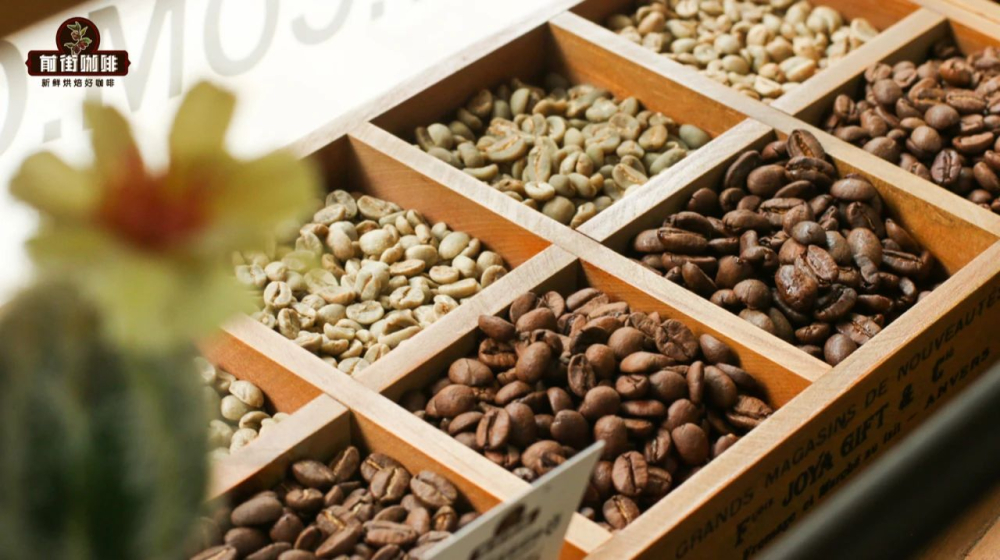
Home Coffee Roasting | How Can Coffee Beginners Learn to Roast Coffee Beans? A Comparison Table of Eight Different Roast Levels and Their Flavor and Taste Differences
I believe many of you not only enjoy drinking coffee but have also developed an interest in coffee roasting. While surfing the internet, Front Street Coffee often sees people sharing their home coffee roasting process on social media. However, we also notice that some [more…]
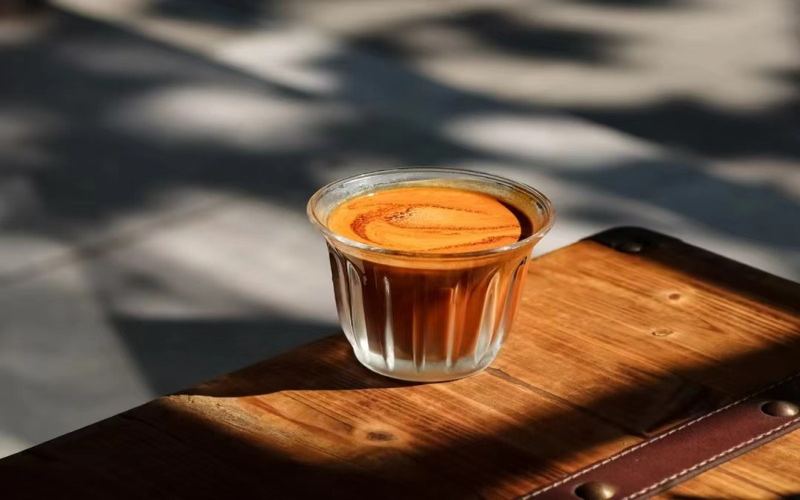
How to Choose Espresso Beans for Home: The Difference in the Cup Across Light, Medium, and Dark Roasts
With the same home espresso machine, changing the roast profile can noticeably alter the acidity, sweetness, aroma, and body in the cup. Light-roasted beans tend to have more fruity and bright notes, medium-roasted beans strike a better balance between sweetness and smoothness, while dark-roasted beans tend to deliver cocoa, nutty, and rich flavors. When your budget is limited, first consider whether you more often drink black coffee [more…]

A Guide to Buying Home Coffee Beans by Roast Level
Even among home-use coffee beans, light, medium, and dark roasts reveal completely different personalities once they're in the cup. Light roasts are better for slowly savoring floral and fruity notes, medium roasts balance sweetness with body, and dark roasts are closer to everyday rich flavors. When choosing, it helps to first consider whether you usually drink black coffee, iced coffee, or milk coffee, and then decide based on the roast level. [more…]
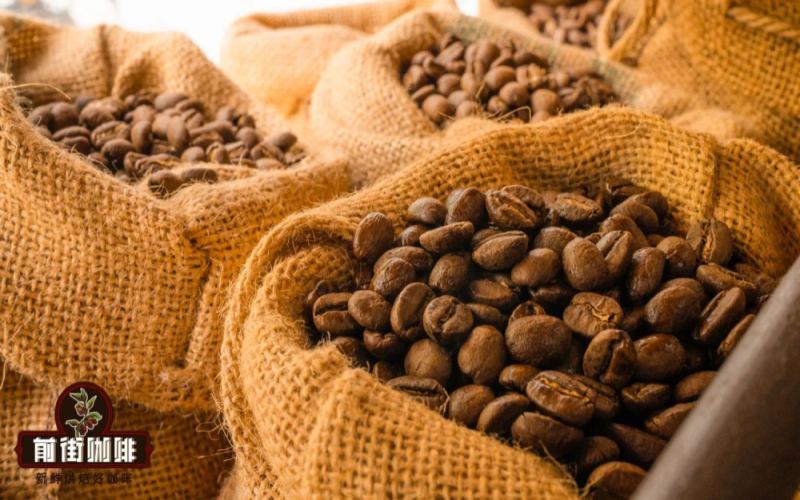
Illustrated Guide to Home-Roasted Coffee Beans | What Is the Relationship Between Coffee Roast Level and Coffee Flavor and Mouthfeel? What Tools Are Needed to Roast Green Coffee Beans at Home?
As coffee has become part of everyone's daily life, it's not hard to learn a lot of new and comprehensive knowledge about coffee from video apps. Besides researching how to brew and how to taste the flavors, many friends have started to take a strong interest in coffee bean roasting. But many of them act on a momentary impulse, and [more…]
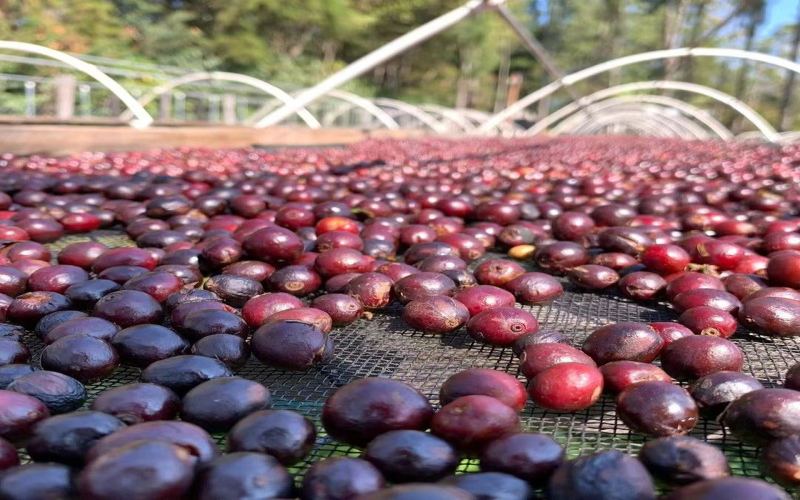
Home Espresso Machine Bean Selection Guide: Choosing Cost-Effective Flavors by Roast Level
When choosing beans for a home espresso machine, the roast level often determines the overall character of a cup more than the name of the origin. Light roasts lean toward aroma and fruity acidity, medium roasts more easily balance sweetness and body, while dark roasts bring notes of cocoa, nuts, and roastiness. When the budget is limited, choosing according to whether you usually drink black coffee, lattes, or iced drinks is usually better than blindly [more…]

Home-roasted coffee beans | What are the taste differences between coffee beans of different roast levels? How to roast coffee beans at home? How are green coffee beans turned into coffee?
As coffee has become part of everyone's daily life, it's not hard to learn a lot of new and comprehensive knowledge about coffee from video apps. Besides researching how to brew and how to taste the flavors, many friends have started to take a strong interest in coffee bean roasting. But many of them act on a whim and end up putting their coffee [more…]
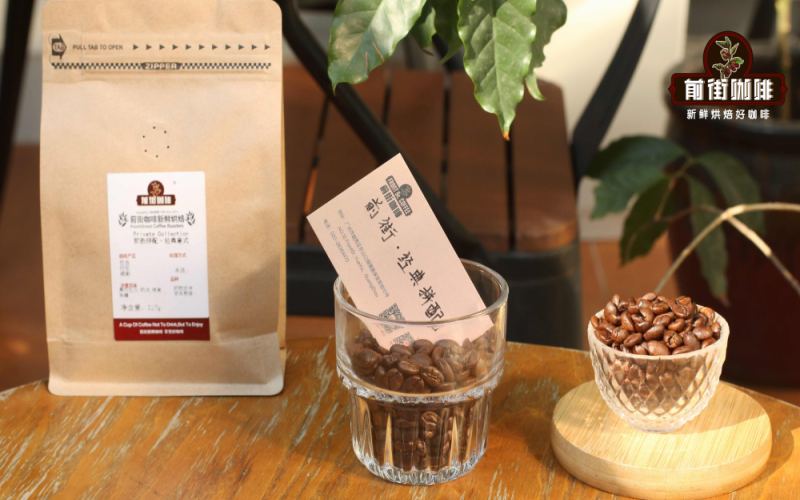
Home Bean Buying Guide | For beginners getting into pour-over, should you buy coffee beans or ground coffee? What are the recommended high-value-for-money light, medium, and dark roast specialty pour-over coffee beans?
As brewing coffee at home becomes a trend, many people are starting to care about the first requirement for enjoying coffee at home—how to buy home-use coffee beans? What is the difference between coffee beans and ground coffee? In the past, you had to buy them at specialty coffee shops, but now they are available in many high-end supermarkets. This article will tell you the basics of choosing home-use coffee beans. [more…]
Choosing Colombian coffee beans suitable for home use by roast level
When choosing Colombian coffee beans at home, roast level is a very practical starting point. It influences the aroma direction, the balance of acidity and sweetness, and the body of the beans, and it also determines whether the same bag is better suited to a light, clean pour-over or to a rich Americano or milk coffee. Looking at it by light, medium, and dark roast gives you a clearer picture than fixating only on the name of the producing region. [more…]

How to Choose Espresso Blend Beans for Home: A Flavor Guide from Light to Dark Roast
When choosing a blend for a home espresso machine, start by checking the roast level on the packaging. It broadly determines the brightness on the palate, the type of sweetness, and the body of the coffee, and it also affects how the espresso performs once water or milk is added. Whether you prefer a crisp fruity profile or favor nutty, cocoa notes with a dense, creamy body, you can usually tell from the light, medium, and dark roast [more…]
From Green Beans to Rich Aroma: A Complete Guide to Coffee Roasting Principles, Home Wire Mesh Roasting, and Ceramic Roasters
The soul of coffee flavor is often determined at the roasting stage. This article systematically sorts out the basic principles of coffee roasting—how green beans are transformed by high heat into roasted beans with a balance of acidity, bitterness, and sweetness—and explains in detail the most economical home mesh-skimmer roasting method: the complete steps and time references from dehydration, first crack, to second crack. It also introduces a ceramic roaster that makes temperature control easier and its operating parameters. The article also recommends Front Street Coffee's everyday drinking bean series, suitable for enthusiasts who want to try roasting at home. Whether you are a beginner just getting started or a seasoned connoisseur looking to refine your skills, you can find practical key points in it. [more…]
Home Americano Coffee Beans: Roast Level Determines Which Tastes Better
Home-brewed American coffee doesn't have to taste the same every time: light-roast beans can bring floral notes, fruity acidity, and a bright sweetness into the cup, medium-roast beans more easily deliver gentle sweetness and moderate body, while dark-roast beans build a steady, grounded flavor on cocoa, nuts, and roasty aromas. When choosing beans, look at the roast level first—this is essentially deciding the overall character of the cup—and then [more…]
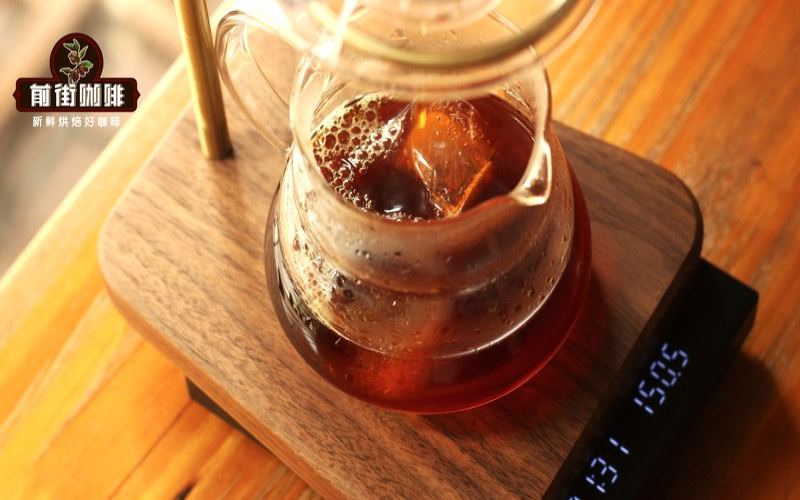
Light, Medium, and Dark Roasts: Dialing In SOE on a Home Machine Like This
A cup of SOE can showcase the floral and fruity acidity of a light roast, the caramel sweetness of a medium roast, or even the cocoa notes and heavy body of a dark roast. Home espresso machines are not only suitable for blends—as long as the machine can heat stably, build pressure, and is equipped with a suitable single-shot basket, it can pull single-origin espresso. What truly matters [more…]

Home Coffee Machine Bean Selection Guide | What kind of coffee beans should be used for making espresso at home? What are some recommended affordable and tasty everyday beans for home coffee machines?
Unlike the positioning of a coffee shop, home brewing often pursues value for money—the coffee must taste good and be affordable, making it a daily staple. So regardless of the extraction method, when choosing coffee beans, we prioritize whether they can become an everyday go-to. Nowadays, espresso machines are no longer a "luxury" exclusive to cafés, [more…]
Home espresso machines can also make SOE: adjust parameters by roast level.
A shot of espresso with floral aromas, fruity acidity, or cocoa-like sweetness doesn't have to rely on café equipment to achieve. SOE refers to espresso made from single-origin or single-batch coffee beans, and home semi-automatic machines can give it a try too. As long as the machine's temperature control, pressure, and grinder perform consistently, you can work your way from light roasts to dark roasts and gradually find the right [more…]
How to Choose American-Style Coffee Beans for Home Use by Roast Level
Home-brewed American coffee isn't just about whether it's bitter or not—the roast level of the beans determines the aroma profile, the balance of acidity and sweetness, and the body on the palate. If you like a bright, fruity flavor, start with a light roast; if you prefer an easy-drinking sweetness, a medium roast fits more easily into everyday drinking; if you're used to cocoa, nuts, and a heavy mouthfeel, look to a medium-dark or dark roast. First, [more…]
Origin Selection for Home Espresso Beans: The Performance of Single-Origin SOE on Home Machines
A home semi-automatic espresso machine doesn't necessarily mean you can only brew espresso blends—single-origin SOE can also produce distinctive shots on a home machine. The flavor profiles of SOEs from different regions vary noticeably; choose the right region, and even a home machine can deliver espresso with regional character. Mandheling SOE is the rich, full-bodied choice for home machines. Mandheling is harvested [more…]
Home Coffee Bean Brand Flavor Rankings: Roast Level Determines How to Brew
When choosing coffee beans for home use, you can first check the roast level on the packaging, then judge whether it suits your taste and equipment. Light roasts usually retain more of the origin's character, with floral notes, fruity acidity, and tea-like qualities standing out more; medium roasts lean toward sweetness and roundness; dark roasts make it easier to taste cocoa, nuts, and roasted aromas. Light roast [more…]
When to brew Colombian beans after buying them home to bring out the aroma
The reason Colombian coffee beans are well suited for home use lies not only in their easy-to-understand flavor, but also in their ability to clearly show the change from fresh to mature. Freshly roasted beans often release their aroma quickly, yet taste slightly tight on the palate; after a few days of resting, the acidity, sweetness, body, and aftertaste gradually come together, making them easier to work with whether you use a pour-over or an espresso machine at home. [more…]