







How do competition coffee beans differ from the rest?
Beans sold for espresso split into three groups by purpose. Commercial beans are built for stable extraction and low cost, supplying chains, restaurants, and instant manufacturing through large-batch dark roasting. Home beans balance flavor with the limits of home equipment, and competition beans are selected and roasted to show their clearest character to judges, so cost is not the deciding factor.
The same split applies to single-origin espresso, or SOE beans, where one lot is used alone rather than blended. That makes origin and roast level more visible in the cup, and it is exactly what competition lots are chosen for. Home buyers can use the same logic: match the bean to the machine and to how the coffee will be drunk.
The world of coffee beans is far more complex than one might imagine. Beyond classification by origin, variety, and roast level, they can also be divided by actual usage scenarios into commercial coffee beans, home coffee beans, and competition coffee beans. While all three appear to be raw materials for espresso, they correspond to entirely different design logic and cost considerations. Commercial beans pursue stable extraction and low cost, home beans need to accommodate equipment performance while balancing flavor, and competition-grade beans spare no expense simply to shine before the judges. This article will break down the characteristics of each type one by one, and with reference to specific Front Street Coffee products, help you make a wiser choice based on your own needs.
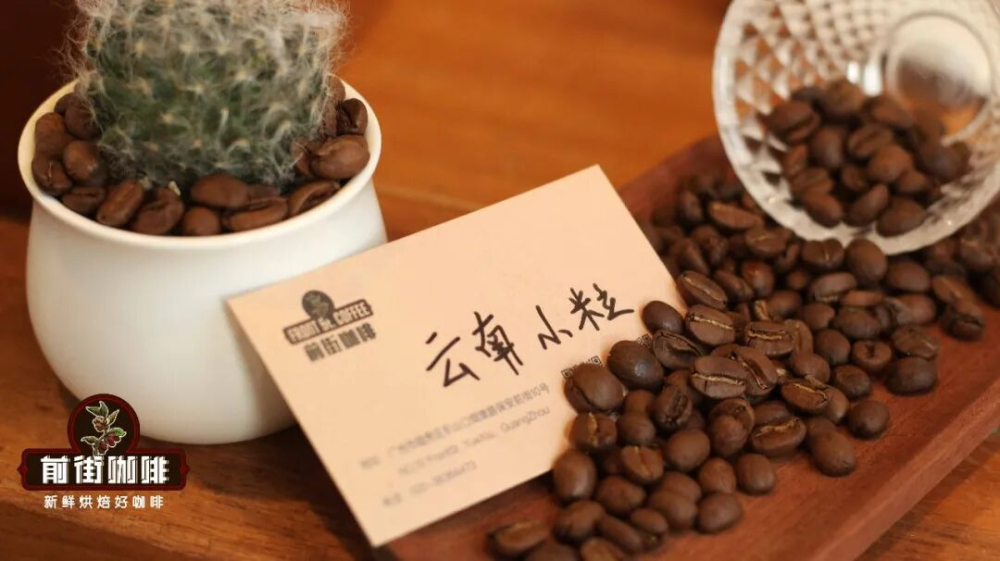
Regarding the classification of coffee beans, many enthusiasts are already familiar with the topic. The most common approach is to distinguish them by origin, country, and variety, such as Front Street Yunnan Small Bean and Front Street Ethiopia Yirgacheffe; another common dimension is roast level, used to present different flavor directions, such as the caramel notes brought by dark roasting, or the lemony acidity of a light roast.
As the saying goes, to do good work, one must first sharpen the tools. According to different extraction methods, coffee beans can likewise be divided into several dedicated categories, with espresso beans and cold brew beans being typical examples.
Digging deeper, you will find that even among raw materials used to make espresso, they can be further divided into commercial coffee beans, home coffee beans, and competition beans based on different usage scenarios and purposes. So what exactly are the differences between them?
Commercial Coffee Beans
When it comes to commercial coffee, the more familiar term may be "commercial coffee." Commercial coffee, also called commodity coffee, stands in contrast to specialty coffee.
If drinking specialty coffee is about savoring the unique terroir of a single origin, then the core logic of commercial coffee is efficiency first and controllable cost. Generally speaking, commercial coffee mainly supplies chain coffee shops, restaurant offerings, instant product manufacturing, as well as retail in supermarkets and chain convenience stores. Large-batch dark roasting, standardized processes, ensuring consistent taste, and focusing on "intense flavor" and "daily necessity"—this is the overall impression commercial coffee leaves on the public.
As the name suggests, commercial coffee beans are products designed specifically for business operation scenarios, mainly appearing in the espresso bean category. To highlight extraction stability, adapt to various fancy coffee drinks, and also offer the advantage of low cost, commercial coffee beans usually blend two or more origins in proportion and adopt a relatively dark roast level—what we commonly call espresso blends.
However, facing different scenario requirements, roasters will make corresponding adjustments when designing specific formulas. For example, Front Street's espresso beans recommended by many baristas—Front Street Black Cocoa Blend and Front Street Commercial Blend—can both be used to open a coffee shop, but due to different purposes, their product positioning also differs noticeably.
Front Street's espresso beans recommended by many baristas—Front Street Black Cocoa Blend—puts cost control first and pursues stable extraction performance during production, so it uses a combination of Yunnan Small Bean and Brazil Red Bourbon, adopts a medium-dark roast, and the espresso it produces always revolves around relatively soft notes like nuts, chocolate, and plum.
Front Street Commercial Blend is positioned to let every barista easily make an espresso with high body, rich caramel aroma, and abundant crema, so it uses the classic combination of Colombia and Brazil, and on that basis adds a small amount of Robusta. Made into an Americano, it carries cocoa-like roasted aromas with a slightly bittersweet finish; made into a latte, it highlights a rich yet balanced mouthfeel, all in line with the traditional espresso style.
Home Coffee Beans
First, Front Street would like to clarify one point: home coffee beans and commercial coffee beans are not opposites; they are simply given different names based on different usage scenarios. As long as they are suitable for home preparation, they can fall under the category of home coffee beans. Therefore, compared with commercial coffee beans, the selection space for home coffee beans is clearly broader.
However, in most cases, because the performance of home equipment (coffee machine plus grinder) ultimately cannot match the commercial machines in coffee shops, and the frequency of making coffee is not high, you may not yet be familiar with the relationship between parameters and flavor. So if you want it to be both tasty and not wasteful, it is best to pay attention to the following three points when choosing beans:
1. Many home espresso machines struggle to stably maintain 9 bar of pressure, and the grinding force is also insufficient, which easily causes uneven coffee grounds and leads to low extraction efficiency. Therefore, first avoid medium-light roasted coffee beans, otherwise the espresso you make will be sour and harsh, and lacking aroma; if you really want to drink coffee with fruity notes, it is recommended to choose medium-roast blends or SOE beans designed specifically for espresso extraction.
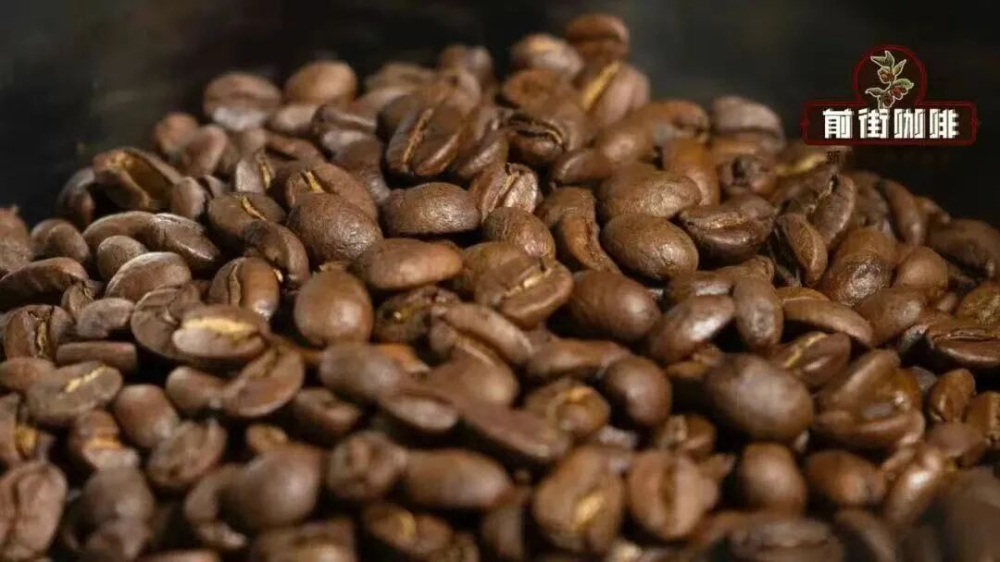
2. If you pursue rich crema and hope to make a cup of espresso with stable taste every day, then it is recommended to prioritize medium-dark roasted coffee beans, that is, products whose flavor descriptions include words like "nuts, toasted bread, butter, cocoa…". For example, espresso made with Front Street Queen's Estate can maintain good balance, always giving off a rich creamy peanut aroma, accompanied by the fresh sweetness of sugarcane, with a cocoa finish.
3. If you have not yet found your favorite taste, you might adopt the strategy of buying home coffee beans in small amounts and trying more. For example, when making daily purchases, directly choose small packaging (within 250g), which allows you to enjoy coffee in its fresh state, try more different styles, and also suits the consumption pace of small households.
Competition Coffee Beans
Theoretically speaking, as long as the officials have not set restrictive conditions, any coffee bean can appear on the competition stage.
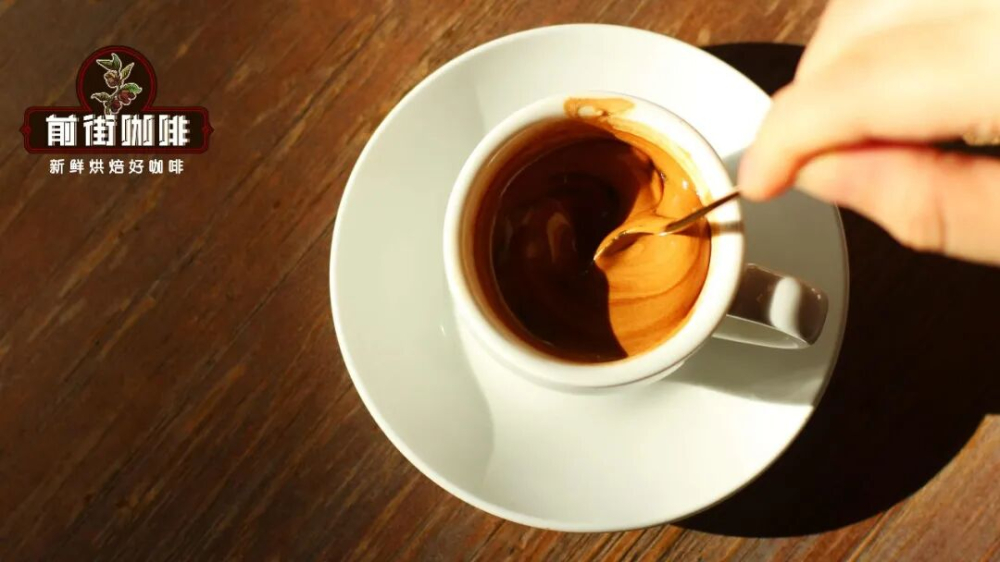
But in some brewing competitions, in order to win the judges' favor and achieve an ideal score, contestants naturally invest a great deal of effort in finding limited-lot coffee beans with unique flavors, strong expressiveness, and outstanding quality.
These beans are either rare varieties or auction-level, and may even have custom processing, after which the corresponding roasting curve is adjusted according to extraction needs, so as to help contestants fully demonstrate their strength on the competition stage. For this very reason, the price of such coffee beans is often far higher than single-origin beans sold on the market, and they may even not be sold to the public at all.
The above content is compiled by CoffeeHunters, a coffee news website.


