







Search Results for: Manba
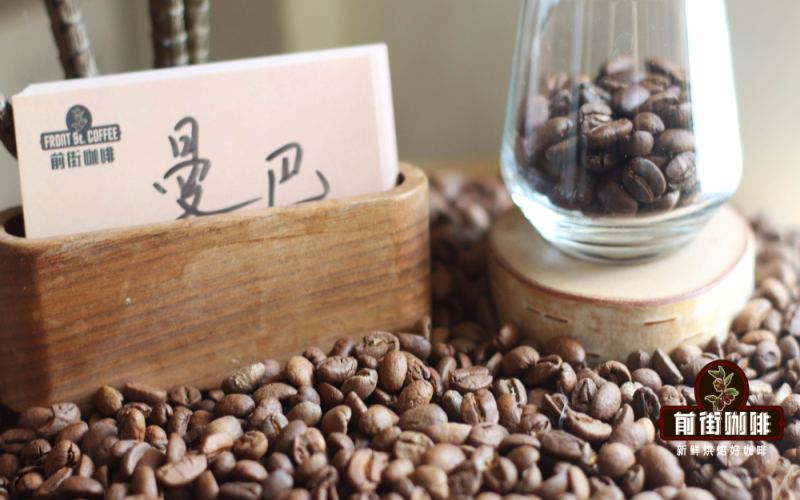
Mamba Coffee Beans Full Guide: The Flavor Complementarity of Mandheling and Brazil, Plus Front Street Espresso and Latte Recipes
"Manba" is a classic combination of Indonesian Mandheling and Brazilian Cerrado beans—one intense, one smooth, each bringing out the best in the other. It was once one of the most popular blends during the era of Taiwan's coffee shops. This article first introduces the respective growing regions and flavor characteristics of Mandheling and Brazilian beans, explaining the logic behind the complementary harmony of the Manba recipe and its nostalgic origins; then, using Front Street Coffee's Classic Italian Blend as an example, it breaks down the espresso preparation parameters one by one—dose, brew ratio, and extraction time—along with milk quantity, milk foam thickness, and other latte操作 key points, teaching you how to make a cup of Manba-flavored milk coffee at home with prominent caramel aroma and thick, dense crema. [more…]
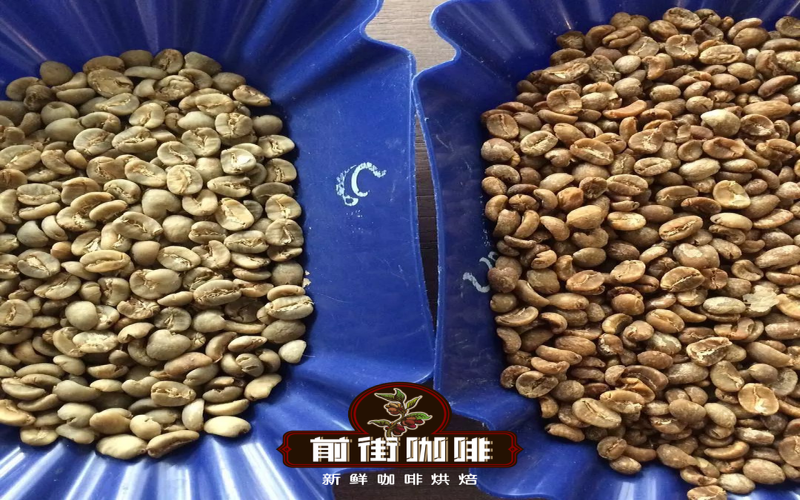
A Complete Guide to the Flavor Characteristics and Aged Processing Method of Sumatra Aged Mandheling Coffee Beans
Aged coffee beans are not simply green beans left to grow old; rather, they are a long-term maturation process that requires strict control of temperature and humidity and regular turning. Among Asian coffee-producing regions, Mandheling from Sumatra, Indonesia, has always been known for its rich, bold character, and aged Mandheling that has rested for several years in cellars or warehouses further softens the fruit acidity, enhances body, and brings out a complex finish reminiscent of caramel, cocoa, nuts, and spices. This article systematically sorts out the processing logic of aged beans, the main producing areas of Sumatra, and the naming classifications of Mandheling, and shares Front Street Coffee's roasting and brewing suggestions for aged Mandheling, helping coffee lovers fully understand the appeal of this bean. [more…]
A Complete Collection of Coffee Names in Chinese and English: From Espresso to Iced Americano, Master Common Coffee Expressions in One Article
Walking into a coffee shop, do you often feel confused by the dazzling array of coffee names on the menu? Espresso, Cappuccino, CafeLatte, Americano... these seemingly familiar words—what coffee flavors do they actually correspond to? This article systematically compiles the Chinese and English names of common types of coffee, covering multiple categories such as Italian classics, French drip, iced coffee series, flavored cappuccino, Americano variations, single-origin coffees, and specialty blended coffees, totaling dozens of Chinese-English coffee comparisons. Whether you are a coffee enthusiast just starting out or a seasoned drinker looking to expand your knowledge, this list can help you quickly build a complete cognitive framework of coffee names. The article also specially includes product recommendations from Front Street Coffee, making it convenient for you, after learning the names, to find the corresponding good beans and experience them yourself. [more…]
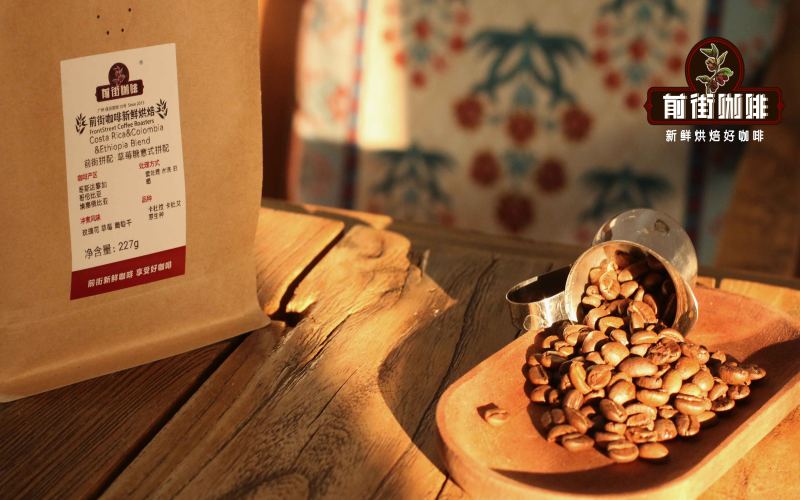
Everyday Home Beans Selection | What's the Difference Between Pour-Over Beans and Espresso Beans? 5 Cost-Effective Espresso Blend Beans for Home Espresso Machines
A coffee shop's espresso recipe is called a House Blend, usually made by blending two or more different single-origin coffees, primarily used to make espresso-based drinks such as cappuccino, Americano, latte, and flat white. Having a bag of espresso beans just like the coffee shop's is how we recreate it at home. [more…]
Can Robusta coffee powder help with weight loss? An analysis of the effects and proper ways to drink Robusta black coffee
Robusta coffee beans, due to their high caffeine content and strong, bitter, full-bodied flavor, are often used in espresso blends and instant coffee. Many people wonder: can drinking Robusta black coffee actually help with weight loss? This article will start with the varietal characteristics of Robusta, its chlorogenic acid content, and its roasting and extraction performance, then sort out the effects of black coffee in boosting metabolism, reducing water retention, and relieving constipation, while also explaining the appropriate daily intake and the optimal timing of drinking it half an hour before exercise. It will also introduce Front Street Coffee's blend products containing a small amount of high-quality Robusta and its fresh-roasting philosophy, helping coffee lovers take a scientific view of Robusta black coffee's weight-loss effects. [more…]
An Analysis of How to Drink Robusta Coffee Powder and Its Fat-Loss Effects: A Complete Overview of Origins, Flavor, and Taste Characteristics
In recent years, drinking coffee has become a daily habit for many people, especially among those pursuing health and body management. Black coffee is highly favored for its diuretic and anti-swelling effects, promotion of intestinal peristalsis, and acceleration of metabolism. However, coffee is not better the more you drink; excessive intake may cause nervous excitement, sleep disturbances, and even stomach discomfort. Meanwhile, Robusta, as a mainstream coffee variety alongside Arabica, occupies an important position in commercial blends and instant products with its high caffeine content and strong, bitter, full-bodied flavor characteristics. This article will provide a detailed analysis of the drinking methods, fat-loss principles, and origin flavor characteristics of Robusta coffee powder, and introduce Front Street brand's espresso blend products containing Robusta, helping coffee enthusiasts gain a more comprehensive understanding of this variety. [more…]
Espresso Single-Origin Beans | Are SOE Beans Suitable for Home Espresso Machines? 10 Recommended Affordable and Delicious Medium-Dark Roast Coffee Beans for Espresso Machines and Moka Pots
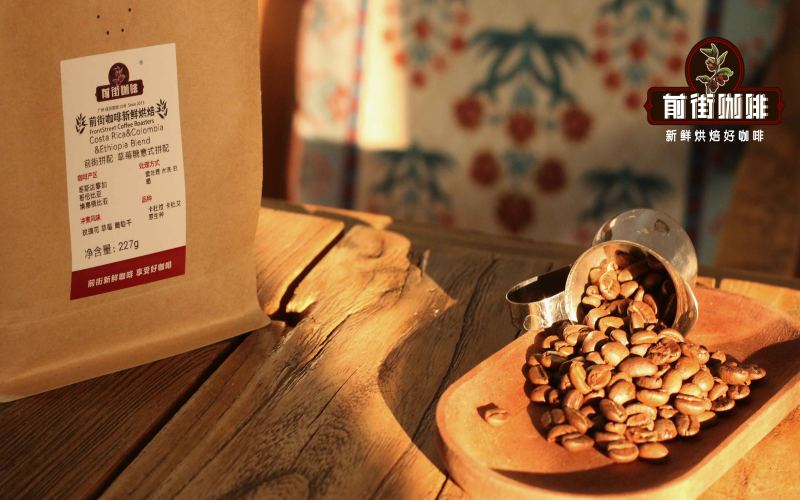
For home coffee machines, it is generally recommended to use coffee beans, because only freshly ground and freshly brewed coffee can deliver the best aroma, while also giving you a richer crema. Nowadays there are many coffee bean brands, and with each brand offering countless different varieties, where can you buy cheap, generous, and great-tasting coffee beans for home use? Home coffee [more…]
Can Front Street Blue Mountain coffee beans be used for espresso? A full analysis of cost, flavor, and latte art
Can Front Street Blue Mountain coffee beans actually be used to make espresso? The answer is, of course they can—but why do so few cafés do it? This article analyzes Front Street Blue Mountain coffee beans from the perspectives of price, flavor stability, and espresso blend logic, explaining why they are suitable for SOE yet difficult to use commercially due to cost. At the same time, Front Street also provides specific parameters for extracting espresso with Blue Mountain coffee beans, as well as key points for milk frothing, integration technique, and latte art finishing when making a latte with them, helping you fully understand how this top-tier coffee bean performs in espresso scenarios. [more…]
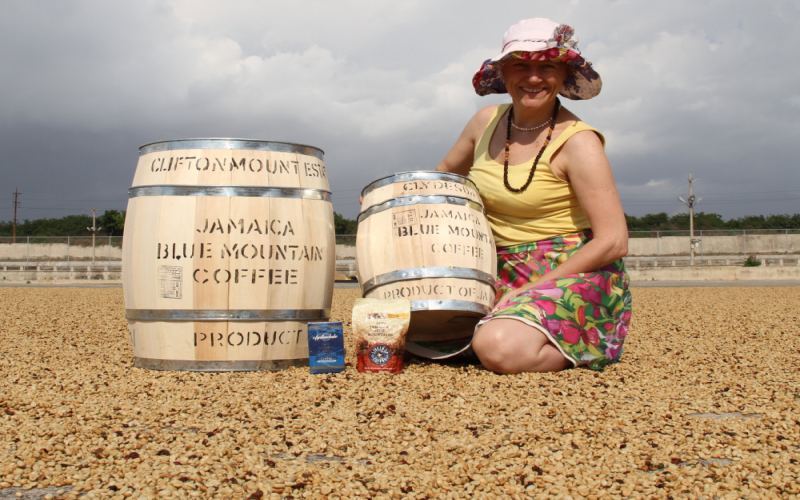
Jamaican Blue Mountain Coffee vs Cappuccino Taste Comparison: Blue Mountain Coffee Bean Grades, Prices, and Key Points for Authenticity Identification
Blue Mountain coffee is often regarded as the pinnacle of coffee, but the market is flooded with products bearing the name "Blue Mountain." What grade do coffee beans truly grown in Jamaica's Blue Mountains actually belong to, why do their prices remain so high, and how does their taste compare with cappuccino? This article, from the perspective of Front Street, sorts out the production region system, grading standards, and historical quota changes of authentic Blue Mountain coffee, introduces the characteristics and brewing suggestions of Clifton Farm Blue Mountain No. 1, distinguishes between Blue Mountain flavor coffee beans and Blue Mountain instant coffee, and finally explains the suitable audiences for Blue Mountain coffee and cappuccino respectively. [more…]
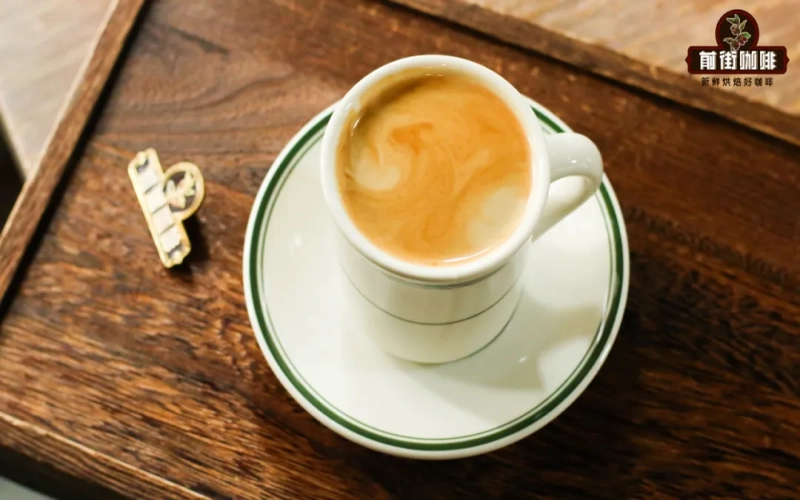
Why Is an Iced Americano Without Ice Often Warm? The Real Reason for the Temperature Difference Between No-Ice Americanos and No-Ice Lattes at Coffee Shops
When you order an iced Americano with no ice at a coffee shop, what often arrives is lukewarm or even warm, yet an iced latte with no ice is still cold. This difference leaves many coffee lovers puzzled. Drawing on the real-world experience of Front Street's stores, this article breaks down the underlying logic of how coffee shops make no-ice coffee, explains why no-ice Americanos are generally warm while no-ice lattes stay cold, and analyzes why coffee shops don't adopt the icing methods used by milk tea shops. Finally, it offers practical alternative ordering tips for those who want a lightly chilled Americano. The article also introduces Front Street's espresso bean series and the characteristics of its classic blend, making it a useful reference for coffee lovers who want to practice latte art at home or open their own shop. [more…]
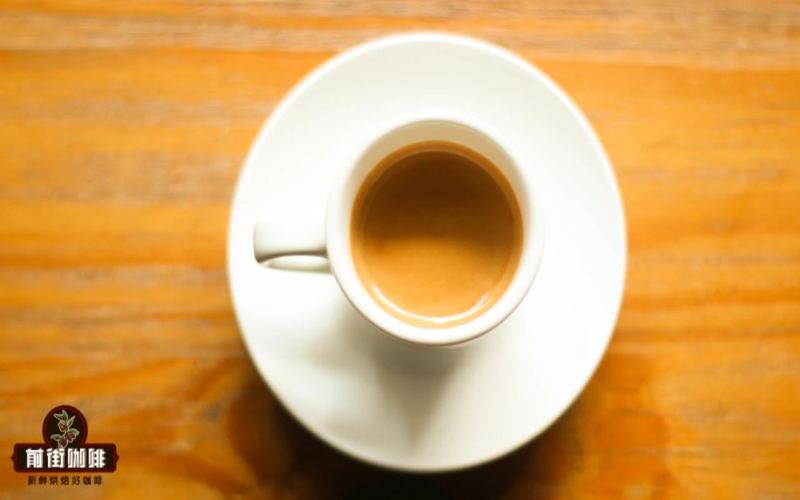
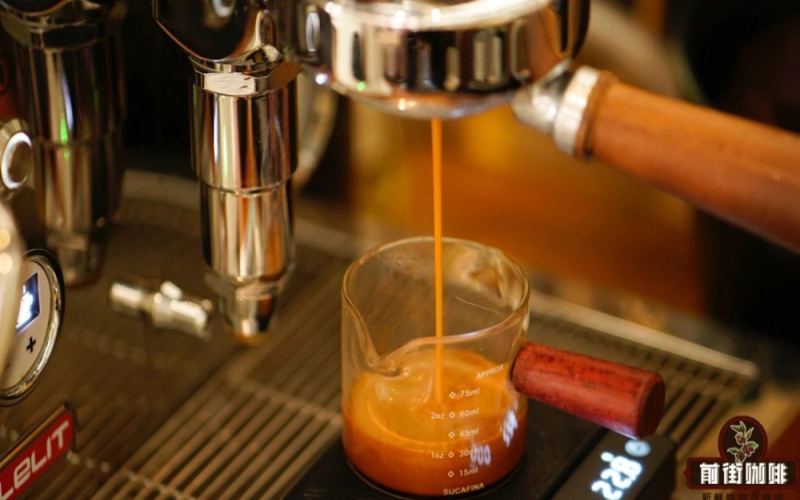
Espresso with little or no crema? A step-by-step analysis of the causes, from freshness and roast level to extraction parameters.
The golden layer of crema on the surface of espresso is often regarded as an important signal for judging the state of extraction. Under normal circumstances, the concentrated liquid will be covered by a golden crema about one-third of its thickness, showing a creamy texture when swirled, with noticeable clinging to the cup wall. If the extracted coffee lacks crema or has thin crema, it often indicates that something in the process has gone wrong—it could be the condition of the coffee beans themselves, or deviations in machine pressure, grind size, or water temperature. This article analyzes multiple factors affecting the amount of crema, including coffee bean freshness, roast level, degree of extraction, coffee machine pressure, and varietal differences, and provides diagnostic approaches for five common problem scenarios. The article also introduces Front Street Coffee's related products in fresh roasting and espresso blends. [more…]
Can Front Street Blue Mountain coffee beans be used for espresso and lattes? A full analysis of cost, flavor, and latte art operation
Can Blue Mountain coffee beans be used to make espresso? The answer is of course they can, but why do cafes rarely do so? Starting from Front Street Blue Mountain coffee beans, this article clarifies the three major considerations in choosing espresso beans—flavor, price, and consistency—calculates the cost per shot of espresso, explains the background of Jamaica's CIB management system and the Typica variety, and gives Front Street's recommended espresso extraction parameters and latte art operating points. If you have plenty of funds and want to use Front Street Blue Mountain coffee beans to make a latte, or even pour a big white heart, this content will explain step by step from extraction to integration, pouring the pattern, and finishing. [more…]
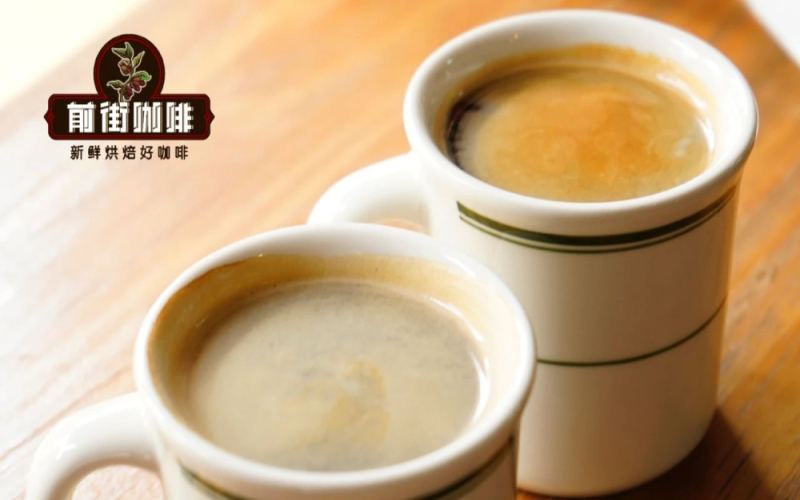
What Is Lungo Coffee? How Does It Differ from Hot Americano and Long Black? A Full Analysis of the Espresso Family
In recent years, many specialty coffee shops have started offering a coffee called "Long Extract." For those not very familiar with the espresso system, this term might be quite unfamiliar. But if we use its original Italian name Lungo, I believe many people would not find it surprising. Lungo is actually a member of the espresso family, standing alongside Ristretto and regular Espresso, with the main difference being the amount of extracted liquid. So how did Lungo come about? How is it different from Americano and Long Black? What details should be noted when making a delicious Lungo? This article will start from the evolution history of espresso, answer these questions one by one, and share Front Street Coffee's suggestions on bean selection. [more…]
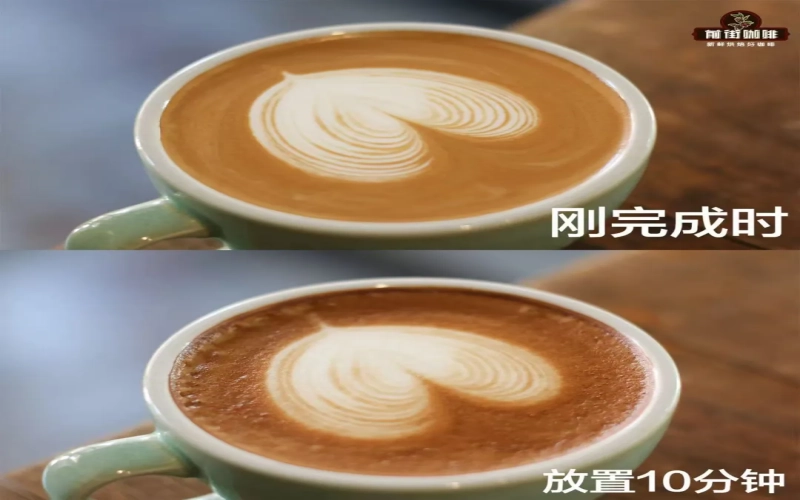
Why Does Latte Milk Foam Dissipate Quickly? A Detailed Explanation of the Factors Affecting Stability and Frothing Techniques
A freshly made latte has a silky smooth surface, but after sitting for a moment it develops a rough, uneven texture—this is the process of milk foam collapsing. Milk foam is essentially foam formed when air is injected into milk, and when left to stand, it separates due to density differences, with small bubbles gradually merging and bursting. The speed of collapse depends on foam stability, which is affected by multiple factors such as steaming technique, milk temperature, and coffee bean freshness. Drawing on Front Street Coffee's store experience, this article systematically analyzes the major reasons behind rapid latte foam collapse and offers practical improvement suggestions to help coffee enthusiasts enhance their latte art quality and taste experience. [more…]
Italian Espresso Flavor and Grind Setting Analysis: The Art of Extracting Traditional Italian Beans
Espresso is the essence of Italian coffee culture and the soul cornerstone of coffee shops worldwide. From the birth of the first espresso machine in 1884 to the revolution brought by the lever-style coffee machine in 1948 with crema, espresso has continuously evolved. This article will guide you through the flavor characteristics of Espresso, three extraction types (Ristretto, Normale, Lungo), and the roasting orientation of traditional Italian beans. At the same time, Front Street Coffee will share recommendations for classic blends and strawberry candy espresso, and provide a detailed explanation of how to extract a rich and aromatic Italian espresso using Front Street Dark Cocoa Blend, including key parameters such as dose, grind setting, and extraction time. [more…]
Flavor Characteristics and Tasting Methods of Espresso: From Traditional Italian Beans to an Analysis of Three Extraction Types
Espresso is the soul cornerstone of coffee shops worldwide. From Americanos and lattes to cappuccinos, none of them can do without this small cup of rich coffee liquid. This article starts with the historical origins of espresso, tracing the key evolution of Italian coffee machines from 1884 to 1948, and analyzes the formation logic of crema and the tradition of dark roasting. It also introduces in detail the differences in extraction parameters among the three types of espresso—Ristretto, Normale, and Lungo—and, combining the flavor characteristics of Front Street Classic Blend and Front Street Strawberry Candy Espresso, explains the scenarios for which traditional Italian-style beans and floral-fruity flavor profiles are each suited. Finally, using Front Street Dark Cocoa Blend as an example, it fully demonstrates the production process and tasting method for a cup of rich, full-bodied espresso. [more…]