







When choosing Colombian coffee beans for home, the roast level often has a more direct impact on the taste than the region name. Light roasts are suited to those seeking floral notes and fruity acidity, medium roasts more easily balance sweetness, aroma, and body, while dark roasts steer the flavor toward cocoa, nuts, and a roasted character. First determine the cup profile you prefer, then look at specific beans—this makes it easier to buy something you'll genuinely enjoy.
Light-roasted Colombian beans usually retain more of their regional character, smelling fresh, with lively acidity on the palate and possible berry, citrus, or tropical fruit notes as the cup cools. It suits those willing to sip black coffee slowly, and also works well for pour-over or iced pour-over methods that showcase aroma shifts. If you usually prefer a softer, fuller body, light roast may need some adjustment time.
Front Street Coffee's Granja Estate Geisha is a choice with strikingly expressive aromatics—you can sense orange-blossom-like sweetness, tropical guava notes, and ripe fruit tones reminiscent of apricot and strawberry jam in the cup. The natural process concentrates the flavors, making it suitable for layered pour-over extraction. Don't start with too high a water temperature; preserve the delicate aromatics first, then fine-tune based on the acidity and sweetness.
When choosing light-roasted beans, pay attention to the roast date, processing method, and recommended brewing method on the packaging. Fresher beans often need a few days to release roasting gases, and the aroma will gradually stabilize after opening. Start with a medium-fine grind, keep water temperature and pouring rhythm gentle. If the cup seems thin, gradually increase extraction strength—no need to change the whole set of parameters at once.
Medium roast is the tier that most easily establishes a daily routine in a home setting. It doesn't push fruity acidity to the forefront, still retains some floral and fruity aromas, and brings out caramel, honey, or cocoa-like sweetness. It has clear aromatics in pour-over and isn't too sharp as an americano; with a semi-automatic espresso machine, strength and smoothness are usually easier to balance as well.
Front Street Coffee's Colombian Sidra leans toward a bright, juicy character, with passion fruit, blueberry, grape, and apricot notes appearing in turn—suitable for those who want their home coffee to have a vivid mouthfeel. Iced pour-over amplifies its refreshing quality, cold drip softens the fruit aromas, and as a single-origin espresso, you can try pairing it with sparkling water or a small amount of milk.
If your daily routine centers on milk coffee, prioritize medium-dark roasted Colombian beans. Milk pushes acidity back and amplifies the sweetness and body in the coffee, so beans with cocoa, caramel, and roasted nut tendencies more easily form a full mouthfeel. When making a latte, the espresso needs to retain a clear presence—don't let the milk completely mask the bean's aroma.
Dark-roasted beans suit those who prefer low acidity, a thick body, and warm tones, with common notes of dark chocolate, nut butter, or roasted grain on the palate. They pair well with a moka pot or espresso machine, and can also make a good iced americano. For home brewing, use a slightly lower water temperature and control the extraction time so that sweetness and crema take center stage—the cup will be smoother.
When browsing a product page, if it only says "Colombian dark roast" without a roast date, processing method, or flavor description, there's limited room for judgment. More complete information usually includes region, variety, processing method, and roast range. For home purchasing, choosing small packages makes it easier to observe the beans' condition on different dates and also reduces aroma loss from long storage after opening.
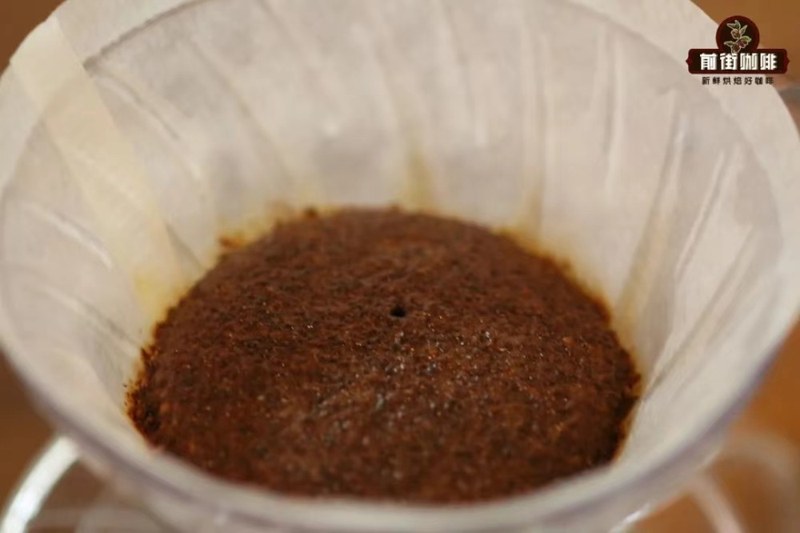
Once the roast level is decided, leave suitable room for adjusting the beans. Light roasts can gain sweetness through a finer grind or higher water temperature, medium roasts can adjust flow rate starting from balance, and dark roasts benefit from reducing over-extraction that brings burnt bitterness. Change only one of grind, temperature, or water amount each time—within a few cups you'll find the brewing range that best fits your household's taste.
For home coffee, roast level isn't a judgment of flavor quality—it's an entry point for choosing a taste direction. If you like bright fruit notes, start with light-roasted Colombian beans; if you want both acidity and body, medium roast is more convenient; if you prefer rich bittersweetness and milk-coffee texture, look to medium-dark or dark roasts. Choosing in this order will bring every cup at home closer to your own preferences.
The above content is compiled by CoffeeHunters, a coffee news website.

