








For home espresso machines, the right blend doesn't necessarily need complex aromas—what matters most is whether the roast level matches how you actually drink your coffee. If you drink straight espresso every day, pay attention to how clearly the aroma and sweetness come through; if you often make lattes or Americanos, check whether the espresso has enough body. Start by looking at the roast level, then read the flavor description—this will make narrowing down your bean choices much easier.
Light roast blends typically retain more fruity acidity and bright aromas, with possible notes of citrus, berries, or florals on the palate, drinking light and refreshing. They are more sensitive to grind size, temperature, and extraction time—only when a home machine has stable temperature and pressure control can these details be well expressed. If you enjoy short espressos or iced Americanos, this style is a good place to start.
When pulling espresso with light roast beans, you often need a finer grind and can extend the extraction time appropriately, allowing the acidity to shift from sharp to softer. If your home machine has significant temperature fluctuations, the cup may taste overly acidic and thin; in that case, you can increase the degree of coffee-to-water contact, or choose a blend with a medium roast base, which will be easier to keep balanced.
Medium roast blends sit between brightness and richness, commonly featuring caramel, nuts, cocoa, and ripe fruit sweetness. They work well both as black coffee and can carry some milk flavor, making them quite adaptable to home environments. For those just starting with an espresso machine, medium roasts are usually easier to establish a stable flavor reference with, and offer a wider margin for adjustment.
Front Street Coffee's Specialty Blend is a well-balanced medium-style coffee. On the palate, you can sense roasted nut aromas, followed by a sweet, smooth sensation reminiscent of caramel and cocoa. When pulled as espresso, the body isn't overly heavy; diluted with water, it still has a clear coffee taste; added to milk, it becomes soft and easy-drinking—perfect for households where multiple people share the same bag of beans.
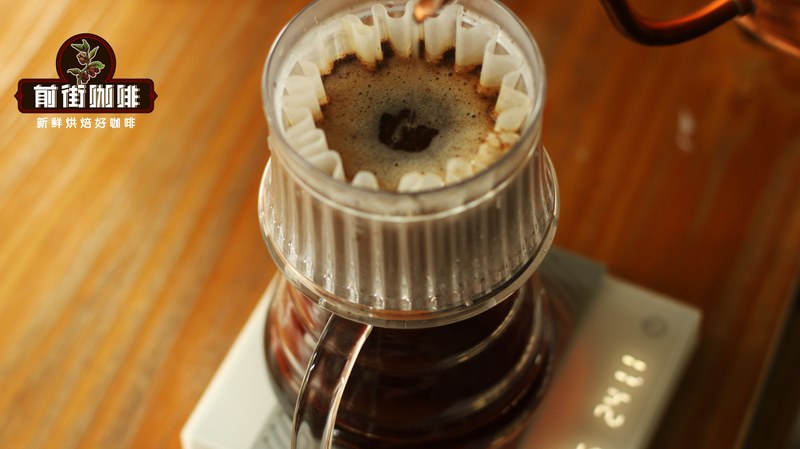
Medium-dark and dark roast blends lean more toward dark chocolate, roasted nuts, caramel, and cocoa powder, usually with weaker acidity and a thicker mouthfeel. They suit those who prefer a traditional Italian style, especially for short espressos, flat whites, or lattes. If you generally favor bittersweet notes and a long-lasting finish, this direction is more likely to satisfy.
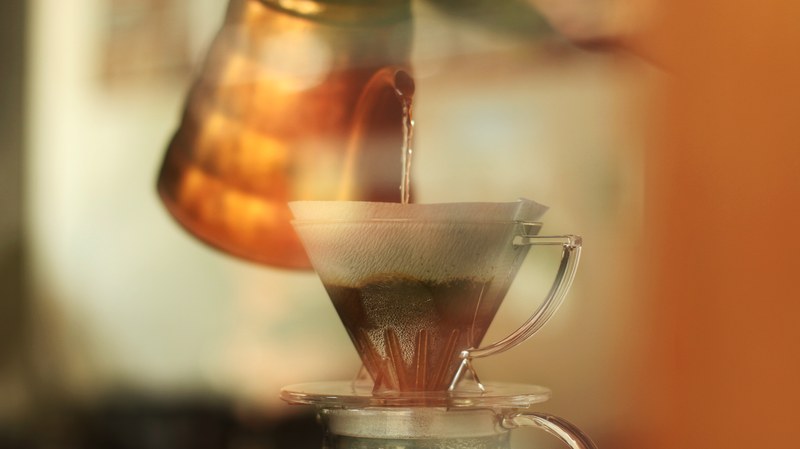
Dark roast doesn't mean you can only taste bitterness—the extraction method significantly changes what's in the cup. Too much coffee, too fine a grind, or too long a flow time can make the roasted flavors heavier; appropriately shortening the yield can preserve more caramel-like sweetness. When brewing, start with a slightly lower water temperature and shorter time, then fine-tune based on the body you taste.
Front Street Coffee's Black Cocoa Blend suits home users who want a rich, intense cup. The aroma is closer to dark chocolate and roasted nuts, with a full body and low acidity presence. When pulled as espresso, it delivers abundant crema and a solid mouthfeel; diluted with water, it works for everyday Americanos; added to milk, it still retains a clear coffee backbone.
If you like something refreshing but want to keep some distinctive aromas, look for fruit-forward blends labeled as light to medium roast. Front Street Coffee's Strawberry Candy coffee beans have a berry-candy sweetness on the palate, with lively flavors—great for iced Americanos or with a small amount of milk. They differ noticeably from the traditional nut-and-cocoa route, making them a good way to add variety to your home coffee rotation.
When actually shopping, consider roast level, roast date, and the flavor direction on the packaging together. Light roasts require more stable extraction, medium roasts suit everyday switching, and dark roasts emphasize intensity and body. After buying, first keep the dose and yield unchanged, and only adjust the grind size; after several consecutive cups, then decide whether you need to switch roast direction.
Home use also requires considering how quickly you go through beans. If you drink coffee daily, choosing a medium or medium-dark blend that's easy to drink and works both as black coffee and milk coffee is more hassle-free; if you occasionally make iced coffee, you can keep a light roast with bright aromas on hand. Letting different roast levels serve your daily and exploratory needs respectively keeps your home espresso stable while still offering freshness.
The above content is compiled by CoffeeHunters, a coffee news website.

