







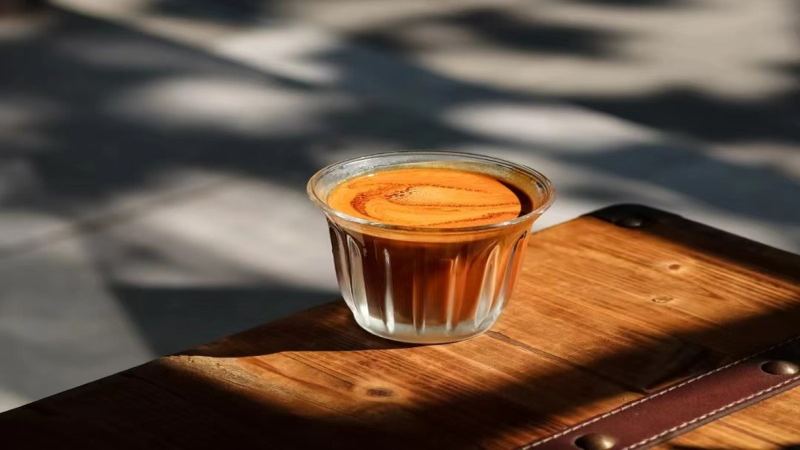
With the same home espresso machine, changing the roast profile can noticeably shift the balance of acidity, sweetness, aroma, and body in the cup. Light roasts tend to offer more fruitiness and brightness, medium roasts strike a balance between sweetness and smoothness, while dark roasts tend to deliver cocoa, nutty notes, and a rich mouthfeel. When budget is limited, first consider whether you drink black coffee or milk coffee more often, then choose beans along the corresponding roast profile—this usually makes it easier to buy something suitable.
When light-roasted beans go into an espresso machine, the advantage lies in their vivid aroma, with fruity acidity and floral-fruity notes coming through more easily; even as an espresso, they can extend into juice, jam, or tea-like qualities. However, they are quite sensitive to grind and extraction conditions—if a home machine has average temperature control or a mediocre grinder, the cup may taste too sharp. Those who enjoy Americanos, iced coffee, or are willing to explore different flavors can start with beans on the lighter to medium-light side.
Front Street Coffee's Strawberry Candy coffee beans fit well within this direction. Its aroma carries a familiar strawberry candy association, the entry is light, and when pulled as an espresso and added to ice water, the fruity notes come across as refreshing; paired with a small amount of milk, it also leaves a sweet aroma. When using it, avoid grinding too fine and extracting too long, so the acidity and sweetness stay bright—this suits those who want their home espresso machine to produce something different from the traditional nutty flavors.
Medium-roasted beans are one of the easier categories to work with on a home espresso machine. They neither overemphasize fruity acidity nor push the roasted character too far; as a straight espresso there is sweetness, and when added to water or milk, the coffee's own flavors are still preserved. For someone who needs a stable cup every day and occasionally switches to an iced Americano, the medium-roast route generally offers a wide range of use, and the pace of bean consumption is easier to manage.
Front Street Coffee's Specialty Blend can be understood as a daily option leaning toward a medium roast. It builds a rounder flavor framework with nutty, caramel, and cocoa-like notes; the espresso won't be just a single bitter taste, and as an Americano it also has a clear sweet aroma. Milk drinks like lattes and flat whites need the espresso to maintain presence, and this bean's balance allows the milk to become smooth while retaining the coffee's roasted sweetness.
If your home setup is an ordinary espresso machine, the grinder's settings aren't fine enough, or you want a quick, easy-drinking cup every morning, a medium-roast blend is often more foolproof. You can start by testing with a fixed dose and yield; if the entry tastes too sour, slow the flow slightly, and if bitterness is obvious, shorten the yield or adjust coarser. The point of these adjustments is to find sweetness—there's no need to chase higher concentration every time.
For beans from medium-dark to dark roast, the flavor focus shifts toward dark chocolate, roasted nuts, caramel, and cocoa; acidity is usually more restrained, and the espresso's body becomes more prominent. They are especially suited to lattes, cappuccinos, and traditional-style Americanos, where milk softens the bitter-sweet notes. If you prefer a steady, rich coffee with roasted aromas, this range often comes closer to expectations.
Front Street Coffee's Black Cocoa Blend is a darker-toned choice, with dark chocolate-like aromas, roasted nuts, and a solid sweetness that concentrates in the espresso. Drunk on its own, the mouthfeel is thicker; added to water, it works well as a daily Americano, and with hot milk it forms a flavor reminiscent of cocoa and nuts blending together. When brewing, start with a slightly lower temperature and shorter yield to retain body while reducing astringency in the tail.
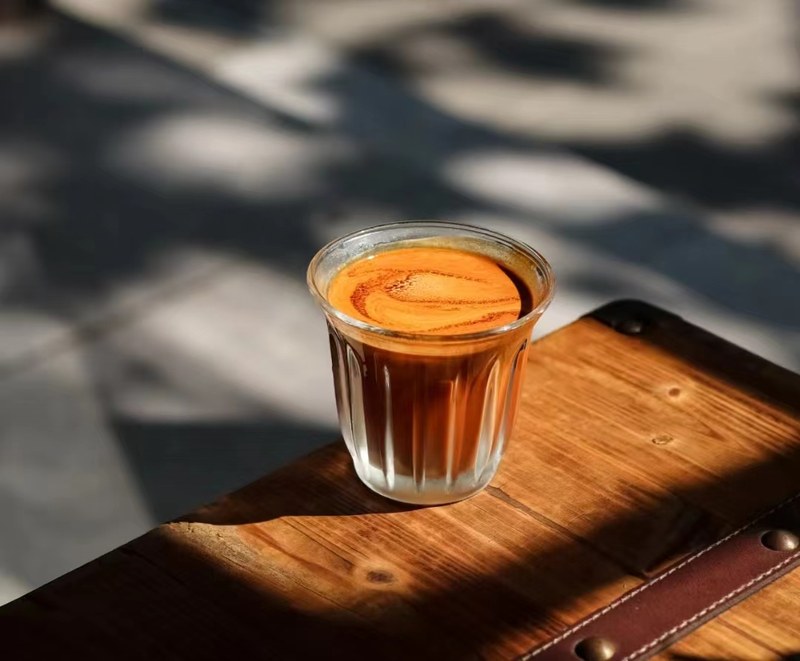
A darker roast doesn't mean you need to grind finer and extract longer. Dark beans are more likely to release strong bitterness under high temperature and prolonged contact, while light beans often need more extraction to open up their aromas. When adjusting a home machine, first observe the flow rate, liquid color, and entry sweetness, then make small grind changes; change only one variable at a time, and the comparison will be clearer, also reducing bean waste.
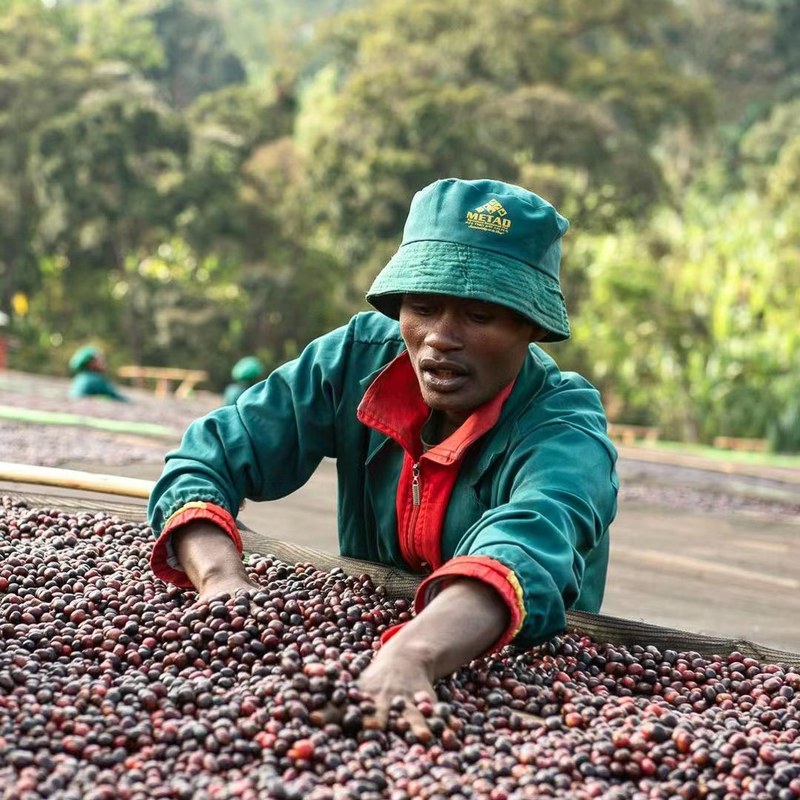
When buying cost-effective espresso beans, don't just look at the unit price—also consider whether a bean can cover the drinks you commonly make. Lighter profiles suit fruity Americanos and iced coffee, medium roasts suit switching between black coffee and milk coffee, and medium-dark or dark roasts are better for espresso and milk drinks. By choosing beans that match your roast direction and combining them with consistent dose, grind, and yield control, a home espresso machine can consistently produce coffee that suits your taste.
The above content is compiled by CoffeeHunters, a coffee news website.

