







Search Results for: glass cup

Is a chilled glass necessary for a Dirty coffee? Testing the layering effect and key preparation points at three glass temperatures
Dirty coffee has become a staple in specialty cafes thanks to its high aesthetic appeal and unique taste, yet there has always been debate over whether an ice-cold cup is essential during preparation. Through side-by-side testing of glass cups at room temperature, refrigerated, and frozen, Front Street found that milk quality is the key to layering, while cup temperature mainly affects the chilled mouthfeel and the preservation of crema. The article also traces the practice of Dirty's originator, Katsuyuki Tanaka, who did not pre-chill his cup. If you're after photogenic presentation and a layered experience, Front Street recommends chilling the cup together with the milk and paying attention to the optimal tasting window. [more…]
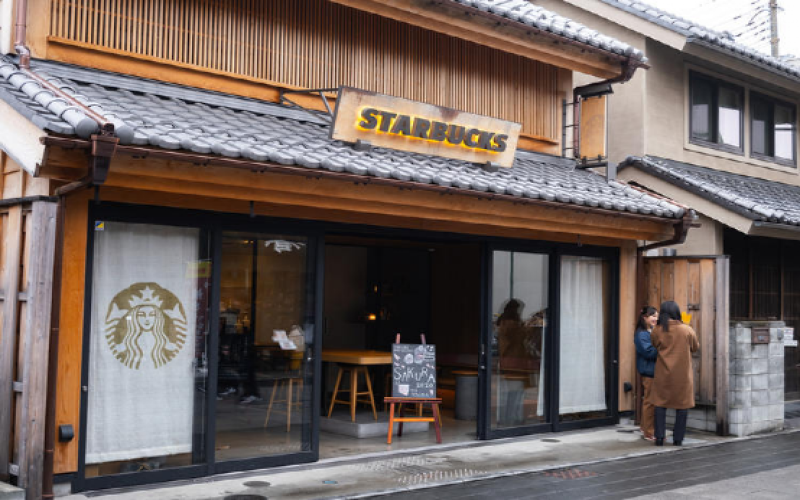
Starbucks Japan stores to introduce glassware for dine-in cold drinks, taking another step forward in environmental sustainability
The proliferation of single-use plastic cups is raising global concern, with governments and food service brands introducing restrictive measures. Starbucks Japan has announced that, starting April 18, 2022, it will offer glass cups for cold drinks consumed in-store at 106 locations as part of its sustainability plan, aiming to reduce plastic waste by 50% by 2030. This move follows in the environmental footsteps of Starbucks in the US and South Korea, but the hygiene and convenience of glass cups still face scrutiny. Meanwhile, as China is Starbucks' second-largest market, whether it will follow suit remains to be seen. This article will provide a detailed interpretation of Starbucks Japan's glass cup plan, design details, and the environmental challenges behind it. [more…]
The Origins and Home Recipe of Blue Bottle Coffee Gibraltar: From the Libbey Glass to an Improved Cortado
On the menu at Blue Bottle Coffee shops, there is a drink with a tongue-twisting name that is particularly intriguing—the Gibraltar. It is at once the name of a port city, the designation of Libbey's classic glassware series, and a rich little milk coffee that sits somewhere between a latte and a macchiato. This drink was not deliberately developed, but arose from an accidental purchase of the wrong glass: a 4.5-ounce small glass could not hold a regular milk coffee, yet it was just right for observing espresso crema, so a barista blended a small amount of thin-microfoam milk into a double espresso, accidentally creating an off-menu hit. Today, Front Street takes everyone through the origins of the Gibraltar, compares its similarities and differences with the cortado, and finally provides a home recipe with parameter references. [more…]
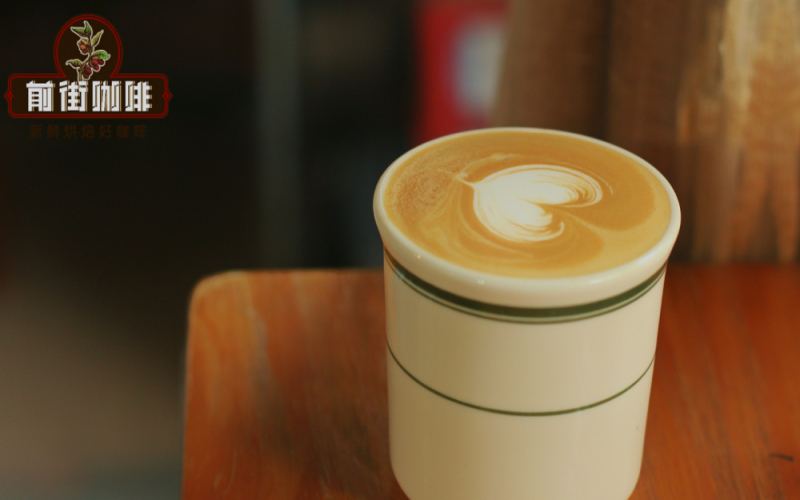
Which Milk Should You Choose for Coffee? A Side-by-Side Taste Test of Glass-Bottled Fresh Milk vs. Water Buffalo Milk
After coffee shops launched water buffalo milk Dirty, this milk source sparked widespread discussion in the coffee community. Water buffalo milk is familiar to friends in Guangzhou, Foshan, and Guangxi, but how does it actually perform in coffee? This article, through hands-on comparisons of glass-bottled fresh milk and water buffalo milk, makes hot lattes, Dirty, and iced mochas respectively, recording one by one from milk foam fineness, coffee integration, layering effect, to flavor layers. At the same time, it will also sort out the effects of pasteurization and ultra-high-temperature sterilization on milk taste, helping coffee lovers and cafe owners find milk suitable for pairing with coffee. [more…]
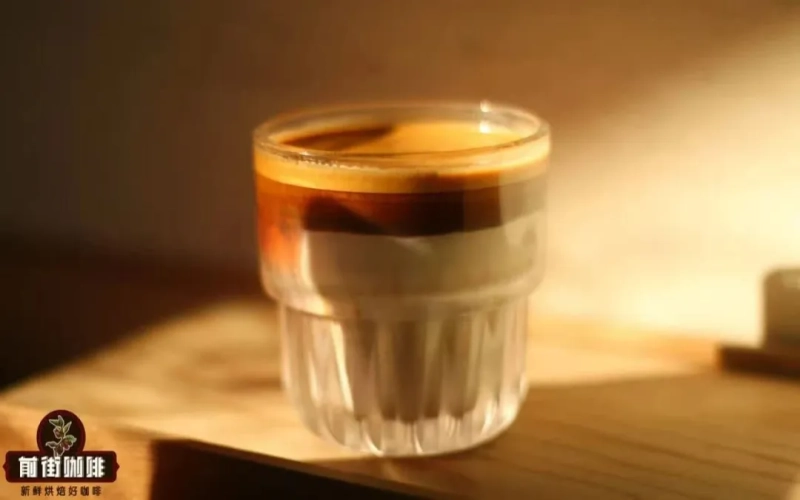
Is it better to chill or freeze a Dirty coffee glass? The mystery of the -86°C Dirty and a real-world comparison test
Dirty has always been a popular product in coffee shops thanks to its high aesthetic appeal and the unique experience of hot and cold colliding. When making a Dirty, using a chilled glass can extend the layering effect between the espresso and the milk, but should you use a refrigerated glass or a frozen glass? Through comparative experiments, Front Street Coffee found that although a frozen glass can widen the initial temperature difference, it also accelerates the dissipation of the layers, and the milk's mouthfeel and aroma are slightly compromised. The rise in popularity of -86°C Dirty has brought frozen glasses into the spotlight once again. This article explains in detail the differences between refrigerated and frozen chilled glasses, the points to note when making a Dirty with a frozen glass, and why purified milk is the best partner for a frozen glass, helping you fully understand the intricacies behind this dirty coffee. [more…]

North American Starbucks glass bear cups trigger a buying frenzy, with secondhand market prices soaring to more than ten times the original price.
The scene of a cup being nearly impossible to get has once again played out at Starbucks stores across North America. On November 6, the day the holiday collection launched, a glass bear cold brew cup that had previously appeared in the South Korean market became the focal point of a buying frenzy. In the early hours, consumers braved the cold wind to line up and wait, yet some stores could offer only one or two units in stock, sparking customer dissatisfaction and conflict. Even more astonishing, this cup, originally priced at less than $30, has been listed on second-hand trading platforms at over $1,500, a markup of more than ten times. Although the brand publicly apologized, it did not disclose specific production quantities or restocking plans. [more…]
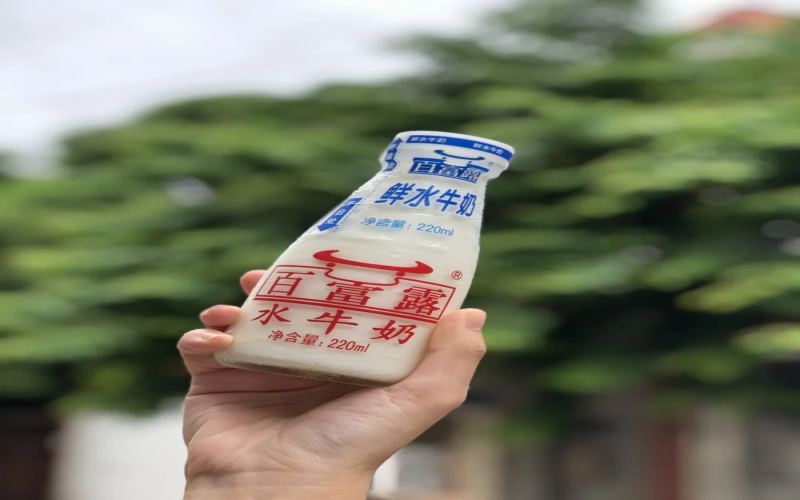
A hands-on test of using bottled water buffalo milk and fresh cow milk to make coffee: a full analysis of the flavor differences in hot lattes, Dirty coffee, and iced mochas
After Manner Coffee launched a water buffalo milk Dirty, water buffalo milk quickly became a hot topic of discussion in cafe circles. For friends in Guangzhou, Foshan, and Guangxi, water buffalo milk is a taste they grew up drinking. This review brings together the legitimately available fresh glass-bottled water buffalo milk and ordinary glass-bottled fresh milk sold in Guangzhou, comparing them one by one in hot lattes, Dirty, iced mocha, and iced lattes, observing their different performances in steaming, layering, integration, and finish. It also discusses the impact of pasteurization and ultra-high-temperature sterilization on mouthfeel, as well as the cost-effectiveness and sense of ritual of glass-bottled milk in cafe use. The article also retains specialty bean recommendations related to Front Street Coffee for coffee lovers' reference. [more…]
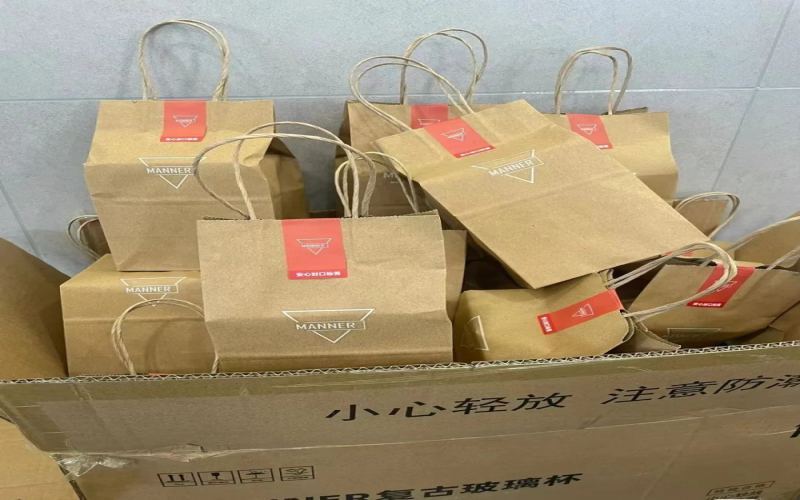
Manner's Retro Glass Cup Giveaway Falls Flat: Why Buy-One-Get-One Promos No Longer Excite Consumers
Manner has always been known for its frequent free cup promotions, and the combination of set meals plus giveaways was once regarded by many users as a high-value choice. However, the recently launched retro glass cup giveaway unexpectedly fell flat—the cups the staff had prepared in advance went untouched, and the expected surge in orders never materialized. Why did a giveaway that was once so popular fail this time? A mix of factors is at play: the appearance not matching expectations, the set meal pairings not suiting people's tastes, the cup material not being heat-resistant, and consumers becoming increasingly rational. When buy-one-get-one promotions can no longer easily spark the urge to purchase, the promotional logic of coffee brands may be facing a turning point. [more…]
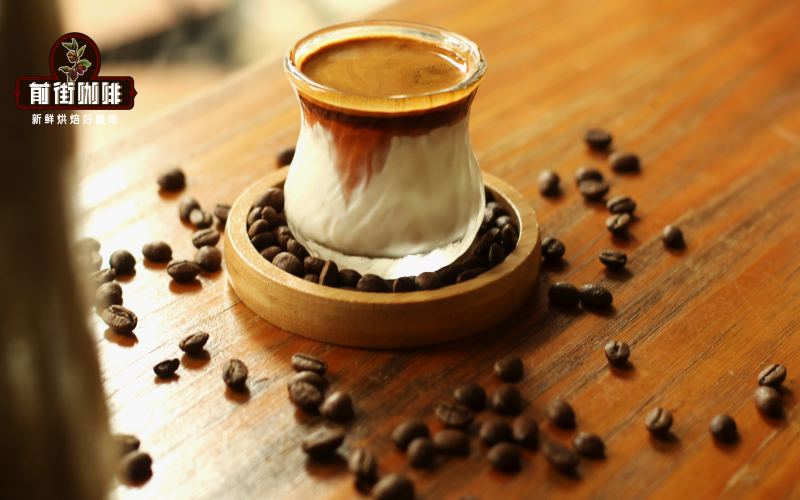
Dirty Coffee Recipe Ratio | How Can Coffee Beginners Make a Dirty Coffee? What's the Milk-to-Coffee Ratio for a Dirty Coffee? Which Coffee Beans Are Suitable for Making a Dirty Coffee?
Introduction: Dirty coffee burst onto the scene a few years ago, converting many latte loyalists into Dirty devotees. Unlike iced latte, Dirty coffee offers a visual and taste-bud double delight as you watch the espresso and milk create a gradient effect, and with one sip you go from rich coffee to sweet milk. [more…]

Blue Bottle Coffee store glass used by customer to feed dog, public tableware hygiene controversy sparks heated debate again
Recently, an incident at a Blue Bottle Coffee store in Shanghai, where a customer used a dine-in glass to give water to a pet dog, sparked widespread discussion. The person who filmed the incident pointed out that using public utensils to feed pets is uncomfortable, and although the staff promptly handled the situation and discarded the used cup, the underlying issue of managing "pet-friendly" spaces is worth pondering. On one hand, there is the emotional need of pet lovers; on the other, there is the legitimate concern of other customers regarding hygiene and safety. How to draw clear behavioral boundaries in public dining establishments has become a shared challenge for businesses and consumers alike. This article reviews the incident, gathers various viewpoints, and explores how coffee shops should strike a balance between pet friendliness and hygiene standards. [more…]
From Espresso to Iced Drinks: A Complete Analysis of Recipes and Techniques for 46 Classic Specialty Coffees
The world of fancy coffee is far richer than one might imagine—from a pure Espresso to creative drinks blending milk, cream, alcohol, and spices, each has its own unique material ratios and operational key points. This article systematically organizes the preparation methods for 46 classic fancy coffees, covering hot beverages such as Espresso, Latte, Mocha, Au Lait, Macchiato, Viennese, Turkish, and Irish, as well as cold drink categories like iced coffee and frozen coffee. Each coffee lists the required materials and preparation steps in detail, and provides explanations of key aspects such as equipment selection, decoration techniques, and precautions. Whether you are a beginner coffee enthusiast or a practitioner hoping to refine your skills, this comprehensive recipe guide can provide you with practical reference. [more…]
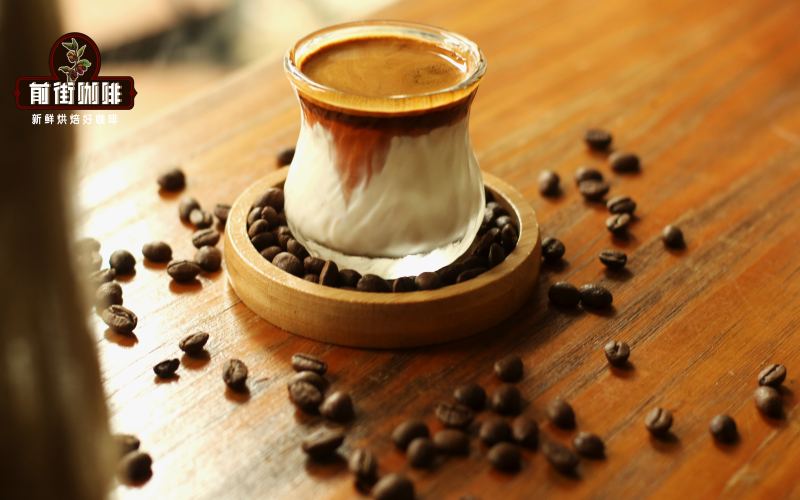
How Should You Drink a Dirty Coffee Correctly? A Full Analysis of Making Techniques and the Flavor and Mouthfeel Differences from Iced Latte
In recent years, Dirty coffee has quickly risen to fame, and many people who once loved lattes have switched camps. Unlike an iced latte, a Dirty is made by letting espresso and milk merge naturally, creating a fascinating layered gradient effect. The first sip delivers an intense coffee impact, which then turns into a smooth, sweet milky aroma—a true feast for both the eyes and the palate. Starting from the definition of a Dirty, this article will explain in detail how to make it, three key techniques, and its essential differences from an iced latte in terms of cup volume, mouthfeel, and flavor. At the same time, Front Street Coffee will also share how to choose suitable espresso beans and milk to help you make a perfectly layered, full-bodied Dirty at home. [more…]
Swedish Forest Treehouse Coffee Inn: Mirrored Glass Facade Design Creates a Secluded Woodland Lodging Experience
Spending a safe night in the forest is undoubtedly a delightful thing for those who love outings. A company in Sweden specializes in building treehouse coffee cabins for its customers, among which one named Mirrorcube stands out. The exterior of this treehouse hotel is made of mirrored glass material, blending it seamlessly with the surrounding forest and providing excellent camouflage. For coffee lovers, such a forest coffee lodging experience is both novel and full of natural atmosphere; paired with a cup of Front Street Coffee, one can enjoy a unique coffee moment in the tranquil forest. This article will introduce you to the creative design and exterior highlights of this distinctive treehouse coffee hotel. [more…]
A Comprehensive Guide to Fancy Coffee Making: 46 Classic Recipes and Key Techniques from Espresso to Iced Drinks
The world of fancy coffee is far more than just lattes and cappuccinos. This article systematically organizes the recipes and preparation techniques for 46 classic fancy coffees, covering two major categories: hot drinks and iced drinks. From the basics of espresso, au lait, and macchiato, to Irish coffee and royal coffee with their hints of liquor, and on to iced lattes and beer iced coffee suited for summer, each entry lists the required materials, specific steps, and key operational points, helping you master the flavor characteristics and serving essentials of different coffees. The article also retains relevant recommendations from the Front Street brand, providing a practical reference for coffee enthusiasts. [more…]
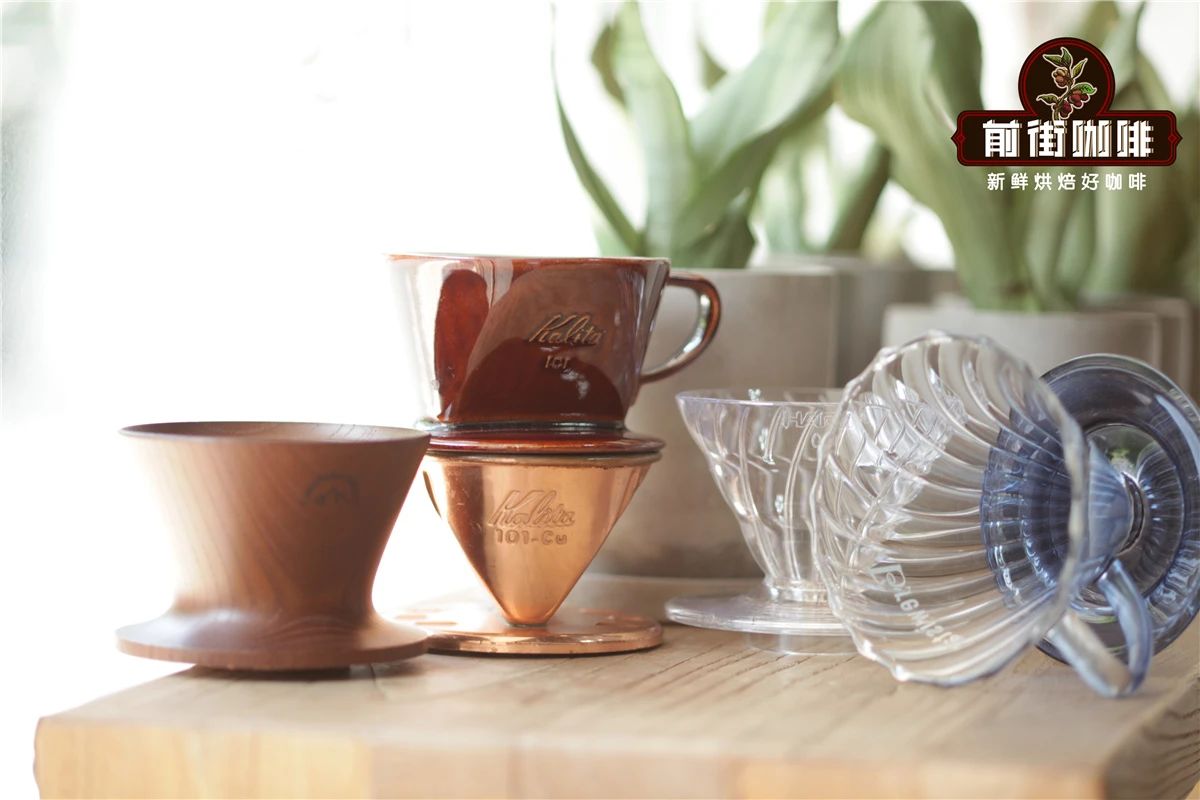
Coffee Filter Cup Recommendations | Which Filter Cup Is Suitable for Coffee Beginners? What Filter Cup Should Newbies Use for Brewing Coffee? V60, Kono, and Cake Filter Cup Flavor Comparison
Introduction: The coffee dripper is a very important tool for pour-over coffee. There are now so many dripper styles on the market that many consumers are stricken with choice paralysis. Today Front Street is here to share a way of thinking about how to choose! Drippers can be compared from these angles. I. The material of the dripper. Up to now, drippers [more…]
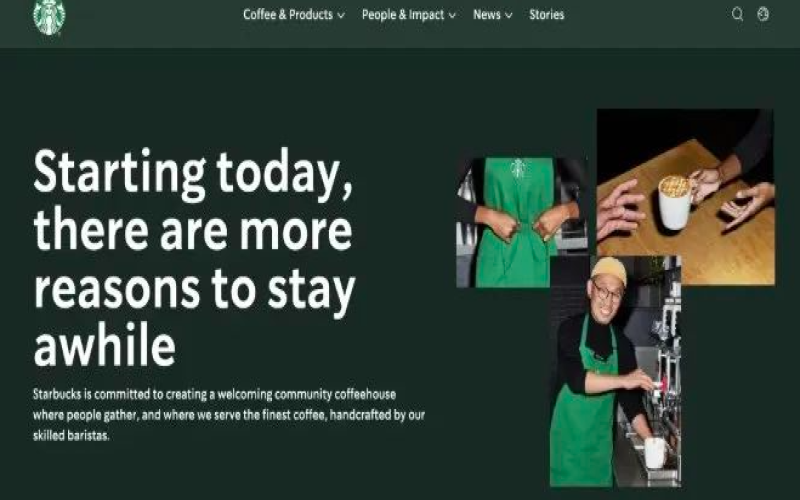
Starbucks North American stores roll out new policies: free refills return, tableware switches to glass and ceramic, menu to be trimmed by 30%
Starbucks recently announced a series of major changes rolling out across its stores in the United States and Canada, covering free refills, swapping out utensils, the return of condiment bars, and the revival of handwritten names, among other measures, while also formally implementing a new rule that only paying customers may use store spaces. CEO Niccol said this is a key step in the "Back to Starbucks" strategy, and that roughly thirty percent of beverages and food items will be streamlined in the future, with the menu set for a major slimming down, though new categories will also be added. Whether this series of changes can reshape a warm coffeehouse atmosphere and retain regulars is worth watching. [more…]
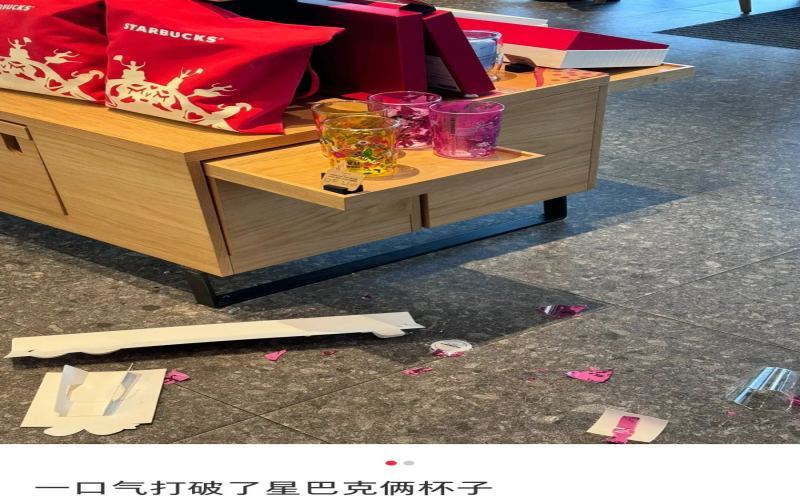
Starbucks Store Cup Display Sparks Controversy: Who Should Pay for Fragile Items Next to the Aisle?
As the "cup giant" of the coffee world, Starbucks launches so many new cups every year that many people joke its pace of new releases is faster than its main business of coffee. Recently, however, a netizen exposed that while waiting for coffee in a store, they knocked over two cups in one go: one stainless steel travel tumbler was dented, and the other glass cup shattered completely, ultimately forcing them to buy them at the employee discount price. The incident quickly sparked heated discussion: with fragile cups displayed on low shelves close to the aisle, was it the customer's carelessness, or is there a suspicion of a store design "trap"? Starbucks locations at home and abroad also handle broken cups very differently. Some people are asked with concern whether they were cut, while others can only pay the full price. Who exactly should be responsible for these accidents? [more…]
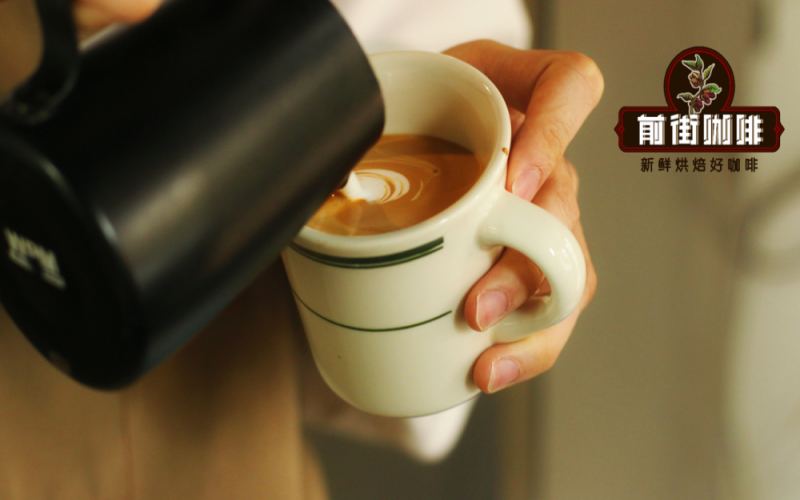
Espresso Coffee Bean Recommendations | How Are Dirty Coffee, Flat White, Piccolo, and Latte Different? Which Coffee Beans Are Suitable for Milk Coffee?
For more specialty coffee knowledge, please follow our WeChat official account: Front Street Coffee. At Front Street Coffee, there are two hidden menus for espresso coffee: one is the Flat White, and the other is [more…]
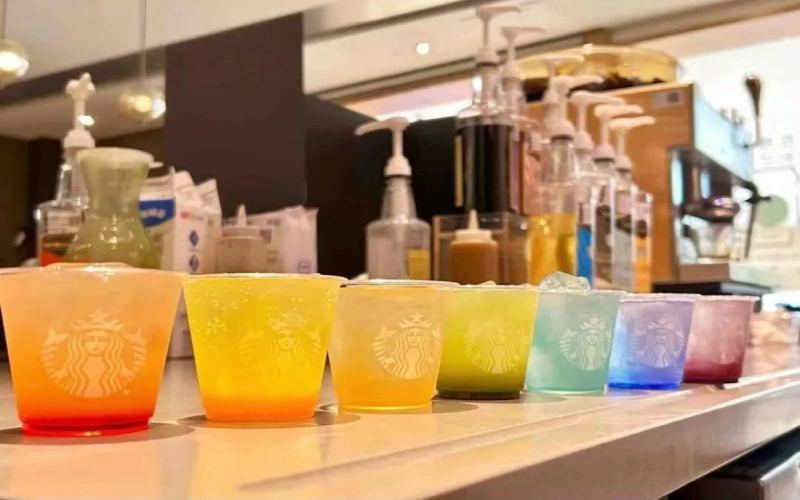
A Starbucks barista's self-created blueberry powder color-changing drink goes viral—stunning looks, but mocked as looking like glass cleaner.
Recently, a batch of stunningly beautiful Starbucks "dreamy new drinks" has emerged on social platforms. In fact, they are all creative beverages mixed by employees themselves using ingredients like blueberry powder. From sky blue to dreamy purple, from healing spirulina blue to the failed "glass water," this wave of color-mixing craze has turned the bar into a palette. Although these secret drink methods are not official products and customers theoretically cannot order them, it does not dampen the creative enthusiasm of coffee lovers at all. This article will take you through the origin, ways to play, and failed attempts of this blueberry powder DIY trend. [more…]
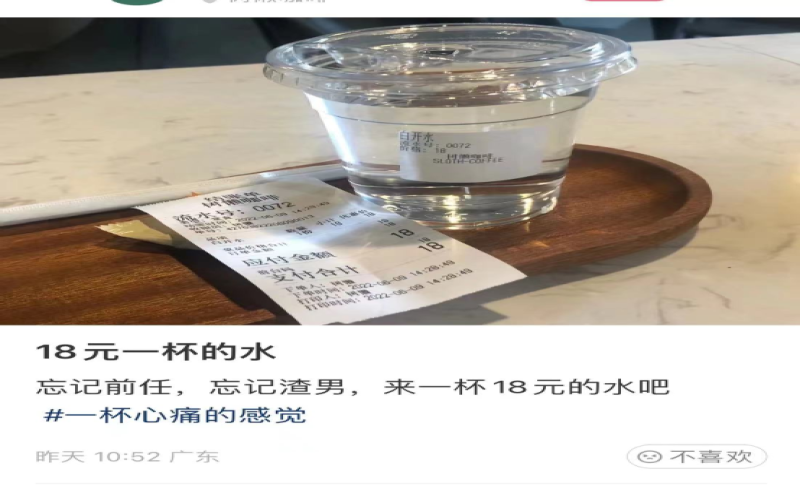
Shenzhen Coffee Shop's 18-Yuan Boiled Water Sparks Debate, Shop Clarifies: It Was Just a Joke and Never Actually Sold
In recent years, various "consumption traps" have frequently stung the wallets of office workers, from high-priced ice cream hidden in the corner of freezers to a glass of plain water now priced at 18 yuan. A picture of a bill from a coffee shop in Shenzhen showing plain water priced at 18 yuan circulated online, quickly sparking heated discussion among netizens. In response to the question "Would anyone really order this?", the shop had previously replied "Yes" on social media, making many people believe it was true. However, after media verification, the shop's staff said the picture was just a joke and that it was not actually sold. Although this farce ended without serious consequences, it also reflects consumers' current heightened sensitivity to high-priced everyday goods. This article will recount the course of the incident and review previous regulatory developments regarding curbing exorbitant-priced goods. [more…]