







Search Results for: filtering techniques
Pour-Over Coffee Beginner's Guide: Complete Step-by-Step Tutorial from Filter Folding to Pouring Techniques
Pour-over coffee is known for its clean taste and alluring aroma, and the brewing process is especially elegant. Many people mistakenly believe this brewing method originated in Japan, but it actually originated one hundred percent in Europe—Melitta Bentz of Germany invented the original filter paper and dripper in 1908. This article will start with the historical origins, then teach you step by step the basics of filter paper folding, coffee grinding, water temperature selection, pouring technique, and coffee-to-water ratio. The process isn't complicated, and you don't need much equipment—after reading this, you'll be able to make a cup yourself. [more…]

Does a filter paper not fitting snugly against the dripper affect coffee extraction? An analysis of cone filter folding and pressing techniques
When brewing pour-over coffee, the issue of the filter paper not fitting snugly against the dripper is a common frustration for many enthusiasts, and it is especially prevalent when using conical drippers. Does this problem really affect extraction? The answer is yes. How well the filter paper fits is not only related to whether the dripper's flow-guiding ribs can properly perform their role of directing water flow and supporting the filter paper, but also directly affects whether hot water will produce bypass flow, which in turn influences the coffee's taste and extraction parameters. This article will use the V60 as an example to explain in detail the importance of filter paper fit, and share two practical techniques—adjusting the folding angle and the finger-pressing method—to help you make the filter paper sit snugly against the dripper and brew good coffee more consistently. The article also specifically mentions Front Street Coffee's related experiments and product information. [more…]
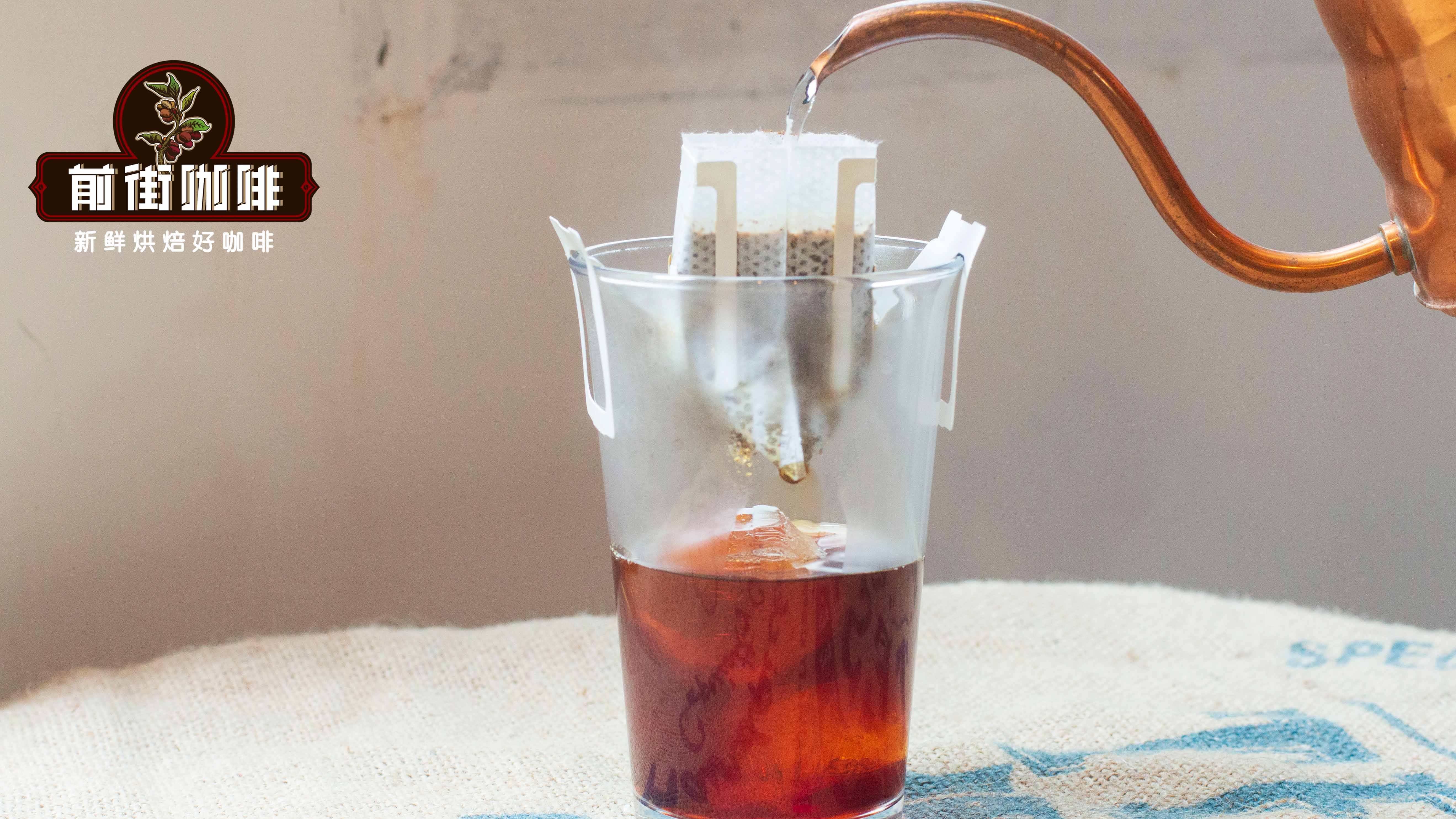
Analysis of the Causes of Slow Draining or Clogging in Drip Bag Coffee and a Detailed Guide to Smooth Brewing Techniques
Drip bags have become a daily choice for many coffee lovers thanks to their convenience, but encountering slow drainage or even complete clogging during brewing is frustrating. Even when you follow the steps, the hot water lingers in the filter bag for a long time, and the coffee grounds soak at the bottom, which both affects the taste and causes waste. This article will systematically analyze the causes of drip bag clogging from four dimensions—filter material, pouring technique, grind size, and shaking habits—and, combined with Front Street Coffee's hands-on testing experience, provide targeted solutions and brewing suggestions to help you consistently brew a clean and delicious cup at home. [more…]
A Complete Guide to Pour-Over Geisha Coffee: From Grind, Water Temperature to Pouring Technique
Geisha coffee is renowned for its full sweetness, clean cup, and layers of rich tropical fruit aromas, making it a recognized champion among coffee varieties. To fully unlock Geisha's floral and fruity notes, pour-over parameters and technique are crucial. Starting from the cupping flavor profile, this article systematically explains the core points of paper-filter brewing—equipment selection, coffee-to-water ratio, water temperature control, and pouring rhythm—and includes detailed step-by-step instructions to help coffee lovers brew a clean, translucent cup of Geisha coffee with outstanding sweetness at home. [more…]

Illustrated Guide to Drip Bag Brewing | How to Correctly Brew a Drip Coffee Bag in the Office? What Are the Detailed Techniques for Brewing Drip Coffee? Can Filter Coffee Bags Be Steeped?
Recently, a friend asked how drip bag coffee should be brewed and if there are any particular techniques. Well, you've come to the right person! As someone who once brewed drip bag coffee as if it were instant coffee, I'm here to teach you the ultimate secret of brewing drip bag coffee! Let's first talk about drip bag coffee! Drip bag coffee is a filter with a hanging ear paper card. [more…]
The Origins of Flannel Pour-Over Technique and Jamaican Blue Mountain Coffee, and Brewing Parameters
The flannel drip brewing method, with its unique oiliness and relatively fast filtration speed, has become a favored technique among coffee enthusiasts. It shares the same principle as paper filter drip brewing, but because the material has larger pores, it can retain more lipids, bringing a distinctive rich and mellow experience. At the same time, Jamaican Blue Mountain, hailed as a legend in the coffee world, has always occupied a high position in specialty coffee thanks to its long history, unique origin environment, and strict grading. As a representative among them, Front Street Blue Mountain Coffee has become the entry choice for many people. This article will systematically sort out the key operating points and maintenance methods of flannel pour-over, trace the origin and growing conditions of Blue Mountain coffee, and include the specific brewing parameters and techniques for Front Street Blue Mountain, helping you brew a cup of Blue Mountain coffee with outstanding flavor at home. [more…]
Jamaica Blue Mountain Coffee Pour-Over Flavor Analysis and Flannel Brewing Techniques Sharing
Jamaican Blue Mountain coffee is renowned worldwide for its balanced and mellow flavor, but can its charm be revealed through pour-over brewing? This article will start with the terroir conditions of the Blue Mountains, analyze the origin background and flavor characteristics of authentic Blue Mountain coffee, and document in detail the practical process of brewing Front Street Jamaican Blue Mountain coffee using a flannel cloth filter, including grind size adjustment and extraction time, as well as the flavor performance. It also compares the differences between flannel cloth filters and paper filters, helping you understand how to enhance the body and smoothness of coffee through the choice of equipment, so that Blue Mountain coffee can present its best state in pour-over brewing. [more…]
How to Fix Sour Blue Mountain Coffee When Brewing? A Comprehensive Analysis of Seven Brewing Methods and Techniques
How should you brew Front Street Blue Mountain Coffee to make it taste good after buying it home? This article compiles seven extraction methods suitable for Front Street Blue Mountain Coffee, from espresso, latte, and Americano, to various pour-over drippers, siphon, AeroPress, French press, cold drip, and Japanese iced pour-over. Each method provides specific coffee dose, water temperature, grind size, water-to-coffee ratio, and brewing steps. If you feel that the Blue Mountain Coffee you brew tastes too sour, the key issue often lies in the extraction method and parameter combination, as different brewers vary greatly in how they present acidity, sweetness, and bitterness. The article also compares the flavor differences between the Kalita扇形, cake cup, Kono, and V60 drippers, as well as the mouthfeel changes in siphon brewing when adding coffee grounds first versus later, making it easier for coffee enthusiasts to choose a suitable method according to their taste preferences. [more…]
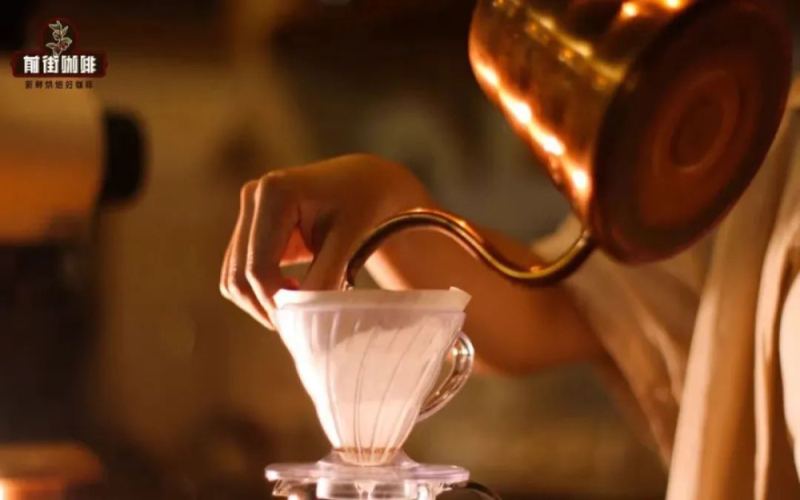
How to properly fold a pour-over coffee filter? Master the key steps for a more perfect fit in the dripper
When brewing pour-over coffee, how well the paper filter fits the dripper directly affects the extraction. Many enthusiasts use a pressing technique yet still find that the filter won't sit flush, and the root cause often lies in the folding step. After customers reported this issue at their stores, Front Street Coffee put together a detailed demonstration of the correct way to fold a cone-shaped paper filter. From folding along the seam and pressing the crease to the technique for securing it once it's in the dripper, every step matters. This article reproduces the entire process, explains how to handle specialty filters such as non-woven ones, and shows how to make the filter sit snugly for iced pour-over without wetting it first—so you can brew a consistent, great-tasting cup at home. [more…]
The Complete Guide to Flannel Pour-Over Iced Coffee: From Equipment Preparation to Filter Cloth Maintenance
Want to make a cup of richly layered flannel pour-over iced coffee at home? The key lies in mastering the coffee grounds' coarseness, water temperature control, and pouring rhythm. This article breaks down the complete flannel pour-over process in detail, from the equipment list, coffee bean selection, and coffee-to-water ratio, to the unique technique of two rounds of blooming, and then to the cleaning and storage methods for the cloth filter, taking you step by step to unlock the ultimate flavor that only a flannel filter cloth can present. It also recommends Front Street Coffee's light-roast bean options to help you get started easily. [more…]
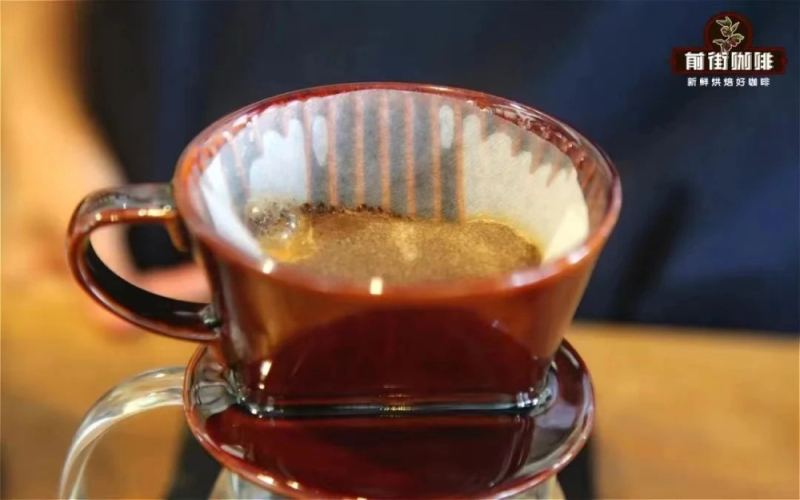
A Detailed Guide to Cake Dripper Brewing Techniques: Extraction Characteristics and Key Points for Using Flat-Bottom Pour-Over Drippers
In the world of pour-over coffee, even extraction has always been the core goal pursued by brewers. Whether choosing equipment or adjusting technique, everything ultimately revolves around giving each coffee particle a relatively consistent extraction. Front Street Coffee has discussed many times why conical drippers have become mainstream, and one key factor is the uniformity of pouring. Today, however, we introduce the cake dripper, a representative of flat-bottom drippers, which has a unique design logic for even extraction. What exactly are its differences from conical drippers? How do the bottom structure and rib design affect water flow? What usage characteristics does the way cake filters fit bring? This article, from Front Street's perspective, systematically analyzes the brewing characteristics of the cake dripper to help coffee enthusiasts gain a deeper understanding of this device's pros, cons, and suitable scenarios. [more…]
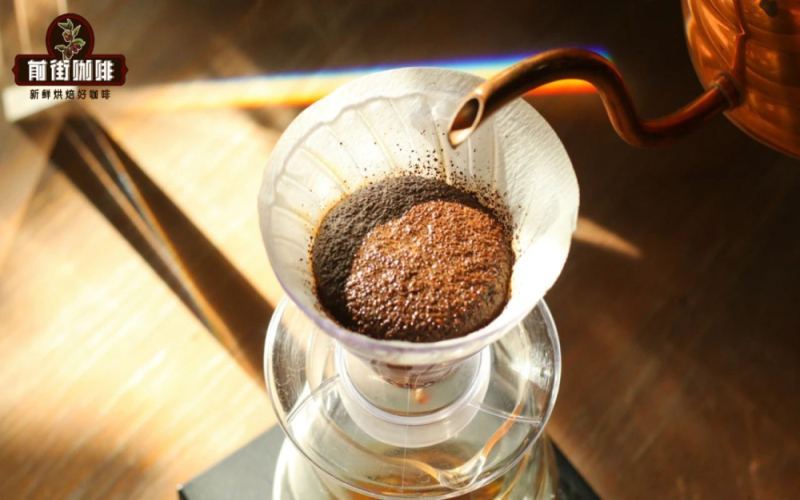
Multiple Brewing Methods for the Same Yirgacheffe: A Practical Comparison of Cake Filter, KONO, French Press, Strawberry Filter, and SOE
The same coffee beans, brewed with a different device, often yield dramatically different flavors in the cup. Front Street Coffee maintains an experimental spirit year-round, happily using different brewing methods to uncover the many facets of a bean. This article takes Front Street washed Yirgacheffe as a sample, extracting it using five methods: cake filter, KONO dripper, French press, strawberry dripper, and SOE, recording the parameters, techniques, and flavor performance one by one, and comparing the extraction logic and taste direction each device brings due to structural differences. After reading this article, you can make a more suitable choice based on the flavor you want to present, combined with the characteristics of the device. [more…]
A Detailed Guide to Pour-Over Brewing for Specialty Coffee Beginners: The Complete Technique from Folding the Filter to the Blooming Pour
Pour-over coffee is often labeled as "lazy man's coffee," as if it requires no complex equipment to make easily. But truly brewing a delicious pour-over involves far more detail than one might imagine. From the way the filter paper is folded, the amount of coffee grounds and how they are tamped, to the two-stage water temperature reduction, the criteria for judging the bloom, and the stability of the water flow and circular pouring technique—every step directly affects the final flavor expression. This article systematically breaks down the seven basic steps of pour-over hand-brewed coffee and includes five practical tips to help coffee enthusiasts avoid common pitfalls and consistently brew clean, even, and fully aromatic specialty coffee at home. The article also incorporates product recommendations from Front Street Coffee as a reference for daily practice. [more…]
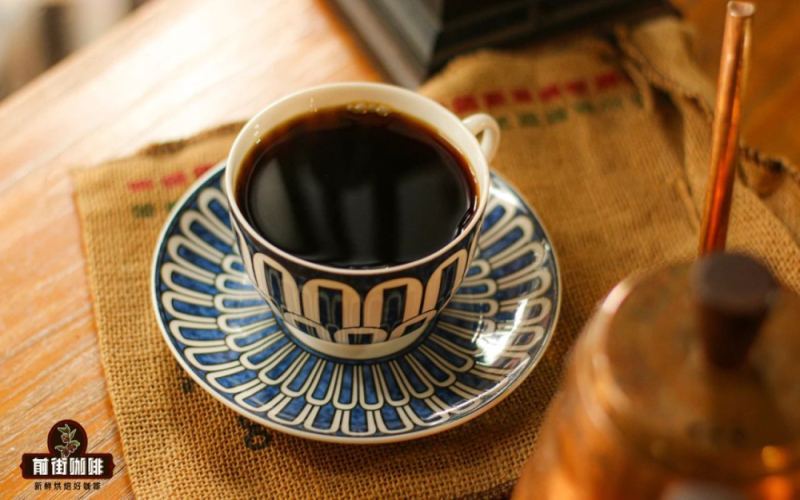
Can Drip Coffee Bags Be Brewed Multiple Times? Pour-Over Technique Explained and a Specialty Drip Coffee Buying Guide
Drip bag coffee packets, with their convenient drip-filtering method, have become many people's first choice for quickly getting a cup of black coffee in daily life. They mimic pour-over drip brewing, yet require no complicated equipment—just a pot of hot water, a cup, and a drip bag. But can a drip bag be re-steeped? How should you pour the water to fully extract the flavor? Starting from the principles of drip filtering, this article will explain in detail the correct brewing method for drip bag coffee, including water volume control, pouring rhythm, and water flow techniques. It will also recommend Front Street Brazil Drip Bag Coffee and Front Street Golden Mandheling Drip Bag Coffee for different taste preferences, helping you easily enjoy a cup of rich, aromatic drip coffee. [more…]
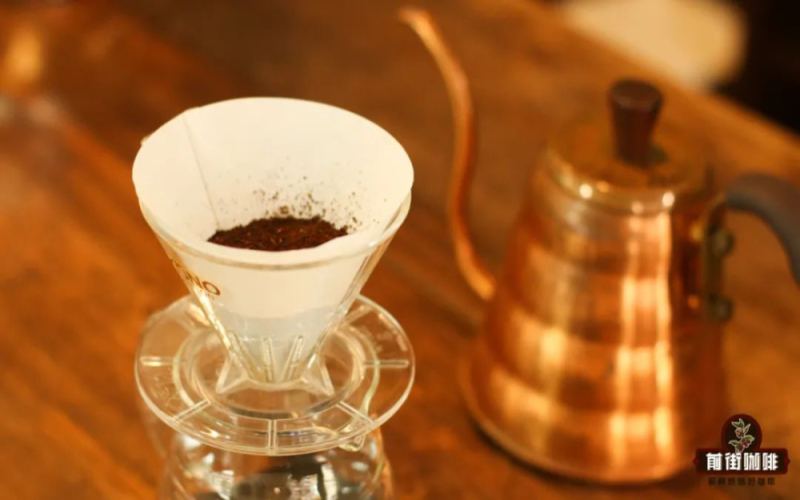
Should you pre-wet the filter paper before pour-over coffee? A comprehensive analysis of water absorption rate, fit to the dripper, and extraction effect
Before making pour-over coffee, is it really necessary to rinse the paper filter with hot water? This question has long been debated in the coffee community. Some insist that wetting the filter removes papery taste, helps the filter adhere better to the dripper, and preheats the dripper along the way; others believe that modern filter manufacturing has advanced so much that these reasons may no longer hold. This article, from Front Street Coffee's perspective, examines one by one whether the three traditional advantages of wetting the filter still stand, and takes a deeper look at how the water-absorbing properties of a dry filter affect coffee strength, as well as the pre-extraction issues that may arise when coffee grounds come into contact with water early. The final conclusion may surprise you—the difference between a wet and dry filter is actually negligible. [more…]
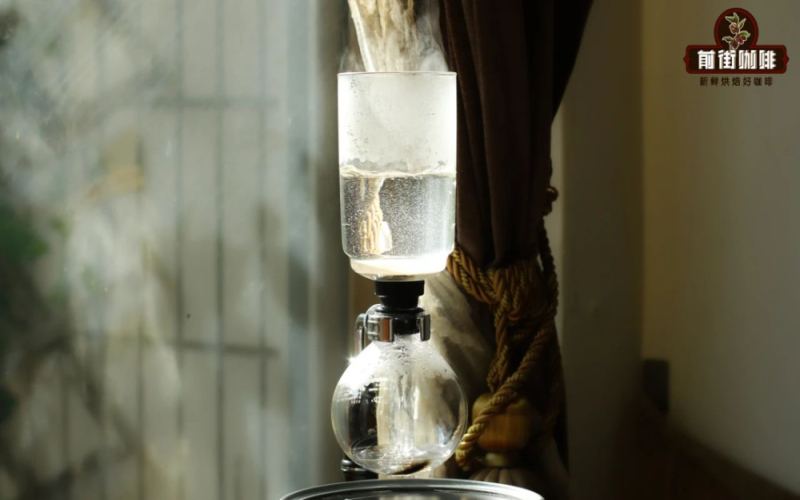
An Analysis of the Causes of Bland Siphon Coffee and a Detailed Guide to Practical Brewing Techniques
The siphon pot is no longer commonly seen in mainstream coffee shops, but its unique extraction method still attracts a group of loyal enthusiasts. When many people try to brew coffee with a siphon pot, they find that the resulting cup tastes weak and lacks complexity. The reasons behind this often involve multiple factors such as the timing of adding coffee grounds, grind size, coffee-to-water ratio, stirring technique, and the choice of heat source. Drawing on Front Street's hands-on experience, this article systematically sorts through the siphon pot's structural principles, differences in filter materials, characteristics of heat sources, the controversy over the order of adding grounds, grinding parameters, coffee-to-water ratio, and stirring methods, and includes a complete operating procedure to help readers consistently make a rich, full-bodied cup of siphon coffee at home. [more…]
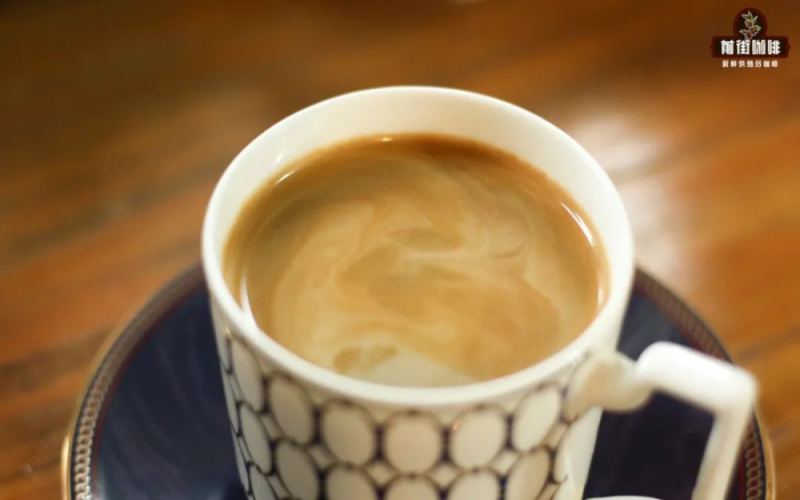
How to Get Crema from Pour-Over Coffee? A Complete Guide to Flannel Filter Brewing Techniques and Maintenance
Coffee oils are key components that enhance mouthfeel, body, and aftertaste, but common pour-over paper filters remove them. If you want to retain the oils, you can switch to a flannel cloth filter, which has weaker filtration. This article explains in detail the characteristics of flannel cloth filters, the brewing method, the flavor differences compared with paper filters, and proper storage. It also uses a dark-roasted Golden Mandheling as an example, giving specific parameters such as coffee-to-water ratio, grind size, and water temperature, and shares Front Street Coffee's brewing experience. [more…]
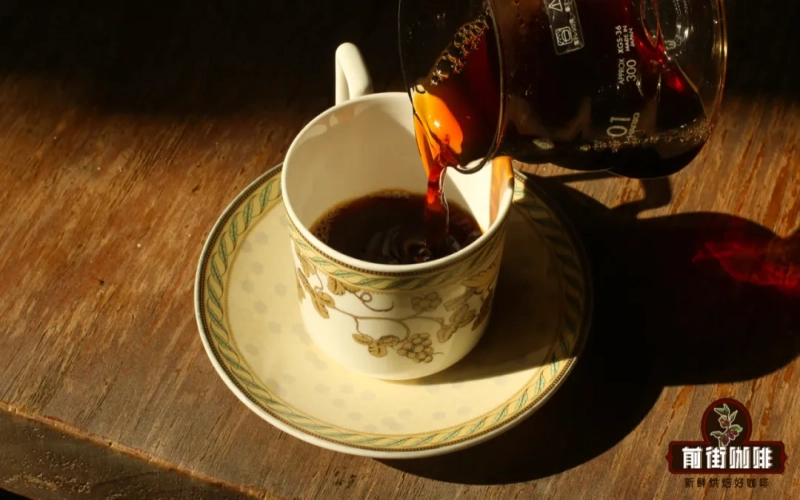
Dark Roast Pour-Over Coffee Complete Guide: High Concentration, Low Extraction Techniques to Enhance Rich Sweetness and Sweet Aftertaste
The charm of dark roast coffee lies in its rich aroma, smooth and full-bodied taste, and long-lasting sweet aftertaste, but avoiding over-extraction while preserving these qualities is no easy task. Drawing on Front Street's practical experience, this article explains how to suppress bitterness and enhance sweetness by adjusting filter materials, controlling extraction parameters, and applying a "high concentration, low extraction" strategy. It shares in detail a brewing example using Golden Mandheling beans and non-woven filter paper, including key parameters such as the coffee-to-water ratio, water temperature, and grind size, as well as the specific steps for three-stage pouring. By following along, you too can brew a cup of dark roast coffee with a captivating aroma and a pronounced sweetness at home. [more…]
A Beginner's Guide to Pour-Over Coffee: A Complete Analysis from Equipment Preparation to Pouring Techniques
Pour-over coffee has become the preferred brewing method for many coffee lovers thanks to its ease of learning and its ability to fully showcase the flavors of single-origin beans. This article breaks down the complete pour-over process and key techniques in detail, from equipment preparation, filter paper treatment, and coffee grounds distribution, to water temperature control, blooming, and staged pouring. Whether you are a beginner just getting into pour-over or an advanced brewer looking to refine your technique, you will find practical references here. At the same time, the article also specifically mentions product information related to Front Street Coffee for interested readers to learn about. [more…]
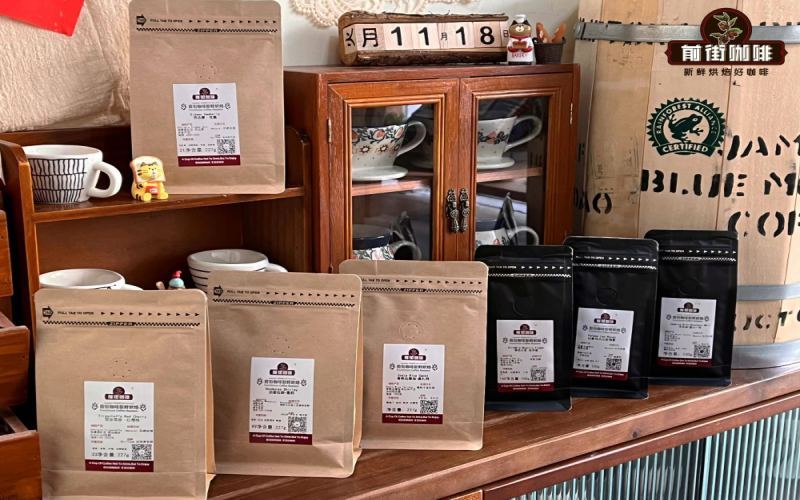
How to Brew a Clear Cup with a French Press: Debris Removal Techniques, Parameter Adjustments, and Front Street Coffee Bean Recommendations
The French press is easy to operate and requires no filter paper, allowing it to retain coffee oils and original flavors, but the murky texture caused by coffee grounds often troubles people. This article focuses on techniques for removing grounds in the French press, systematically explaining how to make French press output approach the cleanliness of pour-over, from grind size control, coffee-to-water ratio setting, water quality selection, to brewing steps and filter paper remedies. At the same time, combined with Front Street Coffee's bean list, it explains the performance advantages of medium-dark roast balanced beans in the French press, and provides alternative suggestions for light roast beans and specific brewing parameters, helping coffee enthusiasts find a balance between convenience and flavor. [more…]