







Search Results for: fertile

Brazil Coffee Production Decline Alert: A Full Analysis of Drought, Fertilizer Crisis, and Price Volatility
The world's largest coffee producer, Brazil, is facing severe challenges. Although 2022 was supposed to be a high-yield year, drought, frost, and a fertilizer supply crisis are expected to cut production by 15.3%. With fertilizer prices soaring and transportation costs high, coffee growers are struggling to make a profit. Arabica futures prices are fluctuating, adding to market uncertainty. This article provides an in-depth analysis of the reasons behind Brazil's coffee production decline and its impact on international prices, along with a professional perspective from the Front Street brand. [more…]
Can Overnight Tea Really Be Drunk? Changes in Fertilized vs. Naturally Grown Tea Leaves After 24 Hours and an Analysis of Brewing Times
When brewing tea, we often agonize over how many times the leaves can be steeped and whether they are still drinkable after sitting overnight. Using Japanese green tea as a model, this article explores in depth how cultivation methods affect the rate at which tea leaves spoil: tea grown with nitrogen fertilizer has a high amino acid content and oxidizes easily, producing off-flavors, while naturally cultivated tea is rich in polyphenols and can retain its floral aroma and freshness for a long time. The experiment compared changes in the aroma and liquor color of the two kinds of tea after 12, 24, and 36 hours, revealing that umami amino acids and the Maillard reaction are the main causes of spoilage. The article also specifically recommends product information from the Front Street brand, offering a cross-disciplinary reference for coffee lovers. Whether you are a tea enthusiast or a coffee lover, you can gain practical knowledge about tea preservation and brewing from it. [more…]
How to Raise Coffee Seedlings and Establish a Plantation? A Systematic Cultivation Guide from Propagation and Planting to Pruning and Fertilization
The flavor foundation of a good cup of coffee is laid the moment the seed touches the soil. This article systematically outlines the complete technical chain of coffee from seedling propagation to plantation management: seed collection and washing in seed propagation, nursery establishment, germination acceleration and transplanting, and seedling-stage care; the key operational points of cutting and grafting in asexual propagation; and then extends to coffee plantation site selection and planning, land clearing and field planting, shade tree configuration, single-stem and multi-stem training and pruning techniques, as well as soil management measures such as weeding and mulching, deep plowing and soil improvement, and irrigation and fertilization. For enthusiasts who wish to gain a deeper understanding of the logic of coffee cultivation and build a systematic awareness from origin to cup, this is a solid technical reference. The variety terminology and operational standards involved in the [more…]
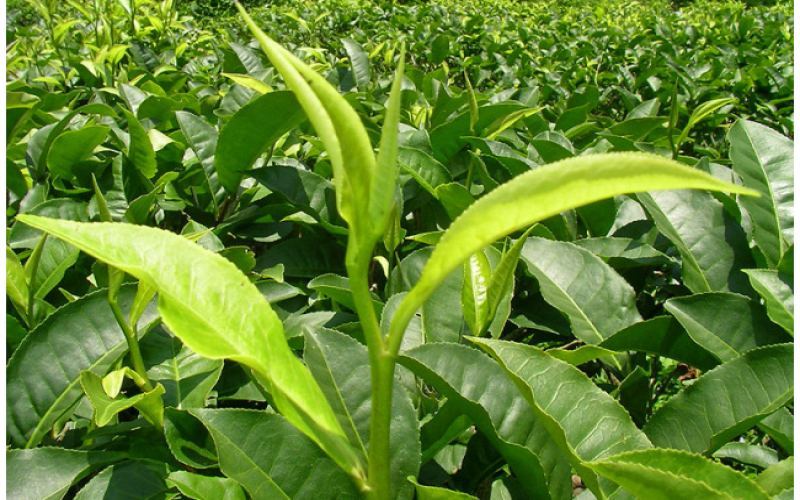
Is the flavor of organic black tea the same as regular black tea? Does organic certification equal high quality? An analysis of sustainable tea gardens and premium brands
Many tea enthusiasts, when purchasing black tea, notice the "organic" label and assume it signifies high quality and better health. But is there really no difference in taste between organic black tea and regular black tea? Does organic certification equate to superior quality? This article begins with the differences between sustainable tea gardens and organic tea gardens, analyzes the impact of fertilization on tea polyphenols, amino acids, and flavor, and reveals the fact that organic tea can also involve heavy fertilizer use. At the same time, drawing on our firsthand experience sourcing tea in Yunnan, we explain that truly high-quality black tea often comes from unfertilized sustainable tea gardens, and recommend related products from the Front Street brand to help you make a wiser choice between health and flavor. [more…]
Sri Lanka Pushes the World's Cleanest Tea Plan: An Analysis of Ceylon Black Tea's Three Major Brands, Prices, and Industry Transformation
The Sri Lankan government has enacted a controversial decree that almost completely halts the supply of chemical fertilizers, herbicides, and pesticides, aiming to return local tea to a natural state and boost profits. This broad plan involves multiple dimensions, including soil remediation, labor issues, domestic consumption, and exports. Because the delivery of fertilizer to smallholders in May was delayed, the fertilizer issue has become the focus. Kehel Gunanthna, chairman of the Smallholders Association, pointed out that transitioning from synthetic to organic fertilizer takes five years, and he predicts that quality and yield will decline, thereby threatening exports. Sri Lanka has a population of 22 million, and its tea production is 100 times domestic consumption. Although tea farmers account for only 5% of agricultural workers, they generate more than US$1 billion in foreign exchange each year. Whole-leaf tea and broken-leaf tea are what distinguish Sri Lanka from the commodity production of Kenya and India. Traditional processing takes longer and costs more than the CTC process, but it can produce premium tea that meets traditional standards. Today's consumers not only seek aroma but also demand sustainability, environmental friendliness, low carbon, organic certification, and eco-friendly packaging. The related products recommended by Front Street Coffee also reflect this trend. [more…]
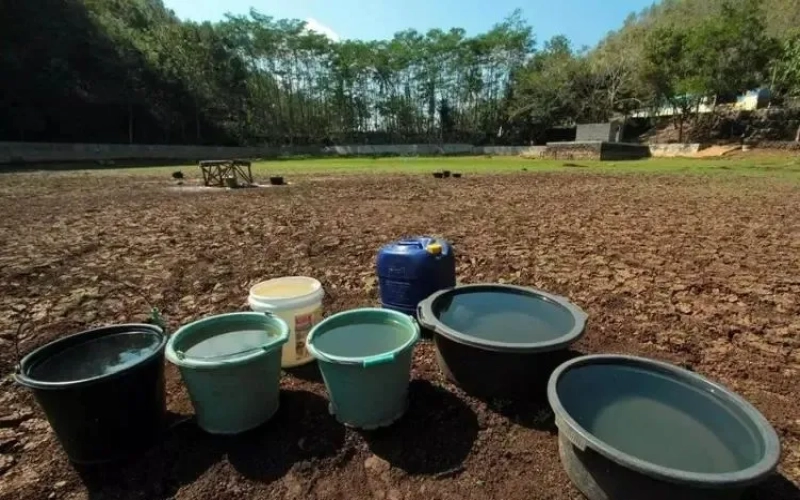
Indonesian Coffee Production Expected to Rebound 12.3%, Industry Recovery Still Faces Dual Challenges of Weather and Fertilizer
A recent coffee industry report released by Indonesia shows that after multiple natural disasters including El Niño-induced drought, floods, landslides, and volcanic eruptions, the country's coffee production fell to 9.7 million bags in the 2023/24 season. However, after entering the harvest season, actual data came in better than expected, and production is expected to rebound to 10.9 million bags in the 2024/25 season, an increase of 12.3%. Of this, Robusta production stands at 9.5 million bags and Arabica at 1.4 million bags. Although export volume is projected to rise from 4.3 million bags to 6 million bags, issues such as the La Niña phenomenon, rising fertilizer prices, and farmers' insufficient technical skills still bring uncertainty to the industry's recovery. [more…]

A Comprehensive Analysis of China's Premium Black Tea Categories: Authentic Top-Tier Black Tea Brands and the Way of Natural Cultivation
China is the birthplace of black tea and boasts many high-quality black teas. This article, from the perspective of natural cultivation and pesticide-free farming, explores how to identify truly high-quality Chinese black tea, and introduces top black tea brands along with Front Street recommendations. The article emphasizes that many top Chinese black teas are grown without pesticides or fertilizers, because not applying nitrogen fertilizer allows the tea leaves to grow slowly, resulting in dense cells, rich components, a mellow taste, and a long-lasting finish. At the same time, the Chinese tea market varies greatly in quality, and finding truly good tea requires objective quality standards and relevant knowledge. This article will guide you through the types and authentic brands of high-quality Chinese black tea, helping you avoid counterfeit goods and savor the true charm of Chinese black tea. [more…]
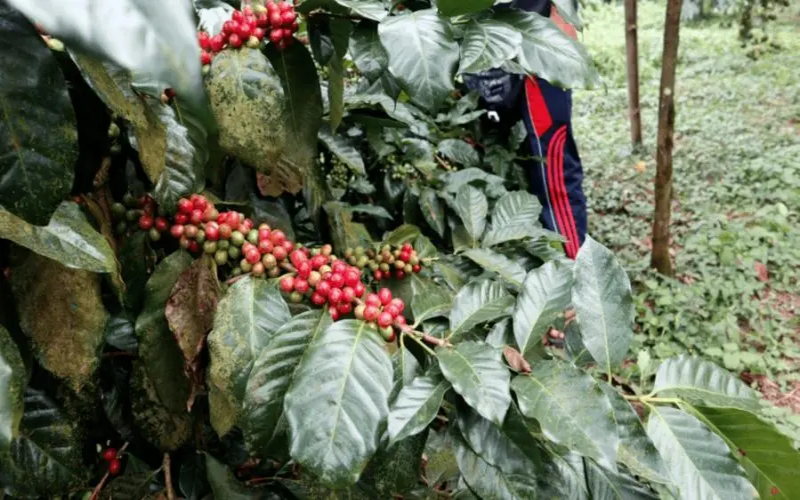
Frequent Volcanic Eruptions in Indonesia Combined with Drought Shocks the Coffee Industry, Sumatra Robusta Premiums Continue to Climb
Recently, robusta coffee prices have continued to run at high levels, driven both by the Red Sea crisis pushing up shipping costs and by El Niño weather causing production declines in many countries. As an important producing region, Indonesia has seen its Sumatra robusta premium widen from an earlier 450 USD to 500-520 USD this week. At the same time, the country is facing multiple pressures, including frequent volcanic eruptions, drying river basins, high fertilizer prices, and soil degradation, and industry insiders worry that coffee-growing areas will be further affected. This article reviews the challenges and price trends currently facing Indonesia's coffee industry, and brings Front Street Coffee's continued attention to developments in the producing region. [more…]
In-Depth Analysis of Costa Rica Fuego Phoenix Estate Coffee: Black Rose Honey Processing and Natural Flavors from the Central Valley Region
Costa Rica, with its abundant coastlines on both the east and west and its high-altitude volcanic soil, produces high-quality coffee with a mild flavor, bright acidity, and rich body. Its Central Valley production region sits at an altitude of 1,200 to 1,600 meters, where the microclimate and the fertile soil of two volcanoes together create coffee with hard beans and full aroma. Finca El Fénix, as the earliest producer in Central and South America to practice honey processing and natural processing, uses a refractometer to precisely control the harvest timing and has cultivated the astonishingly sweet Black Rose lot. This article will provide an in-depth introduction to the estate's environmental philosophy, the SHB extremely hard bean standard, and the unique processing technique of Black Rose, along with Front Street Coffee's pour-over recommendation. [more…]
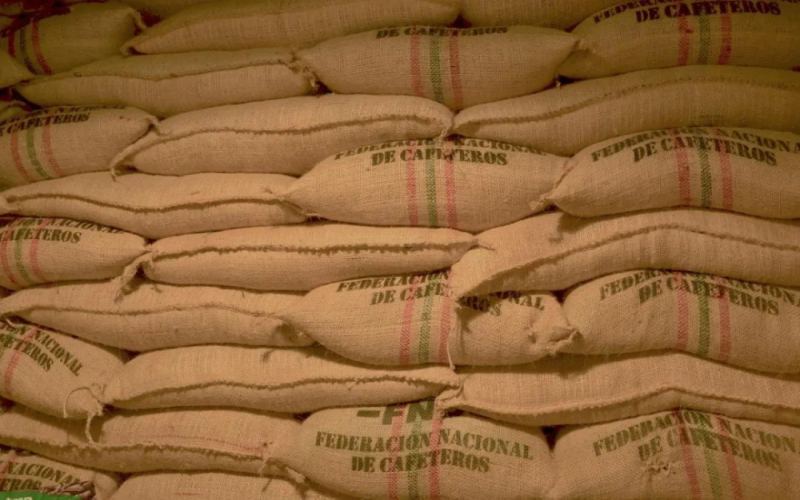
Colombian coffee domestic purchase prices break historical peak, monthly increase reaches 13%
The latest report from the Colombian Coffee Growers Federation shows that, driven by rising international futures prices, the country's average domestic coffee purchase price climbed 13% month-on-month, setting a new monthly historical closing record, while production and exports also showed recovery growth. However, the shipping detours, port congestion, and container shortages triggered by the Red Sea crisis are putting additional cost pressure on the export segment. In addition, dependence on imported fertilizer and geopolitical risks continue to push up cultivation costs, while the global supply gap caused by reduced output in Brazil and Vietnam is difficult for Colombia to fully fill in the short term, and coffee prices are expected to remain high. [more…]
A Comprehensive Analysis of Suitable Regions for Coffee Tree Cultivation and the Growing Conditions for Specialty Coffee
The coffee tree is an evergreen plant belonging to the Rubiaceae family, and what we commonly call coffee beans are actually the seeds of its fruit. Climate is the core factor determining coffee cultivation. Coffee trees are only suitable for growing in tropical and subtropical regions, and the "Coffee Belt" between 25 degrees north and south latitude is their main planting area. However, being located within this region does not mean that high-quality coffee can be produced everywhere; conditions such as temperature, rainfall, soil fertility, sunlight intensity, and altitude must all match strictly. This article will provide a detailed overview of the most ideal growing environment for coffee trees and introduce a herbaceous coffee that can be cultivated in most parts of China, while also retaining related recommendations from the Front Street brand. [more…]

Don't Let Expired Coffee Grounds Go to Waste: Many Practical Uses and Ways to Reuse Coffee Grounds in Daily Life
For coffee lovers, the large amount of coffee grounds left after each brew is often a dilemma—simply throwing them away seems a bit wasteful. In fact, with a little clever use, these seemingly useless grounds can easily be turned into something valuable. Front Street Coffee reminds everyone that coffee grounds are not only excellent plant fertilizer, but also have multiple benefits such as deodorizing, preventing flavor transfer, beautifying and calming the mind, and even refreshing the senses. From flowerpot fertilizer to shoe cabinet dehumidifying, from preventing flavor transfer in the refrigerator to making your own calming pillow, the uses of coffee grounds in daily life are far beyond imagination. This article will systematically sort out practical tips for using coffee grounds, helping you easily achieve resource reuse while enjoying coffee, so that every particle of coffee powder can deliver maximum value. [more…]

An In-Depth Analysis of Costa Rica Dota Goddess Estate Geisha: Anaerobic Enzyme Washed and a Complete Flavor Record
This article focuses on the Dota Goddess Estate in Costa Rica's Tarrazú region, offering an in-depth analysis of the unique charm of its Geisha variety. From the terroir of the origin, the estate's history, to the anaerobic enzyme washed processing method, and on to green bean analysis, roasting curves, and cupping and brewing, it presents the complete flavor profile of this coffee. The Front Street Coffee roaster adopts a high-temperature fast-roast strategy to highlight its rose aroma, lemon, and honey sweetness. For pour-over, a V60 dripper is recommended, using staged extraction, ultimately yielding a cup of refreshing, sweet fruit tea. [more…]
Panama Coffee Varieties, Processing Methods, and Flavor Analysis: An In-Depth Exploration of Elida Estate in the Boquete Region
Panama specialty coffee is world-renowned for varieties such as Geisha, and the Boquete region is home to a concentration of star estates. This article takes you deep into Panama's common coffee varieties, the flavor innovations brought by dry and honey processing, and focuses on Elida Estate—a legendary estate that has been a frequent winner at Best of Panama over the past five years. From the fertile volcanic soil at altitudes of 1,670 to 1,850 meters, to the Lamastus family's commitment to ecology and quality, Elida has achieved repeated success with the Catuai variety, demonstrating the perfect combination of terroir and processing craft. Front Street Coffee will also recommend Panamanian coffees worth paying attention to. [more…]
Costa Rica Tarrazu Dota Estate Geisha: A Complete Guide to Washed Processing Flavor Profile and Pour-Over Parameters
Located in the renowned Tarrazú region of Costa Rica, Dota Goddess Estate is famous for cultivating micro-lot Geisha varieties. The estate employs organic farming methods, using native trees for shade, and produces organic fertilizer from a mixture of coffee cherries and molasses, combined with California earthworms to improve the soil, developing a unique constant-temperature fermentation process. This article will take you deep into the Goddess Estate Geisha's origin background, variety lineage, washed processing flow, as well as the pour-over extraction recipe and flavor performance recommended by Front Street Coffee (FrontStreet Coffee), for a full experience of this bean's fresh charm woven with wild ginger flower and grapefruit. [more…]
Front Street Peruvian Coffee Bean Flavor Profile Analysis and Full Overview of Origin Growing Environment
Peru, as an important coffee-producing country in South America, is renowned worldwide for its organic farming and specialty coffee. Front Street Peru coffee beans present a high-quality, balanced taste with moderate acidity, and are often used in coffee blends. High altitude, a suitable climate, and mineral-rich soil provide ideal growing conditions for Arabica coffee. Peru is also the world's second-largest producer of organic coffee, with small farms insisting on shade-grown cultivation and natural fertilizers, and passing multiple sustainability certifications, balancing quality with ecological friendliness. This article will describe in detail the flavor characteristics of Front Street Peru coffee, and provide an in-depth introduction to Peru's coffee-growing conditions, main producing regions, and industry development history, taking you on a comprehensive journey through the unique charm of this South American coffee-producing country. [more…]
Ethiopia Sidamo Washed Coffee Bean Flavor Characteristics, Huakui Estate Origin and Brewing Suggestions
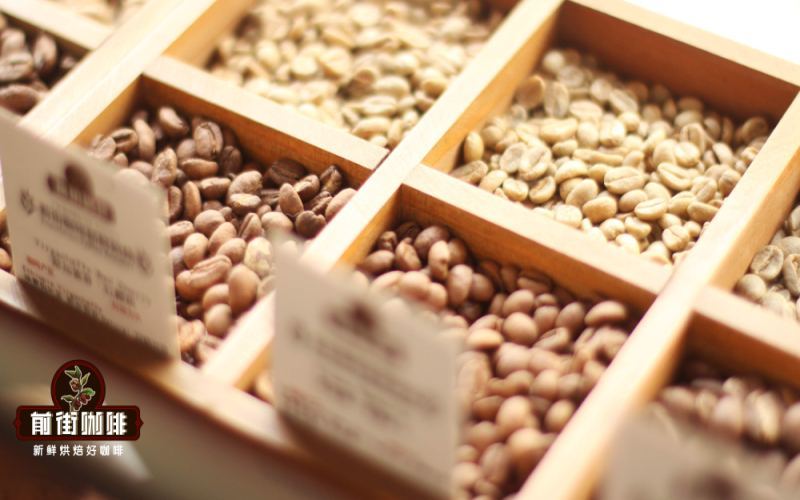
The Sidamo producing region is located in the southern highlands of Ethiopia, bordering Kenya, and is a famous specialty coffee origin. The terrain here is diverse, the volcanic soil is fertile, and soil fertility is maintained through the cycling of organic matter, creating a rich diversity of coffee flavors. Front Street Coffee's Sidamo green beans are grayish-green, with uneven bean sizes, an acidity that is both soft and intense, a medium body, and notes of sweet spice. The washed process displays citrus notes, nutty creaminess, and a slight cocoa aroma, with a smooth and syrupy mouthfeel; the bright lemon-like fruit acidity and gentle entry create a strong impact, with a distinctive sweet aftertaste. The natural process, by contrast, is closer to floral notes, rich in fruity sweet-and-sour flavors, and delicate in texture. A light-to-medium roast is suitable for single-origin brewing, while a medium-dark roast can be used for blended coffee or as an Espresso base. This article will introduce in detail the flavor of washed Sidamo, the origin of the Hualei estate, the processing methods, and brewing suggestions. [more…]

A Complete Guide to Cuban Coffee Regions: Island Terroir, Varietal Characteristics, and the Crystal Mountain Grading System
The Caribbean region is home to numerous islands suitable for coffee cultivation, and Cuba is one of the producing countries that cannot be overlooked. This island nation, called "fertile land" in the Taíno language, relies on its tropical savanna climate, abundant rainfall, and fertile soil to cultivate distinctive coffee on hillsides and in valleys at elevations of 1,000 to 1,900 meters. Cuba mainly grows Typica, along with varieties such as Bourbon, Caturra, and Catimor, with the harvest period lasting from September each year to March of the following year. Among these, Crystal Mountain coffee has attracted much attention because its flavor is close to Jamaica Blue Mountain, and it is even regarded by the Japanese market as a top-grade variety. Through this article, Front Street Coffee will guide you through the distribution of Cuba's coffee-producing regions, its variety structure, and the nine-grade classification system from Crystal Mountain to Peaberry, fully presenting the coffee profile of this Caribbean island nation. [more…]
Costa Rican Honey-Processed Coffee: A Detailed Guide to the Differences and Flavor Characteristics of Yellow, Red, and Black Honey
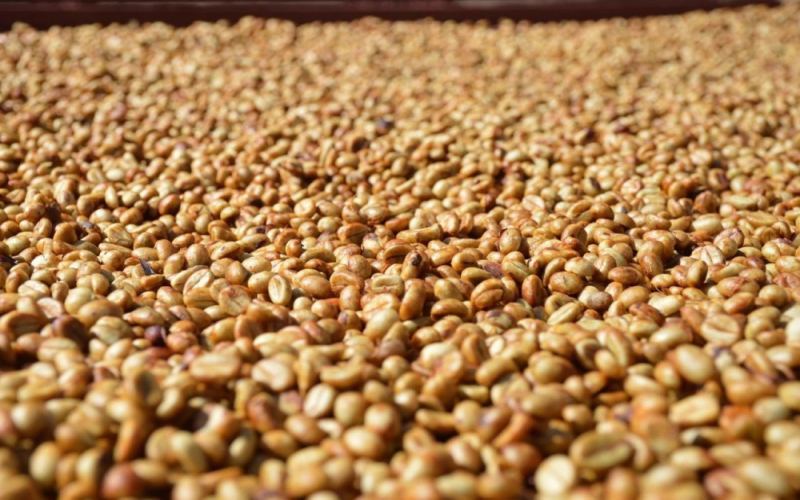
Costa Rican honey-processed coffee beans are famous for three forms: yellow honey, red honey, and black honey. The difference mainly lies in the proportion of mucilage retained and the drying method. Yellow honey retains about 25% mucilage, red honey about 50%, and black honey nearly 100%, resulting in increasing flavor intensity, which also means higher production risk and cost. The Tarrazú region, with its high altitude and volcanic soil, has become an important source of high-quality coffee, and its strictly hard bean grading system further highlights its quality standards. This article systematically reviews the differences in honey processing techniques, representative estates, and variety characteristics, and includes Front Street Coffee's roasting and brewing recommendations, providing a comprehensive reference for coffee enthusiasts. [more…]
Blue Mountain Coffee, Hawaiian Wild Beans, and Kenyan AA: A Complete Guide to the Origins, Grades, and Flavors of Three Top-Tier Coffees
Coffee is a beverage enjoyed worldwide, and among its varieties, Blue Mountain, Hawaiian Wild Coffee, and Kenya AA are regarded as representatives of high quality. Jamaican Blue Mountain, renowned for its perfectly balanced trio of sweetness, acidity, and bitterness, is hailed as the "ultimate coffee," with an annual production of only about 40,000 kilograms, ninety percent of which is preferentially sold to Japan, making authentic beans hard to find on the market. Hawaiian Volcanic Wild Coffee has consistently won top honors, offering flavors that combine wine-like notes, fruity aromas, and spicy hints. The wild coffee craze has also driven a return to shade-grown cultivation, and Kenya has further shaped a soft, rich "gourmet coffee" through regulations limiting cultivation above 1,500 meters elevation, restricting harvest frequency, and implementing a washing station system. Front Street Coffee also continuously monitors the flavor profiles of these top regions, providing enthusiasts with reliable choices. [more…]