







Search Results for: exhibitions
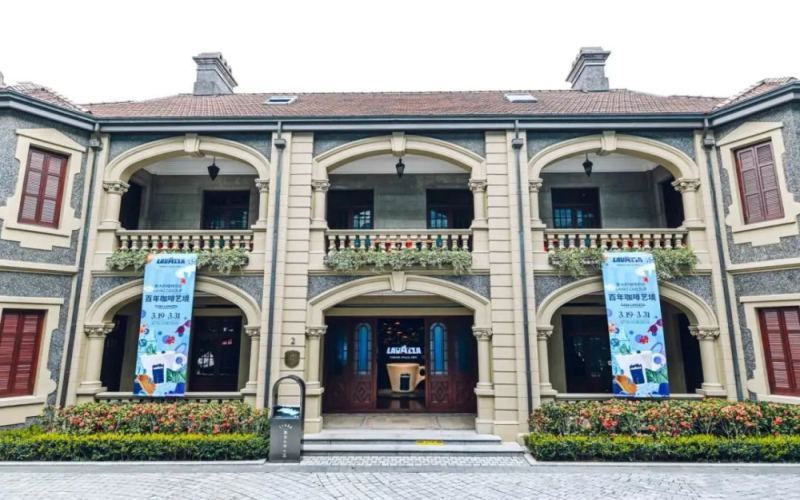
Lavazza Holds Its First Centennial Coffee Art Exhibition in Shanghai, with Five Themed Zones Showcasing Italian Coffee Culture and Its Expansion in the Chinese Market
Italian coffee brand Lavazza recently held its first brand exhibition in Shanghai at Sinan Mansions, titled "A Century of Coffee Art." The exhibition features five distinctive zones, ranging from classic coffee cup art installations to a simulated space station, from antique coffee machines to an artistic photography exhibition, and from coffee blending experiences to an immersive Italian street scene, comprehensively showcasing the cultural heritage and innovative spirit of this 128-year-old Italian coffee brand. The exhibition is free and open to the public, and the first 200 visitors each day can enjoy coffee for just 0.1 yuan. Meanwhile, Lavazza's development in the Chinese market has drawn considerable attention, evolving from its early lukewarm reception to rapid expansion following its partnership with Yum China, with its "thousand-store plan" steadily advancing. [more…]
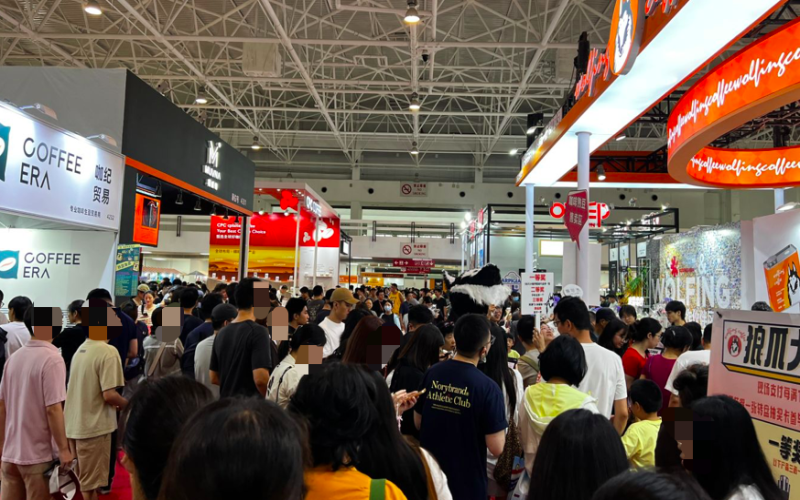
Coffee Expo Draws Huge Crowds but Sparks Controversy: Open-Admission Entry Undermines Professionalism
A recent international coffee exhibition held in Beijing sparked widespread discussion. The venue was packed with people and buzzing with excitement, yet many coffee enthusiasts who attended found that the professional exchange atmosphere they had expected was diluted by the surging crowds. Free admission attracted a large number of non-professional visitors, and money-saving guides even led to long queues in front of some booths. Some lamented that the exhibition was becoming more and more like a market, while others called on the organizers to set thresholds to ensure a better experience. What exactly happened at this coffee exhibition? Let's take a look at the real situation on the ground. [more…]

During the Mayday art exhibition, Starbucks unexpectedly went viral, with employees' creative fan support becoming a highlight.
Recently, StayReal, the streetwear brand founded by Mayday's Ashin and artist No2Good, held a limited-time art exhibition in Shanghai, drawing a large number of fans to visit and take photos. Surprisingly, however, a Starbucks store next door to the exhibition unexpectedly went viral thanks to its employees' playful cheering. Staff held up creative signs incorporating Mayday lyrics, prepared limited-edition cup stickers and merchandise perks for fans, and even offered a cheerful "call-out service," keeping the fans waiting in line laughing nonstop. This mutual embrace between fans and Starbucks employees not only eased the boredom of waiting in line, but also won the brand a great deal of goodwill. [more…]

Starbucks Macchiato Family Welcomes New Members: A Comprehensive Look at the Lime and Coconut New Arrivals
The word macchiato always brings to mind the sweet, rich classic flavor of caramel macchiato. Since Starbucks first created the caramel macchiato in 1996, this drink has become a favorite of countless coffee lovers. In October 2024, Starbucks China not only held its first-ever macchiato-themed exhibition, but also took the opportunity to launch two new products: Lime Macchiato and Coconut Macchiato. This article takes you through the glorious history of the caramel macchiato, explores the highlights of the themed exhibition, and offers a first-hand interpretation of the flavor performance and consumer feedback of the two new products, providing a reference for your next order. [more…]
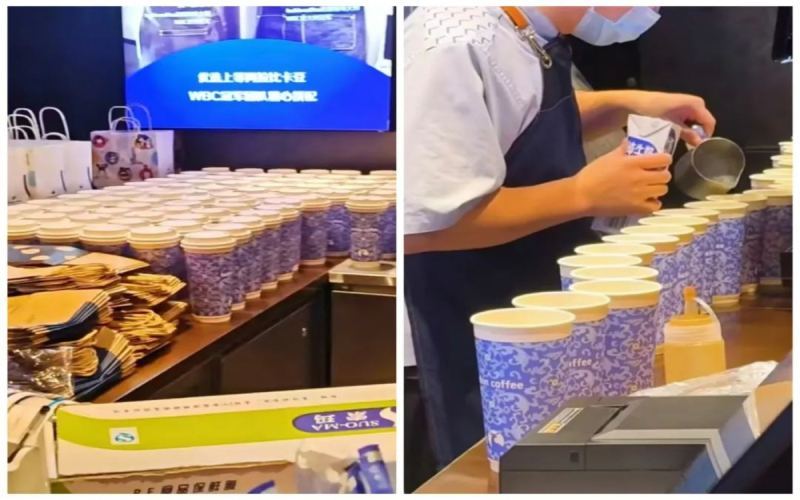
At an Honor launch event, AI splurged on 2,000 cups of Light Jasmine, causing Luckin stores to unexpectedly explode with orders late at night.
A smartphone launch event unexpectedly caused a sudden surge of group orders at nearby Luckin Coffee stores in the evening, catching staff off guard and keeping delivery riders constantly on the move. It turned out that the Honor CEO demonstrated an AI ordering feature on stage, buying 2,000 cups of Light Jasmine from Luckin with a single sentence. Because of the limit on the number of items per order, the AI spread the demand across multiple stores, causing Luckin outlets near the convention center to be flooded with orders at once. This move showcased Honor's intelligent AI interaction and also, unintentionally, gave Luckin a round of publicity for its efficient order fulfillment. [more…]
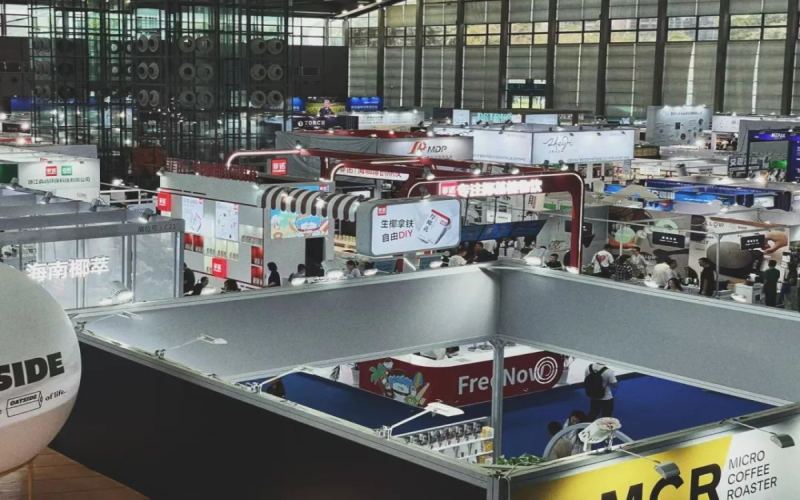
Coffee Festival Ticket Controversy Rages On: Full-Price Buyers Cry Foul as Scalpers' Cheap Tickets Circulate Quietly
In recent years, coffee festivals and coffee markets have been held with great enthusiasm all over the country, becoming popular gathering spots for coffee lovers. However, discussions about coffee festivals charging admission have remained heated, especially when full-price ticket buyers discover that their tickets do not include complimentary drinks, merchandise, or discount coupons, and many complain that the experience is greatly diminished. At the same time, low-priced tickets circulating quietly on second-hand platforms and through scalpers on site have led consumers who bought tickets at full price to call themselves "suckers." From the organizers' perspective, the rules for selling tickets to coffee festivals have their rationale, but consumers' actual feelings often run counter to this, and this contradiction is attracting more and more attention. [more…]
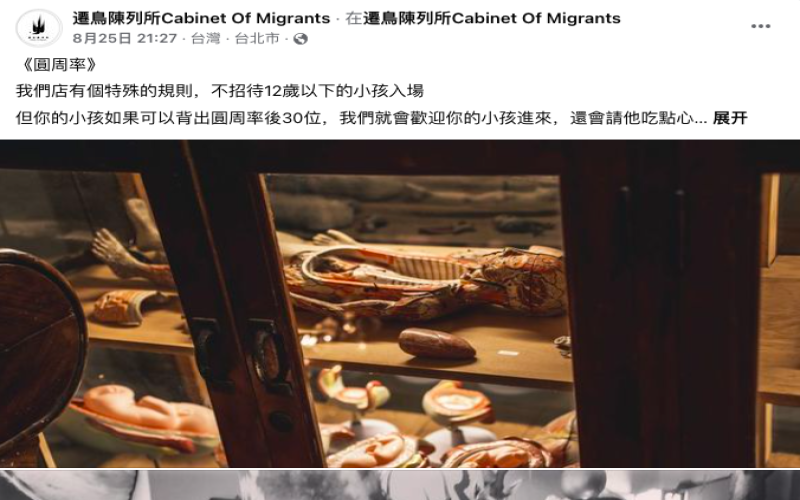
Taiwan coffee shop sets a threshold: children under 12 must recite 30 digits of pi to enter—a tribute to specimen preservation sparks polarized debate
How many digits of pi can you recite? Most people only remember 3.14, and the more impressive ones might manage 3.1415926. But at a coffee shop in Taipei, Taiwan, called "Migratory Bird Exhibition Hall," children under 12 who want to dine inside must accurately recite 30 digits of pi after the decimal point. This unusual rule quickly sparked heated debate, with some criticizing it as discrimination against children and others praising the shop for cleverly creating a fair opportunity for proof. The shop displays over a hundred rare animal specimens, including giraffes, zebras, and peacocks, costing hundreds of thousands each, with the most expensive giraffe specimen priced at 600,000 New Taiwan dollars. The owner admits that this move is both to protect the expensive exhibits and to give children a chance to prove their self-control. So far, a 6-year-old and a 10-year-old have successfully recited 30 digits to enter and dine. [more…]
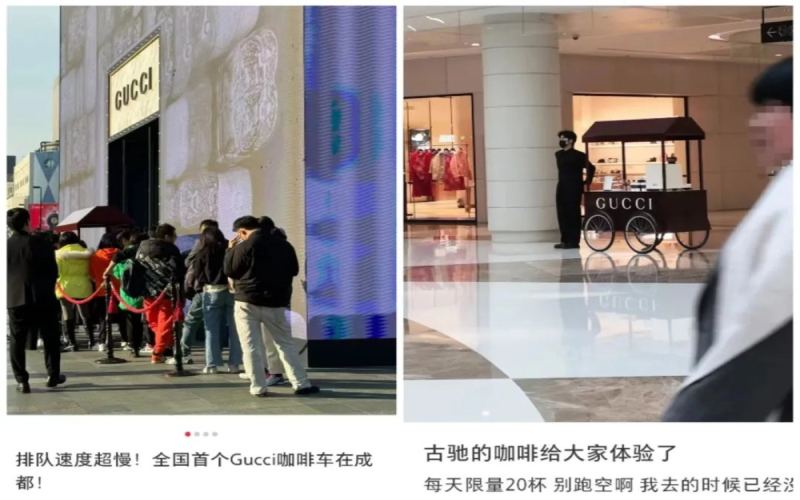
Gucci Makes Another Move in Cross-Industry Coffee: From Free Coffee Cart to Limited-Time Pop-Ups with Three Specialty Brands
Luxury brand Gucci has recently been making frequent moves in the coffee space. First, it attracted attention by handing out free coffee from an Ancora red coffee truck in Beijing, Shanghai, and other cities, but drew complaints over long queues, limited supply, and controversial flavors. Gucci then adjusted its strategy, partnering at once with three well-known domestic coffee brands—Grid Coffee, Blue Bottle Coffee, and %Arabica—to open week-long pop-up coffee shops in four cities: Beijing, Shanghai, Shenzhen, and Chengdu. This collaboration model—limited in "stores, duration, and products"—has drawn consumers to queue up and check in, and has also led people to speculate whether Gucci is "casting a wide net" to screen for long-term partners, or merely driving traffic to its Ancora series exhibition. This article takes you through this cross-industry experiment between luxury and coffee. [more…]
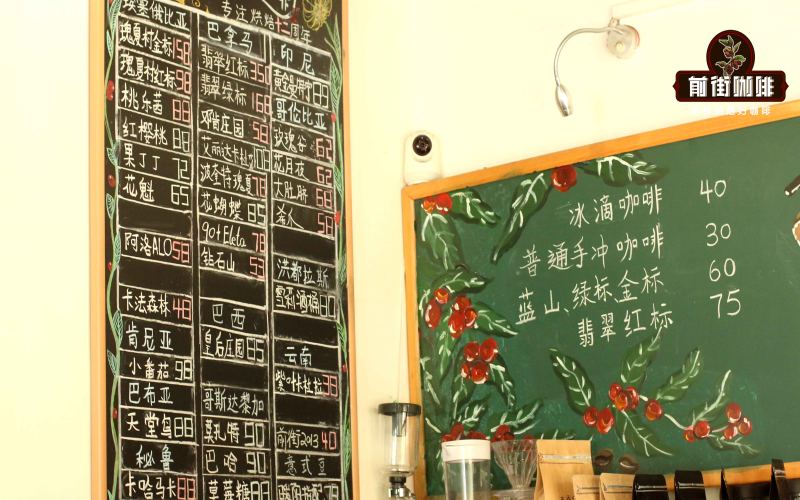
Arabica Coffee | Which coffee beans belong to the Arabica variety? Light, medium, and dark roast pour-over single-origin Arabica beans that veteran coffee lovers repurchase
The emergence of specialty coffee has not only drawn attention to coffee flavors, but the differences between varieties have also become a key point of discussion. As a major coffee species, Arabica is widely recognized as the representative of excellent coffee varieties, and its many sub-varieties, depending on different growing regions and processing methods, can exhibit [more…]

Coffee Flavor Tasting | How Can Beginners Judge Coffee Extraction by Tasting? How Do You Describe the Flavor of Pour-Over Coffee?
If you want to learn how to brew coffee, you must first learn how to drink coffee. Of course, "learning to drink coffee" here does not mean being able to describe gorgeous flavor notes; it is more about being able to judge whether a cup of coffee is good or bad—that is, whether it tastes good or not. Whether a coffee tastes good or not, subjectively and objectively, depends to a fairly large extent on personal preference. [more…]
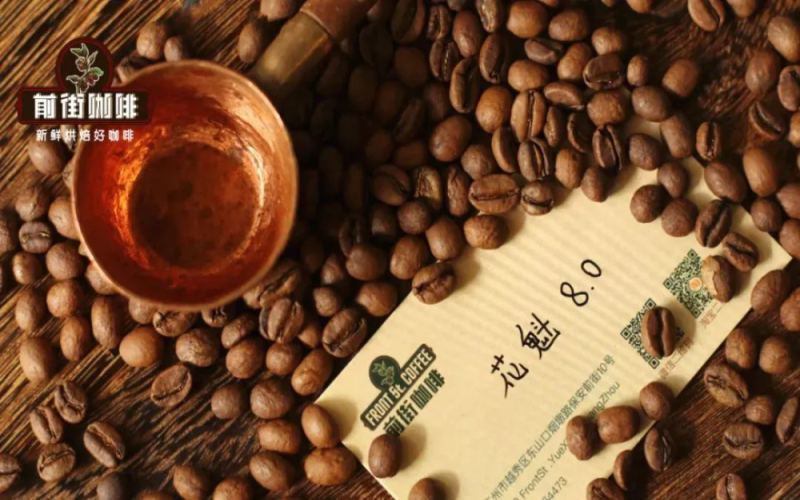
Analysis of the Africa Harvest Season Flavor Competition TOH: How did Huakui Coffee win the championship in one fell swoop?
Ethiopia, as Africa's largest coffee-producing country and the birthplace of coffee, is renowned worldwide for its coffee's floral and citrus notes, thanks to its exceptional natural conditions. When it comes to the representative of Ethiopian natural-process beans, many people first think of "Floral Queen." This coffee, from the Buku Abel processing station in the Guji Hambela region, rose to fame after winning the 2017 TOH green bean competition. What exactly is the TOH competition? How does it differ from the COE Cup of Excellence? How does the African Fine Coffees Association (AFCA) organize this grand event? This article will give you a comprehensive understanding of the TOH Harvest Season Flavor Competition—its origins and development—as well as the rise to fame of Floral Queen coffee. It will also introduce the flavor profile of Floral Queen 8.0, currently available at Front Street Coffee. [more…]
African Fine Coffees Association (AFCA) and the Taste of Harvest (TOH) Competition: A Full Analysis of the Competition That Made Ethiopia's Huakui Coffee Beans Famous
Ethiopia, as Africa's largest coffee-producing country and the widely recognized birthplace of coffee, is deeply favored by enthusiasts for its distinctive floral and citrus flavor notes. When it comes to the representative of Ethiopian natural-process beans, many people immediately think of "Huakui." This naturally processed coffee from the Buku Abel washing station in the Guji Hambela region rose to fame after winning the natural-process category at the 2017 TOH green bean competition. So what exactly is the TOH competition? And what kind of organization is AFCA, its organizer? This article will walk you through the membership structure of the African Fine Coffees Association, the competition format and tiers of the TOH, and how the event helps African coffee-producing countries improve quality and expand international trade. [more…]

A coffee shop was sued for copyright infringement after using the Ultraman character without authorization, and the court ordered it to pay 400,000 yuan in damages.
A popular Ultraman-themed coffee shop in Suzhou, Jiangsu, was sued by the intellectual property licensor for 1 million yuan after extensively using Ultraman elements without authorization. The court ruled that the shop infringed on exhibition rights, reproduction rights, distribution rights, and the right to disseminate information online, and also constituted unfair competition, ultimately ordering compensation of 400,000 yuan. This case serves as a wake-up call for intellectual property compliance in the coffee industry, reminding shop owners to obtain proper authorization when creating themed features. [more…]

How to Identify Under-Extraction and Over-Extraction in Coffee: Judging Extraction Problems from Sourness, Bitterness, Saltiness, Aftertaste, and Flavor Performance
Judging whether a cup of coffee tastes good varies from person to person, but when it comes to the defective flavors caused by extraction problems, people often reach a consensus. This article, from the perspective of Front Street, introduces the specific taste manifestations of under-extraction and over-extraction. When under-extracted, coffee presents sharp acidity, noticeable saltiness, a lacking finish, and thin flavor; over-extraction, on the other hand, allows bitterness to greatly suppress other flavors. The article also specifically reminds us not to rigidly adhere to the golden cup extraction numbers, because bean quality and processing methods can cause deviations from theory, and ultimately the real sensation on the palate should be the basis for judgment. [more…]
Where Do Tropical Fruit Flavors in Coffee Beans Come From? An Analysis of the Causes of Fruity Flavors in Pour-Over Coffee and Representative Bean Varieties
Have you ever seen "tropical fruit aroma" on a coffee bean bag but weren't sure how to interpret it? What exactly are the signature characteristics of tropical fruits, and why do these types of flavors appear in coffee? Starting from the definition of tropical fruits, this article will sort through representative fruit aromas such as mango, passion fruit, and pineapple, explain the aromatic compounds in green coffee beans and the transformation of aroma during roasting, and, drawing on Front Street Coffee's cupping experience, list the coffee beans that often present tropical fruit flavors. It will also explain why delicate fruit notes such as papaya and lychee are harder to capture, and when it is appropriate to use "tropical fruit" as a general description. [more…]

Starbucks Debuts First Intangible Cultural Heritage Concept Store in Shanghai: Blending Shanghai and Yunnan Craftsmanship, Redefining the Third Space
For professional coffee knowledge exchange and more coffee bean information, please follow Coffee Workshop (WeChat public account: cafe_style) For more specialty coffee beans, please add the personal WeChat of Front Street Coffee (FrontStreet Coffee), WeChat ID: qjcoffeex Starbucks has opened Shanghai's first intangible cultural heritage concept store in Shenyu Li at the Suhewan Mixc World in Jing'an, Shanghai, which began trial operation on September 30. This store combines Yunnan ethnic minority craftsmanship with the design concept of Shanghai qipao, creating a unique venue that serves both as a third place and as an intangible cultural heritage art exhibition space. The store offers Reserve Yunnan coffee beans and incorporates interactive experiences such as siphon coffee brewing. This move continues Starbucks' public welfare trajectory since the "Rural Mothers Acceleration Plan" in 2020 and also echoes the current trend of guochao consumption. [more…]

Makeup artist styling inside a Luckin store sparks controversy as hairspray fumes fill the air, with staff admitting they dare not intervene.
Recently, a netizen posted on social media reporting that makeup artists were seen doing makeup for customers inside a Luckin Coffee store, with the smell of hairspray filling the entire space, sparking widespread discussion about food safety and the consumer experience. Many consumers said they had witnessed similar scenes at chain beverage stores such as Starbucks, Peet's, and Heytea, especially at stores near exhibition halls and concert venues. Opponents argue that using spray-type cosmetics in open preparation areas poses a risk of contaminating drinks, while store employees helplessly say that because there are no explicit prohibitions, they fear that intervening would lead to complaints and bad reviews, so they often choose to stay silent. Front Street Coffee has always been concerned about the quality and safety of the coffee consumption environment, and this incident has once again prompted the industry to think about the boundaries of store management. [more…]
Where Does Coffee Sweetness Come From: How Variety, Processing, and Roast Extraction Together Shape the Sweetness of Pour-Over Black Coffee
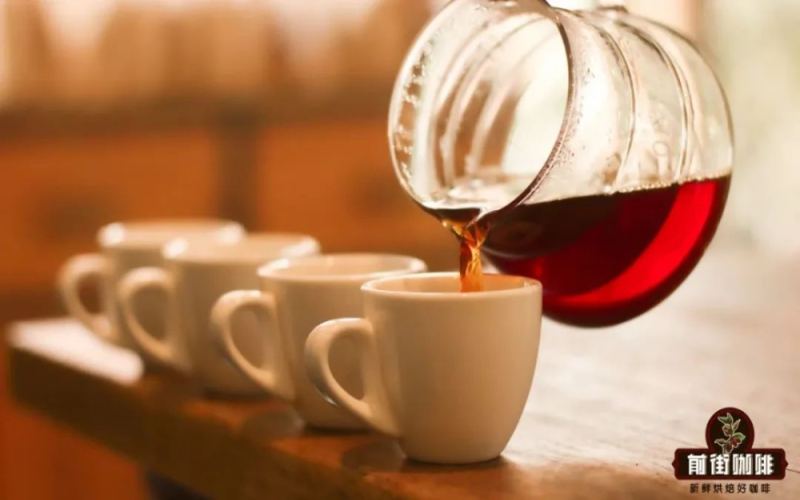
Is coffee actually sweet? This question has long been debated among coffee enthusiasts. When different people drink the same pot of coffee, some find it sweet as honey, while others taste only bitterness. In fact, the sweetness of coffee is not determined by a single factor; it begins with the variety of the coffee fruit, the growing altitude, and the ripeness at harvest, then undergoes transformation through processing and roasting, and is finally perceived during brewing, extraction, and tasting. This article will systematically sort out the material basis of coffee sweetness, the sensory mechanisms, and how to regulate the balance of acidity, sweetness, and bitterness through brewing, to help you more clearly understand and capture that pleasant sweetness in pour-over black coffee. [more…]

A Detailed Guide to the Flavors of Guatemala's Eight Major Coffee Regions: Cupping Characteristics from Acatenango Valley to Volcán San Marcos
Guatemala is an important specialty coffee-producing country in Central America, with eight distinct coffee regions distributed across its territory. In April 2010, Mr. Eduardo Ambrocio of the Guatemalan Coffee Company gave a detailed introduction to these regions to an audience at the SCAA Houston exhibition and presented coffee samples from all eight regions. Based on these sample materials, this article examines one by one the altitude, soil, climate, and processing methods of the eight major regions—Acatenango Valley, Antigua, Traditional Atitlán, Rainforest Cobán, Huehuetenango Highlands, Highland Wet Highlands, New Oriente, and Volcanic San Marcos—and includes the cupping flavor characteristics of the coffee from each region. For friends who love Guatemalan coffee, Front Street Coffee will also recommend a few beans worth paying attention to, helping everyone more intuitively experience the flavor differences among the various regions. [more…]
A Complete Analysis of the Typica Coffee Variety: From Origin and Spread to Flavor Characteristics and Pour-Over Parameters
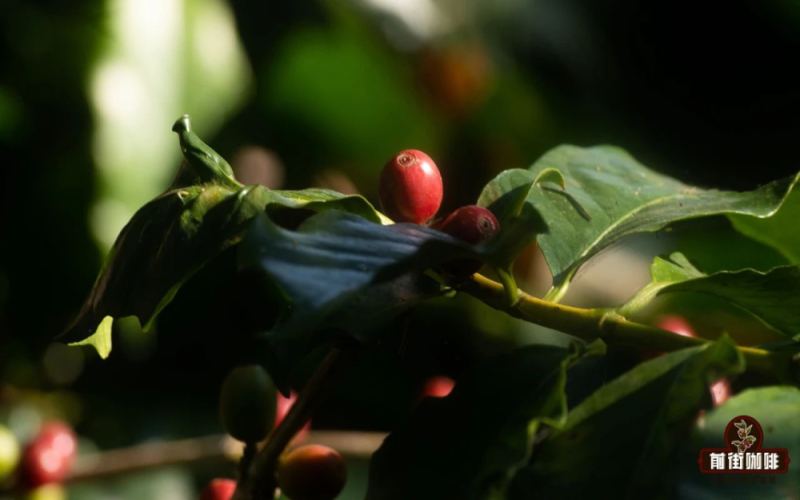
Typica is widely recognized as the prototype of all Arabica coffee varieties and is an essential part of coffee variety knowledge. It originated in southwestern Ethiopia, the birthplace of Arabica coffee, and spread with seeds throughout Yemen, India, Java, and Dutch botanical gardens, eventually reaching South and Central America. The young leaves at the top of the Typica coffee tree are bronze-red, earning it the nickname "red-topped coffee," but it has poor disease resistance and low yield, making it difficult to cultivate. This article will explore Typica's botanical characteristics, its spread history, flavor profiles in different producing regions, and the pour-over extraction parameters used by Front Street Coffee for Typica grown in Lincang, Yunnan, to give you a comprehensive understanding of this ancient and elegant coffee variety. [more…]